

Protecting Your Heart: A Comprehensive Guide to Preventing High Cholesterol
Maintaining cardiovascular health is paramount, and a significant factor in achieving this is managing cholesterol levels. High cholesterol, often asymptomatic, can significantly increase your risk of heart disease. This comprehensive guide provides actionable steps to prevent high cholesterol and promote a healthier heart. Let's explore practical strategies to safeguard your well-being.
Understanding Cholesterol: The Good, the Bad, and the Ugly
Cholesterol, a waxy substance, is essential for bodily functions. However, an imbalance can lead to health concerns. Two main types exist: high-density lipoprotein (HDL), often referred to as "good" cholesterol, and low-density lipoprotein (LDL), or "bad" cholesterol. High LDL levels increase the risk of plaque buildup in arteries, leading to heart disease. Understanding this distinction is crucial for effective prevention.
Lifestyle Modifications for Cholesterol Control
1. Dietary Choices: Fueling Your Body for Optimal Health
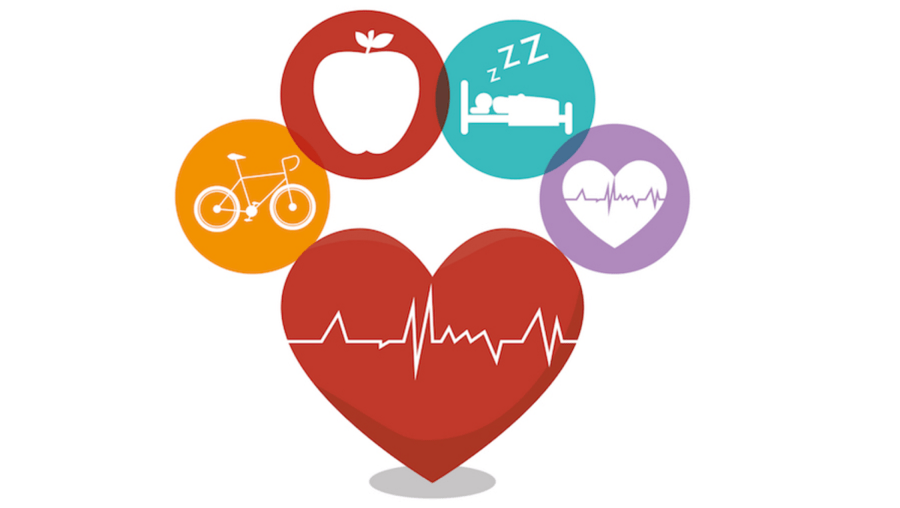
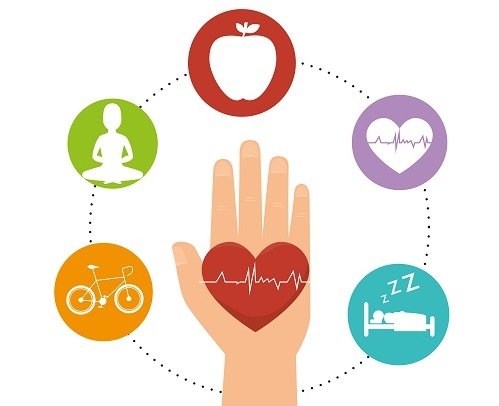
Nutrition plays a pivotal role in cholesterol management. A balanced diet rich in fruits, vegetables, whole grains, and lean proteins forms the foundation of heart-healthy eating. Minimize saturated and trans fats found in processed foods, fried items, and fatty meats. Instead, incorporate heart-healthy fats such as those found in avocados, nuts, and olive oil.
2. Embracing Physical Activity: The Heart's Best Friend
Regular exercise is indispensable for cardiovascular health. Aim for at least 150 minutes of moderate-intensity aerobic activity or 75 minutes of vigorous activity per week. Activities like brisk walking, jogging, swimming, or cycling are excellent choices. Physical activity not only helps control cholesterol but also contributes to overall well-being.
3. Weight Management: A Crucial Component of Heart Health
Maintaining a healthy weight is critical for cholesterol management. A healthy body mass index (BMI) reduces strain on the heart and helps regulate cholesterol levels. Even modest weight loss can significantly improve cholesterol profiles and overall cardiovascular health.
4. Mindful Alcohol Consumption: Moderation is Key
While moderate alcohol intake might offer limited cardiovascular benefits for some, excessive consumption elevates cholesterol and increases the risk of various health problems. Adhere to recommended guidelines: up to one drink per day for women and up to two drinks per day for men. Always consult your physician regarding alcohol consumption.
5. Smoking Cessation: A Vital Step for Heart Health
Smoking severely damages the cardiovascular system. It lowers HDL ("good") cholesterol, raises LDL ("bad") cholesterol, and significantly increases the risk of heart disease. Quitting smoking is a crucial step in protecting your heart and overall health. Seek support if needed; resources are available to assist you.
6. Stress Management: Nurturing Your Mental and Physical Well-being
Chronic stress negatively impacts cholesterol levels. Practice stress-reducing techniques like yoga, meditation, deep breathing exercises, or engaging in enjoyable hobbies. Prioritizing mental well-being contributes significantly to overall heart health.
Proactive Healthcare and Informed Choices
7. Regular Health Check-ups: Early Detection is Key
Regular visits to your doctor for check-ups and screenings are essential. High cholesterol often presents no noticeable symptoms, making regular monitoring crucial. Early detection allows for timely intervention and reduces the risk of serious complications.
8. Medication: When Necessary, Under Medical Guidance
In some instances, lifestyle changes alone may not suffice. Your doctor might prescribe medication, such as statins, to manage high cholesterol. Always take medication as prescribed and under the guidance of your healthcare provider.
9. Family History: Understanding Your Genetic Predisposition
A family history of high cholesterol or heart disease necessitates increased vigilance. Discuss your family history with your doctor to determine appropriate preventative measures and screening frequency. Genetic factors can significantly influence cholesterol levels.
10. Recognizing Hidden Cholesterol: Reading Food Labels Critically
Many processed foods contain hidden sources of cholesterol and unhealthy fats. Carefully review nutrition labels to make informed food choices. Be mindful of pastries, processed snacks, and fast food, which often contain high levels of unhealthy fats and cholesterol.
Dietary Strategies for Lowering Cholesterol
11. The Power of Omega-3 Fatty Acids
Omega-3 fatty acids contribute to lower LDL cholesterol. Incorporate foods rich in omega-3s, such as fatty fish (salmon, tuna), walnuts, flaxseeds, and chia seeds, into your diet.
12. The Importance of Fiber
Fiber-rich foods, including whole grains, legumes, fruits, and vegetables, bind to cholesterol and aid in its elimination. Increase your fiber intake for optimal cholesterol management.
13. The Heart-Healthy Benefits of Olive Oil
Replace unhealthy fats with olive oil in cooking and dressings. Olive oil's monounsaturated fats contribute to lower LDL cholesterol levels.
Conclusion: A Collaborative Approach to Heart Health
Preventing high cholesterol requires a holistic approach encompassing lifestyle modifications, regular health check-ups, and informed decision-making. By adopting these strategies, you significantly reduce your risk of heart disease and pave the way for a healthier, longer life. Share this valuable information with your loved ones, promoting a culture of heart health within your community.
```




No comments yet. Be the first to share your thoughts!