

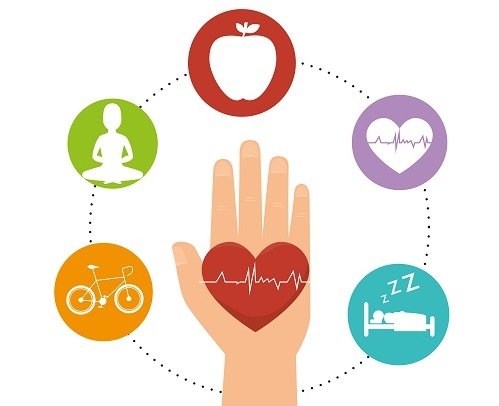
Cancer Prevention: Understanding Risk Factors
Cancer is a devastating disease that affects millions of people worldwide. It is a complex condition that can be caused by a variety of factors. However, by understanding the risk factors associated with cancer, we can take steps to reduce our chances of developing this illness. In this article, I will discuss fifteen important points about cancer prevention and the emojis will help us navigate through this important information.
Family History: 🧬
Having a family history of certain cancers, such as breast or colon cancer, can increase your risk of developing the disease. It is important to be aware of your family's medical history and discuss this with your doctor.
Tobacco Use: 🚭
Smoking is a leading cause of cancer and quitting smoking is one of the best ways to reduce your risk. As AckySHINE, I strongly advise against smoking and recommend seeking professional help to quit if needed.
Healthy Diet: 🍎
Maintaining a balanced diet rich in fruits, vegetables, and whole grains can help reduce the risk of certain cancers. It is important to limit the consumption of processed foods and sugary drinks, as they can contribute to weight gain and increase cancer risk.
Physical Activity: 🏋️♀️
Regular exercise not only helps in maintaining a healthy weight but also reduces the risk of certain types of cancer. Aim for at least 150 minutes of moderate-intensity exercise or 75 minutes of vigorous exercise per week.
Sun Protection: ☀️
Exposure to ultraviolet (UV) radiation from the sun or tanning beds can increase the risk of skin cancer. It is important to use sunscreen, wear protective clothing, and avoid sunbathing during peak hours.
Alcohol Consumption: 🍷
Excessive alcohol consumption is linked to an increased risk of several types of cancer, including breast, liver, and colorectal cancer. As AckySHINE, I recommend limiting alcohol intake to reduce the risk.
HPV Vaccination: 💉
The human papillomavirus (HPV) is a sexually transmitted infection that can cause cervical, anal, and other cancers. Vaccination against HPV can help prevent these cancers in both males and females.
Occupational Exposures: 🏭
Certain occupations, such as those involving exposure to asbestos, chemicals, or radiation, may increase the risk of developing cancer. It is important to take necessary precautions and follow safety guidelines in the workplace.
Regular Screening: 📝
Screening tests, such as mammograms and colonoscopies, can help detect cancer at an early stage when treatment is most effective. It is important to follow recommended screening guidelines based on your age and risk factors.
Environmental Factors: 🌍
Exposure to environmental pollutants, such as air pollution or certain chemicals, may increase the risk of developing cancer. As AckySHINE, I recommend being aware of your surroundings and taking steps to minimize exposure to harmful substances.
Hormone Replacement Therapy: 💊
Long-term use of hormone replacement therapy (HRT) for menopause symptoms may increase the risk of certain cancers. It is important to discuss the potential risks and benefits of HRT with your healthcare provider.
Chronic Inflammation: 🔥
Chronic inflammation in the body has been linked to an increased risk of cancer. Conditions such as chronic infections or inflammatory bowel disease may contribute to this risk. Maintaining a healthy lifestyle and managing underlying medical conditions can help reduce inflammation.
Genetic Mutations: 🧪
Certain inherited genetic mutations, such as BRCA1 and BRCA2, can increase the risk of breast and ovarian cancer. Genetic testing and counseling can help identify individuals at higher risk and guide preventive measures.
Stress Management: 😌
Chronic stress can weaken the immune system and increase the risk of various health problems, including cancer. Adopting stress management techniques, such as meditation or exercise, can help reduce stress levels and improve overall well-being.
Regular Check-ups: 👩⚕️
Regular check-ups with your healthcare provider are crucial for early detection and prevention of cancer. As AckySHINE, I recommend scheduling annual check-ups and discussing any concerns or symptoms with your doctor.
In conclusion, understanding the risk factors associated with cancer is key to prevention and early detection. By adopting a healthy lifestyle, avoiding risk factors, and seeking regular medical care, we can reduce our chances of developing this devastating disease. Remember, prevention is always better than cure!
What are your thoughts on cancer prevention? Do you have any additional tips to share?




No comments yet. Be the first to share your thoughts!