

Conquering Stress: A Holistic Approach to Men's Well-being
Contemporary societal pressures present significant challenges to men's well-being, demanding high performance across professional, familial, and personal domains. This constant strain can manifest as overwhelming stress, negatively impacting both mental and physical health. Effective stress management is therefore paramount for navigating these demands and achieving holistic well-being. This guide outlines fifteen evidence-based strategies to enhance resilience and cultivate a balanced, fulfilling life for men. We will explore these strategies through the lens of established psychological and physiological models, such as the transactional model of stress and coping, the self-determination theory, and the general adaptation syndrome.
1. Cultivating a Proactive Self-Care Regime: Self-care is not merely self-indulgent; it is a fundamental pillar of well-being. Regular engagement in restorative activities—physical exercise, engaging hobbies, and meaningful social interactions—serves to replenish energy reserves and mitigate the effects of daily stressors. This aligns with the principles of self-determination theory, emphasizing the importance of autonomy, competence, and relatedness in fostering intrinsic motivation and overall well-being.
2. Harnessing the Power of Mindfulness: Mindfulness meditation, involving focused attention on the present moment, effectively reduces mental chatter and anxiety. Regular practice, even in brief sessions, significantly impacts stress levels by regulating the hypothalamic-pituitary-adrenal (HPA) axis, the body's stress response system. This is consistent with findings from numerous studies demonstrating the efficacy of mindfulness-based interventions in stress reduction.
3. Leveraging Social Support Networks: The burden of stress should not be borne alone. Actively seeking support from trusted individuals, whether family, friends, or mental health professionals, provides crucial emotional relief and facilitates perspective-taking. Social support acts as a buffer against the detrimental effects of stress, as evidenced by social support theory and its extensive research base.
4. Implementing Effective Goal Setting and Task Management: Overambitious goals can lead to overwhelm and feelings of inadequacy. Employing effective goal-setting techniques, such as breaking down large tasks into smaller, achievable steps, fosters a sense of accomplishment and maintains momentum. This principle aligns with the concept of progressive muscle relaxation and its application in managing anxiety related to overwhelming tasks.
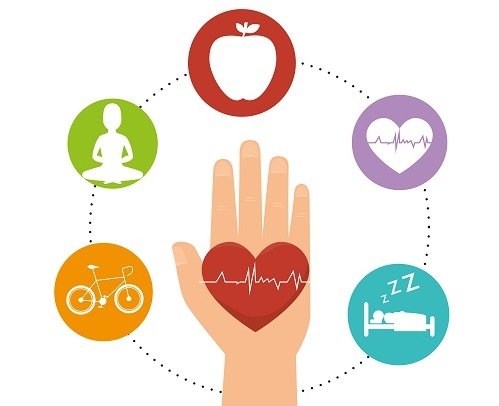
5. Establishing a Healthy Lifestyle Foundation: Optimal physical health is intrinsically linked to stress resilience. Prioritizing a balanced nutrition plan, regular physical activity, and adequate sleep enhances energy levels, mood regulation, and overall resistance to stress. This is supported by numerous studies demonstrating the strong correlation between lifestyle factors and stress levels.
6. Mastering Diaphragmatic Breathing Techniques: Diaphragmatic breathing, or deep belly breathing, directly activates the parasympathetic nervous system, countering the physiological effects of the stress response. Regular practice promotes relaxation and reduces anxiety, thereby mitigating the negative impact of stressors. This technique is frequently incorporated into stress management programs based on its demonstrable effectiveness.
7. Optimizing Time Management and Prioritization: Efficient time management is critical for stress reduction. Prioritizing tasks, effective scheduling, and delegating where appropriate contribute to a healthy work-life balance, thereby preventing burnout. This approach leverages principles of time management theories, highlighting the importance of planning and execution in managing workload effectively.
8. Engaging in Stress-Reducing Activities and Hobbies: Regular participation in enjoyable activities, whether listening to music, spending time in nature, pursuing creative endeavors, or practicing yoga, facilitates relaxation and stress reduction. These activities serve as effective coping mechanisms, allowing for emotional regulation and stress relief.
9. Avoiding Maladaptive Coping Mechanisms, such as Excessive Alcohol Consumption: While alcohol might offer temporary respite, it is not a sustainable solution for stress management. Excessive alcohol consumption exacerbates stress and contributes to various health issues. Healthy coping mechanisms and professional support should be sought for long-term stress management.
10. Nurturing and Maintaining Strong Social Connections: Strong social support networks are pivotal for mental well-being. Meaningful interactions with loved ones, participation in social groups, or volunteer work build resilience and mitigate feelings of isolation. This aligns with the social support theory highlighting the protective effects of strong social bonds against various stressors.
11. Establishing and Maintaining Healthy Boundaries: Setting clear boundaries is essential for preventing burnout. Learning to politely decline requests that compromise well-being or add undue stress is crucial for self-preservation and overall health.
12. Cultivating Positive Self-Talk and Cognitive Restructuring: Challenging negative thoughts and replacing them with positive self-affirmations builds resilience and reduces self-criticism. This cognitive behavioral therapy (CBT) technique fosters a healthier mental outlook, reducing the impact of stress.
13. Minimizing Technological Overload and Promoting Digital Detoxification: Excessive screen time and constant connectivity can exacerbate stress and anxiety. Scheduled digital detox periods and mindful technology use promote relaxation and mental clarity. This aligns with research highlighting the negative impact of constant connectivity on well-being.
14. Utilizing Humor and Laughter as Stress Buffers: Laughter is a powerful stress reliever, releasing endorphins and improving mood. Engaging in humorous activities provides an effective coping mechanism for managing stress. This resonates with research showcasing the positive physiological effects of laughter on stress hormones.
15. Seeking Professional Guidance and Support When Necessary: When stress feels overwhelming, professional help should be sought without hesitation. Therapists and counselors provide tailored strategies and support for developing effective coping mechanisms.
Conclusions and Recommendations: This guide emphasizes the multifaceted nature of stress management, advocating for a holistic approach incorporating physiological, psychological, and social strategies. The integration of mindfulness, effective time management, healthy lifestyle choices, and strong social support are crucial components of a comprehensive stress reduction plan. Future research could focus on tailoring these interventions to specific demographic groups and exploring the long-term efficacy of combined stress management approaches. The effectiveness of these strategies depends on consistent application and self-awareness. Individuals should experiment with different techniques to identify the most effective approaches for their personal circumstances.
Reader Pool: Considering the presented strategies, what additional factors do you believe contribute significantly to effective stress management in men, and how could these be incorporated into future research and interventions?


No comments yet. Be the first to share your thoughts!