

Safeguarding Africa's Linguistic Heritage: A Multifaceted Approach to Language Preservation
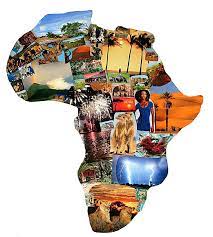
Africa's vibrant tapestry of cultures is inextricably woven with its diverse linguistic landscape. Over 2,000 languages thrive across the continent, each carrying unique histories, traditions, and perspectives. These languages are not mere tools of communication; they are the custodians of our collective identity, the vessels through which we transmit ancestral wisdom and shape our future. However, many African languages face the critical challenge of endangerment, demanding urgent and concerted preservation efforts.
The responsibility for safeguarding these invaluable linguistic resources rests not solely with governments or institutions, but with every individual who cherishes Africa's rich heritage. This article explores a comprehensive strategy, encompassing collaborative action and innovative solutions, to revitalize and secure the future of Africa's languages.
A Holistic Strategy for Language Revitalization
Effective language preservation requires a multi-pronged approach that addresses various interconnected aspects of cultural transmission and societal engagement. The following strategies are crucial for ensuring the resilience of African languages:
1. Fostering Linguistic Pride and Diversity
Promoting the use of indigenous languages in everyday life, from homes and schools to marketplaces and media, is paramount. Celebrating linguistic diversity through cultural events, festivals, and public awareness campaigns instills a sense of pride and ownership in our languages, encouraging their continued use.
2. Integrating Local Languages into Education
Education plays a pivotal role in cultural preservation. Incorporating indigenous languages into school curricula, from early childhood education to higher learning, empowers the younger generation to connect with their heritage while gaining essential knowledge and skills. Bilingual and multilingual educational programs can foster fluency and appreciation for diverse linguistic expressions.
3. Investing in Language Revitalization Initiatives
Targeted funding for language revitalization programs is essential. These initiatives should include language classes taught by native speakers, the development of educational materials in local languages, and the creation of digital resources such as online dictionaries and language-learning applications.
4. Cultivating Multilingualism
Encouraging multilingualism—proficiency in multiple languages, both local and international—benefits individuals and societies. This fosters greater cross-cultural understanding, strengthens social cohesion, and helps preserve African languages within a globalized world.
5. Documenting and Preserving Oral Traditions
Africa’s rich oral traditions—including storytelling, proverbs, songs, and poems—are invaluable repositories of cultural knowledge. Systematic efforts to record, archive, and disseminate these traditions through various media ensure their accessibility and continuity for future generations. This includes collaborating with community elders and oral historians to capture and preserve this invaluable knowledge.
6. Bridging the Generational Gap in Language Transmission
Facilitating intergenerational language transmission is vital. Mentorship programs, family-based language learning, and community-led initiatives can create opportunities for elders to share their linguistic knowledge and cultural wisdom with younger generations.
7. Building Collaborative Networks for Language Preservation
Establishing networks that connect language experts, scholars, community leaders, and technology developers fosters collaboration and resource sharing. These networks can conduct research, develop effective preservation strategies, and organize language-related events and workshops.
8. Leveraging Technology for Language Preservation
Harnessing technological advancements is crucial. Developing digital platforms, language learning apps, and online resources that incorporate African languages enhances accessibility and engagement. This includes creating language-specific software, voice recognition tools, and online dictionaries.
9. Amplifying African Languages in Media
Promoting the use of African languages in television, radio, film, and print media increases their visibility and relevance in contemporary society. This fosters a sense of pride and encourages wider adoption among different age groups.
10. Engaging Communities in Language Preservation Efforts
Community engagement is crucial. Organizing language festivals, workshops, and cultural exchanges builds a sense of ownership and pride in local languages. This grassroots participation ensures sustainable long-term preservation efforts.
11. Regional and International Collaboration
Collaboration across borders is vital, especially where languages are shared across national boundaries. Sharing strategies, resources, and best practices strengthens collective efforts and maximizes impact.
12. Integrating Indigenous Languages into Technology
Ensuring that African languages are integrated into technology, including software development, mobile applications, and digital platforms, fosters their use in modern contexts. This bridges the gap between traditional knowledge and contemporary technologies.
13. Commemorating Cultural Heritage
Designating specific days or events to celebrate African cultural heritage, with languages at the forefront, raises awareness and appreciation for linguistic diversity.
14. Protecting Indigenous Place Names
Preserving indigenous place names protects cultural memory and heritage. These names often hold deep historical and cultural significance, and their preservation is vital for maintaining cultural identity.
15. Forging African Unity Through Language
Promoting African unity through a shared understanding and appreciation of linguistic diversity strengthens the bonds between different communities and nations. This underscores the shared heritage of the continent and fosters a sense of collective identity.
The preservation of African languages is a collective endeavor, requiring sustained commitment from individuals, communities, governments, and international organizations. By embracing these multifaceted strategies, we can ensure that the rich linguistic heritage of Africa thrives for generations to come, shaping a future where diversity is celebrated and cultural identity is strengthened.
```

No comments yet. Be the first to share your thoughts!