

Nutritional Needs Across the Lifespan: From Infancy to Senior Years
Understanding our nutritional needs throughout life is crucial for maintaining optimal health and well-being. This journey, from the earliest stages of infancy to the senior years, demands a dynamic approach to diet and nutrition, adapting to the changing demands of each phase. Let's explore the specific nutritional requirements for various life stages.
Infancy (0-12 Months): Building Blocks for Life
During infancy, breast milk or formula provides the perfect blend of nutrients and antibodies, crucial for a baby's immune system development and overall growth. This foundational stage sets the stage for healthy development throughout life. Exclusive breastfeeding for the first six months is widely recommended by health professionals.
Toddlerhood (1-3 Years): Introducing a World of Flavors
As toddlers begin exploring various foods, introducing a diverse range of nutrient-rich options is paramount. This period lays the groundwork for establishing lifelong healthy eating habits. Focus on incorporating fruits, vegetables, whole grains, and lean proteins to provide the necessary building blocks for continued growth and development. Avoid sugary drinks and processed foods.
Childhood (4-12 Years): Fueling Growth and Development
Children in this age group need a balanced diet that provides sustained energy for active growth and learning. Calcium-rich foods, such as dairy products and leafy greens, are essential for strong bones and healthy teeth. Encourage regular physical activity to maintain a healthy weight and build strong muscles. Limit sugary snacks and drinks.
Adolescence (13-18 Years): Navigating Rapid Growth
Adolescence is marked by rapid growth and hormonal changes, demanding increased nutritional intake. Adequate protein is crucial for muscle development, while iron supports healthy blood production. Calcium and vitamin D remain vital for bone health. Encourage teenagers to make informed food choices and prioritize hydration. Open communication about nutrition is crucial during this stage.
Adulthood (19-50 Years): Maintaining a Healthy Foundation
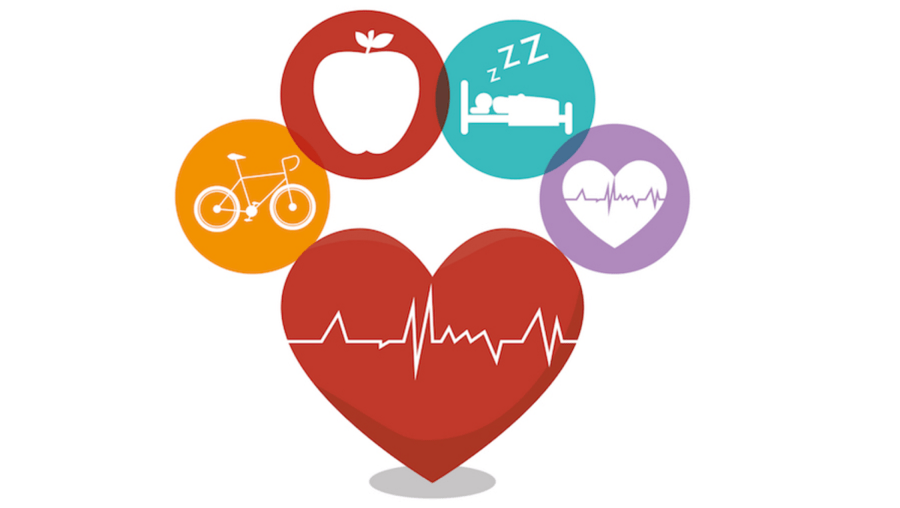
Maintaining a well-balanced diet throughout adulthood is key to preventing chronic diseases such as obesity, diabetes, and heart disease. A focus on whole grains, lean proteins, fruits, and vegetables is essential. Regular exercise and portion control help maintain a healthy weight and overall well-being. Prioritizing stress management and sufficient sleep is equally important.
Pregnancy: Nourishing Mother and Child
Pregnancy significantly increases nutritional demands to support the developing fetus. Adequate folic acid is critical for preventing neural tube defects, while iron combats anemia. Calcium and protein are vital for bone and tissue development. Prenatal vitamins, along with a balanced diet, are essential. Consult with a healthcare professional for personalized guidance.
Older Adults (50+ Years): Adapting to Changing Needs
As we age, our metabolism slows, and nutrient needs shift. Adequate protein is crucial for maintaining muscle mass and strength. Fiber aids digestion, while vitamins and minerals support overall health. Calcium and vitamin D remain essential for bone health, helping to prevent osteoporosis. Prioritize nutrient-dense foods and manage portion sizes effectively.
Postmenopausal Women: Protecting Bone Health
Postmenopausal women face an increased risk of osteoporosis due to declining estrogen levels. Therefore, adequate calcium and vitamin D intake, combined with weight-bearing exercise, becomes even more critical. Omega-3 fatty acids, found in fatty fish and flaxseed, may offer additional cardiovascular benefits.
Senior Citizens (65+ Years): Maintaining Vitality
Senior citizens benefit from a nutrient-rich diet emphasizing fiber, vitamins, and minerals. Hydration is crucial, as the sensation of thirst can diminish with age. Foods that are easy to chew and digest, such as well-cooked vegetables and lean proteins, are particularly beneficial. Regular physical activity and social engagement are also important components of healthy aging.
Specific Dietary Considerations
The following sections address the nutritional needs of individuals with specific dietary requirements or health conditions:
Vegetarians and Vegans: Ensuring Complete Nutrition
Vegetarian and vegan diets require careful planning to ensure adequate intake of all essential nutrients, particularly protein and vitamin B12. Plant-based protein sources such as beans, lentils, tofu, and quinoa should be incorporated regularly. Supplementation may be necessary to meet specific nutritional needs.
Athletes: Fueling Performance and Recovery
Athletes require a diet that supports their training demands and aids recovery. Adequate carbohydrates provide energy, lean proteins facilitate muscle repair, and proper hydration maintains electrolyte balance. Working with a registered dietitian or sports nutritionist offers personalized guidance.
Individuals with Chronic Conditions: Tailored Nutritional Plans
Individuals with chronic conditions such as diabetes, heart disease, or kidney disease often require customized meal plans to effectively manage their conditions. Working closely with healthcare professionals and registered dietitians is crucial for developing and adhering to appropriate dietary adjustments.
Allergies and Intolerances: Navigating Dietary Restrictions
Individuals with food allergies or intolerances must carefully identify and avoid trigger foods. Working with a registered dietitian or allergist is important to develop a safe and nutritious diet that eliminates allergens while ensuring adequate nutrient intake.
Individuals with Eating Disorders: Restoring Healthy Relationships with Food
Eating disorders require professional intervention to address both the underlying psychological factors and nutritional deficiencies. A registered dietitian and therapist can work collaboratively to help individuals re-establish a healthy relationship with food and achieve nutritional rehabilitation.
Prioritizing Nutritional Well-being
Regardless of age or health status, prioritizing nutrition is essential for overall well-being and healthy aging. A diverse diet rich in nutrient-dense foods, coupled with regular physical activity and a positive mindset, contributes significantly to a healthier, more fulfilling life. Remember that small, sustainable changes can accumulate to make a significant difference.
This information is for general knowledge and does not constitute medical advice. Consult with healthcare professionals or registered dietitians for personalized guidance on your specific nutritional needs.
```
No comments yet. Be the first to share your thoughts!