

Stress Management: A Key to Enhanced Disease Control
Stress is an unavoidable aspect of modern life, impacting everyone at some point. Whether stemming from professional pressures, personal challenges, or global events, stress significantly affects our mental and physical health. Effective stress management is therefore crucial for maintaining well-being and improving disease control. This article outlines fifteen practical strategies to help you cope with stress and enhance your overall health.
1. Embrace the Power of Deep Breathing: Deep, conscious breathing is a remarkably effective technique for immediate stress reduction. Inhale deeply over four seconds, hold for four seconds, and exhale slowly over four seconds. Regular practice can significantly calm your mind and lower stress levels.
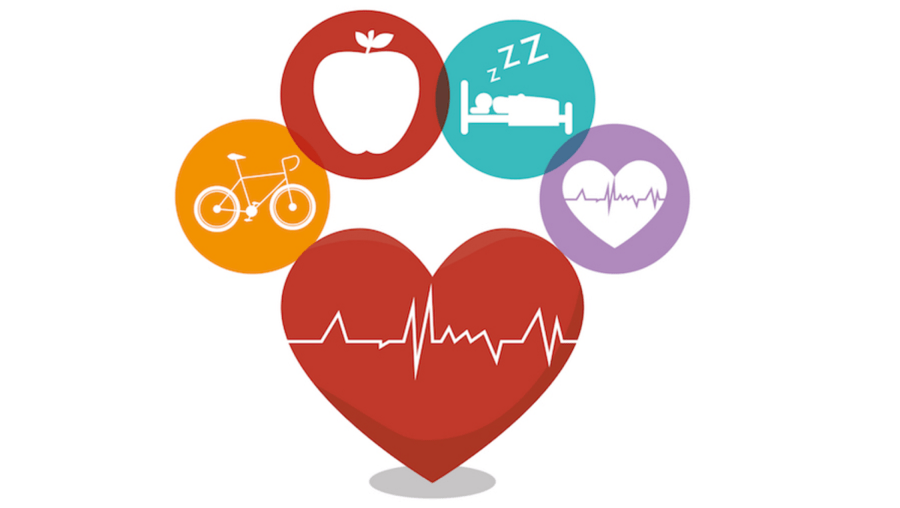
2. Prioritize Regular Physical Activity: Exercise triggers the release of endorphins, natural mood boosters that alleviate stress and elevate mood. Aim for at least thirty minutes of moderate-intensity activity daily, such as brisk walking, cycling, or swimming. Find an activity you enjoy to ensure adherence.
3. Nourish Your Body with a Healthy Diet: Nutrition plays a vital role in stress management. Limit caffeine and processed sugars, known to exacerbate anxiety. Instead, focus on a balanced diet rich in fruits, vegetables, whole grains, and lean proteins. This provides your body with the essential nutrients needed to cope with stress.
4. Prioritize Sufficient Sleep: Sleep deprivation amplifies stress and compromises the immune system. Aim for seven to eight hours of quality sleep nightly to allow your body and mind to fully recover and function optimally.
5. Cultivate Mindfulness and Meditation: Mindfulness and meditation practices enhance your ability to focus on the present moment, reducing anxiety and fostering a sense of calm. Even short, guided meditation sessions can be profoundly beneficial.
6. Leverage the Support of Your Social Network: Sharing your feelings with trusted friends, family, or support groups offers a crucial outlet for stress. Surround yourself with positive individuals who provide encouragement and understanding.
7. Set Realistic and Achievable Goals: Overcommitting frequently leads to chronic stress. Set realistic goals, prioritize tasks, and break down larger projects into smaller, manageable steps. This prevents feelings of overwhelm and promotes a sense of accomplishment.
8. Incorporate Regular Breaks and Relaxation: Scheduled breaks throughout the day are essential for rejuvenation. Engage in enjoyable activities such as reading, listening to music, or taking a relaxing bath. These moments of respite are crucial for stress reduction.
9. Master Effective Time Management: Poor time management is a significant contributor to stress. Plan your day, create to-do lists, and allocate specific time slots for critical tasks. Prioritize tasks based on urgency and importance.
10. Minimize Exposure to Stressful Triggers: Identify specific situations or stimuli that trigger your stress response and actively minimize exposure. For example, if news consumption increases anxiety, limit your intake to specific times or sources.
11. Engage in Enjoyable Hobbies and Activities: Participating in activities you love provides a welcome distraction from stressors and boosts your overall sense of well-being. Whether it’s painting, gardening, or playing music, make time for activities that bring you joy.
12. Practice Daily Gratitude: Take a few minutes each day to reflect on the things you're grateful for. This simple exercise shifts your focus from negative stressors to positive aspects of your life, improving overall mood and resilience.
13. Seek Professional Guidance When Needed: Don't hesitate to seek help from a mental health professional if stress becomes unmanageable or interferes with daily life. They can provide tailored strategies and support to effectively address your specific needs.
14. Connect with the Restorative Power of Nature: Spending time outdoors has been shown to reduce stress and improve well-being. Take walks in nature, go hiking, or simply sit outside and appreciate the beauty of your surroundings.
15. Prioritize Comprehensive Self-Care: Make self-care a non-negotiable part of your routine. Engage in activities promoting relaxation, such as warm baths, yoga, or reading. Remember that holistic self-care encompasses physical, emotional, and mental well-being.
In conclusion, effective stress management is paramount for better disease control and overall well-being. By consistently implementing these strategies, you can significantly reduce stress levels, strengthen your immune system, and improve your quality of life. Experiment with these techniques to find what resonates with you, remember to prioritize self-care, and seek support when necessary. How do you manage stress in your daily life? Share your experiences and insights in the comments below!





No comments yet. Be the first to share your thoughts!