

Stress Management Strategies for Men: A Holistic Approach to Well-being
The contemporary male experiences significant pressures stemming from societal expectations related to career success, familial provision, and the maintenance of a balanced lifestyle. These demands can lead to substantial stress, negatively impacting mental and physical health. This article explores fifteen evidence-based strategies, grounded in psychological and physiological principles, to empower men to effectively manage stress and cultivate overall well-being. Key concepts addressed include the Transactional Model of Stress and Coping, the importance of self-efficacy, and the application of various relaxation techniques.
1. Cultivating Self-Care Practices: Self-care, a cornerstone of stress management, involves engaging in activities that promote physical and mental restoration. This aligns with the concept of self-efficacy, enhancing one's belief in their ability to manage stressors. Examples include regular exercise, pursuing hobbies, and nurturing meaningful relationships. Regular physical activity, for example, releases endorphins, which have mood-boosting effects, thereby reducing the impact of stress as described by the bio-psychosocial model.
2. Harnessing the Power of Mindfulness: Mindfulness-based stress reduction (MBSR) techniques, rooted in Buddhist principles, emphasize present moment awareness. By focusing on the present, individuals detach from rumination on past events or anxieties about the future, reducing the cognitive appraisal of stressful situations (Transactional Model of Stress and Coping). This practice cultivates emotional regulation and reduces the physiological response to stress.
3. Leveraging Social Support Networks: Seeking support is crucial. Social support acts as a buffer against stress, providing emotional resources and practical assistance (Social Support Theory). This can involve confiding in trusted friends, family, or utilizing professional counseling services which offer guidance and coping strategies.
4. Strategic Goal Setting and Time Management: Effective goal setting, informed by principles of behavioral psychology, involves establishing attainable goals, breaking down large tasks into smaller, manageable steps, and prioritizing tasks based on urgency and importance (Time Management Matrix). This approach reduces feelings of overwhelm and fosters a sense of accomplishment, thereby mitigating stress.
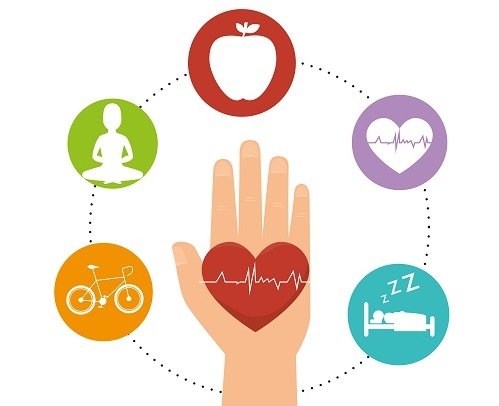
5. Promoting a Healthy Lifestyle: Adopting a holistic approach to health significantly impacts stress management. Nutritional balance, consistent exercise, and adequate sleep are fundamental. These practices optimize physiological functioning, enhancing mood regulation and stress resilience, as supported by research on the impact of lifestyle factors on mental health.
6. Utilizing Relaxation Techniques: Deep breathing exercises, a core component of many relaxation techniques, activate the parasympathetic nervous system, counteracting the physiological effects of stress. Progressive muscle relaxation and meditation also offer effective means of managing physiological arousal associated with stress.
7. Effective Time Management and Boundary Setting: Time management strategies, combined with assertive boundary setting, prevent overcommitment and burnout. This requires identifying peak productivity periods, delegating tasks where possible, and learning to decline requests that compromise well-being. This aligns with the concept of self-care and resource allocation.
8. Engaging in Stress-Reducing Activities: Participating in leisure activities that elicit positive emotions and relaxation is crucial. This could include activities like listening to music, spending time in nature, engaging in artistic pursuits, or practicing yoga. These activities foster psychological well-being and provide a counterbalance to stressors.
9. Avoiding Maladaptive Coping Mechanisms: Excessive alcohol consumption is a maladaptive coping mechanism that exacerbates stress in the long term. Identifying and replacing such behaviors with healthier alternatives, such as seeking professional support, is vital for sustainable stress management.
10. Nurturing Social Connections: Strong social bonds provide a sense of belonging and emotional support. Actively cultivating relationships and participating in social activities strengthens resilience to stress and enhances overall well-being.
11. Establishing Healthy Boundaries: Learning to say "no" to requests that overwhelm one's capacity is essential. Setting clear boundaries protects against burnout and maintains a healthy balance between personal responsibilities and external demands. This directly impacts stress levels by reducing the number of stressors encountered.
12. Implementing Positive Self-Talk: Cognitive restructuring techniques, such as replacing negative self-talk with positive affirmations, improve self-esteem and resilience. Challenging negative thought patterns reduces the emotional impact of stressful events and promotes a more optimistic outlook.
13. Managing Technology Consumption: Excessive exposure to technology contributes to stress. Establishing limits on screen time, disconnecting from work emails outside of work hours, and incorporating technology-free periods into the daily routine is beneficial for mental and emotional health.
14. Harnessing the Power of Humor: Laughter serves as a powerful stress reliever, releasing endorphins and reducing stress hormones. Incorporating humor into daily life provides a valuable coping mechanism.
15. Seeking Professional Guidance: When stress becomes unmanageable, seeking professional help from therapists or counselors is essential. Therapists offer tailored strategies and support to effectively navigate challenging situations.
Conclusions and Recommendations
Effective stress management for men requires a multifaceted approach integrating physiological, psychological, and social strategies. By consistently implementing these evidence-based techniques, individuals can significantly enhance their resilience to stress and improve their overall well-being. Further research could explore the efficacy of tailored interventions based on specific demographic factors or stressor profiles. The integration of these strategies into workplace wellness programs and educational initiatives would broaden access to stress management resources and contribute to a healthier and more productive society. The long-term impact of implementing these strategies includes improved mental health, enhanced productivity, and stronger relationships, leading to a higher quality of life. The applicability of these strategies extends beyond men, serving as a valuable framework for stress management for individuals across genders and age groups.
Reader Pool: What are your perspectives on the relative effectiveness of different stress management techniques outlined in this article, considering individual differences in personality and lifestyle?

No comments yet. Be the first to share your thoughts!