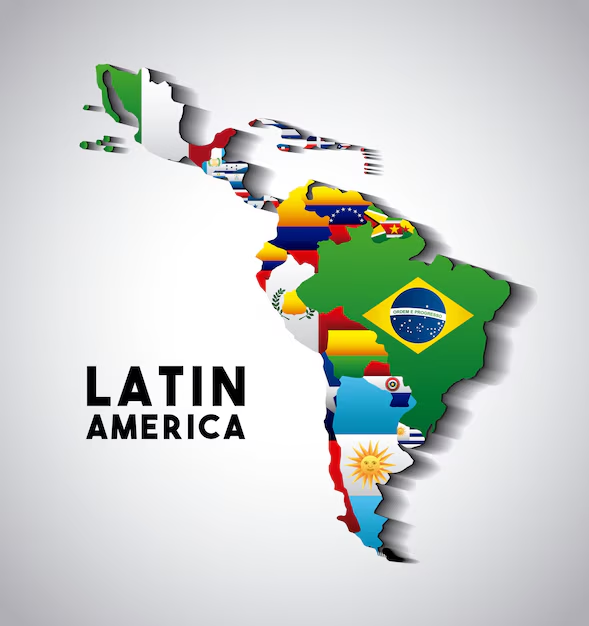
Integrating Indigenous and Western Medicine: Improving Community Health in South America
Updated at: 2025-02-24 21:04:30 (1 year ago by Melkisedeck Leon Shine)
The harmonious integration of Indigenous and Western healthcare systems presents a significant opportunity to enhance community well-being throughout South America. This article explores the unique strengths of both approaches, the challenges in their integration, and practical strategies for fostering a more holistic and culturally sensitive healthcare landscape.
Indigenous medicine, deeply rooted in ancestral traditions, offers a holistic perspective on health, encompassing the intricate interplay of mind, body, and spirit. Centuries of accumulated knowledge have yielded a diverse array of natural remedies, spiritual practices, and healing ceremonies. This approach emphasizes preventative care and fosters a strong connection between individuals and their environment, promoting a sense of community and cultural identity.
Western healthcare, conversely, boasts advanced technologies, scientific research, and specialized treatments. Its strengths lie in evidence-based practices, sophisticated diagnostic capabilities, surgical interventions, and pharmaceutical advancements. This system excels in addressing acute illnesses and complex medical conditions, providing critical interventions unavailable through traditional methods.
Successfully integrating these two distinct systems requires overcoming significant hurdles. Cultural differences, language barriers, and a lack of mutual understanding between practitioners can impede collaboration. However, the potential benefits of a unified approach are immense, offering a more comprehensive and culturally attuned healthcare experience for South American communities.
Several key strategies can facilitate the successful integration of Indigenous and Western healthcare. First, fostering open dialogue and mutual respect between practitioners is paramount. Cultural exchange programs and joint training initiatives can build trust and dispel misconceptions, creating a foundation for collaborative practice.
Furthermore, the integration of traditional healing methods into mainstream healthcare settings deserves attention. This could involve incorporating traditional remedies where appropriate, supporting research collaborations to validate the effectiveness of Indigenous practices, and educating Western healthcare providers on Indigenous principles and practices.
In remote areas with limited access to Western healthcare facilities, strengthening primary care services that incorporate elements of Indigenous medicine can significantly improve health outcomes. This integrated approach ensures community members receive culturally relevant care while benefiting from the advancements of both systems. This also empowers community health workers by leveraging their knowledge of both systems to provide comprehensive care.
Investing in traditional healing centers is crucial for preserving and promoting Indigenous knowledge. These centers can function as community hubs, providing healthcare services, cultural activities, and educational programs that empower individuals to manage their health within their cultural context. Additionally, engaging youth and future generations in the preservation of this rich heritage is essential for the long-term sustainability of integrated healthcare.
Continuous research and collaboration between Indigenous healers and Western healthcare professionals are vital for advancing community health promotion. Joint studies and interdisciplinary projects can identify innovative solutions to address the specific health needs of diverse communities. This collaboration promotes a shared understanding and respectful partnership.
The integration of Indigenous and Western healthcare represents a critical opportunity to transform community well-being across South America. By embracing both approaches, promoting unity, and empowering individuals, we can create a truly inclusive and culturally sensitive healthcare system. Individual actions, such as supporting local initiatives and advocating for inclusive healthcare policies, can make a profound difference.
In conclusion, the integration of Indigenous and Western healthcare is not merely a desirable goal; it's a necessity for fostering healthier and more equitable communities in South America. By valuing the strengths of both systems, promoting collaboration, and empowering individuals and communities, we can build a future where healthcare is accessible, culturally sensitive, and truly effective for all.
Updated at: 2025-05-30 10:59:45 (1 year ago by Melkisedeck Leon Shine)
South America is experiencing a rapid demographic transition characterized by an escalating elderly population, a phenomenon often termed a "silver tsunami." This demographic shift, driven by rising life expectancies and declining fertility rates, presents both significant challenges and substantial opportunities for socioeconomic development. This article analyzes the critical issues surrounding geriatric care and social support in South America, emphasizing the imperative for innovative, evidence-based solutions and the potential for mutually beneficial collaborations with North America. We will examine these challenges through the lens of several established sociological and economic theories, including modernization theory, dependency theory, and social exchange theory, to offer a comprehensive understanding and propose actionable strategies.
The expanding elderly population places immense strain on South America's often-overburdened healthcare systems. Modernization theory suggests that advanced economies necessitate adaptation to evolving societal needs. Applying this, substantial investments are crucial to ensure equitable access to high-quality geriatric care. This requires not merely expanding access to specialized geriatric professionals and upgrading facilities but also strategically integrating telehealth technologies to overcome geographical barriers and ensure universal access, particularly in underserved rural communities. This aligns with principles of health equity and aims to eliminate health disparities as outlined in the World Health Organization's health equity framework. Failure to address these infrastructural limitations will exacerbate health inequalities and negatively impact the overall well-being of the elderly population.
Social support systems play a pivotal role in maintaining the well-being of older adults. Social exchange theory posits that social interactions are based on reciprocal exchanges of resources. Applying this to the context of aging, effective social support extends beyond healthcare, encompassing community-based programs and initiatives explicitly designed to combat social isolation and loneliness, pervasive issues among the elderly. Investment in community centers, intergenerational programs, and volunteer networks, as proposed by the concept of "age-friendly cities," strengthens social bonds and fosters a sense of belonging. These interventions aim to counteract the negative impacts of social isolation which have been demonstrated to affect both physical and mental health.
Financial insecurity significantly impacts the quality of life for many older South Americans. Dependency theory highlights the importance of equitable resource distribution across different social strata. Governments must work collaboratively with communities to implement policies ensuring dignified retirements. This necessitates strengthening pension systems, exploring the feasibility of universal basic income for seniors (a policy suggested by several economists as a means of combating poverty), and providing targeted financial assistance to vulnerable populations. A robust social safety net, informed by principles of social justice, is essential for mitigating financial vulnerability and promoting the well-being of older adults. This approach requires careful consideration of the economic implications and the development of sustainable funding mechanisms.
Strong intergenerational relationships significantly enhance the quality of life for both younger and older individuals. Initiatives promoting meaningful interactions between generations foster mutual understanding, combat loneliness, and create valuable learning opportunities. Mentorship programs, intergenerational volunteer projects, and shared community activities can strengthen social cohesion and create a more inclusive society, thus reflecting the principles of social capital theory. These programs should be designed carefully, considering cultural contexts and community needs to be truly effective.
Building inclusive communities requires a holistic approach. Creating age-friendly environments necessitates ensuring accessibility across all aspects of infrastructure โ from public transportation to recreational facilities โ catering to the diverse needs and capabilities of older adults. This approach aligns with principles of universal design and aims to maximize independence and participation in community life for the elderly, contributing to improved quality of life and fostering a sense of belonging. Careful assessment of physical infrastructure and the implementation of appropriate modifications are required.
The burden of caregiving frequently falls disproportionately on family members, leading to significant stress and burnout. Providing comprehensive support and resources for caregivers is crucial for both the well-being of the elderly and the mental and physical health of their caregivers. This support should include respite care services, tailored training programs, and access to mental health services to mitigate caregiver burnout and ensure the sustainability of caregiving. This aligns with the broader concept of family systems theory, recognizing the importance of supporting the entire family unit.
Technological advancements offer transformative possibilities to improve the lives of the elderly. Telemedicine, assistive devices, and smart home technologies can enhance healthcare delivery, promote independent living, and mitigate age-related challenges. Investment in these technologies, alongside comprehensive training programs to ensure their effective and equitable utilization, is essential for modernizing geriatric care and enhancing accessibility for those in remote areas. This aligns with the principles of technological innovation applied to healthcare delivery.
Mental health issues, such as depression and anxiety, are prevalent among older adults. Addressing this necessitates increased investment in specialized mental health services for seniors, coupled with public awareness campaigns to destigmatize mental illness and encourage help-seeking behaviors. Early intervention and easily accessible support services are crucial for ensuring the mental well-being of this vulnerable population. This requires a multifaceted approach involving healthcare professionals, community organizations, and governmental policy makers.
South American governments play a pivotal role in addressing the challenges faced by their aging populations. Implementing comprehensive policies prioritizing geriatric care, strengthening social support systems, and guaranteeing financial security is a fundamental responsibility. This requires long-term strategic planning, sustained investment, and a commitment to ensuring equitable access to resources for all citizens. This involves incorporating geriatric care into broader national development strategies.
Significant opportunities exist for collaborative partnerships between North and South America in the realm of geriatric care. Sharing best practices and knowledge transfer can lead to more effective and sustainable solutions. This collaborative approach can accelerate progress and yield benefits for both regions. This could include joint research initiatives, exchange programs for healthcare professionals, and technology transfer agreements.
Empowering older adults to actively manage their health, finances, and overall well-being is crucial. Providing access to educational resources and support enables informed decision-making, promotes independence, and enhances the quality of life for seniors. This could involve developing age-appropriate educational materials and creating community-based support groups for older adults.
Reader Pool: Considering the multifaceted challenges and opportunities presented by South America's aging population, what are the most promising avenues for fostering effective public-private partnerships to ensure sustainable and equitable solutions?
Updated at: 2025-04-13 01:54:42 (1 year ago by Melkisedeck Leon Shine)
```htmlThe vibrant tapestry of indigenous cultures in South America faces unprecedented challenges in today's rapidly evolving world. Preservation and revitalization are not merely cultural exercises; they are crucial for the well-being and sustainable development of entire communities. This article explores the multifaceted efforts of indigenous initiatives across South America and highlights how global collaboration can bolster these vital movements.
The Inherent Value of Indigenous Knowledge: Indigenous cultures offer invaluable perspectives on harmonious co-existence with nature and the fostering of strong, resilient communities. Their deeply rooted traditions and practices hold profound wisdom applicable to contemporary challenges in community and social development, providing alternative models for sustainable living.
Championing Indigenous Rights: A Foundation for Preservation: Respecting and upholding the rights of indigenous communities is paramount. This includes recognizing their inherent rights to ancestral lands, self-determination, and the freedom to practice their cultural heritage without hindrance. This foundational respect forms the bedrock of any successful preservation effort.
Empowering Communities Through Sustainable Development: Genuine support for indigenous cultures necessitates empowering communities to lead their own development. This involves comprehensive capacity-building programs, equitable access to quality education, and the creation of economic opportunities deeply rooted in and respectful of their traditional practices. Economic independence fosters cultural resilience.
Fostering Intercultural Understanding and Collaboration: Open dialogue and collaborative partnerships between indigenous and non-indigenous populations are essential. Meaningful conversations build bridges, foster mutual appreciation and respect, and pave the way for inclusive growth. Understanding diverse perspectives strengthens community bonds.
Revitalizing Traditional Knowledge Systems: Indigenous communities possess a wealth of knowledge regarding sustainable agriculture, resource management, and traditional medicine. Integrating this wisdom into modern practices can significantly enhance community resilience and promote environmentally sound solutions. This knowledge represents a valuable global asset.
Celebrating Cultural Expressions Through Events and Arts: Active participation in indigenous cultural events and festivals demonstrates solidarity and provides valuable learning opportunities. Supporting the production and distribution of indigenous arts and crafts directly contributes to economic empowerment and the preservation of cultural heritage. These actions are crucial in keeping traditions alive.
Protecting the Environment: A Cornerstone of Cultural Survival: Indigenous communities often maintain a deep and intricate connection with their environment. Advocating for the protection and sustainable management of natural resources is a crucial element in safeguarding indigenous cultures and their traditional practices. Environmental protection is cultural preservation.
Responsible Tourism: A Partnership for Growth: Community-based tourism offers a sustainable model for economic support, fostering cultural exchange and mutual understanding between visitors and local communities. This approach promotes responsible engagement with cultural heritage.
Strengthening Indigenous Education Systems: Investing in and strengthening indigenous education systems is crucial for transmitting cultural knowledge across generations. This ensures the continuity of traditions and fosters cultural pride amongst the youth.
Advocacy for Policy Change: A Long-Term Commitment: Advocating for policies that protect indigenous rights and cultural heritage is essential for long-term sustainability. This includes pushing for land rights, language preservation, and the integration of indigenous knowledge into mainstream educational curricula.
Amplifying Indigenous Voices Through Storytelling: Sharing indigenous narratives through various media platforms, including social media, blogs, and documentaries, significantly raises awareness and promotes understanding among broader audiences. Telling their stories empowers indigenous communities.
Engaging Youth: Guardians of Future Heritage: Involving young people in cultural preservation initiatives ensures the continuity of traditions. Empowering the next generation to actively participate in their cultural heritage creates a vibrant legacy.
Building Collaborative Partnerships: A Network of Support: Collaboration among indigenous communities, organizations, and researchers facilitates the exchange of knowledge, resources, and expertise. Building strong partnerships is crucial for effective and lasting preservation.
A Continuous Journey of Learning and Growth: Supporting cultural preservation requires ongoing learning, reflection, and adaptation. Remaining open-minded and committed ensures that efforts remain meaningful, respectful, and effective. This is a journey of continuous improvement.
Conclusion: A Shared Responsibility for a Richer Future: Cultural preservation and revitalization in South America are not merely cultural endeavors; they are essential for sustainable development and social harmony. By embracing collaboration, respect, and a commitment to action, we can collectively contribute to a future where indigenous cultures thrive. Join us in this vital endeavor.
```
Updated at: 2023-08-27 11:42:38 (3 years ago by Melkisedeck Leon Shine)
Promotion of Indigenous Rights in South American Foreign Policy: Successes and Challenges
In the realm of international relations and cooperation, South American countries have been making significant strides in promoting indigenous rights. This article aims to shed light on the successes achieved so far, as well as the challenges that lie ahead. By understanding and addressing these issues, we can work towards a more inclusive and united North and South America.
Acknowledging historical injustices: South American foreign policy has increasingly recognized the historical injustices faced by indigenous communities. By acknowledging the past, countries can pave the way for a more just and equitable future.
Legal frameworks: Many South American nations have implemented legal frameworks that protect and promote indigenous rights. These frameworks serve as important tools for ensuring indigenous communities have a voice in decision-making processes.
Consultation and participation: Governments in South America have taken steps to ensure indigenous communities are consulted and participate in policy-making processes. This inclusive approach strengthens democracy and ensures that decisions reflect the diverse needs and perspectives of all citizens.
Land rights: Land is a fundamental aspect of indigenous identity, culture, and livelihood. South American countries have made efforts to recognize and protect indigenous land rights, allowing communities to maintain their way of life and preserve their traditions.
Cultural preservation: Indigenous cultures are rich and diverse, and it is essential to preserve and celebrate this heritage. South American foreign policies have aimed to promote cultural preservation by supporting initiatives that showcase indigenous arts, crafts, languages, and traditions.
Economic empowerment: South American countries have recognized the importance of economic empowerment for indigenous communities. By providing training, resources, and opportunities, governments can help indigenous individuals and groups thrive economically.
International cooperation: South American countries have actively participated in international forums and organizations to promote indigenous rights. By collaborating with other nations, they can amplify their voices and advocate for indigenous rights on a global scale.
Challenges of poverty and inequality: Despite these successes, poverty and inequality remain significant challenges for many indigenous communities. South American countries must continue to address these issues through comprehensive social and economic policies.
Education and healthcare: Access to quality education and healthcare is vital for the well-being and empowerment of indigenous communities. Governments should prioritize investments in these sectors to ensure that indigenous individuals have equal opportunities to succeed.
Environmental protection: Indigenous communities have a deep connection to the environment and play a crucial role in its preservation. South American foreign policies should prioritize environmental protection and involve indigenous communities in decision-making processes to ensure sustainable and responsible practices.
Traditional knowledge: Indigenous communities possess unique traditional knowledge and practices that can contribute to sustainable development. South American countries should recognize and harness this wealth of knowledge to address contemporary challenges.
Combating discrimination and racism: Discrimination and racism towards indigenous communities persist in various forms. South American foreign policies should actively combat these prejudices by promoting tolerance, respect, and inclusion.
Strengthening indigenous institutions: South American countries should support and strengthen indigenous institutions to ensure their effective representation and participation in decision-making processes. This can be achieved through capacity-building programs and inclusive governance structures.
Empowering indigenous women: Gender equality is crucial for promoting indigenous rights. South American foreign policies should prioritize the empowerment and inclusion of indigenous women, ensuring their voices are heard and their rights protected.
Engaging the youth: The youth represent the future of indigenous communities and play a vital role in promoting indigenous rights. South American countries should invest in youth programs that educate and empower young indigenous individuals to become leaders and advocates for change.
In conclusion, the promotion of indigenous rights in South American foreign policy has seen notable successes, but challenges remain. By addressing poverty, inequality, discrimination, and environmental concerns, while empowering indigenous communities and engaging youth, we can work towards a more inclusive and united North and South America. Let us continue to develop our skills and knowledge on contemporary issues in international relations and cooperation, and together, we can create a brighter future for all. #IndigenousRights #SouthAmericaUnity #InternationalCooperation
Updated at: 2023-08-27 11:42:49 (3 years ago by Melkisedeck Leon Shine)
Aging Population and Social Welfare: Elderly Care Strategies in North America
Introduction: As the population in North and South America continues to age, it is crucial to address the contemporary issues in community and social development, especially regarding elderly care strategies.
The Aging Population Challenge: With advancements in healthcare and a decline in birth rates, the elderly population in North and South America is growing rapidly. This trend poses challenges to social welfare systems and calls for innovative strategies.
Shift towards Aging in Place: Many seniors wish to age in the comfort of their own homes. Governments and communities are recognizing the importance of providing support services that enable seniors to live independently for as long as possible.
Home Care Services: Home care services have become an essential component of elderly care strategies. These services encompass a range of support, including personal care assistance, medication management, and companionship.
Community-Based Programs: Community-based programs have emerged as an effective way to address the needs of the elderly population. These programs aim to create a sense of belonging and provide social support through activities such as exercise classes, hobby groups, and volunteer opportunities.
Technology Advancements: Technology plays a significant role in improving elderly care strategies. Innovations such as remote monitoring devices, wearable health trackers, and telemedicine enable seniors to access healthcare services more conveniently and stay connected with their caregivers.
Long-Term Care Facilities: While aging at home is preferred by many, long-term care facilities still play a vital role in providing specialized care for seniors with complex medical needs. These facilities should prioritize person-centered care to ensure the well-being and dignity of residents.
Workforce Development: With the increasing demand for elderly care services, it is crucial to invest in workforce development. This includes training and educating healthcare professionals, caregivers, and volunteers to provide high-quality care that meets the unique needs of the aging population.
Cross-Generational Programs: Promoting intergenerational connections can have numerous benefits for both the elderly and younger generations. Programs that bring seniors and youth together foster mutual understanding, combat ageism, and create a sense of unity within communities.
Policy Reforms: Governments in North and South America need to prioritize policy reforms that support elderly care strategies. These reforms should focus on increasing funding for social welfare programs, improving accessibility to healthcare services, and promoting age-friendly communities.
Volunteering Opportunities: Volunteering in elderly care organizations can be a rewarding way to contribute to the community and gain valuable experience. Many organizations welcome individuals of all ages and offer training programs to ensure volunteers are equipped with the necessary skills.
Financial Planning for Aging: It is essential for individuals to plan for their own aging and ensure they have sufficient financial resources to support their care needs. Understanding retirement savings, insurance options, and long-term care costs can help individuals make informed decisions.
Education and Awareness: Promoting education and awareness about elderly care strategies is crucial to building a society that values and supports its aging population. By sharing knowledge and resources, we can empower individuals and communities to take action.
Taking Action: To promote North and South America unity in addressing the challenges of an aging population, it is essential for individuals to stay informed, engage in conversations about elderly care, and actively participate in community initiatives.
Conclusion: By developing skills and knowledge about contemporary issues in community and social development, we can make a positive impact on the lives of the elderly population in North and South America. Let us work together to create inclusive and supportive communities that prioritize the well-being of all generations.
Follow-up question: How do you think we can encourage more cross-generational programs in our communities? Share your thoughts and experiences in the comments below! #ElderlyCareStrategies #NorthSouthAmericaUnity
Please share this article to raise awareness about the importance of addressing contemporary issues in community and social development in North and South America. Together, we can make a difference! #AgingPopulation #ElderlyCareStrategies #NorthSouthAmericaUnity
Updated at: 2025-06-22 02:25:53 (1 year ago by Melkisedeck Leon Shine)
This article analyzes the significant role of artistic expression in driving social transformation and empowering marginalized communities across South America. We will explore how art acts as a catalyst for positive change, addressing complex socio-economic challenges and contributing to the creation of more equitable and resilient societies. Our analysis will be grounded in established theoretical frameworks: community development, encompassing participatory approaches to enhance community well-being; social capital theory, which emphasizes the role of social networks and trust in achieving collective goals; and the capabilities approach, focusing on expanding individual agency and opportunities for a fulfilling life. These frameworks provide a robust lens for understanding art's multifaceted impact on South American communities.
South America's rich cultural heritage exists alongside significant inequalities, including poverty, social exclusion, and systemic injustices disproportionately affecting vulnerable populations. These limitations restrict access to resources and opportunities, hindering individual potential and limiting self-determination. However, art offers a powerful platform for marginalized groups to articulate their experiences, challenge oppressive systems, and advocate for meaningful change. This aligns directly with the capabilities approach, empowering individuals to develop their capabilities and exercise agency in shaping their lives and communities. The concept of human agency, central to the capabilities approach, underscores the individual's capacity to act independently and make choices, thereby influencing their circumstances. This is particularly pertinent in contexts marked by marginalization and systemic inequality.
Art-based community development initiatives strategically leverage creative expression to drive positive social change. For example, murals in underserved urban areas are more than aesthetic improvements; they represent community pride and ownership, transforming neglected spaces into vibrant symbols of collective identity. This resonates with social capital theory, as the creation of shared spaces fosters social cohesion and strengthens community bonds. The concept of social capital, referring to the networks of relationships among people who live and work in a particular society, enabling that society to function effectively, is crucial here. These shared spaces become nodes within the social network, facilitating communication, cooperation, and collective action.
Youth, frequently among the most vulnerable, significantly benefit from arts-based programs. These initiatives provide safe spaces for self-expression, skill development, and the cultivation of essential life skills. By channeling their creativity, young people become agents of change, actively participating in community revitalization and disrupting cycles of poverty and marginalization. This exemplifies the empowerment dimension of the capabilities approach, fostering self-efficacy and promoting social mobility. The concept of self-efficacy, an individual's belief in their capacity to execute behaviors necessary to produce specific performance attainments, is crucial to overcoming systemic barriers.
Furthermore, art plays a vital role in preserving and promoting indigenous cultures and traditions. Artistic practices serve as powerful mechanisms for cultural transmission, safeguarding invaluable heritage for future generations. The reclamation of artistic heritage allows marginalized communities to reaffirm their cultural identity and fosters a stronger sense of belonging, thereby contributing to the preservation of social capital and cultural resilience. The concept of cultural resilience highlights the ability of a culture to adapt and persist in the face of adversity.
Beyond individual and cultural empowerment, art fosters social inclusion. Shared artistic experiences create opportunities for collaboration and dialogue across diverse social groups, bridging divides and promoting mutual understanding. Community theater, music festivals, and collaborative art projects facilitate social interaction and collective participation, strengthening community bonds and fostering a sense of shared identity. This exemplifies social capital theory, where social interaction and trust enhance collective action. The increased social interaction leads to the development of trust and reciprocity, essential components of strong social capital.
The therapeutic benefits of creative expression are widely documented. Art provides a healthy outlet for self-expression and emotional release, assisting individuals in coping with trauma, stress, and anxiety. Providing avenues for emotional processing contributes to improved mental health and overall well-being within communities, promoting resilience and positive mental health outcomes. This aligns with the broader concept of well-being, central to the capabilities approach. Well-being, in this context, is not merely the absence of illness but encompasses physical, mental, and social aspects of a fulfilling life.
Art-based initiatives also contribute to sustainable development. Projects using recycled and upcycled materials for artistic purposes promote environmental consciousness and create economic opportunities. This transforms waste into valuable resources, fostering environmental stewardship and economic empowerment simultaneously. This exemplifies a holistic approach to community development, incorporating economic, social, and environmental dimensions. Sustainability, in this context, encompasses environmental, social, and economic considerations.
The development of artistic skills can lead to entrepreneurial opportunities. Transforming creativity into viable businesses empowers individuals in marginalized communities to generate income, achieve financial independence, and contribute to the economic growth of their communities. This entrepreneurial spirit, fueled by artistic endeavors, leads to sustainable economic development, directly impacting individual capabilities and community well-being. The entrepreneurial aspect directly contributes to the capabilities approach by expanding individual economic opportunities and agency.
Successful art-based community development necessitates collaboration and effective networking. Partnerships between artists, community leaders, and organizations amplify collective efforts, leading to more impactful and sustainable change. This collaborative approach ensures the longevity and broader impact of initiatives. This highlights the importance of strong social networks in achieving community development goals, as described by social capital theory. Strong social networks facilitate information sharing, resource mobilization, and collective action.
Investing in arts education and infrastructure is crucial to fully harness the potential of art for social development. Providing access to quality arts education equips individuals with the necessary skills and knowledge to thrive creatively. This investment in education is vital for the long-term sustainability and impact of art-based initiatives. It directly contributes to the development of capabilities and enhances future opportunities for marginalized communities. Investing in education is a crucial long-term strategy for fostering individual and community development.
Conclusions and Recommendations
This analysis demonstrates art's potent capacity to empower marginalized communities in South America. By fostering individual agency, strengthening social capital, and promoting sustainable development, art-based initiatives offer a comprehensive approach to addressing multifaceted socio-economic challenges. Future research should employ mixed-methods approaches, incorporating both qualitative and quantitative data, to assess the long-term impacts of art-based interventions. This could involve longitudinal studies tracking changes in well-being indicators, economic outcomes, and social cohesion. Comparative case studies across diverse South American contexts, considering factors such as geographic location, cultural norms, and existing social structures, would deepen our understanding of the effectiveness of various artistic approaches and their adaptability to specific contexts. The development and implementation of a rigorous evaluation framework, incorporating participatory evaluation methods to ensure the perspectives of community members are central to the assessment, is crucial for program accountability and continuous improvement. Policy recommendations should focus on increased investment in arts education, infrastructure development, and the creation of sustainable funding mechanisms for community-based art projects. Furthermore, fostering international collaboration and knowledge exchange through networks and partnerships is paramount for disseminating best practices and maximizing the positive impact of art on marginalized communities across South America. The collaborative and participatory nature of art-based initiatives aligns perfectly with the principles of community development and social justice, offering a pathway toward building more equitable and inclusive societies.
Reader Pool: How can the principles of social capital theory and the capabilities approach be further integrated into the design and implementation of art-based community development programs to maximize their long-term impact and sustainability in South America?
Updated at: 2025-02-24 19:48:49 (1 year ago by Melkisedeck Leon Shine)
South American nations are increasingly prioritizing indigenous rights within their foreign policy frameworks, marking a significant shift in international relations and cooperation. This article examines the progress made, the persistent challenges, and the path toward a more equitable future for indigenous communities across the Americas. Understanding these complexities is crucial for fostering genuine unity and inclusivity between North and South America.
Progress and Achievements:
Significant strides have been made in acknowledging and addressing historical injustices suffered by indigenous populations. This recognition forms the foundation for building a more just and equitable future. Many countries have established robust legal frameworks explicitly protecting and promoting indigenous rights, empowering communities to participate meaningfully in decision-making processes. This active inclusion strengthens democratic principles and ensures that policy reflects the diverse needs and perspectives of all citizens.
The issue of land rights, intrinsically linked to indigenous identity, culture, and livelihood, is receiving increased attention. Efforts to secure and protect indigenous land claims are vital for preserving traditional ways of life and cultural heritage. Furthermore, South American foreign policy actively promotes cultural preservation, supporting initiatives that celebrate indigenous arts, crafts, languages, and traditions. Economic empowerment is also a key focus, with programs designed to provide training, resources, and opportunities, fostering economic growth and self-sufficiency within indigenous communities.
International collaboration plays a crucial role. South American nations actively participate in global forums and organizations to advocate for indigenous rights on a world stage, amplifying their voices and working towards international recognition and support.
Persistent Challenges and Future Directions:
Despite considerable progress, significant challenges remain. Poverty and inequality continue to disproportionately affect indigenous communities, necessitating comprehensive social and economic policies to address these systemic issues. Access to quality education and healthcare is paramount; investment in these sectors is crucial to ensuring equal opportunities for indigenous individuals.
Environmental protection is inextricably linked to the well-being of indigenous communities, who often hold a deep connection to and responsibility for their surrounding ecosystems. Sustainable and responsible environmental practices require the active involvement and consent of indigenous communities in decision-making processes. Their unique traditional knowledge systems offer invaluable insights for sustainable development, and these must be recognized and integrated into policy development.
The persistent challenges of discrimination and racism require sustained and proactive efforts. South American foreign policy must actively combat prejudice through promoting tolerance, respect, and inclusion. Strengthening indigenous institutions is also key. Capacity-building programs and inclusive governance structures empower communities to effectively represent their interests and participate in decision-making processes.
Gender equality within indigenous communities is paramount. Empowering indigenous women and ensuring their voices are heard is crucial for achieving true equality and promoting the overall well-being of their communities. Investing in youth programs that educate and empower young indigenous individuals to become advocates for change will secure a brighter future for generations to come.
Conclusion:
The promotion of indigenous rights within South American foreign policy has yielded notable successes. However, significant challenges persist. By continuing to address poverty, inequality, discrimination, and environmental concerns, while simultaneously empowering indigenous communities and fostering youth leadership, a more inclusive and united future for the Americas is within reach. A sustained commitment to collaborative action, informed by a deep understanding of contemporary issues in international relations and cooperation, will pave the way toward a brighter future for all.
Updated at: 2023-08-27 11:14:53 (3 years ago by Melkisedeck Leon Shine)
Water Resource Management and Cooperation: South American River Basin Agreements
In today's interconnected world, international relations and cooperation play a crucial role in addressing contemporary issues. One such issue that requires collaboration is water resource management, particularly in South American river basins. These basins, shared by multiple countries, require joint efforts to ensure sustainable and equitable use of water resources. In this article, we will explore the importance of cooperation, discuss the South American river basin agreements, and inspire readers to promote unity in North and South America.
Water, a precious resource: Water is essential for life, economic development, and environmental sustainability. However, the availability of water resources is not evenly distributed, leading to potential conflicts and challenges.
South American river basins: South America boasts several large river basins, including the Amazon, Orinoco, Paranรก, and Uruguay. These basins traverse multiple countries, making cooperation crucial for their sustainable management.
The need for cooperation: Effective water resource management requires cooperation among countries sharing the same river basin. Cooperation ensures equitable allocation, prevents conflicts, and fosters sustainable use of water resources.
South American River Basin Agreements: In South America, countries have recognized the importance of cooperation and have established various agreements to manage shared river basins. Examples include the Amazon Cooperation Treaty Organization (ACTO) and the La Plata Basin Agreement.
The Amazon Cooperation Treaty Organization (ACTO): Comprising eight Amazonian countries, ACTO promotes the sustainable development of the Amazon rainforest and river basin. It focuses on biodiversity conservation, sustainable forest management, and the promotion of indigenous rights.
The La Plata Basin Agreement: Argentina, Bolivia, Brazil, Paraguay, and Uruguay established this agreement to ensure the integrated management of the La Plata River basin. It aims to improve water quality, prevent pollution, and mitigate the impacts of natural disasters.
Successful collaboration: These agreements serve as models for successful collaboration in water resource management. They demonstrate the importance of shared goals, open communication, and mutual trust among participating countries.
Challenges and opportunities: While South American river basin agreements have made significant progress, challenges remain. These include conflicting national interests, insufficient funding, and the need for improved infrastructure. However, these challenges also present opportunities for increased cooperation and innovative solutions.
Case study: The Itaipu Dam: The Itaipu Dam, located on the Paranรก River, stands as a testament to successful collaboration between Brazil and Paraguay. This joint project has not only generated clean energy but has also strengthened bilateral relations and fostered regional integration.
Transboundary pollution: Pollution knows no borders, and transboundary pollution in South American river basins is a significant concern. Cooperation is key to addressing this issue and developing strategies to prevent pollution and restore water quality.
Climate change and water scarcity: As climate change impacts become more pronounced, water scarcity is expected to increase in certain regions of South America. Joint efforts, such as sharing water resources and implementing efficiency measures, are essential in mitigating the effects of water scarcity.
The role of technology: Technology plays a vital role in water resource management. Remote sensing, data analysis, and modeling tools can provide valuable insights for decision-making and facilitate cooperation among countries.
Promoting North and South America unity: Water resource management is just one aspect of the broader goal of promoting unity between North and South America. By working together on shared challenges, we can strengthen our regional ties and foster a sense of community and collaboration.
Developing skills for international cooperation: As individuals, there are several ways we can contribute to international cooperation efforts. Learning about the challenges faced by South American river basins, studying international relations, and engaging in water conservation initiatives are just a few examples.
Conclusion and call to action: Water resource management and cooperation in South American river basins are crucial for a sustainable and prosperous future. Let us embrace the spirit of collaboration, inspire others to join us, and work towards a united North and South America. Share this article to spread awareness, and together, let's make a positive impact! #WaterResourceManagement #SouthAmericanRiverBasins #InternationalCooperation #NorthSouthAmericanUnity
Updated at: 2025-05-11 03:16:23 (1 year ago by Melkisedeck Leon Shine)
Public safety in the Americas presents a complex and dynamic challenge, necessitating innovative strategies to address multifaceted issues within diverse communities. Traditional policing models often prove inadequate in fostering the trust and collaboration crucial for effective crime prevention and community well-being. This article analyzes fifteen key strategies for implementing successful community policing initiatives across North and South America, emphasizing the cultivation of unity and the development of robust relationships between law enforcement and the public. The core tenets of community policing, including procedural justice, restorative justice, and collaborative problem-solving, will be explored throughout this analysis, demonstrating their practical application in real-world scenarios.
1. Establishing a Foundation of Procedural Justice: Effective community policing hinges on the principle of procedural justice, which emphasizes fairness, neutrality, respect, and trustworthiness in interactions between law enforcement and the public. This model posits that individuals are more likely to comply with and cooperate with authorities when they perceive the process as just and equitable, regardless of the outcome. Application: Implementing clear and consistent policies, ensuring transparency in decision-making, actively soliciting community input, and providing explanations for police actions enhance perceptions of procedural justice, fostering trust and cooperation.
2. Cultivating Trust Through Transparency and Accountability: Trust constitutes the cornerstone of effective community policing. This necessitates active listening to community concerns, transparency in actions and decision-making processes, and demonstrable accountability for police conduct. Application: Regular community forums, accessible online platforms for reporting and feedback, and independent oversight mechanisms can build trust by fostering open communication and demonstrating a commitment to responsiveness and accountability.
3. Promoting Cultural Competency and Inclusive Engagement: The diverse cultural landscapes of the Americas necessitate culturally sensitive policing. Law enforcement must engage communities respectfully, valuing diverse perspectives and tailoring strategies to meet unique community needs. Application: Multilingual officers, culturally sensitive training programs, and community partnerships with diverse organizations ensure equitable and effective engagement with all community segments, fostering inclusion and mutual understanding. This can be facilitated through the lens of the contact hypothesis, which proposes that increased positive interaction between different groups can reduce prejudice and promote understanding.
4. Strategic Partnerships and Collaborative Problem-Solving: Successful community policing requires collaboration. Law enforcement must forge partnerships with community organizations, leaders, and residents, engaging in collective problem-solving. Application: Utilizing collaborative problem-solving models, like the SARA model (Scanning, Analysis, Response, Assessment), allows for the identification of underlying issues contributing to crime and the development of tailored solutions through shared responsibility.
5. Implementing Problem-Oriented Policing (POP): POP shifts the focus from reactive incident response to proactive problem-solving. By identifying and addressing root causes of crime, law enforcement prevents future incidents and enhances overall community safety. Application: Employing POP methodologies enables the identification of recurring problems, data analysis to understand contributing factors, development of targeted interventions, and evaluation of their effectiveness, leading to a more sustainable approach to crime reduction. This approach aligns with the broken windows theory which suggests addressing minor offenses can deter more serious crimes.
6. Meaningful Community Engagement and Participatory Decision-Making: Actively involving the community in shaping public safety strategies is paramount. This involves incorporating residents in decision-making processes, establishing open communication channels, and encouraging civic participation. Application: Community policing councils, citizen advisory boards, and regular surveys and town hall meetings ensure community voices are heard, leading to more effective and relevant policing strategies and improved police-community relations. This leverages principles of participatory governance.
7. Investing in Comprehensive Training and Development: Robust training programs are essential, equipping officers with the skills and cultural competency to interact effectively with diverse communities. Application: Training should encompass de-escalation techniques, conflict resolution strategies, cultural sensitivity awareness, implicit bias recognition and mitigation, and community engagement skills, improving officer performance and strengthening public trust.
8. Youth Engagement and Empowerment: Investing in youth is crucial for long-term community safety. Providing positive opportunities and involving young people in community decision-making fosters ownership and reduces future crime rates. Application: Youth outreach programs, mentorship initiatives, and community-based youth centers provide positive alternatives to crime and cultivate a sense of belonging and responsibility within the community, addressing social disorganization theoryโs link between weakened community structures and crime.
9. Integrating Restorative Justice Principles: Restorative justice focuses on repairing harm caused by crime, promoting accountability, and fostering reconciliation. Application: Implementing restorative justice programs, such as victim-offender mediation and community conferencing, reduces recidivism, strengthens community bonds, and fosters a more equitable and rehabilitative approach to justice. This approach aligns with the principles of restorative justice, which prioritizes repairing harm and fostering reconciliation rather than solely focusing on punishment.
10. Ensuring Transparency and Open Communication: Open communication and transparency build trust. Regularly sharing information, updates on crime trends, and maintaining open communication channels strengthen relationships. Application: Utilizing clear and easily accessible communication channels, including social media, community newsletters, and public forums, enables timely dissemination of information, fosters transparency, and enhances community engagement.
11. Addressing Systemic Inequalities that Contribute to Crime: Addressing root causes of crime, such as poverty, inequality, and lack of access to resources, is essential. Application: Collaboration with social services, community development organizations, and other relevant stakeholders can address systemic issues and create more equitable environments, preventing crime through social intervention and addressing social determinants of health.
12. Strategic Use of Technology for Enhanced Effectiveness: Technology enhances community policing. Predictive policing, community-based mobile apps, and data analysis improve response times and resource allocation. Application: The responsible and ethical use of technology, including data analysis to identify crime hotspots and patterns, crime mapping, and community-based mobile apps for reporting and communication, enhances efficiency and effectiveness while protecting privacy and civil liberties.
13. Continuous Monitoring, Evaluation, and Adaptation: Ongoing evaluation and adaptation are critical for effective community policing. Regular assessment, community feedback, and necessary adjustments ensure program success. Application: Employing key performance indicators (KPIs), conducting regular program evaluations, and actively seeking community feedback facilitate continuous improvement and adaptation to evolving needs and challenges.
14. Recognizing and Celebrating Achievements: Celebrating successes, such as reduced crime rates or enhanced community engagement, sustains momentum and fosters shared accomplishment. Application: Publicly acknowledging achievements, recognizing community contributions, and celebrating successes reinforce positive outcomes and motivate continued participation and collaboration.
15. Promoting Ongoing Education and Awareness: Community education and awareness about public safety issues are critical. Empowering residents with knowledge and encouraging active participation create a more resilient community. Application: Developing educational campaigns, workshops, and community forums focusing on crime prevention strategies, community safety initiatives, and responsible citizenship empowers communities and fosters collective responsibility for public safety.
Conclusions and Recommendations: Community policing offers a powerful framework for enhancing public safety and fostering stronger, more united communities across the Americas. Prioritizing collaboration, trust-building, and innovative approaches, informed by theories of procedural justice, restorative justice, and collaborative problem-solving, creates safer, more inclusive environments. Future research should focus on evaluating the long-term impacts of various community policing strategies on specific crime types and community demographics, exploring the effectiveness of different technological tools, and investigating the role of implicit bias in shaping police-community interactions. The successful implementation of community policing requires sustained commitment from law enforcement agencies, community leaders, and residents alike, acknowledging that building trust and fostering strong relationships is an ongoing process requiring continuous evaluation and adaptation. Furthermore, addressing systemic inequalities and investing in community development initiatives are crucial for achieving lasting reductions in crime and enhancing community well-being. The integration of evidence-based practices and rigorous evaluation methodologies is key to improving the effectiveness and impact of community policing efforts across the diverse contexts of the Americas.
Updated at: 2025-05-16 13:16:56 (1 year ago by Melkisedeck Leon Shine)
The escalating global concern regarding food system sustainability and the imperative for community control over food production has propelled the concept of community-led sustainable agriculture (CLSA) to the forefront. CLSA empowers local communities to manage their food production, thereby promoting food sovereignty. This model, gaining significant traction in South America, serves as a potent catalyst for community and social development. We will examine the multifaceted impacts of CLSA through the lens of various development theories, including the capabilities approach (Sen, Amartya Sen's work on capabilities provides a framework to assess the impact of CLSA on human well-being, focusing on the expansion of choices and freedoms individuals and communities possess.), sustainability theory (which emphasizes the balance between ecological, social, and economic dimensions of development), and the food sovereignty framework itself which prioritizes local community control over food systems. Key concepts to be explored include food sovereignty, resilience, and community empowerment.
Community-led sustainable agriculture emerges as a transformative approach to food security, environmental sustainability, and social development in South America. Its success lies in its capacity to empower communities, fostering self-reliance and resilience while preserving valuable cultural heritage. This study highlights the positive impacts of CLSA across multiple dimensions, utilizing various theoretical lenses to analyze its effectiveness. Further research should explore scaling up successful CLSA models to a wider geographical area and incorporating diverse community contexts while maintaining cultural sensitivity. Comparative case studies can evaluate the long-term economic and social impacts of CLSA interventions. Furthermore, research should investigate the political and institutional factors that influence the effectiveness and sustainability of CLSA initiatives. Policy recommendations include the provision of financial and technical support to CLSA projects, the strengthening of local governance structures, and the incorporation of CLSA principles into national agricultural policies. This holistic approach holds the key to unlocking CLSA's full potential as a catalyst for a more equitable and sustainable future across South America.
Reader Pool: To what extent do you believe the success of community-led sustainable agriculture initiatives depends on the level of government support and policy alignment?