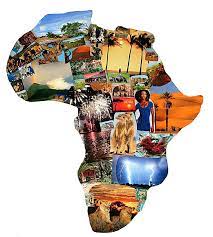
The Role of Innovation Hubs in Building Independent Africa
Updated at: 2023-08-06 17:40:43 (2 years ago by Melkisedeck Leon Shine)
π The Role of Innovation Hubs in Building Independent Africa π
Africa, the cradle of humanity, home to diverse cultures, and a continent brimming with untapped potential. As an African, I believe that it is within our power to build an independent and self-reliant Africa. πͺ
Innovation hubs are emerging as powerful catalysts for change, igniting the flames of progress and fostering a spirit of entrepreneurship and creativity. These hubs serve as vibrant ecosystems, nurturing talent, and providing a platform for Africans to showcase their innovative solutions to local challenges. π±
1οΈβ£ Innovation Hubs: The Seeds of Progress π±
Innovation hubs act as the seeds of progress, nurturing the growth of African ideas and initiatives. They provide the necessary resources, mentorship, and networking opportunities to transform these ideas into tangible realities. By supporting local innovators, these hubs empower them to create solutions that address the unique challenges faced by our communities. π‘
2οΈβ£ Empowering Africans Through Education π
Education is the cornerstone of progress, and innovation hubs play a crucial role in bridging the knowledge gap. By providing training programs, workshops, and access to cutting-edge technologies, these hubs equip Africans with the skills needed to thrive in the digital age. Through education, we can unlock our potential and create a future where Africa leads in innovation and technology. π
3οΈβ£ Collaboration: The Key to Success π€
To build an independent Africa, we must embrace collaboration. Innovation hubs serve as the perfect meeting grounds for like-minded individuals, bringing together entrepreneurs, investors, and policymakers. Through collaboration, we can leverage our collective strengths and drive sustainable economic development across the continent. Together, we truly have the power to shape our destiny. π
4οΈβ£ Learning from the World π
As we strive for independence, let us not forget the lessons learned from other parts of the world. We can draw inspiration from success stories like Silicon Valley, where innovation hubs have played a pivotal role in transforming the region into a global technology hub. By studying these experiences, we can adapt strategies and create our unique African model of progress. ππ
5οΈβ£ "The Africa We Want" π
As Kwame Nkrumah, the first President of Ghana, once said, "I am not African because I was born in Africa, but because Africa was born in me." Let us embrace our African identity and work towards building the Africa we want. Together, we can break free from dependence and create a continent that thrives on its own strengths and resources. Let's write our own narrative and shape our future. π
In conclusion, innovation hubs hold the key to building an independent and self-reliant Africa. By nurturing local talent, empowering through education, fostering collaboration, and learning from global experiences, we can pave the way for a prosperous future. Let us seize this opportunity and work together to ignite a new era of African innovation and unity. ππͺ
So, my fellow Africans, let me ask you: Are you ready to be part of this transformative journey? Will you join hands with us to build an independent and self-reliant Africa? Share this article with your friends, family, and colleagues and let's inspire a movement towards progress. Together, we can make it happen! ππͺ
π Share this article: [insert link]
Updated at: 2025-02-28 09:41:55 (1 year ago by Melkisedeck Leon Shine)
Africa possesses immense potential. Our rich cultural heritage and unwavering resilience have endured countless challenges. To truly flourish, however, we must prioritize health and wellness, fostering self-reliance within our communities. This approach forms the foundation for a stronger, more prosperous Africa.
Embracing Traditional Practices and Modern Healthcare: Africa's vast repository of traditional medicinal knowledge, passed down through generations, represents a valuable resource. Integrating these time-tested methods with modern healthcare creates a holistic approach, maximizing benefits for optimal well-being. This synergistic approach respects our heritage while leveraging advancements in medical science.
Investing in Education and Skill Development for Health Literacy: Education is paramount to self-reliance. Empowering individuals with knowledge and skills enables informed healthcare decisions. Increased health literacy reduces reliance on misinformation and empowers individuals to actively participate in their well-being. Investing in education bridges the healthcare access gap, placing control of health firmly in the hands of individuals.
Strengthening Community Health Systems: Collaborative Healthcare: Strong communities are the backbone of a healthy nation. Fortifying local health systems and fostering collaboration between healthcare providers and community members ensures equitable access to quality healthcare. This community-centered approach builds resilience and fosters a sense of shared responsibility for public health.
Promoting Active Lifestyles and Balanced Nutrition: Cultivating Healthy Habits: Physical activity and balanced nutrition are fundamental to good health. Encouraging active lifestyles and promoting the consumption of nutritious, locally sourced foods fosters long-term well-being. Simple dietary and lifestyle modifications yield significant health benefits, contributing to a healthier, more vibrant population.
Harnessing Technology for Enhanced Healthcare Access: Bridging the Digital Divide: Technology is revolutionizing healthcare delivery. Embracing telemedicine, mobile health applications, and other innovative solutions expands healthcare access, particularly in underserved areas. This digital transformation ensures that everyone, regardless of location, has the opportunity to receive quality healthcare.
Learning from Global Best Practices: Adapting and Innovating: While celebrating our unique African identity, we can learn from successful health initiatives worldwide. Adapting and implementing best practices from other regions accelerates progress towards self-reliant healthcare systems, tailored to our specific needs and context.
Honoring Our African Leaders: A Legacy of Self-Determination: Africa's history is replete with inspiring leaders who championed independence and self-reliance. Their legacy serves as a powerful reminder of our collective potential. Their unwavering commitment to self-determination should guide our efforts to create a healthier, more prosperous future. Kwame Nkrumah's words, "We face neither East nor West: we face forward," encapsulate this spirit of progress and unity.
A Collective Effort for a Healthier Africa: Building self-reliant communities requires a collective commitment. By inspiring and empowering one another, we take ownership of our health and well-being. This integrated approachβembracing tradition, investing in education, strengthening communities, promoting healthy habits, harnessing technology, learning from global experience, and honoring our heritageβpaves the way for a brighter future.
Let us join hands to create a healthier, more self-reliant Africa. Share this message, ignite a spark of change, and build a legacy of wellness for generations to come. Together, we can achieve remarkable progress. Join me in this vital endeavor.
Updated at: 2025-06-19 14:19:11 (9 months ago by Melkisedeck Leon Shine)
```htmlThis article analyzes the pivotal role of social entrepreneurship in fostering sustainable and self-reliant communities across Africa. We will explore strategic approaches to cultivate this transformative force, employing established theoretical frameworks to assess its impact and potential. Key concepts will be defined: Social entrepreneurship, in this context, represents entrepreneurial ventures prioritizing both profit generation and positive social impact to address societal challenges. Sustainability, crucial to our discussion, encompasses the long-term economic, environmental, and social viability of these ventures. We will draw upon the Resource-Based View (RBV), which emphasizes the significance of unique resources and capabilities in achieving competitive advantage, and Stakeholder Theory, highlighting the interconnectedness between businesses and their stakeholders. Further, we will utilize concepts from network theory, dynamic capabilities theory, grounded theory, and institutional theory to contextualize our analysis, drawing upon real-world examples from across the African continent.
Strategic Collaboration and Network Effects: A Network Theory Perspective: African social entrepreneurs thrive within a complex ecosystem. Network theory emphasizes the synergistic power of collaboration, where shared resources, knowledge exchange, and mentorship create a thriving entrepreneurial environment. This approach mitigates individual risks, accelerates learning, and improves access to broader markets and resources. The establishment of robust networks, via initiatives such as networking events and collaborative platforms, is paramount for maximizing collective impact and achieving economies of scale. This collaborative approach is especially crucial in addressing the challenges of resource scarcity and limited access to information prevalent in many African communities. Real-world examples of successful collaborative networks can be used to illustrate this conceptβs practical application.
Building Sustainable Business Models: A Resource-Based View Perspective: The establishment of sustainable businesses forms the bedrock of thriving communities. The RBV posits that successful social enterprises leverage unique capabilities and resources β local knowledge, cultural understanding, and strong community ties β to achieve competitive advantage. Strategic deployment of these resources generates sustainable revenue streams and addresses specific local needs, fostering economic empowerment and employment. Success hinges on aligning business models with long-term community needs and broader sustainable development goals. Case studies of African social enterprises effectively utilizing local resources can provide concrete illustrations of this principle.
Adaptive Innovation and Contextualized Solutions: A Grounded Theory Approach: While global best practices provide valuable insights, successful social entrepreneurship necessitates adaptation to local contexts. A grounded theory approach underscores the importance of empirical data and local perspectives in designing effective interventions. This involves understanding the unique challenges and opportunities within specific communities, requiring careful analysis and modification of existing models to ensure cultural relevance and sustainability. The concept of "glocalization," the fusion of global best practices with local adaptation, is crucial for successful implementation.
Resilience and Adaptive Capacity: A Dynamic Capabilities Perspective: The entrepreneurial journey is inherently fraught with challenges. Resilience, crucial for success, involves adapting and overcoming obstacles. Dynamic capabilities theory highlights a firm's ability to sense, seize, and reconfigure resources to maintain a competitive advantage in a dynamic environment. Obstacles should be viewed as opportunities for learning and growth, fostering adaptability and innovation. Mentorship and support systems are essential for building resilience and navigating the uncertainties inherent in entrepreneurship within resource-constrained environments.
Ethical Conduct and Stakeholder Engagement: A Stakeholder Theory Perspective: Ethical practices build trust and attract long-term support. Operating with transparency and integrity is essential for establishing positive relationships with diverse stakeholders β customers, employees, investors, and community members. Stakeholder theory emphasizes the importance of balancing the interests of all stakeholders to foster sustainable partnerships and community trust. This approach builds long-term value and ensures sustainable business practices, demonstrating the importance of social responsibility in the context of social entrepreneurship.
Leveraging Partnerships for Amplified Impact: An Institutional Theory Perspective: Strategic alliances with NGOs, government agencies, and other social enterprises amplify impact and accelerate progress towards sustainable development goals. Institutional theory highlights the importance of aligning goals and values among collaborating organizations for effective partnerships. By leveraging diverse capabilities and resources, collaborative partnerships increase efficiency and effectiveness, particularly in resource-limited contexts. Successful examples of such strategic partnerships can be cited to support this point.
Continuous Improvement and Capacity Building: A Human Capital Perspective: Continuous learning and development are vital for navigating the dynamic entrepreneurial landscape. Investments in training programs, workshops, and access to information technology enhance skills and knowledge, emphasizing human capital development and lifelong learning. This fosters innovation and enhances the long-term competitiveness and sustainability of social ventures. The importance of providing ongoing support and development opportunities for entrepreneurs should be emphasized.
Promoting Self-Reliance and Economic Independence: An Economic Empowerment Perspective: A primary goal is fostering self-reliance and reducing dependence on external aid. This involves developing locally-driven solutions, strengthening local economies, and empowering communities to achieve sustainable development and economic independence. This paradigm shift from dependence towards self-sufficiency aligns with principles of economic empowerment and community development.
Integrating Cultural Heritage and Indigenous Knowledge: A Cultural Capital Perspective: Africa's rich cultural heritage presents unique opportunities for innovation and entrepreneurship. Integrating traditional practices and knowledge into business models not only honors heritage but also adds distinctive value. This acknowledges the significance of cultural capital in driving sustainable economic development, offering a competitive advantage in the global market.
Conclusions and Recommendations: Social entrepreneurship offers immense potential for driving sustainable development in Africa. Creating a supportive ecosystem that fosters collaboration, innovation, resilience, and ethical practices is crucial for unlocking the transformative power of these ventures. Future research should focus on comparative analyses of successful models, exploring the influence of policy interventions and technology on scaling social entrepreneurship initiatives. The development of national and regional support structures providing access to finance, training, and networking is essential for a thriving ecosystem. A multi-faceted approach addressing both economic and social dimensions of sustainability is paramount for the long-term success of African social entrepreneurship.
Reader Pool: Considering the complexities inherent in the African context, what innovative financing mechanisms could most effectively support the growth and scalability of social enterprises addressing pressing societal challenges?
```
Updated at: 2025-02-26 15:43:33 (1 year ago by Melkisedeck Leon Shine)
```htmlAfrica's inherent resilience and innovation have always been evident in its ability to overcome challenges. Now, more than ever, leveraging Science, Technology, Engineering, and Mathematics (STEM) is paramount to securing a brighter future for the continent. This requires a multifaceted approach, focusing on education, mentorship, and fostering a culture of innovation.
Investing in Quality STEM Education: The Foundation for Progress
Prioritizing STEM education is critical. This means ensuring access to quality STEM teaching and resources for every child, regardless of background or location. Curriculum development should emphasize practical application and problem-solving, encouraging critical thinking and creativity from a young age. This foundational investment will yield long-term dividends in terms of skilled workforce development.
Cultivating Curiosity and a Culture of Innovation
Beyond rote learning, fostering a culture of curiosity and experimentation is vital. Encouraging children to explore their ideas, embrace failure as a learning opportunity, and develop a growth mindset is crucial for nurturing future innovators. This requires creating supportive learning environments that celebrate risk-taking and reward creative problem-solving.
Mentorship and Guidance: Nurturing the Next Generation of Leaders
Connecting young people with successful African STEM professionals provides invaluable mentorship and guidance. Establishing robust mentorship programs pairs aspiring scientists, engineers, and entrepreneurs with experienced professionals, fostering a supportive network that encourages and inspires. This creates a ripple effect, motivating future generations to pursue STEM careers.
Learning from Global Successes: Benchmarking for Excellence
Studying the success stories of nations like Singapore, South Korea, and Finland, which have prioritized STEM education and innovation, provides valuable insights. Analyzing their strategies, identifying best practices, and adapting them to the African context can accelerate progress towards technological independence. This comparative approach allows for informed decision-making and the implementation of effective policies.
Strategic Partnerships: Leveraging Collective Strength
Collaboration is key. Developing strong partnerships with universities, research institutions, and industry leaders provides access to crucial resources, funding, and expertise. These collaborations facilitate knowledge transfer, technology development, and the creation of vibrant STEM ecosystems across the continent. By working together, we can achieve far more than we can alone.
The Power of Pan-African Unity: Collaborative Progress
Pan-African collaboration is essential for accelerating progress in STEM. Sharing knowledge, resources, and opportunities across borders fosters a sense of collective responsibility and accelerates innovation. Breaking down barriers and fostering a unified approach maximizes the impact of individual efforts and creates a synergistic effect.
Individual Action: Collective Impact
Each individual has a role to play in empowering Africa's youth in STEM. Consider how you can contribute, whether through mentoring, volunteering, advocating for better education policies, or supporting STEM initiatives. Sharing experiences and knowledge with others fosters a shared vision and accelerates progress towards a common goal.
Conclusion: A Vision for a Technologically Independent Africa
Empowering Africa's youth in STEM is not merely an aspiration; it's a necessity for achieving technological independence and building a prosperous future. By investing in education, fostering innovation, and embracing collaboration, we can unlock the continent's immense potential and create a brighter tomorrow for generations to come. Let us work together to build a technologically advanced and self-reliant Africa.
Share this article and let's ignite a continent-wide passion for STEM! Let's build an Africa that thrives on innovation and self-reliance.
```
Updated at: 2025-05-27 10:00:40 (10 months ago by Melkisedeck Leon Shine)
The concept of a circular economy presents a transformative paradigm for sustainable development in Africa, offering a potent strategy for achieving economic independence and fostering resilient communities. This approach moves beyond the traditional linear "take-make-dispose" economic model, characterized by resource depletion and waste generation, towards a cyclical system prioritizing resource efficiency, waste minimization, and maximized product lifecycles. Key to this transition is the integration of several core principles: waste management, recycling, repair and reuse, and informed adaptation of global best practices. These principles, when effectively implemented, can unlock significant economic and environmental benefits for African nations.
1. Optimizing Waste Management for Resource Recovery and Economic Growth: Effective waste management is foundational to a successful circular economy. Applying principles of integrated waste management, including source reduction, reuse, recycling, recovery, and responsible disposal (the "5Rs"), can dramatically mitigate pollution, conserve natural resources, and generate economic opportunities. This involves moving beyond simple waste collection to establish robust systems for sorting, processing, and transforming waste into valuable secondary materials. This transition can be facilitated through the implementation of waste-to-energy technologies and the development of industries focused on resource recovery. The adoption of life cycle assessment (LCA) methodologies can help evaluate the environmental and economic impacts of different waste management strategies, enabling informed decision-making and optimized resource allocation. This approach aligns with the principles of industrial ecology, promoting symbiosis between industries and minimizing environmental burdens.
2. Recycling and Resource Recovery: A Catalyst for Sustainable Economic Growth: Recycling plays a crucial role in reducing reliance on virgin materials and minimizing environmental impact. The implementation of efficient recycling infrastructure, including collection systems, sorting facilities, and processing plants, is critical. Investing in technologies that enhance the quality and value of recycled materials is essential. Furthermore, the development of policies that incentivize recycling, such as extended producer responsibility (EPR) schemes, can significantly boost participation and market development. The application of materials flow analysis (MFA) can help track the flow of materials throughout the economy, revealing areas for improvement in recycling rates and identifying potential bottlenecks in the recycling chain. This approach aligns with the principles of sustainable consumption and production (SCP), promoting resource efficiency and reducing waste generation.
3. Extending Product Lifespans through Repair, Reuse, and Remanufacturing: Prioritizing repair, reuse, and remanufacturing significantly extends the lifespan of products, reducing waste and stimulating local economies. This requires promoting durable product design, encouraging repair services, and developing markets for used and refurbished goods. Initiatives supporting the establishment of repair shops and training programs for skilled repair technicians are paramount. Implementing strategies such as product-service systems, which focus on providing functions rather than solely selling products, fosters longer product lifecycles and resource efficiency. This aligns with the principles of cradle-to-cradle design, which aims to eliminate waste and pollution and keep materials in continuous use.
4. Leveraging Global Best Practices and Contextual Adaptation: Learning from successful circular economy initiatives globally is crucial. Analysis of case studies from countries like Denmark, renowned for its advanced waste management systems, can provide valuable insights. However, it is essential to adapt these models to suit the specific contexts and challenges of different African nations. This necessitates a thorough understanding of local resource availability, infrastructure capabilities, and societal norms. The application of appropriate technological solutions and capacity-building programs is crucial for successful implementation. This approach is aligned with the principles of adaptive management, recognizing the need for flexibility and ongoing learning in response to changing conditions.
5. Promoting Collective Action and Stakeholder Engagement for a Sustainable Future: The transition to a circular economy demands collaboration among diverse stakeholders, including governments, businesses, civil society organizations, and communities. The development of comprehensive national strategies, coupled with supportive policies and regulations, is essential. The establishment of public-private partnerships can facilitate the mobilization of resources and expertise. Community engagement initiatives are crucial for fostering awareness, promoting behavioral change, and ensuring that the transition benefits all segments of society. This resonates with the principles of collaborative governance and the importance of inclusive decision-making in achieving sustainable development goals.
Conclusions and Recommendations: The transition to a circular economy in Africa offers a compelling pathway towards sustainable development and self-reliance. By optimizing waste management, promoting recycling and resource recovery, extending product lifespans, adapting global best practices, and fostering collective action, African nations can unlock significant economic and environmental benefits. Further research should focus on developing region-specific strategies and evaluating the effectiveness of different policy interventions. The integration of circular economy principles into national development plans and the strengthening of institutional capacity are crucial for long-term success. The potential impact is transformative, offering a path to a more prosperous and sustainable future for Africa, characterized by reduced environmental burdens, enhanced resource security, and increased economic opportunities. A comprehensive monitoring and evaluation framework is essential to track progress and adapt strategies as needed.
Reader Pool: Considering the unique challenges and opportunities presented by diverse African contexts, what specific policy interventions and technological solutions would you advocate for to effectively promote the circular economy across the continent?
Updated at: 2025-05-27 10:44:38 (10 months ago by Melkisedeck Leon Shine)
This article examines strategies for revitalizing and globally disseminating Indigenous African Knowledge Systems (IAKS). We define IAKS as the accumulated traditional knowledge, practices, beliefs, and values held by indigenous African communities, encompassing diverse fields such as agriculture, medicine, governance, and the arts. Often transmitted orally, this knowledge represents a rich tapestry of human experience with immense potential for sustainable development and global understanding. The proposed strategies are grounded in cultural preservation theory, knowledge management principles, and development studies, emphasizing practical application and measurable outcomes. Key concepts include constructivist learning theory (emphasizing active learning and knowledge construction), transformative learning theory (focusing on critical reflection and personal transformation), community-based participatory research (prioritizing community involvement in research), network theory (analyzing interconnectedness and collaboration within a system), social entrepreneurship (combining social impact with business models), and the principles of sustainable development (integrating economic, social, and environmental considerations).
1. Community-Based Action and Advocacy: Effective IAKS revitalization necessitates community empowerment. Employing community-based participatory research methods, communities actively lead initiatives, driving strategy implementation. This involves organizing cultural events, advocacy, and raising IAKS awareness, aligning with social justice and community empowerment principles to facilitate self-determined cultural preservation.
2. Integration of IAKS into Sustainable Development Strategies: IAKS offers potent solutions to contemporary sustainable development challenges. Integrating traditional knowledge into national development plans, researching the efficacy of indigenous practices, and developing policies supporting IAKS integration into mainstream development initiatives are crucial. This aligns with integrated development, recognizing the interconnectedness of social, economic, and environmental dimensions of sustainability. This approach is consistent with the sustainable development goals, particularly those related to poverty eradication, food security, health, and environmental protection.
3. Comparative Analysis and Cross-Cultural Learning: While prioritizing IAKS promotion, cross-cultural dialogue and comparative analysis are equally vital. Learning from successful strategies in regions with similar challenges and cultural contexts can enrich IAKS promotion and revitalization efforts. Collaborative research and knowledge exchange between African and other indigenous communities globally enhance creativity and resilience in cultural preservation.
4. Curriculum Integration and Pedagogical Innovation: Revitalizing IAKS necessitates a paradigm shift in education. Constructivist learning principles mandate active IAKS integration across disciplines, fostering critical engagement with indigenous epistemologies and worldviews. Transformative learning empowers younger generations to reinterpret and apply IAKS in contemporary contexts. Culturally relevant pedagogy, using storytelling and participatory learning, enhances understanding and appreciation of heritage.
5. Language Revitalization and Linguistic Diversity: Preserving and promoting African languages is vital for IAKS survival. Linguistic revitalization frameworks promote multilingualism, supporting language education and usage in all public spheres. This upholds linguistic human rights, recognizing the link between language and cultural identity. Investing in language documentation and resource development ensures these linguistic assets' long-term viability.
6. Establishment of Cultural Centers as Knowledge Hubs: Strategically located cultural centers are crucial for knowledge dissemination and exchange. These should be dynamic hubs promoting research, education, and cultural exchange, incorporating community-based development principles. Collaboration between researchers, community members, and policymakers allows these centers to contribute to IAKS revitalization and application in addressing contemporary challenges. This model mirrors successful community museums and cultural centers worldwide that leverage local knowledge and resources.
7. Economic Empowerment through Cultural Entrepreneurship: Supporting indigenous artists and artisans is essential for economic development. Applying social entrepreneurship and community development principles, this focuses on creating sustainable livelihoods. Facilitating market access, business development training, and promoting ethical and sustainable tourism benefits local communities. This strategy aligns with fair trade principles and models of community-based tourism that have proven successful in other parts of the world.
8. Pan-African Collaboration and Knowledge Sharing: IAKS's strength lies in its diversity. Network theory highlights the importance of fostering continent-wide collaboration and knowledge sharing. This involves establishing platforms for cross-cultural dialogue, exchanging best practices, and supporting collaborative research projects. This pan-African approach leverages collective wisdom and innovation for sustainable development, creating a powerful synergy.
9. Digital Archiving and Knowledge Management: Preserving oral traditions requires a multifaceted approach informed by knowledge management and digital preservation principles. Digital technologies meticulously record, archive, and disseminate oral histories and intangible cultural heritage. A community-based participatory approach ensures cultural sensitivity. Open-access digital repositories, using robust metadata standards and best digital preservation practices, facilitate wider access and utilization.
10. Strategic Use of Digital Platforms for Knowledge Dissemination: Digital technologies offer unprecedented opportunities for globally promoting and disseminating IAKS. Digital marketing and social media strategies effectively communicate IAKS to global audiences. Creating engaging digital content (videos, podcasts, interactive platforms) enhances awareness and appreciation for African cultures. A multi-platform approach maximizes reach and engagement. This is crucial for reaching younger generations and international audiences, bridging the gap between traditional knowledge and contemporary digital communication.
Revitalizing and globally disseminating IAKS presents a significant opportunity for Africa to reclaim its cultural heritage, foster sustainable development, and contribute to global knowledge. The proposed strategies, grounded in theoretical frameworks and practical applications, provide a pathway. Further research should rigorously evaluate each strategy's efficacy, focusing on measurable outcomes and adaptive capacity. Continuous evaluation and collaborative efforts are essential for long-term sustainability. Community participation, interdisciplinary collaboration, and strategic digital technology use are crucial for impactful and sustainable IAKS promotion and preservation. The success of this endeavor depends on the commitment of African communities, policymakers, researchers, and global partners. A crucial aspect for future research is the development of comprehensive evaluation metrics to measure the impact of each strategy and to adapt them based on the specific contexts in different African communities.
Reader Pool: What are the potential challenges and limitations of implementing these strategies for IAKS revitalization in diverse African contexts, and how might these challenges be addressed?
Updated at: 2023-08-06 16:22:00 (2 years ago by Melkisedeck Leon Shine)
π Promoting Inclusive Growth: Bridging Socioeconomic Gaps in Africa π
Greetings to my fellow Africans! Today, I want to address a topic of utmost importance - promoting inclusive growth and bridging socioeconomic gaps in our beloved continent. As Africans, we have witnessed the struggles and challenges faced by our communities, but it is time for us to come together and build a brighter future. Let us embark on this journey towards independent and self-reliant Africa. π
1οΈβ£ It is crucial that we focus on strategies that empower our communities, allowing them to become self-sufficient. By investing in education and vocational training, we can equip our people with the necessary skills to thrive in various industries. Let us prioritize knowledge and ensure that it is accessible to all. πβ¨
2οΈβ£ Agriculture has always been the backbone of our continent. Let us harness its potential by promoting sustainable farming practices and providing support to our farmers. By doing so, we can enhance food security and create economic opportunities for our communities. πΎπͺ
3οΈβ£ Strong infrastructure is the foundation for economic growth. Let us invest in the development of our roads, railways, and energy systems, connecting our communities and facilitating trade. Through these investments, we can stimulate economic activity and create jobs for our people. ππ
4οΈβ£ As Africans, we possess immense creativity and entrepreneurial spirit. Let us foster an environment that encourages innovation and supports small and medium-sized enterprises. By promoting entrepreneurship, we can generate economic growth and reduce dependency on foreign aid. π‘π€
5οΈβ£ We must also draw inspiration from successful examples around the world. Look at the Asian Tigers - they transformed their economies through strategic planning, investment in education, and focusing on key industries. We can learn from their experiences and adapt their strategies to suit our own circumstances. π π
Nelson Mandela once said, "Education is the most powerful weapon which you can use to change the world." Let us embrace these wise words and make education our priority. By empowering our youth with knowledge, we are sowing the seeds of a prosperous and united Africa. π±πͺ
Imagine a future where every African country is self-reliant, where our communities are thriving, and our people are united. It is within our reach, but it requires each and every one of us to take action. Will you join me on this journey towards an independent and self-reliant Africa? π€β¨
I invite you to share this article with your friends, family, and fellow Africans. Let us spread the message of unity and inspire others to join us in building a brighter future. Together, we can bridge the socioeconomic gaps and create a continent where everyone has the opportunity to succeed. ππ
Remember, it all starts with a strong intention and a commitment to making a difference. Let us be the change we want to see in our communities. Are you ready to join me on this transformative journey? π±πͺπ«
Feel free to share your thoughts in the comments below and let's spark a conversation about building an independent and self-reliant Africa. β¨π£οΈπ
Updated at: 2023-08-06 15:57:56 (2 years ago by Melkisedeck Leon Shine)
Investing in Education: Empowering African Minds for Self-Reliance πͺπ
As an African, I strongly believe in the power of education to build a thriving and self-reliant community. Our continent is rich in resources and potential, yet we continue to face various challenges that hinder our progress. It is time for us, as Africans, to take charge and invest in our education systems to empower ourselves for a brighter future. ππ
1οΈβ£ Education as the Foundation: Education is the key that unlocks the door to self-reliance. By investing in quality education, we equip ourselves with the knowledge and skills needed to overcome obstacles and seize opportunities. Let us remember the words of Nelson Mandela, "Education is the most powerful weapon which you can use to change the world." π‘π
2οΈβ£ Fostering Innovation and Entrepreneurship: We must encourage our youth to think creatively and embrace entrepreneurship. By nurturing a culture of innovation, we can create job opportunities and reduce dependence on external forces. Let us be inspired by the late Wangari Maathai, who said, "In a few decades, the relationship between the environment, resources, and conflict may seem almost as obvious as the connection we see today between human rights, democracy, and peace." ππΌ
3οΈβ£ Strengthening Technical and Vocational Education: While traditional academic education is essential, we need to recognize the value of technical and vocational skills. By equipping our youth with practical skills, we can empower them to contribute meaningfully to their communities and lead self-sustaining lives. Let us embrace the words of Kwame Nkrumah, the first President of Ghana, who said, "We face neither East nor West; we face forward." π§π¨
4οΈβ£ Investing in Infrastructure: To ensure access to quality education for all, we must invest in infrastructure such as schools, libraries, and technology. By providing the necessary tools, we create an environment conducive to learning and knowledge sharing. Let us remember the words of Thabo Mbeki, the former President of South Africa, who said, "We must work together to ensure the equitable distribution of wealth, opportunity, and power in our society." π«π»
5οΈβ£ Learning from Global Experiences: While we strive for self-reliance, we can learn from the experiences of other nations. By studying successful education systems around the world, we can adapt and implement effective strategies tailored to our unique needs. Let us be inspired by the words of Julius Nyerere, the first President of Tanzania, who said, "Education is not a way to escape poverty; it is a way of fighting it." ππ
By investing in education and empowering ourselves, we can build a united Africa that is independent and self-reliant. Together, we can overcome the challenges that hold us back and create a brighter future for generations to come. Let us ask ourselves, what can we do today to contribute to this vision? How can we support our educational institutions and inspire our youth to become agents of change? Share this article and let's start a conversation that leads to action. Together, we can make a difference! πβ¨
Share this article with your friends and family to spread the message of investing in education for a self-reliant Africa. Let's join hands and empower our minds for a brighter future! ππ€
π₯πͺπ "Education is the passport to the future, for tomorrow belongs to those who prepare for it today." - Malcolm X
Updated at: 2025-05-14 14:31:27 (10 months ago by Melkisedeck Leon Shine)
Africa, a continent of immense potential and diverse cultures, faces the persistent challenge of achieving widespread economic independence and self-sufficiency. This necessitates a multifaceted approach, with microfinance emerging as a pivotal strategy for fostering sustainable economic development at both individual and community levels. This article examines the transformative role of microfinance in Africa, exploring its mechanisms, impacts, and potential for future growth, within the context of relevant economic theories and models.
Microfinance and Inclusive Growth: Microfinance institutions (MFIs) function as critical engines of inclusive growth by providing financial services β microloans, savings accounts, and insurance β to underserved populations, typically excluded from traditional banking systems due to perceived high risk and low profitability. This aligns with the principles of financial inclusion, aiming to extend financial services to all segments of society, promoting equitable access to economic opportunities. The Grameen Bank model, for instance, demonstrates the effectiveness of group lending and social collateral in mitigating risk and fostering repayment rates. The success of MFIs depends on efficient risk management strategies coupled with appropriate regulatory frameworks. The application of portfolio theory enables MFIs to diversify their loan portfolios across different borrowers and sectors to minimize overall risk exposure. Consequently, MFIs empower individuals to engage in entrepreneurship, invest in human capital, and build economic resilience.
Human Capital Development and Financial Literacy: Beyond mere capital provision, successful MFIs integrate financial literacy training into their programs. This empowerment extends beyond financial transactions. The development of human capital, a core element of endogenous growth theory, is central to sustainable economic progress. Financial literacy programs equip borrowers with crucial knowledge in budgeting, saving, and responsible debt management. These skills, combined with entrepreneurial training, increase the likelihood of business success and contribute to long-term financial independence. The impact extends beyond individual households to the broader community, fostering a culture of responsible financial stewardship.
Gender Equality and Women's Empowerment: Microfinance demonstrably contributes to gender equality and women's empowerment. In many African contexts, women are the primary economic actors within their households but often lack access to formal financial services. Targeting women through microfinance initiatives aligns with the capabilities approach, acknowledging women's potential contributions and removing structural barriers to their participation in the economy. Empirical studies consistently demonstrate a strong correlation between women's access to finance and improved household welfare, children's education, and overall community development. Empowering women through microfinance unlocks significant economic growth potential at both the household and national levels.
Leveraging Best Practices and Addressing Challenges: The success of microfinance programs in countries like Bangladesh (Grameen Bank) and India provides valuable case studies. Adapting these models to the unique contexts of different African nations requires a nuanced understanding of local economic, social, and cultural factors. This requires a contextualized application of development economics principles. Furthermore, addressing challenges such as over-indebtedness and the need for sustainable institutional capacity building within MFIs is crucial for long-term success. The application of social network analysis can identify efficient outreach strategies while appropriate regulatory frameworks are needed to prevent exploitation and ensure responsible lending practices. Careful consideration of ethical implications and potential negative consequences is essential for the long-term sustainability and positive impact of microfinance initiatives.
Conclusions and Recommendations: Microfinance serves as a powerful catalyst for inclusive economic growth in Africa, fostering individual empowerment, community development, and gender equality. Its success hinges on a multi-pronged approach that encompasses financial inclusion, human capital development, and targeted interventions tailored to the specific contexts of various African nations. Future research should focus on evaluating the long-term impacts of microfinance on poverty reduction, income inequality, and the creation of sustainable businesses. A collaborative effort involving governments, NGOs, and private sector actors is essential to promote the responsible expansion of microfinance, creating a supportive ecosystem that fosters innovation and reduces vulnerability within the microfinance sector. This involves developing appropriate regulatory frameworks, promoting financial literacy, and facilitating access to technology for better service delivery and improved risk management.
Reader Pool: Considering the significant role of microfinance in fostering economic independence, what further policy interventions are needed to ensure its sustainable and impactful growth across diverse African contexts, addressing issues of scalability, financial sustainability, and effective outreach?
Updated at: 2023-08-06 15:57:59 (2 years ago by Melkisedeck Leon Shine)
ππ± Green Technology: Leading Africa Towards Environmental Independence π±π
Greetings fellow Africans! Today, I want to take a moment to discuss a topic close to my heart: green technology and its potential to lead Africa towards environmental independence. πΏπ
As Africans, we have always had a deep connection with the land and the environment. Our ancestors understood the importance of preserving nature for future generations. Now, it is our turn to take the baton and embrace green technology as a means to build a sustainable and self-reliant Africa. ππ±
1οΈβ£ First and foremost, let us recognize that the path to environmental independence begins with each and every one of us. By adopting green technologies such as solar power, wind energy, and sustainable agriculture, we can reduce our dependence on fossil fuels and promote a cleaner, greener future for Africa. ππ¨π½
2οΈβ£ Education plays a vital role in this journey. By investing in the education and training of our youth in green technology, we empower them to become the leaders of tomorrow. Let us create opportunities for them to study renewable energy, conservation, and eco-friendly innovations. ππ‘π±
3οΈβ£ Collaboration is key. Let us come together as Africans and share our knowledge and experiences. By learning from each other, we can develop strategies and solutions that are tailored to our unique challenges and opportunities. Together, we can build a united and environmentally conscious Africa. ππ€π
4οΈβ£ Take inspiration from historical African leaders who championed environmental conservation. As Wangari Maathai, founder of the Green Belt Movement, once said, "In the course of history, there comes a time when humanity is called to shift to a new level of consciousness." Let us heed her words and embrace the green revolution. π³πͺπ
Let me share an example from Rwanda, a shining example of African environmental leadership. Through their innovative national electrification plan, they have harnessed the power of renewable energy to electrify remote areas and reduce carbon emissions. This not only improves the lives of their citizens but also protects the environment for future generations. π·πΌππ±
By promoting green technology, we can create jobs, improve health and well-being, and reduce poverty. It is a win-win scenario for Africa. The time is now for us to stand together and make a difference. ππ
Now, I ask you, my fellow Africans: What green technologies are you already embracing in your daily lives? How can we further encourage the adoption of green technology across Africa? Share your thoughts and ideas with us, for together we can lead Africa towards environmental independence. π±π‘π¦π«
If you found this article inspiring, please share it with your friends and family. Together, we can build a greener and more self-reliant Africa. Let us be the change we wish to see in the world. ππ
Let's unite and lead Africa towards a bright and sustainable future! ππ±π€