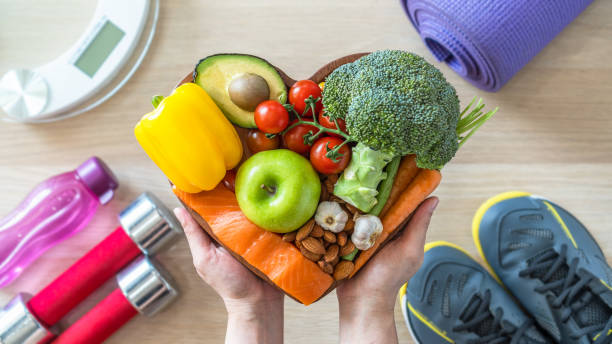
How to Meal Prep for Healthy Eating on the Go
Updated at: 2023-08-06 00:23:16 (3 years ago by Melkisedeck Leon Shine)
How to Meal Prep for Healthy Eating on the Go π½οΈπ₯¦π₯
In today's fast-paced world, it can be challenging to maintain a healthy diet. With busy schedules and on-the-go lifestyles, many of us find ourselves reaching for convenient and often unhealthy food options. However, with a little planning and preparation, it is possible to eat healthy even when you're constantly on the move. As AckySHINE, I am here to provide you with some expert tips on how to meal prep for healthy eating on the go. π
Plan Ahead π : Take some time each week to plan your meals and snacks in advance. This will help you make healthier choices and avoid impulse eating.
Make a Grocery List π: Before heading to the supermarket, make a list of all the ingredients you will need for your meals. This will help you stay focused and avoid buying unnecessary items.
Choose Nutrient-Dense Foods π±: When meal prepping, opt for foods that are rich in nutrients such as fruits, vegetables, whole grains, and lean proteins. They will provide you with the energy you need to stay productive throughout the day.
Batch Cooking π³: Save time by preparing larger quantities of food and dividing them into individual portions. This will ensure that you always have a healthy meal or snack ready to grab and go.
Invest in Quality Containers π±: Invest in a set of high-quality containers that are leak-proof and microwave-safe. This will make it easier to pack and reheat your meals when you're on the go.
Pack Snacks π₯: Don't forget to pack healthy snacks such as nuts, seeds, or sliced fruits. They will keep you satisfied between meals and prevent you from reaching for unhealthy options.
Prep Smoothie Ingredients π: If you enjoy smoothies, prepping your ingredients in advance can save you time in the morning. Freeze pre-measured portions of fruits and vegetables, and simply blend them with your favorite liquid when you're ready to enjoy.
Portion Control π₯£: Be mindful of portion sizes when meal prepping. As AckySHINE, I recommend using measuring cups or a food scale to ensure you're not overeating.
Use Flavorful Spices and Herbs πΆοΈ: To keep your meals interesting and flavorful, experiment with different spices and herbs. They can transform a simple dish into a delicious and satisfying meal.
Don't Forget Hydration π§: As important as it is to plan your meals, it's equally important to stay hydrated. Carry a reusable water bottle with you at all times and aim to drink at least 8 glasses of water a day.
Pack a Salad Jar π₯: Layer your salad ingredients in a jar, starting with the dressing at the bottom, followed by vegetables, and ending with leafy greens. This way, your salad will stay fresh and crisp until you're ready to enjoy it.
Prep Overnight Oats π₯£: Overnight oats are a quick and easy breakfast option. As AckySHINE, I suggest combining oats, milk (or plant-based alternative), and your favorite toppings in a jar the night before. In the morning, you'll have a nutritious and delicious meal ready to grab and go.
Keep Healthy Snacks at Work π: Stock your desk drawer with nutritious snacks such as dried fruit, granola bars, or rice cakes. This way, you'll always have a healthy option within reach when hunger strikes.
Utilize Freezer-Friendly Meals π§: Prepare freezer-friendly meals such as soups, stews, or casseroles. Portion them out into individual containers and freeze for later use. This way, you can simply grab a meal from the freezer when you're short on time.
Stay Consistent and Enjoy the Process π: As AckySHINE, I recommend staying consistent with your meal prepping routine. It may take some time to get into the habit, but once you do, you'll reap the benefits of healthy eating on the go. Remember to enjoy the process and have fun experimenting with different recipes and flavors.
In conclusion, meal prepping can be a game-changer when it comes to maintaining a healthy diet on the go. By planning ahead, choosing nutrient-dense foods, and utilizing practical strategies, you can enjoy delicious and nourishing meals no matter how busy your schedule may be. So, are you ready to take charge of your health and start meal prepping? π
What are your favorite meal prepping tips? Share your thoughts below!
Updated at: 2023-08-06 00:23:15 (3 years ago by Melkisedeck Leon Shine)
Meal Prep for Weight Loss: Tips and Recipes
In today's fast-paced world, finding time to prepare healthy meals can be a challenge. But fear not, because as AckySHINE, I'm here to provide you with some valuable tips and delicious recipes to help you with your weight loss journey. Meal prep is an effective way to ensure you have nutritious meals ready to go, so let's dive right in!
Plan your meals: Before you start meal prepping, create a weekly meal plan. This will help you stay organized and ensure you have a variety of nutritious options to choose from throughout the week. π
Choose whole, unprocessed foods: Opt for fruits, vegetables, lean proteins, whole grains, and healthy fats. These foods are packed with nutrients and will keep you feeling satisfied. π₯¦ππ
Portion control: As AckySHINE, I recommend using portion control containers or a food scale to ensure you're eating the right amount of each food group. This will prevent overeating and help you reach your weight loss goals. βοΈ
Prep in advance: Set aside a specific time each week to prepare your meals. Chop vegetables, cook proteins, and portion out your meals in individual containers. This will save you time and make healthy eating more convenient. β°
Invest in quality storage containers: Using high-quality, airtight containers will keep your meals fresh for longer and prevent any unwanted leaks in your bag. Look for BPA-free options that are microwave and dishwasher safe. π₯‘
Freeze meals for later: If you're concerned about your meals going bad, freeze them for later use. Soups, stews, and casseroles are great options for freezing and can be easily reheated when needed. π§
Spice it up: Don't be afraid to experiment with different herbs and spices to add flavor to your meals. This will prevent you from getting bored with your food and make healthy eating more enjoyable. πΆοΈπ§
Make use of slow cookers and instant pots: These kitchen appliances are a meal prepper's best friend. Throw in your ingredients in the morning, and by the time you come home, a delicious, healthy meal will be waiting for you. π₯
Prepare grab-and-go snacks: Keep your healthy eating on track by prepping snacks like cut-up fruits, vegetables, and homemade trail mix. This will prevent you from reaching for unhealthy options when hunger strikes. ππ₯π₯
Don't forget about hydration: As AckySHINE, I recommend prepping infused water or unsweetened tea to keep yourself hydrated throughout the day. Infusing water with fruits or herbs adds flavor and makes drinking water more enjoyable. ππΏπ§
Stay organized: Label your containers with the meal and date to ensure you're eating the freshest meals first. This will prevent any confusion and help you stay on track with your meal plan. ποΈ
Try new recipes: Don't be afraid to step out of your comfort zone and experiment with new recipes. There are plenty of healthy and delicious options available online that will keep your taste buds happy. π±π½οΈ
Get creative with leftovers: Transform your leftovers into new meals to prevent food waste. For example, leftover chicken can be used in a salad or stir-fry the next day. This will save you time and money. π°
Stay consistent: Meal prep is most effective when done consistently. As AckySHINE, I recommend setting aside the same time each week for meal prepping to make it a habit. Consistency is key in achieving your weight loss goals. π
Seek support: If you're new to meal prep or struggling to stay consistent, don't be afraid to seek support from friends, family, or online communities. Having someone to hold you accountable and share recipes with can make the process more enjoyable. π€
In conclusion, meal prepping is a fantastic tool for weight loss. It saves time, money, and ensures you're fueling your body with nutritious meals. By following these tips and trying out some delicious recipes, you'll be well on your way to achieving your weight loss goals. Happy prepping!
What are your thoughts on meal prepping for weight loss? Do you have any favorite recipes or tips to share? Let me know in the comments below!
Updated at: 2025-05-12 11:54:52 (1 year ago by Melkisedeck Leon Shine)
Maintaining optimal dietary intake amidst demanding schedules presents a significant challenge for many individuals. This article introduces fifteen readily-prepared, nutritious snack options designed to promote sustained energy and well-being without compromising valuable time. The presented strategies leverage established nutritional principles and culinary techniques to create convenient and appealing choices that enhance overall health and dietary adherence. We will explore practical applications of these concepts within the context of a busy lifestyle.
The following recipes emphasize ease of preparation while maximizing nutritional density and flavor appeal. These options provide a practical alternative to less healthy, processed snacks, thereby contributing to improved energy levels and overall health outcomes. The application of these strategies directly addresses the challenge of maintaining a healthful diet within the constraints of a time-constrained lifestyle.
This snack utilizes the principles of macronutrient balance by combining complex carbohydrates (apple), healthy fats (almond butter), and fiber (granola). The synergistic effect of these components promotes satiety and sustained energy release, minimizing blood sugar spikes common with refined carbohydrate consumption. This directly addresses the need for sustained energy between meals.
This approach emphasizes the incorporation of a wide range of micronutrients through the consumption of diverse vegetables (carrots, cucumbers, bell peppers). Hummus, a source of protein and healthy fats, enhances satiety and complements the nutrient profile. This aligns with dietary recommendations emphasizing the importance of a variety of fruits and vegetables for optimal health.
These protein-rich snacks leverage the combined nutritional benefits of dates (natural sugars and fiber), nuts (healthy fats and protein), and cocoa powder (antioxidants). The preparation method, utilizing a food processor, simplifies the process and allows for efficient batch preparation. This strategy leverages the concept of food combining for enhanced nutritional value and satiety.
This simple snack provides a whole grain option, offering fiber and essential nutrients often lacking in highly processed snacks. The use of air-popping minimizes added fats, promoting healthier calorie management. Customization with sea salt or spices caters to individual taste preferences and enhances sensory satisfaction.
This approach creatively incorporates vegetables into a familiar format, increasing their appeal. The use of hummus further enhances the nutritional content and flavor profile. This strategy demonstrates the application of principles of sensory appeal to encourage consumption of nutritious foods.
This frozen dessert utilizes the natural sweetness of bananas to replace refined sugars typically found in ice cream. The preparation method is simple, requiring only frozen bananas and a food processor, aligning with the theme of convenience and ease of preparation. This offers a guilt-free alternative for those seeking a sweet treat.
Hard-boiled eggs provide a readily available and portable source of high-quality protein, crucial for muscle building, satiety, and overall metabolic function. Batch preparation further enhances convenience. This strategy leverages the principle of meal prepping for efficient dietary management.
This snack incorporates the visual appeal of food presentation to enhance the overall eating experience. The combination of cherry tomatoes, mozzarella, and basil provides a balance of flavors and nutrients. This strategy emphasizes the role of sensory perception in promoting healthy food choices.
These roll-ups offer a portable and convenient source of lean protein, making them ideal for on-the-go consumption. The addition of cream cheese or avocado adds flavor and healthy fats. This strategy exemplifies the importance of planning ahead to maintain a healthy diet.
This parfait utilizes the principle of layering different food groups to create a nutritionally balanced snack. The combination of Greek yogurt (protein), berries (antioxidants and fiber), and granola (fiber) offers a complete and satisfying snack. This strategy illustrates the concept of balanced nutrition.
Rice cakes serve as a versatile base for various toppings, allowing for customization and adaptation to individual preferences. The addition of almond butter, avocado, or fruit enhances the nutritional profile and flavor complexity. This strategy highlights the adaptability of healthy eating to individual preferences.
Trail mix provides a convenient combination of healthy fats, protein, and carbohydrates, depending on the specific ingredients used. Careful selection of unsweetened dried fruits helps minimize added sugar. This strategy promotes the concept of nutritional balance through ingredient selection.
This snack presents a unique alternative to traditional toast, utilizing sweet potato as a base for various toppings. This option provides complex carbohydrates, fiber, and vitamins. This strategy exemplifies creative approaches to incorporating whole foods into daily meals.
This healthier cookie recipe utilizes rolled oats, mashed banana, and cinnamon, reducing refined sugar and enhancing the nutritional value. This demonstrates a way to make healthier swaps for commonly consumed treats.
Mason jar salads utilize a layered approach to preserve freshness and prevent sogginess. This preparation method promotes convenience and portion control. This strategy illustrates smart food storage techniques for improved nutritional intake.
These strategies offer a framework for improving dietary choices within time-constrained lifestyles. The practical application of these concepts directly addresses the challenge of maintaining consistent and healthful eating habits. Further research could explore the long-term impact of these snacking strategies on overall health indicators, including weight management and energy levels. The effectiveness of these approaches will depend on individual adherence and the integration of these strategies into a larger holistic health plan.
Conclusions and Recommendations: The provided snack options offer viable solutions for individuals seeking to optimize their nutrition while managing busy schedules. These strategies successfully combine convenience, nutritional value, and sensory appeal. Future research should focus on assessing the long-term effects of these snacking patterns on various health outcomes. Further exploration of cultural influences on snacking preferences and the development of culturally tailored recommendations would be beneficial for broader applicability.
Reader Pool: What are your perspectives on the balance between convenience and nutritional value when selecting on-the-go snacks, and how do these strategies align with your personal dietary needs and preferences?
Updated at: 2023-08-06 00:25:57 (3 years ago by Melkisedeck Leon Shine)
π½οΈ 10 Easy and Healthy One-Pot Meals π₯¦
Looking for delicious and nutritious meals that can be prepared in a snap? Look no further! As AckySHINE, I'm here to share with you my top 10 easy and healthy one-pot meals. These recipes are not only quick and convenient, but they also pack a punch when it comes to flavor and nutrition. Let's dive right in!
1οΈβ£ One-Pot Chicken and Vegetable Stir-Fry: This colorful dish is packed with protein and vitamins. Simply toss in some chicken, your favorite veggies, and a tasty stir-fry sauce. In just minutes, you'll have a delicious and satisfying meal.
2οΈβ£ One-Pot Quinoa and Black Bean Chili: Quinoa and black beans are a match made in heaven. This hearty chili is not only packed with fiber, but it's also gluten-free and vegetarian-friendly. Perfect for those chilly evenings.
3οΈβ£ One-Pot Lemon Garlic Shrimp Pasta: Love seafood? This zesty pasta dish is for you! The combination of succulent shrimp, tangy lemon, and garlic creates a mouthwatering flavor explosion.
4οΈβ£ One-Pot Moroccan Chickpea Stew: Spice up your dinner routine with this exotic and aromatic stew. Loaded with chickpeas, vegetables, and Moroccan spices, it's a comforting meal that will transport you to North Africa.
5οΈβ£ One-Pot Beef and Broccoli: Craving some Asian-inspired flavors? This classic dish is a crowd-pleaser. Tender beef, crisp broccoli, and a savory sauce come together for a delicious and nutritious meal.
6οΈβ£ One-Pot Veggie Pasta Primavera: This colorful pasta dish is a celebration of fresh vegetables. With vibrant bell peppers, zucchini, and cherry tomatoes, it's a feast for the eyes and the taste buds.
7οΈβ£ One-Pot Coconut Curry Lentil Soup: Warm up with this comforting and flavorful soup. Lentils are a great source of plant-based protein, and the addition of coconut milk and curry spices creates a rich and satisfying broth.
8οΈβ£ One-Pot Mexican Quinoa Skillet: Get your fiesta on with this easy Mexican-inspired dish. Quinoa, black beans, corn, and spices come together for a tasty and nutritious meal that's ready in no time.
9οΈβ£ One-Pot Teriyaki Salmon and Vegetables: This dish is as delicious as it is healthy. Succulent salmon fillets are glazed with a homemade teriyaki sauce and served with a medley of colorful vegetables. It's a complete meal that's sure to impress.
π One-Pot Mediterranean Chicken and Rice: Transport yourself to the sunny shores of the Mediterranean with this flavorful dish. Tender chicken, fragrant herbs, and tangy lemon create a taste sensation that will make your taste buds dance.
These 10 easy and healthy one-pot meals are just the tip of the iceberg. The beauty of one-pot meals is that they are versatile and customizable. Feel free to swap ingredients, add your favorite spices, or experiment with different flavors. The possibilities are endless!
So, what are you waiting for? As AckySHINE, I recommend giving these recipes a try. They are not only a time-saver but also a great way to incorporate a variety of nutritious ingredients into your diet. Share your experiences and opinions with me! Which one-pot meal are you most excited to try? π
Updated at: 2025-05-10 03:56:30 (1 year ago by Melkisedeck Leon Shine)
Spinacia oleracea, commonly known as spinach, transcends its classification as a mere leafy green vegetable. This nutrient-dense food offers a unique confluence of palatability and significant health benefits, readily adaptable to diverse culinary preparations. Its versatility, ranging from fresh salads to complex stews, firmly establishes spinach as a culinary staple worthy of in-depth exploration. This article will examine spinach's nutritional composition, discuss optimal cooking techniques to maximize its nutritional value and flavor, and present a range of culinary applications, showcasing its adaptability across various dietary preferences. We will also explore the principles of food science and nutrition that underlie these applications, considering factors such as nutrient bioavailability and sensory perception.
Nutritional Profile and Bioavailability: Spinach is a rich repository of essential micronutrients. It is particularly noteworthy for its high concentrations of Vitamins A, C, and K, along with folate, iron, and calcium. However, the bioavailability of certain nutrients, such as iron, can be influenced by various factors, including the presence of other dietary components (e.g., phytates). Understanding these factors is crucial in optimizing nutrient absorption. For example, pairing iron-rich spinach with Vitamin C-rich foods can significantly enhance iron bioavailability. This is aligned with the principles of nutritional synergy, where the combined effects of different nutrients are greater than the sum of their individual effects. From a public health perspective, incorporating spinach into one's diet represents a straightforward yet potent strategy for enhancing overall nutrient intake and supporting holistic well-being. The application of the nutrient density concept underscores spinachβs role as a highly efficient source of various vitamins and minerals per calorie.
Culinary Applications and Sensory Perception: Spinach's mild flavor profile lends itself to a broad spectrum of culinary preparations, allowing for seamless integration with various ingredients and cooking techniques. The following examples illustrate the versatility of spinach, considering not just nutritional value but also the principles of sensory perception and flavor pairings:
1. Egg-Based Preparations (Frittata/Omelets): Spinach's delicate flavor complements the richness of eggs in dishes like frittatas and omelets. The addition of aromatic vegetables such as onions and garlic, combined with cheese, enhances both the flavor profile and the overall nutritional value. This application aligns with the principles of flavor balancing, creating a harmonious interplay of tastes and textures.
2. Salad Enhancements: The inclusion of fresh spinach in salads provides a visually appealing vibrant green hue and a subtle earthy taste that complements various dressings and other salad components. The application of sensory marketing principles here involves creating a visually appealing and palatable dish, enhancing consumer acceptance of a nutrient-rich food.
3. Mexican-Inspired Dishes (Enchiladas): The combination of spinach with cheese and enchilada sauce within tortillas creates a flavorful and satisfying dish. The sautΓ©ing process enhances the flavor complexity of the spinach. This method aligns with principles of culinary arts and flavor profiles to create a palatable and harmonious dish.
4. Pasta-Based Dishes (Ravioli/Tortellini): Spinach, blended with ricotta cheese and herbs, constitutes a savory and nutritionally dense filling for pasta. The cooking process requires careful management of moisture to prevent the filling from becoming overly wet or dry. This demonstrates the application of principles of food technology, ensuring texture, flavor, and nutritional retention.
5. Soup and Stew Integration: Adding spinach to soups and stews during the final stages of cooking preserves its vibrant color and texture while adding a nutritional boost. This technique minimizes nutrient loss and maintains the integrity of the spinach's delicate structure.
6. Breakfast Applications: Incorporating spinach into breakfast dishes such as scrambled eggs or omelets provides a simple and effective way to increase the daily intake of essential nutrients. This aligns with the principles of dietary planning and the importance of nutrient distribution throughout the day.
Optimal Cooking Techniques and Nutrient Retention: To preserve spinach's vibrant green color and delicate nutrients, it is crucial to avoid overcooking. Gentle sautΓ©ing or steaming for brief periods ensures a tender yet flavorful outcome. The choice of spinach variety can also affect flavor intensity; baby spinach possesses a milder taste, suitable for salads, whereas mature spinach exhibits a more robust flavor, better suited to cooked dishes. These techniques reflect the principles of culinary science aiming to maximize nutrient retention and maintain sensory appeal.
Flavor Synergy and Culinary Creativity: Spinach's subtle flavor profile allows for considerable culinary flexibility. Pairing spinach with complementary ingredients, such as garlic, lemon, feta cheese, nuts, and various herbs, can significantly enhance its overall taste and appeal. This exemplifies the principles of flavor pairing and culinary innovation.
Dietary Applications and Inclusivity: Spinach is a highly versatile ingredient for both vegetarian and vegan diets. It's a valuable source of iron and calcium, nutrients often associated with animal-based foods. This highlights its critical role in promoting healthy and balanced plant-based eating patterns.
Spinach's exceptional nutritional profile coupled with its remarkable culinary versatility makes it an indispensable asset in promoting healthy eating habits. Its inclusion in diverse dishes provides a simple, accessible method of increasing nutrient intake, positively influencing overall health outcomes. Future research could focus on exploring the optimal processing and preparation methods to further enhance the bioavailability of key nutrients in spinach while maintaining its sensory appeal. Investigating consumer perceptions and preferences regarding spinach integration into different meal types could also yield valuable insights into developing effective strategies for increasing spinach consumption. Furthermore, studies investigating the potential synergistic effects of combining spinach with other nutrient-rich foods could further optimize its nutritional benefits and inform public health recommendations.
Updated at: 2025-05-06 10:39:57 (1 year ago by Melkisedeck Leon Shine)
This comprehensive guide explores the multifaceted benefits of plant-based diets, demonstrating their profound impact on individual health, environmental sustainability, and overall well-being. We will examine the nutritional advantages, weight management aspects, environmental implications, economic considerations, and the culinary creativity fostered by adopting a plant-centric approach to food. This exploration is relevant to individuals of all culinary skill levels, encouraging a transition towards a healthier and more sustainable lifestyle.
Plant-based diets, characterized by a high intake of fruits, vegetables, legumes, whole grains, and nuts, offer a wealth of micronutrients vital for optimal human health. This aligns with the principles of nutritional adequacy and balance, as outlined in dietary guidelines globally. The abundance of vitamins, minerals, antioxidants, and phytochemicals contributes to the prevention and management of chronic diseases. For instance, the low saturated fat and cholesterol content, coupled with high fiber intake, is strongly associated with reduced risks of cardiovascular disease, type 2 diabetes, and certain cancers. Furthermore, the diverse array of bioactive compounds in plant foods contributes to gut microbiome health, influencing digestion, immunity, and overall metabolic function. This aligns with the emerging field of nutrigenomics, which explores the interaction between diet and gene expression, impacting disease susceptibility and health outcomes. The application of these concepts involves consciously selecting a variety of plant foods to ensure comprehensive nutrient intake, effectively mitigating the risk of nutrient deficiencies often associated with restrictive diets.
The inherent characteristics of plant-based foods contribute significantly to effective weight management. High-fiber foods, such as fruits, vegetables, and legumes, promote satiety by increasing gastric distension and slowing gastric emptying, leading to prolonged feelings of fullness. This mechanism is consistent with the energy balance equation, where caloric intake is matched with energy expenditure. Additionally, plant-based foods are generally lower in caloric density than animal products, allowing for greater food volume with fewer calories. This approach reduces the likelihood of overconsumption, fostering sustainable weight loss and maintenance, in contrast to restrictive diets that often lead to yo-yo dieting and metabolic disruption. Applying this involves mindful portion control and the strategic inclusion of high-fiber foods to manage appetite and energy balance effectively.
Adopting a plant-based diet constitutes a significant contribution to environmental sustainability. Animal agriculture is a major driver of greenhouse gas emissions, deforestation, and water resource depletion. The production of plant-based foods generally has a smaller environmental footprint compared to animal-based alternatives, resulting in decreased carbon emissions, reduced land usage, and lower water consumption. This aligns with the principles of ecological footprint reduction, advocating for mindful consumption patterns to minimize human impact on the environment. The application of this principle involves actively choosing plant-based alternatives, thereby reducing demand for resource-intensive animal agriculture and fostering a more sustainable food system.
Contrary to common misconceptions, plant-based diets can be remarkably affordable. Staple ingredients like legumes (beans, lentils), grains (rice, oats), and seasonal produce often cost significantly less than animal products. This enhances food security and promotes accessibility to healthy diets, especially in lower-income communities. Furthermore, the wide range of available ingredients allows for culinary creativity and adaptability, mitigating dietary boredom and promoting diverse meal preparation. This economic aspect of plant-based diets challenges assumptions of cost-prohibitive healthy eating, encouraging a shift towards economically sustainable and nutritionally valuable food choices.
Plant-based cooking is not merely about dietary restriction; it is a journey of culinary discovery and self-expression. The boundless variety of plant-based ingredients, coupled with diverse cooking techniques, fosters culinary innovation and creativity. The process of preparing plant-based meals can become a meditative practice, enhancing mindfulness and promoting a deeper connection with food, its origins, and its impact on personal well-being. This aligns with the principles of mindful eating, emphasizing present-moment awareness and appreciation of food choices. Applying this involves actively engaging in the cooking process, selecting fresh ingredients, and savoring the experience of preparing and consuming meals, thereby fostering both physical and mental well-being.
The benefits of plant-based eating extend beyond the purely physical. Improved digestion, radiant skin, and sustained energy levels are frequently reported. This holistic impact aligns with the biopsychosocial model of health, which recognizes the interconnectedness of biological, psychological, and social factors in influencing health outcomes. Furthermore, participation in plant-based communities provides social support and encourages shared experiences, strengthening social networks and enhancing mental well-being. The application of this holistic approach involves actively cultivating a mindful and balanced lifestyle that integrates healthy eating with physical activity, social interaction, and stress management techniques.
This exploration of plant-based cuisine reveals its profound and multifaceted benefits across various domainsβfrom individual health and economic considerations to environmental sustainability and community engagement. The evidence strongly supports the adoption of plant-based diets as a pathway towards improved well-being and a more sustainable future. Further research could focus on refining the understanding of specific nutrient interactions and their impact on disease prevention, as well as exploring culturally sensitive approaches to promoting the widespread adoption of plant-based diets. Educational initiatives promoting culinary skills and knowledge dissemination are crucial for empowering individuals to make informed food choices and transition smoothly to a plant-centric lifestyle. The integration of plant-based options into public health policies and community programs can significantly contribute to improved public health outcomes and environmental sustainability.
Updated at: 2025-02-26 13:15:09 (1 year ago by Melkisedeck Leon Shine)
```htmlTired of the same breakfast routine? Craving a nutritious and satisfying meal that keeps you full until lunchtime? Then discover the magic of overnight oats! This simple yet incredibly versatile breakfast has taken the health world by storm, and for good reason. As AckySHINE, I encourage you to explore the delicious and nutritious world of overnight oats and experience the benefits firsthand.
Overnight oats are a revolutionary no-cook method for preparing oatmeal. Instead of the stovetop or microwave, you simply combine oats with liquid and your favorite ingredients in a jar or container and let them sit in the refrigerator overnight. The oats absorb the liquid, transforming into a creamy, delightful breakfast treat, ready to enjoy in the morning.
The convenience factor is a major draw. Prepare them the night before, and wake up to a ready-to-eat breakfast, perfect for busy schedules. No more rushed mornings or skipped meals!
As AckySHINE, I wholeheartedly recommend overnight oats for a healthy start to your day. Oats are brimming with fiber, promoting healthy digestion and keeping you feeling full and energized. Theyβre also packed with essential vitamins and minerals, like iron and magnesium. The best part? You can customize your oats with countless toppings and mix-ins, adding even more nutrients to this already powerhouse breakfast.
The basic recipe is surprisingly simple: combine 1 part rolled oats with 1 part liquid (milk, yogurt, or even plant-based alternatives). Let it sit overnight in the fridge. Then unleash your creativity with toppings! Fresh fruit, nuts, seeds, nut butter β the possibilities are endless.
Ingredients:
Instructions:
The world of overnight oats flavor combinations is vast and exciting! Here are a few ideas to inspire your culinary creativity:
Meal prepping is a breeze with overnight oats! Make multiple servings and store them in the fridge for up to 3-4 days. Give them a good stir before serving.
Dietary needs? Overnight oats are incredibly adaptable. Use plant-based milk for vegan options, and choose certified gluten-free oats if needed.
Warm or cold? While traditionally enjoyed cold, you can easily warm your oats in the microwave in 30-second intervals, stirring until heated through.
While incredibly healthy, be mindful of portion sizes and added sugars. Opt for natural sweeteners like honey or fruit to keep them healthy. Adding protein-rich toppings like Greek yogurt or nuts will enhance satiety.
Weight management? Overnight oats can be a valuable asset in weight management plans due to their high fiber content and ability to keep you feeling full.
Boosting protein: Add a scoop of protein powder, Greek yogurt, chia seeds, or hemp hearts for a protein boost.
Beyond breakfast: Enjoy overnight oats as a snack or dessert! Add chocolate sauce, dark chocolate chips, crushed nuts, or coconut flakes for added indulgence.
As AckySHINE, I urge you to try overnight oats β a healthy, satisfying, customizable, and convenient breakfast solution. With countless flavor options, you'll never get bored!
What are your favorite overnight oats creations? Share your recipes and experiences in the comments below! I'd love to hear from you and discover your overnight oats adventures together. Let's build a community of overnight oats enthusiasts!
```
Updated at: 2023-08-06 00:23:13 (3 years ago by Melkisedeck Leon Shine)
The Benefits of Plant-Based Cooking: A Beginner's Guide
π±π₯¦π π₯π π₯πππ½ππΏπππππ
As AckySHINE, I am here to enlighten you about the wonderful world of plant-based cooking. Whether you are a seasoned chef or a beginner in the kitchen, incorporating more plant-based meals into your diet can bring a plethora of benefits to your health and lifestyle. So grab your apron and let's dive into the amazing benefits of plant-based cooking!
Improved overall health: Plant-based cooking focuses on using whole, unprocessed ingredients that are packed with essential nutrients, vitamins, and minerals. By consuming more plant-based meals, you are providing your body with the fuel it needs to thrive.
Lower risk of chronic diseases: Studies have shown that a plant-based diet can reduce the risk of developing chronic diseases such as heart disease, high blood pressure, and type 2 diabetes. By eliminating or reducing animal products, you are giving your body a break from the saturated fats and cholesterol they contain.
Weight management: Plant-based cooking can be a great tool for weight management. Fruits, vegetables, legumes, and whole grains are generally lower in calories and higher in fiber, which can help you feel fuller for longer and reduce the likelihood of overeating.
Environmental impact: By embracing plant-based cooking, you are actively reducing your environmental footprint. Animal agriculture is a major contributor to greenhouse gas emissions, deforestation, and water pollution. By opting for plant-based meals, you are helping to combat climate change and protect our planet.
Budget-friendly: Contrary to popular belief, plant-based cooking can actually be more budget-friendly than a diet heavy in animal products. Staples such as beans, lentils, rice, and seasonal produce are often more affordable than meat and dairy products. So you can save money while nourishing your body!
Versatility in the kitchen: Plant-based cooking opens up a world of culinary possibilities. From vibrant salads and hearty soups to flavorful stir-fries and comforting curries, there is no limit to the delicious meals you can create using plant-based ingredients.
Increased creativity: As you explore the realm of plant-based cooking, you'll find yourself experimenting with different flavor combinations, spices, and cooking techniques. This can ignite your creativity in the kitchen and inspire you to try new things.
Better digestion: Plant-based meals are often easier to digest due to their high fiber content. Fiber helps to regulate bowel movements, promote a healthy gut microbiome, and prevent constipation. So say goodbye to bloating and hello to a happy tummy!
Enhanced skin health: As AckySHINE, I recommend plant-based cooking for a radiant complexion. Fruits and vegetables are rich in antioxidants and vitamins that can promote healthy skin. So skip the expensive skincare products and let your diet do the talking!
Sustainable eating: By adopting plant-based cooking, you are contributing to a more sustainable food system. Animal agriculture requires vast amounts of land, water, and resources. By reducing your consumption of animal products, you are helping to create a more sustainable future for generations to come.
Mindfulness and connection: Preparing plant-based meals often requires a level of mindfulness and connection with your ingredients. From choosing fresh produce to savoring the flavors of a homemade plant-based dish, you can cultivate a deeper appreciation for the food you consume.
Positive impact on animals: By choosing plant-based meals, you are making a compassionate choice for animals. Reducing or eliminating animal products from your diet means less demand for animal agriculture, which often involves practices that cause harm and suffering to animals.
Improved energy levels: Plant-based cooking can help boost your energy levels. The abundance of vitamins and minerals found in plant-based foods nourishes your body and provides the necessary fuel for a productive day.
Community and support: Embracing plant-based cooking opens up a world of like-minded individuals who share similar values and interests. Joining plant-based communities or attending cooking classes can provide you with a support system and a space to share your plant-based journey.
Personal satisfaction: There is a sense of personal satisfaction that comes with preparing a delicious and nutritious plant-based meal. As AckySHINE, I encourage you to embrace plant-based cooking and enjoy the joy and fulfillment it brings to your life.
So there you have it, a beginner's guide to the benefits of plant-based cooking. As AckySHINE, I hope this article has inspired you to explore the world of plant-based ingredients and get creative in the kitchen. Remember, plant-based cooking is not just about what you're leaving behind, but rather the exciting and flavorful journey you are embarking on. Happy cooking!
What are your thoughts on plant-based cooking? Have you tried any plant-based recipes that you absolutely loved? Let me know your opinions and experiences in the comments below! π±π½οΈπ₯¦
Updated at: 2025-05-17 16:04:37 (1 year ago by Melkisedeck Leon Shine)
This exploration delves into the multifaceted world of authentic Thai cuisine, emphasizing its health-promoting qualities and diverse flavor profiles. Thai gastronomy is characterized by its masterful orchestration of sweet, sour, spicy, and salty elements, creating a complex sensory experience in each dish. This analysis examines fifteen representative recipes, highlighting the principles of balance and freshness central to Thai culinary philosophy. Understanding the application of these principles in the context of specific recipes will enhance appreciation of the depth and artistry of Thai cooking. We will explore the use of key ingredients and their impact on overall flavor profiles, demonstrating how the principles of flavor balancing and sensory integration are applied in practice.
Som Tum (Green Papaya Salad): A Microcosm of Thai Flavor Principles. This iconic salad exemplifies the fundamental principles of Thai cuisine. The interplay of texturesβcrisp papaya, juicy tomatoes, and crunchy peanutsβis expertly balanced by the contrasting flavors of the lime dressing. This dish demonstrates the application of the five basic tastes (sweet, sour, salty, bitter, and umami) and the principle of yin and yang, where contrasting elements create a harmonious whole. The refreshing nature of the dish is also a reflection of Thai culinary emphasis on lightness and balance in food.
Tom Yum Soup: Aromatic Complexity and the Power of Balance. Tom Yumβs aromatic complexity showcases the skillful application of herbs and spices, creating a fragrant and invigorating broth. The balance between sour (lime juice), spicy (chilies), and savory (broth) highlights the importance of flavor harmony in Thai cooking. The inclusion of lemongrass and galangal provides additional depth, demonstrating the use of aromatics to build flavor layers.
Pad Thai: Harmony of Texture and Taste. This internationally renowned dish exemplifies the successful integration of multiple textures (rice noodles, bean sprouts, peanuts) and flavors. The savory sauce acts as a unifying element, creating a balanced culinary experience. The choice of protein (tofu or shrimp) caters to diverse preferences, showcasing adaptability within established culinary structures. Pad Thai reflects the principle of utilizing readily available ingredients in creative ways, a cornerstone of traditional Thai cooking.
Pad Krapow Gai (Thai Basil Chicken): A Study in Aromatic Intensity. This stir-fry showcases the powerful aroma of holy basil, complemented by the pungency of garlic and the heat of chili. The dish demonstrates the principle of flavor intensification through the strategic use of potent ingredients. Serving it over jasmine rice demonstrates the understanding of complementary textures and the principle of balancing bold flavors with a neutral base.
Green Curry: The Art of Creamy Complexity. This classic demonstrates the art of creating a creamy, yet flavorful dish through the intelligent use of coconut milk and green curry paste. The blend of vegetables and protein further enhances the complexity of the dish, showcasing the principle of combining diverse elements to create a cohesive whole. This recipe highlights the use of curry pastes as flavor foundation for a wide range of dishes, and the versatility of coconut milk in achieving creamy textures.
Mango Sticky Rice: A Textural and Flavorful Contrast. This dessert showcases the principle of contrasting textures (chewy rice, soft mango) and flavors (sweet mango, creamy coconut milk). The dish demonstrates a skillful application of sweet and creamy elements, showcasing the Thai appreciation for balanced sweetness and a satisfying culinary conclusion. It highlights the use of coconut milk not just as an ingredient but as a crucial element in achieving the desired texture and flavor profile.
Larb Gai: The Essence of Freshness and Lightness. This refreshing salad emphasizes the use of fresh herbs and the lightness of the dish, highlighting the Thai emphasis on fresh ingredients and balanced flavors. The toasted rice powder adds a subtle textural element, showing the attention to detail in Thai culinary practices. It further demonstrates the principles of using readily available ingredients to create a balanced and nutritious dish.
Panang Curry: Richness and Depth of Flavor. This rich curry showcases the skillful use of Panang curry paste to create a complex and deeply flavorful dish. The creamy texture, achieved through coconut milk, demonstrates the thoughtful use of ingredients to achieve both texture and flavor balance. This exemplifies the technique of using specific curry pastes to create distinct flavor profiles within Thai cuisine.
Pineapple Fried Rice: A Sweet and Savory Fusion. The addition of pineapple creates a unique sweet and savory combination, showcasing the creative use of unexpected ingredients. The inclusion of shrimp or chicken provides protein, showcasing the incorporation of both vegetarian and non-vegetarian options, reflecting the diversity of Thai culinary preferences. It also highlights the ability of rice as a fundamental element that can be adapted and combined with various ingredients in myriad ways.
Thai Iced Tea: The Art of Beverage Creation. This popular beverage demonstrates the art of combining simple ingredients to create a unique and refreshing drink. The balance of black tea, sweetened condensed milk, and orange blossom water showcases the principles of flavor layering and achieving a harmonious flavor profile in beverages as well. It also shows the importance of presentation and the role of visual appeal in Thai culinary experiences.
Massaman Curry: A Journey into Mild, Aromatic Flavors. This curry represents a gentler approach to Thai flavors, showcasing a balanced blend of spices and coconut milk. The earthy potatoes complement the tender meat, demonstrating a thoughtful selection of ingredients to enhance the overall flavor profile. This dish showcases the range of flavor intensities within Thai cuisine, highlighting the variation beyond just strong spices.
Chicken Satay: The Mastery of Marinades and Grilling Techniques. These grilled skewers exemplify the importance of marination in enhancing flavor and texture. The creamy peanut sauce provides a complementary flavor profile, demonstrating the application of dipping sauces to enhance the culinary experience. This shows the significance of grilling and preparation methods as integral components in producing distinct flavor profiles.
Thai Pumpkin Soup: Seasonal Simplicity and Flavor. This soup demonstrates the use of seasonal ingredients and the transformative power of roasting in enhancing flavor. The combination of pumpkin, coconut milk, and Thai spices creates a warm and comforting dish, showcasing the adaptation of culinary principles to suit different seasons and ingredient availability. It exemplifies the use of simple ingredients to produce complex flavors.
Tom Kha Gai: The Comforting Embrace of Coconut Milk. This soup highlights the creamy richness of coconut milk as a central element. The combination of chicken, galangal, and herbs creates a fragrant and comforting broth, showcasing the use of aromatic ingredients to produce a warming and inviting dish. It illustrates the versatility of coconut milk as a foundation ingredient.
Yum Nua (Thai Grilled Beef Salad): A Celebration of Freshness and Contrast. This salad celebrates the interplay of textures and temperatures. The combination of grilled beef, crisp lettuce, and refreshing cucumber demonstrates a mastery of contrasting textures and flavors. The lime dressing further emphasizes the principle of balancing contrasting elements to create a balanced and refreshing dish. It showcases the artful incorporation of textures and temperatures to elevate the culinary experience.
Conclusions and Recommendations: This exploration reveals the sophisticated application of culinary principles in Thai cuisine. The recipes discussed demonstrate the masterful use of flavor balancing, textural contrasts, and aromatic layering to create a diverse range of culinary experiences. Future research could explore the socio-cultural influences on the evolution of Thai cuisine and the potential health benefits of its ingredient combinations. The application of these principles can be further extended to other culinary traditions, promoting cross-cultural understanding and culinary innovation. Further research focusing on the nutritional impact of specific ingredient combinations within these dishes would be valuable in promoting the health benefits of Thai cooking, while also exploring the potential to further refine these dishes for enhanced nutritional value and palatability.
Reader Pool: What are the key elements that contribute to the unique identity and appeal of Thai cuisine, and how could a deeper understanding of these elements influence future culinary innovation?
Updated at: 2025-02-23 19:17:46 (1 year ago by Melkisedeck Leon Shine)
Embark on a culinary journey that transforms your health from the inside out. AckySHINE shares expert insights on the profound holistic benefits of cooking with whole foods β ingredients in their purest, unprocessed forms like fruits, vegetables, whole grains, and lean proteins. This isn't just about eating; it's about nurturing your body and mind for lasting well-being. Discover the fifteen key ways whole foods cooking revolutionizes your health.
1. Nutrient Powerhouse: Whole foods are nutritional dynamos, brimming with essential vitamins, minerals, and antioxidants. Cooking with them ensures your body receives the complete spectrum of nutrients needed for peak performance and optimal function.
2. Digestive Harmony: High in dietary fiber, whole foods gently cleanse and support your digestive system. Say goodbye to digestive discomfort and hello to a smoothly functioning gut. Regular consumption can alleviate constipation and promote better nutrient absorption.
3. Weight Management Made Easy: Naturally lower in calories and higher in nutrients than processed foods, whole foods are your allies in weight management. They promote satiety, keeping you feeling full and satisfied, which helps in achieving and maintaining a healthy weight.
4. Sustained Energy: Tired of afternoon slumps? Whole foods provide a steady release of energy, thanks to their natural sugars and complex carbohydrates. Fuel your body with lasting energy, eliminating those disruptive energy crashes and promoting sustained vitality throughout your day.
5. Chronic Disease Prevention: Many chronic illnesses are linked to poor dietary choices. By prioritizing whole foods, you significantly reduce your risk of developing heart disease, type 2 diabetes, and certain cancers, paving the way for a healthier, longer life.
6. Immune System Boost: Strengthen your body's natural defenses with the potent vitamins and minerals found in whole foods. A robust immune system, nourished by whole foods, helps you fight off illness and stay healthy.
7. Mood Elevation and Mental Clarity: Nourishing your body with whole foods has a positive ripple effect on your mental well-being. Essential nutrients support brain function and neurotransmitter production, contributing to improved mood, reduced stress, and enhanced cognitive function.
8. A Symphony of Flavors: Discover the true, unadulterated taste of fresh, natural ingredients. Whole foods offer a vibrant array of colors, textures, and aromas, transforming your culinary experiences into a delightful adventure for your senses.
9. Culinary Creativity Unleashed: The versatility of whole foods opens up a universe of culinary possibilities. Experiment with diverse recipes, flavors, and cooking techniques. Let your creativity flourish in the kitchen as you explore the endless options available.
10. Environmental Consciousness: Choosing whole foods often means supporting local and organic producers. This conscious choice contributes to sustainable farming practices, promoting environmental health and reducing your carbon footprint.
11. Food Awareness and Ethical Choices: Cooking with whole foods encourages a deeper understanding of your food sources. You become more conscious of where your food comes from and how it's produced, empowering you to make informed and ethically responsible choices.
12. Restful Sleep: Certain whole foods, rich in magnesium and tryptophan, promote better sleep quality. Incorporating these into your evening meals can help regulate your sleep cycle, leading to more restful and rejuvenating sleep.
13. Bone and Teeth Strength: Fortify your skeletal system with calcium-rich whole foods like dairy products, leafy greens, and nuts. These contribute to strong bones and teeth, essential for overall health and well-being throughout your life.
14. Radiant Skin: The vitamins and antioxidants in whole foods work their magic from within, promoting healthier, more radiant skin. Experience a natural glow that surpasses any skincare product.
15. A Foundation for Lifelong Well-being: Cooking with whole foods isn't a quick fix; it's a sustainable lifestyle choice. It's an investment in your future health, building a strong foundation for vitality and longevity.
As AckySHINE, I wholeheartedly encourage you to embrace the transformative power of whole foods cooking. It's a journey toward nourishing your body, enhancing your well-being, and experiencing the joy of vibrant health. Share your experiences and thoughts on cooking with whole foods β your insights are valued!