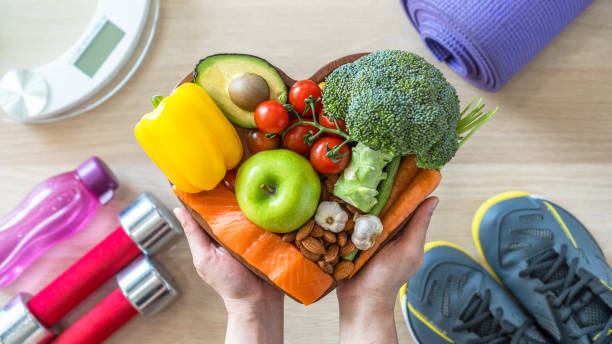
How to Cook Healthy on a Budget: Smart Tips and Tricks
Updated at: 2023-08-06 00:23:18 (2 years ago by Melkisedeck Leon Shine)
How to Cook Healthy on a Budget: Smart Tips and Tricks
Cooking healthy meals on a budget may seem like a daunting task, but with the right tips and tricks, it can be both easy and enjoyable. As AckySHINE, I am here to share my expertise and provide you with some professional advice on how to cook healthy on a budget. So, let's get started!
π Make a grocery list: Before heading to the supermarket, make a list of the ingredients you need for your healthy meals. This will help you stay focused and avoid purchasing unnecessary items.
π Shop in season: Buying fruits and vegetables that are in season not only ensures their freshness but also saves you money. Seasonal produce tends to be more affordable and often tastes better too!
π° Compare prices: Don't be hesitant to compare prices at different stores or even consider using online grocery delivery services. You may find better deals and discounts that can help you stick to your budget.
π₯¦ Plan your meals: Spend some time each week planning your meals in advance. This allows you to use ingredients more efficiently and reduces food waste.
π½οΈ Cook in bulk: Cooking larger quantities of meals and freezing leftovers can be a great way to save time and money. You'll always have a healthy meal on hand when you're in a rush or simply don't feel like cooking.
π Choose affordable proteins: Opt for affordable protein sources such as beans, lentils, eggs, and canned tuna. These options are not only budget-friendly but also packed with nutrients.
π½ Embrace whole grains: Whole grains like brown rice, quinoa, and oats are not only nutritious but also cost-effective. They can be used in a variety of dishes and keep you feeling satisfied for longer.
π³ Get creative with leftovers: Instead of throwing away leftovers, repurpose them into new meals. For example, leftover roasted chicken can be turned into a delicious salad or a filling for a wrap.
π Buy in bulk: When possible, purchase pantry staples like rice, pasta, and canned goods in bulk. This can save you money in the long run.
π₯ Grow your own herbs: Growing your own herbs at home is not only fun but can also save you money. Fresh herbs add flavor to your dishes without the need for expensive seasonings.
π Pack your lunch: As AckySHINE, I recommend packing your lunch instead of eating out. Not only will you save money, but you'll also have control over the ingredients and portion sizes.
π₯ Limit processed foods: Processed foods can be costly and often lack essential nutrients. Try to limit your consumption and focus on whole, unprocessed ingredients.
π₯ Use every part of the ingredient: Don't waste any part of the ingredient you're using. For example, use broccoli stems in stir-fries or turn vegetable scraps into homemade vegetable broth.
ποΈ Take advantage of sales and coupons: Keep an eye out for sales and coupons on healthy ingredients. This can help you stock up on items you use regularly at a lower cost.
π΄ββοΈ Stay active: Incorporating physical activity into your routine can help you maintain a healthy lifestyle while also saving money on expensive gym memberships. Take a walk, go for a jog, or try a home workout using free online resources.
In conclusion, cooking healthy on a budget is completely achievable with the right strategies and mindset. By following these smart tips and tricks, you can enjoy nutritious meals without breaking the bank. Remember, it's all about planning, being resourceful, and making conscious choices. Now, it's your turn! What are your favorite budget-friendly healthy recipes? Share your opinions and let's inspire each other!
Updated at: 2023-08-06 00:23:25 (2 years ago by Melkisedeck Leon Shine)
Healthy Cooking for Heart Health: Delicious and Nourishing
Hello readers! Welcome back to my column, where I, AckySHINE, share my expertise on all things related to healthy cooking. Today, I want to talk about a topic that is near and dear to my heart (pun intended) - cooking for heart health.
Our heart is a vital organ that works tirelessly to keep us alive and kicking. It's essential that we take good care of it, and one way to do that is through our diet. By making simple yet effective changes to our cooking habits, we can create delicious and nourishing meals that support heart health. So, let's dive in and explore 15 points to help us cook heart-healthy meals that are both enjoyable and beneficial!
π₯¦ Incorporate plenty of fruits and vegetables into your meals. They are packed with essential nutrients and antioxidants that promote heart health.
π Choose lean protein sources such as skinless chicken, fish, and legumes. These options are lower in saturated fat and cholesterol, which can reduce the risk of heart disease.
π₯ Use healthy fats like olive oil, avocado, and nuts in your cooking. These fats contain monounsaturated and polyunsaturated fats that can help lower bad cholesterol levels.
πΎ Opt for whole grains instead of refined grains. Whole grains are rich in fiber, which can help maintain healthy cholesterol levels.
π§ Limit your salt intake. Excessive salt consumption can contribute to high blood pressure, which is a major risk factor for heart disease.
π½οΈ Practice portion control. Overeating can lead to weight gain, which can increase the strain on your heart.
π₯ Choose low-fat or non-fat dairy products. These options provide the essential nutrients without the added saturated fat.
πΏ Experiment with herbs and spices to add flavor to your dishes without relying on excess salt or unhealthy condiments.
π³ Opt for cooking methods like grilling, baking, or steaming instead of frying. These methods require less added fat and retain more nutrients in the food.
π΅ Drink green tea regularly. Green tea is rich in antioxidants called catechins, which have been linked to a reduced risk of heart disease.
π§ Be mindful of hidden sources of sodium in processed foods, such as canned soups or packaged snacks.
π₯ Snack on heart-healthy nuts, such as almonds or walnuts, instead of reaching for sugary or salty snacks.
π« Choose dark chocolate with a high percentage of cocoa (70% or more). Dark chocolate contains flavonoids that can help lower blood pressure.
πΆ Stay active! Regular exercise is just as important as a healthy diet for maintaining heart health.
π Surround yourself with a supportive community that encourages and motivates you to make heart-healthy choices.
As AckySHINE, I advise you to start implementing these tips into your daily cooking routine. Remember, small changes can make a big difference in the long run. Let's create meals that not only nourish our bodies but also keep our hearts happy!
So, what do you think? Do you have any other heart-healthy cooking tips that you would like to share? Let's keep the conversation going in the comments below!
Updated at: 2025-05-12 17:34:43 (10 months ago by Melkisedeck Leon Shine)
Spinacia oleracea, commonly known as spinach, transcends its classification as a mere leafy green. This nutrient-dense vegetable presents a remarkable confluence of culinary versatility and significant health advantages, readily integrating into diverse gastronomic preparations. Its adaptability extends from vibrant salads to hearty stews, solidifying its position as a culinary staple deserving comprehensive exploration. This discourse will analyze spinach's nutritional profile, delineate optimal cooking techniques, and showcase diverse culinary applications to maximize both nutritional uptake and gastronomic satisfaction. We will explore the application of principles from nutritional science and culinary arts to enhance the utilization of this powerhouse vegetable.
Nutritional Composition and Health Implications: Spinach exhibits a rich concentration of essential micronutrients. It serves as an abundant source of Vitamins A, C, and K, alongside substantial amounts of folate, iron, and calcium. These elements are crucial for various physiological processes, including immune function, bone health, and cellular metabolism. The incorporation of spinach into daily diets aligns with the principles of preventative nutrition, contributing significantly to overall well-being and reducing the risk of micronutrient deficiencies. This can be viewed through the lens of the Dietary Guidelines for Americans, which emphasize the importance of consuming a variety of fruits and vegetables.
Culinary Applications and Recipe Diversification: Spinach's mild flavor profile and textural adaptability contribute to its remarkable versatility across various culinary traditions. Its incorporation into diverse recipes demonstrates its potential as a functional ingredient that enhances both nutritional content and gustatory appeal. The following examples illustrate the application of culinary principles to maximize spinachβs value in different contexts:
Optimal Cooking Techniques for Preserving Nutritional Integrity: To retain spinach's vibrant color and delicate nutrients, minimizing cooking time is crucial. Gentle sautΓ©ing or steaming, lasting only a few minutes, optimally preserves its nutritional integrity and texture. The selection of spinach variety can also influence the final result; baby spinach offers a milder taste suited for salads, while mature spinach provides a more robust flavor ideal for cooked dishes. These techniques are consistent with the principles of minimizing nutrient degradation during food processing.
Flavor Enhancement and Culinary Creativity: Spinach's subtle flavor harmonizes with a multitude of complementary ingredients, including garlic, lemon, feta cheese, nuts, and numerous herbs. Experimentation with diverse flavor combinations allows for the creation of unique and satisfying culinary experiences, highlighting the potential for culinary innovation and personalized dietary choices. This aligns with the principles of flavor science and food pairing.
Dietary Adaptability and Nutritional Complementation: Spinach serves as a valuable dietary component, particularly within vegetarian and vegan diets. It offers a significant source of iron and calcium, micronutrients often obtained from animal-based products. Its adaptability makes it a crucial asset in crafting delicious and nutritionally balanced plant-based meals, showcasing its relevance to diverse dietary needs and preferences.
Conclusion and Recommendations: Spinach, with its exceptional nutritional profile and culinary versatility, represents a significant asset in promoting healthy eating habits. Its incorporation into diverse culinary preparations enhances the nutritional value of meals without compromising flavor or palatability. Further research could focus on developing innovative culinary applications of spinach, exploring its potential as a functional food ingredient, and investigating its interaction with other foods to maximize bioavailability of its nutrients. The findings presented herein underscore the importance of incorporating nutrient-rich vegetables, such as spinach, into daily diets to promote overall well-being. The practical applications detailed in this paper provide a valuable framework for increasing both the consumption and enjoyment of spinach.
Reader Pool: What innovative culinary applications of spinach, beyond those discussed, could further promote its integration into diverse diets and culinary traditions?
Updated at: 2025-02-28 09:04:02 (1 year ago by Melkisedeck Leon Shine)
In today's fast-paced world, prioritizing fitness and muscle building is paramount. Achieving these goals requires a holistic approach, encompassing both consistent exercise and a balanced diet. As a nutrition and fitness enthusiast, I'm here to share expert advice on preparing lean protein-rich meals to support your muscle growth and overall well-being.
Lean protein is the cornerstone of any effective muscle-building diet. It provides essential amino acids crucial for muscle repair and growth. The sustained satiety provided by lean protein also aids in adhering to your fitness plan. Let's explore practical strategies for incorporating lean protein into your culinary repertoire.
Choosing the Right Cuts: When selecting protein sources, prioritize lean cuts of meat such as skinless chicken breast, turkey, various fish types, and lean beef. These options are lower in fat and calories, perfectly suited for muscle growth.
Exploring Plant-Based Alternatives: Vegetarians and vegans have abundant options. Tofu, tempeh, lentils, chickpeas, and quinoa are all excellent sources of plant-based lean protein.
Protein-Rich Grains: Quinoa, bulgur, and amaranth are exceptional sources of lean protein, providing essential nutrients and fiber. They serve as a fantastic base for salads, stir-fries, or as a satisfying side dish.
Diverse Cooking Techniques: Experiment with diverse cooking methods like grilling, baking, steaming, or stir-frying to maintain the nutritional integrity of your lean proteins while adding flavor and variety.
Flavor Enhancement through Marinades: Marinating lean proteins in flavorful sauces, herbs, and spices elevates their taste and makes meals more enjoyable. A simple marinade of lemon juice, garlic, and herbs can significantly enhance the flavor of chicken breast.
Macronutrient Balance: Maintain a balanced intake of lean proteins, complex carbohydrates, and healthy fats. This ensures a well-rounded nutritional profile supporting both muscle growth and overall fitness.
Meal Preparation for Success: Prepare lean proteins in advance to streamline your routine and ensure healthy options are readily available. Batch cooking grilled chicken or baked fish, portioned into individual containers, facilitates quick and easy meal access throughout the week.
The Power of Spices and Herbs: Incorporate a wide array of spices and herbs for both flavor enhancement and their inherent health benefits. Turmeric's anti-inflammatory properties and ginger's digestive aid are just two examples of the advantages of incorporating flavorful spices.
Creative Salad Creations: Salads provide an excellent opportunity to incorporate lean proteins. Combine grilled chicken, shrimp, or tofu with an assortment of colorful vegetables, nuts, and seeds for a nutritious and fulfilling salad.
Global Culinary Inspiration: Explore international cuisines for innovative ways to prepare lean proteins. From Japanese sushi to Greek grilled chicken souvlaki, diverse culinary traditions offer exciting and flavorful options.
Strategic Snacking: Keep protein-rich snacks on hand to manage hunger between meals. Greek yogurt, cottage cheese, boiled eggs, or protein bars provide a convenient boost of protein intake.
Portion Control: While lean protein is crucial, maintaining a balanced diet is paramount. Practice portion control to ensure you consume the appropriate amount of protein; a general guideline is 20-30 grams per meal.
Hydration is Key: Adequate hydration is essential for muscle growth and overall health. Aim for at least eight glasses of water daily to support bodily functions and muscle recovery.
Personalized Nutrition: Listen to your body's needs and adjust your approach accordingly. Experiment with different lean protein sources and cooking techniques to discover what works best for you.
Professional Guidance: Consult a registered dietitian or nutritionist for personalized dietary advice aligned with your fitness goals and lifestyle.
Incorporating lean proteins into your diet is a powerful strategy to support muscle growth and overall fitness. Through diverse cooking methods, flavorful experimentation, and mindful dietary choices, you can create delicious and nutritious meals that fuel your fitness journey. Consistency, self-awareness, and seeking professional guidance when needed are key components of long-term success. Here's to a healthier, fitter you!
What are your favorite lean protein recipes? Share your culinary creations and experiences in the comments below!
Updated at: 2025-04-12 10:50:46 (11 months ago by Melkisedeck Leon Shine)
```htmlWe've all been thereβthat sudden urge for a snack. But satisfying your hunger doesn't mean compromising your health goals. Discover fifteen delicious and nutritious snack options that will keep your cravings at bay without derailing your wellness journey. Let's explore a world of healthy snacks that are as exciting as they are good for you.
Nature provides the perfect sweet treats, packed with vitamins and antioxidants, without the added sugars of processed snacks.
Fresh Fruit: A Sweet and Simple Delight. The crisp bite of an apple, the juicy burst of strawberriesβfresh fruit offers natural sweetness and a variety of essential nutrients. Explore different fruits for a diverse range of flavors and vitamins.
Frozen Grapes: A Refreshing, Cool Treat. Frozen grapes provide a naturally sweet and cooling snack, perfect for a hot day. The icy texture adds a unique element of satisfaction.
Add satisfying crunch and essential vitamins to your snack routine with these veggie-centric options.
Veggie Sticks with Hummus: A Classic Combination. Carrot and celery sticks offer a satisfying crunch and are low in calories, while hummus provides a creamy, flavorful dip rich in protein and healthy fats.
Caprese Skewers: A Mediterranean Snack. These bite-sized skewers featuring cherry tomatoes, mozzarella balls, and fresh basil offer a delightful combination of sweet, savory, and fresh flavors.
Hummus and Veggie Platter: A Colorful and Nutritious Snack. Create a visually appealing and nutritious snack platter featuring your favorite hummus and an array of colorful vegetables like bell peppers, cucumbers, and cherry tomatoes. Itβs both delicious and packed with nutrients.
Boost your energy levels and keep hunger at bay with these protein-rich snacks.
Nuts: A Healthy Fat and Protein Boost. Almonds, cashews, and walnuts are excellent sources of healthy fats, protein, and fiber, promoting satiety and sustained energy. A small handful is all you need.
Hard-Boiled Eggs: A Portable Protein Powerhouse. Hard-boiled eggs are easy to prepare and transport, making them a perfect on-the-go snack. They're packed with protein and essential nutrients.
Grilled Chicken Strips: Lean Protein Perfection. Grilled chicken strips offer a lean protein source, and you can easily customize the flavor with marinades. Grill or bake for a healthy and satisfying snack.
Yogurt with Berries: A Creamy and Fruity Delight. Combine the creamy texture of yogurt (Greek yogurt for extra protein) with the sweetness of berries for a refreshing and satisfying snack.
Protein Smoothie: A Nutrient-Packed Blend. Protein smoothies are a quick and easy way to get a protein boost and essential nutrients. Experiment with different fruits, vegetables, and protein powders for a customized nutrient blend.
Cheese and Whole Grain Crackers: A Balanced Snack. Pair lower-fat cheese with whole-grain crackers for a snack that offers protein and complex carbohydrates, keeping you satisfied for longer.
Explore these innovative snack options for a delightful and nutritious experience.
Guacamole and Whole Grain Crackers: Healthy Fats and Fiber. Avocados are rich in healthy monounsaturated fats, and pairing them with whole-grain crackers creates a satisfying and nutritious snack.
Air-Popped Popcorn: A Whole-Grain Treat. Skip the excessive butter and salt; a light sprinkle of sea salt is all you need for a satisfying whole-grain snack.
Mini Whole Wheat Pita Pizzas: A Healthier Pizza Alternative. Top mini whole wheat pitas with tomato sauce, a sprinkle of cheese, and your favorite vegetables for a healthier pizza option.
Dark Chocolate: A Small Indulgence, Big Benefits. A small square of dark chocolate (high cocoa content) can satisfy sweet cravings while providing antioxidants. Enjoy in moderation.
This list provides a diverse range of healthy snack choices. Remember to prioritize nutrient-dense snacks that are low in added sugars and high in protein and fiber. Experiment to find your favorites! Healthy snacking should be enjoyable and a part of a balanced lifestyle. Share your favorite healthy snack ideas in the comments below!
```
Updated at: 2023-08-06 00:23:26 (2 years ago by Melkisedeck Leon Shine)
Healthy Cooking for Energy and Vitality
In today's fast-paced world, it can be challenging to find the time and energy to cook healthy meals. However, as AckySHINE, I am here to tell you that healthy cooking is not only possible but also essential for maintaining your energy and vitality. With a few simple tips and tricks, you can transform your kitchen into a hub of nourishment and rejuvenation. So, let's dive right in and discover how you can cook your way to a healthier, more energetic you! π±πͺπ³
Plan your meals: Planning your meals in advance is a great way to ensure you have all the necessary ingredients on hand and avoid unhealthy last-minute decisions. π π½οΈ
Choose whole foods: Opt for fresh fruits, vegetables, lean proteins, whole grains, and healthy fats. These nutrient-dense foods will provide you with the energy and vitality you need to conquer your day. π₯¦π πππ₯
Incorporate superfoods: Superfoods like blueberries, spinach, quinoa, and chia seeds are packed with essential nutrients and antioxidants, which can boost your energy levels and overall well-being. ππ₯¬π±
Experiment with spices: Spices not only add flavor to your meals but also have numerous health benefits. For example, turmeric has anti-inflammatory properties, while ginger aids digestion. So, get creative with your spice rack! πΆοΈπ§π
Cook in bulk: As AckySHINE, I recommend cooking larger quantities of food and freezing the leftovers. This way, you'll always have a healthy meal ready to go when you're short on time or energy. βοΈπ²
Use healthy cooking methods: Steaming, grilling, baking, and sautΓ©ing are all healthier alternatives to frying. These methods retain the nutrients in your food and minimize the use of unhealthy oils. π₯¦π³ππ₯
Cut down on processed foods: Processed foods are often high in unhealthy fats, sugars, and artificial additives, which can zap your energy levels and leave you feeling sluggish. As AckySHINE, I recommend opting for fresh, whole ingredients whenever possible. π«πππ
Stay hydrated: Drinking enough water throughout the day is crucial for maintaining your energy and vitality. Dehydration can lead to fatigue and decreased cognitive function, so make sure to keep a water bottle handy! π§π¦
Prioritize balanced meals: Aim to include a balance of carbohydrates, proteins, and healthy fats in every meal to keep your energy levels stable and avoid crashes. For example, a balanced breakfast could include oatmeal topped with Greek yogurt and berries. ππ₯£π₯
Limit sugary drinks: Sugary drinks like soda and energy drinks may provide a temporary energy boost, but they can lead to energy crashes later on. As AckySHINE, I recommend opting for healthier alternatives such as infused water or herbal tea. π₯€π΅
Don't skip meals: Skipping meals can wreak havoc on your energy levels and metabolism. Make sure to fuel your body with regular, balanced meals and snacks throughout the day. π½οΈπ₯ͺπ
Include complex carbohydrates: Complex carbohydrates, such as whole grains, provide a steady release of energy and help you stay fuller for longer. Swap refined grains for whole grains like brown rice, quinoa, or whole wheat bread. ππ
Snack smart: When hunger strikes between meals, reach for healthy snacks like nuts, seeds, and fruits instead of reaching for sugary or processed options. They will provide you with sustained energy and essential nutrients. π₯π
Prep your ingredients: Take the time to wash, chop, and store your ingredients ahead of time. This will make meal preparation quicker and more convenient, especially on busy days. π₯¬π₯πͺ
Listen to your body: Everyone's nutritional needs are unique, so it's important to listen to your body and make adjustments accordingly. Pay attention to how different foods make you feel and make choices that support your energy and vitality. ππ
Remember, healthy cooking is not just about fueling your body with the right nutrients; it's also about enjoying the process and nourishing your soul. So, as AckySHINE, I encourage you to embrace the joy of cooking and experiment with new flavors and recipes. Your energy and vitality will thank you! π
What are your favorite healthy cooking tips, and how do you stay energized throughout the day? I would love to hear your thoughts and opinions! ππ©βπ³π£οΈ
Updated at: 2025-02-20 05:23:54 (1 year ago by Melkisedeck Leon Shine)
```Quinoa's rise in popularity is well-deserved. This versatile grain isn't just a trendy ingredient; it's a nutritional powerhouse packed with benefits that make it a valuable addition to any diet. This article explores fifteen key aspects of cooking with quinoa, providing practical tips and inspiring recipe ideas to help you unlock its full potential.
The Nutritional Champion: Why Choose Quinoa?
Quinoa stands out for its exceptional nutritional profile. It's a complete protein, containing all nine essential amino acids β a rarity among plant-based foods. This makes it an excellent choice for vegetarians and vegans seeking complete protein sources. Beyond protein, quinoa boasts an impressive array of vitamins and minerals. Its high fiber content promotes healthy digestion and contributes to sustained feelings of fullness, aiding in weight management. Furthermore, itβs a good source of iron and magnesium, essential for energy production, blood health, and strong bones.
Beyond the Bowl: Quinoa's Culinary Versatility
Quinoa's versatility extends far beyond its status as a healthy grain. Its slightly nutty flavor and fluffy texture make it a perfect substitute for rice or pasta in countless dishes. Imagine quinoa salads bursting with fresh vegetables and vibrant dressings, or hearty quinoa-based casseroles that warm you from the inside out. Its adaptability shines in stir-fries, soups, and even sweet treats like pancakes and muffins. The possibilities are truly endless.
Mastering Quinoa: Simple Cooking Techniques
Cooking quinoa is surprisingly simple. Begin by rinsing the quinoa thoroughly under cold water to remove saponins, naturally occurring compounds that can impart a slightly bitter taste. Then, use a 2:1 water-to-quinoa ratio. Bring the mixture to a boil, reduce heat, cover, and simmer for approximately 15-20 minutes, or until all the water is absorbed. The result is perfectly cooked quinoa, ready to be incorporated into your culinary creations.
Exploring Culinary Adventures with Quinoa
Beyond the Basics: Unleashing Your Culinary Creativity
Quinoaβs versatility allows for endless culinary exploration. From savory dishes to sweet creations, the possibilities are limited only by your imagination. Experiment with different flavor combinations, incorporating herbs, spices, and vegetables to create unique and delicious meals. Don't be afraid to try new things and let your culinary creativity shine!
Join the Conversation: Share Your Quinoa Experiences
Have you embraced the culinary magic of quinoa? Share your favorite recipes and experiences in the comments below. Let's connect and inspire each other to explore the diverse and delicious world of quinoa cooking!
```
Updated at: 2023-08-06 00:23:41 (2 years ago by Melkisedeck Leon Shine)
Cooking with Seasonal Ingredients for Maximum Nutrition π₯¦π π₯
As AckySHINE, I advise you to embrace the power of seasonal ingredients in your cooking for maximum nutrition and flavor. π½ππ₯¬
Nutritional Value: Seasonal ingredients are at their peak in terms of flavor and nutritional content. They are harvested at the right time, ensuring that you benefit from their optimum nutrients. π±π
Freshness: Seasonal produce is typically fresher, as it doesn't have to travel long distances to reach your plate. This freshness translates into better taste and texture, making your dishes more enjoyable. ππ
Supporting Local Farms: By cooking with seasonal ingredients, you are supporting local farmers who grow and produce these foods. This helps sustain local economies and reduces the carbon footprint associated with long-distance transportation. π©βπΎπ
Variety: Each season brings a different array of fruits, vegetables, and other ingredients. Embracing seasonal cooking allows you to explore a wide range of flavors and experiment with new recipes. π½π π₯
Cost-Effective: Seasonal produce is often more affordable than out-of-season options, as there is an abundance of supply. This allows you to eat well-balanced meals without breaking the bank. π°π
Sustainability: By cooking with seasonal ingredients, you are promoting sustainable farming practices. Seasonal foods require less artificial intervention, such as pesticides and fertilizers, reducing their impact on the environment. ππΏ
Local Traditions: Seasonal ingredients are often deeply rooted in local culinary traditions. By incorporating them into your cooking, you can pay homage to the cultural heritage of a region. ππ₯
Community Engagement: Seasonal cooking can bring people together. Consider visiting farmers' markets or joining a community-supported agriculture (CSA) program to connect with like-minded individuals who share your passion for fresh, local produce. ππ₯
Creative Cooking: Working with seasonal ingredients challenges you to think outside the box and get creative in the kitchen. You may discover new flavor combinations or techniques that elevate your culinary skills. π½οΈπ¨
Health Benefits: Eating seasonal foods is not only delicious but also beneficial for your health. For example, winter produce like kale and citrus fruits are rich in vitamin C, boosting your immune system during the colder months. πΏπͺ
Meal Planning: Cooking with seasonal ingredients allows you to plan your meals based on what's available. This can help you maintain a well-balanced diet and avoid relying on processed foods. ππ½οΈ
Preservation: When you cook with seasonal ingredients, you can also explore preservation methods like canning, fermenting, or freezing. This way, you can enjoy the flavors of a particular season throughout the year. π₯«βοΈ
Culinary Adventures: Imagine the joy of picking your own strawberries in the spring or picking apples in the fall. Seasonal cooking opens up opportunities for fun activities and culinary adventures with family and friends. πππ³
Environmental Impact: By choosing seasonal ingredients, you are making a positive impact on the environment. You are encouraging a sustainable food system that reduces waste and promotes biodiversity. ππ±
Taste the Difference: Ultimately, cooking with seasonal ingredients enhances the taste of your meals. Fresh, locally sourced produce bursts with flavor, making each dish a delightful experience for your taste buds. πΏπ
In my opinion as AckySHINE, cooking with seasonal ingredients is not only a healthier choice but also a more sustainable and enjoyable way to approach your culinary adventures. So, why not take advantage of what each season has to offer? ππ§οΈπβοΈ
What do you think about cooking with seasonal ingredients? Do you have any favorite seasonal recipes that you'd like to share?
Updated at: 2025-08-23 10:15:58 (6 months ago by Melkisedeck Leon Shine)
Embarking on a Plant-Based Culinary Journey: A Holistic Approach to Well-being and Sustainability This comprehensive guide delves into the multifaceted benefits of adopting a plant-based dietary approach, showcasing its profound influence on individual health, environmental stewardship, and personal enrichment. We will explore the scientific foundations underpinning these advantages, drawing upon established models and theories within nutritional science and environmental studies. Central to our analysis are key concepts such as the Health Belief Model, which elucidates how individual perceptions of health risks and benefits drive behavioral changes. We'll also consider the Theory of Planned Behavior, highlighting the pivotal role of intentions and attitudes in shaping behavior, and the ecological footprint, a metric quantifying the environmental impact of human activities. This guide is designed to empower individuals, regardless of their culinary expertise, to embrace the rewarding experience of plant-based cuisine, fostering a shift towards more sustainable and health-conscious lifestyles. Optimizing Health Outcomes through Plant-Based Nutrition A cornerstone of plant-based diets is their emphasis on whole, unprocessed foods, which are naturally rich in essential micronutrients. This principle aligns with the concept of nutritional adequacy, ensuring the body receives the necessary components for optimal physiological function. Numerous epidemiological studies have consistently demonstrated a correlation between plant-based eating patterns and a reduced incidence of chronic diseases, including cardiovascular disease, type 2 diabetes, and certain types of cancer. This protective effect is largely attributed to the lower intake of saturated fats and cholesterol, coupled with an increased consumption of dietary fiber and phytonutrients. The high fiber content in plant-based foods also promotes a diverse and healthy gut microbiota, further contributing to overall well-being. This is evidenced by ongoing research into the gut-brain axis, which reveals the intricate connection between the gut microbiome and various bodily functions, including mental health. By nurturing a balanced gut ecosystem, plant-based diets can indirectly influence mood, cognitive function, and even stress resilience. Furthermore, adopting a plant-based diet can be understood through the lens of the Health Belief Model, where perceived susceptibility to chronic diseases and the perceived benefits of a plant-based diet significantly influence an individual's decision to adopt this dietary pattern. In addition to the nutritional advantages, making conscious food choices can also enhance culinary creativity. You might also want to consider some tips for 10 Healthy Snack Ideas Even Picky Kids Will Love. Sustainable Weight Management within a Plant-Based Framework Plant-based diets facilitate sustainable weight management by leveraging the inherent properties of plant-derived foods. Fruits, vegetables, legumes, and whole grains are typically lower in energy density and higher in dietary fiber compared to animal-based products. This combination leads to increased satiety, reduced overall energy intake, and the promotion of a negative energy balanceβa fundamental requirement for weight loss. The high fiber content also plays a crucial role in regulating appetite hormones and fostering a healthy gut environment, which further contributes to effective weight management. The Theory of Planned Behavior provides valuable insight into successful weight management within a plant-based context. Positive attitudes toward plant-based diets, coupled with strong intentions to adopt them and a perceived sense of control over one's eating habits, can significantly increase the likelihood of achieving and maintaining a healthy weight. Strategies such as mindful eating, meal planning, and seeking support from plant-based communities can further enhance adherence and long-term success. Consider also incorporating Power Bowls: Your Guide to Balanced and Delicious Nutrition to your daily meals. Mitigating Environmental Impact through Conscious Food Choices The environmental repercussions of animal agriculture are substantial. Animal production is a major contributor to greenhouse gas emissions, deforestation, and water pollution. By transitioning towards plant-based diets, individuals can significantly reduce their ecological footprint, aligning with the principles of sustainable consumption and production and promoting a more environmentally responsible lifestyle. The diminished demand for animal products translates into reduced pressure on natural resources and a lessened contribution to climate change. This conscious consumption choice reflects a commitment to environmental stewardship and collective action towards a sustainable future. Individuals can further amplify their positive impact by prioritizing locally sourced, seasonal produce, reducing food waste, and supporting businesses committed to sustainable practices. In today's world, promoting environmental awareness and taking action is crucial, as highlighted in articles about global challenges such as the Americas Wildfire Crisis: A Collaborative Strategy for Prevention and Response. Economic Accessibility of Plant-Based Diets Contrary to common misconceptions, plant-based diets can be remarkably cost-effective. Many staple plant-based foods, such as legumes, grains, and seasonal produce, are often more affordable than meat and dairy products. This economic accessibility empowers individuals from diverse socioeconomic backgrounds to reap the health and environmental benefits of plant-based eating. Careful meal planning, strategic grocery shopping, and utilizing resources like bulk bins and farmers' markets can further optimize affordability, emphasizing resourcefulness and maximizing nutritional value within a budget-conscious framework. Embracing plant-based cooking can therefore be a practical and empowering choice for individuals seeking to improve their health and reduce their environmental impact without straining their finances. In addition, focusing on a balanced diet is essential for overall health. Integrating plant-based options can be a part of a broader strategy, aligning with guidelines on 15 Proven Strategies for Preventing and Managing Common Health Issues. Enhancing Culinary Creativity and Personal Fulfillment Plant-based cooking is an adventure in culinary exploration, offering a vast spectrum of flavors, textures, and culinary techniques. From vibrant salads and hearty soups to flavorful stir-fries and innovative culinary creations, the possibilities are endless. This creative process fosters a deeper connection with food and promotes mindful eating, aligning with the concepts of food literacy and culinary mindfulness. The act of preparing meals from scratch can be incredibly fulfilling, providing a sense of accomplishment and self-efficacy. This engagement with food preparation also cultivates a greater appreciation for the nutritional value and cultural significance of food. Experimenting with new recipes, exploring diverse cuisines, and sharing plant-based meals with loved ones can transform cooking from a chore into a source of joy, creativity, and personal growth. Holistic Well-being: A Multidimensional Approach The advantages of plant-based cooking extend beyond the purely physical realm. The mindful preparation and consumption of food can positively impact mental well-being, promoting stress reduction and emotional regulation. The increased fiber intake contributes to improved digestive health and reduced inflammation, further enhancing overall well-being. Furthermore, the social aspect of engaging with plant-based communities can foster a sense of belonging and support, enhancing psychological well-being. This holistic approach acknowledges the interconnectedness of physical, mental, and social health within the broader context of overall wellness. Prioritizing a plant-based diet can also be integrated with other wellness practices, such as Mindful Breathing: A Path to Stress Reduction and Inner Calm, to create a comprehensive self-care routine. Conclusion and Recommendations Plant-based cooking presents a powerful pathway toward enhanced individual and planetary well-being. The evidence overwhelmingly supports its positive influence on health, environmental sustainability, and personal fulfillment. To further promote the adoption of plant-based diets, several recommendations are warranted. Firstly, promoting nutrition education is crucial to increase awareness of the benefits of plant-based eating, dispel common misconceptions, and provide individuals with the knowledge and skills to create balanced and delicious plant-based meals. Secondly, fostering the development of accessible and affordable plant-based food options is essential to overcome economic barriers and ensure that these dietary patterns are within reach for all individuals. This includes supporting local farmers, promoting community gardens, and advocating for policies that incentivize plant-based agriculture. Thirdly, supporting research on the long-term health outcomes of plant-based diets is vital to further strengthen the scientific evidence base and inform public health guidelines. Further research is needed to explore the social and economic factors influencing the adoption of plant-based diets and to develop targeted interventions that effectively promote these dietary patterns across diverse populations. The application of behavioral theories, such as the Theory of Planned Behavior and the Health Belief Model, can be instrumental in shaping effective strategies to encourage dietary change. Finally, the integration of plant-based culinary practices into public health initiatives holds substantial potential to address both individual health needs and environmental challenges, contributing to a more sustainable and equitable future for all. This approach also highlights the importance of Nutrition for Mental Health: A Comprehensive Guide, as a plant-based diet can significantly impact mental well-being. Related Articles: - Nutrition for Mental Health: A Comprehensive Guide - 10 Healthy Snack Ideas Even Picky Kids Will Love - Power Bowls: Your Guide to Balanced and Delicious Nutrition - Americas Wildfire Crisis: A Collaborative Strategy for Prevention and Response - 15 Proven Strategies for Preventing and Managing Common Health Issues - Mindful Breathing: A Path to Stress Reduction and Inner Calm Reader Pool: Considering the evidence and arguments presented, what innovative strategies could be implemented to encourage wider adoption of plant-based diets, particularly in communities with limited access to fresh produce or deeply ingrained cultural eating habits?
Updated at: 2023-08-06 00:23:31 (2 years ago by Melkisedeck Leon Shine)
Healthy and Satisfying Breakfast Smoothie Bowls π₯£ππ
As AckySHINE, a self-proclaimed breakfast enthusiast and lover of all things healthy, I am here to share my expertise on one of my favorite morning meals - breakfast smoothie bowls! ππͺ
What are breakfast smoothie bowls? π€ Breakfast smoothie bowls are a delightful and nutritious way to start your day. They consist of a thick and creamy smoothie base topped with a variety of delicious and wholesome ingredients.
Why choose a smoothie bowl for breakfast? ππ₯₯ Smoothie bowls are not only visually appealing but also packed with nutrients, fiber, and antioxidants. They provide a great balance of macronutrients, which makes them a satisfying and energizing option to kickstart your day.
How to make a delicious smoothie bowl? ππ To make a tasty smoothie bowl, start with a frozen fruit base such as bananas or berries. Add a liquid of your choice, such as almond milk or coconut water, and blend until smooth. Pour into a bowl and top with your favorite toppings like granola, fresh fruits, nuts, and seeds.
Benefits of breakfast smoothie bowls π Smoothie bowls are an excellent source of vitamins, minerals, and antioxidants that can support your overall health and well-being. They are also a great way to incorporate more fruits and vegetables into your diet.
Boost your energy levels β‘οΈ Starting your day with a smoothie bowl can provide a natural energy boost, thanks to the combination of fruits, healthy fats, and protein. This can help you feel more alert and focused throughout the morning.
Aid in digestion π© The high fiber content in smoothie bowls can promote healthy digestion and prevent constipation. It can also help maintain a healthy gut microbiome, which is essential for overall digestive health.
Satisfy your sweet tooth without guilt π«π¦ Smoothie bowls can be a healthier alternative to sugary breakfast cereals or pastries. By using natural sweeteners like dates or adding a touch of honey, you can satisfy your sweet cravings in a more nutritious way.
Versatile and customizable π One of the best things about smoothie bowls is their versatility. You can customize them to suit your taste preferences and dietary needs. Whether you're vegan, gluten-free, or dairy-free, there are endless options to explore.
Get creative with toppings ππ₯ Toppings are where the fun begins! You can unleash your creativity and experiment with different toppings like fresh fruits, coconut flakes, chia seeds, cacao nibs, or even edible flowers. The possibilities are endless!
Time-saving breakfast option β° Smoothie bowls can be prepared in advance, making them a perfect grab-and-go option for busy mornings. Simply blend your ingredients the night before and refrigerate. In the morning, add your favorite toppings, and voila - a nutritious breakfast in minutes!
A kid-friendly breakfast idea πΆπ₯£ Smoothie bowls can also be a great way to introduce healthy ingredients to picky eaters. Let your kids choose their favorite toppings, and they'll be more likely to enjoy this nutritious breakfast.
Delicious smoothie bowl recipe: Berry Blast ππ Blend together frozen mixed berries, a ripe banana, almond milk, and a scoop of protein powder for an extra boost. Top with fresh berries, sliced almonds, and a drizzle of honey for a delightful and satisfying breakfast treat.
Nutty Green Smoothie Bowl π₯¬π₯ Blend a handful of spinach, a frozen banana, almond milk, and a spoonful of almond butter for a delicious green smoothie bowl. Top with chopped walnuts, hemp seeds, and a sprinkle of cinnamon for added flavor.
Tropical Paradise Smoothie Bowl π΄π Combine frozen pineapple, mango, coconut milk, and a squeeze of lime juice for a refreshing tropical smoothie bowl. Top with toasted coconut flakes, macadamia nuts, and a few slices of fresh kiwi for a taste of paradise.
What's your favorite smoothie bowl? π€ Now that you know the benefits and versatility of breakfast smoothie bowls, I would love to hear your thoughts! What's your go-to smoothie bowl recipe? Let's share our favorite creations and inspire others to embrace this nutritious breakfast option.