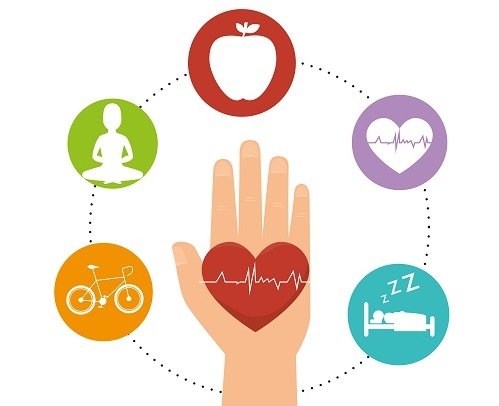
Achieving Work-Life Harmony: A Guide for Healthcare Professionals
Updated at: 2025-04-12 12:38:00 (11 months ago by Melkisedeck Leon Shine)
```htmlThe healthcare profession demands dedication and unwavering commitment to patient well-being. However, the demanding nature of this crucial role often necessitates a proactive approach to maintaining a healthy work-life balance. Neglecting personal well-being can lead to burnout and diminished job satisfaction. This comprehensive guide offers practical strategies to help healthcare professionals achieve a harmonious blend of professional responsibilities and personal fulfillment.
Understanding the Importance of Self-Care: Prioritizing your well-being isn't selfish; it's essential. Recognizing that your personal life is as important as your professional commitments is the cornerstone of achieving a balanced lifestyle. This proactive approach will prevent burnout and enhance both your professional and personal satisfaction.
Conclusion: Maintaining a healthy work-life balance as a healthcare professional is not merely desirable; it's essential for both personal well-being and optimal patient care. By proactively implementing these strategies, you can create a sustainable lifestyle that honors both your professional commitment and personal fulfillment. Remember, self-care is not selfish; itβs a vital ingredient in providing exceptional care and living a balanced, fulfilling life.
Share Your Insights: What strategies have you found most effective in managing your work-life balance? We encourage you to share your experiences and tips in the comments below.
```
Updated at: 2024-05-25 15:26:24 (1 year ago by SW - Melkisedeck Shine)
Happy birthday mpenzi, nakuombea kwa mwenyezi
akupe maisha marefu na kukuepusha na maradhi,
pongezi kwa wako wazazi kwa kukuzaa mpenzi,
nakupenda la azizi.
Updated at: 2024-05-26 12:25:46 (1 year ago by DIN - Melkisedeck Leon Shine)
Nguvu ya Roho Mtakatifu: Ukombozi Kutoka kwa Mizunguko ya Upweke na Kutengwa
Kutengwa au kujihisi peke yako ni mojawapo ya hisia mbaya tunazoweza kupitia. Tunajiona kama hatupendwi au kuchangamkiwa sawasawa na watu wengine. Mizunguko hii ya upweke inaweza kusababisha madhara mengi ikiwa ni pamoja na kupungua kwa afya ya kiakili na kimwili, kupoteza hamu ya kufanya mambo yetu pendwa, na kumfanya mtu ajihisi kuwa amepotea. Lakini, Roho Mtakatifu anaweza kusaidia sana kuwaokoa watu kutoka kwa mizunguko hii na kuwapa nguvu ya kumkabidhi Mungu vizuri zaidi maisha yao.
Tafuta marafiki katika Kanisa Kanisa ni mahali pazuri sana pa kujenga urafiki wa kudumu na watu. Kwa kawaida kuna watu wengi ambao wanataka kushiriki kwa furaha maishani mwao na kusaidia wengine kufanya vivyo hivyo. Wakristo hao wanaweza kuwa rafiki zako na kukusaidia katika mizunguko ya upweke.
Jitahidi kuwa mtu wa Kujitolea Kujitolea kwenye shughuli za Kanisa inaweza kuwa sababu ya kushiriki na watu wengine katika jamii. Utakutana na watu wengi wanaofanya vitu sawa na wewe na utapata fursa za kuzungumza nao kwa undani na kuwa rafiki zao.
Omba Omba Roho Mtakatifu akusaidie kuondoa hisia za upweke na kukupa nguvu ya kuwa na urafiki na watu wengine. Roho Mtakatifu anasaidia sana kuondoa mizunguko ya upweke na kusababisha watu wengine wakija kwako.
Soma Neno la Mungu Biblia inaweza kusaidia sana katika kukabiliana na hisia za upweke. Inaonyesha jinsi Mungu anajali na anataka kila mtu kuwa na urafiki na watu wengine. Kwa hivyo, tumia fursa ya kusoma Biblia na kujenga imani yako.
Kuwa na Sifa Kuwa na sifa njema kunamaanisha kuwa na tabia nzuri na kuonyesha heshima kwa wengine. Unapokuwa na sifa njema, watu wengine watakuwa na hamu ya kutaka kuwa karibu nawe na kujenga urafiki na wewe.
Fanya Vitu Unavyopenda Kufanya vitu unavyopenda kunaweza kuwa sababu ya kukutana na watu wengine ambao wanafanya vitu sawa na wewe. Utaweka hisia zako katika kitu unachokipenda na utapata fursa za kuwa na urafiki na watu hao.
Chukua Hatua Kuchukua hatua ya kujenga urafiki na watu wengine ni muhimu sana. Usibaki kusubiri watu wengine waje kwako, bali chukua hatua ya kuwaalika watu wengine kwa chakula cha jioni au shughuli nyingine kama hizo.
Fanya Mazoezi Kufanya mazoezi huongeza hamu ya kuwa na urafiki na watu wengine. Inasababisha utengamane na watu wengine na kupata nafasi ya kuzungumza nao.
Jijenge kiroho Jijenge kiroho kwa kuomba, kusikiliza uimbaji wa nyimbo za dini, na kusoma Biblia. Hii itakusaidia kujenga imani yako na kufanya uwe na nguvu zaidi ya kushinda hisia za upweke.
Muombe Roho wa Mungu Roho wa Mungu anaweza kukusaidia kuwa na nguvu za kuondoa mizunguko ya upweke na kutengwa. Anaweza kukupa nguvu ya kuwa na furaha na amani katika maisha yako.
Kwa hiyo, tafuta Roho Mtakatifu na umkabidhi maisha yako. Anaweza kusaidia sana katika kukabiliana na hisia za upweke na kutengwa. "Kwani Mimi ni Bwana, Mungu wenu, ninaokota kila upanga ninaowachunga, nami ninaowaweka pamoja, wale wanaotazamia kila upanga" (Ezekieli 34: 11-12).
Updated at: 2025-06-02 11:12:59 (9 months ago by Melkisedeck Leon Shine)
In today's dynamic business environment, strategic risk assessment is not merely a prudent practice but a critical imperative for sustained organizational success. This comprehensive guide presents a structured methodology for strategic risk assessment, leveraging established frameworks and providing practical applications for effective risk management. Key concepts like risk identification, quantification, and mitigation are explored, alongside the importance of stakeholder engagement and continuous improvement. The framework presented aligns with established risk management principles, drawing parallels with concepts such as the COSO framework and the ISO 31000 standard, emphasizing a holistic and integrated approach to organizational resilience.
1. Stakeholder Engagement and Collaborative Risk Identification: Effective risk identification begins with active stakeholder engagement. Utilizing techniques such as brainstorming sessions, Delphi methods, and interviews, organizations can gather diverse perspectives from across the value chainβemployees, customers, suppliers, and regulatory bodies. This participatory approach ensures a more holistic understanding of potential risks, encompassing both internal vulnerabilities and external threats. The application of social network analysis can further illuminate the interconnectedness of risks and identify potential cascading effects. For instance, a disruption in one area (e.g., supply chain) might trigger vulnerabilities elsewhere (e.g., production delays, customer dissatisfaction).
2. Risk Categorization and Prioritization: Establishing a Hierarchical Framework: A structured taxonomy for categorizing risks enhances the prioritization process. This can involve using criteria such as impact (financial, operational, reputational, legal), likelihood (high, medium, low), and risk type (strategic, operational, financial, compliance). Utilizing a risk matrix (likelihood vs. impact), allows for a visual representation of prioritized risks, facilitating resource allocation decisions. This approach mirrors the principles of portfolio risk management, enabling organizations to focus resources on the most impactful and likely risks, optimizing risk mitigation strategies.
3. Risk Quantification and Analysis: A Data-Driven Approach: The qualitative categorization of risks is complemented by a quantitative assessment. Techniques such as Monte Carlo simulations, sensitivity analysis, and decision tree modeling can provide numerical estimates of risk probabilities and potential impact. This data-driven approach leads to a more objective prioritization of risks, ensuring that resource allocation aligns with the magnitude of the potential threat. For example, analyzing historical data, market trends, and expert opinions can help in quantifying the likelihood of a market downturn or a regulatory change.
4. Risk Mitigation Strategies: Proactive and Reactive Approaches: Once risks are identified and prioritized, the development of robust mitigation strategies is critical. This involves both proactive measures (preventative controls) and reactive measures (contingency plans). This dual approach builds organizational resilience, minimizing the potential impact of both predictable and unforeseen events. For instance, a company might implement cybersecurity measures to prevent data breaches (proactive) and develop a crisis communication plan in case a breach occurs (reactive).
5. Leveraging Technology for Advanced Risk Management: Integrating technology and data analytics strengthens risk assessment and mitigation. Predictive modeling, machine learning, and artificial intelligence can assist in identifying emerging risks, forecasting potential impacts, and optimizing mitigation strategies. Advanced analytics can also automate the risk monitoring process, enabling timely intervention when critical thresholds are breached. This reflects the broader trend of employing technology for enhanced decision-making and improved organizational effectiveness.
6. Continuous Monitoring and Improvement: An Iterative Process: Risk management is not a one-time event but an ongoing, iterative process. Continuous monitoring of risks, regular review of mitigation strategies, and periodic reassessment of risk profiles are crucial to adapting to the evolving business environment. Post-incident analysis of past events is also vital in learning from experience and improving risk management processes over time, fostering a culture of continuous improvement.
7. Cultivating a Risk-Aware Culture: Embedding Risk Management into Organizational DNA: Effective risk management necessitates a culture where risk awareness is integrated into daily operations. Open communication, employee empowerment, and transparent reporting mechanisms are crucial elements of this risk-aware culture. Regular training programs, reward systems, and clear accountability frameworks foster a climate where risks are proactively identified and addressed at all levels.
8. Seeking External Expertise: Augmenting Internal Capabilities: Utilizing external expertise, such as consultants specialized in risk management, can complement internal capabilities and provide valuable insights. This is especially beneficial when dealing with complex or specialized risks, ensuring that the organization benefits from the latest knowledge and best practices within the field.
9. Maintaining Agility and Adaptability: Responding to Dynamic Environments: In today's volatile business landscape, adaptability is paramount. Risk mitigation strategies should be flexible and responsive, capable of accommodating unforeseen changes and rapidly evolving circumstances. This requires a proactive approach to monitoring the external environment, coupled with the ability to swiftly adjust strategies as needed.
10. Documentation and Communication: Transparency and Accountability: Comprehensive documentation of the entire risk assessment processβfrom risk identification to mitigation strategiesβis crucial. This ensures transparency and accountability across the organization. Regular reporting on risk status and the effectiveness of mitigation measures provides valuable insights into the overall risk management program.
Conclusions and Recommendations:
Effective strategic risk assessment is a multi-faceted process requiring a holistic approach that integrates quantitative and qualitative methods. By combining robust risk identification techniques with advanced analytical tools, organizations can achieve a more precise understanding of their risk landscape. Prioritization based on both impact and likelihood, coupled with adaptable mitigation strategies, forms the foundation of proactive risk management. Continuously monitoring, reviewing, and refining the risk management framework, along with fostering a risk-aware culture, are crucial for organizational resilience and sustained success. Further research could explore the application of artificial intelligence and machine learning to enhance risk prediction and improve the automation of risk monitoring processes. The impact of incorporating behavioral economics into risk assessment models, accounting for cognitive biases in decision-making, is also a promising area for future investigation.
Reader Pool: What are the critical limitations of existing risk assessment frameworks in addressing the challenges posed by emerging technological risks, such as artificial intelligence and cybersecurity threats?
Updated at: 2025-05-05 02:57:46 (10 months ago by Melkisedeck Leon Shine)
```htmlPremenstrual syndrome (PMS), affecting a significant portion of the female population, presents a constellation of physical and emotional symptoms that can substantially disrupt daily life. However, a comprehensive and proactive approach encompassing various strategies can significantly alleviate discomfort and improve overall well-being during this cyclical phase. This guide explores the application of relevant theories and models to facilitate effective PMS management, emphasizing a holistic and personalized approach.
Understanding the Neuroendocrine Basis of PMS: A Foundation for Intervention
Effective PMS management necessitates a foundational understanding of its physiological underpinnings. PMS is linked to fluctuating hormone levels, primarily progesterone and estrogen, during the luteal phase of the menstrual cycle. These hormonal shifts influence neurotransmitter activity, impacting mood regulation (particularly serotonin), and potentially triggering various physical symptoms such as bloating, breast tenderness, and fatigue. Applying the biopsychological model, we recognize the interplay of biological factors (hormonal fluctuations), psychological factors (stress, mood), and social factors (support systems) in shaping the PMS experience. Detailed self-monitoring of symptoms, including their timing and severity within the menstrual cycle, allows for a personalized assessment, forming the basis of tailored interventions. This approach aligns with the principles of personalized medicine, where treatments are customized to individual needs and responses. Utilizing a menstrual calendar facilitates this process, leveraging the principles of data-driven decision making and predictive analytics.
Self-Care: Central to Stress Reduction and Symptom Mitigation
The concept of self-care, underpinned by the self-determination theory, emphasizes autonomy, competence, and relatedness as crucial elements of well-being. During PMS, proactive self-care practices become paramount. Activities promoting relaxation and stress reduction, such as engaging in mindfulness practices (meditation, yoga), pursuing enjoyable hobbies, and ensuring adequate sleep, contribute significantly to symptom management. This aligns with the stress-buffering hypothesis, which suggests that engaging in self-care activities mitigates the negative impact of stress on physical and mental health. A soothing warm bath, for example, leverages the principles of sensory regulation and relaxation response, actively counteracting the physiological effects of stress hormones like cortisol.
The Benefits of Physical Activity: Endorphin Release and Mood Regulation
Regular physical activity serves as a powerful tool in PMS management. Exercise triggers the release of endorphins, acting as natural mood elevators and pain relievers. Applying the principles of exercise physiology, moderate-intensity aerobic exercise, like brisk walking or swimming, is recommended. The exercise prescription should consider the individual's fitness level and symptom severity, adapting intensity and duration as needed. This approach is consistent with the biopsychosocial model, addressing the biological (endorphin release), psychological (improved mood), and social (participation in group fitness classes) aspects of well-being. The adherence to a regular exercise regimen can be enhanced by incorporating the principles of behavioral change models, focusing on setting realistic goals and utilizing appropriate reinforcement strategies.
Nutritional Strategies: Optimizing Dietary Intake for Hormonal Balance
Dietary modifications are crucial for effective PMS management. A balanced diet rich in fruits, vegetables, whole grains, and lean proteins provides essential nutrients supporting hormonal balance and overall health. Limiting or eliminating caffeine, alcohol, and processed foods, which can exacerbate symptoms such as bloating and mood swings, adheres to the principles of nutritional science. Specifically, consuming foods rich in magnesium and vitamin B6, known to play a role in mood regulation and neurotransmitter synthesis, can potentially alleviate PMS symptoms. Furthermore, the adoption of mindful eating practices, consistent with principles of cognitive behavioral therapy (CBT), allows individuals to develop a healthier relationship with food, enhancing dietary adherence and reducing emotional eating.
Hydration and Fluid Balance: Mitigating Bloating and Retention
Adequate hydration is often overlooked but plays a crucial role in mitigating PMS symptoms, particularly bloating and fluid retention. Maintaining a sufficient daily fluid intake assists in detoxification and maintaining optimal bodily functions. This underscores the importance of understanding basic physiological principles relating to fluid balance and electrolyte regulation. Incorporating hydrating foods like watermelon into the diet offers an additional strategy for increasing fluid intake, supporting overall well-being.
Stress Management: Cognitive Behavioral Techniques and Mindfulness
Stress significantly exacerbates PMS symptoms. Implementing effective stress management techniques is therefore paramount. Cognitive Behavioral Therapy (CBT) principles, focusing on identifying and modifying maladaptive thought patterns and behaviors related to stress, are highly valuable. Mindfulness-based stress reduction (MBSR) techniques, like meditation and deep breathing exercises, help regulate the autonomic nervous system, reducing physiological stress responses. These practices align with the principles of psychoneuroimmunology, demonstrating the intricate connections between the mind, brain, and immune system in stress responses.
Social Support: The Power of Connection and Shared Experiences
A strong social support network offers invaluable emotional relief during PMS. Sharing experiences with friends, family, or support groups reduces feelings of isolation and provides much-needed empathy and understanding. This aspect aligns with social support theory, demonstrating the positive influence of social connections on mental and physical health. The social support received can act as a buffer against stress, enhancing coping mechanisms and improving overall well-being during challenging times.
Proactive Planning and Symptom Tracking: Personalized Intervention Strategies
Utilizing a menstrual calendar for tracking cycles and symptoms facilitates anticipation of PMS onset. This enables proactive scheduling adjustments and planning for periods of rest and self-care. The data gathered provides valuable insights into individual symptom patterns and triggers, guiding the development of more effective, personalized intervention strategies. This data-driven approach emphasizes the importance of evidence-based practice in personalized medicine.
Complementary and Alternative Therapies: Exploring Additional Avenues for Relief
Complementary therapies, such as acupuncture, herbal remedies, or aromatherapy, may offer additional support for PMS management. It is crucial, however, to consult with a healthcare professional or licensed practitioner before initiating any alternative therapies to ensure safety and efficacy. These complementary approaches should be considered adjunctive therapies, complementing rather than replacing established medical interventions.
Sleep Hygiene: Prioritizing Restful Sleep for Hormonal Regulation
Adequate sleep is critical for hormonal regulation and overall well-being. Prioritizing sleep hygiene, including establishing a regular sleep schedule and creating a conducive sleep environment, is essential for effective PMS management. Insufficient sleep can disrupt hormonal balance, potentially exacerbating PMS symptoms. This aligns with the principles of sleep medicine, emphasizing the importance of sufficient sleep duration and quality for optimal physical and mental health.
Nutritional Supplementation: Targeted Support Based on Individual Needs
Certain nutritional supplements, including calcium, magnesium, and vitamin B6, may provide additional support for PMS symptom management. However, consulting a healthcare provider before initiating any supplementation is crucial to determine appropriate dosage and potential interactions with existing medications. This emphasizes the importance of evidence-based approaches in nutritional interventions and personalized medicine.
Conclusion: A Multifaceted Approach to Improved Well-being
Effective PMS management requires a multifaceted approach that integrates self-awareness, lifestyle modifications, stress management techniques, and appropriate medical or complementary therapies. By employing a holistic strategy, acknowledging the biopsychosocial dimensions of PMS, and actively engaging in self-care, individuals can significantly reduce symptom severity, improve overall well-being, and navigate this cyclical phase with increased confidence and control. Remember that individual experiences vary; therefore, a personalized approach tailored to one's unique needs and responses is crucial for successful management. Seeking professional medical advice for persistent or severe symptoms is essential for comprehensive care.
```
Updated at: 2024-05-25 17:08:53 (1 year ago by SW - Melkisedeck Shine)
Updated at: 2025-04-13 01:45:45 (11 months ago by Melkisedeck Leon Shine)
The interconnectedness of our world necessitates a unified approach to poverty eradication and sustainable development. While humanitarian aid remains critical in providing immediate relief, a paradigm shift towards empowerment is crucial for lasting, meaningful change. This article explores the transformative power of global development initiatives, illuminating the path toward a more inclusive and prosperous future for all.
Redefining the Narrative: Beyond Charity, Towards Empowerment
Modern global development initiatives move beyond the traditional charity model. They empower individuals and communities to become the architects of their own destinies, fostering self-reliance and sustainable growth. This shift in focus recognizes the inherent capacity within communities to drive their own progress, with external support serving as a catalyst rather than a sole solution.
The Sustainable Development Goals: A Global Framework for Change
The United Nations' Sustainable Development Goals (SDGs) provide a comprehensive roadmap for tackling global challenges. These ambitious goals address poverty, inequality, climate change, and other interconnected issues, offering a framework for coordinated and impactful action on a global scale. Their interconnectedness underscores the holistic approach needed for effective development.
Collaboration: The Cornerstone of Successful Initiatives
Effective global development demands collaboration. Governments, NGOs, businesses, and local communities must work in concert, pooling resources, expertise, and perspectives to create truly impactful initiatives. This multi-stakeholder approach ensures that solutions are tailored to specific needs and contexts, maximizing their effectiveness and sustainability.
Education: The Foundation of Empowerment
Access to quality education is paramount. It empowers individuals with the knowledge, skills, and critical thinking abilities necessary for personal growth and societal advancement. Education acts as a powerful catalyst for breaking cycles of poverty and fostering sustainable development across generations.
Women's Empowerment: A Multiplier Effect
Investing in women's empowerment yields significant returns. Initiatives promoting gender equality and women's rights have demonstrably positive ripple effects across entire communities. Empowering women fosters economic growth, improves health outcomes, and strengthens social structures.
Economic Empowerment through Entrepreneurship
Supporting entrepreneurship and small-scale businesses creates sustainable livelihoods and fosters economic development at the grassroots level. Providing access to resources, training, and markets empowers individuals to become agents of their own economic progress and contributes to local economic growth.
Environmental Sustainability: A Prerequisite for Progress
Sustainable development initiatives must prioritize environmental protection. Preserving natural resources and mitigating climate change are crucial for long-term prosperity. A sustainable approach ensures that development does not come at the expense of future generations.
Technology: Bridging the Gap
Technological advancements offer powerful tools for bridging gaps in education, healthcare, and access to information. Leveraging technology can empower individuals in even the most remote and underserved areas, creating opportunities for participation and progress.
Local Ownership and Participation: Ensuring Sustainability
Effective development initiatives must be community-driven, ensuring local ownership and participation at all stages. This participatory approach guarantees that solutions are culturally relevant, sustainable, and truly responsive to community needs.
Social Safety Nets: Protecting Vulnerable Populations
Social protection programs provide vital safety nets for vulnerable populations, ensuring access to basic necessities and fostering a sense of dignity and security. These programs act as a buffer against hardship and enable individuals to build resilience.
Microfinance and Financial Inclusion: Breaking the Cycle of Poverty
Access to financial services, including microloans and savings accounts, empowers individuals to start businesses, build assets, and break free from the cycle of poverty. Financial inclusion enables economic participation and strengthens individual resilience.
Health and Well-being: A Foundation for Progress
Access to quality healthcare, sanitation, and nutrition are fundamental human rights and crucial for sustainable development. Investing in health and well-being enhances productivity, strengthens communities, and improves the overall quality of life.
Peacebuilding and Conflict Resolution: A Necessary Foundation
Sustainable development is impossible without peace and stability. Addressing the root causes of conflict and promoting peacebuilding initiatives are crucial for creating an environment where progress can flourish.
Global Partnerships: A Collective Endeavor
Achieving the SDGs requires global collaboration. Sharing best practices, resources, and knowledge accelerates progress and ensures that no one is left behind. International cooperation is essential for tackling the global challenges we face.
Cultivating Empathy and Understanding: Building a Better World Together
Fostering empathy and cross-cultural understanding is essential for creating a more just and equitable world. By promoting inclusivity and recognizing the shared humanity that connects us all, we can build a more peaceful and prosperous future.
Conclusion: The Path Forward
The journey from aid to empowerment is a transformative one, demanding a collective effort from individuals, communities, and nations. By prioritizing global poverty alleviation and sustainable development, we can create a world where everyone has the opportunity to thrive. Let us all commit to building a more inclusive and prosperous future for generations to come.
What steps will you take to contribute to the promotion of global poverty alleviation and sustainable development? Share your thoughts and become part of the movement! #GlobalDevelopment #Empowerment #SustainableFuture
Updated at: 2023-07-05 19:00:23 (2 years ago by Melkisedeck Leon Shine)
Seeking God's Guidance in Your Career: Daily Insights for Professional Success πππ
In our fast-paced world, finding success in our careers can often feel like an uphill battle. We are constantly bombarded with pressure to climb the corporate ladder, achieve financial stability, and make a name for ourselves. But amidst the chaos, have we forgotten to seek God's guidance in our professional lives?
Seeking God's guidance in our careers is not just about achieving professional success, but also about aligning our lives with His purpose and plan for us. Let us remember to love God, believe in Him, love one another, and trust in His divine guidance. May God bless you abundantly as you navigate your career journey with Him by your side. πβ€οΈπ
Updated at: 2024-05-25 10:15:35 (1 year ago by SW - Melkisedeck Shine)
Kuweka lishe bora na kujihisi vyema na mwili ni muhimu sana katika kukuza afya yetu. Lishe bora inahusisha kula vyakula vyenye virutubisho vya kutosha na kuepuka vyakula visivyofaa kwa afya yetu. Katika makala hii, kama AckySHINE, nitakuwa nikitoa ushauri na maelekezo ya kitaalam kuhusu jinsi ya kuweka lishe bora na kujihisi vyema na mwili. Natumai kuwa ushauri wangu utakusaidia kuwa na afya njema na ustawi.
π₯¦ Kula matunda na mboga mboga: Matunda na mboga mboga ni chanzo kizuri cha vitamini, madini, na nyuzinyuzi. Kula matunda na mboga mboga mbalimbali kila siku inaweza kusaidia kuimarisha mfumo wa kinga na kuboresha afya ya moyo.
π Chagua protini bora: Protini ni muhimu kwa ukuaji na ukarabati wa tishu za mwili. Chagua chanzo bora cha protini kama vile nyama ya kuku, samaki, maharage, na karanga. Epuka vyakula vyenye mafuta mengi na visivyo na lishe.
π₯ Kula bidhaa za maziwa: Maziwa na bidhaa zake ni chanzo kizuri cha kalsiamu na protini. Chagua maziwa yenye kiwango cha chini cha mafuta na epuka kunywa maziwa ya ng'ombe ikiwa una tatizo la unyeti au mzio.
π Chagua chakula chenye nafaka: Nafaka kama vile mkate wa ngano nzima, tambi za ngano nzima, na ulezi zina nyuzinyuzi nyingi na husaidia kudumisha afya ya utumbo na kuzuia magonjwa kama vile kisukari na ugonjwa wa moyo.
π₯¦ππ Ongeza vyakula vya kupambana na saratani: Kuna vyakula vingi ambavyo vina mali ya kupambana na saratani kama vile broccoli, uyoga, na mabiringanya. Kula vyakula hivi mara kwa mara inaweza kupunguza hatari ya kupata saratani.
π₯ Punguza matumizi ya chumvi: Chumvi nyingi inaweza kuongeza hatari ya shinikizo la damu na magonjwa ya moyo. Badala ya kutumia chumvi nyingi katika vyakula, jaribu kutumia viungo vingine kama vile tangawizi, pilipili, au kiungo cha kikaboni.
π© Epuka vyakula visivyo na lishe: Vyakula vyenye mafuta mengi, sukari nyingi, na chemikali zisizo na faida ya lishe ni bora kuepukwa. Badala yake, chagua vyakula vyenye virutubishi vingi na ambavyo havijasindikwa sana.
πΉ Kunywa maji ya kutosha: Maji ni muhimu kwa afya ya mwili na kiwango cha maji kinaweza kuathiri afya yetu kwa ujumla. Kama AckySHINE, nawashauri kunywa angalau lita mbili za maji kwa siku ili kudumisha mwili wako kuwa na afya njema.
π₯£ Punguza matumizi ya sukari: Sukari nyingi inaweza kusababisha kuongezeka kwa uzito na kuongeza hatari ya kukuza ugonjwa wa kisukari. Badala ya kutumia sukari, jaribu kutumia asali au vyanzo vingine vya asili vya tamu.
π½ Jipange kwa milo ya kawaida: Kula milo mara kwa mara na usiruke mlo wowote. Hakikisha kula kiamsha kinywa, mlo wa mchana, na chakula cha jioni ili kudumisha kiwango sahihi cha nishati mwilini.
π₯¦π₯© Epuke kula vyakula vya haraka: Vyakula vya haraka, kama vile chipsi, pizza, au burger, mara nyingi huwa na kiwango kikubwa cha mafuta, sukari, na chumvi. Badala yake, jiandae mwenyewe vyakula vyako nyumbani ili uweze kudhibiti viungo na kuwa na udhibiti zaidi juu ya lishe yako.
π₯π΅ Jitahidi kunywa chai ya kijani au jani la chai: Chai ya kijani na jani la chai zina virutubisho vingi na mali ya antioxidant ambayo inaweza kusaidia kupunguza hatari ya magonjwa kama vile saratani na ugonjwa wa moyo.
ποΈββοΈ Fanya mazoezi mara kwa mara: Mazoezi ni muhimu kwa kuweka mwili wako katika hali nzuri. Fanya mazoezi angalau dakika 30 kwa siku, kama vile kutembea haraka, kukimbia, au kufanya mazoezi ya nguvu.
π€ Lala vya kutosha: Usingizi mzuri ni muhimu kwa afya na ustawi wetu. Hakikisha kupata saa 7-8 za usingizi kwa usiku ili kupumzika mwili wako na akili.
π« Kula chakula chenye asili ya sukari: Ikiwa una hamu ya kitu tamu, chagua matunda matamu kama vile tufaha au parachichi badala ya kula vitafunio vyenye sukari nyingi kama vile pipi au biskuti.
Kwa ujumla, kuweka lishe bora na kujihisi vyema na mwili ni muhimu katika kukuza afya yetu. Kama AckySHINE, nashauri kula vyakula vyenye virutubisho vya kutosha, kuepuka vyakula visivyo na lishe, kunywa maji ya kutosha, na kufanya mazoezi mara kwa mara. Kumbuka pia kulala vya kutosha na kudumisha mazoea ya afya njema. Je, una mawazo gani kuhusu lishe bora na kujihisi vyema na mwili? π€
Updated at: 2025-05-21 14:01:57 (10 months ago by Melkisedeck Leon Shine)
```htmlCoronary heart disease (CHD), a leading cause of mortality globally, necessitates a multifaceted approach to prevention and management. This article explores key lifestyle modifications and cardiac care strategies, underpinned by established theoretical frameworks in health promotion and behavioral change. Central concepts include the Social Cognitive Theory, emphasizing reciprocal interactions between personal factors, environmental influences, and behavior; the Health Belief Model, highlighting the role of perceived susceptibility, severity, benefits, and barriers in health decisions; and the Transtheoretical Model (Stages of Change), acknowledging the progressive nature of behavioral adoption. We will examine how these theories apply to practical strategies for CHD prevention and management.
1. Dietary Optimization and Metabolic Control: A cornerstone of CHD prevention is adhering to a heart-healthy diet. This involves minimizing saturated and trans fats, sodium intake, and added sugars, while maximizing the consumption of fruits, vegetables, whole grains, and lean protein sources. This aligns with the principles of the Dietary Approaches to Stop Hypertension (DASH) diet and is supported by extensive epidemiological evidence linking dietary patterns to cardiovascular risk. Applying the Health Belief Model, individuals must perceive the severity of CHD and the benefits of dietary change to overcome barriers such as taste preferences or convenience.
2. Physical Activity and Cardiovascular Fitness: Regular physical activity is crucial for maintaining cardiovascular health. The American Heart Association recommends at least 150 minutes of moderate-intensity or 75 minutes of vigorous-intensity aerobic exercise per week. This improves cardiovascular fitness, manages weight, and favorably impacts lipid profiles. Applying the Social Cognitive Theory, creating a supportive social environment and setting achievable goals can enhance adherence to exercise programs.
3. Weight Management and Metabolic Syndrome: Obesity is a significant risk factor for CHD, often associated with metabolic syndrome. Achieving and maintaining a healthy weight through a combination of diet and exercise is essential. This addresses insulin resistance, dyslipidemia, and hypertension, thereby reducing cardiovascular risk. Understanding the interplay between behavioral factors and metabolic processes is vital for successful weight management, reflecting the integrated nature of the models discussed earlier.
4. Smoking Cessation and Tobacco Control: Smoking is a major modifiable risk factor for CHD. Nicotine's vasoconstrictive effects and oxidative stress damage blood vessels, accelerating atherosclerosis. Comprehensive cessation programs, leveraging the Transtheoretical Model to support individuals at different stages of change, are crucial for successful quitting.
5. Alcohol Moderation and Responsible Consumption: Excessive alcohol consumption increases CHD risk. Moderate intake may have some cardiovascular benefits, but exceeding recommended limits negatively impacts cardiovascular health. The application of harm reduction principles guides responsible alcohol consumption guidelines.
6. Stress Management and Psychosocial Well-being: Chronic stress elevates cortisol levels, contributing to hypertension and inflammation. Effective stress management techniques, such as mindfulness, relaxation exercises, and social support networks, are integral to CHD prevention. This emphasizes the mind-body connection, aligning with biopsychosocial models of health.
7. Proactive Healthcare Engagement and Early Detection: Regular health check-ups are paramount for early detection and management of CHD risk factors. Screening for hypertension, dyslipidemia, and diabetes allows for timely interventions, aligned with the principles of preventive medicine and early disease detection.
8. Medication Adherence and Therapeutic Compliance: Individuals prescribed medications for CHD should adhere strictly to prescribed regimens. Consistent medication use is vital for managing risk factors and preventing adverse cardiovascular events. This involves patient education and addressing barriers to medication adherence.
9. Cardiac Rehabilitation and Secondary Prevention: Cardiac rehabilitation plays a crucial role in improving prognosis after a cardiovascular event. It involves a structured program of exercise, education, and counseling, promoting long-term health and reducing the risk of recurrence. This addresses the psychosocial and physical aspects of recovery.
10. Social Support and Community Engagement: A strong social support network provides emotional support, enhances adherence to healthy behaviors, and improves overall well-being, reducing the impact of stress and improving recovery outcomes.
11. Sleep Hygiene and Restorative Sleep: Sufficient sleep is essential for overall health. Poor sleep quality is linked to increased cardiovascular risk. Prioritizing sleep hygiene improves physiological functioning and promotes cardiovascular health.
12. Emergency Preparedness and Bystander Intervention: Knowledge of cardiopulmonary resuscitation (CPR) and automated external defibrillator (AED) use empowers individuals to respond effectively during cardiac emergencies. Community-based training programs are crucial for increasing bystander intervention rates.
13. Health Literacy and Continuous Learning: Staying informed about CHD prevention and management through reliable sources enhances self-efficacy and empowers individuals to make informed choices. Access to evidence-based information is vital.
14. Positive Lifestyle and Well-being: Cultivating positive lifestyle choices, including activities that promote joy and fulfillment, has significant implications for overall health and well-being. This holistic approach strengthens resilience and fosters healthy habits.
Effective CHD prevention and management require a comprehensive, multi-pronged approach integrating lifestyle modifications and medical interventions. The application of health behavior theories and models is crucial for tailoring interventions to individual needs and promoting long-term adherence. Future research should focus on developing culturally sensitive interventions, enhancing access to healthcare, and utilizing technological innovations to improve adherence to preventative measures and treatment protocols. The impact of these integrated strategies translates to reduced morbidity and mortality related to CHD, ultimately improving population health outcomes and reducing the economic burden associated with cardiovascular diseases. The development and implementation of community-based programs combining education, support, and access to resources will significantly enhance preventative efforts and improve overall cardiovascular health.
Reader Pool: Considering the multifaceted nature of CHD prevention and management, how can healthcare systems best integrate these various strategies to improve population-wide cardiovascular health outcomes?
```