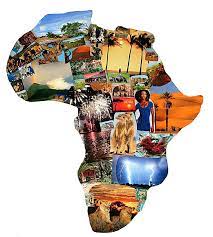
Ukweli wa Kidijitali na Urithi wa Utamaduni: Kuchunguza Hadithi za Kiafrika
Updated at: 2024-05-23 14:56:07 (1 year ago by SW - Melkisedeck Shine)
Ukweli wa Kidijitali na Urithi wa Utamaduni: Kuchunguza Hadithi za Kiafrika πβ¨
Leo hii, dunia imekuwa eneo la kidijitali ambapo karibu kila kitu kinaweza kupatikana mtandaoni. Kwa upande mmoja, hii imesaidia kuchapisha na kusambaza hadithi za utamaduni wa Kiafrika kwa urahisi zaidi. Lakini, kwa upande mwingine, uwezo wa kidijitali unatishia kuondoa urithi wa utamaduni wetu. Ni muhimu kuchunguza jinsi tunaweza kutumia teknolojia ya kidijitali kuhifadhi na kukuza utamaduni wetu wa Kiafrika. Leo, nitazungumzia juu ya mikakati ya kuhifadhi utamaduni na urithi wa Kiafrika.
Uandishi wa Hadithi: Tuwe wazalendo kwa kuandika hadithi zetu wenyewe na kuzisambaza kwenye majukwaa ya kidijitali.πποΈ
Kumbukumbu za Kijamii: Tutumie mitandao ya kijamii kushiriki nyimbo, ngano, na hadithi za kiasili.π±π
Uhifadhi wa Lugha: Tutambue umuhimu wa lugha yetu na tuhakikishe wanajamii wetu wanajifunza na kuzungumza lugha zetu za asili.π£οΈπ
Kujenga Makumbusho: Tujenge na tukuze makumbusho ya kidijitali yanayowasilisha utamaduni wetu wa Kiafrika.ποΈπΌοΈ
Usanifu wa Jadi: Tuhifadhi usanifu wetu wa jadi na tuzingatie matumizi yake katika miundombinu mpya.ποΈπ
Sanaa na Uchoraji: Tushiriki katika sanaa na uchoraji kuonyesha utajiri wetu wa utamaduni.π¨π
Utamaduni wa Chakula: Hifadhi na thamini vyakula vyetu vya asili na tujue historia yake.ππΎ
Muziki wa Asili: Tuhimizwe kusikiliza na kuendeleza muziki wetu wa asili, aina za densi, na vyombo vya muziki.πΆπ
Filamu na Makala: Tujenge tasnia ya filamu na makala ambazo zinawasilisha maisha yetu na utamaduni wetu.π₯π
Elimu ya Utamaduni: Tuhakikishe kuwa elimu yetu inaingiza masomo ya utamaduni na historia ya Kiafrika.ππ
Ushirikiano wa Kimataifa: Tushirikiane na nchi nyingine za Kiafrika na jumuiya za kimataifa katika kuhifadhi utamaduni wetu.π€π
Ujasiriamali wa Utamaduni: Tukuze ujasiriamali ambao unahifadhi utamaduni wetu na kudumisha uchumi wetu.πΌπ
Utalii wa Utamaduni: Tufanye utalii wa utamaduni kuwa sehemu muhimu ya uchumi wetu wa ndani.βοΈπ
Elimu na Utafiti: Tuzunguke vituo vya utafiti na kuendeleza maarifa ya utamaduni wetu.π¬π
Kuwa na Uhuru wa kiuchumi na Kisiasa: Tujitahidi kupata uhuru wa kiuchumi na kisiasa ili tuweze kudumisha na kukuza utamaduni wetu.πͺπ
Kama vile viongozi wetu wa zamani walisema, "Utamaduni ni msingi wa taifa letu." Ni jukumu letu sisi kama Waafrika kuhifadhi na kukuza utamaduni wetu. Kwa kufuata mikakati hii ya kuhifadhi utamaduni na urithi wetu, tuna uwezo wa kuunda "Muungano wa Mataifa ya Afrika" na kuwa nguvu ya kiuchumi na kisiasa duniani. Tuko tayari!ππͺ
Je, unajisikiaje kuhusu mikakati hii ya kuhifadhi utamaduni na urithi wa Kiafrika? Unayo mawazo au mbinu zozote zaidi? Tafadhali shiriki makala hii na wengine ili tuweze kufikia malengo yetu ya kuhifadhi utamaduni wetu.πͺπ
Updated at: 2024-05-23 16:04:14 (1 year ago by SW - Melkisedeck Shine)
Jukumu la Uwezo wa Kihisia katika Mazungumzo Mkakati
Leo tutajadili umuhimu wa uwezo wa kihisia katika mazungumzo mkakati kwenye mazingira ya biashara na ujasiriamali. Uwezo huu wa kihisia ni muhimu sana katika kufikia malengo yetu ya kibiashara na kujenga mahusiano mazuri na wadau wetu. Hebu tuangalie kwa undani jinsi uwezo wa kihisia unavyoathiri mazungumzo mkakati.
Kuwa na ufahamu wa hisia zako: Ni muhimu kujua jinsi hisia zetu zinavyoathiri mawazo na tabia zetu. Kwa mfano, ikiwa una hisia za hasira au wasiwasi, inaweza kuathiri uwezo wako wa kuwasiliana vizuri na wadau wako. Jiulize, "Je, nina hisia gani sasa na jinsi zinavyoathiri mawazo yangu?"
Kuwa na uelewa wa hisia za wengine: Katika mazingira ya biashara, ni muhimu kujua jinsi wengine wanavyojisikia. Hii itakusaidia kuwasiliana nao kwa njia inayofaa na kuonyesha uwezo wako wa kuheshimu na kuelewa hisia zao. Emoji π inaweza kutumika kuonyesha hali ya furaha na kuelewa hisia za wengine.
Kuwa na uwezo wa kusimamia hisia zako: Mazungumzo mkakati yanaweza kuwa na changamoto na hivyo kusababisha hisia chanya au hasi. Ni muhimu kujua jinsi ya kusimamia hisia zako na kuzibadilisha kuwa matokeo chanya. Emoji π inaweza kutumika kuonyesha hali ya utulivu na uwezo wa kusimamia hisia.
Kuwa na uwezo wa kujenga uhusiano mzuri: Uwezo wa kihisia unatusaidia kujenga uhusiano mzuri na wadau wetu. Kwa mfano, kuonyesha hisia za shukrani na kuthamini mawazo ya wengine kunaweza kujenga uhusiano wa kudumu na wadau wetu. Emoji π€ inaweza kutumika kuonyesha umoja na ushirikiano.
Kuwa na uwezo wa kutatua migogoro: Migogoro ni sehemu ya biashara na ujasiriamali. Uwezo wa kihisia unatusaidia kutatua migogoro hiyo kwa njia inayoweza kujenga na kuboresha mahusiano na wadau wetu. Emoji πͺ inaweza kutumika kuonyesha nguvu na uwezo wa kutatua migogoro.
Kuwa na uwezo wa kusikiliza kwa makini: Kusikiliza ni sehemu muhimu ya mazungumzo mkakati. Uwezo wa kihisia unatusaidia kuwasikiliza wadau wetu kwa makini, kutambua hisia zao na kujibu kwa njia inayofaa. Emoji π inaweza kutumika kuonyesha umakini katika kusikiliza.
Kuwa na uwezo wa kubaini hisia zisemwazo: Wakati mwingine wadau wetu hawasemi hisia zao moja kwa moja. Uwezo wa kihisia unatusaidia kubaini hisia hizo zisemwazo na kuwasaidia kwa njia inayofaa. Emoji π§ inaweza kutumika kuonyesha uwezo wa kubaini hisia zisemwazo.
Kuwa na uwezo wa kuelezea hisia zako kwa njia inayofaa: Ni muhimu kujua jinsi ya kuwasilisha hisia zako kwa wengine kwa njia inayofaa. Hii itasaidia kujenga uelewa na kuboresha mahusiano na wadau wetu. Emoji π inaweza kutumika kuonyesha hali ya huzuni au emoji π kuonyesha hali ya furaha.
Kuwa na uwezo wa kusoma ishara za mwili: Ishara za mwili zinaweza kusaidia kuelewa hisia za wengine. Uwezo wa kihisia unatusaidia kusoma ishara hizo na kujibu kwa njia inayofaa. Emoji π inaweza kutumika kuonyesha hali ya kujiamini na uwezo wa kusoma ishara za mwili.
Kuwa na uwezo wa kutambua na kuelewa hisia za wafanyakazi: Uwezo wa kihisia unatusaidia kutambua na kuelewa hisia za wafanyakazi wetu. Hii inaweza kusaidia kuboresha mawasiliano na kujenga timu yenye ufanisi. Emoji π inaweza kutumika kuonyesha hali ya kuridhika.
Kuwa na uwezo wa kufanya maamuzi ya busara: Uwezo wa kihisia unatusaidia kufanya maamuzi ya busara kwa kuzingatia hisia na mawazo ya wadau wetu. Hii itasaidia kufikia malengo yetu ya biashara kwa njia bora. Emoji π€ inaweza kutumika kuonyesha hali ya kutafakari.
Kuwa na uwezo wa kujenga mawazo ya ubunifu: Uwezo wa kihisia unatusaidia kujenga mawazo ya ubunifu na kufikiria nje ya kisanduku. Hii inaweza kuwa na athari kubwa katika biashara na ujasiriamali. Emoji π‘ inaweza kutumika kuonyesha wazo la ubunifu.
Kuwa na uwezo wa kushawishi na kujenga ushirikiano: Uwezo wa kihisia unatusaidia kushawishi wadau wetu na kujenga ushirikiano mzuri. Hii inaweza kutusaidia kufikia malengo yetu ya biashara kwa urahisi zaidi. Emoji π inaweza kutumika kuonyesha uwezo wa kushawishi.
Kuwa na uwezo wa kubadilisha mawazo: Uwezo wa kihisia unatusaidia kubadilisha mawazo yetu na kuzingatia mawazo mapya na mabadiliko. Hii inaweza kuwa muhimu katika kufanikiwa kwenye biashara na ujasiriamali. Emoji π inaweza kutumika kuonyesha mabadiliko.
Kuwa na uwezo wa kujifunza na kuboresha: Uwezo wa kihisia unatusaidia kujifunza kutokana na mazungumzo mkakati na kuboresha ujuzi wetu na mbinu za biashara. Hii itatusaidia kuwa wajasiriamali bora na kufikia mafanikio zaidi. Emoji π inaweza kutumika kuonyesha hali ya kujifunza.
Kwa hiyo, uwezo wa kihisia una jukumu muhimu katika mazungumzo mkakati kwenye biashara na ujasiriamali. Ni muhimu kuendeleza uwezo huu ili kufikia malengo yetu ya biashara na kujenga mahusiano mazuri na wadau wetu. Je, una maoni gani juu ya umuhimu wa uwezo wa kihisia katika mazungumzo mkakati?
Updated at: 2023-07-10 21:12:00 (2 years ago by Melkisedeck Leon Shine)
Love and Work-Life Balance: Prioritizing Your Relationship Amidst Career Demands
In today's fast-paced world, finding a balance between work and love can often feel like an uphill battle. As a relationship expert, I understand the challenges that many couples face when it comes to nurturing their love amidst demanding careers. However, with a little effort and some effective strategies, it is possible to prioritize your relationship and create a harmonious work-life balance. So, let's dive into 15 points that can help you navigate this tricky terrain, shall we? π
Make Quality Time a Non-Negotiable: No matter how busy you are, carve out dedicated time for your partner. It could be a weekly date night, a weekend getaway, or even a few minutes of uninterrupted conversation each day. The key is to make your partner feel valued and cherished.
Communicate Openly and Honestly: Effective communication is the foundation of any successful relationship. Share your feelings, concerns, and dreams with your partner. Be open to their perspective and actively listen to their thoughts. The more you communicate, the stronger your bond will become.
Set Boundaries at Work: It's important to establish clear boundaries between your work life and personal life. Avoid bringing work-related stress and worries into your home. Create a sacred space where you can relax, unwind, and focus on your relationship.
Prioritize Self-Care: Remember, self-care is not selfish. In order to be present and attentive in your relationship, you need to take care of yourself too. Make time for activities that bring you joy and recharge your batteries. This will not only benefit you but also your partner and overall relationship.
Embrace Quality over Quantity: It's not always about the amount of time you spend together; it's about the quality of that time. Make each moment count by engaging in activities that nurture your emotional connection. Whether it's cooking together, going for a walk, or simply cuddling on the couch, cherish those intimate moments.
Share Your Goals and Aspirations: Discuss your career ambitions with your partner and ask for their support. By sharing your goals, you can create a sense of teamwork and motivate each other to succeed. Remember, a supportive partner can be your biggest cheerleader.
Plan Regular Surprises: Surprise your partner with little gestures that show them how much you care. It could be a handwritten love note, a surprise dinner date, or even a spontaneous weekend getaway. These surprises add excitement and keep the romance alive.
Prioritize Quality Sleep: Lack of sleep can lead to irritability, stress, and decreased intimacy. Make sure you and your partner are getting enough rest to maintain a healthy work-life balance. Create a sleep routine that works for both of you and prioritize your sleep.
Find Common Interests: Discover activities that you both enjoy and make a habit of doing them together. It could be taking a dance class, exploring new hobbies, or even binge-watching your favorite TV shows. Shared interests will strengthen your bond and create lasting memories.
Practice Gratitude: Expressing gratitude towards your partner can strengthen your relationship and help you appreciate each other more. Take a moment each day to acknowledge the things you love and admire about your partner. This small act can go a long way in fostering love and romance.
Seek Support from Friends and Family: Don't hesitate to reach out to your loved ones for support and guidance. Sometimes, an outside perspective can provide valuable insights and advice. Surround yourself with a strong support system that understands and values your relationship.
Disconnect to Reconnect: In today's digital age, it's easy to get caught up in the constant buzz of emails, notifications, and social media. Take regular breaks from technology and spend quality time with your partner. Disconnecting will allow you to reconnect on a deeper level.
Foster Trust and Independence: Trust is the backbone of any strong relationship. Encourage each other's independence and respect each other's personal space. Trust that your partner will make time for you and let go of any unnecessary worries or insecurities.
Remember the Little Things: It's the small gestures that often have the biggest impact. Surprise your partner with their favorite coffee in the morning, leave little love notes for them to find, or run errands to lighten their load. These thoughtful acts of kindness can make all the difference.
Continuously Assess and Adapt: Work-life balance is an ongoing process. It's important to regularly assess your priorities and make necessary adjustments. As your careers evolve, so too will your relationship dynamics. Stay flexible and adapt to the changing demands of life.
Remember, no relationship is perfect, and finding a work-life balance can be challenging. However, by implementing these strategies and prioritizing your relationship, you can create a strong foundation of love and romance amidst your career demands. Now, it's your turn. What strategies have helped you maintain a healthy work-life balance in your relationship? Share your thoughts and experiences in the comments below! π
Updated at: 2023-07-05 19:00:26 (2 years ago by Melkisedeck Leon Shine)
Seeking God's Strength in Weakness: Daily Insights for Overcoming Challenges ππ
In times of adversity and struggle, it can be easy to feel overwhelmed and weak. However, as Christians, we have the incredible privilege of seeking God's strength in our moments of weakness. Through the power of prayer, Bible study, and a deep trust in the Lord, we can find daily insights for overcoming challenges. Let us explore these insights together, with biblical examples and teachings, to inspire and guide us on our journey of faith.
"But he said to me, 'My grace is sufficient for you, for my power is made perfect in weakness.'" - 2 Corinthians 12:9. These words from the apostle Paul remind us that God's strength is made evident in our weaknesses. Rather than relying solely on our own abilities, we can lean on God's grace and find strength beyond measure.
Look to the example of Moses. Despite feeling inadequate, God chose him to lead the Israelites out of Egypt. In Exodus 3:11, Moses questioned his own abilities, but God assured him that He would be with him every step of the way. Even in our moments of self-doubt, God can use us for His divine purposes.
Jesus, our ultimate example, faced immense challenges during His time on earth. In the Garden of Gethsemane, Jesus was sorrowful and troubled, but He found strength in surrendering to God's will (Matthew 26:39). We too can find strength by surrendering our challenges to God, trusting that His plan is perfect.
"I can do all things through Christ who strengthens me." - Philippians 4:13. This powerful verse reminds us that our strength comes from Christ. When we face challenges, we can have confidence in knowing that we are not alone, and that His strength is within us.
The story of David and Goliath showcases how God empowers us to overcome seemingly impossible obstacles. David, a young shepherd boy, faced the towering giant with nothing but a slingshot and unwavering faith in God. Through this story, we learn that with God, the impossible becomes possible.
"Wait for the Lord; be strong, and let your heart take courage; wait for the Lord!" - Psalm 27:14. Patience is often difficult when facing challenges, but this verse encourages us to trust in God's timing. As we wait on Him, He will strengthen our hearts and give us the courage to face whatever comes our way.
Jesus taught us the importance of forgiveness, even in the midst of challenges. In Matthew 18:21-22, Peter asked Jesus how many times he should forgive someone. Jesus responded with "seventy times seven," emphasizing the limitless love and forgiveness we are called to extend. Forgiveness can bring healing and strength in the face of adversity.
"For God gave us a spirit not of fear but of power and love and self-control." - 2 Timothy 1:7. Fear often paralyzes us in the face of challenges, but this verse reminds us that God has given us the power to overcome. By embracing His love and exercising self-control, we can find the strength to conquer any obstacle.
The story of Joseph teaches us the importance of resilience and trust in God's plan. Despite being sold into slavery and facing various trials, Joseph embraced his circumstances and faithfully served God. In the end, God used Joseph's challenges to bring about great blessings and restoration.
"Trust in the Lord with all your heart, and do not lean on your own understanding." - Proverbs 3:5. When facing challenges, it can be tempting to rely on our own knowledge and understanding. However, this verse encourages us to trust in the Lord completely, knowing that His ways are higher than our own.
The parable of the Good Samaritan teaches us the importance of showing love and compassion to others, even when it might be inconvenient or challenging. By extending love to those in need, we not only strengthen them but ourselves as well.
"But they who wait for the Lord shall renew their strength; they shall mount up with wings like eagles; they shall run and not be weary; they shall walk and not faint." - Isaiah 40:31. Waiting on God may feel difficult, but this verse assures us that in His perfect timing, He will renew our strength.
Jesus taught us the power of prayer in overcoming challenges. In Matthew 26:41, He urged His disciples to pray, knowing that it would provide them strength and guidance. Through prayer, we can connect with God and find the wisdom and strength we need to face any challenge.
"Finally, be strong in the Lord and in the strength of His might." - Ephesians 6:10. This verse reminds us that our strength comes from the Lord. When we face challenges, we can draw on His mighty power and find the courage to persevere.
As we seek God's strength in weakness, let us remember that challenges are an opportunity for growth. They can refine our character, deepen our faith, and draw us closer to God. With cheerful hearts and unwavering trust, we can overcome any challenge that comes our way.
May you be blessed with God's strength and wisdom as you navigate the challenges of life. Trust in His plan, lean on His promises, and find solace in His presence. Remember, no matter how weak you may feel, God's strength is made perfect in your weakness. ππ
Updated at: 2024-05-26 12:19:58 (1 year ago by DIN - Melkisedeck Leon Shine)
Nguvu ya Roho Mtakatifu: Ukombozi Kutoka kwa Mzunguko wa Hali ya Kuwa Mnyonge
Ukombozi kutoka kwa mzunguko wa hali ya kuwa mnyonge ni kipawa kikubwa kutoka kwa Bwana wetu Yesu Kristo. Kupitia nguvu ya Roho Mtakatifu, tunaweza kufurahia uhuru wa kweli katika Kristo na kutoka kwa mzunguko wa hali ya kuwa mnyonge.
Nguvu ya Roho Mtakatifu ni muhimu sana katika maisha yetu ya kila siku. Ni kwa kupitia nguvu hii tunaweza kuwa na nguvu ya kushinda majaribu na kukabiliana na changamoto za maisha.
Nguvu ya Roho Mtakatifu inatupa nguvu ya kukabiliana na mazingira magumu na changamoto zinazotukabili katika maisha yetu ya kila siku. Hakuna hali ambayo haiwezi kushindwa kwa nguvu ya Roho Mtakatifu.
Biblia inatuhimiza kupitia Warumi 8:26-27, kuwa Roho Mtakatifu anatuombea kwa maneno yasiyoelezeka kwa ndani, na kwamba Mungu anajua nia ya mioyo yetu. Hii inamaanisha kuwa tunaweza kuwa na uhakika kuwa Roho Mtakatifu anatuombea kwa kina na kwa uaminifu.
Nguvu ya Roho Mtakatifu inatuwezesha kuwa na nguvu ya kusamehe wale wanaotukosea. Kupitia nguvu hii, tunaweza kuwa na upendo na huruma kwa wengine, hata kama wametukosea.
Kupitia nguvu ya Roho Mtakatifu, tunaweza kuwa na nguvu ya kutafuta haki na usawa, na kuishi kwa njia ya haki na kweli. Kwa sababu ya nguvu ya Roho Mtakatifu, tunaweza kukabiliana na ubaguzi, unyanyasaji, na kutetea haki za wengine.
Kupitia nguvu ya Roho Mtakatifu, tunaweza kuwa na nguvu ya kujifunza na kudumu katika Neno la Mungu. Tunaweza kusoma Biblia na kuelewa maana yake, na kuweza kuishi kwa kadiri ya mapenzi ya Mungu.
Kupitia nguvu ya Roho Mtakatifu, tunaweza kuwa na nguvu ya kutoa ushuhuda wa imani yetu kwa wengine. Tunaweza kuzungumza kwa ujasiri kuhusu upendo wa Mungu na kazi ya wokovu kupitia Yesu Kristo.
Kupitia nguvu ya Roho Mtakatifu, tunaweza kuwa na nguvu ya kukabiliana na hofu na wasiwasi. Tunaweza kuwa na amani ya Kristo katika mioyo yetu, hata katika mazingira magumu.
Hatimaye, kupitia nguvu ya Roho Mtakatifu, tunaweza kuwa na uhakika wa kufikia utukufu wa Mungu katika maisha yetu. Tunaweza kuwa na matumaini ya kweli katika wokovu wetu, na kuwa na uhakika wa maisha ya milele.
Katika hitimisho, nguvu ya Roho Mtakatifu ni njia yetu ya kukimbilia wakati tunahisi kuwa tumezungukwa na hali ya kuwa mnyonge. Kupitia nguvu hii, tunaweza kukabiliana na majaribu na changamoto za maisha, na kuwa na maisha ya kushinda. Je, wewe umemkaribisha Roho Mtakatifu katika maisha yako? Je, unataka kuwa na nguvu ya kushinda na kuishi kwa kadiri ya mapenzi ya Mungu? Karibu kwa Yesu Kristo leo, na uweze kupata nguvu ya Roho Mtakatifu.
Updated at: 2025-05-19 12:41:17 (10 months ago by Melkisedeck Leon Shine)
African fashion transcends mere clothing; it embodies a powerful narrative of the continent's rich cultural heritage and serves as a potent symbol of unity within an extraordinarily diverse landscape. This exploration analyzes the aesthetic and unifying potential of African fashion, demonstrating its capacity to bridge cultural divides and cultivate a stronger collective identity. We will define key concepts such as cultural identity, social cohesion, and economic empowerment within the context of African fashion, drawing on relevant sociological and economic theories to inform our analysis.
The remarkable diversity of African fashion reflects the continent's multifaceted cultural landscape, encompassing 54 nations, each with unique historical trajectories and cultural practices. The contrasting aesthetics β for instance, the flowing elegance of a Moroccan Kaftan versus the vibrant energy of a Nigerian Dashiki β exemplify this diversity. However, this diversity, rather than representing a source of division, should be viewed through the lens of social capital theory, which posits that diverse networks create opportunities for innovation and growth. Embracing this heterogeneity strengthens the collective African narrative, creating a rich tapestry of shared identity. This aligns with the concept of hybridity, where cultural mixing leads to new forms of expression and understanding.
African fashion acts as a powerful trans-geographical connector, fostering a sense of pan-African identity. Wearing traditional garments becomes a symbolic act, connecting individuals to a shared heritage and facilitating a silent dialogue of unity. This shared aesthetic transcends political and socio-economic boundaries, promoting social cohesion. This resonates with the principles of symbolic interactionism, where meaning is created and negotiated through shared symbols and interactions. The shared aesthetic of African fashion builds bridges and strengthens the sense of community.
The aspirational vision of unity championed by Nelson Mandela finds a compelling parallel in the unifying potential of African fashion. It mirrors the concept of restorative justice, where mending past wounds and promoting reconciliation are central. By embracing the philosophy of Ubuntu β the profound belief in shared humanity β we can harness the transformative capacity of fashion to construct a more harmonious and unified continent. This mirrors the concept of collective efficacy, where a shared belief in collective action leads to positive social outcomes.
History provides compelling examples of fashion's role in forging national and supranational identities. The adoption of common symbols, like flags and currencies, within the European Union demonstrates the power of shared aesthetics in building a collective identity. Similarly, African fashion can serve as a powerful unifying force, reminding us of our shared heritage and collective strength. This application of social identity theory highlights how shared symbols and practices foster a sense of belonging and unity.
Supporting local designers and artisans is paramount to promoting African unity through fashion. Investing in African-made garments signifies more than personal style; it represents an investment in the continent's economic empowerment and growth. This aligns with the principles of sustainable development, where economic progress is linked to social equity and environmental sustainability. By choosing African-made clothing, consumers directly contribute to the livelihoods of talented artisans and the broader economic development of African communities.
Fashion events such as Lagos and Cape Town Fashion Weeks serve as vital platforms for showcasing African talent and fostering unity within the fashion industry. These events provide a space for networking, idea exchange, and collaborative celebration of African artistry. This fosters the development of social networks, increasing social capital within the African fashion industry. Active participation strengthens the bonds that unite African creatives as a collective force.
Promoting unity transcends local communities; it constitutes a shared responsibility. African fashion choices can instigate conversations, educate others about the continent's diverse cultures, and cultivate a deeper understanding of its rich heritage. Wearing African garments with pride transforms individuals into cultural ambassadors, fostering a more nuanced global perspective on Africa. This reflects the concept of intercultural communication, where cross-cultural understanding is promoted through the exchange of symbols and ideas.
Envisioning a future where African fashion garners global recognition for its unparalleled craftsmanship and unique style, serving as a symbol of African excellence, is a realistic aspiration. This can be achieved by a collective effort in supporting designers and promoting the continent's heritage. Let us celebrate the beauty and diversity of African fashion, projecting a powerful image of a unified and prosperous Africa on the global stage. This requires a concerted strategy combining marketing, branding, and international collaboration.
In conclusion, African fashion serves as a powerful tool for fostering unity, economic empowerment, and cultural understanding on the continent. By strategically supporting local designers, promoting cross-cultural exchange through fashion events, and celebrating the continentβs rich diversity, we can collectively build a more unified and prosperous Africa. Further research could explore the quantitative impact of fashion initiatives on economic growth and social cohesion in specific African countries. This could involve case studies of successful fashion initiatives, examining their impact on employment, income generation, and social integration. The findings could inform the development of more effective policies and interventions aimed at harnessing the power of fashion for positive social and economic change.
Reader Pool: Considering the multifaceted nature of African identity and the complexities of achieving continental unity, how effectively does the concept of "African fashion" as a unifying force address the broader political, economic, and social challenges facing the continent?
Updated at: 2023-08-27 10:35:34 (2 years ago by Melkisedeck Leon Shine)
Diplomatic Efforts to Resolve Territorial Disputes in South America: Lessons and Prospects
In the realm of international relations, territorial disputes have long been a challenging issue to address. South America, a continent rich in history and diverse cultures, has not been immune to such conflicts. However, recent diplomatic efforts in the region have shown promise in resolving these disputes and fostering cooperation among nations. As we delve into the contemporary issues in international relations and cooperation in North and South America, let us explore the lessons learned and the prospects for a united and peaceful continent.
Understanding the complex history: South America's territorial disputes are deeply rooted in history, colonization, and the subsequent struggle for independence. It is crucial to delve into the historical context of these conflicts to find lasting resolutions.
Promoting dialogue and negotiation: Diplomatic efforts in South America have emphasized the importance of dialogue and negotiation in resolving territorial disputes. Open channels of communication between nations help foster understanding and pave the way for peaceful solutions.
Learning from successful cases: The continent has witnessed successful cases of diplomatic resolution, such as the Beagle Channel dispute between Chile and Argentina. By studying these success stories, we can extract valuable lessons on approaches and methodologies that have proven effective.
Emphasizing regional organizations: Regional organizations like the Organization of American States (OAS) play a vital role in facilitating dialogue and cooperation among South American nations. Supporting and strengthening these organizations can enhance diplomatic efforts and foster regional unity.
Mediation as a tool: Mediation has proven to be a valuable tool in resolving territorial disputes. Regional leaders can act as impartial mediators, assisting nations in finding common ground and guiding them towards peaceful settlements.
Addressing underlying issues: Territorial disputes often stem from deeper-rooted issues, such as socioeconomic inequalities or cross-border criminal activities. By addressing these underlying concerns, nations can work towards comprehensive and long-lasting solutions.
Utilizing international law: International law provides a framework for resolving territorial disputes. By adhering to legal principles and international treaties, South American nations can ensure fairness and legitimacy in their diplomatic efforts.
Building trust and confidence: Diplomatic efforts must focus on building trust and confidence among nations involved in territorial disputes. Confidence-building measures, such as joint economic projects or cultural exchanges, can help nurture positive relationships between countries.
Involving civil society: Diplomatic efforts should not be limited to governments alone. Engaging civil society organizations, academic institutions, and grassroots movements can provide fresh perspectives and foster a sense of shared responsibility towards resolving territorial disputes.
Encouraging people-to-people exchanges: Promoting cultural exchanges, tourism, and educational programs among nations can break down barriers and stereotypes, fostering understanding and empathy between different communities.
Economic integration as a catalyst: Economic integration initiatives, such as the Union of South American Nations (UNASUR) or the Pacific Alliance, can serve as catalysts for cooperation and peaceful resolutions. By focusing on shared economic goals, nations can find common ground and reduce tensions.
Learning from past failures: It is essential to learn from past failures in diplomatic efforts. Understanding the reasons behind unsuccessful attempts at resolving territorial disputes can help nations avoid repeating the same mistakes.
Investing in conflict resolution skills: Diplomacy and conflict resolution are skills that can be developed. Governments, civil society, and individuals should invest in training and education programs to enhance their abilities to address territorial disputes effectively.
Promoting a culture of peace: A culture of peace can be cultivated through education, media, and public awareness campaigns. By promoting values such as tolerance, understanding, and dialogue, societies can create an environment conducive to peaceful resolutions.
Engaging the youth: The youth of North and South America are the future leaders and peace-builders of the continent. By involving young people in diplomatic efforts, their fresh perspectives and innovative ideas can contribute to finding creative solutions to territorial disputes.
In conclusion, the diplomatic efforts to resolve territorial disputes in South America have shown promise in recent years. By understanding the complex history, promoting dialogue and negotiation, utilizing international law, and involving various stakeholders, a united and peaceful continent can be achieved. As individuals, let us develop our skills and knowledge about contemporary issues in international relations and cooperation in North and South America. Together, we can contribute to fostering unity and promoting lasting peace in our beloved continent. #InternationalRelations #SouthAmericaUnity #TerritorialDisputes
Updated at: 2023-07-10 19:25:19 (2 years ago by Melkisedeck Leon Shine)
Communicating with Empathy: Supporting Loved Ones with Mental Health Challenges
π Introduction: When it comes to supporting loved ones with mental health challenges, effective communication skills play a vital role in providing the understanding, empathy, and support they need. By improving our communication skills, we can create a safe and supportive space for our loved ones to express their feelings, concerns, and fears.
π£οΈ Active Listening: One of the most essential communication skills is active listening. By attentively listening to your loved one's thoughts and feelings, you show them that you genuinely care and value their perspective. Avoid interrupting or rushing the conversation, and instead, provide your undivided attention.
π€ Validate Their Emotions: It's important to acknowledge and validate your loved one's emotions, even if you may not fully understand their experience. For example, if they express feelings of sadness or anxiety, you can say, "I can see that you're feeling really overwhelmed right now, and I'm here for you."
π€ Ask Open-Ended Questions: To encourage deeper conversations and show genuine interest, ask open-ended questions. These questions require more than a simple "yes" or "no" answer and allow your loved one to express themselves more freely. For instance, you could ask, "How does this situation make you feel?" or "What can I do to support you better?"
π± Use Digital Communication Thoughtfully: In today's digital age, it's important to adapt our communication skills to various platforms. However, remember that digital communication lacks non-verbal cues and can sometimes lead to misinterpretation. Be mindful of using emojis or GIFs to express empathy, as they might not adequately convey the seriousness of the situation.
π« Avoid Judgment and Assumptions: When supporting someone with mental health challenges, it's crucial to avoid passing judgment or making assumptions. Each person's experience is unique, and assuming we understand their feelings can invalidate their emotions. Instead, approach conversations with an open mind and a willingness to learn.
πͺ Offer Practical Support: Beyond listening and understanding, there are practical ways to support your loved ones. Offer assistance with daily tasks, accompany them to therapy appointments, or help them research support groups in their area. These actions show your commitment to their well-being and can make a significant difference in their recovery.
β¨ Encourage Professional Help: While your support is invaluable, it's essential to encourage your loved one to seek professional help if needed. Communicate your concern and emphasize that seeking professional assistance is a sign of strength, not weakness. Offer to help them find a therapist or mental health specialist who can provide the necessary guidance.
π Educate Yourself: To better understand your loved one's challenges, take the initiative to educate yourself about their specific condition. Read books, attend workshops, or seek reliable online resources to gain insights into their experiences. By doing so, you become a more informed and empathetic supporter.
π€ Show Empathy: Empathy is the ability to understand and share the feelings of another person. Expressing empathy can be as simple as saying, "I can't fully understand what you're going through, but I'm here for you, and I care about your well-being." Remember, offering a listening ear and a shoulder to lean on can bring immeasurable comfort.
π Share Positive Experiences: When appropriate, share positive experiences related to mental health challenges. By highlighting stories of resilience, recovery, and personal growth, you can instill hope and inspire your loved one. However, be mindful not to dismiss or minimize their struggles by solely focusing on positive outcomes.
πΏ Practice Self-Care: Supporting someone with mental health challenges can be emotionally draining. It's crucial to prioritize your own well-being by practicing self-care regularly. Take breaks, engage in activities you enjoy, and seek support from friends or professionals if needed. Remember, you can only provide effective support when you are in a healthy state yourself.
π Utilize Community Resources: Don't underestimate the power of community resources. Reach out to local mental health organizations, support groups, or helplines that can provide guidance and resources for both you and your loved one. Connecting with others who have similar experiences can be immensely beneficial.
π Check-In Regularly: Consistent communication is key to maintaining a supportive relationship with your loved one. Regularly check in with them, ask how they're feeling, and remind them that you're available to listen whenever they need someone to talk to. Small gestures like these can make a significant impact on their well-being.
π Reflect and Grow: Finally, always remember that supporting loved ones with mental health challenges is an ongoing process of growth and learning. Continually reflect on your communication skills, seek feedback from your loved one, and adapt as necessary. Every interaction presents an opportunity for improvement and strengthening your connection.
In conclusion, effective communication skills are essential when supporting loved ones with mental health challenges. By actively listening, validating emotions, asking open-ended questions, and offering practical support, you can create a safe and empathetic environment. Remember to educate yourself, show empathy, practice self-care, and utilize community resources. Reflect on your communication skills regularly and be open to growth. How do you plan to implement these communication skills in your relationships with your loved ones facing mental health challenges?
Updated at: 2025-05-24 10:23:15 (10 months ago by Melkisedeck Leon Shine)
This article analyzes the crucial imperative of unifying the African continent by empowering its diverse indigenous communities. We will explore this challenge through the lens of several key sociological and political frameworks: social capital theory, resource mobilization theory, and the Ubuntu philosophy. Social capital, encompassing the networks and norms of reciprocity within a community, facilitates collective action and trust (Coleman, 1988). Resource mobilization theory examines how social movements acquire and utilize resources to achieve social change (McCarthy & Zald, 1977). Finally, Ubuntu, a Nguni Bantu term emphasizing interconnectedness and shared humanity, serves as a foundational African ethical principle. These frameworks provide a robust analytical lens for understanding and addressing the complexities of fostering unity in a diverse context.
The historical success of nations like the United States, characterized by its diverse population achieving collective progress, demonstrates the potential power of unity. This success is partially attributable to the effective mobilization of social capital across diverse groups, building collective identity and purpose. Applying this to the African context, a unified continent leveraging its diverse human and material resources has the potential for unprecedented development. This necessitates a strategic application of resource mobilization theory, identifying and harnessing the distinct strengths of each community for collective advancement. The achievement of this unified vision requires a holistic approach that considers the historical, social, and political contexts shaping the continentβs diverse communities.
The legacy of Nelson Mandela epitomizes the empowering impact of inclusive development. His leadership reflected the principles of Ubuntu, highlighting shared responsibility and interconnectedness. Empowering indigenous communities demands a multifaceted strategy: enhancing educational opportunities, fostering economic development initiatives, and meaningfully integrating indigenous voices into governance. This strategy aligns with social capital theory by reinforcing community bonds, promoting collective efficacy, and facilitating sustainable development. Furthermore, the successful implementation of such a strategy will necessitate a deep understanding of the unique historical and socio-cultural contexts of each community.
Africa's rich cultural mosaicβlanguages, traditions, belief systemsβrepresents a significant asset, not a liability. Reframing diversity as a source of strength necessitates dismantling power structures perpetuating inequality and marginalization. Resource mobilization theory applied strategically would direct resources towards initiatives celebrating and empowering this diversity. This requires a paradigm shift away from viewing diversity as a challenge to unity, and instead, embracing it as a catalyst for innovation and progress. Such a shift requires conscious efforts to challenge existing narratives and promote a more inclusive vision of African identity.
Ubuntu serves as a guiding philosophy for achieving unity. Its inherent principle of interconnectedness underscores collective responsibility and mutual support. Embracing Ubuntu's core valuesβempathy, compassion, shared humanityβfosters trust and collaboration, bridging inter-community divides. This collaborative approach enhances social capital and facilitates efficient resource allocation towards common goals. The application of Ubuntu principles requires conscious efforts to cultivate empathy, understanding, and tolerance across diverse communities.
Investing in quality education is paramount for empowering indigenous communities. Education acts as a catalyst for social mobility, disrupting cycles of poverty and enabling individuals to become active agents of change. Providing equitable access to quality education strengthens social capital, stimulates economic growth, and empowers individuals to become change-makers. This aligns with human capital theory, emphasizing the long-term socio-economic benefits of education investment. The design and implementation of effective educational programs requires careful consideration of cultural contexts and community needs.
Establishing platforms for amplifying indigenous voices is critical for inclusive governance. Marginalized communities possess invaluable knowledge often excluded from mainstream decision-making. Meaningful participation, transparency, and the integration of diverse perspectives into policymaking are crucial for building representative and responsive governance structures, enhancing social equity, and fostering trust. This promotes a sense of ownership and responsibility, vital for social cohesion and sustainable development. Implementing such measures requires a commitment to equitable power sharing and dismantling of exclusionary practices.
Addressing historical injustices and divisions rooted in tribalism is essential for lasting unity. Reconciliation and healing are crucial for building trust and collaboration. This necessitates confronting structural and systemic inequalities, promoting intergroup dialogue, and implementing policies promoting social justice and equity. Restorative justice principles, acknowledging past harms while focusing on community healing and reconciliation, are instrumental in this process. The process of reconciliation requires patience, understanding, and a commitment to addressing the root causes of conflict.
The African proverb, "If you want to go fast, go alone. If you want to go far, go together," highlights the power of collective action. Sustainable development and lasting peace demand collaborative efforts uniting diverse stakeholders towards shared goals. This collaborative approach maximizes resource utilization and fosters shared ownership in the development process. This collaborative spirit is crucial for current and future generations. The successful implementation of this principle requires effective communication, negotiation, and consensus-building among diverse stakeholders.
Harnessing the inherent resilience of the African people is crucial for overcoming challenges. This resilience, honed through generations of overcoming adversity, can be leveraged to create positive change. This collective resource can be strategically utilized through community-based initiatives, fostering self-reliance and empowerment at the grassroots level. This empowers individuals and communities to overcome obstacles and build a brighter future. Recognizing and building on existing community strengths is essential for fostering self-reliance and sustainable development.
Self-reflection is essential for fostering unity and inclusivity. Addressing personal biases and prejudices is crucial for promoting social justice and unity. This requires critical self-awareness and a commitment to ongoing learning and growth. Fostering self-awareness and empathy creates a more equitable society based on mutual respect and understanding. Promoting self-reflection necessitates creating safe spaces for dialogue and critical self-examination.
Promoting this message through widespread dissemination is critical for driving meaningful social change. This involves engaging diverse stakeholdersβcommunity leaders, policymakers, civil society organizations, and individualsβin constructive dialogue to generate collective action and build a shared vision for a united Africa. This approach aligns with diffusion of innovations theory, highlighting communication's role in driving social change. Effective dissemination strategies require culturally sensitive approaches and diverse communication channels.
Individual contributions are crucial for empowering indigenous communities. Supporting local initiatives, participating in volunteer work, and advocating for equitable policies contribute to meaningful change. These actions create a ripple effect, impacting lives and fostering social change. This individual commitment strengthens social capital, creating a positive feedback loop of support and collaboration. Encouraging individual engagement requires raising awareness and providing opportunities for participation.
Unity doesnβt necessitate cultural homogenization; rather, it emphasizes mutual respect for cultural diversity. Celebrating this diversity enriches the African continent and fosters a collective identity based on shared values. This approach fosters inclusivity, recognizes the richness of cultural diversity, and promotes social harmony. Promoting intercultural understanding and dialogue is crucial for bridging divides and fostering unity. This requires educational initiatives promoting intercultural understanding and appreciation.
Embracing the philosophy of Ubuntu in daily interactions creates a more inclusive and harmonious environment. Ubuntu's principles of empathy, respect, and compassion enhance social capital, building trust and strengthening community bonds. By practicing Ubuntu, individuals contribute to social cohesion, mutual support, and a more equitable society. Promoting Ubuntu requires integrating its principles into social and institutional practices.
Achieving a united Africa requires a comprehensive and multifaceted approach prioritizing indigenous community empowerment while celebrating diversity. This necessitates a strategic application of social capital theory, resource mobilization models, and Ubuntu principles. Investing in education, fostering inclusive governance, addressing historical injustices, and promoting self-reflection are crucial for building a just and equitable society. Effective resource mobilization and collaborative partnerships are central to achieving this vision. The inherent resilience of the African people, when strategically leveraged, can serve as a powerful catalyst for change. Success hinges on the collective commitment of individuals, communities, and governments to work towards a shared future. Future research should focus on innovative conflict resolution approaches, strengthening inter-community relations, and evaluating the impact of empowerment initiatives on social cohesion and economic development, employing mixed-methods research designs incorporating both quantitative and qualitative data collection and analysis to achieve a comprehensive understanding of the complexities of community empowerment initiatives and their impact. Specifically, longitudinal studies tracking the long-term impacts of empowerment programs on various indicators of social and economic well-being are recommended.
Recommendations include: developing comprehensive national strategies for indigenous community empowerment; prioritizing investment in quality education and healthcare; promoting culturally sensitive and participatory development programs; establishing effective mechanisms for inclusive governance; and fostering inter-community dialogue and reconciliation processes. Robust monitoring and evaluation frameworks are essential for assessing the effectiveness of initiatives and ensuring accountability. Research on effective strategies for conflict resolution, social cohesion building, and measuring social capital is crucial for informed decision-making. These recommendations, if effectively implemented, will contribute to greater social justice, economic prosperity, and a more unified and stable African continent. A key aspect of evaluating the impact of these recommendations would be the development of clear and measurable indicators of progress, such as changes in income levels, educational attainment, access to healthcare, and levels of social trust and cohesion. Employing participatory evaluation methods, where community members are actively involved in monitoring and evaluating program effectiveness, is critical to ensuring the relevance and sustainability of these initiatives.
Reader Pool: What are the most significant barriers to effectively implementing the recommendations outlined in this article, and what strategies could best overcome these challenges?
Updated at: 2025-05-12 11:54:37 (11 months ago by Melkisedeck Leon Shine)
```htmlThis article explores the concept of healing and restoration within a theological framework, examining how biblical principles can contribute to both physical and emotional well-being. We will analyze selected biblical passages, applying relevant psychological and theological models to understand their implications for holistic health. Key concepts include theological anthropology (the study of humanity in relation to God), spiritual well-being (a sense of connection to something greater than oneself and a purpose in life), and psychospiritual integration (the integration of psychological and spiritual dimensions of human experience).
The Divine Healer and the Broken Heart: A Relational Approach to Healing
Psalm 147:3, βHe heals the brokenhearted and binds up their wounds,β introduces the concept of God as the ultimate healer. This verse transcends a solely physical interpretation; it speaks to the deep emotional and spiritual wounds that afflict humanity. Applying the concept of attachment theory, this verse highlights the secure attachment that believers can cultivate with a divine source of comfort and restoration. The healing process is presented not as a mere clinical intervention, but as a relational journey of restoration, mirroring secure attachment patterns where individuals feel understood, supported, and capable of healing from trauma.
Finding Solace and Rest in Christ: The Transformative Power of Faith
Matthew 11:28, βCome to me, all you who are weary and burdened, and I will give you rest,β directly addresses the pervasive issue of stress and burnout in modern society. This invitation to find rest in Christ can be understood through the lens of stress reduction techniques; faith acts as a coping mechanism, providing a sense of meaning and control in the face of adversity. This principle aligns with the concept of self-transcendence, where individuals find meaning and purpose beyond their immediate circumstances, leading to enhanced well-being and resilience.
Redemptive Suffering and the Atonement: A Model of Spiritual Healing
Isaiah 53:5, βBut he was pierced for our transgressions; he was crushed for our iniquities; upon him was the chastisement that brought us peace, and with his wounds, we are healed,β describes the atoning sacrifice of Jesus Christ. This passage offers a framework for understanding healing through the concept of vicarious suffering. This theological principle, when applied to the experience of personal suffering, suggests that even painful experiences can have redemptive value, leading to spiritual growth and a deeper understanding of empathy and compassion. Through a process of forgiveness and reconciliation (both with God and oneself), emotional and spiritual healing can occur.
The Power of Prayer and Faith: A Psychospiritual Perspective
James 5:15, βAnd the prayer of faith will save the one who is sick, and the Lord will raise him up,β emphasizes the role of prayer and faith in the healing process. This can be analyzed through the biopsychosocial model, which recognizes the interplay of biological, psychological, and social factors in health and illness. Prayer, in this context, can be viewed as a psychosomatic practice that influences the individual's emotional and physiological state, potentially influencing immune function and recovery. The act of prayer fosters hope and a sense of connection, reducing stress and promoting well-being.
Self-Awareness, Dependence, and Restoration: Jeremiah's Plea for Healing
Jeremiah 17:14, βHeal me, O Lord, and I shall be healed; save me, and I shall be saved, for you are my praise,β illustrates the importance of acknowledging dependence on a higher power for healing and restoration. This aligns with the concepts of humility and self-awareness. Recognizing one's limitations and seeking help, whether through prayer, therapy, or community support, is a crucial step in the healing process. This verse emphasizes the interconnectedness of physical, emotional, and spiritual health; acknowledging one's dependence on God promotes spiritual growth and facilitates healing.
Abundant Life and Holistic Well-being: Jesus's Promise of Wholeness
John 10:10, βThe thief comes only to steal and kill and destroy. I came that they may have life and have it abundantly,β highlights the transformative power of faith in achieving holistic well-being. This concept of abundant life encompasses physical, emotional, and spiritual health. This is a comprehensive approach to well-being that recognizes the interconnectedness of these aspects; prioritizing oneβs spiritual and emotional health contributes to overall physical health and life satisfaction.
Emulating Christ's Ministry: Compassionate Service and Healing
Matthew 10:8, βHeal the sick, raise the dead, cleanse lepers, cast out demons. You received without paying; give without pay,β demonstrates the importance of extending compassion and empathy to others. This passage challenges believers to actively participate in the healing and restoration of others, mirroring Christ's example. Applying the concept of altruism, helping others promotes emotional regulation, reduces stress, and enhances feelings of purpose and fulfillment, thereby benefiting both the giver and receiver.
The Mind-Body Connection: The Impact of Emotions on Physical Health
Proverbs 17:22, βA joyful heart is good medicine, but a crushed spirit dries up the bones,β illustrates the undeniable connection between emotional and physical well-being. This aligns with the growing body of research highlighting the psychosomatic nature of illness. Positive emotions boost the immune system, while chronic stress and negative emotions weaken it. Maintaining a positive mindset and seeking support to process emotional distress contribute significantly to physical health.
Prayer as a Coping Mechanism: Managing Anxiety through Spiritual Practice
Philippians 4:6, βDo not be anxious about anything, but in everything by prayer and supplication with thanksgiving let your requests be made known to God,β emphasizes the role of prayer as a coping mechanism for anxiety and stress. This aligns with the principles of cognitive behavioral therapy (CBT), which emphasizes the importance of managing thoughts and behaviors to reduce stress and anxiety. Prayer can act as a form of mindfulness and meditation, helping individuals to focus on positive aspects of their lives and trust in a higher power.
God's Promises of Healing and Restoration: A Source of Hope
Jeremiah 30:17, βFor I will restore health to you, and your wounds I will heal, declares the Lord,β offers a powerful message of hope and reassurance. This divine promise provides a sense of hope and empowers individuals to trust in the healing process, even when facing seemingly insurmountable challenges. It encourages the acceptance of vulnerability and reliance on a higher power during times of struggle.
God's Grace in Weakness: Finding Strength in Vulnerability
2 Corinthians 12:9, βBut he said to me, βMy grace is sufficient for you, for my power is made perfect in weakness,ββ highlights the paradoxical nature of finding strength in vulnerability. This resonates with acceptance and self-compassion, encouraging individuals to embrace their imperfections and trust in divine grace. This principle promotes self-acceptance and a healthier self-perception. This concept can be applied to various therapeutic interventions that emphasize self-acceptance and reducing self-criticism.
Gratitude and Blessing: Cultivating Positive Relationships with God
Psalm 103:2-3, βBless the Lord, O my soul, and forget not all his benefits, who forgives all your iniquity, who heals all your diseases,β emphasizes the importance of gratitude in fostering a positive relationship with God. This connects to positive psychology principles; expressing gratitude enhances emotional well-being and strengthens the mind-body connection. Focusing on the positive aspects of life, even amidst hardship, contributes to resilience and psychological well-being.
God's Provision: Meeting Physical and Spiritual Needs
Philippians 4:19, βAnd my God will supply every need of yours according to his riches in glory in Christ Jesus,β assures believers of God's provision for all their needs, encompassing physical, emotional, and spiritual well-being. This underscores the importance of trust and faith in a higher power, reducing anxiety related to uncertainty about the future. This principle can be applied to various life circumstances, promoting a sense of security and promoting proactive coping strategies.
The Body as a Temple: Prioritizing Self-Care
1 Corinthians 6:19, βDo you not know that your bodies are temples of the Holy Spirit, who is in you, whom you have received from God? You are not your own,β emphasizes the importance of self-care and respecting the body as a gift from God. This promotes a holistic approach to well-being, integrating spiritual and physical aspects. This principle resonates with self-compassion, encouraging healthy lifestyle choices and seeking support when needed.
The Priestly Blessing: A Call to Peace and Well-being
Numbers 6:24-26, βThe Lord bless you and keep you; the Lord make his face to shine upon you and be gracious to you; the Lord lift up his countenance upon you and give you peace,β concludes with a powerful blessing emphasizing God's protective care and the gift of peace. This provides solace and hope, reminding the reader that they are not alone in their journey toward healing and restoration. This emphasizes the role of spiritual practices in promoting inner peace and contentment.
This exploration of biblical passages reveals a profound connection between spiritual beliefs and holistic well-being. Applying theological and psychological models helps illustrate how faith, prayer, and a relationship with God can contribute to healing and restoration. Further research could explore the effectiveness of faith-based interventions in treating various mental and physical health conditions, examining the mediating role of spiritual well-being and social support within religious communities. The findings presented here suggest the importance of incorporating spiritual aspects into holistic healthcare approaches, recognizing the interconnectedness of physical, emotional, and spiritual well-being. This integrated approach can empower individuals to navigate challenges, develop resilience, and cultivate a sense of peace and purpose in their lives. The impact of integrating spiritual practices into therapeutic interventions should be further examined through rigorous empirical research.
Reader Pool: How might the integration of spiritual principles, as discussed in this article, enhance existing therapeutic models for promoting holistic well-being?
```