
Kufunuliwa kwa Hazina za Utamaduni: Kuchunguza Uhifadhi wa Urithi wa Kiafrika
Updated at: 2024-05-23 14:55:34 (1 year ago by SW - Melkisedeck Shine)
Kufunuliwa kwa Hazina za Utamaduni: Kuchunguza Uhifadhi wa Urithi wa Kiafrika
Siku hizi, tunashuhudia kufunuliwa kwa hazina za utamaduni wa Kiafrika. Ni muhimu sana kwetu kama Waafrika kuchunguza njia za kuulinda na kuuhifadhi urithi wetu wa kipekee. Tunao wajibu wa kuhakikisha kwamba vizazi vijavyo vinaweza pia kufurahia tamaduni na mila zetu zilizojaa utajiri. Hapa chini, tunachunguza mikakati kadhaa muhimu ya uhifadhi wa utamaduni na urithi wa Kiafrika.
(π) Kuweka kumbukumbu: Ni muhimu sana kuweka kumbukumbu za tamaduni zetu ili vizazi vijavyo viweze kujifunza na kufahamu zaidi kuhusu asili yetu. Tunaweza kutumia njia mbalimbali kama vile kukusanya historia, kupiga picha, na kurekodi matukio ya kitamaduni.
(π) Elimu: Tunapaswa kuweka msisitizo mkubwa katika kuelimisha jamii yetu kuhusu utamaduni wetu. Shule na vyuo vikuu vinaweza kutekeleza programu madhubuti za utamaduni ambazo zinawajumuisha wanafunzi katika shughuli za kitamaduni na kuwapa fursa ya kujifunza kwa vitendo.
(π) Sanaa na Burudani: Sanaa na burudani ni njia nzuri ya kueneza na kuhifadhi utamaduni wetu. Tunaweza kuanzisha na kusaidia maonyesho ya sanaa, tamasha, na maonyesho ya kitamaduni ili kuhamasisha ubunifu na kukuza ufahamu kuhusu tamaduni zetu.
(ποΈ) Uhifadhi wa Majengo ya Kihistoria: Majengo ya kihistoria kama kasri, makanisa na majumba ya kumbukumbu yanapaswa kulindwa na kuhifadhiwa. Tunaweza kuanzisha mashirika maalum ya uhifadhi na kuendeleza utalii wa kitamaduni ili kuwezesha mapato ya kudumu kwa jamii zetu.
(π£οΈ) Mawasiliano: Ni muhimu kusaidia lugha za asili na mila zetu za mdomo. Tunapaswa kuendeleza na kukuza matumizi ya lugha za Kiafrika katika shule na katika maisha ya kila siku ili kuhakikisha kuwa hazipotei.
(ποΈ) Utalii wa Kitamaduni: Utalii wa kitamaduni ni njia nzuri ya kukuza utamaduni wetu na kuhakikisha kwamba inakuwa na thamani kubwa kwa jamii zetu. Tunaweza kuvutia watalii kwa kuendeleza maeneo ya kihistoria na kitamaduni na kujenga miundombinu imara ya utalii.
(π) Ushirikiano wa Kikanda: Tunaweza kujifunza kutoka kwa nchi nyingine za Kiafrika ambazo zimefanikiwa katika uhifadhi wa utamaduni wao. Kwa kushirikiana, tunaweza kuendeleza mikakati bora na kubadilishana uzoefu.
(π₯οΈ) Teknolojia: Tunaweza kutumia teknolojia ya kisasa kama vile mitandao ya kijamii, programu za dijiti, na michezo ya kompyuta ili kuhuisha na kueneza utamaduni wetu kwa vijana.
(π) Sheria na Sera: Serikali zetu zinapaswa kuweka sera na sheria madhubuti za uhifadhi wa utamaduni na urithi wa Kiafrika. Kwa kuwa na mfumo wa kisheria thabiti, tutaweza kulinda na kuhifadhi vizuri urithi wetu.
(πΊ) Vyombo vya Habari: Tunapaswa kutumia vyombo vya habari kama vile redio, televisheni, na magazeti kuelimisha jamii kuhusu umuhimu wa utamaduni na urithi wetu. Tunaweza kuandaa vipindi maalum na makala kwa lengo la kuelimisha na kuvutia watazamaji wetu.
(π₯) Ushiriki wa Jamii: Jamii nzima inapaswa kuhusishwa katika mchakato wa uhifadhi wa utamaduni. Tunaweza kuunda vikundi vya jamii na kushirikisha watu katika miradi ya utafiti, ukusanyaji wa kumbukumbu, na matukio ya kitamaduni.
(π‘) Ubunifu: Tunahitaji kuwa wabunifu katika uhifadhi wa utamaduni wetu. Tunaweza kuunda maonyesho mapya, kuanzisha taasisi za utamaduni, na kutumia teknolojia mpya ili kufikia malengo yetu ya kuhifadhi urithi wa Kiafrika.
(πΊοΈ) Ushirikiano wa Kimataifa: Tuna wajibu wa kushirikiana na nchi nyingine duniani katika uhifadhi wa utamaduni. Tunaweza kushiriki katika mikutano na kujiunga na mashirika ya kimataifa ili kujenga uhusiano wa kimataifa na kubadilishana uzoefu.
(π±) Kuhamasisha Vijana: Tunapaswa kuwahamasisha vijana wetu kuhusu umuhimu wa utamaduni na urithi wa Kiafrika. Tunaweza kuunda programu za vijana na shughuli ambazo zinawajumuisha katika uhifadhi wa utamaduni.
(π’) Kueneza Ujumbe: Ni jukumu letu kushiriki ujumbe huu kwa wengine. Tushiriki makala hii na marafiki na familia. Tuanze mazungumzo juu ya uhifadhi wa utamaduni na urithi wa Kiafrika.
Tunapaswa kuwa na matumaini na kuamini kwamba tunaweza kuunda "Muungano wa Mataifa ya Afrika" ambapo utamaduni wetu utaheshimiwa na kulindwa. Tuchukue hatua sasa na tuunganishe nguvu zetu kwa ajili ya mustakabali mzuri wa utamaduni wetu wa Kiafrika.
Updated at: 2023-08-27 11:57:28 (2 years ago by Melkisedeck Leon Shine)
Informal Settlement Upgrading: Improving Living Conditions in South American Cities
Introduction
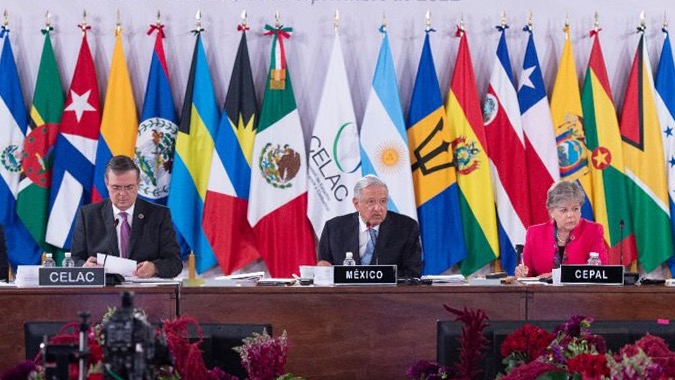
In today's rapidly urbanizing world, the issue of informal settlements has become a pressing concern. South American cities, in particular, are grappling with the challenges posed by these settlements, which are characterized by inadequate housing, limited access to basic services, and a lack of legal recognition. However, there is hope. Through the process of informal settlement upgrading, we can work towards improving the living conditions in these areas. This article aims to shed light on contemporary issues in community and social development in North and South America and inspire readers to promote unity while equipping themselves with the skills to make a positive impact.
Informal settlements, commonly known as slums or shantytowns, are areas where housing, infrastructure, and services are built and operated outside the formal system. These settlements often lack basic amenities such as clean water, sanitation facilities, and electricity, resulting in poor living conditions for their inhabitants.
In South America, informal settlements are prevalent in many cities, with millions of people living in substandard conditions. This poses significant challenges for urban planners and policymakers who strive to ensure sustainable and inclusive development.
Informal settlement upgrading is a holistic approach that aims to improve living conditions in these settlements while providing legal recognition to the residents. It involves improving infrastructure, providing access to basic services, and enhancing the social and economic well-being of the community.
Several South American countries have successfully implemented informal settlement upgrading projects, showcasing the positive impact it can have on communities. For example, MedellΓn in Colombia transformed the once-infamous Comuna 13 into a vibrant neighborhood through targeted investments in transportation, education, and public spaces.
A key aspect of successful informal settlement upgrading is community participation and empowerment. By involving residents in the decision-making process and providing them with the necessary tools and skills, we can ensure that the solutions implemented are tailored to their specific needs and aspirations.
Informal settlement upgrading is not just about providing better housing and infrastructure; it is also about fostering sustainable and inclusive development. By integrating these settlements into the formal urban fabric, we can create opportunities for education, employment, and social integration.
In today's digital age, technology can play a crucial role in informal settlement upgrading. Solutions such as mobile applications for service provision, digital mapping, and data analysis can help identify gaps and monitor progress, ensuring efficient and transparent implementation.
Addressing the challenges posed by informal settlements requires a multi-dimensional approach that involves partnerships between governments, non-governmental organizations, and the private sector. Innovative financing mechanisms, such as public-private partnerships and microfinance, can help mobilize the necessary resources.
To effectively address the issue of informal settlements, governments must develop comprehensive policy and legal frameworks. These frameworks should prioritize the rights of informal settlers, provide incentives for upgrading, and establish clear guidelines for urban development.
While South America faces unique challenges, there is much to learn from successful informal settlement upgrading initiatives in other regions. By studying best practices from around the world, we can adapt and implement strategies that are tailored to the specific context of South American cities.
To drive sustainable change, it is crucial to invest in capacity building and education. By equipping individuals with skills in urban planning, community development, and social entrepreneurship, we can empower them to become agents of change in their own communities.
Creating awareness about the challenges faced by informal settlers is essential for mobilizing support and resources. By advocating for policy changes, raising public awareness, and engaging in dialogue, we can foster a sense of collective responsibility towards addressing this issue.
To ensure the effectiveness of informal settlement upgrading projects, it is important to establish robust monitoring and evaluation mechanisms. By measuring the impact of interventions, we can identify areas of improvement and make evidence-based decisions for future initiatives.
Informal settlement upgrading is an ongoing process that requires continual improvement and adaptation. By embracing innovation, learning from successes and failures, and continuously evaluating our efforts, we can ensure that we are making a lasting positive impact on communities.
In conclusion, informal settlement upgrading presents a viable solution to improve living conditions in South American cities. By fostering unity, developing the necessary skills, and advocating for change, we can contribute to the transformation of informal settlements into thriving, inclusive communities. Join the movement for informal settlement upgrading and become a catalyst for positive change in North and South America.
What are your thoughts on informal settlement upgrading? How do you think we can promote unity and social development in North and South America? Share this article with others and let's inspire change together! #InformalSettlementUpgrading #CommunityDevelopment #SocialChange #NorthSouthUnity
Updated at: 2025-05-19 10:20:56 (11 months ago by Melkisedeck Leon Shine)
This article analyzes the pivotal role of healthcare investment in fostering a self-sufficient and prosperous African continent. We will explore key economic and public health concepts, including human capital theory, the epidemiological transition model, and the principles of sustainable development, applying these frameworks to the African healthcare landscape and its implications for economic development. The central theme emphasizes the synergistic relationship between healthcare investment and continental progress, highlighting the socio-economic advantages of a healthy population and its contribution to national competitiveness within a globalized economy.
1. Human Capital Theory and Economic Growth in Africa: Human capital theory posits that investments in health, education, and training directly enhance a nation's productivity and economic growth. A healthy population translates to a more productive workforce, reduced absenteeism, and increased overall economic output. For Africa, prioritizing investments in healthcare infrastructure, disease prevention, and health education is paramount for building a robust economy, aligned with the Sustainable Development Goals (SDGs). This approach transcends simply treating illness; it proactively fosters human capital, a key driver of national competitiveness and successful participation in the global economy. The increased productivity stemming from improved health directly contributes to higher GDP growth, as evidenced by numerous empirical studies examining the relationship between health and economic output.
2. Navigating the Epidemiological Transition in Africa: The epidemiological transition model describes the shift in disease patterns from primarily infectious diseases to chronic non-communicable diseases (NCDs) as societies develop. Africa currently faces a double burden of infectious diseases and NCDs, necessitating a multifaceted approach. This includes strengthening primary healthcare, improving sanitation and hygiene infrastructure, and implementing comprehensive public health campaigns targeting both infectious diseases (e.g., malaria, HIV/AIDS) and lifestyle-related ailments (e.g., diabetes, cardiovascular disease). This strategy aims to address immediate health needs while building resilience against the long-term health challenges associated with socioeconomic development. The effectiveness of such a strategy can be evaluated through the monitoring of key health indicators such as mortality rates and prevalence of specific diseases.
3. Leveraging Comparative Healthcare Models for African Contexts: Comparative case studies of successful healthcare systems globally offer valuable insights for Africa. Rwanda's success with community-based health insurance and decentralized healthcare delivery models provides a compelling example of improved healthcare access, especially in rural areas. Adapting such models while considering the unique socio-cultural contexts of individual African nations is vital for sustainable and effective implementation. This comparative analysis identifies best practices and tailors them to the specific needs and capacities of diverse African countries. The selection of appropriate models should be guided by principles of contextual appropriateness and scalability.
4. Preventive Healthcare: A Strategic Investment for Long-Term Sustainability: Investing in preventative healthcare, including vaccination programs, sanitation improvements, and public health education campaigns, significantly reduces the long-term burden of disease and healthcare costs. This proactive strategy aligns with population health management principles, aiming to improve the overall health status through comprehensive interventions. The substantial return on investment from preventive measures can be quantitatively assessed using cost-benefit analysis and integrated into national healthcare strategies. This demonstrates that preventative healthcare is not merely an expense, but a strategic investment yielding substantial long-term economic and social benefits.
5. Regional Collaboration and Knowledge Sharing: A Network Approach: Effectively addressing healthcare challenges demands a collaborative approach. Establishing regional health initiatives, fostering knowledge sharing, and facilitating cross-border collaboration on research, training, and resource mobilization are essential for enhancing healthcare capabilities across the continent. This collaborative framework, informed by network theory, leverages the interconnectedness of African nations and the synergistic potential of collective action. The establishment of regional health organizations and knowledge-sharing platforms can facilitate the dissemination of best practices and the pooling of resources.
6. The Socioeconomic Impact of Healthcare Investment: A Cost-Benefit Analysis: The benefits of healthcare investment extend far beyond immediate health outcomes. A healthier population contributes to increased workforce productivity, reduced healthcare-related financial burdens on families and the state, and enhanced social development. The economic impact can be modeled using cost-benefit analysis, demonstrating the long-term fiscal and social returns on healthcare investment. This illustrates that healthcare is not just a cost, but a strategic investment in national development, fostering economic growth and social progress.
7. Empowering Communities through Localized Healthcare Initiatives: Sustainable healthcare systems necessitate active community participation. This involves investing in community health workers, training programs, and local healthcare facilities. This decentralized approach builds community ownership and improves the accessibility and effectiveness of healthcare services, embodying the principles of community development and empowerment. This ensures sustainability and responsiveness to local needs and priorities.
8. Leadership and Advocacy: Shaping Effective Healthcare Policies: Strong political will and effective advocacy are crucial for shaping healthcare policies that prioritize investment in health infrastructure, human resources, and research. Leadership commitment and community engagement are vital for overcoming structural barriers to healthcare access and ensuring equitable resource distribution. This focus on governance and policy ensures that effective healthcare systems are not only designed, but also successfully implemented and sustained over time.
Investing in healthcare is not solely a humanitarian imperative; it's a strategic investment vital for Africa's sustainable development. By integrating human capital theory, adopting a comprehensive approach to epidemiological transitions, and fostering regional collaboration, Africa can establish resilient and effective healthcare systems. Future research should focus on developing context-specific cost-effectiveness models for diverse interventions, integrating socioeconomic data to demonstrate the return on investment from various healthcare strategies. This data-driven approach ensures that healthcare investments are targeted, efficient, and maximize their positive impact on the continent's trajectory towards sustainable development. Furthermore, a robust monitoring and evaluation framework should be implemented to track progress, assess impact, and inform adaptive management strategies.
Reader Pool: Considering the multifaceted challenges of healthcare in Africa, what innovative financing mechanisms, beyond traditional aid models, could be explored to ensure sustainable and equitable healthcare access for all?
Updated at: 2025-02-23 13:55:19 (1 year ago by Melkisedeck Leon Shine)
Africa's prosperity hinges on the sustainable management of its natural resources. Water, the lifeblood of our continent, demands our immediate and unwavering attention. As leaders, we bear the responsibility of ensuring equitable access to this vital resource, fostering economic growth, and safeguarding the environment for generations to come. This requires a comprehensive and collaborative approach, one that prioritizes responsible practices and empowers communities.
The following fifteen strategies outline a path towards effective water resource management across the African continent:
The legacy of visionary African leaders like Nelson Mandela, who eloquently stated, "Water is life, and its responsible management is our duty as custodians of Africa's resources," and Kwame Nkrumah, who emphasized that "The future of Africa lies in the responsible management of our natural resources, and water is the cornerstone of our economic development," serves as a powerful reminder of our collective responsibility.
By embracing these strategies, we can ensure equitable access to water for all Africans, driving economic development and securing a sustainable future. Let us unite, harnessing our collective strength and shared resources to build a brighter, more prosperous Africa. The time for action is now. Letβs work together to achieve this vital goal.
We encourage you to share your insights and ideas on how we can further improve water resource management in Africa. Let's engage in a collaborative discussion and build upon this framework to create a truly sustainable future for our continent.
Updated at: 2023-07-04 22:25:59 (2 years ago by Melkisedeck Leon Shine)
15 Tips for Choosing the Right Skincare Products for Sensitive Skin
π©ββοΈ Introduction: Having sensitive skin can make finding the right skincare products a challenge. With so many options available in the market, it's important to choose products that are gentle and suitable for your skin type. In this article, we will explore 15 tips to help you select the perfect skincare products for your sensitive skin, backed by professional advice and personal experiences.
π Know your skin type: Understanding your skin type is crucial when selecting skincare products. Sensitive skin typically reacts to certain ingredients, so it's important to identify if you have dry, oily, or combination skin, and choose products designed specifically for your skin type.
πΏ Look for gentle ingredients: Opt for skincare products that contain gentle, natural ingredients such as aloe vera, chamomile, or oatmeal. These ingredients have soothing properties and can help calm and protect sensitive skin.
π¦ Avoid harsh chemicals: Avoid skincare products that contain harsh chemicals like sulfates, fragrances, and parabens. These ingredients can irritate sensitive skin and cause redness, itching, or breakouts.
π§ͺ Patch test: Before incorporating a new skincare product into your routine, always perform a patch test. Apply a small amount of the product on a discreet area of your skin and observe any adverse reactions for 24 hours.
π¬ Seek professional advice: If you're uncertain about which skincare products to choose, seek advice from a dermatologist or skincare professional who can provide personalized recommendations based on your specific skin concerns.
π Read labels carefully: When shopping for skincare products, read labels carefully to ensure they are formulated for sensitive skin. Look for terms like "hypoallergenic," "fragrance-free," or "dermatologically tested."
π« Avoid potential irritants: Certain ingredients like alcohol, artificial fragrances, and dyes can trigger skin reactions. Be mindful of these potential irritants and opt for products without them.
π Gradually introduce new products: Introduce new skincare products into your routine one at a time to monitor any potential reactions. This way, if a product causes irritation, you can easily identify the culprit.
π Protect your skin from the sun: Sensitive skin is more prone to sun damage, so it's crucial to protect it by using a broad-spectrum sunscreen with a high SPF. Look for mineral-based sunscreens that contain zinc oxide or titanium dioxide as they are less likely to cause irritation.
π§ Hydrate your skin: Moisture is key for sensitive skin. Choose products that provide adequate hydration without clogging pores. Look for lightweight, non-comedogenic moisturizers that are specifically formulated for sensitive skin.
πΏ Be mindful of your cleansing routine: Avoid harsh cleansers that strip your skin of its natural oils. Opt for gentle, pH-balanced cleansers that effectively remove dirt and impurities without causing irritation.
π€ Prioritize a good night's sleep: Quality sleep is essential for maintaining healthy skin. Establish a consistent sleep routine and invest in silk pillowcases that reduce friction and minimize potential irritation to your sensitive skin.
π Eat a healthy diet: Nourish your skin from within by consuming a balanced diet rich in antioxidants, vitamins, and minerals. Incorporate fruits, vegetables, and omega-3 fatty acids that promote skin health.
ποΈββοΈ Exercise regularly: Exercise increases blood circulation, which helps deliver essential nutrients to the skin. However, remember to cleanse your skin before and after workouts to prevent sweat and dirt from triggering irritation.
π¦ Stay hydrated: Drinking enough water throughout the day helps maintain your skin's moisture levels and prevents dryness. Hydrated skin is less prone to sensitivity and irritation.
π©ββοΈ Consult a professional: If your sensitive skin concerns persist or worsen despite following these tips, it's best to consult a dermatologist or skincare professional who can provide further guidance and prescribe suitable skincare products.
In conclusion, choosing the right skincare products for sensitive skin requires careful consideration and attention to ingredients. By following these 15 tips and seeking professional advice when necessary, you can establish a skincare routine that nourishes and protects your sensitive skin, keeping it healthy and glowing. πββοΈπ
Updated at: 2024-05-26 16:45:07 (1 year ago by DIN - Melkisedeck Leon Shine)
Uvivu na kutokuwa na motisha ni majaribu ambayo huathiri watu wengi katika maisha yao. Hata hivyo, kuna njia ya kushinda majaribu haya na kufikia mafanikio katika maisha yetu. Jina la Yesu linaweza kuwa chombo cha nguvu kubwa kwa wale wanaoamini.
Kupitia jina la Yesu tunaweza kupata amani, furaha, ujasiri na nguvu ya kuendelea kusonga mbele katika maisha. Yesu alisema katika Yohana 14:27, "Amani yangu nawapa; nawaachia ninyi. Si kama ulimwengu unavyowapa, mimi nawapa."
Jina la Yesu linaweza kuwa ngao yetu dhidi ya majaribu. Tunapokabiliana na majaribu ya uvivu na kutokuwa na motisha, tunapaswa kumwomba Yesu atufunike na kutulinda. Zaburi 32:7 inatuambia, "Wewe ni kimbilio langu; utanilinda na taabu; utanizungusha kwa wimbo wa wokovu."
Kwa kumwamini Yesu, tunaweza kushinda majaribu ya uvivu na kutokuwa na motisha. Tunapaswa kuwa na imani katika Yesu kwamba yeye atatupatia ujasiri na nguvu ya kuendelea mbele. Mathayo 17:20 inatuambia, "Kwa sababu ya imani yenu ndogo. Kweli, nawaambia, ikiwa mna imani kama mbegu ya haradali, mtaweza kusema kwa mlima huu, 'Nenda ukatupwe baharini,' na utatii."
Tunapokabiliwa na majaribu ya uvivu na kutokuwa na motisha, tunapaswa kuomba kwa jina la Yesu. Kwa kufanya hivyo, tunaweza kuwa na uhakika kwamba ombi letu litasikilizwa. Yohana 14:13 inatuambia, "Nami nitafanya chochote mnachokiomba kwa jina langu, ili Baba atukuzwe ndani ya Mwana."
Kwa kumwamini Yesu, tunaweza kupata nguvu ya kufanya kazi kwa bidii na kutoa juhudi zetu katika kila kitu tunachofanya. Wakolosai 3:23 inatukumbusha, "Lo lote mfanyalo, lifanyeni kwa moyo wote kama kwa Bwana, wala si kwa wanadamu."
Kwa kumwamini Yesu, tunaweza kupata nguvu ya kufikia malengo yetu. Tunapaswa kuwa na malengo ambayo yatakuwa kichocheo cha juhudi zetu katika maisha. Mtume Paulo aliandika katika Wafilipi 3:14, "Ninakaza mwendo kuelekea ule upande, nikiendelea kusonga mbele kufikia kusudi, ambalo Kristo Yesu alinikamata kwa ajili yake."
Tunapaswa kuwa na moyo wa shukrani na kumwomba Yesu atusaidie kupata mtazamo wa kushukuru hata katika wakati mgumu. 1 Wathesalonike 5:18 inatukumbusha, "Shukuruni kwa kila kitu, kwa maana hii ndiyo mapenzi ya Mungu kwenu katika Kristo Yesu."
Tunapaswa kuwa na mazingira yanayotuhimiza kuwa wabunifu na kutoa mchango katika maisha yetu. Tunapaswa kujitahidi kuwa na watu ambao wanatuunga mkono na kutusaidia kukua katika maisha yetu. Methali 27:17 inatuambia, "Chuma hushinda chuma; kadhalika mtu humpasha mwenzake."
Kwa kumwamini Yesu, tunaweza kushinda majaribu ya uvivu na kutokuwa na motisha. Tunapaswa kuwa na mkono wa kulia wa Bwana ambao utatufikisha katika mafanikio makubwa. Zaburi 16:8 inatuambia, "Nimekaa Bwana mbele yangu wakati wote. Yeye yupo upande wangu wa kuume, sitatikiswa."
Ushindi juu ya majaribu ya uvivu na kutokuwa na motisha unapatikana kwa kumwamini Yesu. Tunapaswa kuomba kwa jina lake, kuwa na imani, kuwa na malengo, kuwa wabunifu, na kuwa na mazingira yanayotusaidia kukua. Kwa kufanya hivyo, tunaweza kupata mafanikio makubwa katika maisha yetu. Je, unataka kushinda majaribu ya uvivu na kutokuwa na motisha? Ni wakati wa kumwamini Yesu na kumfuata kwa moyo wako wote!
Updated at: 2025-03-01 23:59:55 (1 year ago by Melkisedeck Leon Shine)
Financial stress is a prevalent concern in modern life. However, for Christians, aligning personal finances with God's principles isn't simply wise; it's a pathway to honoring God and experiencing His abundant blessings. The Bible offers a wealth of wisdom on managing resources, guiding us toward responsible faith-filled living.
Scripture provides numerous examples and teachings that illuminate sound financial practices. Proverbs highlights the significance of diligent work and thoughtful planning. The proverb, "Lazy hands make for poverty, but diligent hands bring wealth" (Proverbs 10:4), emphasizes responsible effort and wise decision-making, actions that align with God's principles. This isn't solely about accumulating wealth, but about using resources responsibly.
Jesus cautions against avarice and the pitfalls of earthly possessions. He instructs, "Do not store up for yourselves treasures on earth, where moths and vermin destroy, and where thieves break in and steal. But store up for yourselves treasures in heaven, where moths and vermin do not destroy, and where thieves do not break in and steal" (Matthew 6:19-20). This passage underscores the importance of an eternal perspective, prioritizing spiritual riches over material accumulation.
The parable of the widow's mite (Mark 12:41-44) reveals that God values the heart behind our giving more than the quantity. Her modest contribution, given selflessly, held greater significance than larger offerings made without genuine devotion. This highlights the importance of generosity and a spirit of giving that reflects our unwavering faith.
The parable of the talents (Matthew 25:14-30) underscores the responsibility inherent in resource management. The faithful servants who invested and multiplied their talents were commended, illustrating the importance of using our gifts and resources wisely for God's kingdom. This passage is not about hoarding, but about actively participating in God's work.
Proverbs 3:9-10 promises blessings for prioritizing God in our finances: "Honor the Lord with your wealth, with the firstfruits of all your crops; then your barns will be filled to overflowing, and your vats will brim over with new wine." This verse highlights the principle of tithing and giving back to God, acknowledging Him as the ultimate provider.
Luke 16:10-12 teaches faithfulness in small matters: "Whoever can be trusted with very little can also be trusted with much, and whoever is dishonest with very little will also be dishonest with much." This principle directly applies to financial stewardship. Demonstrating integrity in managing small sums shows readiness for greater responsibility.
Generosity is paramount, as highlighted in Luke 6:38: "Give, and it will be given to you. A good measure, pressed down, shaken together and running over, will be poured into your lap. For with the measure you use, it will be measured to you." This verse promises abundant blessings as a return for generous giving.
Seeking divine guidance is essential. James 1:5 encourages us to ask for wisdom: "If any of you lacks wisdom, you should ask God, who gives generously to all without finding fault, and it will be given to you." Prayer and seeking God's will are indispensable for sound financial decisions.
Contentment is crucial. Hebrews 13:5 states: "Keep your lives free from the love of money and be content with what you have, because God has said, 'Never will I leave you; never will I forsake you.'" True contentment stems from our relationship with God, not material wealth.
The Parable of the Rich Fool (Luke 12:13-21) warns against the dangers of greed and misplaced confidence in wealth. Our focus should remain on eternal treasures and the richness of our relationship with God.
1 Timothy 6:6 reinforces the importance of godliness and contentment: "But godliness with contentment is great gain." True prosperity originates from a life lived in accordance with God's will and finding satisfaction in His provision.
Philippians 4:19 assures us of God's provision: "And my God will meet all your needs according to the riches of his glory in Christ Jesus." This is a promise of sustenance even during financial hardship, fostering trust in God's unwavering support.
Philippians 4:6 guides us in prayer: "Do not be anxious about anything, but in every situation, by prayer and petition, with thanksgiving, present your requests to God." We are encouraged to bring our financial concerns to God in prayer, trusting in His guidance and provision.
Generosity and sharing are emphasized in 1 Timothy 6:18: "Command them to do good, to be rich in good deeds, and to be generous and willing to share." Blessing others through generosity reflects our faith and opens the door to God's blessings.
Ultimately, our relationship with God is our most valuable asset. Matthew 6:21 reminds us: "For where your treasure is, there your heart will be also." Prioritizing our love for God above all else, including our finances, leads to true joy and fulfillment.
Embracing God's principles of financial stewardship is a spiritual journey of trust, wisdom, and generosity. As we love God, believe in Him, love our neighbors, and entrust Him with our resources, we open ourselves to His abundant blessings. May you find peace and joy in this journey, experiencing the overflow of God's blessings in your life.
Updated at: 2023-08-06 15:32:40 (2 years ago by Melkisedeck Leon Shine)
Tourism as a Vehicle for Peace and Unity in Africa ππ€
Greetings, fellow Africans! Today, let us embark on a journey to explore how tourism can become a powerful instrument of peace and unity across our beloved continent. ππ
As Africans, we are blessed with a rich tapestry of cultures, traditions, and breathtaking landscapes that allure visitors from every corner of the world. By embracing tourism, we can showcase the diversity and beauty of Africa, fostering a sense of pride and unity among its people. ππ΄
Let us take inspiration from the words of Nelson Mandela, a great advocate for African unity: "Tourism is the most powerful weapon which you can use to change the world." Through tourism, we can bridge gaps, break stereotypes, and create an atmosphere of understanding and acceptance. πβ¨
In countries like Rwanda, tourism has played a vital role in healing wounds and building a brighter future. The Rwandan government's efforts to promote gorilla trekking and showcase the country's progress since the tragic genocide have not only attracted visitors but also encouraged dialogue, forgiveness, and reconciliation among its citizens. π¦π·πΌ
By uniting behind the common goal of fostering tourism, we can also address economic inequalities and create opportunities for local communities. Tourism provides jobs, stimulates entrepreneurship, and empowers individuals, especially in rural areas. Let us remember the wise words of Kwame Nkrumah: "We face neither East nor West; we face forward." ππͺ
Imagine a future where African nations collaborate to develop cross-border tourism circuits, allowing visitors to seamlessly explore multiple countries and experience the best Africa has to offer. This interconnectedness will not only boost tourism but also foster a sense of brotherhood and shared destiny among African nations. π€οΈπ
Let us look to the success stories of other regions that have utilized tourism as a catalyst for peace and unity. In Europe, the Schengen Agreement has allowed citizens from multiple countries to travel freely, breaking down barriers and fostering cultural exchange. Why can't we create a similar framework for Africa? ππ€
Together, we can create a Pan-African tourism council, comprising representatives from each country, to develop strategies and initiatives that promote tourism and unity. This council would provide a platform for African leaders to share best practices, collaborate on marketing campaigns, and create attractive packages for visitors. π€ποΈ
Picture a traveler visiting the majestic Victoria Falls in Zimbabwe, then venturing to the vibrant streets of Lagos, Nigeria, and finally relaxing on the pristine beaches of Seychelles. This journey would not only showcase Africa's natural wonders but also its rich history, diverse cultures, and warm hospitality. πππ΄
As Africans, we must also encourage our fellow citizens to explore and appreciate the beauty within their own countries. Let us remind ourselves of the wise words of Chinua Achebe: "People who cannot build anything at home start talking about traveling to see other people's progress." Let us be proud of our own heritage and discover the wonders in our own backyard. ποΈπβ¨
Through social media and digital platforms, we can share our experiences, promote lesser-known destinations, and inspire others to embark on their own journeys of discovery. Let us ask ourselves, how can we use technology to amplify the message of unity and peace through tourism? Share your ideas and let's create a movement! π»π²π‘
Lastly, dear reader, I urge you to not only embrace the concept of tourism as a vehicle for peace and unity but to actively promote it within your communities, workplaces, and social circles. Share this article with your friends, engage in discussions, and let's ignite a spark that will unite Africa like never before! ππβ
As we move forward, let us keep the words of Dr. Kwame Nkrumah close to our hearts: "I am not African because I was born in Africa, but because Africa was born in me." Let Africa be born in all of us as we work towards a united, peaceful, and prosperous continent through the power of tourism. ππ
Remember, the journey towards unity starts with each one of us. Let us be the change we want to see in Africa. Together, we can build a future where tourism serves as a vehicle for lasting peace, understanding, and harmony across our beloved continent. ππ€β¨
Share this article with your peers, friends, and family. Join the movement to unite Africa through the transformative power of tourism. Together, let us create a legacy of peace and unity that will inspire generations to come. πππ
Updated at: 2025-06-19 23:09:32 (10 months ago by Melkisedeck Leon Shine)
Hair clips and barrettes transcend mere functionality; they serve as dynamic styling tools capable of instantaneously transforming one's appearance. This exploration delves into fifteen distinct approaches to integrating these accessories into diverse hairstyles, suitable for both everyday wear and special occasions. The discussed techniques leverage principles of visual balance, proportion, and aesthetic harmony to enhance personal style. We will analyze the application of these principles within the framework of several established design theories, such as Gestalt principles of design and the principles of visual communication.
This approach, embodying the principles of asymmetry and visual interest, involves gathering the upper hair section, twisting it gently, and securing it with a decorative barrette. The resulting asymmetry adds a sophisticated touch, suitable for various contexts ranging from casual outings to semi-formal events. Barrette selection should complement the overall ensemble and personal aesthetic, reflecting the principles of Gestalt design through congruity and proximity.
Achieving evening glamour involves sweeping hair to one side, accentuating facial features, and securing it with a shimmering barrette. This technique leverages the principle of visual emphasis, drawing attention to desirable features. Employing a jeweled or embellished barrette further enhances the dramatic effect, aligning with the principles of visual communication through the use of sparkle and shine as communicative elements. This style is particularly effective for formal occasions or evening events.
Addressing the practical concern of stray bangs, this style utilizes a small, stylish clip to maintain a polished appearance. Clip selection should harmonize with hair color and overall style, showcasing the principle of unity in design. This approach prioritizes practicality without sacrificing aesthetic appeal.
This advanced technique demonstrates the artistry of hairdressing. By twisting hair sections and securing them with decorative clips, one creates a visually complex and intricate updo. This style, ideal for formal events or weddings, showcases creativity and design mastery. The arrangement of twists and clips should follow established design principles, such as rhythm and repetition, to achieve a cohesive and visually pleasing outcome. The creation of this style relies on advanced understanding and practical application of hair braiding and manipulation techniques.
A bold barrette functions as a statement piece, allowing for personalized expression through the selection of color, shape, and design. This approach utilizes the principle of contrast to add visual interest and personality to any hairstyle. A statement barrette can effectively transform a simple style, adding an element of drama or playfulness. This directly relates to the semiotic theory, where the barrette acts as a signifier of personal identity and style.
Adding a delicate braid to a classic ponytail introduces a touch of feminine grace. This style integrates a small side braid secured with a clip, before gathering the remaining hair into a low ponytail. The subtle braid adds sophistication, adhering to the design principle of subtle detailing to achieve a refined visual aesthetic.
Inspired by a bygone era, this hairstyle evokes vintage glamour. Victory rolls, created by twisting hair sections and securing them with barrettes, pay homage to classic styling. This retro aesthetic is amplified when paired with appropriate attire, showcasing the harmonious interplay of hairstyle and overall ensemble, reflecting the principles of cohesive design.
The classic chignon represents timeless elegance. This low bun, secured with a sophisticated barrette, epitomizes refined style. Its suitability for both professional and formal settings underscores its versatility and adaptability across contexts. The simplicity of the chignon allows the barrette to act as the focal point, highlighting its elegance and design details.
Embracing a free-spirited aesthetic, this style features a relaxed side braid adorned with small hair clips. The incorporation of multiple clips throughout the braid creates a sense of effortless bohemian charm. This look is ideal for casual settings and events that embrace individuality and personal expression.
This approach enhances the classic ponytail by incorporating twists and small barrettes before tying the hair. The twists add texture and visual interest, elevating a simple hairstyle. The arrangement of twists and barrettes impacts the overall visual effect, demonstrating the application of design principles to a practical hairstyle.
This style offers a temporary hair transformation. By clipping the ends of long hair under and securing them with barrettes, the illusion of a bob is created. This technique highlights the transformative power of hair accessories, allowing for temporary stylistic experimentation without permanent alterations.
The French twist, a sophisticated updo, is secured with barrettes along the sides. This technique requires skill and practice to achieve a polished, refined look, emphasizing the importance of technical proficiency in achieving a desired style. The placement of the barrettes is crucial in achieving a balanced and elegant look, further demonstrating the application of design principles.
Utilizing two matching barrettes to clip back sections of hair on each side creates a symmetrical and balanced look. This style emphasizes the principle of visual symmetry, adding a sense of harmony and order to the overall hairstyle. The selection of matching barrettes further enhances the visual impact of symmetry.
This intricate braided crown, secured with clips at the back, creates a romantic and ethereal look. This style showcases advanced braiding techniques and requires skill to execute flawlessly. The result is a visually striking and memorable hairstyle, appropriate for special occasions such as weddings or celebrations.
This minimalist approach employs small, sleek hair clips to add subtle accents. This style emphasizes understated elegance, showcasing the power of subtle details to enhance overall aesthetic appeal. Clip selection should blend seamlessly with hair color, demonstrating the principle of harmony in design.
When selecting accessories, prioritize high-quality materials that ensure secure hold without causing damage. Experimentation with colors, styles, and materials is encouraged to find options that complement personal style and occasion. The versatility of hair clips and barrettes allows for creative exploration, transforming everyday looks and enhancing special occasions. Careful consideration of design principles and a thoughtful approach to accessorizing elevate the artistry of hairstyling.
Updated at: 2024-05-25 09:58:55 (1 year ago by SW - Melkisedeck Shine)
Kupambana na Hali ya Kujisikia Kukata Tamaa π
Kila mara maishani tunakutana na changamoto ambazo zinaweza kutufanya tujihisi kukata tamaa. Hakuna mtu aliye na maisha ya kamilifu, na kila mmoja wetu anapitia nyakati ngumu ambazo tunahisi hatuwezi kuzivumilia. Lakini kama AckySHINE, nataka kukuhimiza wewe na kukupa mbinu kadhaa za kupambana na hali hii ya kujisikia kukata tamaa. Kumbuka, kuna mwanga mwisho wa kila handaki!
Shikamana na watu wanaokujali π€: Katika nyakati ngumu, ni muhimu kuwa na msaada wa watu wanaokujali na kukusaidia kupitia changamoto hizo. Jumuika na marafiki na familia ambao wanaweza kukusaidia kujenga nguvu mpya na kukufanya ujisikie vizuri.
Jipatie muda wa kujipenda π: Kujipa muda wa kujipenda na kujithamini ni muhimu sana katika kupambana na hali ya kujisikia kukata tamaa. Jifunze kujitunza, fanya mambo unayopenda na jipe nafasi ya kufurahia maisha.
Tambua mafanikio yako π: Tunapoingia katika hali ya kukata tamaa, mara nyingi tunasahau mafanikio yetu ya hapo awali. As AckySHINE, nakushauri kutathmini mafanikio yako ya zamani na kuangalia jinsi ulivyoweza kukabiliana na changamoto hapo awali. Hii itakupa nguvu na ujasiri wa kukabiliana na changamoto za sasa.
Jifunze kutoka kwa wengine π₯: Kupata mbinu na mawazo kutoka kwa watu ambao wameshinda kujisikia kukata tamaa ni muhimu. Jiunge na vikundi vya msaada, soma vitabu vya kujenga na kujizoeza kwa mafanikio na ufuate mifano ya watu ambao wameweza kuvuka vikwazo hivyo.
Panga malengo madogo madogo π―: Kujenga malengo madogo madogo na kuyatimiza hatua kwa hatua itakusaidia kuepuka kujisikia kukata tamaa. Fikiria kuhusu malengo ndogo ambayo unaweza kutimiza kwa urahisi na kisha jitahidi kuyafanikisha. Hii itakuwezesha kujenga msukumo na ujasiri zaidi.
Fanya mazoezi ya kujenga nguvu πͺ: Mwili na akili zimeunganika, kwa hivyo kufanya mazoezi ya kujenga nguvu itakusaidia kujenga nguvu za kiakili. Jifunze mbinu za kupunguza msongo wa mawazo, kama vile yoga au kutembea polepole katika maeneo ya asili.
Badilisha mtazamo wako π: Wakati mwingine tunajikuta tukikwama katika mawazo hasi na kuona mambo kwa mtazamo hasi. Kama AckySHINE, nakuambia badilisha mtazamo wako! Jitahidi kuona mambo kwa mtazamo chanya na kutafuta faida hata katika nyakati ngumu.
Tafuta kitu cha kufurahisha kufanya π¨: Kujihusisha na shughuli ambazo zinakuletea furaha na kufurahia ni njia nzuri ya kupambana na hali ya kukata tamaa. Jifunze kucheza ala ya muziki, jifunze kupika mapishi mpya, au jishughulishe na sanaa. Kufanya kitu ambacho kinakupa furaha kutakusaidia kuondoa hisia za kukata tamaa.
Jitolee kwa wengine β¨: Kuwasaidia wengine na kutoa msaada wako kunaweza kukufanya ujihisi vizuri na kuondoa hisia za kukata tamaa. Jishughulishe na shughuli za kujitolea katika jamii yako au jifunze kuwa rafiki mzuri kwa wengine. Kupata furaha katika kuwafanya wengine wajisikie vizuri kutakupa nguvu zaidi.
Epuka mazingira yenye mzigo wa kihisia π«: Kama AckySHINE, nakushauri kuondoka katika mazingira ambayo yanakuletea hisia mbaya au kukata tamaa. Kama hiyo ni mahali pa kazi, uhusiano au hata nyumba yako, jaribu kufanya mabadiliko yanayofaa ili uweze kuwa mahali ambapo unajisikia vizuri na mwenye furaha.
Jijengee mtandao wa msaada π: Ni muhimu kuwa na watu ambao unaweza kutegemea katika nyakati ngumu. Jenga mtandao wa marafiki na familia ambao wanakusaidia kukabiliana na hali ya kukata tamaa na kuzungumza nao wakati unahitaji msaada.
Soma mafanikio ya wengine π: Kusoma hadithi za mafanikio za watu wengine kunaweza kukusaidia kuongeza matumaini yako na kukuhamasisha. Soma vitabu vya mafanikio na kujifunza kutoka kwa watu ambao wameshinda changamoto kama hizo. Hii itakupa imani kwamba unaweza kufanya vivyo hivyo.
Fanya kitu kipya na cha kusisimua π: Kukwama katika rutuba kunaweza kusababisha hisia za kukata tamaa. Jitahidi kujaribu kitu kipya na cha kusisimua, kama kusafiri kwenda sehemu ambayo hujawahi kwenda au kujaribu mchezo mpya. Kufanya kitu kipya na cha kusisimua kunaweza kukupa msukumo mpya na kufufua hisia za furaha.
Jitahidi kujifunza kutokana na kushindwa π: Kukabiliana na hali ya kukata tamaa kunaweza kuwa fursa ya kujifunza na kukua. Badala ya kukata tamaa, tazama kushindwa kama nafasi ya kujifunza na jaribu kubadilisha mkakati wako. Kukubali kwamba hakuna mtu asiye kamilifu na kuamua kujifunza kutokana na makosa ni hatua muhimu katika kupambana na hali ya kukata tamaa.
Kumbuka, hii pia itapita! π: Mwishoni, jua kwamba hali ya kukata tamaa sio ya kudumu. Hata kama inaonekana ngumu sana sasa, hakika itapita. Kuwa mvumilivu na amini kwamba kuna mwanga mwisho wa handaki.
Kama AckySHINE, nataka kujua maoni yako! Je, mbinu hizi zitakusaidia kupambana na hali ya kujisikia kukata tamaa? Je, una mbinu nyingine ambazo unazitumia? Niache maoni yako hapa chini! π