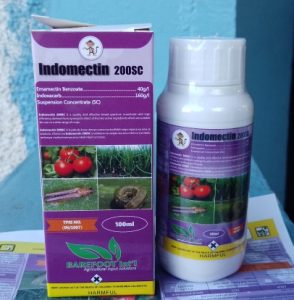
Indomectin 200SC: Ni dawa maalumu kwa ajili ya kudhibiti wadudu sugu shambani - Kiboko ya Kantangaze



Updated at: 2023-03-09 12:28:54 (3 years ago by Melkisedeck Leon Shine)
—
—
—

Updated at: 2024-05-25 15:45:37 (1 year ago by SW - Melkisedeck Shine)
Jinsi ya Kujenga Tabia ya Kutunza Afya ya Ini kwa Kupunguza Pombe 🌿🍹
Karibu sana kwenye makala hii, wapendwa wasomaji! Leo ninafuraha kushiriki nawe vidokezo vyenye thamani juu ya jinsi ya kujenga tabia ya kutunza afya ya ini kwa kupunguza matumizi ya pombe. Kama mtaalamu wa afya na ustawi, kama AckySHINE, nina ushauri muhimu ambao unaweza kukusaidia kuboresha afya yako na kuzuia madhara yanayoweza kutokea kwenye ini lako. Basi, tujenge afya na ustawi tukiwa pamoja!
Elewa athari za pombe kwa ini lako 🍻 Kama AckySHINE, naomba uelewe kwamba matumizi ya pombe yanaweza kuharibu ini lako. Pombe huathiri seli za ini na kusababisha uharibifu wa muda mrefu. Ni muhimu kujua athari hizi ili uweze kuona umuhimu wa kupunguza matumizi ya pombe.
Punguza matumizi ya pombe kwa kiwango kinachokubalika 🚫 Kama AckySHINE, naomba upunguze matumizi ya pombe kwa kiwango kinachopendekezwa na wataalamu wa afya. Kwa wanaume, hii inamaanisha kunywa sio zaidi ya vinywaji 2 kwa siku, na wanawake kunywa sio zaidi ya kinywaji 1 kwa siku. Kupunguza matumizi ya pombe kunaweza kupunguza hatari ya uharibifu wa ini.
Tambua na epuka matukio ya kunywa kupita kiasi 🍺 Kama AckySHINE, nashauri kukaa mbali na matukio ya kunywa kupita kiasi. Inaweza kuwa tabia mbaya ambayo inaweza kusababisha uharibifu mkubwa wa ini na afya kwa ujumla. Epuka shinikizo la kunywa zaidi na badala yake, jifunze kufurahia kampuni ya marafiki na familia bila ya kunywa pombe nyingi.
Jifunze kubadilisha vinywaji vyenye pombe na vinywaji visivyo na pombe 🍹 Kama AckySHINE, nina ushauri mzuri juu ya jinsi unavyoweza kubadilisha vinywaji vyenye pombe na vinywaji visivyo na pombe. Kwa mfano, badala ya kunywa bia, unaweza kujaribu kunywa juisi safi au maji ya matunda. Hii itakusaidia kupunguza kiwango cha pombe unachokunywa na bado utafurahia kinywaji chenye ladha nzuri.
Pata msaada wa kitaalamu ikiwa unataka kupunguza matumizi ya pombe 🆘 Kama AckySHINE, naomba kuelewa kuwa kupunguza matumizi ya pombe inaweza kuwa changamoto. Ikiwa unahisi unahitaji msaada wa ziada, unaweza kutafuta msaada wa kitaalamu kutoka kwa wataalamu wa afya au huduma za ushauri. Wataalamu hao watakusaidia kwa njia bora zaidi kukusaidia kufikia lengo lako la kupunguza matumizi ya pombe.
Fanya mazoezi mara kwa mara ili kuimarisha afya yako 🏋️♀️ Kama AckySHINE, napendekeza kuweka mazoezi katika ratiba yako ya kila siku. Mazoezi yatakusaidia kuimarisha mfumo wa kinga ya mwili na kuchangia afya njema ya ini lako. Kupunguza uzito kupitia mazoezi pia kunaweza kupunguza hatari ya uharibifu wa ini uliosababishwa na pombe.
Kula lishe bora na yenye afya 🥦🥕 Kama AckySHINE, naomba ufikirie juu ya chakula chako. Kula lishe bora na yenye afya kunaweza kusaidia kulinda ini lako. Kula matunda, mboga mboga, nafaka nzima, protini zenye afya, na mafuta ya asili kutasaidia kuimarisha afya yako ya ini.
Punguza matumizi ya vyakula vyenye mafuta mengi na sukari 🍔🍩 Kama AckySHINE, napendekeza kupunguza matumizi ya vyakula vyenye mafuta mengi na sukari. Vyakula hivi vinaweza kuongeza hatari ya uharibifu wa ini na magonjwa mengine kama kisukari na unene kupita kiasi. Kula vyakula vyenye afya na upunguze matumizi ya vyakula visivyo na lishe.
Kunywa maji mengi kila siku 💧 Kama AckySHINE, nasisitiza umuhimu wa kunywa maji mengi kila siku. Maji husaidia kusafisha mwili wako na kuondoa sumu. Pia husaidia katika kazi nzuri ya ini lako. Kunywa kati ya glasi 8 hadi 10 za maji kwa siku ili kuweka afya yako ya ini kuwa nzuri.
Epuka matumizi ya tumbaku au sigara 🚭 Kama AckySHINE, naomba uepuke matumizi ya tumbaku au sigara. Sigara ina kemikali hatari ambazo zinaweza kuharibu ini lako na kusababisha magonjwa mengi. Kujiepusha na tumbaku ni hatua muhimu katika kulinda afya yako ya ini.
Pata usingizi wa kutosha kila siku 😴 Kama AckySHINE, napenda kukumbusha umuhimu wa kupata usingizi wa kutosha kila siku. Usingizi ni muhimu sana katika kurejesha nguvu za mwili na kuimarisha afya ya ini. Lala kwa wastani wa saa 7 hadi 8 kwa siku ili kuhakikisha afya yako ya ini inakuwa nzuri.
Epuka mazingira yenye sumu na kemikali hatari 💨 Kama AckySHINE, napenda kukuhimiza kuepuka mazingira yenye sumu na kemikali hatari. Expose kwa kemikali hatari kama vile dawa za kuua wadudu, rangi za viwandani, na vumbi la asbestosi linaweza kusababisha uharibifu wa ini. Epuka mazingira haya hatari na kaa katika mazingira safi na salama.
Pima afya ya ini yako mara kwa mara 🩺 Kama AckySHINE, naomba kuhimiza upimaji wa mara kwa mara wa afya ya ini yako. Vipimo vya damu vitakusaidia kujua jinsi ini lako linavyofanya kazi na ikiwa kuna dalili za uharibifu. Kwa kupima afya ya ini yako mara kwa mara, unaweza kuchukua hatua sahihi mapema ikiwa kuna shida.
Elewa kuwa pombe sio chakula 🍷 Kama AckySHINE, napenda kukumbusha kuwa pombe sio chakula. Inapaswa kuchukuliwa kama kiburudisho au kwa kiasi kidogo tu. Kula chakula kamili na lishe bora ni muhimu katika kuboresha afya ya ini na kuzuia madhara yanayoweza kusababishwa na pombe.
Je, unaona umuhimu wa kutunza afya ya ini? Je, unafuata vidokezo hivi? 🌿 Kwa hivyo, kama AckySHINE, ninaamini umepata mwongozo muhimu juu ya jinsi ya kujenga tabia ya kutunza afya ya ini kwa kupunguza matumizi ya pombe. Je, unaona umuhimu wa kutunza afya ya ini yako? Je, unaendelea kufuata vidokezo hivi? Napenda kusikia maoni yako! Asante kwa kusoma makala hii na nawatakia afya njema na ustawi. 👍💚

Updated at: 2025-06-10 11:22:13 (11 months ago by Melkisedeck Leon Shine)
Mindfulness, the state of present moment awareness without judgment, is increasingly recognized for its contribution to stress reduction, improved well-being, and enhanced quality of life. This article outlines fifteen evidence-based strategies for incorporating mindfulness into daily life, drawing upon principles from Cognitive Behavioral Therapy (CBT), Acceptance and Commitment Therapy (ACT), and Positive Psychology. CBT emphasizes cognitive restructuring and behavioral modification to manage negative thoughts and behaviors. ACT focuses on accepting difficult thoughts and feelings while committing to valued actions. Positive Psychology explores factors that contribute to optimal functioning and well-being.
1. Establishing Intentional Beginnings: Goal Setting and Positive Psychology: Commencing each day with a defined intention, informed by goal-setting theory, establishes a positive emotional trajectory. This might involve cultivating gratitude, fostering a positive mindset, or prioritizing a specific mindful activity. This proactive approach primes the individual for enhanced mindfulness throughout the day, aligning with the principles of self-efficacy and positive expectancy from social cognitive theory.
2. Mindful Consumption: Mindful Self-Regulation and Health Psychology: Practicing mindful eating, a cornerstone of many mindfulness-based interventions, involves attentive engagement with the sensory aspects of food—taste, texture, aroma, and appearance. This slow, deliberate consumption promotes appreciation and prevents overeating, illustrating mindful self-regulation and aligning with principles of health psychology regarding mindful eating patterns and their impact on physical and mental health.
3. Strategic Integration of Micro-Breaks: Attention Restoration Theory and Stress Management: Incorporating brief mindful pauses throughout the day counteracts stress and improves cognitive function. These breaks, which could include deep breathing exercises or moments of sensory awareness, leverage the restorative power of attention regulation as described by Attention Restoration Theory. This approach enhances focus and mitigates burnout.
4. Nature's Restorative Influence: Attention Restoration Theory and Environmental Psychology: Regular exposure to natural settings, consistent with Attention Restoration Theory, promotes relaxation and stress reduction. Activities such as walking in a park or gardening offer opportunities for calm and reduced stress responses, highlighting the impact of environmental factors on mental well-being, as studied in environmental psychology.
5. Cultivating Gratitude: Broaden-and-Build Theory and Positive Emotions: Regularly practicing gratitude, through journaling or reflection, aligns with the broaden-and-build theory. Focusing on life's positive aspects enhances emotional well-being, fosters optimism, and builds resilience against stress.
6. Mindful Movement and Embodiment: Somatic Psychology and Holistic Well-being: Integrating mindfulness into physical activity enhances body awareness and promotes holistic well-being. Practices like yoga, tai chi, or mindful walking foster a mind-body connection, employing principles of somatic experiencing, which emphasizes the interconnectedness of mind and body in experiencing and processing emotions.
7. Environmental Design for Mindfulness: Environmental Psychology and Behavior Modification: Creating a supportive environment with calming elements—soft lighting, natural scents, soothing sounds—aligns with principles of environmental psychology, underscoring the profound effect of surroundings on mood and behavior. This deliberate environment design facilitates mindful practices.
8. Harnessing the Power of Breath: Autonomic Nervous System Regulation and Biofeedback: Deep breathing techniques, such as diaphragmatic breathing, activate the parasympathetic nervous system, reducing physiological stress responses. This self-regulation strategy is central to many mindfulness practices, and its physiological effects are studied through biofeedback and autonomic nervous system research.
9. Mindful Communication: Interpersonal Communication Theory and Relationship Building: Active listening during conversations, minimizing distractions, and fully engaging with the speaker promotes stronger interpersonal connections and empathy, reflecting principles of interpersonal communication theory.
10. Mindful Technology Usage: Self-Regulation, Time Management, and Digital Wellness: Setting limits on technology use minimizes distractions and promotes focused attention. This aspect of digital mindfulness, drawing from self-regulation and time management theories, mitigates the negative effects of excessive technology use.
11. Self-Compassion as a Foundation: Self-Compassionate Living and Resilience: Cultivating self-compassion, treating oneself with kindness and understanding, promotes resilience and emotional regulation. This approach, central to self-compassionate living, reduces self-criticism and improves coping mechanisms.
12. Integrating Mindfulness into Daily Tasks: Mindful Living and Habit Formation: Infusing mindfulness into routine activities, such as washing dishes, transforms mundane tasks into opportunities for present moment awareness, enhancing appreciation and reducing monotony. This promotes mindful living and leverages principles of habit formation.
13. Body Scan Meditation: Interoception and Somatic Awareness: Body scan meditation increases body awareness, allowing for identification of tension or discomfort. This practice enhances interoception—the awareness of internal bodily states—and fosters better self-awareness.
14. Engaging in Mindful Hobbies: Flow Theory and Intrinsic Motivation: Engaging in hobbies promoting flow and focused attention fosters a sense of purpose and enjoyment, enhancing well-being. This aligns with flow theory, emphasizing the importance of intrinsic motivation and engagement in activities that match one's skill level.
15. Mindful Transitions to Sleep: Sleep Hygiene and Restorative Sleep: Establishing a calming bedtime routine, involving meditation, gentle stretching, or mindful reflection, improves sleep quality and daytime energy levels. This practice reflects sleep hygiene principles and contributes to overall health.
Consistent mindfulness practice offers considerable benefits for well-being. The fifteen strategies detailed provide a holistic framework for integrating mindfulness into daily life. Future research could examine the long-term impact of these strategies on diverse populations, exploring the efficacy of tailored interventions addressing specific needs and preferences. A longitudinal study design would be suitable to examine long-term effects. Furthermore, research should focus on developing culturally sensitive and accessible mindfulness interventions to promote broader inclusivity and equitable access to these beneficial practices. The integration of mindfulness into various aspects of life holds the potential to significantly enhance the quality of life for individuals across diverse backgrounds. Quantitative and qualitative methods, including randomized controlled trials and in-depth interviews, could provide a comprehensive understanding of the impact and applicability of these mindfulness strategies.
Reader Pool: Considering the multifaceted nature of modern life, how might the practicality and effectiveness of these mindfulness techniques be assessed and potentially improved to better serve individuals with diverse lifestyles and commitments?
Updated at: 2025-02-20 04:54:57 (1 year ago by Melkisedeck Leon Shine)
```htmlAfrica, a continent of unparalleled biodiversity and vibrant cultural heritage, stands as a testament to the enduring power of human connection with nature. From the breathtaking landscapes to the rich tapestry of traditions, Africa's heritage is a global treasure. However, the rapid pace of modernization presents significant challenges to its preservation. This article explores comprehensive strategies for safeguarding Africa's natural resources and cultural legacy, ensuring their continuity for generations to come.
Harnessing Indigenous Knowledge: A Foundation for Sustainability
Centuries of harmonious coexistence between African communities and their environment have yielded invaluable traditional ecological knowledge (TEK). This indigenous wisdom, encompassing sustainable resource management practices, offers crucial insights for modern conservation efforts. By integrating TEK into contemporary approaches, we can develop more effective and culturally sensitive strategies for environmental stewardship.
Education and Cultural Revitalization: Fostering Appreciation and Ownership
Comprehensive cultural education programs are essential for fostering a deep appreciation of Africa's diverse heritage amongst current and future generations. Such initiatives should not only document and celebrate existing traditions but also empower communities to actively participate in their preservation. By instilling a sense of pride and ownership, we can cultivate a collective commitment to safeguarding cultural heritage.
Economic Empowerment through Cultural Preservation
Supporting traditional industries and artisans is vital for preserving cultural practices and providing economic opportunities within communities. Promoting locally made products creates sustainable livelihoods while simultaneously safeguarding traditional skills and knowledge. This approach fosters economic resilience while maintaining cultural authenticity.
Building Robust Infrastructure for Cultural Preservation
Establishing comprehensive cultural heritage centers acts as a crucial step in safeguarding Africa's cultural legacy. These centers serve as repositories of knowledge, showcasing traditions, languages, and artistic expressions. They also provide platforms for cultural exchange, fostering dialogue and understanding between diverse communities.
Strengthening Legal Frameworks and Community Engagement
Effective legal frameworks are crucial for protecting cultural heritage from exploitation and destruction. However, laws alone are insufficient. Meaningful engagement with local communities is paramount. Their active participation in decision-making processes concerning natural resource management and cultural preservation is essential for ensuring sustainable and equitable outcomes.
Eco-Tourism: A Sustainable Approach to Development
Responsible eco-tourism offers a powerful mechanism for both economic development and cultural preservation. By promoting tourism practices that respect local cultures and environments, we can generate economic benefits for communities while simultaneously safeguarding their heritage. This requires careful planning and community involvement to ensure equitable distribution of benefits.
Documenting Oral Histories and Traditions
Many African cultures rely heavily on oral traditions for transmitting knowledge and history across generations. Systematic documentation of these oral histories is crucial to prevent their loss. This involves employing various methods, including audio and video recordings, and working collaboratively with community elders and storytellers.
Investing in Cultural Infrastructure and International Collaboration
Investing in cultural infrastructure, such as museums, theaters, and cultural centers, provides vital spaces for showcasing Africa's rich heritage. International collaborations play a crucial role in sharing best practices and resources, fostering a global network for cultural preservation. This exchange of knowledge strengthens collective efforts to protect shared heritage.
Empowerment and Intercultural Dialogue
Empowering indigenous communities through access to resources and support is crucial for preserving their land and culture. Promoting intercultural dialogue fosters understanding, respect, and unity within and beyond African borders. This collaborative approach strengthens community resilience and promotes cultural diversity.
Leveraging Digital Technologies for Heritage Preservation
Digital technologies offer transformative tools for documenting and disseminating cultural heritage. Digital archives, virtual tours, and online platforms can reach a wider audience, promoting cultural understanding and appreciation globally. This approach ensures accessibility while safeguarding fragile artifacts and traditions.
Celebrating Heritage and Developing Preservation Skills
Annual celebrations of national heritage days reinforce the importance of cultural preservation. Investing in training and education programs that develop skills in areas such as archaeology, anthropology, and heritage management equips future generations with the expertise to safeguard this invaluable legacy.
The preservation of Africa's cultural and natural heritage is a collective responsibility. By implementing these multifaceted strategies and embracing a holistic approach, we can ensure that the rich tapestry of African culture and environment continues to thrive for generations to come. Let us work together towards a future that honors our past and celebrates the diverse beauty of Africa. The United States of Africa (Muungano wa Mataifa ya Afrika) represents a vision of unity and collaborative progress in this endeavor.
Join the movement to preserve African culture and heritage. Share this article and inspire others to take action! #PreserveOurHeritage #UnitedAfrica #AfricanPride
```
Updated at: 2025-06-18 19:03:27 (11 months ago by Melkisedeck Leon Shine)
This article explores the multifaceted benefits of reflective journaling for older adults, examining its application in enhancing memory, emotional regulation, and overall well-being. Key concepts such as self-efficacy (an individual's belief in their capacity to execute behaviors necessary to produce specific performance attainments), emotional processing theory (which suggests that emotional experiences are processed through language and narrative), and cognitive-behavioral therapy (CBT) principles (that focus on modifying maladaptive thoughts and behaviors) will be utilized to frame the discussion. We will further explore how journaling can be conceptualized within the broader context of life review, a common process in later life involving the reflection on one's past experiences.
1. Memory Preservation and Life Review: Reflective journaling facilitates the preservation of personal narratives and experiences. The act of writing actively engages cognitive processes, strengthening memory consolidation and retrieval. This process aligns with the concept of life review, a naturally occurring process where older adults reflect on their lives, often leading to greater self-understanding and life satisfaction. The resulting journal becomes a valuable personal archive, potentially benefiting future generations who gain insights into the life of their loved ones.
2. Enhanced Emotional Regulation and Well-being: Emotional processing theory posits that articulating emotions through writing helps individuals process and regulate them more effectively. Journaling provides a safe space to explore complex feelings without judgment, reducing emotional distress and promoting psychological well-being. This aligns with CBT principles, where identifying and challenging negative thought patterns is crucial. Regular journaling can lead to the development of healthier coping mechanisms and improved emotional resilience.
3. Cognitive Stimulation and Mental Acuity: The cognitive demands of reflective journaling stimulate neural activity, potentially contributing to improved cognitive function in older adults. This aligns with research demonstrating the positive impact of cognitive engagement on maintaining mental sharpness and delaying age-related cognitive decline. Consistent journaling acts as a form of mental exercise, promoting neuroplasticity and sharpening cognitive skills.
4. Goal Setting, Self-Efficacy, and Achievement: Reflective journaling can be integrated into goal-setting strategies. By articulating goals, breaking them down into smaller, manageable steps, and tracking progress, individuals enhance their sense of self-efficacy and motivation. The process of achieving these goals, documented in the journal, bolsters self-esteem and fosters a sense of accomplishment, especially important in maintaining positive self-image during the aging process.
5. Social Connection and Legacy Building: Sharing journal entries with family and friends can foster deeper interpersonal connections, bridging generational gaps and strengthening family bonds. Furthermore, journaling provides a mechanism for creating a personal legacy, allowing older adults to share their life experiences, wisdom, and perspectives with future generations. This contributes to a sense of purpose and meaning, enriching their lives and enriching the lives of those who follow.
6. Mindfulness and Present Moment Awareness: The practice of reflective journaling encourages mindfulness by prompting individuals to focus on their present experiences, thoughts, and feelings. By consciously engaging with the present moment, older adults can enhance their appreciation for life's small joys and cultivate a greater sense of peace and contentment. This supports mental wellness by reducing rumination on the past or anxiety about the future.
7. Health Monitoring and Self-Management: Journaling can facilitate self-monitoring of physical and mental health. Recording symptoms, medication schedules, and appointments provides valuable information for healthcare professionals, improving the effectiveness of healthcare management. This proactive approach empowers individuals to play a more active role in their health and well-being.
8. Problem-Solving and Decision-Making: Writing about challenges and concerns can facilitate a clearer understanding of the issues at hand. The process of articulating thoughts and feelings helps individuals gain perspective, explore potential solutions, and make more informed decisions. This aligns with problem-solving models emphasizing the importance of breaking down complex problems into smaller parts, analyzing various factors, and developing action plans.
Conclusions and Recommendations: Reflective journaling offers a powerful and accessible tool for enhancing the quality of life during the aging process. Its impact extends across multiple domains, including memory preservation, emotional regulation, cognitive function, goal attainment, social connection, mindfulness, and health management. We recommend encouraging older adults to adopt journaling practices as part of a holistic approach to well-being. Further research should explore the long-term impact of journaling interventions on various health outcomes, including cognitive decline and mental health in diverse older adult populations. The development of tailored journaling programs, incorporating different forms of self-expression (e.g., incorporating photos, drawings) and engaging different learning styles, could further maximize its potential benefits. The accessibility and adaptability of journaling, making it a personalized tool that can cater to diverse needs and preferences, makes it a powerful resource for improving the overall quality of life for older adults. Furthermore, exploring the integration of journaling within existing therapeutic frameworks, such as CBT, could provide a synergistic approach to mental health support.
Reader Pool: Considering the multifaceted benefits outlined, how might the integration of reflective journaling into community-based programs for older adults be best implemented and evaluated to maximize its positive impact?
Updated at: 2025-04-13 02:26:18 (1 year ago by Melkisedeck Leon Shine)
Difficult conversations are unavoidable. They're often emotionally charged and rife with potential for conflict. However, mastering empathetic communication transforms these challenges into opportunities for deeper understanding, stronger relationships, and mutually beneficial resolutions. This comprehensive guide provides practical steps to navigate even the most challenging dialogues effectively.
Effective empathetic communication starts with trust. This begins with active listening—going beyond simply hearing words. Active listening involves deeply engaging with the speaker's perspective, understanding their underlying emotions, and the context of their message. Create a safe space for open dialogue. Demonstrate genuine interest in their viewpoint, even if you disagree. This fosters trust and sets the stage for productive communication. Show respect by fully focusing on the speaker, giving them your undivided attention, and making them feel heard and valued.
Open-ended questions are crucial for encouraging self-expression. Instead of yes/no questions, use prompts like, "Can you tell me more about that?", "What were you thinking at the time?", or "How did that make you feel?". These show you value their input, shifting the focus from confrontation to collaborative problem-solving. This participatory approach encourages the other person to fully share their thoughts and feelings without fear of judgment.
Acknowledging and validating emotions is paramount. Let the speaker know their feelings are legitimate. Simple statements like, "That sounds incredibly frustrating," or "I understand why you feel that way," create a sense of safety and validation. This fosters open communication and cooperation. It shows you're not dismissing their feelings, paving the way for a more productive conversation. Remember to listen not only to their words but also to the emotions underlying them.
Reflecting the speaker's feelings and thoughts demonstrates active listening. Paraphrasing their statements, such as, "So, you're feeling overwhelmed by factors X, Y, and Z," clarifies your understanding and ensures you're both on the same page. This verifies accurate interpretation and strengthens rapport. It shows active engagement and investment in the conversation, demonstrating your commitment to understanding their perspective.
When proposing solutions, collaborate. Frame them as possibilities, not directives. Instead of dictating, ask, "Would you be open to exploring alternative approaches?", or "What solutions do you envision?". This empowers the other person, fostering a sense of partnership. This ensures solutions feel mutually agreed upon, increasing the likelihood of adoption and success. This collaborative approach demonstrates respect for the other person's autonomy and expertise.
Patience is crucial. Avoid interrupting; let the other person fully express themselves. This shows respect and encourages open communication, building mutual trust. By providing uninterrupted space, you create a safe environment where individuals feel heard and valued, leading to a more honest and transparent conversation. Allowing them to speak without interruption demonstrates that their thoughts and feelings are important.
Nonverbal cues significantly impact communication. Maintain appropriate eye contact, nod in agreement, and use congruent facial expressions. These convey understanding and support, reinforcing your empathetic approach. Positive body language communicates genuine engagement and interest, creating a more receptive and trusting environment. Your body language should consistently reflect your verbal message of empathy and understanding.
Maintain a calm and gentle tone, even when the conversation intensifies. A soothing tone de-escalates tension. A calm and measured tone projects confidence and composure, helping diffuse potentially volatile situations. Your voice should be a tool for calming and reassurance, not for escalating conflict.
Empathetic communication is a skill honed through continuous learning and practice. Explore books, workshops, and online resources focused on improving communication and interpersonal skills. This ongoing pursuit enhances your ability to navigate challenging conversations effectively and confidently. Regularly seeking new knowledge and practicing your skills will significantly improve your ability to handle difficult conversations.
If the conversation becomes too intense, suggest a brief break. This allows both parties to regain composure and return with clearer perspectives. This prevents emotional exhaustion and allows for more rational and productive dialogue. Knowing when to take a break shows self-awareness and respect for the emotional needs of all involved.
Self-awareness is essential. Recognize your personal biases and assumptions. This self-reflection promotes objectivity and allows you to approach the conversation with an open mind, fostering greater understanding and reducing judgment. Being aware of your own biases allows you to listen more objectively and empathetically.
Express appreciation for the other person's willingness to engage. Acknowledge their effort, regardless of agreement. This fosters a positive and respectful dialogue, encouraging continued cooperation and understanding. A simple expression of gratitude can go a long way in fostering a positive and productive conversation.
Use "I" statements to avoid sounding accusatory. Phrases like "I feel hurt when..." are more constructive than accusatory "you" statements like "You always...". This fosters a more collaborative and less defensive environment. Focusing on your own feelings reduces defensiveness and creates space for open communication.
Search for shared values and common ground. Identifying areas of agreement bridges divides and cultivates a more positive and empathetic conversation. Focusing on common ground creates a sense of unity and shared purpose, making it easier to find mutually acceptable solutions. Finding common ground helps to build rapport and create a sense of shared understanding.
View challenging conversations as opportunities for growth. Each interaction refines your ability to connect with others. Continuous practice leads to increased confidence and skill in navigating difficult conversations successfully. Embrace the challenges as learning opportunities and strive to improve your empathetic communication skills over time.
By consistently applying these strategies, you can transform challenging conversations into opportunities for mutual understanding and growth. Remember, genuine curiosity and a willingness to listen are the cornerstones of effective empathetic communication.
Updated at: 2025-06-17 01:35:41 (11 months ago by Melkisedeck Leon Shine)
```htmlParenting, while inherently rewarding, presents multifaceted challenges. Among these, toddler tantrums pose a significant hurdle. This article explores effective strategies grounded in developmental psychology and behavioral principles to mitigate tantrum occurrences and foster positive parent-child interactions. Key concepts examined include emotional regulation, behavioral modification, and the importance of establishing clear expectations within a supportive framework.
Tantrums are a normal, albeit challenging, aspect of toddler development (Erikson's stages of psychosocial development). Toddlers, aged 1-3 years, are experiencing rapid cognitive and emotional growth but lack the sophisticated communication skills to express their needs and frustrations effectively. Their limited language abilities and underdeveloped emotional regulation mechanisms often manifest as tantrums – emotional outbursts stemming from unmet needs, frustration, or sensory overload. Recognizing this developmental context allows parents to approach tantrums with empathy rather than frustration.
Parental emotional response significantly influences a child's behavior. Applying principles of emotional contagion, parents should strive to remain calm during a tantrum. Deep breathing exercises, self-talk, and mindfulness techniques can help manage parental stress levels. This calm demeanor serves as a model for the child, promoting emotional regulation and reducing the intensity of the tantrum. This approach aligns with the social learning theory, demonstrating the importance of observational learning in child development.
Acknowledging a child's feelings is crucial. Using phrases like, "I see you're upset," validates their experience without necessarily condoning the behavior. This approach, rooted in attachment theory, reinforces the parent-child bond and builds trust. By labeling and validating emotions, parents promote emotional literacy, an essential aspect of emotional intelligence development. This allows the child to understand and express their feelings more effectively in the future.
Positive reinforcement and redirection are effective behavioral modification strategies. Instead of focusing on the negative behavior (tantrum), the focus shifts towards desired behaviors. Offering alternative activities or engaging the child in a different task redirects their attention and reduces the intensity of the tantrum. This approach leverages operant conditioning principles, rewarding positive behaviors and minimizing attention to negative ones.
Consistent routines and clear boundaries provide a sense of security and predictability for toddlers. Predictability reduces uncertainty and minimizes potential triggers for tantrums. Clear, age-appropriate rules and consistent enforcement help establish behavioral expectations and reduce power struggles. This approach is consistent with the principles of behavioral consistency and structured environments which help build self-regulation skills.
Offering limited choices increases a toddler's sense of autonomy and control. This strategy aligns with self-determination theory, highlighting the importance of fulfilling basic psychological needs for competence, autonomy, and relatedness. Instead of directing, parents can offer choices (e.g., "Do you want to wear the red shirt or the blue shirt?"). This reduces power struggles and enhances a child’s cooperation.
Parenting is often perceived as an isolating experience. Connecting with other parents through support groups or online communities creates a sense of shared experience and mutual support. This social support system provides emotional relief, reducing parental stress, and facilitates the exchange of practical strategies for managing toddler tantrums. Social support, a key aspect of resilience, buffers against the emotional burden of parenting challenges.
Identifying potential triggers for tantrums (e.g., hunger, fatigue, overstimulation) allows parents to implement proactive strategies. Preemptive measures, such as providing snacks before outings or planning shorter trips to avoid overwhelming the child, can significantly reduce tantrum frequency. This approach emphasizes preventative measures, shifting the focus from reactive management to proactive intervention.
Parental well-being is paramount in effective parenting. Adequate sleep, healthy eating habits, and regular self-care activities enhance parental resilience and emotional regulation abilities. When parents are well-rested and emotionally regulated, they are better equipped to handle challenging situations like tantrums with patience and empathy. This approach recognizes the interconnectedness between parental well-being and parenting effectiveness.
Effectively managing toddler tantrums necessitates a multifaceted approach rooted in developmental psychology and behavioral principles. By understanding the developmental basis of tantrums and employing strategies grounded in emotional regulation, behavioral modification, and building supportive environments, parents can significantly reduce the frequency and intensity of tantrums. This holistic approach, emphasizing parental well-being and building strong parent-child relationships, fosters healthy emotional development in children. Further research could investigate the long-term impact of different parenting strategies on a child's emotional regulation and social-emotional development, employing longitudinal studies to track outcomes across various developmental milestones. The application of these strategies requires ongoing adaptation and flexibility, considering the individual needs and temperament of each child and family system. The consistent implementation of these strategies will contribute to a more harmonious and nurturing environment for both parents and children, thereby promoting positive family dynamics.
Reader Pool: Considering the developmental and behavioral perspectives presented, how might the application of these strategies be further refined to account for diverse cultural contexts and family structures in managing toddler tantrums?
```
Updated at: 2023-07-07 13:27:31 (2 years ago by Melkisedeck Leon Shine)
Selected 25 Birthday SMS Messages to Celebrate Special Moments 🎉✨
Birthdays are cherished occasions that allow us to celebrate the special moments of our loved ones' lives. It's a time to express our affection, appreciation, and joy for having them in our lives. And what better way to make their day extra special than with a heartfelt birthday SMS message? Here are 25 carefully selected SMS messages that will help you celebrate those magical moments with charm and romance. Get ready to spread love and cheer!
🎂 Happy Birthday to the one who makes my world brighter! May this day be filled with endless joy and unforgettable memories. 🌟🥳
🎁 On your special day, I wish you all the happiness in the universe! May your dreams come true and love surround you forever. 🌈💖
🌟 Happy Birthday, my love! You are the reason for my smile and the twinkle in my eyes. Here's to another year of love and togetherness. 💑💫
🎉 Wishing the happiest of birthdays to the most incredible person I know! May your day be as exceptional as you are. Cheers to another year filled with love and laughter! 🥂🎈
🌼 Happy Birthday, sunshine! Your radiant smile and beautiful soul illuminate my life. May your special day be as bright and wonderful as you. ☀️💛
💌 Sending a million kisses and hugs your way on your birthday! You deserve all the love and happiness in the world. Have a magical day, my sweetheart. 😘💕
🎵 Happy Birthday to the melody of my heart! Your presence in my life is like a sweet symphony that fills my days with joy. May your year be filled with beautiful music and endless love. 🎶🎵
🌺 Today, I celebrate the day you were born and the love you bring into my life. You are the most precious gift I have ever received. Happy Birthday, my love! 🎁🌹
🌙 As the stars shine brightly in the sky, I wish you a birthday filled with dreams that come true. May each moment be as magical as the night sky. Happy Birthday, my star! ✨🌙
🎈 Happy Birthday to the one who stole my heart! Your love is like a balloon that brings joy and excitement into my life. Here's to floating in happiness together forever! 🎈🎁
🌠 On this extraordinary day, I wish you a birthday that sparkles with all the goodness and love you deserve. May your wishes come true, and your heart be filled with endless joy. Happy Birthday, my shining star! 💫✨
🎂 Sending you a slice of happiness, a scoop of love, and a sprinkle of magical moments on your birthday. Enjoy every bite of life! Happy Birthday, sweetie! 🍰🍦🎉
🌻 To the most beautiful flower in my garden, Happy Birthday! May your day be filled with the sweet fragrance of love and the vibrant colors of joy. 🌺🌻💖
💌 Happy Birthday to the one who holds the key to my heart! You unlock a world of love and happiness every day. Here's to an enchanting year ahead, my love. 🔑💝
🌟 Today, we celebrate not only your birthday but also the extraordinary person you are. May this special day be the beginning of a remarkable journey filled with love, success, and cherished moments. Happy Birthday! 🎉🌟
🎁 On your birthday, I want to wrap you in my love and shower you with kisses. You deserve all the happiness in the world, today and always. Happy Birthday, my love! 💋💕
🥳 Happy Birthday to the person who lights up my life! May your day be filled with laughter, love, and all the things that make your heart smile. Cheers to another year of endless happiness! 🎉🥂
🌹 Roses are red, violets are blue, today is your birthday, and I'm crazy about you! Happy Birthday to the love of my life. May our love continue to blossom and grow forever. 🌹💑💖
🎉 It's party time! Today, we celebrate the amazing person you are and the happiness you bring into our lives. Wishing you a birthday filled with laughter, fun, and precious memories. Let's make it unforgettable! 🎈🎉🎁
🌟 Happy Birthday, my sweet angel! Your presence in my life is a blessing beyond measure. May your day be surrounded by love, joy, and heavenly happiness. 💫😇💕
🌈 On your special day, I wish you a rainbow of love, endless sunshine, and infinite possibilities. May your birthday be as colorful and extraordinary as you are. Happy Birthday, my love! 🌈✨💖
💌 From the depths of my heart, I send you warm birthday wishes and a shower of love. You are my everything, and I am grateful to have you by my side. Happy Birthday, my dearest! 💕🎂
🎈 It's a day to celebrate the beautiful soul that you are! May your birthday be filled with love, laughter, and all the desires of your heart. Happy Birthday, my love! 🥳🎉
🌟 Happy Birthday, my shining diamond! Your presence adds sparkle and brilliance to my life. May your day be as radiant and precious as you are to me. 💎✨💖
🌹 Sending you a garden full of love and a sky full of wishes on your birthday! May this day be as beautiful and magical as you are. Happy Birthday, my love! 🌹🌻🎁
These heartfelt birthday SMS messages are sure to make your loved ones feel cherished and adored. So, pick the perfect message, add a touch of your personal love, and watch their faces light up with happiness on their special day. Celebrate their moments with creativity, cheerfulness, and abundant love! 🥳🎉💖
Updated at: 2025-05-12 07:45:35 (1 year ago by Melkisedeck Leon Shine)
The avocado, a nutrient-dense fruit characterized by its creamy texture and rich flavor profile, has firmly established itself as a culinary staple. Its versatility extends significantly beyond the ubiquitous guacamole, encompassing a broad spectrum of culinary applications in both savory and sweet preparations. This exploration delves into the multifaceted nature of avocado-infused cuisine, highlighting its potential to enhance and diversify culinary experiences. Key concepts relevant to this discussion include gastronomic innovation, the application of sensory marketing principles, and the exploitation of functional foods in culinary practices. Gastronomic innovation refers to the creation of novel food products and preparation methods. Sensory marketing focuses on how sensory experiences (taste, texture, smell, etc.) influence consumer perception and preference. Functional foods offer additional health benefits beyond basic nutrition.
Beyond its organoleptic appeal, the avocado possesses a compelling nutritional composition. Rich in monounsaturated fatty acids, dietary fiber, and essential vitamins (particularly vitamins K and C, and folate), the integration of avocados into a balanced diet offers substantial health benefits, aligning with the principles of nutritional adequacy and health-promoting food choices. This article will systematically present a diverse array of recipes, showcasing the adaptability of the avocado and its capacity to transform culinary endeavors.
1. Avocado Toast: A Refined Breakfast Option: This classic preparation involves spreading mashed avocado onto whole-grain toast. Enhancements might include the addition of high-quality olive oil, a sprinkle of sea salt and freshly ground black pepper, enhancing the gustatory experience with complementary flavors and textures. The inclusion of a poached egg introduces additional protein, increasing the nutritional value and satiety. This exemplifies the application of the principles of balanced nutrition.
2. Guacamole: A Culinary Icon: Guacamole, a cornerstone of avocado-based cuisine, involves a sophisticated blend of ripe avocados with finely diced tomatoes, red onion, cilantro, lime juice, and optional jalapeño for a touch of spiciness. Salt enhances the overall flavor profile. The preparation adheres to culinary principles of balancing contrasting flavors and textures to achieve a harmonious gustatory experience. Serving suggestions include tortilla chips, crudités, or as a flavorful topping for grilled proteins. This recipe demonstrates the application of culinary principles of flavor balancing and textural contrast, aiming for a harmonious sensory experience.
3. Avocado Integration in Sushi: A Fusion of Cultures: The incorporation of avocado slices into sushi demonstrates culinary fusion and showcases avocado’s ability to enhance existing dishes. The smooth, creamy texture complements the savory fish and rice, providing a textural contrast and enhancing the overall sensory appeal. This highlights the principle of culinary innovation through cultural fusion.
4. Creamy Avocado Pasta Sauce: A Healthy Alternative: This recipe offers a healthier alternative to traditional cream-based pasta sauces by utilizing pureed avocado as a base. Garlic and lemon juice add depth of flavor. The resulting velvety texture provides a decadent experience with reduced fat content. This aligns with the principles of health-conscious food preparation and offers a functional food application.
5. Elevating Salads with Avocado: The addition of avocado slices to salads contributes not only creaminess and healthy fats but also enhances the nutritional profile of the salad. Its subtle flavor pairs well with various greens and vegetables, creating a more balanced and fulfilling meal. This showcases how functional foods can improve the nutritional quality of dishes.
6. Avocado Chicken Salad: A Reimagined Classic: The incorporation of diced avocado into traditional chicken salad creates a unique culinary experience. The creamy texture and subtle flavor of the avocado complement the chicken and vegetables. This demonstrates a practical application of gastronomic innovation by enhancing existing culinary staples.
7. Avocado Quesadillas: A Melty, Creamy Fusion: Incorporating avocado slices into quesadillas elevates the dish with a creamy texture that complements the melted cheese and other fillings. This illustrates the application of culinary principles of enhancing dishes by incorporating complementary textures and flavors.
8. Avocado Omelet: A Protein-Rich Breakfast: Avocado slices added to an omelet contribute creaminess and healthy fats, enhancing the protein-rich nature of the dish. The combination of smooth avocado and fluffy eggs creates an appealing textural contrast. This exemplifies the application of principles of balanced nutrition and culinary balance.
9. Baked Avocado Fries: A Healthier Indulgence: This recipe provides a healthier alternative to traditional fried potatoes by baking avocado wedges coated in breadcrumbs. It represents a health-conscious culinary adaptation of a popular snack food.
10. Avocado Ice Cream: A Novel Dessert Creation: The transformation of avocado into a creamy ice cream demonstrates the versatility of the fruit. Blending ripe avocados with coconut milk, honey, and lime juice creates a refreshing and surprisingly delicious dessert. This exemplifies culinary innovation and the use of unexpected ingredients.
11. Avocado Brownies: A Healthier Indulgence: Replacing butter with mashed avocado in brownie recipes results in a fudgier texture and a healthier dessert alternative. This showcases the application of functional foods in dessert preparation.
12. Avocado Salad Dressing: A Homemade Alternative: Creating a homemade avocado-based salad dressing provides a healthy and flavorful alternative to store-bought options. Blending avocado with olive oil, lemon juice, garlic, and salt results in a creamy and versatile dressing. This highlights the principle of homemade, healthy food options.
13. Avocado Pesto: A Flavorful Twist on a Classic: Incorporating avocado into pesto creates a unique flavor profile and creamier consistency. This application of avocado enhances the existing recipe and showcases culinary innovation.
14. Avocado Deviled Eggs: A Gourmet Appetizer: The incorporation of mashed avocado into deviled eggs creates a unique and creamy appetizer with a sophisticated flavor profile. This exemplifies the application of culinary innovation to classic dishes.
Updated at: 2025-04-13 00:20:47 (1 year ago by Melkisedeck Leon Shine)
The cornerstone of any enduring relationship is a profound emotional connection. While the initial spark might feel effortless, maintaining this deep bond demands consistent effort and thoughtful nurturing. This journey towards deeper intimacy requires a shared commitment to growth and a willingness from both partners to invest in the relationship's health and well-being. Let's explore fifteen practical strategies to cultivate and strengthen your emotional intimacy.
Cultivate Compassionate Communication: Open, honest, and empathetic communication is paramount. Share your thoughts and feelings openly, remembering the power of kind words to heal and strengthen your connection. Active listening, truly hearing and understanding your partner's perspective, is key to validating their experiences.
Master the Art of Attentive Listening: When your partner speaks, give them your full attention. Maintain eye contact, nod to show engagement, and demonstrate genuine interest in what they're sharing. This attentive listening creates a feeling of being heard and valued, fostering a deeper connection.
Celebrate Each Other's Triumphs: Rejoice in each other's successes, no matter how big or small. Whether it's a career milestone or a personal achievement, actively celebrate their victories. Being each other's biggest cheerleaders builds a supportive environment, reinforcing mutual respect and admiration.
Prioritize Quality Time Together: Dedicate uninterrupted time each day for meaningful conversations and connection. This could involve a romantic dinner, a relaxing walk in nature, or simply cuddling on the couch. Make these moments a priority, savoring the opportunity to connect on a deeper level.
Create Shared Experiences: Engage in activities that foster connection and create lasting memories. Cooking together, exploring new places, playing games – these shared experiences build a stronger emotional bond and provide opportunities for laughter and collaboration, solidifying your connection.
The Power of Thoughtful Gestures: Small acts of kindness and unexpected surprises can keep the spark alive. A handwritten note, a thoughtful gift, or a spontaneous date night can significantly enhance the emotional connection and demonstrate your affection and consideration.
Express Genuine Gratitude: Show appreciation for the little things your partner does. Acknowledging their efforts and expressing gratitude strengthens your bond and makes them feel loved and appreciated. These small expressions of thanks have a significant impact on maintaining a strong connection.
Embrace Vulnerability and Openness: Sharing your fears, insecurities, and dreams fosters intimacy and trust. Vulnerability allows for deeper emotional connection, inviting your partner to reciprocate and strengthening your bond through shared experiences and understanding.
Share Laughter and Lightheartedness: Laughter is essential for any relationship. Share funny moments, watch comedies, or simply enjoy each other's company and sense of humor. A shared sense of humor brings lightness and joy to your interactions, strengthening your bond.
Practice Forgiveness and Understanding: Mistakes are inevitable. Learning to forgive and move forward is crucial for maintaining emotional intimacy. Holding onto grudges creates distance and hinders your ability to connect on a deeper level.
Support Individual Growth and Aspirations: Encourage each other's personal passions and goals. Celebrate achievements and offer support during challenging times. A strong relationship supports individual growth, allowing each partner to flourish and contribute to the shared journey.
The Importance of Physical Affection: Hugs, kisses, and cuddles are vital for emotional bonding. Physical touch releases oxytocin, the "love hormone," fostering feelings of closeness, security, and connection. Incorporate physical affection into your daily routine.
Cultivate Empathy and Seek to Understand: Strive to understand your partner's perspective without judgment. Empathy creates a safe space for emotional vulnerability and fosters deeper connection by demonstrating care and consideration for their feelings.
Keep the Romance Alive and Vibrant: Plan romantic gestures, such as candlelit dinners, handwritten love letters, or weekend getaways. These acts of romance rekindle the flame and remind each other of your love and commitment, keeping the relationship exciting and alive.
Embrace Patience and Persistence: Building emotional intimacy is a journey, not a destination. There will be ups and downs. Embrace the process, remain patient, and understand that growth takes time and effort. Your shared journey will strengthen your bond over time.
Building strong emotional intimacy in a long-term relationship requires consistent effort, mutual understanding, and a willingness to nurture the connection. By incorporating these fifteen tips into your relationship, you’ll cultivate a deep emotional bond, fostering lasting happiness and a relationship that thrives on love, mutual respect, and shared growth. Embrace this journey together and watch your love blossom into something truly exceptional.