

Cultivating a Culture of Body Positivity: A Comprehensive Guide
The pervasiveness of negative body image, particularly amongst young people, necessitates a proactive, multi-faceted approach focused on fostering positive self-perception and body acceptance. This guide outlines strategic interventions to cultivate supportive environments that promote healthy body image and celebrate individual uniqueness. Key concepts underpinning this approach include the Social Comparison Theory, which emphasizes the impact of comparing oneself to others, and the Self-Determination Theory, highlighting the importance of autonomy, competence, and relatedness in well-being. Furthermore, the cultivation of self-compassion, a key tenet of positive psychology, plays a crucial role in building resilience and fostering self-acceptance.
1. Promoting Media Literacy and Critical Consumption: Individuals should be empowered to critically analyze media messages and images, recognizing the often unrealistic and potentially damaging portrayals of body ideals. This involves developing media literacy skills to discern manipulated imagery and understand the influence of marketing and advertising on self-perception. This aligns with the concept of cultivation theory, which examines the long-term effects of media consumption on attitudes and beliefs.
2. Deconstructing Societal Beauty Standards: Actively challenge the unrealistic and often unattainable beauty standards propagated by media and popular culture. This involves promoting body diversity and inclusivity, celebrating the spectrum of human beauty, and emphasizing the subjective nature of beauty standards across cultures and time periods. This directly counters the negative effects of social comparison theory by highlighting the diversity of acceptable body types.
3. Fostering Self-Compassion and Self-Acceptance: Encourage self-compassion, which involves treating oneself with kindness, understanding, and acceptance, rather than self-criticism. Individuals should cultivate self-acceptance by focusing on their strengths, values, and accomplishments, rather than solely on physical appearance. This aligns with the principles of self-determination theory, emphasizing self-acceptance as a crucial component of well-being.
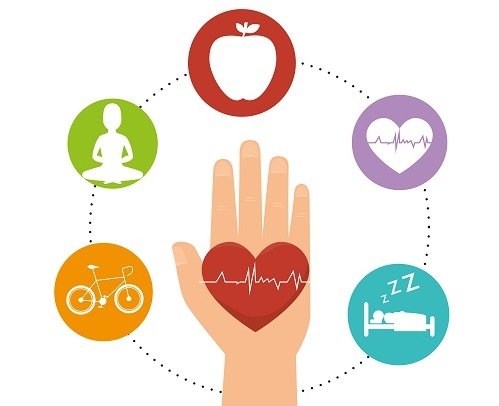
4. Prioritizing Holistic Well-being over Appearance: Shift the focus from physical appearance to overall health and well-being, encompassing physical, mental, and emotional dimensions. Promote healthy lifestyle choices, including balanced nutrition, regular physical activity, and mindfulness practices, framing these as self-care rather than solely as means to achieve a specific body type. This promotes the self-determination theory's emphasis on competence and self-efficacy.
5. Cultivating Positive and Meaningful Communication: Promote respectful and affirming communication that focuses on individuals' intrinsic qualities, accomplishments, and character traits rather than solely on physical attributes. Avoid body-shaming language and create environments where open and honest conversations about body image are normalized. This directly addresses the potential harm of social comparison by shifting focus away from superficial evaluations.
6. Building Supportive and Inclusive Environments: Create safe and inclusive spaces where individuals feel comfortable expressing their feelings and concerns without fear of judgment or criticism. Active listening, empathy, and validation are crucial in fostering trust and encouraging open communication. The creation of such supportive environments is consistent with the principles of social support theory, which highlights its critical role in mental health and well-being.
7. Educating and Empowering through Knowledge: Increase awareness and understanding of body image issues through education and open dialogue. This includes exploring the psychological, social, and cultural factors contributing to negative body image, thereby empowering individuals to navigate these complexities more effectively. This aligns with the health belief model, emphasizing the role of knowledge and awareness in behavior change.
8. Leading by Example: Individuals in positions of influence should model positive body image and self-acceptance. Sharing personal journeys and struggles can foster empathy and inspire others to pursue their own paths toward self-acceptance. This demonstrates the power of role modeling in shaping attitudes and behaviors.
9. Leveraging the Power of Positive Affirmations and Self-Talk: Encourage the replacement of negative self-talk with positive affirmations and self-compassionate language. This involves identifying and challenging negative thought patterns, replacing them with constructive and empowering self-perceptions. Cognitive behavioral therapy (CBT) principles are central to this strategy.
10. Seeking Professional Support: Recognize that professional support may be necessary for individuals struggling with significant body image challenges. Encourage seeking help from therapists, counselors, or other qualified mental health professionals who can provide personalized guidance and interventions. This aligns with the ecological systems theory, emphasizing the importance of seeking support from various levels of the environment, including professional support.
11. Supporting and Engaging with Body-Positive Initiatives: Engage with and actively support organizations and initiatives that promote body acceptance and inclusivity within your community and beyond. This participatory approach amplifies positive messages and contributes to broader societal change.
Conclusion and Recommendations: The cultivation of a culture of body positivity requires a holistic approach encompassing education, empathetic communication, and a steadfast commitment to self-acceptance. This necessitates implementing the strategies detailed above, thereby fostering healthier relationships with one’s body and empowering individuals to embrace their unique qualities. Further research is needed to explore the long-term effectiveness of these interventions across diverse populations, considering factors such as age, culture, and socioeconomic status. The impact of these strategies extends beyond individual well-being, contributing to a more inclusive and equitable society that values diversity and rejects narrow beauty standards. The integration of these strategies within educational settings, media platforms, and community programs is crucial for widespread adoption and long-term success.
Reader Pool: Considering the presented strategies, how effectively do you believe these interventions can be implemented within diverse community settings, and what are the potential challenges to widespread adoption?




No comments yet. Be the first to share your thoughts!