

Empowering Women's Health through Education: A Multifaceted Approach
This article examines the critical role of education in empowering women's health, employing theoretical frameworks such as the Health Belief Model and Social Cognitive Theory to illustrate its impact. The Health Belief Model emphasizes the importance of perceived susceptibility, severity, benefits, and barriers in shaping health behaviors, while Social Cognitive Theory highlights the influence of self-efficacy and observational learning. We will explore how education addresses these factors, leading to improved health outcomes for women across various domains.
1. Knowledge Dissemination and Informed Decision-Making: Education provides access to accurate and comprehensive information on reproductive health, common ailments, and preventative measures. This directly addresses the Health Belief Model's components of perceived susceptibility and benefits. By understanding their risk factors and the advantages of preventative care, women can make informed decisions about their healthcare, significantly improving health literacy and reducing reliance on misinformation or harmful traditional practices. This empowers them to actively participate in their healthcare journey, fostering autonomy and self-management.
2. Challenging Social Norms and Health Disparities: Education actively dismantles societal taboos and harmful myths surrounding women's health, empowering them to challenge restrictive gender roles and seek help without stigma. This is critical in addressing health disparities often exacerbated by cultural barriers. By promoting open dialogue and normalizing conversations about women's health issues, education tackles the perceived barriers within the Health Belief Model. Through Social Cognitive Theory, witnessing successful health-seeking behaviors modeled by educated peers further reinforces positive health actions. The reduction of stigma and increased access to information directly impacts health-seeking behaviors and ultimately health outcomes.
3. Maternal and Child Health Improvement: Education significantly improves maternal and child health outcomes. Providing education on prenatal care, nutrition, and safe childbirth practices reduces maternal mortality and morbidity rates and improves neonatal health. This intervention directly addresses the severity component of the Health Belief Model, emphasizing the significant risks associated with poor maternal health. The knowledge gained improves self-efficacy (Social Cognitive Theory), enabling women to take proactive steps to protect their own health and the health of their children.
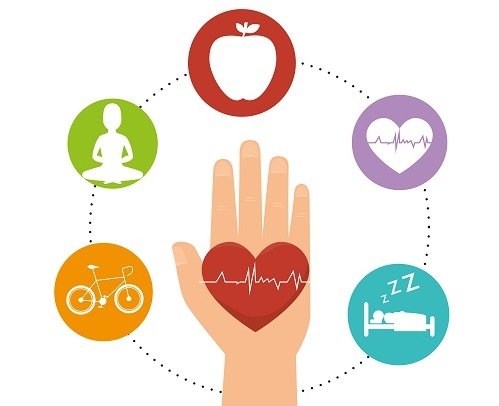
4. Prevention and Management of Chronic Diseases: Education empowers women to adopt healthy lifestyles, including balanced nutrition, regular exercise, and stress management techniques, reducing the risk of chronic diseases like cardiovascular disease, diabetes, and certain cancers. This aligns with the Health Belief Model by enhancing perceived benefits of healthy behaviors while simultaneously reducing perceived barriers to adopting these behaviors. Furthermore, the acquired knowledge fosters self-efficacy, which is crucial for sustaining long-term lifestyle changes.
5. Early Detection and Management of Diseases: Education plays a pivotal role in promoting regular health check-ups and early detection of diseases like breast and cervical cancer. This proactive approach improves chances of successful treatment and enhances survival rates. By increasing awareness of the importance of screening and early detection, education tackles both perceived susceptibility and benefits within the Health Belief Model. The improved ability to navigate the healthcare system, fostered through education, further reinforces self-efficacy in seeking appropriate medical care.
6. Addressing Mental Health and Wellbeing: Education on mental health reduces stigma, encourages help-seeking behaviors, and improves overall mental well-being. This involves understanding the signs and symptoms of various mental health conditions and promoting self-care practices. The effectiveness of this educational intervention aligns with the principles of the Health Belief Model, by clarifying the perceived severity of mental health issues, increasing the perceived benefits of seeking help, and reducing the perceived barriers that may prevent women from accessing support.
7. Breaking Generational Cycles of Poor Health: By empowering women with knowledge and promoting health literacy, education breaks the cycle of poor health that may be passed down through generations. Educated mothers are better equipped to provide a healthy environment for their children and to ensure that their children receive appropriate healthcare. This has long-term positive impacts on societal health indices.
8. Empowerment and Advocacy: Education empowers women to actively participate in healthcare decisions, advocate for their needs, and navigate the healthcare system effectively. This promotes health equity and ensures access to quality care. This is vital in addressing health disparities that disproportionately affect women in certain communities.
Conclusions and Recommendations
Education is undeniably a cornerstone in empowering women's health. By applying theoretical frameworks like the Health Belief Model and Social Cognitive Theory, we can understand the mechanisms through which education impacts health behaviors and outcomes. Investment in comprehensive health education programs tailored to the specific needs and contexts of diverse women's populations is paramount. These programs should incorporate culturally appropriate messaging, address specific health concerns prevalent in target communities, and build capacity for community-based health promotion initiatives. Further research should focus on evaluating the long-term effectiveness of various educational interventions, identifying cost-effective strategies, and developing innovative approaches to overcome barriers to accessing and utilizing health information. The ultimate goal is to create healthier communities and a more equitable society where women have the agency and resources to thrive.
Reader Pool: How can we best utilize technology and digital platforms to enhance the reach and impact of women's health education programs, considering factors such as digital literacy and access to technology?


No comments yet. Be the first to share your thoughts!