

Understanding and Managing Endometriosis: A Comprehensive Guide for Women's Health
Endometriosis, a prevalent gynecological condition affecting millions globally, occurs when uterine lining tissue grows outside the uterus. This often leads to significant pain and discomfort. This comprehensive guide explores preventative measures and effective management strategies for endometriosis, empowering women to take control of their health.
Proactive Steps Towards Prevention and Management:
1. Knowledge is Power: Understanding Endometriosis: Gaining a thorough understanding of endometriosis – its causes, symptoms, and potential long-term effects – is the crucial first step. This empowers you to make informed decisions about your health and seek timely medical attention.
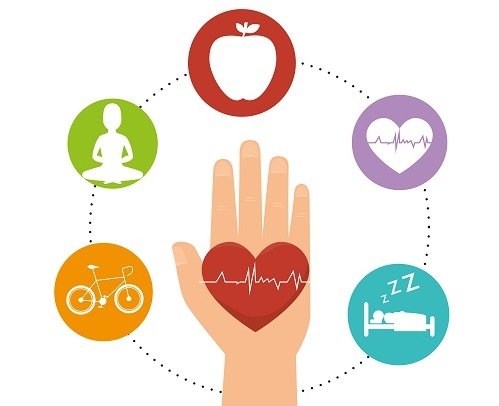
2. Cultivating a Healthy Lifestyle: A holistic approach to wellness plays a vital role. Regular physical activity, combined with a balanced, nutritious diet rich in fruits, vegetables, and whole grains, can significantly reduce inflammation and help manage symptoms. Prioritizing sleep and minimizing processed foods, excessive caffeine, and alcohol are also beneficial.
3. Stress Management Techniques: Stress exacerbates endometriosis symptoms. Implementing effective stress-reduction techniques, such as yoga, meditation, deep breathing exercises, or engaging in hobbies you enjoy, can greatly improve your overall well-being and help manage pain.
4. Hormonal Birth Control Options: For some women, hormonal birth control methods, such as birth control pills or IUDs, can effectively regulate menstrual cycles and reduce the growth of endometrial tissue. Consult your doctor to determine the best option for your individual needs.
5. Effective Pain Management Strategies: Over-the-counter pain relievers like ibuprofen can provide temporary relief from pain. However, for persistent or severe pain, consult your doctor to explore more effective options, such as prescription medication or other pain management strategies.
6. Harnessing the Power of Heat Therapy: Applying a heating pad or warm compress to your lower abdomen can provide soothing relief from menstrual cramps and reduce overall pain. This simple method can offer comfort and alleviate discomfort.
7. The Importance of Support Networks: Connecting with other women who have endometriosis can provide invaluable emotional support and shared experiences. Support groups offer a safe space to discuss challenges, share coping mechanisms, and build a strong sense of community.
8. Surgical Interventions: In severe cases, surgical procedures may be necessary to remove endometrial tissue and alleviate symptoms. Your healthcare provider will carefully assess your individual situation and recommend the most appropriate surgical approach, if needed.
9. Exploring Alternative Therapies: While conventional medicine is essential, some women find complementary therapies beneficial. Acupuncture, herbal remedies, and dietary modifications may offer additional relief, but always consult your doctor before trying alternative treatments to ensure their safety and effectiveness.
10. Fertility Considerations and Planning: Endometriosis can affect fertility. If you're planning to have children, open communication with your healthcare provider is crucial to discuss potential impacts and explore fertility preservation options or treatments.
11. Regular Gynecological Check-Ups: Routine visits to your gynecologist enable early detection of any changes or complications. Regular monitoring allows for timely intervention and personalized management strategies.
12. Listening to Your Body: Pay close attention to your body's signals. Don't hesitate to communicate any concerns or changes in symptoms to your healthcare provider. Open communication is vital for effective management.
13. Maintaining a Positive Mindset: Living with endometriosis can be challenging, but fostering a positive attitude and self-care practices significantly contributes to your overall well-being and resilience.
14. Seeking Professional Guidance: Don't hesitate to seek professional medical advice if your symptoms worsen or become unmanageable. Your healthcare provider can offer personalized guidance, treatment options, and ongoing support.
15. Raising Awareness and Building Community: Sharing your personal experience with endometriosis helps raise awareness and creates a supportive community. By openly discussing this condition, we can empower others and advocate for better healthcare options.
Conclusion: A Collaborative Approach to Wellness
Effectively preventing and managing endometriosis requires a holistic approach combining self-care, medical interventions, and strong support from healthcare professionals. Remember, proactive steps, open communication, and a positive mindset can significantly improve your quality of life. Take control of your health, prioritize your well-being, and don't let endometriosis define you.
Share Your Story: We encourage you to share your experiences and insights in the comments below. Let's build a supportive community where women can connect, learn from each other, and empower one another on their journey toward better health.



No comments yet. Be the first to share your thoughts!