

The Significance of Marian Dogmas in Catholic Theology
Introduction: The Virgin Mary occupies a central position within Catholic theology and spirituality. This article examines the significance of Marian dogmas – formally defined doctrines concerning Mary – exploring their scriptural foundations, historical development, and theological implications. Key concepts such as dogma, ecclesiology (the study of the Church), and Christology (the study of Christ) will be central to this analysis. A dogma, in Catholic theology, is a revealed truth solemnly defined by the Magisterium (the teaching authority of the Church) as binding on the faithful. Understanding these dogmas sheds light on the Catholic understanding of salvation, the nature of God, and the role of the Church in mediating divine grace.
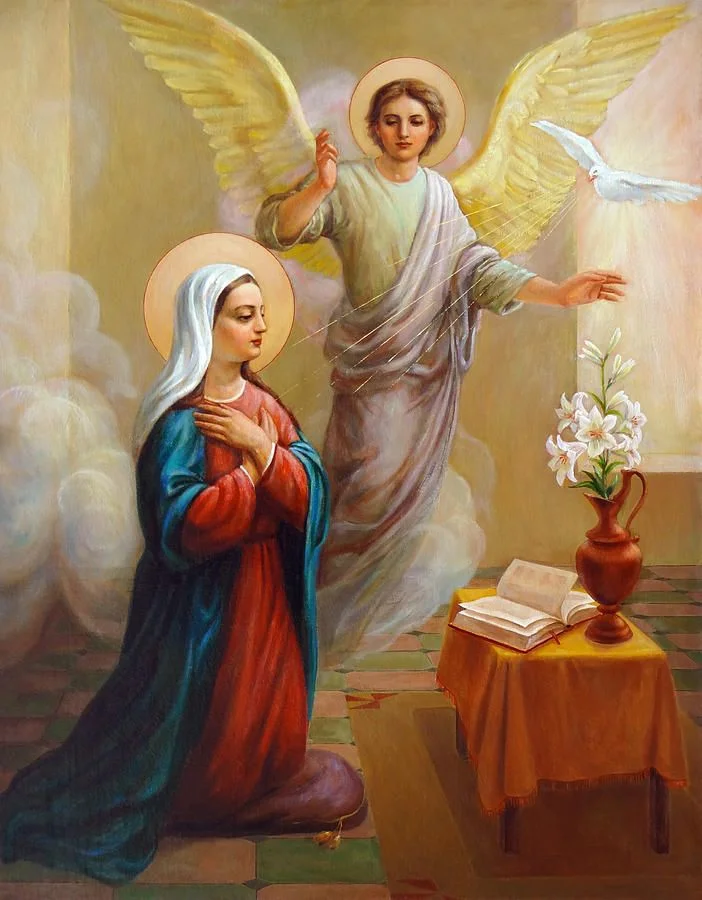
1. The Dogma of the Immaculate Conception: This dogma proclaims that Mary was conceived without original sin, a state of grace attributed solely to her from the first moment of her existence. This pre-emptive grace, according to theologians, prepared Mary to be the worthy Mother of God, free from any taint of human imperfection that would compromise her role in the incarnation. Applying the concept of prevenient grace from Augustinian theology, one can understand that this grace predates any merit on Mary's part, demonstrating God's initiative in salvation. The Immaculate Conception, therefore, signifies not just Mary's personal holiness but also God's proactive plan for redemption, starting with the very beginning of humanity's chosen vessel.
2. The Dogma of Perpetual Virginity: This dogma asserts Mary's virginity before, during, and after the birth of Jesus. It underscores her unique role as Theotokos (God-bearer) and highlights the miraculous nature of Jesus' conception. The concept of perpetual virginity is important in upholding the uniqueness of Jesus' birth, reinforcing his divine nature. Applying the theological principle of the hypostatic union (the unity of divine and human natures in Christ), perpetual virginity preserves the unblemished character of Christ's conception and birth, shielding it from any potential human interference.
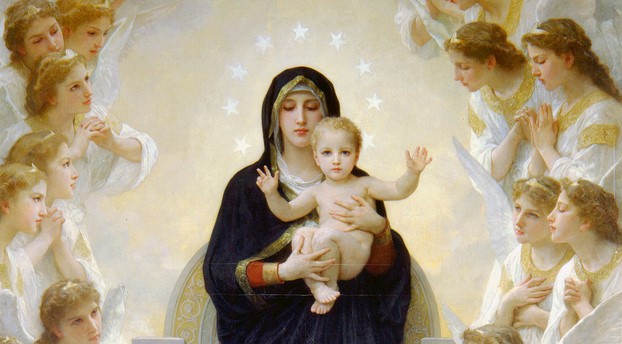
3. The Dogma of the Assumption: This dogma states that Mary, at the end of her earthly life, was taken body and soul into heaven. This event, understood within the framework of eschatology (the study of the end times), symbolizes the ultimate triumph over death and sin, foreshadowing the general resurrection. The Assumption highlights Mary's close relationship with Christ, and her complete victory over sin and death as a result of this union. Employing the soteriological concept (the study of salvation) of anticipation, the Assumption anticipates the hope of bodily resurrection for all believers, further strengthening the belief in the resurrection of the dead.
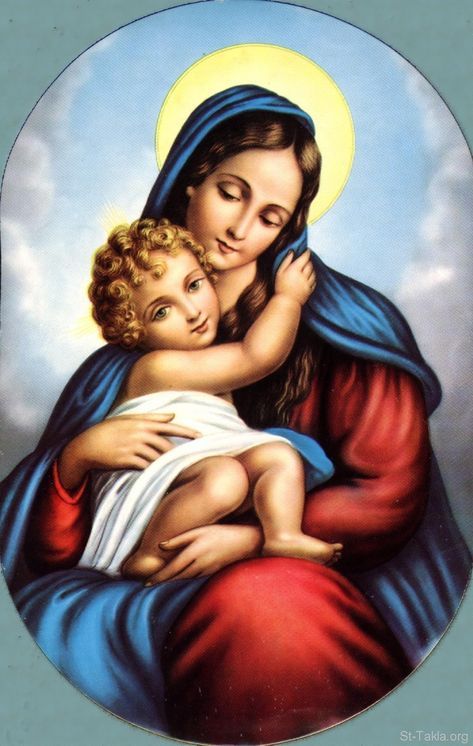
4. The Title "Mother of God" (Theotokos): This title, formally defined at the Council of Ephesus in 431 AD, emphasizes the full divinity of Jesus Christ and its implication for Mary's status. The title is not merely honorific but a theological affirmation of the hypostatic union, asserting the oneness of Christ's person with his two natures, fully divine and fully human. Acceptance of this concept affirms the belief that Jesus, God incarnate, was truly born of Mary, and therefore Mary is rightfully called the Mother of God.
5. Marian Dogmas and Devotion: Marian dogmas are deeply intertwined with Catholic devotion to Mary. This devotion is not mere veneration but an expression of faith and trust in Mary's intercession. Understanding the Marian dogmas provides a theological framework for this devotion, making it more than simply sentimentality or superstition. Applying the concept of sacramental theology, one could suggest that Mary, as a human being who cooperated fully with God's plan, serves as a powerful intercessor who can help us in our spiritual journey towards God.
Conclusion and Recommendations: The Marian dogmas are not peripheral aspects of Catholic theology but integral components. They provide a rich tapestry of beliefs illuminating the mysteries of faith concerning Christ's incarnation, salvation, and the hope of eternal life. Further research could explore comparative theological studies investigating the role of Marian beliefs in other Christian denominations and religions. Analysis of Marian iconography, hymns, and liturgical practices would offer a deeper understanding of the impact of these dogmas on the cultural and spiritual landscape of Catholicism. Understanding the role of Marian dogmas is crucial for comprehensive theological reflection. Their impact extends beyond intellectual discourse, shaping personal piety and shaping cultural expression within the Catholic tradition. They continue to serve as sources of inspiration, guidance, and hope for millions of believers.
Reader Pool: How might a deeper understanding of the historical and theological development of Marian dogmas enhance or challenge the faith experiences of contemporary Catholics?
No comments yet. Be the first to share your thoughts!