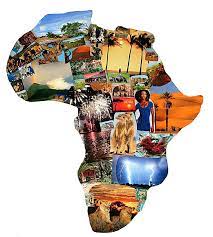
Empowering African Women in STEM: Driving Technological Independence
Updated at: 2023-08-06 15:47:17 (2 years ago by Melkisedeck Leon Shine)
ππ©βπ¬Empowering African Women in STEM: Driving Technological Independenceππ©βπ¬
Africa, our beloved continent, is on the cusp of a transformative era. As we strive for progress and development, it is imperative that we harness the power of science, technology, engineering, and mathematics (STEM) to drive our own future. In this pursuit, the empowerment of African women in STEM is not just a necessity but a crucial step towards achieving technological independence. Let us come together, my fellow Africans, and embrace this mission with unwavering determination.πͺ
1οΈβ£ As we embark on this journey, we must recognize the unique challenges that our African women face in pursuing careers in STEM. Cultural biases, societal expectations, and limited access to education are just a few of the hurdles they encounter. However, we must also celebrate the immense potential and resilience that lies within our women. The determination and knowledge they possess can push our continent forward.π
2οΈβ£ To build independent and self-reliant African communities, we must prioritize education and create opportunities for our women to thrive in STEM fields. Investing in scholarships, mentorship programs, and workshops will equip them with the tools they need to excel. By promoting inclusivity and breaking down barriers, we will harness the untapped potential of countless African women.π
3οΈβ£ Let us draw inspiration from other parts of the world where empowering women in STEM has yielded remarkable results. Look at the strides made by countries like Rwanda, which have actively involved women in their technological revolution. By actively involving women in decision-making processes, Rwanda has seen an increase in economic growth, innovation, and social progress. Let us learn from their triumphs and adapt their strategies to our unique African context.π‘
4οΈβ£ Our history is a testament to the resilience and brilliance of African women. As the great Winnie Mandela once said, "Freedom cannot be achieved unless women have been emancipated from all forms of oppression." When we empower our women, we empower our entire continent. From Queen Nzinga of Angola to Wangari Maathai of Kenya, African women have always been at the forefront of change. It is time to embrace their legacy and build upon it for a brighter future.β¨
5οΈβ£ Picture a world where African women lead the way in technological advancements, where they are not just consumers but creators. Imagine the impact they can have on healthcare, agriculture, and renewable energy. By empowering our women in STEM, we can revolutionize our societies, eradicate poverty, and ensure a prosperous future for generations to come.π±
6οΈβ£ My dear fellow Africans, let us ask ourselves: What can we do to support the empowerment of African women in STEM? How can we create an environment that nurtures their talents and encourages their participation? Let us share this article far and wide, sparking conversations and igniting the flames of change. Together, we can build a united Africa that excels in science and technology, driving our own destiny.π«
7οΈβ£ So, my fellow Africans, let us rise together and empower our women in STEM. Let us build a future where their brilliance can shine, where they can make their mark on the world. The time for change is now. Let us be the agents of that change. Together, we can create an Africa that is independent, self-reliant, and a force to be reckoned with.ππ©βπ¬πͺ
π€ Share this article with your friends and family, and let us start a movement that will shape the future of Africa! Together, we can empower our women and drive technological independence.ππβ¨π«
Updated at: 2025-05-12 06:47:46 (1 year ago by Melkisedeck Leon Shine)
Africa's pursuit of economic self-reliance necessitates a comprehensive reassessment of its mining sector. Sustainable mining transcends mere environmental compliance; it is foundational to building a truly independent and prosperous continent. This requires a strategic balancing act between economic growth and the preservation of invaluable natural resources for present and future generations, necessitating a multifaceted approach incorporating responsible resource extraction, technological innovation, and community empowerment. This approach will be analyzed through the lens of several key concepts: the Resource Curse theory, the Porter's Diamond model of national competitive advantage, the concept of corporate social responsibility (CSR), and the principles of sustainable development.
1. Optimizing Resource Extraction and Environmental Stewardship: Sustainable mining hinges on minimizing environmental damage through the application of advanced waste management systems, comprehensive land reclamation strategies, and stringent adherence to environmental regulations. Implementing the precautionary principle, mitigating environmental impacts is paramount, safeguarding biodiversity and protecting fragile ecosystems. This commitment showcases responsible stewardship of Africaβs natural heritage, minimizing the negative externalities often associated with extractive industries, as predicted by the Resource Curse theory which posits that abundant natural resources can hinder economic development if not managed effectively.
2. Transitioning to Renewable Energy Sources: The adoption of renewable energy solutions is pivotal for environmentally conscious mining operations. Investing in solar, wind, and hydropower significantly reduces reliance on fossil fuels, lowering carbon emissions and promoting a cleaner energy future. This transition not only addresses environmental concerns but also enhances energy security and potentially reduces operational costs over the long term. This strategically positions Africa as a leader in sustainable resource management, leveraging renewable energy sources for a competitive advantage as suggested by Porter's Diamond model, focusing on factors such as infrastructure and innovation.
3. Fostering Local Community Development and Empowerment: Sustainable mining serves as a catalyst for economic empowerment within local communities. Strategic investments in skills development programs and job creation directly benefit those most affected by mining activities. Prioritizing local employment fosters a sense of ownership and responsibility, improving community engagement and mitigating social conflicts often linked to extractive industries. This human-centered approach, aligned with CSR principles, is crucial for creating an inclusive and sustainable mining sector, thereby reducing the risk of the Resource Curse. The creation of local value chains is a critical component of this strategy.
4. Promoting Fair Trade and Economic Justice: Achieving economic independence and equitable development requires securing fair prices for African mineral resources. Negotiating favorable trade agreements that accurately reflect the value of these resources is crucial. This ensures that mining revenue directly benefits African communities, fostering sustainable economic growth. Transparency and accountability in trade practices are crucial for building trust and promoting mutually beneficial partnerships, reducing the potential for corruption and exploitation. This approach directly addresses some of the challenges highlighted by the Resource Curse theory.
5. Leveraging Global Collaboration and Technological Innovation: Progress in sustainable mining necessitates learning from global best practices and integrating innovative technologies. International collaboration facilitates access to expertise and cutting-edge solutions, accelerating the transition to environmentally responsible mining practices. This fosters a shared learning environment, enabling Africa to become a global leader in sustainable resource management, enhancing its position within the global value chain. The adoption of circular economy principles further strengthens this strategy, promoting resource efficiency and waste reduction.
Conclusions and Recommendations: The successful implementation of sustainable mining practices in Africa requires a holistic approach encompassing environmental, economic, and social dimensions. By integrating sustainable development principles, minimizing the negative impacts of the Resource Curse, and leveraging the competitive advantages identified by Porter's Diamond model, Africa can transform its mining sector into a driver of genuine progress and self-reliance. This requires collaborative efforts among governments, mining companies, local communities, and international partners, emphasizing transparency and accountability throughout the mining lifecycle. Further research should focus on developing tailored strategies for specific African contexts, considering geological, social, and political factors. The development of robust regulatory frameworks, coupled with capacity-building initiatives, will be essential for effective implementation. A strong emphasis on technology transfer and the adoption of innovative solutions, such as circular economy principles, will contribute to long-term sustainability and economic competitiveness. The ultimate goal is to create a legacy of responsible resource management, ensuring both economic prosperity and environmental stewardship for generations to come.
Reader Pool: What are the most significant challenges and opportunities in implementing sustainable mining practices in a specific African country, and how can these be addressed through collaborative governance and innovative financing mechanisms?
Updated at: 2025-06-19 16:01:10 (11 months ago by Melkisedeck Leon Shine)
The agricultural sector in Africa holds immense potential for socioeconomic advancement and food sovereignty. This potential is achievable through a strategic synthesis of indigenous farming knowledge and modern agricultural techniques, facilitated by collaborative efforts. This requires a paradigm shift towards sustainable agriculture, informed policy, and technological integration to ensure long-term food security and self-reliance. This article analyzes key strategies for achieving this transformation, framing them within established economic and agricultural development theories.
Effective governance is paramount. Policies must prioritize smallholder farmers, ensuring access to credit, markets, and essential inputs. Investments in rural infrastructure (roads, irrigation, storage) are crucial for efficient market access and reduced post-harvest losses. Fair trade policies and incentives for sustainable practices level the playing field. This aligns with the principles of developmental state theory, emphasizing the government's role in fostering economic growth through targeted interventions in strategic sectors. The implementation of such policies should draw upon best practices in agricultural policy design, learning from successful case studies globally.
Human capital development is essential for unlocking agricultural potential. Comprehensive agricultural education and training programs must incorporate modern techniques like precision agriculture, data analytics, and ICT applications. Effective extension services are vital (Rogers' Diffusion of Innovations theory), bridging the knowledge gap between research and practice. Empowered farmers adapt more effectively to climate change and market dynamics, resulting in improved livelihoods and increased resilience. This investment in human resources contributes directly to the sector's growth and stability.
Technology modernization is crucial for enhancing efficiency and competitiveness. Precision agriculture, utilizing Geographic Information Systems (GIS) and remote sensing, allows for site-specific crop management, optimizing resource use and maximizing yields. Mobile applications and other ICTs improve access to real-time market information, connecting farmers directly to buyers. This aligns with the principles of technological diffusion and the productivity paradox, illustrating how technological advancements, when effectively integrated, can lead to significant gains in efficiency and profitability. The goal is to bridge the digital divide and foster technological literacy among farmers.
Collective action through cooperatives and farmer organizations is vital for improving bargaining power, market access, and reducing transaction costs. This is based on social capital theory, highlighting the importance of trust, reciprocity, and social networks for collaboration. Cooperatives enable resource pooling, knowledge sharing, and better price negotiation, leading to improved economic outcomes and resilience against market volatility. Strong farmer organizations facilitate advocacy for favorable policies and increased participation in decision-making processes.
A transition to sustainable agricultural practices is fundamental. This involves adopting ecologically sound methods, such as agro-ecological principles (biodiversity, integrated pest management, reduced synthetic inputs), aligning with ecological modernization theoryβbalancing economic growth with environmental protection. Efficient water management (rainwater harvesting, drip irrigation) mitigates climate change impacts and ensures year-round production. These practices enhance agricultural system resilience, boosting productivity and reducing vulnerability to external shocks.
Climate change significantly threatens African agriculture. Climate-smart agriculture practices, including crop diversification, drought-resistant varieties, and integrated soil fertility management, build resilience against climate variability. Diversification reduces reliance on single crops, mitigating risks from climate shocks and price fluctuations (risk management and portfolio theory). Climate-smart agriculture ensures long-term productivity and food security even under challenging environmental conditions.
Preserving and utilizing indigenous seed varieties is crucial for maintaining biodiversity and adapting to changing environments. These seeds possess valuable genetic traits enhancing resilience to local pests, diseases, and climate conditions. This aligns with principles of agricultural biodiversity conservation, ensuring the long-term sustainability of agricultural systems. Integrating these varieties preserves agricultural heritage and enhances food security in the face of environmental challenges.
Learning from successful agricultural initiatives globally can accelerate progress in Africa. Adopting best practices, tailored to the specific context of African farming systems, significantly improves productivity and efficiency. This draws upon knowledge transfer and technology diffusion theories, recognizing the value of learning from successful experiences elsewhere. Adapting and implementing proven strategies, combined with local expertise, leads to sustainable and impactful transformation.
Reader Pool: Considering the complexities of implementing sustainable agricultural practices across diverse African contexts, what innovative financing mechanisms could effectively mobilize resources and incentivize participation from all stakeholders?
Updated at: 2023-08-06 16:51:02 (2 years ago by Melkisedeck Leon Shine)
π Strategies for Diversifying African Economies: Reducing Dependency π±
As an African, I am deeply committed to the development and progress of our beautiful continent. It is our responsibility to create a brighter future for ourselves and generations to come. To achieve this, we must focus on building independent and self-reliant economies that are impervious to external shocks. Let us embark on a journey together to explore effective strategies for diversifying African economies and reducing dependency. πͺπ
1οΈβ£ Invest in Agriculture πΎ: Agriculture forms the backbone of many African economies. By investing in modern farming techniques, infrastructure, and research, we can significantly increase agricultural productivity. This will not only enhance our food security but also create employment opportunities and boost exports. Let's make our land fertile again and take pride in feeding our nation. π½π
2οΈβ£ Encourage Entrepreneurship π: Africa is a continent brimming with talent and creativity. By fostering a supportive environment for entrepreneurs, we can unleash the potential of our people. Let's celebrate the spirit of innovation, provide access to capital, and promote favorable business policies. By doing so, we can create a vibrant private sector that drives economic growth and reduces dependency on foreign aid. πΌπ
3οΈβ£ Develop Infrastructure ποΈ: Adequate infrastructure is the backbone of any thriving economy. Let's invest in roads, railways, and ports to facilitate the movement of goods and services. By improving our infrastructure, we can attract foreign investors, promote trade, and create jobs. Remember, African unity and collaboration are the keys to building a bright future for our continent. π’π€οΈ
4οΈβ£ Harness Natural Resources π: Africa is blessed with an abundance of natural resources, ranging from minerals to oil and gas reserves. Let's ensure that these resources are responsibly managed and their benefits are channeled towards the development of our own economies. Through transparent governance and strategic partnerships, we can ensure that our resources contribute to the overall well-being of our people. πβ½
5οΈβ£ Invest in Education π: Education is the key to unlocking Africa's potential. By investing in quality education, we empower our youth with the skills and knowledge needed to succeed in a rapidly changing world. Let's prioritize education at all levels, from primary to tertiary, and equip our youth with the tools to drive innovation and entrepreneurship. Together, we can build a knowledge-based economy. ππ‘
6οΈβ£ Promote Intra-African Trade ππ€: We must break down the barriers that restrict trade within our own continent. By promoting intra-African trade, we can create larger markets for our goods and services, stimulate industrialization, and reduce our reliance on imports. Let's embrace the African Continental Free Trade Area (AfCFTA) and unlock the immense potential of our own markets. It's time to trade with our brothers and sisters across the continent. π€π
Nelson Mandela once said, "It always seems impossible until it's done." Let these words inspire us to overcome the challenges we face in diversifying our economies. Together, we can build a prosperous Africa that is independent and self-reliant. Let's work hand in hand, shoulder to shoulder, towards a brighter future for our beloved continent. ππͺ
What are your thoughts on these strategies? How do you think we can further promote African unity and self-reliance? Share your ideas and let's continue this conversation. Together, let's create a movement that transforms Africa into a beacon of hope and prosperity. Share this article with your fellow Africans and let's inspire change together. ππ€π‘β¨
Updated at: 2025-05-27 10:44:38 (1 year ago by Melkisedeck Leon Shine)
This article examines strategies for revitalizing and globally disseminating Indigenous African Knowledge Systems (IAKS). We define IAKS as the accumulated traditional knowledge, practices, beliefs, and values held by indigenous African communities, encompassing diverse fields such as agriculture, medicine, governance, and the arts. Often transmitted orally, this knowledge represents a rich tapestry of human experience with immense potential for sustainable development and global understanding. The proposed strategies are grounded in cultural preservation theory, knowledge management principles, and development studies, emphasizing practical application and measurable outcomes. Key concepts include constructivist learning theory (emphasizing active learning and knowledge construction), transformative learning theory (focusing on critical reflection and personal transformation), community-based participatory research (prioritizing community involvement in research), network theory (analyzing interconnectedness and collaboration within a system), social entrepreneurship (combining social impact with business models), and the principles of sustainable development (integrating economic, social, and environmental considerations).
1. Community-Based Action and Advocacy: Effective IAKS revitalization necessitates community empowerment. Employing community-based participatory research methods, communities actively lead initiatives, driving strategy implementation. This involves organizing cultural events, advocacy, and raising IAKS awareness, aligning with social justice and community empowerment principles to facilitate self-determined cultural preservation.
2. Integration of IAKS into Sustainable Development Strategies: IAKS offers potent solutions to contemporary sustainable development challenges. Integrating traditional knowledge into national development plans, researching the efficacy of indigenous practices, and developing policies supporting IAKS integration into mainstream development initiatives are crucial. This aligns with integrated development, recognizing the interconnectedness of social, economic, and environmental dimensions of sustainability. This approach is consistent with the sustainable development goals, particularly those related to poverty eradication, food security, health, and environmental protection.
3. Comparative Analysis and Cross-Cultural Learning: While prioritizing IAKS promotion, cross-cultural dialogue and comparative analysis are equally vital. Learning from successful strategies in regions with similar challenges and cultural contexts can enrich IAKS promotion and revitalization efforts. Collaborative research and knowledge exchange between African and other indigenous communities globally enhance creativity and resilience in cultural preservation.
4. Curriculum Integration and Pedagogical Innovation: Revitalizing IAKS necessitates a paradigm shift in education. Constructivist learning principles mandate active IAKS integration across disciplines, fostering critical engagement with indigenous epistemologies and worldviews. Transformative learning empowers younger generations to reinterpret and apply IAKS in contemporary contexts. Culturally relevant pedagogy, using storytelling and participatory learning, enhances understanding and appreciation of heritage.
5. Language Revitalization and Linguistic Diversity: Preserving and promoting African languages is vital for IAKS survival. Linguistic revitalization frameworks promote multilingualism, supporting language education and usage in all public spheres. This upholds linguistic human rights, recognizing the link between language and cultural identity. Investing in language documentation and resource development ensures these linguistic assets' long-term viability.
6. Establishment of Cultural Centers as Knowledge Hubs: Strategically located cultural centers are crucial for knowledge dissemination and exchange. These should be dynamic hubs promoting research, education, and cultural exchange, incorporating community-based development principles. Collaboration between researchers, community members, and policymakers allows these centers to contribute to IAKS revitalization and application in addressing contemporary challenges. This model mirrors successful community museums and cultural centers worldwide that leverage local knowledge and resources.
7. Economic Empowerment through Cultural Entrepreneurship: Supporting indigenous artists and artisans is essential for economic development. Applying social entrepreneurship and community development principles, this focuses on creating sustainable livelihoods. Facilitating market access, business development training, and promoting ethical and sustainable tourism benefits local communities. This strategy aligns with fair trade principles and models of community-based tourism that have proven successful in other parts of the world.
8. Pan-African Collaboration and Knowledge Sharing: IAKS's strength lies in its diversity. Network theory highlights the importance of fostering continent-wide collaboration and knowledge sharing. This involves establishing platforms for cross-cultural dialogue, exchanging best practices, and supporting collaborative research projects. This pan-African approach leverages collective wisdom and innovation for sustainable development, creating a powerful synergy.
9. Digital Archiving and Knowledge Management: Preserving oral traditions requires a multifaceted approach informed by knowledge management and digital preservation principles. Digital technologies meticulously record, archive, and disseminate oral histories and intangible cultural heritage. A community-based participatory approach ensures cultural sensitivity. Open-access digital repositories, using robust metadata standards and best digital preservation practices, facilitate wider access and utilization.
10. Strategic Use of Digital Platforms for Knowledge Dissemination: Digital technologies offer unprecedented opportunities for globally promoting and disseminating IAKS. Digital marketing and social media strategies effectively communicate IAKS to global audiences. Creating engaging digital content (videos, podcasts, interactive platforms) enhances awareness and appreciation for African cultures. A multi-platform approach maximizes reach and engagement. This is crucial for reaching younger generations and international audiences, bridging the gap between traditional knowledge and contemporary digital communication.
Revitalizing and globally disseminating IAKS presents a significant opportunity for Africa to reclaim its cultural heritage, foster sustainable development, and contribute to global knowledge. The proposed strategies, grounded in theoretical frameworks and practical applications, provide a pathway. Further research should rigorously evaluate each strategy's efficacy, focusing on measurable outcomes and adaptive capacity. Continuous evaluation and collaborative efforts are essential for long-term sustainability. Community participation, interdisciplinary collaboration, and strategic digital technology use are crucial for impactful and sustainable IAKS promotion and preservation. The success of this endeavor depends on the commitment of African communities, policymakers, researchers, and global partners. A crucial aspect for future research is the development of comprehensive evaluation metrics to measure the impact of each strategy and to adapt them based on the specific contexts in different African communities.
Reader Pool: What are the potential challenges and limitations of implementing these strategies for IAKS revitalization in diverse African contexts, and how might these challenges be addressed?
Updated at: 2023-08-06 16:07:11 (2 years ago by Melkisedeck Leon Shine)
π Promoting African Cross-Border Collaborations: Building Independent Alliances π€
Greetings, my fellow Africans! Today, I am here to share with you the importance of promoting African cross-border collaborations and the strategies we can employ to build independent alliances. Let us embark on this journey together, as we strive towards the self-reliance and unity of our beloved continent. ππ€πͺ
1οΈβ£ The Power of Unity: As Africans, we must recognize that our strength lies in our unity. Just like the beautiful colors of the rainbow, each country in Africa has its unique contributions to offer. By coming together and collaborating across borders, we can combine our strengths to overcome challenges, foster economic growth, and create a better future for all. πβ¨π
2οΈβ£ Embracing African Leadership: We must take charge of our own destiny, just as our historical leaders have taught us. Nelson Mandela once said, "It is in your hands to create a better world for all who live in it." Let us follow in his footsteps and work towards building independent alliances that are guided by African principles and morals. ππΏπ¦πͺ
3οΈβ£ Learning from Global Experiences: While we draw inspiration from our own history, it is also essential to learn from the experiences of other regions in the world. Take a look at the European Union, for example. Despite their differences, European countries have come together to create a strong alliance that promotes economic growth and ensures peace and stability. We, too, can apply these lessons and build our own independent alliances. ππ€π
4οΈβ£ Harnessing Economic Opportunities: Africa is rich in natural resources, talent, and potential. By collaborating across borders, we can unlock the full potential of our continent. Imagine the impact we could have if we joined forces in sectors like agriculture, technology, renewable energy, and tourism. Together, we can create thriving economies that benefit all Africans. π°ππ‘
5οΈβ£ Encouraging Innovation and Entrepreneurship: Our young entrepreneurs are the future leaders of Africa. By fostering an environment that encourages innovation and supports entrepreneurship, we can create a generation of confident and self-reliant individuals. Let us provide them with the tools, resources, and mentorship they need to succeed. Together, we can shape the future of Africa. π©βπΌπ¨βπΌπΌ
6οΈβ£ Investing in Education: Nelson Mandela once said, "Education is the most powerful weapon which you can use to change the world." By investing in education, we empower our youth with knowledge and skills that will drive Africa's growth and development. Let us prioritize education and ensure that every African child has access to quality education, regardless of their background. πππ
7οΈβ£ Building Infrastructure: Infrastructure development is crucial for enabling cross-border collaborations. Better transportation networks, communication systems, and energy infrastructure will facilitate the movement of goods, services, and ideas across borders. Let us work together to prioritize infrastructure investments and create a seamless connection between African nations. ππποΈ
8οΈβ£ Strengthening Cultural Exchange: Our diversity is our strength. By celebrating and embracing our diverse cultures, we foster understanding, tolerance, and unity. Let us promote cultural exchange programs that bring people from different African countries together, encouraging the sharing of traditions, languages, and experiences. Together, we can create a harmonious African community. πππ€
My fellow Africans, let us embark on this journey of building independent alliances with a strong intention and determination. The future of Africa lies in our hands, and it is up to us to shape it. ππͺ
I encourage you to share this article with your friends, family, and fellow Africans. Let us inspire and motivate one another to promote African unity and build a self-reliant continent. Together, we can achieve greatness. π€ππ«
Remember, "In unity, we find strength." ππͺ
What strategies do you think are essential for building independent alliances in Africa? Share your thoughts and let's continue this conversation. π£οΈππ
Updated at: 2025-05-28 10:53:35 (1 year ago by Melkisedeck Leon Shine)
Africa's pursuit of economic development presents a significant challenge: harnessing abundant natural resources while preserving biodiversity and ensuring environmental sustainability. This necessitates a transition to sustainable development, defined as meeting current needs without jeopardizing future generations' ability to meet theirs. This framework for achieving this balance integrates economic growth with environmental stewardship, utilizing principles of ecological economics, sustainable resource management, and community-based conservation. We will explore key concepts such as ecological economics (which emphasizes the interdependence of ecological and economic systems), sustainable resource management (the efficient and responsible use of resources), and community-based conservation (conservation efforts driven by and benefiting local communities).
1. Robust Environmental Regulations and Enforcement: Promoting Compliance and Accountability: Stringent environmental regulations are crucial for sustainable business practices. Effective enforcement, including monitoring and penalties for non-compliance, prevents environmental degradation. Strong environmental governance, underpinned by transparent and accountable institutions, protects natural resources and fosters sustainable development, aligning with principles of environmental justice ensuring equitable distribution of environmental benefits and burdens. This can be illustrated by the implementation of a robust permitting and monitoring system for mining operations, coupled with severe penalties for violations, which would incentivize companies to adopt environmentally sound practices.
2. Strategic Partnerships and Collaborative Governance: Pooling Resources and Expertise: Addressing conservation and development challenges demands collaborative governance involving governments, international organizations, the private sector, and local communities. Strong institutional frameworks and collaborative platforms, guided by transparency and accountability, are essential. Successful examples include transboundary conservation initiatives, where nations cooperate to protect shared ecosystems, leveraging pooled resources and expertise. The establishment of a multi-stakeholder platform for sustainable forestry management, bringing together government agencies, logging companies, and local communities, exemplifies this collaborative approach.
3. Investing in Human Capital: Building Capacity for Sustainable Resource Management: Empowering local communities through education and skills development is crucial for sustainable resource management. Investing in environmental science, sustainable agriculture, and ecotourism education equips individuals to actively participate in conservation and benefit from economic opportunities. This aligns with human capital theory, which emphasizes the role of education and skills in economic growth and development. A successful example would be the implementation of vocational training programs focused on sustainable agricultural practices in rural communities, increasing farmers' productivity and income while promoting environmental stewardship.
4. Sustainable Development Strategies: A Multifaceted Approach: A holistic sustainable development framework is paramount. This requires integrating environmental considerations into all economic planning and resource management. Ecological economics emphasizes integrating environmental and economic goals by internalizing environmental externalities β costs associated with resource depletion and pollution β into market prices. This can be achieved through mechanisms like carbon pricing and extended producer responsibility schemes. A carbon tax, for example, incentivizes cleaner energy sources, fostering economic growth in the renewable energy sector while protecting the environment.
5. Renewable Energy Transition: Diversifying Energy Sources and Fostering Economic Growth: Investing heavily in renewable energy technologies (solar, wind, geothermal) is vital. This reduces reliance on fossil fuels and creates new economic opportunities in the renewable energy sector, fostering job creation and technological advancement. This transition aligns with circular economy principles, minimizing waste and maximizing resource utilization. An example is integrating solar farms with agricultural practices, creating synergistic benefits for energy production and food security.
6. Responsible Resource Extraction: Mitigating Environmental and Social Impacts: Mining and extractive industries are essential for economic development, but their environmental and social impacts necessitate stringent regulations. The precautionary principle demands proactive measures to prevent environmental damage, even with incomplete scientific certainty. This includes robust environmental impact assessments, strict pollution control standards, and community consultation and benefit-sharing agreements. Implementing best practices in mine closure and remediation minimizes long-term environmental liabilities.
7. Protected Areas and Ecotourism: Conserving Biodiversity and Generating Economic Benefits: Establishing and effectively managing protected areas is crucial for biodiversity conservation. These areas can drive sustainable tourism, generating income for local communities while promoting environmental awareness. Eco-tourism initiatives must prioritize community involvement, ensuring equitable distribution of tourism benefits and respect for local cultures. This approach reflects community-based conservation principles, recognizing the importance of local participation.
8. Value Addition and Industrialization: Creating Jobs and Increasing Economic Value: Processing and manufacturing raw materials within Africa, rather than exporting them raw, creates more jobs and generates higher economic returns. This requires investment in industrial infrastructure, technological upgrading, and skills development. It aligns with industrial ecology principles, emphasizing the interconnectedness of industrial systems and the environment.
9. Research and Innovation: Driving Sustainable Solutions: Investment in research and development is essential for identifying and implementing innovative solutions for sustainable resource management. This includes research on renewable energy technologies, sustainable agricultural practices, and effective conservation strategies. Scientific knowledge and technological innovation are crucial for adapting to climate change and promoting environmental sustainability.
10. Entrepreneurship and Local Economic Development: Empowering Local Communities: Supporting local entrepreneurs and SMEs in natural resource management sectors promotes economic growth and creates jobs. This involves creating an enabling business environment, providing access to finance, and offering training and technical assistance. This supports inclusive growth, ensuring wide distribution of economic development benefits.
11. Traditional Ecological Knowledge: Integrating Indigenous Wisdom: Indigenous communities possess valuable traditional ecological knowledge (TEK) for sustainable resource management. Integrating TEK with modern scientific approaches leads to more effective and culturally appropriate conservation strategies. This recognizes the importance of indigenous perspectives in decision-making processes.
12. Green Infrastructure Development: Building Sustainable Infrastructure: Investing in green infrastructure (eco-friendly buildings, renewable energy infrastructure, efficient transportation systems) contributes to both economic development and environmental preservation. Green infrastructure projects create jobs, reduce environmental impacts, and improve quality of life.
13. Sustainable Tourism Development: Balancing Economic Benefits with Environmental Protection: Promoting responsible tourism practices that minimize negative impacts on ecosystems and local cultures is crucial. This involves controlling visitor numbers, minimizing pollution, and ensuring tourism revenue benefits local communities. Sustainable tourism contributes significantly to economic development while protecting biodiversity and cultural heritage.
14. Strengthening Environmental Governance: Promoting Transparency and Accountability: Strengthening institutions responsible for environmental management and regulation is essential for effective resource protection. This involves promoting transparency, accountability, and the rule of law in environmental governance. Strong environmental institutions are critical for enforcing regulations and preventing corruption.
15. Community Participation and Shared Ownership: Promoting Stewardship and Sustainability: Involving local communities in natural resource management decision-making ensures their voices are heard and their needs are considered. This promotes shared ownership and stewardship, leading to more effective conservation efforts. Community participation is a cornerstone of successful sustainable development initiatives.
Sustainable development in Africa requires a holistic, integrated approach acknowledging the interconnectedness of environmental and economic systems. A shift away from extractive models towards sustainable pathways prioritizing long-term well-being is necessary. The framework presented, incorporating ecological economics, sustainable resource management, and community-based conservation, offers a roadmap. Future research should focus on evaluating policy interventions, developing innovative financing mechanisms, and strengthening institutional capacity for environmental governance. Successful implementation will safeguard Africaβs natural heritage and unlock its economic potential, creating a prosperous and sustainable future. The impact extends beyond environmental sustainability, influencing economic growth, social equity, and political stability. The frameworkβs applicability extends to other regions facing similar challenges, offering valuable lessons for global sustainable development.
A comprehensive analysis using a mixed-methods approach, combining quantitative data on resource utilization and economic indicators with qualitative data from stakeholder consultations, would provide a more nuanced understanding of the effectiveness of these recommendations. Further research using agent-based modeling could simulate different policy scenarios to predict outcomes and inform decision-making. Capacity building initiatives targeting environmental governance institutions, coupled with rigorous monitoring and evaluation frameworks, are crucial for effective implementation. These recommendations can be adapted to specific contexts by employing participatory action research methods involving local communities to co-create and implement solutions tailored to their unique needs and circumstances.
Reader Pool: Given the multifaceted challenges presented in this article, what innovative policy mechanisms can be implemented to encourage both private sector investment and community participation in sustainable development initiatives across Africa?
Updated at: 2025-06-19 21:50:33 (11 months ago by Melkisedeck Leon Shine)
African Non-Governmental Organizations (NGOs) play a crucial catalytic role in promoting sustainable development and self-reliance across the continent. Their interventions, grounded in principles of Ubuntu β a philosophy emphasizing interconnectedness and collective well-being β empower individuals and communities to shape their own destinies. This empowerment fosters a ripple effect of positive change, strengthening the social fabric and promoting resilient communities. This article will explore the key strategies employed by these organizations, focusing on education, entrepreneurship, collaboration, and the crucial importance of context-specific approaches. The application of relevant theories such as Dependency Theory, Human Capital Theory, and Social Capital Theory will illuminate the impact of these strategies.
Human Capital Development through Education and Skills Enhancement: A cornerstone of sustainable development is investment in human capital. African NGOs prioritize education and skills development, recognizing its transformative power. Consistent with Human Capital Theory, which posits that investment in education and skills directly contributes to increased productivity and economic growth, these NGOs provide educational opportunities and vocational training. This empowers individuals, equipping them with the knowledge and skills necessary for economic participation and self-sufficiency, thus breaking cycles of poverty and dependence. Real-world examples include vocational training programs focusing on agriculture, technology, and entrepreneurship, directly impacting livelihoods and community development.
Promoting Entrepreneurship and Sustainable Livelihoods: The cultivation of entrepreneurship is paramount in building self-reliant communities. African NGOs actively support local entrepreneurs through mentorship, training programs, and access to microfinance initiatives, thereby fostering innovation and economic growth at the grassroots level. These initiatives align with the principles of sustainable development, focusing on job creation, economic diversification, and long-term economic viability. This approach is informed by the concepts of sustainable entrepreneurship and inclusive growth, aiming to generate both economic benefits and positive social impacts within communities. The success of microfinance programs, mirroring the Grameen Bank model's impact, provides empirical evidence of this approach's effectiveness.
Strategic Collaboration and Partnership Building: The effectiveness of African NGOs is significantly enhanced through strategic collaboration and partnerships. By working collaboratively with governments, international organizations, and other NGOs, they leverage resources and expertise, achieving a far greater impact than they could individually. This collaborative approach underscores the importance of social capital, as described by Social Capital Theory. The collective action tackles complex challenges such as poverty, healthcare access, and environmental sustainability more effectively, fostering a holistic approach to development. Joint initiatives, for example, in the areas of community health, environmental protection, and disaster relief, highlight the power of collaborative efforts.
Addressing Context-Specific Challenges through Localized Solutions: The challenges faced by African communities are diverse and context-specific. A key strategy for effective intervention lies in adapting development models and solutions to the unique social, economic, and environmental conditions of each community. This nuanced approach acknowledges the limitations of applying generalized solutions and avoids the pitfalls of development projects that fail to consider local realities. Understanding the socio-cultural context through participatory research methods allows for the development of relevant and effective strategies. This aligns with the principles of community-based development and participatory action research.
Overcoming Challenges and Fostering Resilience: The path to self-reliance is not without its obstacles. However, the resilience and determination of African communities, coupled with the strategic interventions of NGOs, are powerful forces in overcoming challenges. Embracing diversity, celebrating rich cultural heritage, and fostering unity are crucial for building strong and prosperous nations. The ability to adapt and innovate, as well as the fostering of community cohesion, are integral to developing resilient communities capable of navigating challenges and sustaining progress.
Conclusions and Recommendations: African NGOs are pivotal in driving sustainable development and self-reliance across the continent. Their strategic interventions, informed by relevant theories and best practices, empower communities, foster economic growth, and build resilience. Further research should focus on evaluating the long-term impact of NGO interventions, exploring the effectiveness of different approaches in diverse contexts, and investigating the role of technology in enhancing the reach and impact of NGO programs. Continued support for African NGOs, increased investment in human capital, and the promotion of collaborative partnerships are essential for achieving sustainable development goals and fostering a prosperous and self-reliant Africa. The future of a thriving Africa depends on fostering empowerment at the community level, promoting sustainable economic growth, and building resilient communities capable of overcoming challenges and achieving long-term prosperity.
Reader Pool: Considering the multifaceted challenges and opportunities facing African nations, what are the most effective strategies for scaling up the impact of African NGOs and ensuring long-term sustainability of their initiatives?
Updated at: 2025-05-27 10:15:27 (1 year ago by Melkisedeck Leon Shine)
This article explores strategies for fostering self-sufficient communities in Africa, leveraging the power of cooperatives and incorporating various developmental theories and models. Key concepts include cooperative economics (the principles of cooperative organization and their economic impact), human capital development (investment in education and skills), entrepreneurship (the role of small and medium-sized enterprises in economic growth), technological diffusion (the spread of technology and its impact on development), and social capital (the networks and relationships that facilitate cooperation and collective action).
1. Fostering Cooperative Development: A Foundation for Self-Reliance
The establishment and strengthening of cooperatives represent a cornerstone of community empowerment. Drawing upon principles of cooperative economics, the pooling of resources, skills, and knowledge within a cooperative structure facilitates the creation of sustainable businesses and social enterprises. This approach aligns with the social capital theory, emphasizing the crucial role of trust and collaboration in achieving collective goals. Real-world examples include agricultural cooperatives improving crop yields and market access, or credit unions providing financial services to underserved populations. This strategy directly addresses issues of resource scarcity and market access, enhancing community resilience.
2. Investing in Human Capital: Education and Skills Development
Human capital theory underscores the importance of education and skills development in economic growth and poverty reduction. Investing in quality education and vocational training equips individuals with the necessary tools to participate effectively in the economy. This translates to increased productivity, higher incomes, and improved livelihoods. The application of this principle involves targeted investments in education programs aligned with market demands, ensuring that skills gained are relevant to employment opportunities. Furthermore, this promotes social mobility and reduces income inequality, contributing to a more equitable society.
3. Cultivating Entrepreneurship: Driving Economic Growth and Job Creation
Entrepreneurship plays a vital role in driving economic growth and creating jobs, particularly within developing economies. Supporting local entrepreneurs through access to finance, mentorship, and business development services fosters innovation and economic diversification. This aligns with the Schumpeterian theory of innovation, highlighting the importance of entrepreneurs in disrupting existing markets and driving economic progress. Successful incubation programs and microfinance initiatives serve as practical examples of how to apply this concept effectively, generating wealth and employment within communities.
4. Leveraging Technology: Bridging the Digital Divide
Technological diffusion, the spread of technology across different sectors and communities, can significantly impact development. Providing access to information and communication technologies (ICTs), including internet connectivity and e-commerce platforms, connects rural communities to global markets, expands access to information and education, and improves efficiency in various sectors. This is consistent with the theory of technological convergence, where different technologies integrate to create more powerful tools. Examples include using mobile banking for financial inclusion or online agricultural platforms for accessing market information and improving supply chains.
5. Adaptive Innovation: Learning from Global Best Practices
The process of adaptive innovation involves learning from successful models of cooperative development and adapting them to the unique context of African communities. This requires a thorough understanding of local conditions, challenges, and opportunities. By studying case studies of successful cooperative movements in other regions, lessons can be learned to inform policy and practice, facilitating a more effective and efficient process of development. This incorporates elements of diffusion of innovation theory, adapting global best practices to local conditions for maximum impact.
6. Sustainable Agriculture: Food Security and Livelihood Enhancement
Agriculture remains the backbone of many African economies. Promoting sustainable farming practices, supporting local farmers through cooperatives, and investing in agricultural technologies are crucial for achieving food security and enhancing livelihoods. This approach aligns with the concept of sustainable development, prioritizing economic growth while preserving environmental resources and ensuring social equity. Examples include promoting drought-resistant crops, providing access to improved farming techniques and irrigation systems, and facilitating access to agricultural markets.
7. Promoting Financial Literacy: Empowering Individuals and Households
Financial literacy is crucial for breaking the cycle of poverty. Equipping individuals and households with the knowledge and skills to manage their finances effectively promotes savings, investment, and economic security. This concept is linked to behavioral economics, understanding the psychological factors influencing financial decision-making. Practical applications include financial education programs, access to savings schemes, and promoting responsible borrowing practices. This strengthens community resilience and economic stability.
8. Celebrating Cultural Heritage: Preserving Identity and Promoting Tourism
Cultural preservation and tourism promotion can generate income and create employment opportunities. Supporting local artisans and craftsmen, preserving traditional skills, and developing culturally sensitive tourism initiatives can significantly contribute to community development. This aligns with the concept of cultural capital, acknowledging the value of cultural assets in economic development. Examples include establishing craft centers, supporting cultural festivals, and developing heritage tourism programs.
9. Promoting Unity and Inclusivity: Building a Stronger Africa
Unity and inclusivity are essential for sustainable development. Breaking down barriers based on ethnicity, tribe, or region fosters cooperation and collaboration, strengthening social cohesion. This is aligned with social cohesion theory, which emphasizes the importance of social bonds and shared identity in maintaining stable and prosperous societies. Concrete strategies include promoting inter-community dialogue, fostering inclusive governance structures, and celebrating shared national identity.
Conclusions and Recommendations
Empowering African communities requires a multifaceted approach that integrates various developmental strategies. Cooperatives, human capital development, entrepreneurship, technological diffusion, and cultural preservation all play crucial roles in fostering self-sufficiency and sustainable economic growth. Policy interventions should focus on creating enabling environments that support cooperative development, promoting entrepreneurship, investing in education and skills development, and facilitating access to technology. Furthermore, fostering unity and inclusivity, emphasizing financial literacy, and implementing sustainable agricultural practices are paramount. Further research should focus on evaluating the impact of specific interventions, identifying best practices, and adapting strategies to local contexts. The long-term success of these initiatives depends on the active participation of communities, strong governance structures, and ongoing support from governments and development partners. The ultimate impact will be a more prosperous, equitable, and resilient Africa.
Reader Pool: What innovative strategies can further enhance the efficacy and sustainability of cooperative models in fostering self-sufficient African communities?
Updated at: 2025-05-22 13:44:44 (1 year ago by Melkisedeck Leon Shine)
Africa, a continent of immense cultural diversity and untapped potential, is poised for significant transformation. The aspiration of a self-reliant and independent Africa is not merely idealistic; it's a strategic objective achievable through concerted initiatives and collaborative partnerships. Innovation hubs are emerging as crucial drivers of this progress, fostering entrepreneurship and creativity across the continent. This analysis will explore the multifaceted roles of innovation hubs in accelerating Africa's independent development, focusing on their contribution to economic growth, human capital development, and collaborative networks. Key concepts explored include the Resource-Based View (RBV), the Social Capital Theory, and the Diffusion of Innovations theory.
The Resource-Based View (RBV) posits that a firm's competitive advantage stems from its unique and valuable resources and capabilities. Innovation hubs, within this framework, act as resource repositories, providing access to critical resources β funding, mentorship, technology, and networking opportunities β that are often scarce in developing economies. By aggregating these resources, hubs enhance the capabilities of entrepreneurs and startups, enabling them to leverage their inherent potential and achieve sustainable growth. This aligns with the Social Capital Theory, which emphasizes the importance of social networks and relationships in generating economic opportunities. Innovation hubs function as social networks, facilitating interactions between entrepreneurs, investors, mentors, and researchers, creating a dynamic ecosystem where knowledge and resources are readily exchanged.
Sustainable development hinges on robust human capital. Innovation hubs are actively addressing this critical aspect by offering training programs, workshops, and access to advanced technologies. This focus on upskilling the workforce equips individuals with the expertise required to thrive in the rapidly evolving digital economy. These initiatives contribute to the diffusion of innovations, whereby new ideas and technologies are disseminated throughout the society, leading to improved productivity and economic growth. This targeted approach to human capital development ensures that the African workforce possesses the skills needed to not only benefit from, but also drive technological advancements.
Collaboration is paramount for achieving sustainable development across the African continent. Innovation hubs serve as crucial platforms, bringing together diverse stakeholders including entrepreneurs, investors, policymakers, and researchers. This collaborative environment fosters synergistic relationships, leveraging collective expertise to drive economic development. The concept of clusters, where firms in related industries concentrate geographically to facilitate knowledge spillovers and collaboration, is exemplified by innovation hubs. This approach, particularly relevant to Africa's diverse landscape, amplifies the impact of individual initiatives by fostering a collective entrepreneurial spirit.
While advocating for self-reliance, Africa can benefit significantly from learning from global innovation success stories, like Silicon Valley. The adoption of best practices, however, necessitates context-specific adaptation. Innovation hubs play a crucial role in facilitating this knowledge transfer by acting as conduits for international best practices, adapting these models to the unique needs and context of African communities. This strategic knowledge transfer should focus on leveraging global expertise without sacrificing local relevance, ensuring sustainable and inclusive development.
The vision of a self-reliant Africa rests on a shared identity and collective commitment to progress. It signifies not only economic independence but also the reclaiming of agency and the creation of a future defined by African ingenuity and determination. Innovation hubs, by fostering entrepreneurial ecosystems, promoting human capital development, facilitating knowledge transfer, and encouraging collaborative networks, are instrumental in realizing this vision. This holistic approach to development emphasizes the empowerment of African communities, ensuring that progress is both sustainable and equitable.
Innovation hubs are demonstrably effective catalysts for self-reliant African development. By focusing on human capital development, fostering collaborative ecosystems, and facilitating the strategic transfer of knowledge, these hubs are creating a foundation for sustainable economic growth. However, success hinges on continued investment in infrastructure, training programs, and supportive policy environments. Future research should explore the long-term impacts of innovation hubs, focusing on the creation of high-growth ventures, the development of local industries, and the broader societal impact. Furthermore, a comparative analysis of different innovation hub models across the continent can inform best practices and contribute to the optimization of their effectiveness. The continued growth and scaling of innovation hubs are essential for unlocking Africa's vast potential and building a future defined by African ingenuity and prosperity.
Reader Pool: Considering the various theoretical frameworks discussed, how effectively do you believe innovation hubs are currently addressing the unique challenges and opportunities within different African contexts, and what adjustments or innovations are needed to enhance their impact?