The Divine Motherhood of Mary: Source of Comfort
Updated at: 2023-08-05 13:19:36 (2 years ago by Melkisedeck Leon Shine)
The Divine Motherhood of Mary: Source of Comfort ๐
Mary, the beloved Mother of Jesus and the Mother of God, holds a special place in the hearts of millions of Christians worldwide. ๐ Her divine motherhood is a source of immense comfort and solace for those who seek refuge in her loving embrace.
In the Gospel of Luke, we learn about the Annunciation, when the angel Gabriel appeared to Mary and proclaimed, "Hail, full of grace, the Lord is with you!" (Luke 1:28) This encounter marked the beginning of Mary's extraordinary journey as the chosen vessel to bear the Son of God. ๐
Through her unwavering faith and obedience to God's will, Mary became the mother of our Savior. Her divine motherhood is a testament to God's profound love for humanity and His desire to enter into our lives and redeem us from sin. ๐โจ
The significance of Mary's divine motherhood can be seen in the way she nurtured and cared for Jesus throughout His life. From the humble stable in Bethlehem to the foot of the cross, Mary's love for her Son was unwavering and steadfast. ๐ฟโค๏ธ
As our spiritual mother, Mary continues to intercede for us and offer us comfort in our times of need. Just as she stood by Jesus during His Passion, she stands by us, guiding us and showing us the path to eternal life. ๐น๐ซ
The Catechism of the Catholic Church teaches us that Mary's divine motherhood is not limited to a biological relationship, but rather encompasses her spiritual motherhood of all believers. She is the Mother of the Church, the Body of Christ. ๐
Throughout history, countless saints and spiritual leaders have found solace and strength in their devotion to Mary. Saint Maximilian Kolbe once said, "Never be afraid of loving the Blessed Virgin too much. You can never love her more than Jesus did." ๐บ๐
The Bible provides us with numerous examples of Mary's role as the Mother of God. In the Wedding at Cana, when the wine ran out, Mary interceded on behalf of the couple, prompting Jesus to perform His first public miracle (John 2:1-11). ๐ท๐ฐ๐คต
Mary's motherhood is a source of comfort and hope, especially for those who feel abandoned or alone. She reminds us that we are never alone, for she is always there, ready to embrace us with her motherly love. ๐ค๐
The Virgin Mary's divine motherhood also offers us the reassurance that we can approach God with childlike trust, knowing that we have a motherly advocate in heaven who intercedes for us. ๐๐ฟ
In the Magnificat, Mary's soul rejoices in God her Savior, proclaiming, "He has looked with favor on his lowly servant" (Luke 1:48). ๐ถ This beautiful hymn of praise reflects Mary's humility and gratitude for the immense gift of divine motherhood.
The saints, too, have recognized the comforting presence of Mary in their lives. Saint Padre Pio once said, "Love the Madonna and pray the Rosary, for her Rosary is the weapon against the evils of the world today." ๐ฟ๐
Through the Rosary, a powerful and meditative prayer, we can unite with Mary and contemplate the life of Christ. This prayerful connection with our heavenly Mother brings us peace, strength, and a deeper understanding of God's love. ๐โโ๏ธ๐ซ
The love and devotion we have for Mary as the Mother of God should never overshadow our love and devotion to God Himself. Mary always points us towards her Son, leading us closer to Him and helping us deepen our relationship with the Holy Trinity. ๐๏ธ๐
In conclusion, Mary's divine motherhood is a limitless source of comfort and solace for all who seek her intercession. She offers us the tender love of a mother, guiding and protecting us on our spiritual journey. How has Mary's motherhood brought you comfort and hope in your own life? Share your thoughts and experiences below! ๐น๐โจ
Updated at: 2023-08-05 13:20:23 (2 years ago by Melkisedeck Leon Shine)
The Assumed Role of Mary in Christian Art and Iconography
๐นโ๏ธ Mary, the Mother of God, holds a special place in the hearts of Christians around the world. Her role as the mother of Jesus and her unwavering faith have made her an enduring symbol of love, devotion, and purity. Through the centuries, artists have sought to capture her essence in their paintings, sculptures, and icons. In this article, we will explore the assumed role of Mary in Christian art and iconography, and celebrate the beauty and significance she holds in the spiritual realm.
Mary as the Mother of God: According to Christian belief, Mary conceived Jesus through the power of the Holy Spirit, remaining a virgin before, during, and after the birth of her divine son. This exalted role has been depicted in countless artworks, such as Leonardo da Vinci's famous painting, "The Annunciation," which portrays the angel Gabriel announcing Mary's conception.
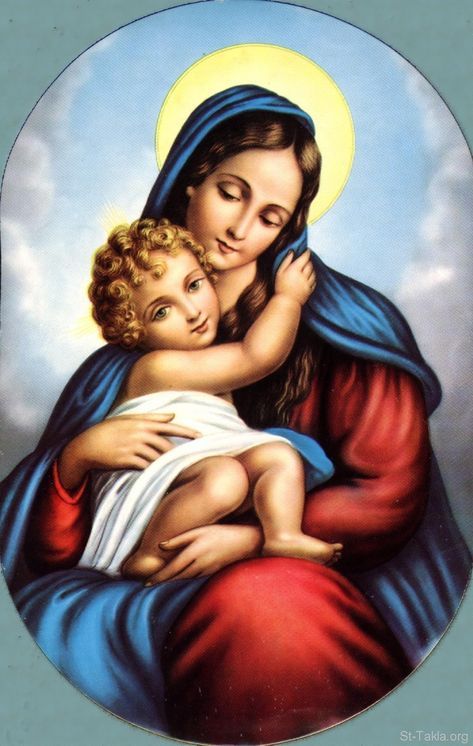
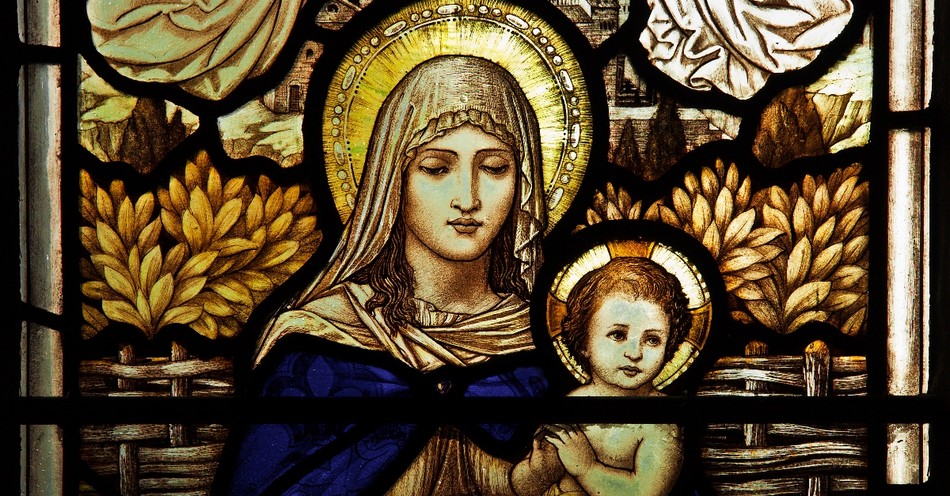
The Madonna and Child: One of the most iconic representations of Mary is that of the Madonna and Child. This image depicts Mary cradling the infant Jesus in her arms, symbolizing her role as the nurturing and loving mother. Artists have depicted this scene in various styles and mediums, each highlighting the tenderness and deep connection between mother and child.
Mary as the Immaculate Conception: The doctrine of the Immaculate Conception teaches that Mary was conceived without original sin, preparing her to be the vessel through which God's salvation would enter the world. This belief has been expressed in many artworks, such as Bartolomรฉ Esteban Murillo's painting, "The Immaculate Conception," which portrays Mary standing on a crescent moon, surrounded by angels.
The Pieta: Perhaps one of the most poignant and heart-wrenching representations of Mary is the Pieta, which portrays her holding the lifeless body of Jesus after his crucifixion. This powerful image, sculpted by Michelangelo, captures the profound sorrow and grief of a mother who has lost her beloved son.
The Assumption of Mary: According to Catholic tradition, Mary was assumed body and soul into heaven at the end of her earthly life. This belief has been celebrated in numerous artworks, such as Titian's painting, "Assumption of the Virgin," which depicts Mary being lifted up by a host of angels.
The Coronation of Mary: In some Christian traditions, Mary is believed to have been crowned as the Queen of Heaven and Earth. This belief is often depicted in artworks, with Mary wearing a crown and surrounded by hosts of angels and saints. One notable example is the painting "Coronation of the Virgin" by Diego Velรกzquez.
Mary as the Mediatrix: Catholic teaching holds that Mary plays a unique role in interceding for humanity. This belief is often represented in artworks, with Mary depicted as the bridge between heaven and earth, bringing the prayers of the faithful to God. A well-known example is the icon of Our Lady of Perpetual Help, which shows Mary holding the infant Jesus, while angels display symbols of his impending passion.
The Visitation: The visitation of Mary to her cousin Elizabeth, as described in the Gospel of Luke, has been a popular subject in Christian art. This joyful encounter between the two women, both pregnant with miraculous children, is often depicted with great warmth and intimacy, emphasizing the bond between Mary and Elizabeth.
The Seven Sorrows of Mary: Another common theme in Christian art is the depiction of Mary's seven sorrows. These include the prophecy of Simeon, the flight into Egypt, and Jesus' crucifixion. The Seven Sorrows have been a powerful devotion for many Catholics, and artists have conveyed the deep emotional pain of Mary through their works.
The Rosary: The use of the rosary, a prayer devotion that focuses on the life of Jesus and Mary, has influenced Christian art as well. Many artworks feature Mary holding a rosary, symbolizing her role as the guide and intercessor for those who pray the rosary.
The Magnificat: Mary's prayer of praise and gratitude, known as the Magnificat, has inspired artists to depict her in a posture of worship and adoration. This prayer, found in the Gospel of Luke, highlights Mary's humility and her acknowledgment of God's greatness.
The Assumption of Mary in the Catechism of the Catholic Church: "Finally the Immaculate Virgin, preserved free from all stain of original sin, when the course of her earthly life was finished, was taken up body and soul into heavenly glory, and exalted by the Lord as Queen over all things, so that she might be the more fully conformed to her Son, the Lord of lords and conqueror of sin and death" (CCC, 966).
The Love of Mary: Throughout Christian history, countless saints and faithful followers have expressed their deep love and devotion to Mary. This love is reflected in the art and iconography dedicated to her, as believers seek to honor and emulate her virtues.
The Influence of Mary in Christian Spirituality: Mary's role in Christian art and iconography extends beyond visual representation. She serves as a powerful example of faith, obedience, and love for God. Many Christians turn to Mary as a source of inspiration and guidance in their spiritual journeys.
Opinion: What are your thoughts on the role of Mary in Christian art and iconography? Do you find her representations in art inspiring and meaningful? How has Mary influenced your own spiritual journey? Share your thoughts and experiences below! ๐๐นโ๏ธ
Updated at: 2025-06-23 06:50:02 (9 months ago by Melkisedeck Leon Shine)
```htmlIntroduction: This article explores the significance of Mary, the Mother of Jesus, within the Catholic faith, focusing on her role as a model of faith, an intercessor, and a guide through life's complexities. Key concepts examined include Marian devotion, the theological understanding of Mary's role, and the application of Marian principles to personal spiritual growth. We will analyze her life and teachings within established theological frameworks to understand her influence and relevance in contemporary life.
Mary's Theological Significance and Exemplary Life: Mary's unique position as the Theotokos (God-bearer) is central to Catholic theology. Her unwavering faith and obedience to God's will, as depicted in biblical accounts and theological interpretations, exemplify the virtues of humility, piety, and complete surrender to divine providence. This resonates with concepts of kenosis (self-emptying) and theosis (deification) found in Eastern Orthodox theology, highlighting a path towards spiritual transformation through selfless devotion.
Mary as Intercessor and Advocate: The Catholic Church teaches that Mary, as the Mother of God, intercedes on behalf of humanity before her Son, Jesus Christ. This intercession is not based on a co-equal power structure but on her unique relationship with Christ and her profound compassion for humanity. This concept aligns with the sociological understanding of advocacy, where a trusted figure acts as a bridge between individuals and systems of power. Mary's intercession serves as a source of comfort and hope, strengthening believers' faith and encouraging perseverance.
Navigating Adversity through Marian Models: Mary's life, as understood through scripture and tradition, was filled with both joy and sorrow. Her perseverance amidst hardship, particularly during the crucifixion of her son, offers a potent example of faith amidst suffering. Drawing on psychological frameworks such as Viktor Frankl's logotherapy, which emphasizes finding meaning in suffering, we can see Mary's unwavering faith as a guide for overcoming adversity. Her example inspires resilience and emphasizes the importance of maintaining faith and hope even in the face of overwhelming challenges.
Marian Devotions as Tools for Spiritual Growth: Devotions such as the Rosary, a meditative prayer focused on the life of Christ, provide a structured path towards spiritual development. The recitation of prayers and contemplation of the mysteries strengthens the believer's relationship with both Mary and Christ. This practice can be viewed through the lens of contemplative prayer, a method employed for centuries to enhance spiritual insight and cultivate a deeper relationship with the divine. Furthermore, the Rosary's repetitive nature aligns with cognitive psychology's understanding of the efficacy of repetition in memorization and internalization of key concepts.
The Doctrines of the Immaculate Conception and the Assumption: The Immaculate Conception, declaring Mary's freedom from original sin, and the Assumption, affirming her bodily ascension into heaven, are key dogmas that highlight Mary's unique relationship with God. These doctrines, while central to Catholic faith, invite theological reflection on the nature of grace, human nature, and the destiny of humanity. Their implications extend beyond purely theological discourse; they offer a powerful narrative of hope and redemption, particularly relevant in understanding the possibilities of human flourishing.
Marian Apparitions and Their Impact: The numerous reported apparitions of Mary throughout history, such as Lourdes and Fatima, offer instances where faith and experience converge. These events, while requiring careful discernment, have profoundly impacted countless individuals, inspiring conversions, acts of charity, and a renewed commitment to faith. The study of apparitions raises questions about the relationship between faith, experience, and the interpretation of religious phenomena.
Mary as Spiritual Mother and Guide: Catholic theology views Mary not just as the Mother of Jesus but also as the spiritual mother of humanity. This concept reflects the nurturing and protective aspect of motherhood, emphasizing guidance and support on the journey towards spiritual maturity. This role aligns with contemporary discussions of spiritual mentorship and the significance of intergenerational transmission of faith.
Mary's Fiat: A Model of Surrender and Obedience: Mary's "fiat," her complete surrender to God's will, is a powerful example of faith and obedience. This act of humble acceptance underscores the importance of trusting in God's plan, even amidst uncertainties and difficulties. This can be analyzed within the framework of existentialism, examining themes of freedom, responsibility, and acceptance of life's conditions.
Conclusion and Recommendations: Mary's life and teachings offer a rich tapestry of spiritual guidance and inspiration for navigating life's challenges. Her example encourages the development of faith, perseverance in adversity, and a deep relationship with God. Further research might explore the cross-cultural implications of Marian devotion, comparing and contrasting diverse expressions of Marian piety across different Catholic traditions and geographical contexts. Examining the psychological impact of Marian devotion on individuals facing specific challenges, such as grief or trauma, would also be a fruitful avenue for future studies. The application of Marian models within various therapeutic contexts could provide valuable insights into the intersection of faith and mental wellbeing. Moreover, exploring the role of Marian devotion in fostering social justice initiatives, given Maryโs association with compassion and care for the marginalized, presents another promising avenue for scholarly inquiry.
Reader Pool: How might a deeper understanding of Mary's role within various theological frameworks impact the application of Marian devotion in contemporary pastoral ministry?
Updated at: 2025-06-26 11:20:46 (9 months ago by Melkisedeck Leon Shine)
```htmlMary's Intercession: A Pathway to Divine Grace
Introduction
Within the Christian faith, the Virgin Mary, Mother of God, occupies a position of profound reverence and devotion. This article explores the theological concept of Mary's intercession, analyzing its significance and its role as a conduit to experiencing divine grace. Key terms will be defined throughout, including intercession, divine grace, and the theological framework underpinning Marian devotion. The application of these concepts will be illustrated through scriptural examples, theological interpretations, and the lived experience of believers throughout history. We will examine Mary's role not just as a figure of devotion but as an active participant in the economy of salvation, focusing on the principle of ecclesial communion and its impact on individual spiritual growth.
1. Mary's Unique Ontological Status: Mother of God
The foundation of Mary's role as intercessor stems from her unique status as Theotokos, "Mother of God," a title affirmed by the Church. This christological assertion emphasizes her unparalleled connection to Jesus Christ. This intimate maternal bond forms the basis for understanding her capacity for intercession. Applying the theological framework of mediatorship, Mary's role is not one of usurping God's power, but rather of acting as a mediatrix, facilitating a closer relationship between humanity and God. This operates through a Trinitarian lens, acknowledging the inherent unity of the Godhead while affirming the distinct roles within the Trinity.
2. Mary's Humility: A Model of Fiat
Mary's unwavering humility, exemplified by her response, "Behold, I am the handmaid of the Lord; let it be to me according to your word" (Luke 1:38), serves as a powerful model of surrender to divine will. This profound act of obedience underscores a crucial aspect of Christian spirituality. This aligns with the concept of kenosisโthe self-emptying of Christโwhich also characterizes Mary's life. Her humble acceptance of God's plan establishes her as a role model for believers striving for spiritual maturity, illustrating the virtue of humility as essential for receiving grace. This concept of kenosis resonates with the principles of Christian ethics and the call for selfless service.
3. The Wedding at Cana: A Manifestation of Intercession
The miracle at Cana (John 2:1-11) provides a concrete example of Mary's intercession. Her appeal to Jesus, "They have no wine," demonstrates her capacity to present the needs of others to Christ. This event illustrates not only her compassionate nature but also her understanding of Christโs divine power and her willingness to engage in his ministry. This act serves as a paradigm for the role of intercession: actively advocating for the needs of others before God. Through this narrative, the Church demonstrates how God's grace is dispensed through human agency, showcasing Mary's collaborative role in God's plan.
4. The Rosary: A Liturgical Expression of Intercession
The Rosary, a significant Catholic devotion, directly reflects Maryโs role as intercessor. This structured prayer engages in a meditative contemplation of Christ's life through Mary's perspective. The repetitive nature of the Hail Mary acts as a vehicle for invoking her intercession. This practice aligns with liturgical theology, highlighting the efficacy of prayer within a structured framework that fosters spiritual communion and reflects the Church's tradition. Each decade, focused on specific mysteries of the faith, enhances the meditative practice and strengthens the petitionerโs connection with Mary and, ultimately, with God.
5. Mary as the New Ark of the Covenant: A Theological Symbol
The concept of Mary as the New Ark of the Covenant illustrates the continuity between the Old and New Testaments. Just as the Ark housed the presence of God in the Old Covenant, Mary, through her womb, carried and gave birth to the incarnate Word of God. This theological comparison highlights Maryโs central role in Godโs plan of salvation. The Catechism of the Catholic Church supports this interpretation, emphasizing Mary's role as a model of faith and charity. This symbolic representation establishes the enduring relevance of Mary's role within the evolving narrative of salvation history, connecting the Old Testament foreshadowings to the fulfillment in Christ.
6. The Witness of the Saints: A Historical Perspective on Intercession
The devotion to Mary's intercession is deeply rooted in the lived experience of numerous saints throughout history. Their testimonies demonstrate a profound faith in her ability to connect humanity to Godโs grace. This historical perspective provides empirical evidence of the power of Marian devotion and highlights the efficacy of prayer through Mary. Such testimonies demonstrate the enduring role of Mary as a source of comfort and spiritual guidance within the broader context of the Catholic tradition.
7. Marian Apparitions and Messages: Contemporary Expressions of Faith
Approved Marian apparitions, such as Lourdes and Fatima, reinforce Mary's ongoing intercessory role. These purported occurrences provide a contemporary lens through which to understand the continued relevance of Mary's mediation. These apparitions, though subject to rigorous theological and historical scrutiny, emphasize the enduring importance of prayer, repentance, and faith in Godโs mercy. These accounts demonstrate the ongoing spiritual significance of Mary within the collective consciousness of the faithful.
8. The Assumption: A Celebration of Mary's Glorification
The dogma of the Assumption of Mary highlights her unique destiny and her elevated status within the context of salvation history. Her bodily assumption into heaven affirms her complete union with God and underscores her ongoing intercession from a heavenly perspective. This doctrine underscores the ultimate victory of Christ and the hope of salvation for believers. The Assumption serves as a testament to the triumph over death and a reflection of the eschatological hope central to Christian faith.
9. Mary's Role in the Mystical Body of Christ: Ecclesial Communion
Maryโs role within the Mystical Body of Christ reinforces her ongoing connection to the Church and her active participation in the sacramental life of the faithful. As spiritual Mother, she guides and supports the Church in its mission of evangelization. This theological perspective illustrates the importance of Mary within the context of the larger community of faith and underscores her role in fostering ecclesial communion. The concept of the Mystical Body highlights the interconnectedness of all believers and Mary's position as a pivotal figure within that unity.
10. The Efficacy of Mary's Intercession: Theological Reflection
The effectiveness of Maryโs intercession is rooted in her intimate relationship with Jesus and her unwavering devotion to Godโs will. This is not understood as a bypassing of Godโs sovereignty, but rather as a reflection of the unity within the Trinity and the collaborative nature of Godโs plan of salvation. This understanding underscores the importance of faith and trust in the power of prayer and acknowledges Mary's role as a powerful advocate and guide on the path towards divine grace.
Conclusion and Recommendations
The concept of Mary's intercession, rooted in scripture, tradition, and the lived experience of believers, presents a rich theological tapestry that informs and enhances Christian spirituality. This exploration demonstrates that her role is not one of supplanting Godโs grace, but rather of facilitating a pathway to it. Further research could explore the comparative study of Marian devotion across various Christian denominations, examining the varying interpretations of Mary's role and the nuances of intercessory prayer. This analysis could benefit from incorporating sociological and anthropological methods to understand the cultural and social aspects of Marian devotion. Understanding the various perspectives on Mary's role fosters interfaith dialogue and a more complete understanding of her significance within Christianity. The application of these findings can enrich pastoral care, offering a deeper understanding of the spiritual needs of believers and providing effective spiritual direction in seeking divine grace through Mary's intercession.
Reader Pool: What are the potential implications of varying interpretations of Mary's intercession on interfaith relations and ecumenical dialogue?
```
Updated at: 2023-08-05 13:19:22 (2 years ago by Melkisedeck Leon Shine)
๐นMary, Our Queen and Mother๐น
Mary, Our Queen and Mother, holds a special place in the hearts of Christians around the world. As a devout Catholic, I find great comfort and inspiration in contemplating the life of the Blessed Virgin Mary. ๐
Throughout the Bible, we see how Mary's role as the Mother of God is highlighted. From the Annunciation (Luke 1:26-38) to the Visitation (Luke 1:39-56), she embraced her divine calling with humility and faith. ๐
One of the most beautiful aspects of Mary's story is her perpetual virginity. In the Gospel of Matthew, it is clear that Joseph did not have marital relations with her until after Jesus' birth (Matthew 1:25). This affirms the belief that Mary remained a virgin throughout her life. ๐ท
Some may question this teaching, but it is important to remember that the Bible is not the only source of truth for Catholic Christians. The Catechism of the Catholic Church, in paragraph 499, states, "The deepening of faith in the virginal motherhood led the Church to confess Mary's real and perpetual virginity even in the act of giving birth to the Son of God made man." ๐
Moreover, when Jesus was dying on the cross, He entrusted Mary to the care of the beloved disciple, John (John 19:26-27). This demonstrates the unique role Mary plays as the spiritual mother of all humanity. ๐
In Catholic tradition, Mary is referred to as the "Queen of Heaven" and "Mother of the Church." This honor is not based solely on human devotion but is deeply rooted in scriptural imagery. In the book of Revelation, Mary is portrayed as a woman clothed with the sun, with the moon under her feet, and a crown of twelve stars on her head (Revelation 12:1). ๐๐๐
The lives of Catholic saints provide us with further insight into the significance of Mary's role as Queen and Mother. St. Louis de Montfort, a great Marian devotee, said, "Mary is the Queen of heaven and earth by grace as Jesus is the King by nature and by conquest." ๐น
St. Maximilian Kolbe, another esteemed saint, emphasized Mary's role in our spiritual lives. He stated, "Never be afraid of loving the Blessed Virgin too much. You can never love her more than Jesus did." ๐
Our love and devotion to Mary should never be a hindrance to our love for Jesus. On the contrary, Mary leads us closer to Jesus, just as she did at the wedding in Cana (John 2:1-12) when she told the servants, "Do whatever he tells you." Mary's guidance points us to her Son. ๐ท๐๏ธ
It is also important to recognize that our Catholic faith does not worship Mary but honors her as the most perfect disciple and the first among the redeemed. The Catechism of the Catholic Church states in paragraph 971, "The Church's devotion to the Blessed Virgin is intrinsic to Christian worship."
๐ธ Mary's intercession has been a source of comfort and miracles for countless Catholics throughout history. Just as she interceded at the Wedding at Cana, she continues to intercede for us in heaven. ๐ธ
Through the rosary, Catholics meditate on the mysteries of the life of Jesus, guided by the prayers of Mary. This powerful devotion strengthens our spiritual connection to both Jesus and Mary. ๐ฟ
In moments of doubt or difficulty, turning to Mary can bring us solace and hope. She understands our sorrows and joys, as she witnessed the suffering and resurrection of her Son. ๐
As we honor Mary, Our Queen and Mother, let us recognize her as a guiding light on our journey of faith. She reminds us of the beauty and power of embracing God's will, just like she did when she said, "Behold, I am the handmaid of the Lord; let it be to me according to your word" (Luke 1:38). ๐
So, dear reader, what are your thoughts on Mary, Our Queen and Mother? How has her example influenced your spiritual journey? Feel free to share your insights and experiences. ๐น๐๐
Updated at: 2025-06-19 15:28:20 (9 months ago by Melkisedeck Leon Shine)
This article explores the multifaceted theological concept of Mary's queenship within Catholic Christianity, examining its biblical foundations, theological interpretations, and spiritual significance. Key terms will be defined to ensure clarity. "Theotokos," meaning "God-bearer," is the title bestowed upon Mary, highlighting her unique role in the incarnation of Jesus Christ. "Queenship," in this context, refers not to earthly power, but to a spiritual and eschatological elevation reflecting Mary's unique relationship with God and her Son.
Theological Underpinnings of Mary's Elevated Status: The doctrine of the Assumption, while not explicitly stated in scripture, is a deeply held belief within the Catholic tradition. This dogma posits that Mary, having completed her earthly life, was taken body and soul into heaven, anticipating the general resurrection of all believers (Catechism of the Catholic Church). This event is interpreted as a singular participation in the victory of Christ over death and sin, reflecting her unparalleled holiness and closeness to God. This interpretation aligns with the concept of kenosis, the self-emptying of God in the incarnation, mirrored in Mary's complete surrender to God's will.
Biblical Interpretations and Patristic Tradition: While not directly stated, biblical passages offer symbolic interpretations supporting Mary's exalted status. The woman clothed with the sun in Revelation 12 is frequently understood as an allegorical representation of Mary, signifying her role as the mother of the Messiah. Further support arises from early Church Fathers such as St. Augustine and St. Jerome, who viewed Mary as the "New Eve," whose obedience counteracted the disobedience of Eve, thus restoring humanity's relationship with God. Their writings provide early evidence of the developing theological understanding of Maryโs unique position. This reflects the application of typological interpretation in biblical hermeneutics.
Mary as Intercessor and Spiritual Mother: Mary's queenship is intrinsically linked to her role as Theotokos and spiritual mother. Jesus' words from the cross ("Behold, your mother!") (John 19:27) establish Mary as an intercessor, a powerful advocate for humanity before God. This concept is rooted in the theology of mediation, where Mary's role is not to usurp God's power but to act as a conduit of grace, guiding believers in their spiritual journeys. This role is understood within the broader framework of ecclesiology, recognizing the Churchโs role in mediating God's grace.
Mary's Perpetual Virginity and its Significance: The doctrine of Mary's perpetual virginity, encompassing her virginity before, during, and after the birth of Jesus, further underscores her unique holiness and purity. This belief reinforces the idea of her complete dedication to God and highlights her role as a model of faith and obedience. It emphasizes the miraculous nature of Jesus' conception and birth, emphasizing the supernatural aspects of the Incarnation.
Marian Titles and Their Theological Implications: The various titles given to Mary, such as "Queen of Heaven," "Queen of All Creation," and "Queen of Saints," reflect the different facets of her elevated position. These titles, developed throughout centuries of theological reflection, express the depth and breadth of her role within the Christian faith. The use of such titles provides a rich tapestry for understanding her spiritual significance, as each title reflects specific aspects of her role. This is an example of how theological language shapes understanding and devotion.
Theological Significance and Implications: The devotion to Mary as Queen of Heaven is not intended to divert worship from God but to honor her unique place within the divine plan of salvation. This is understood through the principle of latria (worship of God alone) and dulia (veneration of saints). This distinction emphasizes the proper understanding of the relationship between divine and human devotion.
Conclusion and Recommendations: The theological understanding of Mary's queenship offers a profound reflection on the mysteries of faith, emphasizing her unique role in the salvation narrative. This complex theological concept invites further exploration, specifically researching the evolution of Marian titles and their impact on Catholic spirituality across diverse cultures. Understanding Mary's role within the broader context of systematic theology is crucial for a holistic understanding of the Catholic faith. This study could employ methods of historical theology, examining the development of these concepts over time, alongside systematic theology, analyzing their logical relationships within the entire theological system.
Reader Pool: Considering the complexities of Marian theology and the diversity of interpretations, what are the implications of the concept of Mary's queenship for contemporary interfaith dialogue?
Updated at: 2023-08-05 13:19:40 (2 years ago by Melkisedeck Leon Shine)
The Power of Marian Devotions in Strengthening Faith
๐๐น
As a Christian Roman Catholic, I cannot stress enough the immense power and blessings that come from deepening our devotion to the Blessed Virgin Mary. Mary, the Mother of God, holds a special place in our hearts and plays a significant role in our faith journey. Through the ages, countless Christians have turned to her for guidance, protection, and intercession. In this article, we will explore the power of Marian devotions and how they can strengthen our faith.
The example of Mary's unwavering faith: Mary's faith and trust in God are evident throughout the Bible. Consider her response to the angel Gabriel when she was told she would conceive Jesus: "Behold, I am the handmaid of the Lord; let it be to me according to your word" (Luke 1:38). Her unwavering faith serves as an inspiration to us, reminding us to trust in God's plan for our lives.
Intercession of the Blessed Virgin Mary: The Catholic Church teaches that Mary, as the Mother of God, has a special role in interceding for us before her Son. Just as she interceded at the wedding feast of Cana (John 2:1-11), she continues to intercede for us today. By entrusting our prayers and intentions to Mary, we can experience the powerful intercession of a loving mother.
Strengthening family bonds: Devotion to Mary can bring families closer together, as she is the perfect example of a loving and nurturing mother. By praying the Rosary together as a family or displaying a Marian image in your home, you invite Mary's presence into your family life, fostering love, unity, and spiritual growth.
Protection against evil: The devil fears Mary, for she is the woman who crushes his head (Genesis 3:15). By seeking Mary's protection through the prayer of the Rosary or wearing a Miraculous Medal, we can find strength and shield ourselves against the attacks of the evil one.
The Rosary: One of the most powerful Marian devotions is the Rosary. Through this prayer, we meditate on the life, death, and resurrection of Jesus Christ while seeking Mary's intercession. The Rosary is a beautiful way to deepen our faith, find inner peace, and draw closer to God.
Consolation in times of sorrow: Mary, who stood at the foot of the cross as her Son suffered, understands our pain and sorrows. In times of sadness, we can turn to her for comfort and find solace in her maternal embrace.
Inspiration for motherhood: For mothers, Mary is the ultimate role model. She teaches us how to love, sacrifice, and care for our children with tenderness and devotion. By looking to Mary, we can become better mothers and emulate her virtues.
The Assumption of Mary: The dogma of the Assumption teaches that at the end of her earthly life, Mary was taken body and soul into heaven. This belief reminds us of the hope we have in the resurrection and the eternal life that awaits us if we remain faithful to Christ.
The Magnificat: Mary's song of praise, known as the Magnificat, is a beautiful expression of her faith and trust in God. By meditating on her words, we can learn to magnify the Lord in our own lives and give thanks for His blessings.
The importance of the Immaculate Conception: The Immaculate Conception, which affirms that Mary was conceived without original sin, highlights her unique role in salvation history. It reminds us of God's grace and the call to purity in our own lives.
Guidance from the saints: Throughout history, countless saints have testified to the powerful intercession of Mary in their lives. St. Louis de Montfort, for example, wrote extensively about the power of true devotion to Mary and its transformative effects on the soul.
The Catechism of the Catholic Church on Marian devotion: The Catechism states, "From the most ancient times the Blessed Virgin has been honored with the title of 'Mother of God,' to whose protection the faithful fly in all their dangers and needs" (CCC 971). This teaching reinforces the importance of seeking Mary's intercession and protection.
Apparitions of the Blessed Virgin Mary: Throughout history, Mary has appeared to numerous individuals, offering messages of love, repentance, and conversion. These apparitions, such as Our Lady of Guadalupe or Fatima, serve as powerful reminders of Mary's presence and her desire to lead us closer to her Son.
Strengthening our relationship with Jesus: Marian devotions ultimately lead us closer to Jesus Christ. By imitating Mary's virtues and seeking her intercession, we deepen our love for Jesus and grow in our faith. Mary always points us to her Son, saying, "Do whatever He tells you" (John 2:5).
Opinion: What are your thoughts on Marian devotions? Have you experienced the power of Mary's intercession in your own life? How has she strengthened your faith? Share your experiences and opinions below. Let us continue to honor and love the Mother of God, knowing that she leads us ever closer to her Son, our Lord and Savior, Jesus Christ.
๐๐น
Updated at: 2023-08-05 13:19:27 (2 years ago by Melkisedeck Leon Shine)
๐นMary's Role in the Life of the Church๐น
Mary, the beloved Mother of God, holds a very special place in the life of the Church. Her significance cannot be understated, as she occupies a central role in the spiritual journey of every Christian. Let us explore the multifaceted aspects of Mary's role within the Church and how she continues to inspire and guide us today.
1๏ธโฃ Mary's Immaculate Conception: From the moment of her conception, Mary was preserved from the stain of original sin. This unique privilege granted to her by God shows her special role as the vessel through which Jesus would enter the world. As stated in the Catechism of the Catholic Church, "The most Blessed Virgin Mary was, from the first moment of her conception, by a singular grace and privilege of Almighty God and by virtue of the merits of Jesus Christ, Savior of the human race, preserved immune from all stain of original sin" (CCC 491).
2๏ธโฃ Mary's "Yes" to God: Mary's unwavering faith and obedience to God's will are exemplary. When the angel Gabriel appeared to her, Mary selflessly accepted her role as the Mother of God by saying, "Behold, I am the handmaid of the Lord; let it be done to me according to your word" (Luke 1:38). Her willingness to fulfill God's plan serves as an inspiration for all believers to submit to His will with humility and trust.
3๏ธโฃ Mary, Mother of Jesus and the Church: As the Mother of Jesus, Mary holds a unique position as the Mother of the Church. At the foot of the cross, Jesus entrusted His beloved disciple, John, and all of humanity to the care of His Mother. Through this act, Jesus established a spiritual bond between Mary and the Church, emphasizing her role in our lives as our spiritual mother. Just as Mary cared for Jesus during His earthly life, she continues to intercede for us and guide us on our journey towards salvation.
4๏ธโฃ Mary, the Mediatrix of All Graces: The Catholic Church teaches that Mary, as the Mother of God, plays a vital role in the distribution of God's graces to His people. Through her intercession, Mary continuously brings our prayers and petitions before her Son. This belief is deeply rooted in biblical and historical evidence, as exemplified in the wedding at Cana when Mary implored Jesus to perform His first public miracle (John 2:1-11). Mary's intercession led to the turning of water into wine, a sign of the abundant graces poured out upon us through her motherly care.
5๏ธโฃ Mary's Assumption: The Assumption of Mary, body and soul, into Heaven is a dogma of faith in the Catholic Church. This teaching affirms that, at the end of her earthly life, Mary was taken up to Heaven by God's power. The Church's belief in the Assumption underscores Mary's unique role in salvation history and her intimate union with her Son. It also serves as a reminder of the glory that awaits all faithful souls who persevere in their journey towards God.
In conclusion, Mary's role in the life of the Church is profound and encompasses various aspects. She is the Immaculate Conception, the humble servant who said "Yes" to God's plan, the Mother of Jesus and the Church, the Mediatrix of All Graces, and the Assumed Queen of Heaven. Her unwavering faith, love, and intercession continue to inspire and guide Christians worldwide. Let us honor our beloved Mother Mary and seek her intercession in our journey of faith.
What are your thoughts on the role of Mary in the life of the Church? How has she impacted your spiritual journey? ๐น
Updated at: 2023-08-05 13:20:09 (2 years ago by Melkisedeck Leon Shine)
Mary's Sorrows: Finding Comfort in Our Grief
Introduction: ๐โจ Grief is an inevitable part of life, a heavy burden that we all must bear at some point. In times of sorrow, it can be challenging to find solace and hope. However, as Roman Catholics, we have a source of inspiration and comfort in the life of the Virgin Mary, the Mother of God. Throughout her journey, Mary experienced immense sorrows, yet she found strength and consolation in her faith. In this article, we will explore Mary's sorrows and how we can find comfort and guidance in our own grief through her example.
Mary's Sorrows: A Path to Redemption ๐น๐ The sorrows of Mary are beautifully depicted in the Catholic devotion known as the "Seven Sorrows of Mary." These sorrows include the Prophecy of Simeon, the Flight into Egypt, the Loss of the Child Jesus in the Temple, Mary's encounter with Jesus on the way to Calvary, the Crucifixion, the Deposition from the Cross, and the Burial of Jesus. Each of these sorrows represents a unique aspect of Mary's life, filled with pain and anguish, yet intertwined with hope and redemption.
The Prophecy of Simeon: A Mother's Heartache ๐โค๏ธ One of the first sorrows Mary experienced was the Prophecy of Simeon, which is described in the Gospel of Luke. Simeon told Mary that a sword would pierce her own soul, foreshadowing the pain she would endure as the mother of Jesus. This sorrow reminds us that even in our darkest moments, God is with us. Just as Mary found solace in her unwavering faith, we too can find comfort in knowing that God walks beside us on our journey of grief.
The Flight into Egypt: Seeking Refuge ๐ฟ๐ฐ Another sorrowful event in Mary's life was the Flight into Egypt, when she had to flee with Joseph and the infant Jesus to escape King Herod's cruelty. This experience teaches us the importance of seeking refuge and finding solace in God's presence. When we face adversity or find ourselves in unfamiliar territory, we can turn to Mary for guidance, knowing that she too sought refuge and safety during challenging times.
The Loss of the Child Jesus in the Temple: A Mother's Anxiety ๐ฐ๐ Imagine the fear and anxiety Mary felt when she realized she had lost Jesus, only to find Him days later teaching in the temple. This sorrow reminds us that even in our moments of doubt or loss, God is always present, patiently guiding us back to Him. Just as Mary found Jesus, we too can find solace in knowing that God will lead us out of the darkness and into His loving embrace.
Mary's Encounter with Jesus on the way to Calvary: Sharing in His Suffering ๐๐ One of the most painful sorrows of Mary was witnessing her beloved Son's journey to Calvary. As she walked alongside Jesus, she experienced unimaginable pain and sorrow. Yet, through her suffering, Mary united herself with Christ's redemptive sacrifice. This sorrow teaches us the power of embracing our own suffering and offering it up to God for the salvation of souls.
The Crucifixion: The Ultimate Sacrifice ๐โช Mary stood at the foot of the cross, witnessing the crucifixion of her Son. This sorrow represents the immense sacrifice Jesus made for our salvation. Mary's presence reminds us of the depth of God's love for us and His willingness to endure unimaginable suffering on our behalf. In times of grief, we can turn to Mary, knowing that she experienced the weight of sorrow and can intercede for us before her Son.
The Deposition from the Cross: A Mother's Heartbreak ๐๐ญ After Jesus breathed His last breath, Mary held His lifeless body in her arms. This sorrow represents a mother's heartbreak, the pain of losing a child. In moments of grief and loss, we can turn to Mary, knowing that she understands the depth of our sorrow. She can comfort us and offer us the strength to carry on, just as she did during her own moments of despair.
The Burial of Jesus: A Mother's Love โค๏ธ๐ The final sorrow of Mary was the burial of Jesus. She laid her Son's body to rest, experiencing the profound grief and emptiness that comes with losing a loved one. However, even in this sorrow, we find hope. Mary's faith and trust in God's plan remind us that death is not the end. It is a passage towards eternal life with our Heavenly Father.
Finding Comfort in Mary's Sorrows ๐น๐๏ธ Through the sorrows of Mary, we can find solace and strength in our own grief. The Catechism of the Catholic Church teaches us that Mary "intercedes for the community of believers" (CCC 969). She is a loving and compassionate mother, always ready to offer comfort and guidance to those who seek her intercession.
Mary's Example for our Lives ๐๐ Mary's sorrows teach us valuable lessons about finding comfort in our grief. She shows us the importance of trust in God's plan, even when faced with overwhelming sorrow. She reminds us that we are never alone in our suffering, as God walks beside us every step of the way. Mary's unwavering faith and love for her Son inspire us to embrace our own sorrows with hope and trust in God's providence.
Conclusion: Your Thoughts? ๐ญโจ As we reflect on Mary's sorrows, let us embrace her as our spiritual mother and turn to her in times of grief. Let us remember that she understands the depth of our sorrow and is always ready to intercede on our behalf. How has Mary's example impacted your own journey of grief? How do you find comfort in her sorrows? Share your thoughts and experiences below.
Updated at: 2023-08-05 13:19:13 (2 years ago by Melkisedeck Leon Shine)
The Miraculous Power of the Virgin Mary: Mother of God
๐ Introduction ๐
Have you ever experienced the miraculous power of the Virgin Mary, the Mother of God, in your life? As a devoted Christian Roman Catholic, I have witnessed the divine intercession of Mary countless times, bringing comfort, healing, and miracles to those who seek her intercessory prayers. Let us delve into the wondrous role of the Virgin Mary in our faith and explore the profound impact she continues to have in our lives.
1๏ธโฃ The Miracle of the Immaculate Conception
One of the most awe-inspiring aspects of the Virgin Mary's life is her Immaculate Conception. Unlike any other human being, she was conceived without the stain of original sin. Through this divine intervention, Mary was chosen by God to be the vessel through which His Son, Jesus Christ, would be born into the world. This immaculate conception highlights Mary's unique and exalted role as the Mother of God.
โก๏ธ "Full of grace" - Luke 1:28 โก๏ธ "Blessed are you among women" - Luke 1:42
2๏ธโฃ The Annunciation: Mary's Fiat
In the Gospel of Luke, we witness the humble obedience of the Virgin Mary when the angel Gabriel appears to her, announcing that she will conceive a child by the Holy Spirit. Despite her initial confusion, Mary submits herself entirely to God's will, stating, "Behold, I am the handmaid of the Lord; let it be to me according to your word." (Luke 1:38) Mary's fiat, her "yes" to God, demonstrates her unwavering faith and trust in His plan.
3๏ธโฃ The Mother of God
Mary's unique role as the Mother of God is a central tenet of our Christian faith. At the Council of Ephesus in 431 AD, the Church officially declared Mary as Theotokos, the God-bearer. This title affirms her divine motherhood and emphasizes her integral connection to the Incarnation of Jesus Christ, who is both fully human and fully divine.
โก๏ธ "...the mother of my Lord." - Luke 1:43 โก๏ธ The Catechism of the Catholic Church, paragraph 495
4๏ธโฃ Mary's Perpetual Virginity
Contrary to some misconceptions, the Catholic Church firmly upholds the perpetual virginity of Mary. She gave birth to Jesus, the Son of God, but remained a virgin throughout her life. This miraculous aspect of Mary's life underscores her complete devotion to God and her unwavering commitment to her divine mission.
โก๏ธ "I know not man." - Luke 1:34 โก๏ธ The Catechism of the Catholic Church, paragraph 499
5๏ธโฃ Mary's Intercession and Miracles
The Virgin Mary's intercessory power is a constant source of comfort and hope for millions of faithful believers. Throughout history, there have been numerous accounts of miraculous healings, conversions, and protection attributed to her intercession. These miracles serve as a testament to Mary's profound love for humanity and her unwavering dedication to assisting us in our spiritual journey.
โก๏ธ "Do whatever he tells you." - John 2:5 โก๏ธ The Catechism of the Catholic Church, paragraph 2677
6๏ธโฃ Apparitions of the Virgin Mary
In addition to her intercessory role, Mary has appeared to various individuals throughout history, offering messages of love, repentance, and the call to prayer. Apparitions such as Our Lady of Guadalupe, Lourdes, and Fatima have captured the hearts and souls of believers worldwide, reinforcing Mary's role as a guiding presence in our lives.
7๏ธโฃ The Rosary: A Powerful Devotion
The Rosary, a popular and powerful devotion in the Catholic Church, is closely intertwined with the Virgin Mary. Through the repetition of prayers and meditation on the life of Christ, Mary's intercession becomes a tangible and transformative experience. The Rosary serves as a spiritual weapon, battling the forces of evil and bringing peace and comfort to those who faithfully embrace this beautiful practice.
8๏ธโฃ The Assumption of Mary
The Assumption of Mary into Heaven is another miraculous event that epitomizes her unique relationship with God. Pope Pius XII declared in 1950 that Mary, at the end of her earthly life, was taken body and soul into the glory of Heaven. This dogma affirms Mary's exalted position as the first among the redeemed and highlights the splendor of her eternal reward.
โก๏ธ "All generations will call me blessed." - Luke 1:48 โก๏ธ The Catechism of the Catholic Church, paragraph 966
9๏ธโฃ Mary's Role as Our Mother
As Catholics, we recognize Mary as our spiritual mother, always ready to intercede for us and guide us closer to her Son, Jesus Christ. Just as Jesus entrusted His beloved disciple John to Mary's care at the foot of the cross, He has also entrusted each one of us to her maternal love. Mary's tender care and protection bring solace and strength to those who turn to her in times of need.
๐ The Power of Love and Devotion
The miraculous power of the Virgin Mary stems from her perfect love for God and her unwavering devotion to His will. As we deepen our relationship with Mary, we open ourselves to the boundless graces and blessings she brings to our lives. Her intercession, like a loving mother's embrace, envelops us in divine love and guides us on the path to holiness.
What are your thoughts on the miraculous power of the Virgin Mary, the Mother of God? How has she touched your life? Share your experiences and opinions below!