The Magnificat: Mary's Song of Praise and Gratitude
Updated at: 2023-08-05 13:19:41 (2 years ago by Melkisedeck Leon Shine)
π The Magnificat: Mary's Song of Praise and Gratitude ππΉ
The Magnificat is a beautiful and powerful hymn of praise and gratitude that was sung by the Virgin Mary, the Mother of God, after she received the news that she would conceive Jesus through the Holy Spirit.
In this song, Mary expresses her humble and joyful heart, praising the greatness of God and His mercy towards her. It is a testament to her deep faith and devotion to God.
Mary begins the Magnificat by proclaiming, "My soul magnifies the Lord, and my spirit rejoices in God my Savior" (Luke 1:46-47). These words show her complete trust and surrender to God's plan for her life.
Throughout the song, Mary reflects on the greatness of God's deeds and His mercy towards those who fear Him. She acknowledges that God has chosen her, a lowly and humble servant, to bear the Son of God.
The Magnificat is not only a song of praise but also a prophetic declaration. Mary declares that God has shown His strength by scattering the proud, bringing down the powerful, and lifting up the lowly (Luke 1:51-52).
Mary's song echoes the words of the prophets in the Old Testament, who spoke of God's justice and mercy. She embodies the hope of the Jewish people, who longed for the coming of the Messiah.
The Magnificat is a prayer that reminds us of God's faithfulness and His preferential love for the poor and marginalized. It challenges us to reflect on how we can imitate Mary's humility and generosity in our own lives.
Throughout the centuries, the Magnificat has been a source of inspiration for believers around the world. It has inspired countless hymns, prayers, and works of art that celebrate Mary's role as the Mother of God.
In the Catholic Church, the Magnificat is recited daily during the Evening Prayer of the Liturgy of the Hours. This practice allows us to unite our voices with Mary's in proclaiming God's greatness and praising Him for His blessings.
The Catechism of the Catholic Church teaches us that Mary's Magnificat is a model prayer, inviting us to join in her hymn of thanksgiving and praise (CCC 2619). It encourages us to express our gratitude to God for His goodness and to seek His will in our lives.
Saints throughout history have also recognized the significance of the Magnificat. St. Augustine, for example, described Mary's song as a "fitting response to the divine blessings bestowed upon her" (Sermon 225).
The Magnificat reminds us of Mary's unique role as the Mother of God. As Catholics, we believe that Mary remained a virgin before, during, and after the birth of Jesus. This belief is based on the biblical evidence and the teachings of the Church.
In the Gospel of Matthew, it is stated that Joseph "knew her not until she had borne a son" (Matthew 1:25). This implies that Mary remained a virgin even after giving birth to Jesus.
The early Church Fathers also affirmed Mary's perpetual virginity. St. Jerome, one of the great biblical scholars of the Church, wrote, "The ever-virgin Mary conceived the Son of God in her womb, brought Him forth, and after His birth preserved her virginity intact" (Against Helvidius).
The Magnificat invites us to reflect on Mary's extraordinary faith and her willingness to say "yes" to God's plan, despite the challenges and uncertainties she faced. It encourages us to entrust our lives to God and to praise Him for His goodness and mercy.
In conclusion, the Magnificat is a profound expression of Mary's love for God and her gratitude for His blessings. It is a song that continues to inspire and guide us in our spiritual journey. Have you ever meditated on the Magnificat? What does it mean to you? Share your thoughts and let us know your favorite verse from this beautiful song of praise! πΉπβ¨
Updated at: 2023-08-05 13:19:54 (2 years ago by Melkisedeck Leon Shine)
Mary's Role as the New Eve: Restoring Humanity's Relationship with God πΉ
Introduction: As a devout Catholic, I find great joy in exploring the profound role that Mary, the Mother of God, plays in restoring humanity's relationship with God. Just as Eve played a significant role in the fall of mankind, Mary, as the New Eve, brings hope, redemption, and restoration through her obedience to God's will.
The Immaculate Conception β¨: One of the most significant aspects of Mary's role is her Immaculate Conception. Unlike any other human being, Mary was preserved from the stain of original sin from the moment of her conception in her mother's womb. This purity allowed her to become the vessel through which God would enter our world.
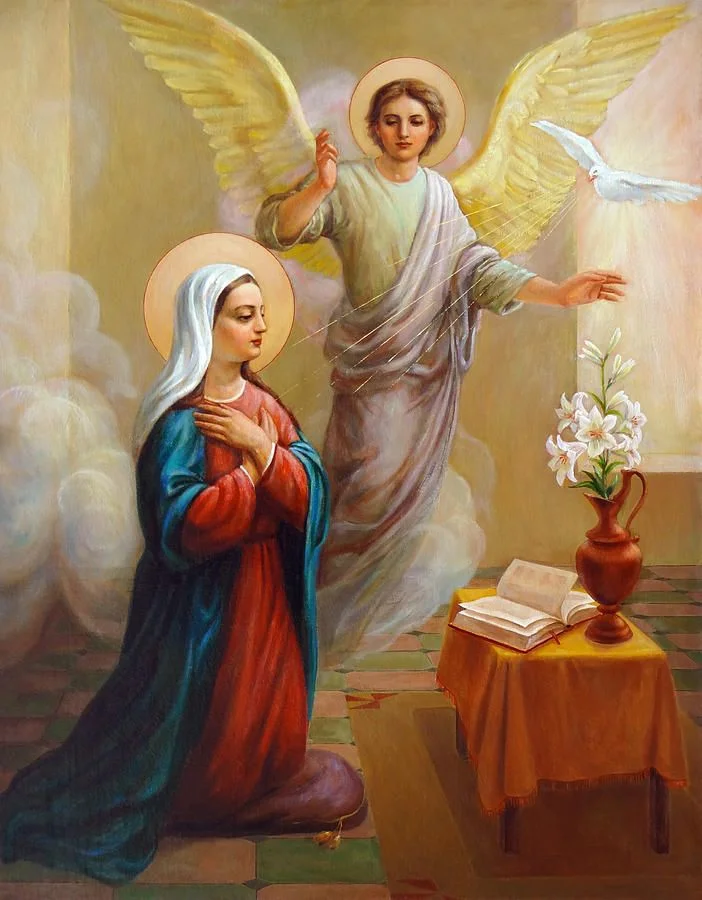
Mary's Fiat π: In the Gospel of Luke, Mary's response to the angel Gabriel's message is a testament to her faith and obedience. She said, "Behold, I am the handmaid of the Lord; let it be to me according to your word" (Luke 1:38). Mary's fiat, her complete surrender to God's will, allows the divine plan of salvation to unfold.
The Annunciation β¨: At the moment of the Annunciation, when the angel Gabriel appeared to Mary, she was asked to become the mother of the Son of God. This event parallels the fall of Adam and Eve in the Garden of Eden. While Eve succumbed to temptation and disobeyed God, Mary's obedience brought forth the Savior of the world, Jesus Christ.
Mary, the New Ark of the Covenant π: In the Old Testament, the Ark of the Covenant was a sacred vessel that held the presence of God among His people. Likewise, Mary becomes the New Ark of the Covenant, carrying within her the Word made flesh. Just as the Ark was revered and honored, we, too, honor Mary as the Mother of God and venerate her as the channel of God's grace.
The Visitation π·: During Mary's visitation to her cousin Elizabeth, the unborn John the Baptist leaped in Elizabeth's womb. This encounter highlights Mary's role as the bearer of grace and the sanctifier of souls. Elizabeth exclaimed, "Blessed are you among women, and blessed is the fruit of your womb!" (Luke 1:42).
Mary, the Intercessor π: Throughout the centuries, countless saints and theologians have recognized Mary's powerful intercession. Just as she interceded at the wedding feast of Cana, where Jesus performed His first miracle, Mary continues to intercede for us before her Son. She is a loving mother who desires to bring our needs before God's throne of grace.
Mary, Our Mother β€οΈ: Jesus, while dying on the cross, entrusted Mary to the disciple whom He loved, saying, "Behold, your mother" (John 19:27). By this act, Jesus gave Mary to all humanity as our heavenly mother. Just as any loving mother cares for her children, Mary cares for us and guides us on our spiritual journey towards God.
Mary, the Queen of Heaven and Earth π: The Catholic Church recognizes Mary's exalted role as the Queen of Heaven and Earth. This title emphasizes her close union with Jesus and her role in the eternal kingdom. Just as a queen exercises influence and authority, Mary's intercession and maternal care extend to all corners of the world.
The Assumption into Heaven π: According to Catholic belief, Mary was assumed body and soul into Heaven at the end of her earthly life. This dogma emphasizes her unique role in our salvation and reminds us of the rewards that await us in eternity. Mary's assumption inspires us to strive for holiness and to hope for eternal life with God.
The Rosary πΏ: The Rosary is a powerful devotion in the Catholic Church that leads us closer to God through the intercession of Mary. By meditating on the mysteries of the life of Christ, we unite ourselves with Mary's contemplation of her Son. The Rosary strengthens our relationship with God and deepens our understanding of Mary's role as our spiritual mother.
The Catechism of the Catholic Church π: The Catechism affirms Mary's unique role in salvation history. It states, "Mary, the all-holy ever-virgin Mother of God, is the masterwork of the mission of the Son and the Spirit in the fullness of time" (CCC 721). This proclamation highlights Mary's intimate involvement in God's plan for humanity's redemption.
Saints' Testimonies π: Throughout history, numerous saints have expressed their devotion to Mary, recognizing her pivotal role in our spiritual journey. Saint Louis de Montfort once said, "The more we honor the Blessed Virgin Mary, the more we honor Jesus Christ, because we honor Mary only that we may the more perfectly honor Jesus." Saints like Saint Maximilian Kolbe and Saint Therese of Lisieux also had immense love for Mary.
Our Personal Connection π: Mary's role as the New Eve is not merely a historical or theological concept; it has a profound impact on our lives today. She offers us her motherly love, guidance, and intercession in all aspects of our lives. By embracing Mary as our spiritual mother, we open ourselves to a deeper relationship with God and a restored union with Him.
In Conclusion: Reflecting on Mary's role as the New Eve is an invitation to dive into the depths of our faith. She restores our relationship with God, drawing us closer to His love and mercy. Let us embrace Mary as our beloved mother, seeking her intercession and guidance on our journey towards eternal life. What are your thoughts on Mary's role as the New Eve? How has she impacted your spiritual life?
Updated at: 2025-06-05 11:19:25 (1 year ago by Melkisedeck Leon Shine)
This article examines the multifaceted role of Mary, the Mother of Jesus, within the Catholic theological framework. We will explore key Marian dogmas and their implications, applying relevant theological principles and models to illuminate Mary's enduring significance for the Church and individual believers. Central concepts include the Immaculate Conception, the doctrine of mediation, and the theological understanding of motherhood within the context of salvation history.
1. The Immaculate Conception: A Foundation for Mary's Unique Vocation: The dogma of the Immaculate Conception posits that Mary was preserved from original sin from the first moment of her conception. This isn't merely a historical event; it's a theological statement about her unique preparation for her role as Theotokos, the God-bearer. This preemptive grace, according to the doctrine of prevenient grace, highlights Mary's complete receptivity to God's divine will, making her the ideal vessel for the Incarnation. Applying the concept of divine election, we see Mary as chosen, not for her inherent merit, but for God's sovereign plan of salvation. This unique status sets the stage for her subsequent roles within salvation history.
2. The Fiat of Mary: A Model of Humility and Obedience: Mary's "fiat," her "yes" to the angel Gabriel's annunciation (Luke 1:38), is a pivotal moment in Christian theology. This act of perfect obedience, understood through the lens of the virtue ethics, exemplifies the ultimate surrender of self to God's plan. Mary's willingness, not without apprehension (Luke 1:34), is not passive acquiescence but an active choice rooted in faith and trust. It provides a powerful example of the necessary response to God's call for all believers, highlighting the importance of humility and obedience in living out one's faith. This obedience becomes a model for the entire Church, demonstrating that salvation is fundamentally Godβs initiative and that our response is a participation in Godβs grace.
3. Mary, Mother of Jesus and Spiritual Mother of the Church: The title "Mother of God" (Theotokos) affirms Mary's central role in the Incarnation. Extending this role, the Catholic Church recognizes Mary as the spiritual Mother of the Church, a concept elaborated through the lens of ecclesiology. Jesus' entrustment of his mother to John, and implicitly to all believers, at the foot of the cross (John 19:26-27) exemplifies this. This spiritual motherhood isn't merely metaphorical; it reflects Mary's ongoing intercession and her role in guiding the Church towards Christ. This concept utilizes the maternal metaphor, not in a biological sense, but as a spiritual reality, emphasizing the nurturing and protective aspects of Mary's relationship to the Church and individual believers.
4. Mary's Intercessory Role: Mediation and the Economy of Salvation: The Catholic tradition holds that Mary acts as a mediatrix of grace. This doesn't diminish the role of Christ as the sole mediator between God and humanity but understands Mary's intercession within the broader economy of salvation. Her role is subordinate to Christ's; she presents our prayers to him, acting as an advocate, using the principles of sacramental theology, which involves the participation of earthly realities in the divine. The wedding at Cana (John 2:1-11) serves as an illustrative example of this intercessory power, showcasing her influence within the earthly events leading to the revelation of Jesus' divine nature.
5. The Assumption: The Glorification of Mary and Eschatological Hope: The dogma of the Assumption asserts that Mary was taken, body and soul, into heaven. The Assumption, understood within the framework of eschatology, signifies the ultimate triumph of grace and the promise of resurrection for all believers. It highlights Mary's complete union with her Son and prefigures the hope of the final resurrection and the beatific vision for the faithful. This dogma signifies Maryβs unique role in Godβs plan and foreshadows the future of humanity β a participation in the divine life.
Conclusion and Recommendations: This exploration of Mary's role reveals her significance as a pivotal figure within Catholic theology and spirituality. Her life and actions, understood through various theological lenses, offer models of faith, obedience, and intercessory prayer. Further research could explore comparative analyses of Marian devotion across different Christian denominations, examining the variations in theological interpretations and their cultural expressions. The implications of Marian theology extend to contemporary pastoral practice, encouraging further study on its relevance in areas such as spiritual guidance and fostering devotion in the modern world. Understanding Mary's role can also enrich our understanding of God's grace and human participation in salvation, offering comfort and inspiration to believers seeking a deeper connection with God.
Reader Pool: What are the potential limitations of relying solely on the Marian paradigm in understanding the broader theological landscape of the Christian faith, and how can such limitations be addressed in a balanced approach to theological study?
Updated at: 2023-08-05 13:19:48 (2 years ago by Melkisedeck Leon Shine)
The Power of Consecration to the Immaculate Heart of Mary
πΉ Have you ever considered the immense power that lies within the act of consecration to the Immaculate Heart of Mary? This beautiful devotion, rooted in the teachings of the Catholic Church, holds a profound spiritual significance for believers around the world. In this article, we will explore the reasons why consecration to the Immaculate Heart of Mary is such a powerful and transformative practice. Let us embark on this journey together, as we delve into the depths of this sacred devotion.
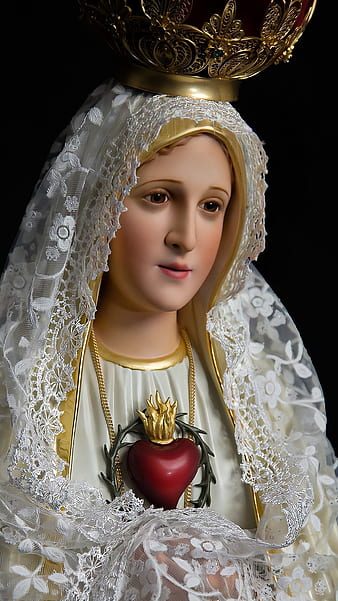
1οΈβ£ The Immaculate Heart of Mary is a symbol of purity and love. Just as her heart was untouched by sin, it radiates with divine grace and compassion. By consecrating ourselves to her Immaculate Heart, we join in her mission of spreading love and holiness in the world.
2οΈβ£ The act of consecration strengthens our relationship with the Blessed Virgin Mary. Through this devotion, we acknowledge her as our heavenly mother and entrust ourselves completely to her care. Just as a child finds comfort and security in the arms of its mother, we find solace and protection in the loving embrace of the Immaculate Heart.
3οΈβ£ Consecration to the Immaculate Heart of Mary aligns us with the will of God. Mary's unwavering obedience to God's plan serves as an example for us to follow. By consecrating ourselves to her, we surrender our own wills and desires, allowing God's divine purpose to guide our lives.
4οΈβ£ Our Lady's intercession is a powerful tool in our spiritual journey. As the Mother of God, Mary holds a unique closeness to her Son. When we consecrate ourselves to her Immaculate Heart, we invite her to intercede for us and bring our prayers before the throne of God.
5οΈβ£ Mary's Immaculate Heart is a font of grace. Through our consecration, we open ourselves to receive the abundant graces that flow from her heart. These graces nourish our souls, strengthen our faith, and empower us to live virtuously.
6οΈβ£ Consecration to the Immaculate Heart of Mary fosters a deep sense of devotion and love for our Blessed Mother. As we journey alongside Mary, our hearts are filled with a profound affection for her, and we come to understand her role as the spiritual mother of all humanity.
7οΈβ£ By consecrating ourselves to the Immaculate Heart of Mary, we become instruments of her mission to bring all souls closer to God. Our lives, now united to her heart, become a testimony of faith and a witness to the transformative power of God's love.
8οΈβ£ Scripture reveals the significance of Mary's role in salvation history. In Luke 1:38, Mary says, "Behold, I am the handmaid of the Lord. May it be done to me according to your word." Her humble acceptance of God's will paved the way for our redemption through Jesus Christ.
9οΈβ£ The Catechism of the Catholic Church emphasizes the importance of devotion to Mary, stating that "the Church rightly honors βthe Blessed Virgin with special devotion. From the most ancient times the Blessed Virgin has been honored with the title of "Mother of God"'" (CCC 971).
π Saints throughout history have attested to the power of consecration to the Immaculate Heart of Mary. St. Maximilian Kolbe, known for his devotion to Mary, once said, "Never be afraid of loving the Blessed Virgin too much. You can never love her more than Jesus did."
1οΈβ£1οΈβ£ Our Lady of Fatima, in her appearances to the three shepherd children, emphasized the need for consecration to her Immaculate Heart as a means of attaining peace and salvation. Her message of love and repentance continues to touch hearts around the world.
1οΈβ£2οΈβ£ The miraculous events at Lourdes, where the Blessed Virgin Mary appeared to St. Bernadette Soubirous, serve as a testament to the power of devotion to her Immaculate Heart. Countless healings and conversions have occurred at this sacred site, drawing people closer to God through Mary's intercession.
1οΈβ£3οΈβ£ Through our consecration to the Immaculate Heart of Mary, we become partakers in the joys and sorrows of Mary's life. Just as she stood at the foot of the cross, we too are invited to unite our suffering with hers, finding strength and consolation in her maternal embrace.
1οΈβ£4οΈβ£ As we deepen our devotion to the Immaculate Heart of Mary, we are transformed by her example of humility, purity, and obedience. We strive to imitate her virtues in our daily lives, drawing closer to holiness and becoming more Christ-like.
1οΈβ£5οΈβ£ In conclusion, the power of consecration to the Immaculate Heart of Mary is undeniable. Through this devotion, we are drawn into a deeper relationship with our heavenly mother, receive abundant graces, and become active participants in her mission of love and salvation. Let us embrace this powerful practice, for it leads us closer to God and transforms our lives in profound ways.
What are your thoughts on the power of consecration to the Immaculate Heart of Mary? How has this devotion impacted your spiritual journey? Share your insights and experiences below.
Updated at: 2023-08-05 13:19:33 (2 years ago by Melkisedeck Leon Shine)
Mary's Maternal Love: A Shelter in Times of Struggle
Introduction: π In times of struggle, we often find solace and comfort in the love and support of our loved ones. For Christians, there is no greater source of maternal love and guidance than the Blessed Virgin Mary, the Mother of God. Mary's unwavering love and protection provide a shelter for our souls during challenging times, offering a sense of peace and hope. Let us delve into the depth of Mary's maternal love and how it can be a guiding light in our lives.
The Unconditional Love of a Mother: π As a mother, Mary embodied the essence of unconditional love. Her love for Jesus was pure and selfless, evident from the moment of His miraculous conception. In Luke 1:38, Mary humbly accepted the will of God, saying, "Behold, I am the handmaid of the Lord; let it be to me according to your word." Her love for her son knew no bounds, even in the face of unimaginable pain and heartache during His crucifixion. Mary's maternal love teaches us the importance of cherishing and protecting our loved ones, even in the most challenging circumstances.
Mary's Intercession: π The Blessed Virgin Mary, as the Mother of God, holds a special place in our hearts and in the eyes of the Church. Through her intercession, Mary brings our prayers before her Son, Jesus Christ. Just as Mary interceded at the wedding feast in Cana (John 2:1-11), she continues to intercede for us in our times of need. The Catechism of the Catholic Church (CCC 2677) affirms this belief, stating that "By her complete adherence to the Father's will, to his Son's redemptive work, and to every prompting of the Holy Spirit, the Virgin Mary is the Church's model of faith and charity. Thus, she is a 'preeminent and...wholly unique member of the Church.'"
A Guiding Light: π Mary's maternal love acts as a beacon of hope and guidance for all Christians. Just as she guided the shepherds to the newborn Jesus (Luke 2:8-20) and the Magi to Bethlehem (Matthew 2:1-12), Mary continues to lead us closer to her Son through her example and intercession. The saints, such as St. Louis de Montfort and St. Maximilian Kolbe, have written extensively about the importance and power of Mary's maternal love in our spiritual journey.
Mary's Shelter: π During times of struggle, we often seek refuge and protection. Mary, as our spiritual mother, provides a shelter for our weary souls. In his book "True Devotion to Mary," St. Louis de Montfort beautifully explains this concept: "Those who have given themselves to Jesus Christ through Mary may rest assured that they have chosen the better part and that it will not be taken from them." Mary's maternal love serves as a safe haven, where we can find peace, strength, and renewed faith.
Mary's Compassion: π The Blessed Virgin Mary's heart overflows with compassion for her children. Just as she compassionately stood at the foot of the Cross, witnessing the suffering and death of her Son, Mary empathizes with us in our own struggles. The words of St. Bernard of Clairvaux capture this sentiment: "In dangers, in distress, in doubts, think of Mary, call upon Mary. Let not her name depart from your lips; never suffer it to leave your heart."
The Rosary: πΏ One of the most powerful ways to connect with Mary's maternal love is through the recitation of the Rosary. As we meditate on the mysteries of Christ's life, Mary accompanies us on this spiritual journey. Pope Francis states in his encyclical "Lumen Fidei" that "the Virgin Mary teaches us what faith is, how we are to believe, in what manner we are to follow Christ in His Passion, His Cross, and His Resurrection."
Our Loving Advocate: πΉ The Catholic Church teaches that Mary is not only a loving mother but also our advocate and protector. In times of spiritual warfare or when facing temptation, we can turn to Mary for her powerful intercession. The Catechism of the Catholic Church (CCC 969) reminds us, "This motherhood of Mary in the order of grace continues uninterruptedly from the consent which she loyally gave at the Annunciation and which she sustained without wavering beneath the cross."
Mary's Maternal Love Throughout History: π Throughout history, countless individuals have experienced the tender love and protection of the Blessed Virgin Mary. Whether it be the miraculous appearances of Mary at Lourdes, Fatima, or Guadalupe, or the countless personal stories of healing and comfort attributed to her intercession, Mary's maternal love continues to touch lives in profound ways.
A Mother to All: π Mary's maternal love extends not only to Catholics but to all humanity. Just as Jesus entrusted His beloved disciple John to Mary's care (John 19:27), Mary embraces all of humanity as her children. This universal motherhood is beautifully described in the Catechism of the Catholic Church (CCC 963): "In her we contemplate what the Church already is in her mystery on her own 'pilgrimage of faith,' and what she will be in the homeland at the end of her journey."
Conclusion: πΉ In times of struggle, we can find solace, comfort, and guidance in Mary's maternal love. Her unwavering devotion to her Son, Jesus Christ, and her unconditional love for us as her children serve as a beautiful example of Christian love. Let us strive to deepen our relationship with Mary and seek her intercession in our lives. Have you experienced the comforting embrace of Mary's maternal love? Share your thoughts and experiences below.
Updated at: 2023-08-05 13:20:23 (2 years ago by Melkisedeck Leon Shine)
The Assumed Role of Mary in Christian Art and Iconography
πΉβοΈ Mary, the Mother of God, holds a special place in the hearts of Christians around the world. Her role as the mother of Jesus and her unwavering faith have made her an enduring symbol of love, devotion, and purity. Through the centuries, artists have sought to capture her essence in their paintings, sculptures, and icons. In this article, we will explore the assumed role of Mary in Christian art and iconography, and celebrate the beauty and significance she holds in the spiritual realm.
Mary as the Mother of God: According to Christian belief, Mary conceived Jesus through the power of the Holy Spirit, remaining a virgin before, during, and after the birth of her divine son. This exalted role has been depicted in countless artworks, such as Leonardo da Vinci's famous painting, "The Annunciation," which portrays the angel Gabriel announcing Mary's conception.
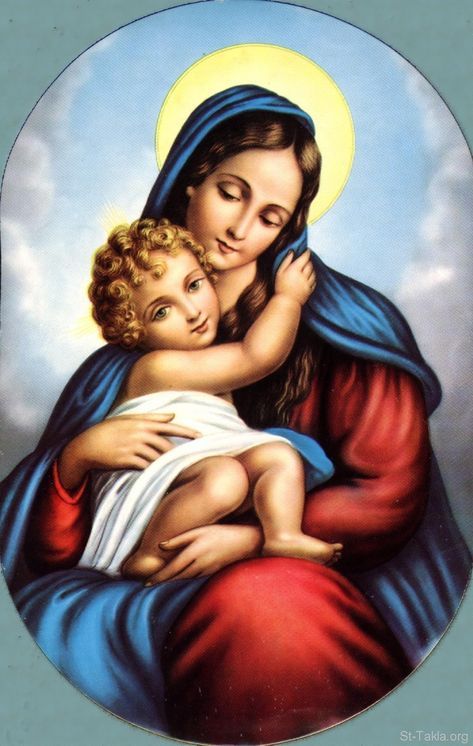
The Madonna and Child: One of the most iconic representations of Mary is that of the Madonna and Child. This image depicts Mary cradling the infant Jesus in her arms, symbolizing her role as the nurturing and loving mother. Artists have depicted this scene in various styles and mediums, each highlighting the tenderness and deep connection between mother and child.
Mary as the Immaculate Conception: The doctrine of the Immaculate Conception teaches that Mary was conceived without original sin, preparing her to be the vessel through which God's salvation would enter the world. This belief has been expressed in many artworks, such as BartolomΓ© Esteban Murillo's painting, "The Immaculate Conception," which portrays Mary standing on a crescent moon, surrounded by angels.
The Pieta: Perhaps one of the most poignant and heart-wrenching representations of Mary is the Pieta, which portrays her holding the lifeless body of Jesus after his crucifixion. This powerful image, sculpted by Michelangelo, captures the profound sorrow and grief of a mother who has lost her beloved son.
The Assumption of Mary: According to Catholic tradition, Mary was assumed body and soul into heaven at the end of her earthly life. This belief has been celebrated in numerous artworks, such as Titian's painting, "Assumption of the Virgin," which depicts Mary being lifted up by a host of angels.
The Coronation of Mary: In some Christian traditions, Mary is believed to have been crowned as the Queen of Heaven and Earth. This belief is often depicted in artworks, with Mary wearing a crown and surrounded by hosts of angels and saints. One notable example is the painting "Coronation of the Virgin" by Diego VelΓ‘zquez.
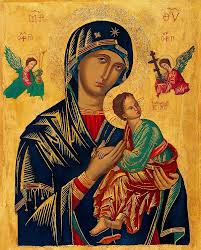
Mary as the Mediatrix: Catholic teaching holds that Mary plays a unique role in interceding for humanity. This belief is often represented in artworks, with Mary depicted as the bridge between heaven and earth, bringing the prayers of the faithful to God. A well-known example is the icon of Our Lady of Perpetual Help, which shows Mary holding the infant Jesus, while angels display symbols of his impending passion.
The Visitation: The visitation of Mary to her cousin Elizabeth, as described in the Gospel of Luke, has been a popular subject in Christian art. This joyful encounter between the two women, both pregnant with miraculous children, is often depicted with great warmth and intimacy, emphasizing the bond between Mary and Elizabeth.
The Seven Sorrows of Mary: Another common theme in Christian art is the depiction of Mary's seven sorrows. These include the prophecy of Simeon, the flight into Egypt, and Jesus' crucifixion. The Seven Sorrows have been a powerful devotion for many Catholics, and artists have conveyed the deep emotional pain of Mary through their works.
The Rosary: The use of the rosary, a prayer devotion that focuses on the life of Jesus and Mary, has influenced Christian art as well. Many artworks feature Mary holding a rosary, symbolizing her role as the guide and intercessor for those who pray the rosary.
The Magnificat: Mary's prayer of praise and gratitude, known as the Magnificat, has inspired artists to depict her in a posture of worship and adoration. This prayer, found in the Gospel of Luke, highlights Mary's humility and her acknowledgment of God's greatness.
The Assumption of Mary in the Catechism of the Catholic Church: "Finally the Immaculate Virgin, preserved free from all stain of original sin, when the course of her earthly life was finished, was taken up body and soul into heavenly glory, and exalted by the Lord as Queen over all things, so that she might be the more fully conformed to her Son, the Lord of lords and conqueror of sin and death" (CCC, 966).
The Love of Mary: Throughout Christian history, countless saints and faithful followers have expressed their deep love and devotion to Mary. This love is reflected in the art and iconography dedicated to her, as believers seek to honor and emulate her virtues.
The Influence of Mary in Christian Spirituality: Mary's role in Christian art and iconography extends beyond visual representation. She serves as a powerful example of faith, obedience, and love for God. Many Christians turn to Mary as a source of inspiration and guidance in their spiritual journeys.
Opinion: What are your thoughts on the role of Mary in Christian art and iconography? Do you find her representations in art inspiring and meaningful? How has Mary influenced your own spiritual journey? Share your thoughts and experiences below! ππΉβοΈ
Updated at: 2023-08-05 13:19:58 (2 years ago by Melkisedeck Leon Shine)
Mary, Our Mother: Nurturing Our Faith Journey
π As Christians, we are blessed to have the loving guidance and intercession of the Blessed Virgin Mary, the Mother of God. She plays a vital role in nurturing our faith journey and drawing us closer to Jesus.
π Mary, chosen by God to be the mother of His Son, was a model of faith, obedience, and humility. Her "yes" to God's plan paved the way for our salvation, and her example continues to inspire us today.
β¨ Throughout the Bible, we see Mary's unwavering faith and trust in God. One beautiful example is the Annunciation, when the Angel Gabriel appeared to Mary and announced that she would conceive Jesus by the power of the Holy Spirit. Despite the confusion and uncertainty, Mary replied, "Behold, I am the handmaid of the Lord; let it be to me according to your word" (Luke 1:38).
π Another powerful moment is the Visitation, when Mary, pregnant with Jesus, visited her cousin Elizabeth, who was also expecting a child. Elizabeth exclaimed, "Blessed are you among women, and blessed is the fruit of your womb!" (Luke 1:42). This encounter reminds us of Mary's role as the Mother of God and the joy she brings to those around her.
π Just as Mary nurtured Jesus during His earthly life, she continues to nurture us on our faith journey. She is a compassionate and loving mother, always ready to intercede for us and lead us closer to her Son.
π The Catechism of the Catholic Church teaches us that Mary's role in our salvation is unique: "Mary's role in the Church is inseparable from her union with Christ and flows directly from it" (CCC 964). She is intimately connected to Jesus and shares in His mission of redemption.
πΉ Throughout history, countless saints have testified to the powerful intercession of Mary in their lives. Saint Louis de Montfort said, "The most perfect and quickest way to become a saint is to imitate the Blessed Virgin Mary" (True Devotion to Mary). We can learn so much from her example and seek her guidance in our own spiritual journeys.
πΏ Mary's love for us is boundless, and she desires to lead us closer to Jesus and help us grow in holiness. Just as a mother cares for her children, Mary cares for each of us. She desires to nurture our faith and help us become the best versions of ourselves.
π In the Gospel of John, at the wedding feast of Cana, Mary demonstrated her maternal concern for others. When the wine ran out, she approached Jesus and said, "They have no wine." Jesus, in response to her request, performed His first public miracle and turned water into wine (John 2:1-11). Mary's intercession for us is powerful, and she is always there to bring our needs before her Son.
π The saints also teach us the importance of turning to Mary in times of need. Saint Maximilian Kolbe said, "Never be afraid of loving the Blessed Virgin too much. You can never love her more than Jesus did" (Saint Maximilian Kolbe: Martyr of Charity). Our love for Mary should never be seen as a distraction from our love for Jesus; rather, it is a means to draw closer to Him.
π Mary's role as our spiritual mother is beautifully summed up in the words of Saint Mother Teresa of Calcutta: "Mary, give me your Heart: so beautiful, so pure, so immaculate; your Heart so full of love and humility that I may be able to receive Jesus in the Bread of Life and love Him as you love Him" (A Simple Path).
π The Bible itself teaches us to honor and love Mary. In the Gospel of Luke, Mary proclaims, "My soul magnifies the Lord, and my spirit rejoices in God my Savior" (Luke 1:46-47). Her words of praise remind us to exalt God and rejoice in His mercy and love.
πΉ The Church, in its wisdom, has also given us beautiful prayers and devotions to honor Mary. The Rosary, for example, allows us to meditate on the mysteries of Christ's life while seeking Mary's intercession. Through this prayer, we draw closer to Jesus as we reflect on His life, death, and resurrection.
π As we continue on our faith journey, let us turn to Mary, our loving mother. She is always there for us, ready to guide us and intercede for us. Through her example of faith, obedience, and love for Jesus, we can nurture our own relationship with Him and grow in holiness.
π How has Mary influenced your own faith journey? How do you seek her guidance and intercession in your spiritual life? Share your thoughts and experiences below.
Updated at: 2025-07-14 12:26:28 (11 months ago by Melkisedeck Leon Shine)
```htmlIn Christian theology, particularly within the Roman Catholic tradition, the Virgin Mary occupies a position of profound significance within what is known as the divine economy of salvation β God's overarching plan for the redemption of humanity. This plan unfolds through key moments and figures, and Mary's role, characterized by grace, obedience, and unique privilege, is central to understanding the incarnation and subsequent salvation offered through Jesus Christ. We will explore the multifaceted dimensions of Mary's involvement, highlighting her indispensable contribution to the salvific narrative.
The Annunciation: A Paradigm of Obedience and Faith: The narrative commences with the Annunciation, as recounted in the Gospel of Luke (1:26-38). The angel Gabriel's appearance to Mary, her acceptance of God's call to conceive Jesus through the Holy Spirit, marks a pivotal juncture. This moment embodies the concept of *fiat*, or "let it be done," demonstrating Mary's unwavering faith and obedience to the divine will. This event is a practical application of covenant theology, where God initiates a promise and Mary's "yes" is the human response, setting in motion the fulfillment of salvation history. Like in Finding Strength in Transition: A Biblical Guide to Navigating Change with Faith, Mary embraced a life-altering change with faith.
The Immaculate Conception: Divine Preparation: The doctrine of the Immaculate Conception, formally defined in Catholic dogma, posits that Mary was conceived without original sin. This is not to suggest that Mary didn't need salvation, but rather that she was redeemed in a unique and prevenient way, in anticipation of the merits of her Son. This grace prepared her to be a worthy vessel for the incarnation, aligning with the theological principle of *gratia praeveniens* β the grace that precedes and enables human action toward God. This preparation mirrors the proactive approach needed in other areas, like 15 Proven Strategies for Proactive Business Risk Mitigation, where preparation is key to success.
The Mother of God (Theotokos): Incarnation and Divine-Human Union: Mary's title as *Theotokos*, Greek for "God-bearer" or "Mother of God," affirmed at the Council of Ephesus, underscores the profound reality of the Incarnation. Through Mary, God the Son took on human flesh (John 1:14), uniting divinity and humanity in the person of Jesus Christ. This concept illustrates the hypostatic union β the union of Christ's two natures, human and divine, in one person. Mary's motherhood is not merely biological; it's the foundational condition for the enfleshment of the Word. This role highlights the power and significance of motherhood, echoing themes found in Parenting Styles Today: A Comprehensive Guide for Modern Families.
Perpetual Virginity: A Sign of Consecration: The doctrine of Mary's perpetual virginity asserts that she remained a virgin before, during, and after the birth of Jesus. This belief signifies her complete consecration to God and her unique role in salvation history. While debated among various Christian denominations, it's understood within the Catholic tradition as a sign of her total dedication to God's plan, unburdened by other earthly ties. This notion resonates with the idea of focusing on one's strengths, as highlighted in Unlocking Career Success: A Strengths-Based Approach.
The Visitation: Recognizing the Divine Presence: Mary's visit to her cousin Elizabeth (Luke 1:39-45) is a powerful encounter. Elizabeth's recognition of Mary as the Mother of God, and the leaping of John the Baptist in her womb, demonstrate the recognition of Jesus' divine presence even before birth. This episode showcases the concept of *koinonia* β a fellowship or communion centered on shared faith and recognition of the sacred. This also highlights the power of connection, similar to the bonds explored in Long-Distance Friendships: Proven Ways to Build Deep Connections.
The Magnificat: A Song of Liberation and Justice: Mary's Magnificat (Luke 1:46-55) is a revolutionary prayer that expresses her humility, gratitude, and profound understanding of God's preferential option for the poor and marginalized. It echoes themes of social justice and liberation, reflecting a world turned upside down by God's grace. This prayer is a testament to the power of faith in action, reminiscent of the principles of Unlocking Africa's Potential: 15 Mindset Shifts for Unity and Prosperity, which calls for a transformed mindset to achieve societal change.
The Nativity: Humility and Fulfillment: The birth of Jesus in a humble stable in Bethlehem (Luke 2:1-20) underscores the paradox of God's incarnation β divine majesty entering the world in poverty and simplicity. Mary's role in this event is crucial, as she nurtures and protects the infant Jesus, fulfilling ancient prophecies and initiating the era of salvation. This moment symbolizes new beginnings, much like the fresh starts explored in Transform Your Life: A Practical Guide to Breaking Bad Habits.
The Presentation in the Temple: Prophecy and Foreshadowing: Mary and Joseph's presentation of Jesus in the Temple (Luke 2:22-35) is a significant event. Simeon's prophecy foretells both Jesus' destiny and the suffering Mary will endure, highlighting her participation in Christ's redemptive mission. This foreshadowing introduces the theme of *compassion*, Mary's willingness to share in her Son's suffering for the sake of humanity.
The Flight into Egypt: Protection and Perseverance: The Holy Family's flight into Egypt (Matthew 2:13-15) demonstrates their vulnerability and the threats faced by Jesus from the very beginning. Mary's role is that of a protector, safeguarding her Son from harm and persevering through hardship. This act of protecting the vulnerable resonates with themes of nurturing and safeguarding those in need.
The Finding in the Temple: Maternal Concern and Divine Wisdom: The story of finding Jesus in the Temple (Luke 2:41-52) reveals Mary's maternal concern and her eventual understanding of Jesus' unique relationship with God. This event underscores the tension between Jesus' earthly family and his divine mission, highlighting the gradual unfolding of Mary's understanding of God's plan. It highlights the importance of understanding and communication within family dynamics.
The Wedding at Cana: Intercession and Manifestation of Glory: At the Wedding at Cana (John 2:1-12), Mary's intercession prompts Jesus to perform his first public miracle, turning water into wine. This event demonstrates Mary's role as an advocate and intercessor, highlighting her concern for the needs of others and her ability to mediate divine grace. This illustrates the power of proactive problem-solving and resourcefulness.
The Crucifixion: Co-Redemptrix and Spiritual Motherhood: Mary's presence at the foot of the Cross (John 19:25-27) marks the culmination of her participation in Christ's redemptive suffering. Her unwavering faith and sorrowful compassion exemplify her role as *Co-Redemptrix* (a debated title) and spiritual mother of all believers. Jesus' entrustment of Mary to John signifies the extension of her motherhood to the entire Church. The crucifixion highlights the themes of resilience and finding strength in difficult times, as explored in Heartbreak to Healing: Finding Strength and Resilience Through Gratitude.
The Assumption: Triumph and Eschatological Hope: The Assumption of Mary, body and soul, into heaven signifies her complete union with God and her triumph over death. This event foreshadows the ultimate destiny of all believers and offers hope for the resurrection of the body. The Assumption emphasizes the themes of hope and eternal life.
The Coronation: Queen of Heaven and Earth: Mary's coronation as Queen of Heaven and Earth recognizes her exalted status and her continued intercession for all believers. This title acknowledges her unique role in God's plan and her ongoing concern for the welfare of humanity. This event symbolizes recognition of hard work and dedication.
The Rosary: A Pathway to Contemplation and Intercession: The Rosary, a prayer deeply rooted in Marian devotion, provides a structured pathway to contemplate the mysteries of Christ's life through the eyes of Mary. Through the repetition of Hail Mary prayers, believers honor Mary and seek her intercession, fostering a deeper connection with Jesus. The Rosary serves as a tool for mindfulness and spiritual reflection.
Conclusion and Recommendations
The Virgin Mary's role in God's plan of salvation is undeniably significant, intricately woven into the fabric of Christian belief and practice. Her acceptance of God's will, her unique privileges, and her unwavering faith make her a model for all believers. Reflecting on Mary's significance invites a deeper understanding of the Incarnation, the redemptive power of Christ's sacrifice, and the call to discipleship.
Recommendations: Further research could explore the varying perspectives on Mary's role across different Christian denominations, fostering ecumenical dialogue and a richer understanding of her significance. Additionally, studying the impact of Marian devotion on art, literature, and culture can provide valuable insights into her enduring influence. Examining the psychological and sociological aspects of Marian devotion can also offer a nuanced perspective on its appeal and impact on individuals and communities.
Impacts and Applicability: Understanding Mary's role has profound implications for personal faith, spiritual growth, and engagement with the world. Her example encourages humility, obedience, and a willingness to embrace God's will, even when it is challenging. Her intercessory role offers comfort and hope, fostering a sense of connection with the divine. Practically, emulating Mary's virtues can lead to more compassionate, empathetic, and service-oriented lives.
Further Research: Future research could delve into the historical context of Marian doctrines, tracing their development and evolution over time. Comparative studies examining Marian devotion in different cultural contexts could also provide valuable insights into its adaptability and relevance in diverse settings.
Reader Pool: How might a deeper understanding of Mary's role in salvation history influence one's personal spiritual journey and engagement with social justice issues?
Related Posts
Updated at: 2023-08-05 13:19:23 (2 years ago by Melkisedeck Leon Shine)
The Rosary: A Powerful Prayer Honoring Mary πΉπ«
Introduction: The Rosary is a beautiful and powerful prayer that holds a special place in the hearts of millions of Catholic Christians around the world. πβ¨ It is a prayer that encompasses the life and teachings of Jesus Christ through the intercession of the Blessed Virgin Mary, the Mother of God. πβ€οΈ In this article, we will explore the significance of the Rosary and why it is considered a powerful means of honoring Mary.
The Rosary as a Devotion to Mary: The Rosary is not only a prayer, but also a devotion that encapsulates deep love and reverence for the Blessed Virgin Mary. πΏπ Catholics believe that Mary, as the Mother of God, holds a special place in salvation history and plays a vital role in the lives of believers. π By praying the Rosary, we honor Mary's role in the life, death, and resurrection of her son, Jesus.
Biblical Basis for Honoring Mary: The honor and veneration given to Mary in the Rosary can be found in various biblical passages. One such example is the Annunciation, where the angel Gabriel greets Mary with the words, "Hail, full of grace, the Lord is with you" (Luke 1:28). ποΈ This indicates that Mary was chosen by God to bear the Son of God, making her worthy of our veneration and honor.
The Joyful Mysteries: The Rosary is divided into four sets of mysteries: the Joyful, Sorrowful, Glorious, and Luminous. The Joyful Mysteries focus on the joyful events in the life of Jesus and Mary, such as the Annunciation, the Visitation, and the Birth of Jesus. By meditating on these mysteries while praying the Rosary, we deepen our understanding of the profound love and joy that Mary experienced as the mother of Jesus. ππ
The Sorrowful Mysteries: The Sorrowful Mysteries invite us to meditate on the suffering and sacrifice of Jesus, as well as the immense sorrow that Mary endured as she stood at the foot of the Cross. Through these mysteries, we express our gratitude to Mary for her unwavering faith and strength in the face of immense pain and loss. πΉπ
The Glorious Mysteries: The Glorious Mysteries bring to mind the triumph of Jesus over death and the glory of His Resurrection. They also remind us of Mary's participation in the joy of her Son's victory. As we reflect on these mysteries, we honor Mary's role as the first disciple and her unwavering faith in the promise of eternal life. πβ¨
The Luminous Mysteries: The Luminous Mysteries were added to the Rosary by Pope Saint John Paul II in 2002. These mysteries shed light on the public ministry of Jesus, including His baptism, the Wedding at Cana, and the proclamation of the Kingdom of God. Through these mysteries, we honor Mary's presence and support throughout Jesus' ministry, as she played an integral role in His mission. π«π
The Rosary as a Powerful Prayer: Praying the Rosary is not only a means of honoring Mary but is also a powerful prayer that brings us closer to Jesus. The repetition of the Hail Marys allows us to enter into a state of deep meditation and contemplation, fostering a sense of peace and connection with God. ππ« The Rosary has been known to bring comfort, solace, and strength to those who pray it with a sincere heart.
The Intercession of Mary: In Catholic theology, Mary is believed to intercede for us and bring our prayers before her Son, Jesus. This belief is rooted in her unique role as the Mother of God and her unwavering faith. Through the Rosary, we ask Mary to intercede for us, to guide us, and to help us grow in our relationship with Christ. πΉπ
The Catechism of the Catholic Church: According to the Catechism of the Catholic Church, the Rosary is a form of prayer that brings about the following spiritual benefits: "among the Roman Catholic faithful, [it] occupies a place of honor because it favors the meditation of the Gospel in union with Mary, who was more intimately united with her son Jesus." (CCC 2708) ππΏ
Saints and the Rosary: Throughout history, numerous saints have testified to the power and efficacy of the Rosary. Saint Padre Pio once said, "The Rosary is the weapon for these times." π‘οΈπ« Saints such as Saint Dominic, Saint Louis de Montfort, and Saint Teresa of Calcutta were known for their devotion to the Rosary and attributed many graces and blessings to its practice.
Conclusion: The Rosary is a beautiful and powerful prayer that allows us to honor Mary, the Mother of God, while deepening our relationship with Jesus. It is a devotion that invites us to meditate on the mysteries of Christ's life, death, and resurrection, with the loving guidance of Mary. πΉποΈ Praying the Rosary brings us peace, strength, and a deeper understanding of God's love for us. Have you experienced the power of the Rosary in your spiritual journey? Share your thoughts and experiences below! πβ€οΈ
Updated at: 2025-06-05 10:40:05 (1 year ago by Melkisedeck Leon Shine)
This essay examines the multifaceted role of Mary, the mother of Jesus, as a patroness for mothers and families, drawing upon theological interpretations, sociological perspectives, and lived experiences. Key concepts explored include Marian devotion, maternal intercessory roles within religious frameworks, and the sociological impact of religious figures on community cohesion and support systems.
The Theological Foundation of Mary's Patronage: The Catholic tradition views Mary not merely as the mother of Jesus, but also as a pivotal figure in the salvation narrative. Her role in the Annunciation, her unwavering support during the crucifixion, and her continuing presence in the lives of believers (as articulated in the Catechism of the Catholic Church) establish her as a powerful intercessor. This resonates with the concept of divine grace and the mediation of saints within Catholic theology. This theological framework positions Mary as a model of faith, maternal love, and unwavering support, providing a source of comfort and strength for mothers and families facing various challenges. This intercessory role is further exemplified in the iconic image of Mary at the foot of the cross, where her unwavering faith provides strength and hope, a powerful symbol that has resonated throughout history.
Mary as a Model of Maternal Strength and Resilience: Scriptural accounts, such as the Visitation (Luke 1:39-56), depict Mary's compassionate and supportive nature, emphasizing her empathy and willingness to aid others. Her presence at the crucifixion, a moment of profound grief and loss, highlights her resilience and unwavering faith in the face of adversity. This resonates with the experiences of mothers and families who confront various life challenges. Mary's steadfastness in the face of hardship offers a powerful example of perseverance and strength to those navigating similar difficulties. The concept of resilience, well-established in psychology, finds a powerful parallel in Mary's unwavering faith and support, offering a model for overcoming challenges.
Mary's Influence on the Development of Maternal and Family Support Systems: The historical veneration of Mary has fostered the development of numerous community support structures centered on motherhood and family life. The lives of saints like St. Gianna Beretta Molla showcase the integration of faith, motherhood, and professional life. Their examples demonstrate how Mary's patronage has inspired individuals to pursue virtuous lives and contribute to the well-being of their communities. This highlights the social impact of religious figures and the role of belief systems in fostering communal support networks. The concept of social capital, emphasizing the benefits derived from social connections and trust within a community, can be seen in action here, with Mary acting as a unifying figure fostering these bonds.
The Power of Prayer and Ritual in Fostering Family Unity: The Rosary, a devotional prayer centered on Mary's life and the life of Jesus, serves as a powerful example of ritualistic practice that strengthens family bonds. Shared prayer fosters communication, reflection, and shared spiritual experiences, leading to enhanced family cohesion. The symbolic imagery of the Rosary itselfβbeads representing prayersβbecomes a tactile representation of the family's shared journey of faith and collective seeking of divine guidance.
Biblical Symbolism and Mary's Intercessory Power: The Book of Revelation's depiction of Mary "clothed with the sun, with the moon under her feet, and on her head a crown of twelve stars" (Revelation 12:1) presents a powerful visual metaphor for her role as intercessor. This imagery conveys her divine protection and advocacy, reassuring believers of her ongoing support and guidance. This imagery reinforces the theological concept of intercession, emphasizing Mary's ability to mediate between humanity and the divine.
Conclusion and Recommendations: Mary's patronage of mothers and families transcends mere religious sentiment; it creates powerful social and psychological effects. Her unwavering faith, resilience in the face of adversity, and her consistent support provide invaluable examples for mothers and families across generations. Further research could explore the quantitative impact of Marian devotion on family well-being, using sociological methodologies to measure the correlation between active Marian devotion and various indicators of family health, such as conflict resolution strategies and resilience to stressors. The study could also investigate the cross-cultural variations in the interpretation and impact of Mary's patronage, comparing different religious traditions and their varying emphasis on Maryβs role. Promoting community initiatives that foster spiritual support and strengthen family bonds, inspired by the example of Mary, could significantly contribute to the well-being of families, offering practical applications rooted in faith-based frameworks.
Reader Pool: How might a sociological understanding of social capital contribute to a deeper appreciation of the role Mary plays in fostering community support and resilience within families?