Special 25 Get Well Soon SMS Messages for Wishing a Speedy Recovery
Updated at: 2023-07-07 07:26:48 (2 years ago by Melkisedeck Leon Shine)
Special 25 Get Well Soon SMS Messages for Wishing a Speedy Recovery
When our loved ones fall ill, it becomes our mission to fill their days with love, positivity, and well wishes. Sending a heartfelt get well soon message can be a small gesture that brings great comfort to those who are unwell. Let us dive into a collection of special 25 get well soon SMS messages that will surely bring a smile to their faces and aid in their speedy recovery.
Remember, a simple message can light up someone's day and bring them hope during their recovery journey. So, why not spread some love and positivity by sending one of these special get well soon SMS messages to your loved ones? Let them know that you are there for them every step of the way, and that you are eagerly awaiting their speedy recovery.
Updated at: 2023-08-11 20:34:29 (2 years ago by Melkisedeck Leon Shine)
Beyond Artifacts: Digital Preservation of African Cultural Heritage π
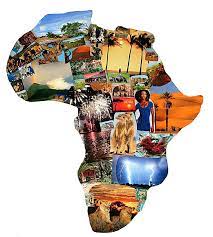
As Africans, we are the custodians of a rich and diverse cultural heritage that spans thousands of years. Our traditions, languages, arts, and customs are the threads that connect us to our ancestors and shape our identity. It is our duty to ensure that these invaluable treasures are preserved and passed down to future generations. In this digital age, we have an incredible opportunity to leverage technology for the preservation of our African culture and heritage. Let us explore some strategies that can help us achieve this goal.
1οΈβ£ Embrace digital platforms: With the widespread use of smartphones and the internet across Africa, we can leverage digital platforms to document and share our cultural heritage. Websites, apps, and social media platforms provide accessible and interactive spaces where we can showcase our traditions, music, dances, stories, and more.
2οΈβ£ Collaborate with experts: Engaging with experts in the field of digital preservation can provide valuable insights and guidance. By working together, we can develop effective strategies that suit the unique needs of our diverse African cultures.
3οΈβ£ Establish digital archives: Creating digital archives dedicated to African cultural heritage can be a powerful tool for preservation. These archives can house photographs, videos, audio recordings, and written documents that capture the essence of our traditions, ensuring they are safeguarded for future generations.
4οΈβ£ Engage the youth: Our young people are the future torchbearers of our culture. By involving them in the digital preservation process, we can empower them to take ownership and actively contribute to the documentation and promotion of our heritage.
5οΈβ£ Utilize virtual reality: Virtual reality technology allows us to recreate immersive experiences, enabling people to explore and interact with African cultural sites and artifacts from anywhere in the world. This can help foster a sense of pride and connection to our heritage.
6οΈβ£ Preserve oral traditions: Our oral traditions are a vital part of our cultural heritage. By using digital tools, we can record and transcribe oral histories, songs, and storytelling sessions, ensuring that these precious narratives are preserved for future generations.
7οΈβ£ Build partnerships with educational institutions: Collaborating with schools and universities can provide opportunities for research, documentation, and the integration of African cultural heritage into curricula. This will ensure that our traditions are not only preserved but also celebrated and understood by younger generations.
8οΈβ£ Harness the power of crowdsourcing: Encouraging community participation through crowdsourcing can help in the identification, documentation, and preservation of African cultural heritage. By involving people from different regions and backgrounds, we can create a comprehensive and diverse digital archive.
9οΈβ£ Protect intellectual property rights: As we digitize our cultural heritage, it is crucial to protect the intellectual property rights of the creators and custodians. This will ensure that our cultural expressions are not exploited or misrepresented.
π Learn from global experiences: We can draw inspiration from successful digital preservation initiatives around the world, such as the British Library's digital collections or the Smithsonian Institution's digital archives. By studying these examples, we can adapt their strategies to fit our African context.
1οΈβ£1οΈβ£ Celebrate African cultural festivals: African cultural festivals are important occasions to showcase and promote our heritage. By incorporating digital elements into these festivals, we can reach a wider audience and create lasting digital records of our traditions.
1οΈβ£2οΈβ£ Encourage tourism and cultural exchange: Initiatives that promote tourism and cultural exchange within and beyond African borders can generate awareness and appreciation for our heritage. Through digital platforms, we can attract visitors and facilitate cross-cultural dialogue.
1οΈβ£3οΈβ£ Organize workshops and training programs: Equipping individuals with the necessary digital skills for preservation will empower them to contribute actively to the safeguarding of our cultural heritage. Workshops and training programs can provide practical knowledge and hands-on experience.
1οΈβ£4οΈβ£ Preserve endangered languages: Digital preservation can play a significant role in safeguarding endangered African languages. By creating digital language resources, such as online dictionaries and language learning apps, we can ensure the survival and revival of these linguistic treasures.
1οΈβ£5οΈβ£ Embrace the power of the digital era: The digital age presents us with unprecedented opportunities to preserve and promote our African cultural heritage. Let us seize this moment and work together towards creating a united front in the preservation of our traditions, languages, arts, and customs.
As we embark on this journey of digital preservation, let us remember the words of great African leaders who understood the importance of cultural heritage. Nelson Mandela once said, "Without language and culture, a nation ceases to exist." We must recognize that our cultural heritage is not just a source of pride but also an engine for economic growth, political empowerment, and social cohesion.
In conclusion, I invite and encourage all Africans to develop their skills in the recommended strategies of preservation of African culture and heritage. Together, we can make a difference and ensure that future generations inherit a vibrant and thriving African cultural legacy. Share this article with your friends and family, and let's inspire each other to preserve our heritage and promote African unity. ππͺ
Updated at: 2025-05-20 12:21:46 (11 months ago by Melkisedeck Leon Shine)
Innovation and Smart Cities: Forging Sustainable Urban Ecosystems
The escalating global urbanization trend necessitates innovative and sustainable urban solutions. Smart cities, defined by their integration of technology and data analytics for informed decision-making, offer a powerful framework for achieving urban sustainability. This article analyzes the pivotal role of innovation in smart city development and its contribution to creating ecologically sound and resilient urban environments. Key concepts explored include the Resource-Based View (RBV), emphasizing the strategic importance of organizational resources (like technology and data) for competitive advantage in city development; the Social Exchange Theory, examining the reciprocal relationships between citizens and city governance; and the Diffusion of Innovations theory, analyzing how new technologies and practices spread within urban contexts. We will delve into specific applications of these concepts within the smart city paradigm.
1. Economic Growth through Innovation: A Resource-Based View (RBV) perspective highlights how innovative technologies and business models attract investment, create high-value jobs, and enhance overall economic productivity within smart cities. This leads to enhanced competitiveness and improved quality of life for residents. For example, the development of a city's tech ecosystem can attract specialized firms, increasing tax revenue and creating a multiplier effect on local economies.
2. Optimized Urban Mobility: The implementation of intelligent transportation systems (ITS), leveraging real-time data analytics, significantly reduces traffic congestion and its associated environmental impacts (emissions, noise pollution). This aligns with the concept of sustainable transportation, aiming to reduce reliance on private vehicles and promoting the use of public transport, cycling, and walking. The success of ITS can be measured through metrics like average commute times, carbon emissions per capita, and public transit ridership rates. Barcelona's smart parking system exemplifies such an initiative.
3. Energy-Efficient Infrastructure: Smart cities prioritize energy-efficient building design and operation. The adoption of smart grids, renewable energy sources (solar, wind), and advanced energy management systems demonstrably reduces carbon footprints and energy costs. The Edge building in Amsterdam serves as a case study of sustainable building practices and resource optimization, showcasing the integration of renewable energy and water recycling systems. These initiatives contribute to the broader goal of decarbonizing the urban built environment.
4. Advanced Waste Management: Innovative waste management systems within smart cities emphasize waste reduction, recycling, and resource recovery. Data-driven optimization of waste collection routes and smart sorting technologies increase efficiency and minimize landfill waste. The San Francisco example illustrates the significant environmental and economic benefits of robust recycling programs, highlighting the importance of behavioral interventions alongside technological solutions.
5. Data-Driven Governance and Citizen Engagement: Social Exchange Theory comes into play here, where the city provides efficient services and information in exchange for citizen collaboration and feedback. Smart governance utilizes digital platforms to enhance transparency, promote citizen participation in decision-making, and improve service delivery. Seoul's mobile app-based citizen engagement system demonstrates the potential to improve responsiveness and accountability in urban governance.
6. Sustainable Urban Food Production: Smart cities integrate urban agriculture through methods such as vertical farming, rooftop gardens, and hydroponics, enhancing food security and reducing carbon emissions associated with food transportation. Singapore's Sky Greens exemplifies the efficiency and sustainability of vertical farming, demonstrating how to overcome limitations of land scarcity in densely populated urban areas.
7. Resource-Efficient Water Management: Facing increasing water scarcity, smart cities leverage smart meters, leak detection systems, and data analytics to optimize water usage and minimize waste. Cape Town's water management system during its drought demonstrates the critical role of technology in mitigating water stress in urban areas. This underscores the importance of water conservation strategies aligned with sustainability goals.
8. Public Safety and Security Enhancement: Smart city initiatives incorporate advanced surveillance, predictive policing, and emergency response systems to enhance public safety and security. Singapore's integrated sensor and camera network illustrates how technology can improve situational awareness and response times to incidents, contributing to a safer urban environment.
9. Enhanced Quality of Life: Ultimately, smart city initiatives aim to enhance the overall quality of life. Integrating technology across sectors like healthcare, education, and recreation creates more liveable and enjoyable urban spaces. Helsinki's digital healthcare system showcases the potential to improve access to healthcare and personalize services, leading to better health outcomes.
10. Collaborative Innovation Ecosystems: Smart city development thrives on collaborative ecosystems involving businesses, academia, and government. This collaborative approach, emphasizing knowledge sharing and resource pooling, fuels innovation and accelerates the deployment of sustainable solutions. The establishment of innovation hubs and technology clusters facilitates the creation of these dynamic ecosystems.
11. Scalable and Replicable Solutions: Successful smart city initiatives must be designed for scalability and replicability, allowing for widespread adoption and global impact. This ensures the sustainability of implemented solutions and enables widespread adaptation to similar challenges in other urban contexts. The sharing of best practices and open-source technologies are crucial for achieving scalability and replicability.
12. Continuous Innovation and Adaptive Capacity: Smart cities must cultivate a culture of continuous innovation and adaptation to address emerging urban challenges and technological advancements. This requires a dynamic approach that embraces experimentation, learning, and responsiveness to evolving circumstances. Regular performance evaluations and iterative design processes are essential for continuous improvement and maintaining an adaptive capacity.
Conclusions and Recommendations:
Smart city initiatives, driven by innovation, offer a transformative pathway towards creating sustainable and resilient urban environments. The integration of technology and data-driven decision-making across various urban systems demonstrably improves efficiency, resource management, and quality of life. However, successful implementation necessitates a holistic approach encompassing collaborative governance, citizen engagement, and a commitment to continuous improvement. Further research should focus on evaluating the long-term socio-economic impacts of smart city interventions, addressing issues of digital equity and ensuring equitable access to the benefits of technological advancement. Moreover, exploring innovative financing mechanisms and incentivizing private sector involvement is crucial for sustaining these ambitious urban development initiatives. The diffusion of successful models across diverse urban contexts is essential for achieving widespread global impact and addressing pressing global challenges such as climate change and resource depletion.
Reader Pool: Considering the complexities of smart city development and the potential for unintended consequences, what ethical frameworks and governance structures are necessary to ensure equitable and sustainable outcomes for all urban residents?
Updated at: 2023-07-04 22:27:04 (2 years ago by Melkisedeck Leon Shine)
15 Tips for Selecting the Right Blush Shade for Your Skin Tone
Finding the perfect blush shade that complements your skin tone can be a daunting task. With so many options available, it's easy to get overwhelmed. However, fear not! We've compiled a list of 15 tips to help you select the right blush shade for your skin tone, ensuring a flawless and natural-looking flush every time. So, let's dive in and discover the secrets to finding your perfect blush match!
Determine your undertone: Understanding your skin's undertone is the key to finding the right blush shade. If you have warm undertones, opt for peach or coral shades. For cool undertones, look for pink or rose shades. Neutral undertones can rock a wide range of shades.
Consider your skin's depth: Darker skin tones can carry vibrant and bold blush shades such as deep oranges or berry tones. Lighter skin tones should opt for lighter, softer shades like baby pink or light peach to avoid overpowering their complexion.
Know your skin's intensity: If you have fair skin, choose blush shades that are more sheer or buildable to avoid looking too intense. Deeper skin tones can embrace highly pigmented and intense shades to add a pop of color.
Test before buying: Always swatch blush shades on your skin to see how they appear in natural light. What may look great in the packaging might not translate the same way on your skin. Don't be afraid to ask for samples or try testers in-store!
Match your blush to your lip color: To create a cohesive and harmonious look, consider selecting blush shades that complement your natural lip color. If you're wearing a bold lip, opt for a more neutral blush shade to avoid clashing.
Consider the occasion: Different occasions call for different blush shades. For daytime or office wear, opt for softer, more natural shades. For an evening event, you can experiment with bolder and more pigmented shades.
Check the finish: Blushes come in various finishes, such as matte, satin, and shimmer. Consider your skin type and personal preference when selecting the finish. Matte finishes are excellent for oily skin, while satin and shimmer finishes add a healthy glow to drier skin types.
Don't forget about your blush brush: The right blush brush is essential for flawless application. Opt for a brush that is the appropriate size for your cheekbones and has the desired shape, whether it's rounded or angled.
Don't be afraid to mix shades: If you can't find the perfect blush shade, don't hesitate to mix two or more shades to create a custom color that suits your complexion perfectly. It's all about finding what works for you!
Consider the season: Just like your wardrobe, your blush shade can change with the seasons. Bright and vibrant shades are perfect for summer, while warmer and deeper tones work beautifully during the fall and winter months.
Take your outfit into account: Your blush shade should complement your outfit, not clash with it. If you're wearing warm-toned clothing, opt for blush shades that have warm undertones as well.
Be mindful of your age: As we age, our skin changes, and so should our blush shade choices. Younger individuals can experiment with brighter shades, while older individuals may lean towards softer and more natural-looking blushes.
Consider your skin's texture: If you have textured skin or enlarged pores, avoid blushes with chunky glitter or shimmer, as they can emphasize these imperfections. Opt for a more finely milled blush with a satin or matte finish for a smoother appearance.
Seek professional advice: If you're struggling to find the right blush shade, don't hesitate to consult with a makeup artist or beauty advisor. They can provide personalized recommendations based on your skin tone and desired look.
Trust your instincts: Ultimately, the best guide in selecting the right blush shade is your gut feeling. If a certain shade makes you feel confident and beautiful, go for it! Makeup is all about self-expression and embracing your unique features.
So, armed with these 15 tips, go forth and find the perfect blush shade that enhances your natural beauty. Remember to have fun experimenting and don't be afraid to step out of your comfort zone. Embrace the flush and let your cheeks shine with the right blush shade for your skin tone! ππΈβ¨
Updated at: 2024-05-23 16:28:37 (1 year ago by SW - Melkisedeck Shine)
Kuchunguza Mitindo ya Upendo: Jinsi Tunavyotoa na Kupokea Upendo β€οΈ
Upendo ni hisia ya kipekee na muhimu katika maisha yetu. Tunahitaji kutoa na kupokea upendo ili kuwa na uhusiano imara na thabiti. Kwa hivyo, ni muhimu kuchunguza mitindo yetu ya upendo ili kuwa na ufahamu kamili juu ya jinsi tunavyotoa na kupokea upendo. Leo, kama mtaalam wa mahusiano, nataka kushiriki nawe baadhi ya vidokezo na mifano juu ya jinsi ya kuimarisha uhusiano wako kwa kujenga upendo na uhusiano wa karibu. Hebu tuanze! π
Elewa Lugha yako ya Upendo: Kila mtu ana njia tofauti ya kutoa na kupokea upendo. Kwa mfano, kwa baadhi ya watu, maneno ya kutia moyo ni muhimu sana, wakati wengine wanathamini vitendo vya upendo kama kumsaidia mwenzi wako katika majukumu ya nyumbani. Elewa njia ambazo unapenda kupokea upendo na jinsi mwenzi wako anavyopenda kuupokea. Hii itasaidia kuimarisha uhusiano wenu kwa kuelewana vizuri. π£οΈ
Mfanye Mwenzi Wako Ajisikie Maalum: Ni muhimu kumfanya mwenzi wako ajisikie thamani na maalum katika maisha yako. Tumia maneno ya upendo na faragha ili kumwambia jinsi unavyomjali. Unaweza kuandika barua za upendo, kutuma ujumbe wa maandishi ya mapenzi, au hata kuimba wimbo maalum kwake. Kubadilishana zawadi za kimapenzi pia ni njia nzuri ya kumfanya mwenzi wako ajisikie maalum. π
Kuwa Mwaminifu na Mkarimu: Uaminifu na ukarimu ni msingi muhimu katika uhusiano wa upendo. Kuwa mwaminifu kwa mwenzi wako kwa kuzungumza kwa uwazi na kuheshimiana. Kuwa mkarimu kwa kutoa muda, nafasi, na upendo wako bila kuhitaji chochote badala yake. Jitahidi kuwa mtu ambaye mwenzi wako anaweza kumtegemea na kujisikia salama. π€
Kuunganisha Kihisia: Upendo ni zaidi ya mwili tu, ni kuhusu kuunganisha kwa kihisia. Tenga wakati wa kuzungumza na kusikiliza mawazo na hisia za mwenzi wako. Kuwa na mawasiliano ya wazi na kuonesha ujali na huruma. Fanya shughuli pamoja ambazo zinawawezesha kuwa na mawasiliano ya kina na kuimarisha uhusiano wenu. π
Kuonesha Mapenzi Yako Kwa Njia ya Kimwili: Kugusa na kushikamana kimwili ni njia ya kipekee ya kuonesha upendo. Kumbusu, kubembeleza, kumkumbatia mwenzi wako inaleta karibu na kuimarisha uhusiano wenu. Kupanga ratiba ya ngono na kushiriki upendo wa kimwili pia ni sehemu muhimu ya uhusiano wa karibu. π₯
Tumia Muda Pamoja: Kupanga muda wa kuwa pamoja ni muhimu katika kuimarisha uhusiano wako. Shughulikia masaa ya kufurahisha pamoja, kama kwenda kwenye tarehe, likizo, au kufanya mazoezi pamoja. Hii itasaidia kujenga kumbukumbu nzuri na kuimarisha uhusiano wenu kwa ujumla. π΄
Kuwa Msaada kwa Mwenzi Wako: Kusaidia mwenzi wako katika maisha yao ni njia nzuri ya kuonesha upendo. Kujitolea kuwa msaada wakati mwenzi wako anapitia wakati mgumu au anahitaji msaada wa kiroho au kimwili itaimarisha uhusiano wenu. Kuwa na msikivu na kuonyesha kwamba unajali kuhusu hisia na mahitaji yao. π€
Kufanya Vitu Vyenye Nguvu Pamoja: Kufanya vitu vyenye nguvu pamoja, kama kusaidia jamii au kufanya kazi ya hiari, inaweza kuimarisha uhusiano wako. Kutekeleza miradi ya pamoja inaweza kuunda uhusiano mzuri na kuleta faraja na furaha katika uhusiano wenu. π«
Kuwa na Msamaha: Hakuna uhusiano mkamilifu na kila mtu hufanya makosa. Kuwa na utayari wa kusamehe na kusahau makosa. Mawasiliano ya wazi na kuelewa hisia za mwenzi wako ni msingi muhimu wa kuimarisha uhusiano wenu kupitia msamaha. π
Kuwasiliana Kuhusu Mahitaji ya Kimahaba: Kuwa na mazungumzo ya wazi na mwenzi wako juu ya mahitaji yenu ya kimahaba ni muhimu. Eleza jinsi unavyopenda kupokea upendo na kusikiliza jinsi mwenzi wako anavyopenda. Hii itasaidia kufikia ufahamu na kuimarisha uhusiano wenu. π
Tathmini Uhusiano Wenu: Mara kwa mara, inafaa kuchunguza uhusiano wenu na kufanya tathmini ya jinsi mambo yanavyokwenda. Je, kuna mabadiliko unayohitaji kufanya? Je, mwenzi wako anahisije kuhusu uhusiano wenu? Kuwa na mazungumzo ya wazi na kushiriki hisia zenu ili kuendelea kuboresha uhusiano wenu. π
Kuwa na Ushirikiano: Uhusiano mzuri unahitaji ushirikiano. Fanya maamuzi pamoja, panga malengo ya pamoja, na kufanya kazi pamoja kufikia ndoto zenu. Ushirikiano ni njia nzuri ya kuimarisha uhusiano wenu na kujenga upendo wa kweli na bora. π€
Badilishana Mapenzi na Sifa: Kuwa na mazoea ya kumweleza mwenzi wako jinsi unavyompenda na kumsifu. Badilishana maneno ya upendo na sifa za kujenga kila siku. Hii itasaidia kuimarisha uhusiano wenu na kuwa na hisia za upendo na furaha. π
Kukabiliana na Changamoto Pamoja: Uhusiano wa kweli ni wakati unakabiliwa na changamoto pamoja. Kukabiliana na changamoto pamoja inajenga uaminifu na kuimarisha uhusiano wenu. Kuwa na msaada na kumfanya mwenzi wako ajisikie kuwa unashirikiana naye katika kila hatua ya maisha yenu. πͺ
Kuwa na Furaha na Upendo: Mwishowe, kuwa na furaha na upendo katika uhusiano wako ni muhimu. Kila siku, jihadhari kwa furaha na upendo na kufanya bidii ya kuonesha mwenzi wako jinsi unavyomjali. Kumbuka, upendo una nguvu ya kuleta furaha na kuimarisha uhusiano wenu. π
Kwa hivyo, ninapenda kusikia kutoka kwako! Je, una mifano au njia zingine za kutoa na kupokea upendo? Je, mitindo gani ya upendo inafanya kazi vizuri kwako na mwenzi wako? Nipe maoni yako! βΊοΈ
Updated at: 2025-05-23 12:00:18 (11 months ago by Melkisedeck Leon Shine)
Effective asthma management is pivotal for individuals seeking to lead fulfilling lives unburdened by respiratory limitations. This guide offers a structured approach to asthma control, integrating medical interventions with lifestyle modifications and psychosocial strategies. We explore evidence-based approaches to improve respiratory health and overall well-being.
1. Personalized Asthma Action Planning and Trigger Identification: Successful asthma management hinges on a thorough understanding of individual triggers. This process, informed by the principles of personalized medicine, involves meticulously documenting symptom patterns and potential environmental exposures (e.g., pollen, allergens, pollutants) through self-monitoring using symptom diaries. This data forms the foundation for developing a personalized asthma action plan in consultation with a healthcare provider. This plan should incorporate the principles of the self-management model, empowering individuals to actively participate in their care. The plan should outline detailed steps for managing exacerbations, including medication protocols and emergency procedures. The use of peak flow meters can provide objective data to assess lung function and guide treatment adjustments. Regular review and updates to the asthma action plan are crucial to ensure its ongoing effectiveness in light of fluctuating symptoms and changing environments. This proactive approach is rooted in the biopsychosocial model, recognizing the interplay of biological factors, psychological states, and social contexts in shaping the experience of asthma.
2. Adherence to Pharmacotherapy and Inhaler Technique Optimization: Consistent adherence to prescribed medication is paramount in achieving and maintaining asthma control. This principle aligns with the tenets of chronic disease management, emphasizing the importance of long-term medication adherence even during asymptomatic periods. This proactive approach can prevent exacerbations and significantly improve quality of life. The efficacy of medication depends heavily on proper inhaler technique. Improper inhaler use can compromise medication delivery, reducing its therapeutic potential. Therefore, education on correct inhaler technique, potentially employing spacer devices to enhance delivery, is an essential component of optimal asthma management. This aspect underscores the importance of patient education and the application of behavioral change theories in fostering medication adherence and optimal inhaler technique.
3. Promoting Physical Activity and Maintaining an Allergen-Free Environment: Regular physical activity, guided by the principles of exercise physiology and tailored to individual capabilities, offers significant benefits for asthma management. Gradual introduction of exercise and appropriate warm-up/cool-down periods can mitigate exercise-induced bronchoconstriction. Simultaneously, creating and maintaining an allergen-free environment plays a crucial role in reducing exposure to asthma triggers. This involves regular cleaning, allergen-proof bedding, and the strategic use of air purifiers. Professional cleaning services may be beneficial in achieving a more thorough removal of allergens. This proactive approach aligns with the principles of environmental health, highlighting the significant impact of the physical environment on asthma control.
4. Stress Management and Preventative Healthcare: Stress can exacerbate asthma symptoms, highlighting the importance of incorporating stress management techniques into routine care. Techniques such as mindfulness, yoga, and deep breathing exercises, all grounded in relaxation response theory, can help reduce stress levels and consequently improve asthma control. Furthermore, preventative healthcare plays a significant role in reducing asthma exacerbations. Staying up-to-date on vaccinations, particularly against influenza and pneumococcal disease, is vital for preventing respiratory infections that can trigger asthma episodes. This aspect underscores the importance of proactive healthcare measures in minimizing the risk of asthma-related complications.
5. Self-Monitoring, Education, and Shared Decision-Making: Continuous self-monitoring of symptoms using peak flow meters and detailed diaries provides invaluable data for identifying patterns, triggers, and potential changes in disease activity. Sharing these data with healthcare providers supports shared decision-making and facilitates timely adjustments to treatment strategies. This participatory approach to healthcare empowers individuals and enhances the efficacy of treatment. Patient education is crucial to ensure a comprehensive understanding of asthma, its triggers, and treatment modalities. This knowledge empowers individuals to actively participate in their own care and effectively communicate their needs to healthcare professionals and their support network. This approach aligns with the tenets of health literacy, recognizing that informed patients are better equipped to manage their condition.
6. Emergency Preparedness and Building a Supportive Network: Emergency preparedness is a critical aspect of asthma management. This necessitates carrying rescue inhalers at all times, sharing detailed asthma action plans with family, friends, and colleagues, and knowing how to access appropriate emergency medical services. Building a strong support network can provide invaluable assistance during asthma exacerbations, offering emotional support and practical help. The emphasis here is on fostering a sense of community and social support, vital aspects of holistic healthcare that positively influence an individual's ability to cope with a chronic illness.
7. Staying Informed and Seeking Ongoing Support: Asthma research and treatment are continually evolving. Staying updated on the latest advancements through reputable sources can help ensure access to the most effective management strategies. Connecting with support groups or online communities provides opportunities for peer support, knowledge sharing, and emotional encouragement. This collective approach leverages the power of social support in navigating the challenges of living with asthma.
Reader Pool: Considering the multifaceted nature of asthma management outlined in this article, what additional strategies or support systems do you believe are crucial for optimizing patient outcomes and improving quality of life?
Updated at: 2025-05-28 10:05:51 (11 months ago by Melkisedeck Leon Shine)
Love, a fundamental human experience, manifests in diverse expressions. This exploration delves into the multifaceted nature of love styles, examining how individuals give and receive affection within interpersonal relationships. Understanding one's own love style, and that of one's partner, is crucial for fostering healthy, fulfilling, and enduring connections. This analysis will utilize John Lee's six love styles as a foundational framework, expanded upon by incorporating additional dimensions to capture the breadth of human affection. Key concepts include love styles (the way individuals express and experience love), attachment theory (explaining patterns of relating based on early experiences), and communication styles (how individuals convey and interpret emotional information). We will explore how these concepts intersect to shape relational dynamics.
1. Eros (Romantic): This style, characterized by intense passion, idealized love, and a focus on physical attraction, mirrors Lee's Eros. Applying Sternberg's triangular theory of love, Eros is high in intimacy and passion but may initially lack commitment. Real-world application involves understanding the need for frequent expressions of affection and romantic gestures. Failure to consistently demonstrate these can lead to feelings of insecurity and a perceived lack of commitment within the relationship.
2. Ludus (Adventurous/Playful): This encompasses the Adventurous and Playful styles. Consistent with Lee's Ludus, this style prioritizes fun, excitement, and non-committal exploration. The excitement of the βchaseβ is paramount. From an attachment theory perspective, this may reflect an avoidant attachment style. Practically, this necessitates open communication about relationship expectations. A lack of clear boundaries can lead to conflict and potential harm.
3. Storge (Caregiver/Supportive): This incorporates the Caregiver and Supportive styles, aligning with the companionate love described in Sternberg's model. It emphasizes friendship, loyalty, and mutual respect. High in intimacy and commitment, it may be lower in passion. In a real-world context, understanding the importance of acts of service and emotional support is key. Neglecting these needs could foster feelings of unappreciated effort and resentment.
4. Pragma (Analytical/Traditionalist): This blends Lee's Pragma with the Analytical and Traditionalist styles. A pragmatic approach to love prioritizes compatibility, shared goals, and long-term stability. This style often aligns well with secure attachment. In real-life application, open communication about future plans and shared life goals is crucial for success. Mismatch of expectations can lead to conflict and dissatisfaction.
5. Mania (Energetic/Communicator): This integrates the Energetic and Communicator styles, encompassing elements of Leeβs Mania. It involves intense emotional expression, frequent communication, and a high degree of dependence on the partner. From an attachment perspective, it could signify an anxious attachment style. Real-world application requires fostering secure communication patterns, managing dependency, and recognizing potential co-dependency issues.
6. Agape (Empathetic/Provider): This combines the Empathetic and Provider styles, mirroring elements of Lee's Agape. It is characterized by selfless love, unconditional support, and a focus on the well-being of the partner. This style is frequently associated with secure attachment. In practice, this demands a deep understanding of the partnerβs needs and a willingness to prioritize their happiness. Lack of reciprocal effort can cause feelings of burnout and resentment.
7. Sensualist/Intellectual: These styles represent distinct preferences in love expression. The Sensualist focuses on physical intimacy, while the Intellectual prioritizes mental stimulation and shared intellectual pursuits. Understanding these differences is crucial for building a satisfying relationship. Ignoring one's partnerβs preferred mode of connection can lead to feelings of disconnect.
8. Independent/Balanced: The Independent style highlights the importance of self-reliance and personal space, while the Balanced style denotes adaptability and flexibility in meeting a partnerβs needs. These styles underscore the significance of individual autonomy within a relationship. They highlight the need for mutual respect for individual needs and preferences. Neglecting these aspects may hinder personal growth and contribute to relationship tensions.
Conclusions and Recommendations: Understanding love styles provides a valuable framework for enhancing relational dynamics. Effective communication, mutual respect for individual needs, and a willingness to adapt and compromise are essential for building strong and fulfilling relationships. By recognizing the diverse expressions of love and leveraging the insights of attachment theory and communication models, individuals can foster a deeper understanding of their own love style and that of their partner. Further research could explore the longitudinal impact of different love style combinations on relationship satisfaction and longevity, examining the potential for love style evolution and adaptation over time. Identifying potential points of conflict and strategies for conflict resolution based on differing love styles could also be valuable.
Reader Pool: How might integrating a deeper understanding of love styles into pre-marital counseling or relationship education programs improve relationship success rates?
Updated at: 2025-06-19 14:04:12 (10 months ago by Melkisedeck Leon Shine)
Global poverty and inequality significantly hinder sustainable development. Addressing these interconnected challenges demands a holistic strategy prioritizing livelihood creation through comprehensive skills development and strategic employment generation. This is not merely philanthropic; it represents a critical investment in human capital, empowering individuals to overcome poverty and contribute substantially to their communities and the global economy. This aligns with Human Capital Theory, which posits that investments in education and training generate substantial returns in terms of increased productivity and economic growth. Moreover, Social Capital Theory underscores the importance of strong social networks and community participation in fostering economic empowerment. The Capability Approach further emphasizes the expansion of individual capabilities to achieve well-being, a critical element in effective skills development.
Skills development and employment generation initiatives must seamlessly integrate with the United Nations' Sustainable Development Goals (SDGs), contributing to poverty reduction, gender equality, and climate action. The rising demand for green jobs necessitates the incorporation of training in renewable energy, sustainable agriculture, and waste management. This approach not only creates employment but also promotes environmental stewardship, reflecting the interconnectedness of economic development and environmental sustainabilityβa core principle of sustainable development theory. This alignment ensures the initiatives contribute to broader societal goals and long-term sustainability.
Effective skills development initiatives are crucial. These programs must go beyond basic instruction, delivering technical and vocational skills directly applicable to current and future labor markets. Curricula should include foundational digital literacy and specialized training in high-demand fields like healthcare, renewable energy, sustainable agriculture, and construction. A dynamic curriculum, adaptable to evolving industry needs and local economic conditions, is essential. This approach directly applies Human Capital Theory, focusing on enhancing individual capabilities to boost productivity and earning potential. The program design should also incorporate elements of the Capability Approach, emphasizing the expansion of individual capabilities to improve well-being.
The success of skills development hinges on its relevance. Programs must be meticulously tailored to meet the specific needs of local industries and economies. This targeted approach, guided by robust Labor Market Information Systems (LMIS), maximizes the likelihood of employment or entrepreneurial success for program graduates. Simultaneous entrepreneurial development is equally critical. Providing aspiring entrepreneurs with business acumen training, mentorship, and access to resources empowers them to create jobs and drive innovation within their communities. This aligns with the entrepreneurial ecosystem model, which highlights the significance of supportive infrastructure and networks in fostering entrepreneurial success. The synergistic combination of targeted training and entrepreneurial support maximizes impact.
Public-private partnerships are vital for achieving sustainable impact. Collaboration between governments, businesses, and non-profit organizations leverages diverse expertise, resources, and funding, ensuring program sustainability and effectiveness. Mentorship programs play a pivotal role, providing invaluable guidance and support to aspiring entrepreneurs and job seekers. Experienced mentors offer industry insights, best practices, and help navigate challenges, fostering confidence and resilience. This collaborative approach embodies the principles of stakeholder engagement and resource mobilization, crucial for program success. The creation of a supportive ecosystem is based on Resource Dependence Theory, which emphasizes securing resources from various stakeholders for organizational longevity and effectiveness.
Access to capital often poses a significant barrier for entrepreneurs, particularly in developing nations. Expanding access to microfinance and other financial support mechanisms is crucial. Furthermore, initiatives must prioritize inclusive growth, ensuring that benefits reach all segments of society, including women, youth, and marginalized communities. This inclusive approach reduces inequality, promotes social cohesion, and fosters a more equitable society. This directly addresses social justice and economic equity concerns, fundamental to achieving sustainable development goals. Social inclusion is critical for the success of any development program.
Digital literacy and technological proficiency are indispensable in today's interconnected world. Skills development must integrate digital literacy, coding, data analysis, and online marketing to prepare individuals for success in the digital economy. Global collaboration is equally essential. Sharing best practices, lessons learned, and resources across borders enhances program effectiveness and fosters a collaborative approach to tackling shared challenges. This aligns with the principles of knowledge sharing and global partnerships, crucial for accelerating progress towards sustainable development. The effective utilization of technology and global collaboration significantly expands the reach and impact of skills development initiatives.
Ultimately, skills development and job creation empower individuals to achieve self-reliance and independence, enhancing their quality of life and fostering dignity. Successful initiatives, such as India's National Skill Development Corporation (NSDC) and Rwanda's Imbuto Foundation, demonstrate the tangible impact of well-designed and implemented programs. These examples highlight the power of collaboration, targeted training, and mentorship in driving economic growth and social progress. The concept of empowerment, central to development discourse, emphasizes enabling individuals to take control of their lives and shape their futures. These successful case studies provide valuable lessons and best practices for future initiatives.
Investing in comprehensive skills development and strategic employment generation is crucial for achieving sustainable development. This necessitates a multi-faceted approach encompassing targeted training programs, robust entrepreneurial ecosystem development, strategic partnerships, financial inclusion, and alignment with global development goals. Future research should focus on evaluating the long-term impacts of various skills development models using econometric and qualitative methodologies, exploring innovative financing mechanisms, and enhancing the effectiveness of mentorship programs through rigorous impact assessments. Disseminating successful strategies via global knowledge-sharing platforms can significantly accelerate progress towards a more equitable and sustainable future. The adoption of evidence-based approaches, incorporating robust evaluation methodologies, is essential for ensuring program effectiveness and accountability. Impact assessments should consider economic, social, and environmental outcomes, aligning with sustainable development principles. The widespread adoption of these strategies can substantially reduce global poverty and inequality, contributing to a more just and prosperous world. A comprehensive approach incorporating quantitative and qualitative data analysis will provide a more complete understanding of program effectiveness and inform future initiatives.
Considering the complexities of global skills development and the need for sustainable employment, how can we best leverage technological advancements and innovative financing models to achieve greater scalability and impact?
Updated at: 2025-05-06 22:08:24 (11 months ago by Melkisedeck Leon Shine)
This article examines the critical role of African youth in sustainable resource management, proposing a framework for their empowerment and engagement. Key concepts include sustainable development (meeting present needs without compromising future generations' ability to meet their own), resource governance (the rules, institutions, and processes governing resource access and use), and human capital development (investing in education, skills, and health to enhance productivity and well-being). We explore these concepts through the lens of resource-based economic development, focusing on the application of relevant theories and models in real-world African contexts.
The Importance of Youth Engagement in Resource Governance
Africa's abundant natural resourcesβminerals, fertile lands, and diverse ecosystemsβpresent immense potential for economic growth. However, realizing this potential necessitates effective resource governance. The youth, as future leaders and stewards of these resources, must be actively involved. This engagement is crucial not only for ensuring sustainable practices but also for fostering economic development that benefits all Africans. This aligns with the concept of stakeholder engagement, emphasizing the inclusion of all relevant parties in decision-making processes related to resource management. The adoption of participatory approaches, such as community-based natural resource management (CBNRM), can empower local communities and youth to take ownership of resource management initiatives. Ignoring youth input in decision-making hinders innovation and creates an intergenerational equity gap.
Investing in Human Capital: Education and Skills Development
Investing in education and skills development is paramount. This represents a core element of human capital theory, emphasizing the importance of investing in people to enhance their productivity and contribution to economic growth. Targeted training programs in resource management, environmental science, and related fields are needed. Curricula should integrate practical skills training, entrepreneurship, and leadership development to equip youth with the tools necessary to navigate complex resource management challenges. Furthermore, incorporating technological advancements in resource management training can improve efficiency and sustainability, aligning with the principles of technological innovation and diffusion.
Promoting Regional Cooperation and Knowledge Sharing
Effective resource management requires regional cooperation. The principles of collaborative governance and knowledge management are essential. African nations can benefit from sharing best practices, experiences, and technological advancements in resource management. Establishing regional platforms for knowledge exchange, joint research initiatives, and capacity-building programs can strengthen resource governance frameworks and promote equitable benefit-sharing. This collaborative approach can overcome limitations within individual nations and foster a more unified and effective approach to resource management, mirroring the success of similar initiatives in other global regions.
Economic Liberalization and Good Governance
Economic liberalization, combined with good governance, is essential for attracting investment and ensuring responsible resource extraction. While promoting market-based approaches to resource management, it is crucial to establish robust regulatory frameworks to prevent corruption and ensure transparency in revenue management. Applying principles of public choice theory, these frameworks should minimize rent-seeking behavior and incentivize responsible investment. Likewise, strong political institutions, promoting democratic principles and accountability, are pivotal in mitigating corruption and ensuring that resource revenues contribute to national development, improving social welfare and reducing income inequality.
Learning from Global Best Practices
Examining successful resource management strategies in other countries, such as Norway's management of oil revenues and Botswana's diamond sector governance, can provide valuable insights. Comparative case studies can highlight effective policies, institutional arrangements, and regulatory frameworks, offering lessons applicable to the African context. Adapting and integrating successful strategies from other countries requires careful consideration of local contexts and specific challenges.
Youth Participation in Decision-Making
Actively involving youth in decision-making processes is crucial. This participatory approach encourages innovation, fosters a sense of ownership, and ensures that resource management strategies are inclusive and sustainable. Creating platforms for youth participation, such as youth councils or advisory boards, can channel their insights and energy into shaping policies and practices. This aligns with the principles of participatory democracy and youth empowerment.
Sustainable Resource Management Practices
Prioritizing sustainable practices is paramount. This involves adopting environmentally friendly extraction methods, investing in renewable energy sources, and implementing robust conservation measures. Applying ecological economics principles, strategies should integrate environmental protection with economic development, ensuring long-term sustainability and minimizing environmental damage. This includes promoting reforestation, combating desertification, and adopting sustainable agricultural practices.
International Partnerships and Capacity Building
Collaborating with international organizations and institutions can leverage technical expertise and financial support for resource management initiatives. These partnerships can facilitate knowledge transfer, capacity building, and access to advanced technologies, improving the effectiveness of resource management programs. However, it's critical to ensure that these partnerships are built on principles of mutual respect, equity, and local ownership, avoiding dependency and ensuring alignment with national development goals.
Job Creation and Skills Development in the Resource Sector
Creating employment opportunities in the resource sector is vital for economic growth and youth empowerment. This requires targeted investments in skills development and vocational training programs tailored to the needs of the resource industry, enhancing the employability of youth and fostering entrepreneurship within the sector. This aligns with the principles of human capital theory and the creation of sustainable livelihoods.
Promoting Sustainable Development: Social and Environmental Considerations
Sustainable development must consider social and environmental impacts. Resource extraction projects should prioritize the well-being of local communities, ensuring fair compensation, environmental protection, and adherence to human rights principles. This involves conducting robust environmental impact assessments, engaging local communities in project planning, and implementing mitigation measures to address potential negative impacts. Applying the principles of environmental justice and social impact assessment is crucial in this regard.
Youth-Driven Initiatives and Mentorship
Youth must actively pursue skills development through education, training, and mentorship opportunities. This proactive approach will position them as future leaders and champions of sustainable resource management. Networking, attending conferences and workshops, and engaging in research can further enhance their capabilities and contribute to the development of innovative solutions for resource management challenges.
Empowering African youth in sustainable resource management is not merely a desirable goal; it's a strategic imperative for achieving inclusive and sustainable development. This requires a multi-pronged approach encompassing education, skills development, regional cooperation, good governance, and youth engagement in decision-making. By applying the principles of sustainable development, resource governance, human capital theory, and collaborative governance, African nations can unlock the potential of their natural resources while ensuring environmental protection and social equity. Further research should focus on developing tailored capacity-building programs, evaluating the effectiveness of different resource governance models in various African contexts, and exploring innovative financing mechanisms for sustainable resource management initiatives. Investing in youth empowerment will not only shape a future generation of responsible resource managers but will also foster economic growth, social equity, and environmental sustainability across the continent. This transformative agenda requires strong political will, collaborative partnerships, and a shared commitment to building a prosperous and sustainable future for all Africans.
Updated at: 2024-05-26 11:44:25 (1 year ago by DIN - Melkisedeck Leon Shine)
Jinsi ya Kuwa na Maisha ya Kuabudu katika Familia: Kumtukuza Mungu Pamoja ππ
Karibu katika makala hii ya kuvutia ambayo itakujulisha jinsi ya kuwa na maisha ya kuabudu katika familia yako na kumtukuza Mungu pamoja. Hakuna jambo bora zaidi kwenye familia ya Kikristo kuliko kumweka Mungu katikati ya kila kitu wanachofanya. Kwa hiyo, tujifunze pamoja jinsi ya kuweka hili katika vitendo.
Teua wakati wa kuabudu: Ili kuwa na maisha ya kuabudu katika familia, ni muhimu kuweka wakati maalum wa kuabudu kila siku. Hii inaweza kuwa asubuhi kabla ya kuanza shughuli zako, au jioni kabla ya kulala. Kwa kufanya hivi, kila mtu katika familia atakuwa na fursa ya kumtukuza Mungu pamoja na kuomba kwa ajili ya siku ijayo.
Unda mazingira ya kuabudu: Fanya sehemu maalum katika nyumba yako ambayo itakuwa mahali pa kuabudu. Weka Biblia, mishumaa, na vitu vingine vinavyokufanya uhisi karibu na Mungu. Hii italeta utulivu na kuwapa familia yako hisia ya kuabudu.
Neno la Mungu: Jifunze Neno la Mungu kama familia. Soma Biblia pamoja na ufanye mafundisho. Unaweza kuchagua kifungu fulani na kila mtu anaweza kuchanganua na kuonyesha jinsi wanavyolielewa. Hii itasaidia kuimarisha imani yenu na kuwa na uelewa wa pamoja kuhusu maandiko.
Sala: Sala ni njia nzuri ya kuwasiliana na Mungu. Kama familia, fanyeni sala pamoja mara kwa mara. Kwa mfano, unaweza kusoma sala pamoja kabla ya chakula cha mchana au jioni. Vilevile, kwa familia zilizo na watoto wadogo, unaweza kuwaombea usiku kabla ya kulala.
Hekima katika maamuzi: Kila wakati tunapoamua kufanya jambo, tunaweza kujiuliza, "Je, hii inamtukuza Mungu?" Kuwa na hekima katika maamuzi yako na jaribu kufuata mwongozo wa Mungu katika kila hatua unayochukua. Kwa kufanya hivyo, utaishi kulingana na mapenzi yake na kuwa mfano mzuri kwa familia yako.
Kuwaheshimu wengine: Katika familia, ni muhimu kuwaheshimu na kuwapenda wengine. Kama Wakristo, tunahimizwa kumpenda jirani yetu kama tunavyojipenda (Mathayo 22:39). Kuwa mvumilivu, mwenye huruma, na tayari kusaidia wengine katika familia yako.
Shukrani: Tumia muda kumshukuru Mungu kwa baraka zote ulizonazo. Kila siku, jaribu kutambua mambo ambayo Mungu amekutendea na shukuru kwa rehema zake. Shukrani ni njia nzuri ya kumtukuza Mungu na kuwa na maisha ya kuabudu katika familia.
Huduma kwa wengine: Kama familia, fanyeni huduma kwa wengine. Jitolee kuwasaidia maskini, wagonjwa, na wale wanaohitaji msaada. Kumbuka maneno ya Yesu katika Mathayo 25:40, "Amin, nawaambia, kadiri mlivyomtendea mmojawapo wa hao ndugu zangu walio wadogo, mlinitendea mimi." Kwa njia hii, utatukuza Mungu na kuonyesha upendo wake kwa wengine.
Wasiwasi na mahangaiko: Kama familia, muombe Mungu awasaidie kubeba mizigo ya kila mmoja. Mwache Mungu awaongoze kupitia matatizo na wasiwasi. Mpokee faraja yake na kuwa na matumaini katika ahadi zake (Zaburi 55:22).
Ibada ya pamoja: Tafuta makanisa ambayo yanatoa ibada za pamoja kwa familia. Hakuna jambo bora zaidi kuliko kuabudu pamoja na wengine katika jumuiya ya Kikristo. Hii itawawezesha kujifunza, kushirikishana, na kuimarisha imani yenu kama familia.
Kuwafundisha watoto: Kama wazazi, ni jukumu letu kuwafundisha watoto wetu kuhusu Mungu na kumtukuza. Tumia muda kuzungumza nao juu ya imani na kuwafundisha maandiko. Kwa mfano, jifunze nao hadithi za Biblia na uwaeleze ni kwa nini ni muhimu kumtumikia Mungu.
Kuwa na mfano mzuri: Kumbuka, watoto wako wanakuangalia na wanajifunza kutoka kwako. Kuwa mfano mzuri katika imani yako, maneno yako, na matendo yako. Kwa njia hii, utawawezesha kuona umuhimu wa kuabudu na kumtukuza Mungu katika maisha yao.
Kusamehe: Katika familia, kusameheana ni muhimu sana. Jishughulishe na kusamehe wengine kama vile Mungu alivyotusamehe sisi (Waefeso 4:32). Kwa kufanya hivyo, utaimarisha uhusiano wako wa familia na kumtukuza Mungu katika hilo.
Kuwa na furaha: Kuwa na furaha ni sehemu muhimu ya kuabudu. Kama familia, fanyeni mambo mnayopenda na tengenezeni kumbukumbu za furaha. Kumbukeni kuwa Mungu alituumba ili tuishi kwa furaha na kumtukuza yeye katika kila jambo tunalofanya.
Kuomba pamoja: Mwisho lakini sio kwa umuhimu, muombe Mungu pamoja na familia yako. Ombeni kwa ajili ya hekima, nguvu, na ulinzi wa Mungu. Jaribuni kuwa na muda wa kumwomba Mungu kwa niaba ya kila mmoja na kuwa na imani kuwa atajibu maombi yetu.
Tunatumaini kuwa hizi ni vidokezo vyenye manufaa kwako na familia yako. Tafadhali jiunge nasi katika sala kumwomba Mungu awe pamoja na familia zetu na atuwezeshe kuishi maisha ya kuabudu. Bwana atubariki na atusaidie kumtukuza katika kila jambo tunalofanya. Amina. ππ€