Body Image and Body Acceptance in Athletes
Updated at: 2023-08-05 22:27:30 (2 years ago by Melkisedeck Leon Shine)
Body Image and Body Acceptance in Athletes
As AckySHINE, I advise all athletes to prioritize body acceptance and positive body image. ποΈββοΈπͺ
Understand that body image is subjective. Each individual perceives their own body differently. Some athletes may have a positive body image, feeling proud of their physical appearance and capabilities. Others may struggle with body image issues, feeling insecure or dissatisfied.
Recognize that body acceptance is essential for mental and emotional well-being. It is important to embrace and love your body, regardless of its shape or size. This positive mindset can lead to better performance and overall happiness.
Avoid comparing yourself to others. Every athlete has a unique body type, and comparing yourself to others can be detrimental to your self-esteem. Instead, focus on your own progress and achievements.
Challenge societal beauty standards. Athletes come in all shapes and sizes, and it's important to celebrate diversity in the sporting world. Body diversity should be embraced and celebrated, not judged or criticized.
Surround yourself with a supportive community. Having a network of people who understand and appreciate your body can make a significant difference in your body image. Seek out friends, coaches, and teammates who uplift and encourage you.
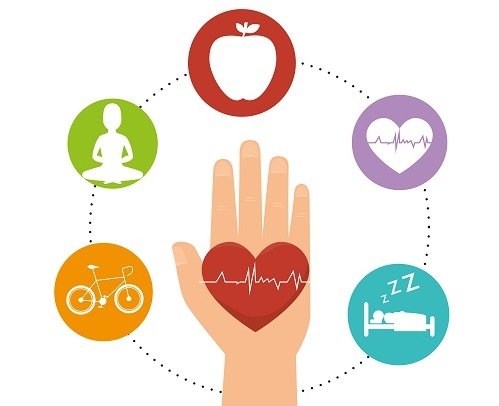
Practice self-care. Taking care of your body goes beyond physical training. Engage in activities that make you feel good, such as getting enough sleep, eating a balanced diet, and engaging in hobbies that bring you joy.
Challenge negative thoughts. It's normal to have moments of self-doubt, but it's important to challenge negative thoughts and replace them with positive affirmations. Remind yourself of your strengths and accomplishments.
Utilize positive visualization techniques. Visualize yourself performing at your best, feeling strong and confident in your body. This can help improve body image and enhance performance.
Avoid excessive focus on appearance. While physical appearance is a part of being an athlete, it should not be the sole focus. Shift your attention towards your athletic abilities, skills, and achievements.
Celebrate your body's capabilities. As an athlete, your body is capable of amazing things. Focus on what your body can do, rather than how it looks. Appreciate the strength, endurance, and agility that allows you to excel in your sport.
Be mindful of social media influences. Social media can have a significant impact on body image, with athletes often feeling pressure to conform to unrealistic standards. Remember that what you see online is often curated and edited. Avoid comparing yourself to unrealistic representations.
Seek professional help if needed. If you're struggling with body image issues or experiencing negative impacts on your mental health, don't hesitate to reach out to a therapist or counselor who specializes in body image and sports psychology.
Educate yourself on body diversity and acceptance. Understanding the concept of body diversity and the importance of body acceptance can help you navigate any challenges you may face. Learn about body-positive athletes and their stories for inspiration.
Encourage a supportive team culture. Coaches and teammates play a crucial role in fostering body acceptance. As AckySHINE, I recommend promoting a positive and inclusive team environment where all body types are respected and celebrated.
Remember that your worth as an athlete goes beyond your appearance. Your talents, skills, dedication, and passion for your sport are what truly define you. Embrace your unique body and focus on becoming the best athlete you can be.
In conclusion, body image and body acceptance are vital for athletes' overall well-being and performance. Embrace your body, surround yourself with a supportive community, and prioritize self-care. As AckySHINE, I encourage all athletes to celebrate their unique bodies and strive for body acceptance. What are your thoughts on body image and body acceptance in athletes? Let's continue the conversation!
Updated at: 2023-07-17 07:01:36 (2 years ago by Melkisedeck Leon Shine)
The Power of Authentic Communication: Creating Meaningful Connections
In today's fast-paced and digital world, authentic communication has become more important than ever. As humans, we crave genuine connections and meaningful interactions. We long for conversations that go beyond surface-level small talk and allow us to truly understand and be understood. In this article, I, AckySHINE, will explore the power of authentic communication and how it can help us create meaningful connections with others.
Authentic communication builds trust π€: When we communicate authentically, we show others that we are genuine and trustworthy. By speaking honestly and openly, we establish a foundation of trust that is essential for building strong relationships.
It fosters empathy and understanding π₯: Authentic communication allows us to share our thoughts, emotions, and experiences with others. This vulnerability opens the door for empathy and understanding to flourish, as we gain insight into each other's perspectives and feelings.
Authentic communication creates a safe space π : By being authentic, we create a safe space for others to express themselves without fear of judgment or rejection. This fosters open and honest dialogue, where everyone feels comfortable sharing their thoughts and emotions.
It strengthens relationships πͺ: Authentic communication helps us forge deeper connections with others. When we are genuine in our interactions, we create a bond based on mutual understanding and respect, leading to stronger and more fulfilling relationships.
It promotes effective problem-solving π§©: Authentic communication enables us to address conflicts and challenges head-on. By expressing our concerns and listening to others' perspectives, we can find common ground and work together to find solutions.
Authentic communication improves teamwork π€: In professional settings, authentic communication is crucial for effective teamwork. When team members can openly share their ideas and concerns, collaboration improves, leading to better outcomes and a more positive work environment.
It encourages personal growth π±: Authentic communication allows us to reflect on our own thoughts, beliefs, and behaviors. By engaging in meaningful conversations with others, we can gain new insights and perspectives that contribute to our personal growth and development.
It enhances active listening skills π: Authentic communication requires active listening, where we fully focus on understanding the speaker's message. By being present and attentive, we can respond thoughtfully and show others that we value their thoughts and opinions.
Authentic communication helps resolve conflicts peacefully βοΈ: When conflicts arise, authentic communication provides a platform for respectful and constructive dialogue. By expressing our concerns calmly and listening to others' perspectives, we can find common ground and reach peaceful resolutions.
It strengthens professional networks π: Authentic communication is essential for networking and building professional relationships. By connecting with others on a genuine level, we can establish a network of contacts who trust and respect us, opening doors for career opportunities.
Authentic communication promotes mental health and well-being π: When we communicate authentically, we release emotional burdens and find support in others. By sharing our thoughts and feelings with trusted individuals, we can improve our mental health and overall well-being.
It paves the way for effective leadership π: Authentic communication is a cornerstone of effective leadership. By being honest and transparent, leaders can inspire trust and motivate their teams to achieve common goals.
It improves customer relationships ποΈ: Authentic communication is vital in customer service. By genuinely listening to customers' concerns and addressing them with empathy and understanding, businesses can build strong customer relationships and loyalty.
Authentic communication encourages self-expression π: When we communicate authentically, we give ourselves permission to express our true selves. This self-expression fosters creativity, innovation, and personal fulfillment.
It makes life more enjoyable and fulfilling π: Ultimately, authentic communication enriches our lives. By connecting with others on a deeper level, we create meaningful relationships, experience personal growth, and find joy in genuine human connections.
In conclusion, authentic communication is a powerful tool that allows us to create meaningful connections with others. By being genuine, empathetic, and open, we can foster trust, understanding, and stronger relationships in both personal and professional settings. So, let's embrace the power of authentic communication and watch as it transforms our connections and enriches our lives.
What are your thoughts on the power of authentic communication? How do you incorporate authenticity in your daily interactions?
Updated at: 2023-08-11 16:13:04 (2 years ago by Melkisedeck Leon Shine)
Empowering Communities: Cultivating a Positive African Mindset
As Africans, we have a rich history and a vibrant culture that has endured for centuries. However, our journey towards progress and development has been marred by numerous challenges, both from within and externally. It is time for us to change our mentality and build a positive mindset that will propel us towards a brighter future. In this article, we will explore strategies for changing our mindset and fostering a united and empowered Africa.
Embrace our heritage π: Let us celebrate and embrace our African heritage, recognizing the value and uniqueness it brings to the global stage. Our diverse traditions, languages, and customs are our strength and should be preserved and promoted.
Education as a foundation π: Invest in education and knowledge acquisition. Education is the key to unlocking our full potential and empowering our communities. By providing quality education for all, we can equip our people with the skills needed to succeed in various fields.
Emphasize entrepreneurship πΌ: Encourage entrepreneurship and innovation as a means of driving economic growth. By supporting budding entrepreneurs, we can create jobs, reduce poverty, and build sustainable economies across the continent.
Mentorship and role models π€: Establish mentorship programs and highlight successful African role models. By connecting aspiring individuals with experienced professionals, we can inspire and guide the next generation of leaders.
Positive media representation π₯: Promote positive media representation of Africa and its people. Highlight our achievements, cultural diversity, and contributions to the world, challenging negative stereotypes and biases.
Collaborative partnerships π€: Foster collaboration and partnerships among African nations. By working together, we can leverage each other's strengths and address common challenges such as poverty, healthcare, and infrastructure development.
Political engagement and accountability π³οΈ: Encourage political engagement and hold our leaders accountable. Active participation in the democratic process ensures that our voices are heard and that our leaders are accountable to the people they serve.
Strengthen regional integration π: Support regional integration initiatives such as the African Union and Economic Community of West African States (ECOWAS). These organizations promote unity, economic cooperation, and political stability.
Investing in infrastructure ποΈ: Develop robust infrastructure systems to enhance connectivity and facilitate trade and commerce. Efficient transportation, reliable energy, and modern communication networks are essential for economic growth.
Environmental conservation πΏ: Prioritize environmental conservation and sustainable development. By adopting eco-friendly practices, we can protect our natural resources for future generations and mitigate the effects of climate change.
Women empowerment π©βπ©βπ§βπ§: Empower women and promote gender equality. Recognize the invaluable role women play in our societies and ensure they have equal access to education, healthcare, and economic opportunities.
Embrace technology π±: Leverage the power of technology to accelerate development. Embrace digital innovation, invest in research and development, and bridge the digital divide to ensure equal access to information and resources.
Youth engagement π§βπ: Engage and empower our youth, as they are the leaders of tomorrow. Create opportunities for them to contribute and shape the future through mentorship, quality education, and entrepreneurship programs.
Learn from global experiences π: Study and learn from the experiences of other nations and regions that have successfully transformed their mindsets and achieved progress. Adapt strategies that have proven effective elsewhere to suit our unique African context.
Believe in the United States of Africa (Muungano wa Mataifa ya Afrika) π€π: Let us envision a united Africa, where borders are insignificant, and our shared values and goals unite us. We have the power to create the United States of Africa, a strong and prosperous continent that leads the world.
In conclusion, as Africans, we possess the strength, resilience, and potential to build a united and empowered continent. By adopting these recommended strategies and changing our mindset to a positive one, we can create a better future for ourselves and future generations. Let us embark on this journey together, believing in our abilities, and promoting the unity of Africa. Will you join us in this transformative movement? Share this article and let's inspire change! #EmpoweredAfrica #UnitedStatesofAfrica #PositiveMindset #AfricanUnity
Updated at: 2025-06-20 15:48:27 (9 months ago by Melkisedeck Leon Shine)
The interconnected challenges of poverty, inequality, and environmental degradation necessitate a holistic approach to sustainable development. This requires a unified focus on global health and education, not merely as contributing factors, but as the fundamental drivers of progress and global poverty eradication. This essay will explore the crucial roles of global health and education, their synergistic relationship, and strategies for maximizing their impact in achieving the Sustainable Development Goals (SDGs). Key concepts such as human capital theory, the social determinants of health, and the diffusion of innovations will be applied throughout the analysis.
From a public health perspective, health is a fundamental human right and a cornerstone of sustainable development. Investing in global health initiatives directly improves individual, community, and national well-being. This encompasses disease prevention and management, prioritizing maternal and child health, and strengthening healthcare systems globally. A robust healthcare infrastructure enhances community resilience during health crises, improves chronic disease management, and fosters long-term economic stability and productivity. This aligns with the human capital theory, which posits that investments in health translate into increased productivity and economic growth. A healthy population is undeniably a more productive population, driving economic progress and sustainable development.
Education is a transformative force, empowering individuals and fostering societal progress. It equips individuals with the knowledge, skills, and critical thinking abilities crucial for building a brighter future. Beyond individual advancement, education is a key driver of gender equality, poverty reduction, and economic growth. Educated populations are better equipped to participate in the economy, innovate, and advocate for positive change, creating a multiplier effect on societal development. This aligns with the concept of human capital development, where education is viewed as an investment that yields significant returns in terms of increased productivity and improved quality of life. The impact of education resonates far beyond the individual, enriching families, communities, and nations.
Health and education are inextricably linked. Healthy individuals are more likely to attend school regularly, learn effectively, and reach their full potential, thus maximizing human capital. Conversely, education promotes health literacy, enabling informed decisions about well-being and contributing to healthier communities. This symbiotic relationship underscores the need for integrated development strategies. Investments in either sector invariably strengthen the other, creating a powerful synergy for positive change. The social determinants of health model highlights this interconnection, demonstrating how social factors like education significantly influence health outcomes.
The success of initiatives like the Global Fund to Fight AIDS, Tuberculosis, and Malaria, and the Global Partnership for Education demonstrates the tangible impact of collaborative, well-funded efforts. These initiatives have saved millions of lives and expanded access to quality education, particularly in low-income countries. These successes illustrate the power of strategic partnerships and the importance of well-defined goals and effective resource allocation. This showcases the efficacy of multilateral approaches in addressing global challenges.
Technology is a critical enabler of sustainable development. Telemedicine connects remote communities, while e-learning platforms expand educational access, overcoming geographical and infrastructural limitations. This digital revolution democratizes access to healthcare and education, creating opportunities for marginalized populations and accelerating progress. The diffusion of innovations theory explains how technology, when effectively implemented, can rapidly spread and transform societal systems. This technological advancement is not merely beneficial; it is essential for achieving equitable and sustainable development.
Sustainable development necessitates collaborative efforts. Governments, civil society organizations, academic institutions, and the private sector must work in concert, pooling resources, expertise, and innovative solutions. Synergistic partnerships maximize impact and ensure long-term sustainability, fostering collective responsibility for global well-being. This collaborative approach aligns with the principles of stakeholder engagement and shared responsibility for achieving sustainable development goals.
Adequate funding is critical for the success of global health and education initiatives. Governments and international organizations must commit sufficient resources. Innovative financing mechanisms, such as public-private partnerships and impact investments, can significantly increase funding for sustainable development. Investment in these sectors represents an investment in the future, fostering long-term economic growth and social progress. These financial strategies are crucial for ensuring the sustainability and scalability of global development programs.
Sustainable development requires empowering local communities and integrating them into the decision-making process. Initiatives must be tailored to specific community needs and contexts, ensuring ownership, participation, and lasting impact. A grassroots approach ensures that solutions are relevant, sustainable, and genuinely benefit the people they are intended to serve. This approach aligns with principles of participatory development and community-based approaches to problem-solving.
Advocacy and collective action are essential for raising awareness, mobilizing support, and influencing policies. Individuals can become powerful agents of change by advocating for policies that prioritize global poverty eradication and sustainable development. Collective action amplifies individual voices, creating a powerful movement for positive change. This highlights the critical role of civil society in advocating for policies that promote sustainable development.
Knowledge sharing and capacity building are crucial for fostering a global community of learners and change-makers. Sharing best practices, lessons learned, and successful models inspires innovation and facilitates rapid progress across regions and contexts. A global learning community is essential for accelerating progress and disseminating impactful solutions. This demonstrates the importance of knowledge transfer and capacity building in driving sustainable development.
Sustainable development necessitates global unity and cooperation. Recognizing our interconnectedness and shared responsibility for the planet and its inhabitants is paramount. Fostering a sense of global citizenship encourages collaborative action and accelerates progress towards a more equitable and sustainable world. This interconnectedness underscores the need for global cooperation and shared responsibility in addressing global challenges.
Effective contribution to global poverty eradication and sustainable development requires specific skills. Leadership, problem-solving, communication, and collaboration skills are essential for driving impactful change. Continuous learning and skill development empower individuals to become effective agents of progress. This emphasizes the importance of human capital development and lifelong learning in achieving sustainable development goals.
Global health and education are indispensable pillars of sustainable development. Investing in these areas creates a world where everyone has access to quality healthcare and education. By fostering strategic partnerships, leveraging technology, empowering local communities, and promoting advocacy, we can build a future that is equitable, inclusive, and sustainable for all. The path to a sustainable future is paved with collaboration, commitment, and innovative solutions. Further research should focus on evaluating the long-term impact of integrated health and education interventions, exploring innovative financing mechanisms, and developing robust metrics for measuring progress towards sustainable development goals. The impact of these integrated approaches should be rigorously assessed through longitudinal studies and comparative analyses.
Call to Action: How can you contribute to global poverty eradication and sustainable development in your community? What skills can you develop to become a more effective advocate for change? Share this article and join the movement for a better world. Your action, no matter how small, can contribute to a significant impact.
Reader Pool: What innovative strategies, beyond those discussed, could significantly enhance the synergistic impact of global health and education initiatives on sustainable development?
Updated at: 2023-07-05 19:05:10 (2 years ago by Melkisedeck Leon Shine)
Discovering God's Plan for Your Relationships: Daily Insights for Healthy Connections
π Relationships are an essential part of our lives, and in our quest for healthy connections, it is important to seek guidance from the divine. If you desire to discover God's plan for your relationships, here are fifteen daily insights, based on biblical examples and teachings, that will help you cultivate healthy connections and deepen your spiritual journey.
1οΈβ£ Seek God's guidance: Begin each day by seeking God's guidance and wisdom in your relationships. Proverbs 3:5-6 reminds us to trust in the Lord with all our hearts and lean not on our own understanding.
2οΈβ£ Love one another: Jesus taught us in John 13:34-35 to love one another as He has loved us. Let love be the foundation of all your relationships, showing kindness, grace, and forgiveness.
3οΈβ£ Prioritize God: Put God first in your relationships. Matthew 6:33 encourages us to seek His kingdom first, and all these things will be added unto us.
4οΈβ£ Be patient: Just as God is patient with us, be patient with others. 1 Corinthians 13:4 reminds us that love is patient.
5οΈβ£ Communicate effectively: Proverbs 15:1 teaches us that a gentle answer turns away wrath. In your relationships, choose your words wisely and strive for effective communication.
6οΈβ£ Serve one another: Jesus, our greatest example, taught us to serve others. Galatians 5:13 reminds us to serve one another in love.
7οΈβ£ Choose your friends carefully: Proverbs 13:20 cautions us that whoever walks with the wise becomes wise, but the companion of fools will suffer harm. Surround yourself with people who uplift and inspire you.
8οΈβ£ Forgive and let go: Ephesians 4:32 instructs us to be kind to one another, forgiving one another as God forgave us. Release grudges and choose forgiveness for a healthier relationship.
9οΈβ£ Be a peacemaker: Matthew 5:9 tells us, "Blessed are the peacemakers, for they shall be called children of God." Strive to bring peace and unity to your relationships.
π Trust in God's timing: Ecclesiastes 3:1 reminds us that there is a time for everything. Trust in God's timing for your relationships, knowing that He has a perfect plan.
1οΈβ£1οΈβ£ Practice humility: Philippians 2:3 encourages us to do nothing out of selfish ambition or vain conceit, but in humility consider others better than ourselves. Cultivate humility in your relationships.
1οΈβ£2οΈβ£ Pray for your relationships: 1 Thessalonians 5:17 instructs us to pray without ceasing. Lift up your relationships in prayer, seeking God's guidance and wisdom.
1οΈβ£3οΈβ£ Encourage one another: Hebrews 10:24 reminds us to consider how to stir up one another to love and good works. Be an encourager in your relationships, lifting others up with your words and actions.
1οΈβ£4οΈβ£ Extend grace: Titus 2:11-12 teaches us that the grace of God has appeared, bringing salvation for all people. Extend grace to others, just as God extends His grace to us.
1οΈβ£5οΈβ£ Surrender to God's will: Proverbs 16:9 reminds us that a person's heart plans their way, but the Lord determines their steps. Surrender your relationships to God's will, trusting that He knows what is best.
Remember, discovering God's plan for your relationships is a lifelong journey. Embrace the teachings of Jesus, seek guidance from the Bible, and trust in God's divine plan. May your relationships be filled with love, grace, and blessings, as you continue to grow in your spiritual journey. πππ
Updated at: 2025-02-28 09:08:09 (1 year ago by Melkisedeck Leon Shine)
Effective communication is the cornerstone of success, impacting personal relationships and professional endeavors alike. This guide explores practical strategies to overcome common communication barriers and achieve clear, concise exchanges.
Active Listening: The Foundation of Understanding
Active listening isn't merely hearing; it's engaging fully with the speaker. Maintain eye contact, use nonverbal cues like nodding, and ask thoughtful questions to demonstrate attentiveness and ensure comprehension. This shows respect and fosters deeper understanding.
Choosing the Right Communication Channel
Context is key. Complex or sensitive discussions thrive in face-to-face settings, where nonverbal cues provide crucial context and immediate feedback is possible. For quick updates or information sharing, email or text messages are efficient alternatives.
The Unspoken Language: Nonverbal Communication
Communication transcends words. Facial expressions, body language, and gestures significantly influence message interpretation. Be mindful of your own nonverbal cues and learn to read those of others to enhance clarity and avoid misinterpretations.
Clarity Through Simplicity: Choosing Your Words Wisely
Avoid jargon, technical terms, and complex sentence structures. Prioritize simple, concise language that resonates with your audience, ensuring your message is easily understood by everyone. Use everyday language that fosters connection.
Empathy: Bridging the Communication Gap
Effective communication necessitates understanding others' perspectives and emotions. Practice empathy by considering their viewpoints and validating their feelings. This creates a supportive and understanding communication environment.
Clarification: The Key to Avoiding Misunderstandings
Don't hesitate to ask clarifying questions if something is unclear. It's preferable to seek clarification than to make assumptions that can lead to miscommunication. Utilize open-ended questions to encourage thorough explanations.
Navigating Cultural Nuances in Communication
Our diverse world necessitates awareness of cultural differences impacting communication. Styles, norms, and gestures vary across cultures. Educating yourself about these differences prevents misinterpretations and unintentional offense.
Minimizing Distractions for Focused Communication
In today's digital age, distractions abound. Put away devices and dedicate your full attention to the conversation. This demonstrates respect and enhances understanding, allowing for a more productive exchange.
Patience and Respect: Essential Communication Virtues
Effective communication requires patience and respect. Avoid interrupting and allow others to fully express their thoughts. Treat everyone with respect, regardless of their viewpoints. Mutual understanding is the ultimate goal.
Mindful Speaking: Crafting Your Message
Before speaking, organize your thoughts. Mindful speaking ensures clarity and confidence in delivering your message. Stay focused on key points, avoiding rambling or digressions.
Constructive Feedback: A Path to Growth
When offering feedback, focus on behavior and actions, not on the individual. Highlight both strengths and areas for improvement, providing suggestions for growth. Constructive feedback encourages open communication and personal development.
Adaptability: Tailoring Your Approach
Individuals possess diverse communication styles. Adapt your approach accordingly, recognizing that some prefer directness while others appreciate a more indirect, diplomatic style. Adjust your communication to resonate with your audience.
Visual Aids: Enhancing Understanding
Visual aids like charts, graphs, and images make complex information more accessible. They serve as visual representations of your message, supporting verbal communication and boosting comprehension.
Learning from Mistakes: Continuous Improvement
Even with best efforts, communication can falter. Instead of dwelling on mistakes, view them as learning opportunities. Reflect on what went wrong, identify areas for improvement, and adjust your approach accordingly.
Seeking External Feedback: Gaining New Perspectives
Seek feedback from trusted sources β colleagues, friends, or mentors β to gain valuable insights into your communication skills. External perspectives offer unique viewpoints and contribute to your growth as a communicator.
By incorporating these strategies, you can significantly enhance your communication skills, fostering stronger relationships and achieving greater success in all aspects of your life.
Updated at: 2024-05-23 15:18:41 (1 year ago by SW - Melkisedeck Shine)
Kukuza Ufanisi wa Rasilmali: Kupunguza Uchakavu na Kuongeza Thamani
(Mfano wa emoji) ππΌ
(Mfano wa emoji) ππ±
(Mfano wa emoji) ππ°
(Mfano wa emoji) ππ
(Mfano wa emoji) ππ€
(Mfano wa emoji) ππ
(Mfano wa emoji) ππ
(Mfano wa emoji) ππ
(Mfano wa emoji) ππ§
(Mfano wa emoji) ππ
(Mfano wa emoji) ππ
(Mfano wa emoji) πβ€οΈπ
(Mfano wa emoji) ππ
(Mfano wa emoji) ππ
(Mfano wa emoji) ππ
Kukuza ufanisi wa rasilmali ni jambo muhimu sana katika kufanikisha maendeleo ya kiuchumi barani Afrika. Tunapaswa kuwa na mikakati bora ya kusimamia rasilmali zetu ili kupunguza uchakavu na kuongeza thamani. Hapa nitawasilisha hatua 15 ambazo tunaweza kuchukua kufanikisha hili.
(Mfano wa emoji) ππΌ Kwanza kabisa, tunahitaji kuwa na uongozi imara na wenye ujuzi katika kusimamia rasilmali zetu. Viongozi wetu wanapaswa kuwa na utaalamu na uelewa wa kina kuhusu jinsi ya kuendesha rasilmali hizo kwa manufaa ya raia wetu.
(Mfano wa emoji) ππ± Pili, tunahitaji kuwekeza katika kilimo na uvuvi endelevu. Nchi zetu zina rasilimali nyingi za kilimo na uvuvi ambazo zinaweza kutumika kwa ajili ya maendeleo ya kiuchumi. Tunahitaji kuendeleza njia za kisasa za kilimo na uvuvi ili kupunguza uharibifu wa mazingira na kuongeza uzalishaji.
(Mfano wa emoji) ππ° Tatu, tunahitaji kuhakikisha kuwa tunanufaika kikamilifu na rasilmali zetu. Mara nyingi, rasilmali zetu huchukuliwa na makampuni ya kigeni ambayo huchangia kidogo katika maendeleo ya kiuchumi ya nchi zetu. Tunapaswa kuweka mikataba na makampuni haya ili kuhakikisha kuwa tunapata manufaa yanayostahili kutokana na rasilmali zetu.
(Mfano wa emoji) ππ Nne, tunahitaji kushirikiana kikanda na nchi zote za Afrika. Kwa kufanya hivyo, tutaweza kuzitumia rasilmali zetu kwa njia nzuri zaidi na kuwa na sauti moja katika masuala ya kimataifa.
(Mfano wa emoji) ππ€ Tano, tunahitaji kuwekeza katika mafunzo na elimu ya wataalamu wetu. Tunapaswa kuwa na wataalamu wenye ujuzi katika kusimamia na kutumia rasilmali zetu kwa ufanisi. Tunahitaji kuwa na vyuo na taasisi za mafunzo ambazo zinawajengea uwezo wataalamu wetu.
(Mfano wa emoji) ππ Sita, tunahitaji kuhimiza uvumbuzi na utafiti katika sekta ya rasilmali. Tunapaswa kuwekeza katika utafiti ili kupata njia bora na mpya za kutumia rasilmali zetu. Uvumbuzi utatusaidia kujenga uchumi imara na endelevu.
(Mfano wa emoji) ππ Saba, tunapaswa kutumia teknolojia za kisasa katika kusimamia rasilmali zetu. Teknolojia inaweza kutusaidia kufanya kazi kwa ufanisi zaidi na kuongeza thamani ya rasilmali zetu.
(Mfano wa emoji) ππ Nane, tunahitaji kuweka sera na sheria madhubuti za ulinzi wa mazingira. Tunapaswa kuhakikisha kuwa tunatumia rasilmali zetu kwa njia ambayo haitaharibu mazingira yetu ya asili.
(Mfano wa emoji) ππ§ Tisa, tunahitaji kuwekeza katika miundombinu ya kisasa. Miundombinu bora itatusaidia kusambaza rasilmali zetu na kuongeza thamani yake.
(Mfano wa emoji) ππ Kumi, tunahitaji kujenga uhusiano wa kibiashara na nchi nyingine duniani. Tunapaswa kuuza rasilmali zetu kwa bei nzuri na kuhakikisha kuwa tunapata soko la uhakika.
(Mfano wa emoji) ππ Kumi na moja, tunahitaji kuwekeza katika viwanda vya kusindika rasilmali zetu. Kwa kufanya hivyo, tutaweza kuongeza thamani ya rasilmali zetu na kuunda ajira kwa watu wetu.
(Mfano wa emoji) πβ€οΈπ Kumi na mbili, tunapaswa kuonyesha upendo na umoja kwa nchi zetu na bara letu. Tunapaswa kuzingatia manufaa ya kila mmoja na kufanya kazi pamoja kuelekea lengo moja.
(Mfano wa emoji) ππ Kumi na tatu, tunahitaji kufanya kazi na taasisi za kimataifa kama vile Muungano wa Mataifa ya Afrika. Kwa kufanya hivyo, tutaweza kuwa na sauti moja katika masuala muhimu ya kimataifa.
(Mfano wa emoji) ππ Kumi na nne, tunahitaji kuwekeza katika utalii wa kipekee na utamaduni wetu. Utalii unaweza kuwa chanzo kikubwa cha mapato na kuwezesha maendeleo ya kiuchumi katika nchi zetu.
(Mfano wa emoji) ππ Kumi na tano, tunahitaji kujifunza na kuendeleza ujuzi wetu kuhusu mikakati bora ya maendeleo ya Afrika na usimamizi wa rasilmali zetu. Njia bora ya kufanikisha hili ni kusoma na kuhudhuria mafunzo yanayohusiana na sekta hii.
Kwa kuhitimisha, napenda kuwaalika na kuwahimiza kila mmoja wetu kujifunza na kuendeleza ujuzi wetu katika mikakati bora ya maendeleo ya Afrika na usimamizi wa rasilmali zetu. Kwa kufanya hivyo, tutaweza kufikia malengo yetu ya kuwa na uchumi imara na kujenga Muungano wa Mataifa ya Afrika. Je, una mawazo gani kuhusu mikakati hii? Tafadhali shiriki makala hii na marafiki zako na tuungane pamoja kuleta maendeleo ya kiuchumi barani Afrika. #MaendeleoYaAfrika #UmojaWetuNiNguvuYetu
Updated at: 2025-06-18 20:57:16 (9 months ago by Melkisedeck Leon Shine)
```htmlIn the contemporary business environment, characterized by rapid technological advancements and evolving societal expectations, innovation has emerged as a critical determinant of organizational success and long-term sustainability. While traditionally associated with technological breakthroughs and market disruption, innovation increasingly serves as a powerful catalyst for positive social and environmental transformation. This underscores the growing significance of Corporate Social Responsibility (CSR), a strategic framework that integrates social and environmental concerns into an organization's core business operations and interactions with its stakeholders. This article explores the synergistic relationship between innovation and CSR, examining how innovative approaches can drive impactful social change and enhance business value through a multi-faceted lens.
Forward-thinking organizations are increasingly recognizing the potential of integrating innovation into their CSR strategies, leveraging their unique capabilities to address pressing societal challenges and contribute to the common good. This integration is not merely an act of philanthropy but a strategic imperative, creating shared value for both the organization and society. This alignment is consistent with the principles of Stakeholder Theory, which emphasizes the importance of considering the interests of all stakeholders, including employees, customers, communities, and the environment, in decision-making processes. Applying this theory, businesses can identify opportunities to create innovative solutions that benefit both their bottom line and societal well-being. For example, a company might develop a new product that reduces its environmental footprint while simultaneously meeting a market need, thereby creating economic value while mitigating environmental damage.
Innovative businesses are actively engaged in developing sustainable products and services that minimize environmental impact and promote resource efficiency. This often involves employing circular economy principles, designing products for durability, repairability, and recyclability, and minimizing waste generation. For example, a clothing company might use recycled materials in its production process, creating environmentally friendly garments while simultaneously reducing its reliance on virgin resources. Furthermore, businesses are harnessing the power of innovation to address pressing social issues, often referred to as social innovation. This involves creating solutions that address social problems and improve the well-being of communities. For instance, a technology company might develop an affordable and accessible healthcare platform to provide healthcare services to underserved communities, thereby bridging the gap in healthcare access.
Effective CSR initiatives often require collaborative partnerships. Applying principles of collaborative management, organizations can leverage the expertise and resources of various stakeholders, including non-profit organizations, government agencies, and community groups, to create more impactful and sustainable outcomes. Such collaboration leverages collective knowledge and resources to address complex social issues beyond the capacity of a single organization. Moreover, organizations are increasingly recognizing the importance of empowering their employees to contribute to CSR initiatives. Through employee engagement strategies, companies can facilitate employee-led initiatives, providing them with the resources and support necessary to make a positive difference. This fosters a sense of purpose and ownership, leading to increased employee motivation and satisfaction. By actively demonstrating their commitment to social and environmental responsibility, businesses can cultivate trust and loyalty among their stakeholders, resulting in enhanced brand reputation and increased customer loyalty. This aligns with the concept of corporate reputation management, recognizing the significance of a positive public image for long-term success.
Organizations with strong CSR commitments frequently experience enhanced reputation and brand image, attracting investors, partners, and top talent. This positive brand perception is a valuable asset in a competitive marketplace and enhances the organization's ability to attract and retain high-quality employees. Furthermore, businesses can unlock new market opportunities by aligning innovation with societal needs. This market orientation approach helps to identify and address underserved markets, creating new revenue streams while contributing to social progress. The integration of CSR into innovation processes also drives positive cultural change within the organization, fostering a culture of ethical and sustainable practices. This alignment of values contributes to increased employee engagement and a more positive work environment.
Increasing regulatory scrutiny necessitates businesses to prioritize compliance with sustainability and social responsibility standards. Proactive adoption of innovative CSR practices allows organizations to exceed these requirements and mitigate potential risks. The triple bottom line framework, emphasizing economic, social, and environmental performance, provides a comprehensive approach to measuring business success. This holistic assessment ensures that the organization's actions are not only financially viable but also contribute to social and environmental well-being. It is also critical to measure the impact of CSR initiatives through appropriate metrics, enabling organizations to identify areas for improvement and adapt their strategies accordingly. This data-driven approach aligns with the principles of evidence-based management.
Innovation in CSR is an ongoing process that demands continuous improvement and adaptation to changing societal needs and environmental challenges. Fostering a culture of learning and continuous improvement is essential to maintaining relevance and achieving sustained impact. When organizations showcase the positive impact of their innovative CSR efforts, they inspire industry-wide change, creating a ripple effect that encourages broader adoption of ethical and sustainable practices. This collective action can play a significant role in addressing global challenges and promoting a more sustainable future.
The integration of innovation and CSR represents a strategic imperative for organizations seeking long-term sustainability and competitive advantage. By adopting a holistic approach, encompassing sustainable product development, social innovation, collaboration, employee empowerment, and rigorous impact measurement, businesses can create significant social and environmental value while enhancing their brand reputation and achieving business growth. Future research could explore the development of more sophisticated methodologies for measuring the long-term impact of CSR initiatives and investigate the correlation between innovative CSR practices and financial performance. This includes examining the potential for developing industry-specific frameworks for assessing CSR effectiveness and exploring the role of technology in facilitating collaboration and data-driven decision-making in CSR initiatives. Furthermore, investigations into the influence of national cultural contexts on the implementation and effectiveness of innovative CSR strategies could provide valuable insights.
Reader Pool: What innovative CSR initiatives have you observed that have demonstrably impacted both business success and positive social change, and what lessons can be learned from these examples?
```
Updated at: 2025-05-30 11:12:32 (10 months ago by Melkisedeck Leon Shine)
```htmlIn the contemporary business environment, a robust sales strategy is paramount for organizational success. The antiquated approach of aggressive, outbound sales has given way to a more nuanced, value-centric methodologyβinbound sales. This article will explore fifteen key inbound sales strategies, grounded in established marketing and sales principles, to attract and convert high-quality leads, ultimately boosting revenue and market share. We will define key concepts like Target Audience Segmentation, Content Marketing, and Search Engine Optimization (SEO) within the context of their application.
Effective lead generation necessitates a profound understanding of the target audience. This involves meticulous market research to identify the Ideal Customer Profile (ICP), encompassing demographics, psychographics, needs, pain points, and purchasing behaviors. Market segmentation theories, such as the VALS framework, can guide this process. By precisely defining the ICP, businesses can tailor messaging and offerings, resulting in higher conversion rates and improved customer lifetime value (CLTV). For example, a luxury automobile manufacturer would focus on high-net-worth individuals with specific lifestyle preferences rather than casting a wide net. This targeted approach leverages the principle of market segmentation to optimize resource allocation.
Content marketing lies at the heart of inbound sales. Creating high-quality, informative, and engaging content positions the business as a thought leader within its industry. This approach aligns with the diffusion of innovations theory, where early adopters are attracted by valuable information and innovative solutions. Content should address the target audience's pain points and provide solutions, thereby building trust and brand loyalty. A SaaS company, for instance, might publish blog posts and case studies demonstrating the ROI of its software, thus attracting potential customers actively seeking such solutions. This approach utilizes content marketing principles to create high-value leads.
Search Engine Optimization (SEO) is crucial for increasing online visibility and driving organic traffic. By optimizing website content with relevant keywords, meta descriptions, and structured data, businesses can improve their search engine rankings, making it easier for potential customers to find them. This strategy leverages the principles of search engine algorithm functionality and user behavior. A local bakery, for example, can optimize its website for keywords like βartisan bread near me,β increasing the likelihood of attracting local customers searching for such products online. This strategy applies fundamental SEO principles to enhance organic reach.
Social media platforms offer unparalleled opportunities for brand building and lead nurturing. A strategic social media presence, informed by social network analysis principles, allows businesses to engage directly with potential customers, build community, and share valuable content. Social listening tools can help businesses monitor conversations and tailor their messaging to resonate with their target audience. A fashion brand, for instance, can use Instagram to showcase its product line, engage with fashion influencers, and run targeted advertising campaigns to reach a wider audience. This leverages the principles of social media marketing to boost brand visibility and engagement.
A lead magnetβa valuable piece of content offered in exchange for contact informationβis an effective tool for lead capture and qualification. This leverages the concept of reciprocal altruism, creating a sense of obligation in return for valuable content. Examples include ebooks, webinars, templates, or free trials. A marketing agency might offer a free ebook on social media marketing to capture leads interested in improving their digital presence. The effectiveness of this approach is demonstrated by conversion rate optimization (CRO) strategies.
Lead nurturing is crucial for converting leads into customers. This involves sending personalized email campaigns that provide valuable information, address pain points, and guide prospects through the sales funnel. This aligns with the principles of relationship marketing, where long-term relationships are built with customers. A financial services company, for instance, might send personalized email sequences based on a prospect's financial goals and risk tolerance. This approach applies marketing automation principles to enhance lead conversion.
Implementing live chat on the website allows for instant customer support, addressing queries, and building trust. This directly addresses customer needs and can increase conversion rates. The efficiency of this approach aligns with principles of responsive customer service, emphasizing immediate resolution of customer queries. An e-commerce platform, for instance, can utilize live chat to assist customers in selecting products, answering technical questions, and guiding them through the purchasing process. This implements principles of immediate customer service responsiveness.
A CRM system centralizes customer data, streamlining sales and marketing efforts and improving team efficiency. This system helps organize and track customer interactions, leading to improved relationship management. The application of CRM is a key element of Sales Force Automation (SFA) and facilitates better sales process management. A real estate agency, for example, can use a CRM to manage client information, track property preferences, and schedule follow-up communication.
Exceptional customer service is critical for fostering customer loyalty and generating word-of-mouth referrals. This aligns with the service-profit chain, where superior customer service leads to higher profits. Investing in training and empowering customer service teams to resolve issues quickly and effectively is vital. An online retailer, for example, can offer free returns, easy exchanges, and personalized recommendations to enhance the customer experience. This strategy applies fundamental customer service principles to cultivate loyalty and positive brand perception.
Analyzing website, social media, and customer interaction data provides valuable insights into sales performance. This strategy leverages the principles of business analytics to optimize strategy. By identifying trends and areas for improvement, businesses can refine their inbound sales strategy continuously. An e-learning platform, for example, can track user engagement with course materials, evaluate feedback, and use this data to improve content, delivery methods, and overall user experience. This strategy is rooted in the use of Key Performance Indicators (KPIs) for strategic decision making.
Collaborating with complementary businesses expands reach and generates leads. This leverages the power of strategic alliances to mutually benefit the participating parties. By cross-promoting each other's products or services, businesses can access new customer segments. A gym and a nutritionist, for instance, could partner to offer joint packages, providing comprehensive wellness solutions to customers. This illustrates a practical application of strategic alliance theory.
Webinars and virtual events provide opportunities to engage audiences, showcase expertise, and generate leads. This leverages the power of interactive marketing to directly engage prospects. By offering valuable information and providing interactive elements, these events build trust and establish credibility. A financial planning firm, for instance, might host a webinar on retirement planning to educate potential clients on investment strategies. This method incorporates interactive marketing principles to generate qualified leads.
Personalized product demonstrations or consultations are highly effective for addressing individual customer needs and showcasing product value. This personalized approach builds trust and demonstrates the value proposition effectively. A software company, for example, could offer free consultations to understand client business needs and showcase how its software can address those needs. This tactic aligns with the principles of personalized marketing and emphasizes customer-centric solutions.
Continuously analyzing and optimizing the sales process identifies bottlenecks and improves efficiency and conversion rates. This approach applies Lean methodology principles to eliminate waste and streamline operations. An e-commerce platform, for instance, might analyze cart abandonment rates, optimize the checkout process, and implement remarketing strategies to recapture lost sales. This involves applying process improvement techniques to the sales funnel.
Tracking and measuring KPIs such as lead conversion rates, customer acquisition cost (CAC), and CLTV provides valuable data for evaluating the effectiveness of inbound sales strategies. This approach is based on data-driven decision-making and enables continuous improvement. A SaaS company might track the number of leads generated, the percentage converted into paying customers, and the average revenue per customer to measure the overall profitability of its inbound marketing strategies. This exemplifies the use of metrics to drive strategic adjustments.
Updated at: 2025-06-21 05:31:28 (9 months ago by Melkisedeck Leon Shine)
Addressing the multifaceted challenges confronting global society necessitates a paradigm shift in social service governance. Effective social service delivery transcends mere societal benefit; it forms a cornerstone of national development and global well-being, contributing significantly to human security and sustainable development. A robust, globally coordinated approach is crucial for fostering a more inclusive and sustainable future. This requires a comprehensive strategy emphasizing innovation and adaptive capacity, underpinned by established theories and models of social change and development. This framework utilizes key concepts including systems thinking (a holistic approach considering interconnected elements), evidence-based policymaking (data-driven decision-making), stakeholder engagement (collaborative action among diverse actors), and adaptive management (flexible responses to evolving conditions). This article proposes fifteen interconnected strategies for advancing global social service delivery, presented in a logical sequence to highlight their synergistic potential. These strategies are informed by various theoretical lenses, including human capital theory, network theory, diffusion of innovations theory, and principles of good governance.
Data-Driven Policy and Program Design: Evidence-based policymaking, guided by rigorous quantitative and qualitative research (e.g., randomized controlled trials, qualitative comparative analysis), is paramount. This ensures optimal resource allocation and continuous program refinement based on empirical evidence of effectiveness, aligned with principles of outcome-based management and performance measurement. For instance, a government could leverage longitudinal data on social determinants of health to design targeted interventions and objectively evaluate their impact on health equity, utilizing statistical modeling to demonstrate causality.
Investment in Human Capital: Investing in the social service workforce is crucial. Human capital theory emphasizes that enhanced worker skills and knowledge directly improve productivity and service delivery. This necessitates continuous professional development, encompassing ongoing training, mentorship, and access to cutting-edge technologies and tools. For example, providing social workers with training in culturally competent practice enhances their effectiveness in supporting diverse populations. The return on investment in human capital is demonstrably high, leading to improved service quality and reduced long-term costs.
Proactive Prevention and Early Intervention: Prioritizing preventative measures and early intervention strategies is demonstrably more cost-effective than reactive approaches. This aligns with public health principles, emphasizing the prevention paradigm. Investing in early childhood development programs, for example, yields substantial long-term positive impacts across various sectors, including health, education, and economic outcomes. The rationale stems from developmental psychology, which highlights the profound impact of early experiences on later life trajectories.
Holistic Service Integration: A systems thinking approach mandates seamless integration of health, education, housing, employment, and other vital social services. This minimizes fragmentation, optimizes resource allocation, and maximizes impact by leveraging synergies between services. For example, integrating mental health services into primary care improves access for individuals with co-occurring conditions, demonstrating the efficiency gains of integrated service delivery models. This approach aligns with the principles of integrated care pathways.
Strategic Multi-Stakeholder Partnerships: Fostering robust collaborations among governments, NGOs, the private sector, and communities is essential. Network theory highlights the importance of strong connections and efficient information flow for a responsive system. This collaborative approach harnesses diverse expertise and resources, amplifying intervention effectiveness. Examples include public-private partnerships for affordable housing or community-based initiatives involving NGOs and local government. This approach utilizes the principles of collaborative governance.
Community-Based Participatory Action Research (CBPAR): Meaningful citizen engagement is imperative. CBPAR empowers communities to actively participate in program design and implementation, fostering ownership and accountability. This participatory approach, grounded in community needs, ensures programsβ cultural relevance and responsiveness. For example, engaging community members in the design of health interventions leads to increased program uptake and sustainability, reflecting the tenets of participatory development.
Technological Innovation for Service Delivery: Leveraging technological advancements revolutionizes service delivery. Digital platforms enhance accessibility, efficiency, and user experience, particularly benefiting geographically dispersed or marginalized populations. This aligns with the principles of digital equity and accessibility. Examples include utilizing telehealth for remote healthcare or online platforms for job searching and skills development. The diffusion of innovations theory provides a framework for understanding technology adoption in this context.
Promoting Social Entrepreneurship and Innovation: Nurturing social enterprises addressing social needs while generating sustainable revenue fosters self-sustaining models for positive change. This approach leverages private sector ingenuity to address public needs economically. Examples include companies focused on sustainable agriculture or renewable energy, which create employment opportunities while addressing environmental and social challenges. This demonstrates the principles of social innovation and impact investing.
Culturally Responsive and Equitable Service Provision: Recognizing and respecting cultural diversity is crucial for equitable access and positive outcomes. Culturally sensitive program design and implementation are essential. For instance, healthcare programs should incorporate culturally appropriate health education materials and services, promoting health equity and cultural competency.
Transparency and Accountability Mechanisms: Robust monitoring and evaluation systems are crucial for building public trust and ensuring accountability. This includes performance indicators, regular audits, and transparent reporting processes. Principles of good governance underscore the importance of these mechanisms for responsible and effective resource utilization. This aligns with new public management principles emphasizing performance measurement and accountability.
Global Collaboration and Knowledge Sharing: International cooperation and the exchange of best practices are vital for accelerating progress. This involves creating forums for collaboration and knowledge transfer between countries and organizations facing similar challenges. This approach leverages the principles of comparative advantage and shared learning, reflecting the spirit of international development cooperation.
Sustainable Development Goals (SDGs) Integration: Aligning social service programs with the SDGs ensures a comprehensive and responsible approach to social welfare, integrating environmental sustainability with social progress. This holistic approach ensures interventions contribute to broader global development goals. For example, supporting sustainable agriculture contributes to food security and reduces environmental impact, reflecting the interconnectedness of social and environmental sustainability.
Empowering Marginalized Communities: Prioritizing the needs of marginalized groups is crucial for achieving social equity. This includes addressing systemic inequalities and empowering individuals and communities to fully participate in society. This approach is grounded in social justice principles and aims to address historical and ongoing disparities, promoting social inclusion and empowerment.
Continuous Improvement and Adaptive Management: A commitment to ongoing learning, evaluation, and adaptation is essential for maximizing impact and responding to evolving needs. This involves establishing robust feedback loops and mechanisms for program refinement based on data and community input. Adaptive management approaches allow for flexibility and responsiveness to changing circumstances, reflecting the principles of continuous quality improvement.
Investment in Research and Development: Sustained investment in research and development is necessary to identify innovative solutions and evidence-based approaches to complex social problems. This fosters innovation and improves the effectiveness of social interventions. This aligns with the principles of scientific inquiry and evidence-based practice, informing research-informed policymaking.
By adopting these interconnected strategies and employing a systems-thinking approach, informed by relevant theories and models, we can create a more equitable and sustainable world where all individuals and communities thrive.
Conclusions and Recommendations: This framework highlights the crucial role of innovation, collaboration, and data-driven decision-making in transforming global social service delivery. Future research should focus on developing and rigorously testing interventions grounded in these principles, conducting longitudinal studies to evaluate the long-term impacts of integrated social service delivery models, and exploring the effectiveness of various implementation strategies across different contexts using mixed-methods approaches. Successful implementation depends on strong political will, substantial and sustained investment, and a commitment to comprehensive monitoring and evaluation. The efficacy of these strategies relies on fostering a culture of collaboration, transparency, and accountability across stakeholder groups. Success will be measured by improved social outcomes, enhanced national development, and improved global well-being. This holistic approach offers a pathway toward a more just and equitable world, building societal resilience and promoting sustainable development for all. A comparative effectiveness research design, comparing different combinations of these strategies across diverse settings, would be valuable in determining optimal approaches. The findings can inform the development of context-specific policy guidelines and implementation strategies.
Reader Pool: How might a framework for sustainable global social service governance effectively balance the need for standardized global approaches with the essential requirement for contextual adaptation and culturally sensitive interventions within diverse socio-political landscapes?