

The Transformative Influence of Physical Activity on Women's Health: A Lifecourse Perspective
This article examines the multifaceted benefits of regular physical activity for women's health across the lifespan, integrating established theories from exercise physiology, behavioral science, and public health. We will apply the Health Belief Model (HBM), which posits that health behaviors are influenced by perceived susceptibility, severity, benefits, barriers, cues to action, and self-efficacy, and the Social Cognitive Theory (SCT), emphasizing reciprocal determinism between personal, behavioral, and environmental factors. Understanding these models is crucial for designing effective interventions to promote physical activity adoption and maintenance.
The Interplay of Exercise, Physiology, and Psychology Across the Lifespan
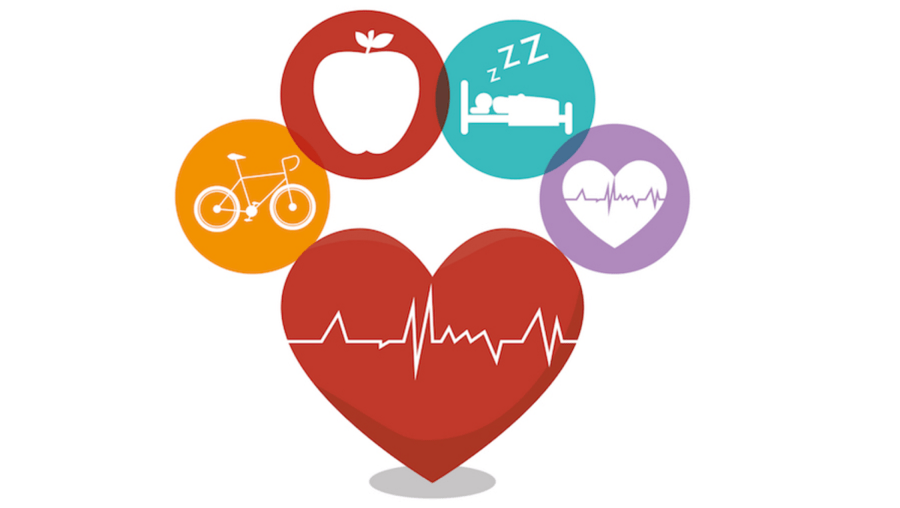
Regular physical activity demonstrably enhances cardiovascular health. Aerobic exercise, encompassing activities like brisk walking, swimming, or cycling, improves cardiac function by increasing stroke volume and reducing resting heart rate. This aligns with principles of cardiovascular conditioning, where sustained aerobic activity strengthens the myocardium and enhances vascular elasticity, mitigating the risk of coronary artery disease and stroke, conditions disproportionately affecting women later in life. These physiological adaptations are underpinned by homeostatic mechanisms regulating cardiac output and peripheral vascular resistance.
Furthermore, exercise significantly contributes to musculoskeletal health, particularly crucial in mitigating age-related bone loss. Weight-bearing activities, including resistance training and weightlifting, stimulate bone mineral density according to Wolff's Law, which dictates that bone tissue adapts to mechanical stress. This is particularly relevant for postmenopausal women at increased risk of osteoporosis. Concurrently, strength training augments muscle mass and strength, improving posture, balance, and functional capacity, thus reducing the risk of falls and fractures – a leading cause of morbidity and mortality in older women.
Beyond physical benefits, exercise profoundly impacts mental well-being. Endorphin release during physical activity elevates mood, alleviating symptoms of anxiety and depression. This aligns with the neurobiological effects of exercise, which include neurogenesis – the formation of new neurons – leading to improved cognitive function and mood regulation. Improved sleep quality, another significant benefit of regular exercise, supports these mental health benefits by promoting restorative sleep, crucial for physiological and cognitive restoration, through influencing circadian rhythms and sleep architecture.
Physical Activity and Chronic Disease Prevention: A Proactive Approach
Sedentary lifestyles constitute a major risk factor for numerous chronic diseases. Regular physical activity, conversely, offers substantial protection. It helps regulate blood glucose levels, decreasing the risk of type 2 diabetes, and plays a vital role in weight management, a key factor in preventing obesity-related comorbidities. Moreover, numerous studies have demonstrated a correlation between physical activity and a reduced risk of certain cancers, potentially through immune system modulation and reduced inflammation. These preventative effects align with public health principles emphasizing proactive lifestyle modifications to minimize disease incidence and severity.
The Role of Exercise Across the Female Lifecourse: From Reproduction to Aging
Exercise benefits women throughout their lifespan. During reproductive years, it can regulate the menstrual cycle, alleviate premenstrual syndrome (PMS) symptoms, and potentially enhance fertility. During pregnancy, moderate exercise, under medical supervision, mitigates risks associated with gestational diabetes and pre-eclampsia. In later life, exercise maintains functional independence and overall well-being, delaying age-related decline and reducing the risk of age-related illnesses. This exemplifies the life course perspective, emphasizing the enduring impact of health behaviors across all life stages.
Addressing Social and Behavioral Determinants of Exercise Participation
Successful adoption and maintenance of regular exercise necessitates considering social and behavioral determinants. The HBM and SCT provide valuable frameworks for understanding these factors. Interventions should focus on enhancing self-efficacy, fostering supportive social environments, and mitigating perceived barriers. Group exercise classes and community-based programs can leverage social support and motivation, improving adherence. This aligns with community-based participatory research principles emphasizing collaborative approaches to address health disparities and promote population-wide health improvements.
Conclusions and Recommendations: A Multi-Sectoral Approach
Compelling evidence underscores the transformative impact of regular physical activity on women's health throughout their lives. Public health initiatives should prioritize promoting physical activity among women through tailored programs addressing individual and community-level barriers. Future research should focus on culturally sensitive, sustainable strategies for increasing participation across diverse women's populations. Longitudinal studies are needed to further elucidate the long-term impact on specific health outcomes, such as longevity and quality of life.
Recommendations include integrating physical activity into healthcare settings, developing accessible and affordable community-based programs, and promoting evidence-based interventions leveraging social cognitive theory and the health belief model to improve adherence. A multi-sectoral approach, involving healthcare professionals, community organizations, and policymakers, is essential for achieving significant and lasting improvements in women's health and well-being. This collaborative approach will maximize the reach and effectiveness of interventions, ensuring a positive impact on population health.
Reader Pool: Considering the multifaceted benefits discussed, what are the most effective strategies for integrating physical activity promotion into diverse community settings to address the unique needs and barriers faced by women of different ages and socio-economic backgrounds?


No comments yet. Be the first to share your thoughts!