

Promoting Gender Equality: Empowering Women for a United Africa
Introduction: This article examines the critical role of gender equality in fostering unity and development across Africa. We will explore key concepts such as gender empowerment, its multifaceted dimensions, and its impact on various societal sectors. We will analyze the application of relevant theories, models, and principles within the African context, emphasizing practical strategies for achieving gender parity. Key concepts to be defined include gender equality (the state of equal opportunity and non-discrimination based on gender), gender empowerment (the process of enhancing women's capabilities and agency), and sustainable development (development that meets the needs of the present without compromising the ability of future generations to meet their own needs). The application of these concepts will be explored through the lens of several theoretical frameworks, including the Capability Approach (Sen, 1999), the Gender and Development (GAD) paradigm, and the Sustainable Development Goals (SDGs).
Economic Empowerment and Sustainable Development: Economic empowerment of women is crucial for achieving sustainable development in Africa. This aligns with the Capability Approach, which emphasizes expanding individual capabilities to achieve valued functionings. By providing women with access to credit, land ownership, technology, and education, we enhance their capabilities to participate fully in the economy. Empirical evidence demonstrates a strong correlation between women's economic participation and GDP growth. Microfinance initiatives, targeted skill-building programs, and policies promoting entrepreneurship can effectively promote this empowerment, aligning with the SDGs’ goals to reduce poverty and inequality. The success of these strategies rests upon contextualized understanding and culturally appropriate implementations.
Education and Human Capital Development: Education is a foundational element in women's empowerment. Investing in girls' education fosters human capital development, increasing productivity, improving health outcomes, and promoting social mobility. A strong correlation exists between female literacy rates and various development indicators. This aligns with human capital theory, which highlights the importance of education and skills in driving economic growth. Furthermore, education empowers women to participate more fully in political and social decision-making processes, contributing to greater inclusivity and equity within communities. The access to quality education, including STEM fields, is vital.
Challenging Gender Stereotypes and Promoting Social Change: Deep-rooted societal norms and gender stereotypes often constrain women's roles and opportunities. Addressing these requires a multi-pronged approach encompassing education, media representation, and legal reforms. The Social Cognitive Theory illustrates how individuals learn through observation and modeling. Promoting positive female role models across various sectors can challenge limiting stereotypes, inspire girls to pursue their aspirations, and encourage a shift in societal perceptions. Active engagement with community leaders, religious institutions, and educational systems is crucial for shifting cultural norms.
Healthcare and Well-being: Women's health and well-being are pivotal to their empowerment. Access to quality healthcare services, particularly reproductive and maternal healthcare, significantly improves women’s lives. This links to the concept of health equity, emphasizing the importance of ensuring fair access to healthcare resources for all individuals regardless of gender. Investing in infrastructure, training healthcare professionals, and promoting preventative health initiatives reduces maternal mortality rates and empowers women to lead healthier, more productive lives. This also directly contributes to the attainment of several SDGs related to health and well-being.
Collaboration, Regional Partnerships, and Policy Coherence: Achieving gender equality requires collective action. Regional partnerships and cross-border collaborations are essential for sharing best practices, resources, and knowledge. This approach aligns with the principles of regional cooperation and policy coherence. Effective policies must be developed and implemented at national and sub-national levels, considering diverse cultural contexts and incorporating feedback from women themselves. A collaborative approach enhances sustainability and broader impact.
Youth Empowerment and Intergenerational Equity: Investing in youth, particularly empowering girls and young women, is crucial for ensuring intergenerational equity. By providing equal opportunities for education, skills development, and leadership roles, we cultivate future generations committed to gender equality. This fosters a sustainable shift toward gender parity, ensuring that progress made continues into the future. Mentorship programs, youth leadership initiatives, and inclusive educational environments are essential to achieving this objective.
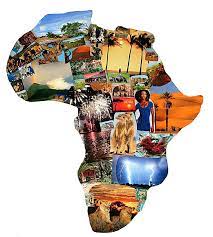
Celebrating Diversity and Fostering Unity: Africa's diversity of cultures, languages, and traditions represents a strength. Embracing this diversity while promoting gender equality creates a more inclusive and harmonious continent. This aligns with the principles of multiculturalism and social inclusion. Recognizing and valuing diverse perspectives enriches societies and strengthens the movement for gender equality, contributing to a united and prosperous Africa.
Conclusions and Recommendations: This analysis reveals that empowering women is not merely a social justice issue but a crucial factor in achieving sustainable development and fostering a united Africa. Recommendations include targeted investments in women's economic empowerment through microfinance and entrepreneurship programs, prioritization of girls' education, challenging societal norms through targeted communication and educational campaigns, improvements in healthcare infrastructure and access to services, strengthening regional collaborations to facilitate knowledge sharing and resource mobilization, youth leadership programs promoting gender equality, and the development of inclusive policies that respect cultural diversity. The impacts of these initiatives will be significant, leading to improved economic outcomes, enhanced social cohesion, and greater political participation for women. Further research should investigate the long-term effects of specific interventions, focusing on measuring the impact of various strategies across diverse cultural contexts and economic settings. Furthermore, research on the effectiveness of men’s engagement as allies in promoting gender equality would also be beneficial.
Reader Pool: How can the integration of traditional and modern approaches to women's empowerment best contribute to sustainable development and social justice in diverse African contexts?


No comments yet. Be the first to share your thoughts!