

Cultivating Positive Body Image: A Societal Imperative
Negative body image, a pervasive issue significantly impacting psychological well-being, particularly amongst adolescents and young adults, demands a comprehensive societal response. This guide outlines practical strategies for fostering supportive environments that promote self-acceptance, body positivity, and overall well-being. We will explore key concepts such as self-esteem, body image, and social comparison theory to understand the multifaceted nature of this challenge and develop effective interventions.
1. Deconstructing Societal Ideals and Promoting Body Diversity: A Social Cognitive Perspective
Understanding the genesis of negative body image requires examining the influence of social cognitive theory. Media representations, societal beauty standards, and cultural norms significantly shape self-perception through observational learning and social comparison processes. Individuals internalize these idealized images, leading to dissatisfaction and self-criticism. To counteract this, we must actively challenge unrealistic beauty standards by promoting body diversity across all media platforms. This involves showcasing individuals of various shapes, sizes, ethnicities, and abilities, thus fostering a more inclusive and representative portrayal of beauty. This aligns with the tenets of social cognitive theory by providing alternative models for self-perception and challenging existing negative schemas.
2. Prioritizing Holistic Well-being: Integrating Physical and Mental Health
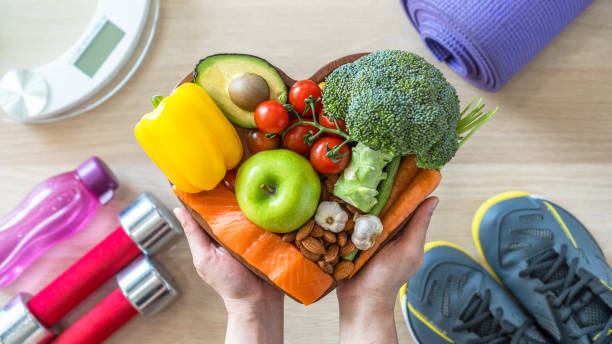
Shifting focus from solely aesthetic concerns to comprehensive well-being is crucial. The biopsychosocial model emphasizes the interconnectedness of biological, psychological, and social factors in influencing health. Promoting activities that nurture both physical and mental health, such as regular exercise, mindfulness practices, and balanced nutrition, fosters a healthier relationship with oneself. By integrating these elements, we create a supportive ecosystem where self-worth isn't solely contingent on physical appearance, promoting resilience and positive self-perception, consistent with the principles of the biopsychosocial model. This holistic approach helps individuals develop a strong sense of self-efficacy and improves overall life satisfaction.
3. Cultivating Empathetic Communication: The Power of Language in Shaping Self-Perception
Mindful communication plays a pivotal role in fostering positive body image. The language used significantly impacts self-esteem and self-perception. Therefore, actively avoiding body-shaming language and promoting respectful communication are vital. Instead of focusing on physical attributes, praising achievements, skills, and personality traits reinforces the concept that self-worth extends beyond appearance. This aligns with the principles of positive psychology, emphasizing strengths and fostering self-acceptance. Creating a culture of empathy and understanding helps individuals feel safe and valued, leading to improved mental health and self-esteem.
4. Promoting Self-Compassion and Positive Self-Talk: Cognitive Restructuring Techniques
Cognitive restructuring techniques are essential for countering negative self-talk. This involves helping individuals identify and challenge negative thoughts and replace them with positive affirmations. Self-compassion, a crucial component of this process, encourages self-kindness, mindfulness, and a sense of common humanity. By practicing self-compassion and positive self-talk, individuals can build resilience against societal pressures and develop a healthier relationship with themselves. These cognitive behavioral techniques directly address the maladaptive thought patterns that underpin negative body image.
5. Empowering Critical Media Consumption: Enhancing Media Literacy
Media literacy is paramount in navigating the often unrealistic and manipulated images prevalent in modern media. Educating individuals to critically assess media messages and identify unrealistic beauty standards empowers them to resist societal pressures and develop a more nuanced understanding of the media's influence on body image. This aligns with the principles of media literacy education, aiming to cultivate critical thinking skills and informed media consumption habits.
6. Building Supportive Communities: Fostering Collective Action and Social Support
Creating safe and inclusive spaces where open dialogue about body image is encouraged is crucial. Social support theory highlights the importance of social connections in promoting well-being. Participating in body-positive movements and creating environments free from judgment and criticism provides individuals with opportunities for mutual support and validation. Collective action amplifies the message of body positivity, fostering a culture of acceptance and inclusivity.
7. Seeking Professional Support: Recognizing the Need for Intervention
Recognizing the need for professional intervention for individuals struggling with severe body image issues is vital. Therapists and counselors can provide tailored support, applying evidence-based therapies like cognitive behavioral therapy (CBT) to address underlying psychological factors. Early intervention can prevent the development of serious mental health challenges and promote long-term well-being.
Conclusion and Recommendations: A Multifaceted Approach to Body Positivity
Cultivating a culture of body positivity demands a multifaceted approach. Integrating principles from social cognitive theory, biopsychosocial model, positive psychology, cognitive behavioral therapy, and media literacy education provides a comprehensive framework. Recommendations include implementing media literacy programs, promoting body diversity across all platforms, fostering empathetic communication, and creating supportive communities. Early intervention through professional guidance is crucial for addressing severe cases. Continued research is needed to explore culturally sensitive approaches and the long-term impact of these interventions. The ultimate goal is to create a society that values diversity, celebrates individuality, and empowers individuals to develop a healthy and positive relationship with their bodies. This requires collaboration across various sectors, including media, education, healthcare, and community organizations.
Reader Pool: What additional strategies or interventions could be incorporated to further enhance the effectiveness of fostering body positivity across diverse cultural contexts?



No comments yet. Be the first to share your thoughts!