

Erectile Dysfunction: A Comprehensive Guide to Treatment and Support
Introduction: Erectile dysfunction (ED), defined as the consistent inability to achieve or maintain an erection sufficient for satisfactory sexual intercourse, significantly impacts men's physical and psychological well-being. This condition, prevalent across various age groups and backgrounds, necessitates a multifaceted approach to treatment and support. This article explores various avenues for addressing ED, incorporating relevant medical, psychological, and lifestyle considerations, within the framework of biopsychosocial models of health.
Understanding the Biopsychosocial Model in ED: The biopsychosocial model posits that health is determined by a complex interplay of biological, psychological, and social factors. In the context of ED, biological factors may include vascular disease, hormonal imbalances (e.g., low testosterone), neurological disorders, or medication side effects. Psychological factors, such as stress, anxiety, depression, and relationship issues, can significantly contribute to ED, as can social factors like societal expectations surrounding masculinity and sexual performance. A holistic approach to ED management must therefore address these interconnected factors.
Seeking Professional Medical Assessment: The initial step in managing ED involves a thorough medical evaluation by a healthcare professional. This assessment will typically include a detailed medical history, physical examination, and potentially laboratory tests to identify underlying medical conditions contributing to the dysfunction. This aligns with the principles of evidence-based medicine, prioritizing accurate diagnosis before intervention. The physician may order tests to assess vascular function, hormonal levels, or neurological status, depending on the suspected cause.
Pharmacological Interventions: Several pharmacological interventions are available for ED, primarily phosphodiesterase-5 (PDE5) inhibitors such as sildenafil (Viagra), tadalafil (Cialis), and vardenafil (Levitra). These medications work by increasing blood flow to the penis, facilitating erectile function. However, their efficacy depends on the underlying cause of ED. A physician will assess individual patient factors, including medical history and potential drug interactions, to determine suitability and optimize treatment strategies. The use of these medications should always be under strict medical supervision. Alternative treatments like alprostadil injections or urethral suppositories may also be considered.
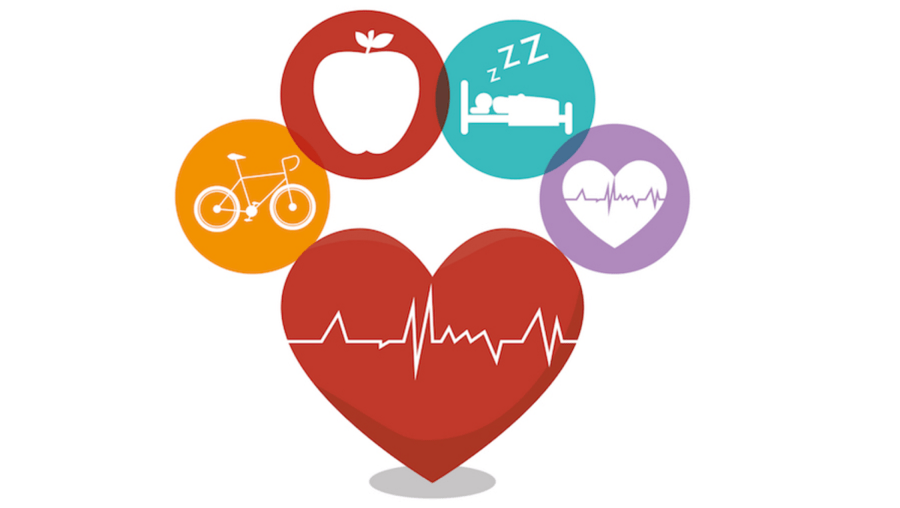
Lifestyle Modifications and Behavioral Therapies: Lifestyle modifications play a crucial role in ED management. These are based on principles of health psychology and preventative medicine, emphasizing proactive health behavior change. Regular physical activity, a balanced diet, stress reduction techniques (e.g., mindfulness, cognitive behavioral therapy), and improved sleep hygiene all contribute positively to overall health and sexual function. Weight loss, if necessary, can be an effective strategy. Furthermore, addressing psychological factors through cognitive behavioral therapy (CBT) can help alleviate anxiety and depression that may contribute to ED. CBT techniques can help modify negative thought patterns and behaviors contributing to sexual difficulties. In cases where relationship problems contribute, couples therapy can provide a structured framework for improving communication and addressing intimacy concerns.
Surgical and Invasive Procedures: For individuals who do not respond adequately to conservative management strategies, surgical options such as penile implants may be considered. This aligns with the principles of surgical decision-making, where the potential risks and benefits are carefully weighed against the patient's individual needs and circumstances. Vacuum erection devices are a less-invasive alternative that can be helpful for some individuals.
The Role of Social Support and Emotional Well-being: Addressing the emotional impact of ED is crucial. Open communication with partners is essential for maintaining intimacy and reducing feelings of isolation. Support groups and online resources can provide additional emotional support, fostering a sense of community and reducing stigma. This is consistent with social support theory, which suggests that strong social networks positively influence health outcomes. Seeking support from friends, family members, and/or mental health professionals can also significantly aid in managing the emotional toll of ED.
Conclusion and Recommendations: Erectile dysfunction is a complex condition demanding a holistic approach encompassing biological, psychological, and social considerations. Effective management involves a comprehensive assessment, tailored treatment strategies, and ongoing support. A multidisciplinary approach, involving physicians, psychologists, and potentially other healthcare professionals, ensures a comprehensive and personalized plan. Further research is needed to explore the effectiveness of integrated interventions that concurrently address the biological, psychological, and social aspects of ED, with a focus on long-term outcomes and quality of life. The effectiveness of various non-invasive and natural approaches also requires further rigorous investigation.
Reader Pool: What are your perspectives on the effectiveness of integrating psychological and lifestyle interventions into the management of erectile dysfunction, and how can we improve access to comprehensive care for men experiencing this condition?

No comments yet. Be the first to share your thoughts!