

Navigating the Path to Emotional Wholeness: A Framework for Trauma Recovery
Emotional trauma, defined as a deeply distressing or disturbing experience that overwhelms an individual's coping mechanisms, can significantly impair psychological well-being and overall quality of life. The recovery process, often protracted and complex, necessitates a multifaceted approach integrating self-compassion, professional guidance, and proactive self-care strategies. This article presents a structured framework for navigating this journey, drawing upon established psychological principles and therapeutic models to facilitate a comprehensive understanding and effective management of emotional trauma recovery.
- Acknowledging and Validating Trauma: A Foundation for Healing: The initial stage involves acknowledging the existence and impact of the trauma. This requires a conscious effort to recognize the emotional pain experienced, avoiding avoidance or minimization. This process aligns with the core principles of Acceptance and Commitment Therapy (ACT), where acceptance of difficult emotions is the precursor to positive change. Acknowledging one's pain facilitates the development of emotional self-awareness, crucial for subsequent healing steps.
- Establishing a Supportive Ecosystem: Leveraging Social Support Networks: Building a robust support system is paramount. This includes seeking emotional support from trusted individuals—family, friends, or support groups—who offer empathy and understanding. Social support theory highlights the vital role of social connections in buffering stress and promoting resilience. Consider utilizing support groups specifically designed for trauma survivors, offering validation and shared experience. Professional support, such as therapy, is also vital; a therapist provides a safe and confidential space for processing emotions.
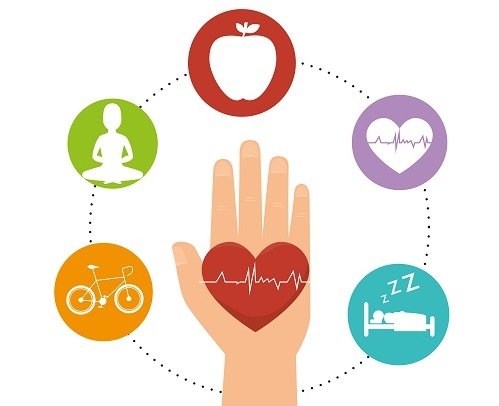
- Prioritizing Self-Care: Fostering Resilience through Self-Compassion: Self-care becomes a cornerstone of the recovery process. This encompasses a broad range of activities promoting physical and emotional well-being, such as regular exercise, mindfulness practices (consistent with mindfulness-based stress reduction techniques), sufficient sleep, and engaging in enjoyable hobbies. Self-compassion, an essential element of self-care, involves treating oneself with kindness and understanding, recognizing that healing takes time and involves setbacks. This approach counteracts self-criticism, a common obstacle in trauma recovery.
- Therapeutic Intervention: Utilizing Evidence-Based Treatment Modalities: Professional therapeutic intervention offers a structured approach to trauma processing. Evidence-based therapies like Trauma-Focused Cognitive Behavioral Therapy (TF-CBT) and Eye Movement Desensitization and Reprocessing (EMDR) are particularly effective in addressing trauma-related symptoms. These approaches help to identify and challenge maladaptive thought patterns, develop coping skills, and reprocess traumatic memories. The therapeutic relationship itself provides a secure base for exploring difficult emotions.
- Promoting Emotional Expression: Facilitating Catharsis and Self-Discovery: Finding healthy outlets for emotional expression is critical. This may include journaling, art therapy, music therapy, or other creative means of communicating experiences and emotions. These methods facilitate emotional release, promoting catharsis and providing a sense of control over previously overwhelming experiences. Expressing emotions helps to integrate the traumatic experience into one's narrative, reducing its power.
- Cultivating Healthy Relationships: Building a Supportive Social Environment: Nurturing positive relationships and distancing oneself from toxic relationships is essential. Positive relationships offer emotional support, validation, and a sense of belonging, while toxic relationships can hinder healing and exacerbate emotional distress. Social learning theory posits that individuals learn behaviors and emotional responses from their social interactions, highlighting the crucial role of positive social connections in recovery.
- Forgiveness: Releasing the Burden of Resentment: Practicing self-forgiveness and, where appropriate, forgiving others involved in the traumatic event, can be profoundly healing. Holding onto anger and resentment perpetuates emotional distress. Forgiveness, while not condoning harmful actions, allows for the release of emotional burdens, promoting inner peace and reducing the intensity of trauma-related symptoms. This aligns with the tenets of restorative justice approaches that emphasize healing and reconciliation.
- Setting Boundaries: Protecting Emotional Well-being: Establishing clear and healthy boundaries is vital for protecting one's emotional well-being. Learning to assert oneself and prioritize personal needs is crucial in preventing future trauma and promoting self-respect. Boundary setting assists in minimizing exposure to potentially harmful situations and creates a safer personal space, fostering a sense of control and agency.
- Cognitive Restructuring: Challenging Maladaptive Thought Patterns: Trauma often leads to negative and distorted thinking patterns. Cognitive restructuring techniques, a key component of CBT, involve identifying and challenging these maladaptive thoughts, replacing them with more balanced and realistic perspectives. This process empowers individuals to reclaim their narrative and foster a more positive self-image. Positive self-talk and affirmations support this cognitive shift.
- Building Community: Leveraging Collective Strength: Engaging in trauma-informed support groups or online communities provides a sense of belonging and shared experience. Connecting with others who understand the challenges of trauma fosters validation and reduces feelings of isolation. Social comparison theory suggests that comparing oneself to others experiencing similar difficulties can be both validating and motivating, promoting resilience.
- Mindfulness and Self-Regulation: Cultivating Present Moment Awareness: Mindfulness practices, such as meditation and deep breathing exercises, cultivate present moment awareness and self-regulation skills. These techniques help to calm the mind, manage anxiety, and reduce the intrusive nature of traumatic memories. Mindfulness fosters emotional regulation, a key skill in managing stress and emotional distress.
- Embracing Resilience and Growth: Fostering Post-Traumatic Growth: Healing is a journey of growth and resilience. Acknowledging personal strengths and celebrating milestones is essential in maintaining hope and fostering self-efficacy. Post-traumatic growth refers to the positive psychological changes that can result from coping with adversity, demonstrating the capacity for transformation and personal development following trauma.
- Cultivating Gratitude: Shifting Perspective: Practicing gratitude shifts focus from past trauma to present blessings. Regularly acknowledging what one is grateful for, no matter how small, fosters a positive mindset and promotes hope, improving emotional well-being. Positive psychology research emphasizes the significant impact of gratitude on overall happiness and resilience.
- Incremental Progress: Embracing the Gradual Nature of Healing: Recovery from emotional trauma is a non-linear process. It's vital to embrace the gradual nature of healing and celebrate small victories. Avoid perfectionism and self-criticism, recognizing that setbacks are part of the process. This approach fosters patience and self-compassion, essential for long-term recovery.
- Seeking Professional Guidance: Accessing Specialized Support: If the recovery process becomes overwhelming or progress stalls, seeking professional help is crucial. Therapists and counselors provide specialized support tailored to individual needs, offering expertise and guidance in navigating the complexities of trauma recovery. Early intervention can prevent prolonged suffering and promote more efficient healing.
Conclusions and Recommendations
Healing from emotional trauma is a multifaceted journey demanding a holistic and individualized approach. The framework presented highlights the crucial role of self-compassion, social support, professional intervention, and proactive self-care strategies in fostering emotional recovery. Successful navigation of this path necessitates a commitment to self-discovery, a willingness to embrace vulnerability, and a recognition that healing is a process, not a destination. Future research could focus on developing more accessible and culturally sensitive interventions, tailoring support strategies to diverse trauma populations, and investigating the long-term impacts of different therapeutic approaches on post-traumatic growth.
It is recommended that individuals experiencing emotional trauma seek professional guidance from a qualified mental health professional, prioritizing evidence-based treatment modalities. Community-based support systems, such as support groups and online communities, should also be explored to enhance social connection and foster resilience. Further research is needed to refine existing therapeutic approaches, develop culturally appropriate interventions for diverse populations, and comprehensively evaluate the long-term effects of various therapeutic interventions on emotional well-being and post-traumatic growth. Emphasis on proactive self-care and the cultivation of positive coping mechanisms will greatly enhance recovery outcomes and improve quality of life for trauma survivors. The significance of fostering a supportive and understanding social environment cannot be overstated.


No comments yet. Be the first to share your thoughts!