

Age-Appropriate Disease Prevention Strategies for Seniors: A Comprehensive Guide
Maintaining optimal health in later life is paramount. While aging brings its own set of challenges, proactive strategies can significantly reduce the risk of age-related diseases and promote a fulfilling, vibrant senior experience. This guide outlines key steps seniors can take to prioritize their well-being and enjoy a healthier, longer life.
Physical Well-being: The Foundation of Healthy Aging
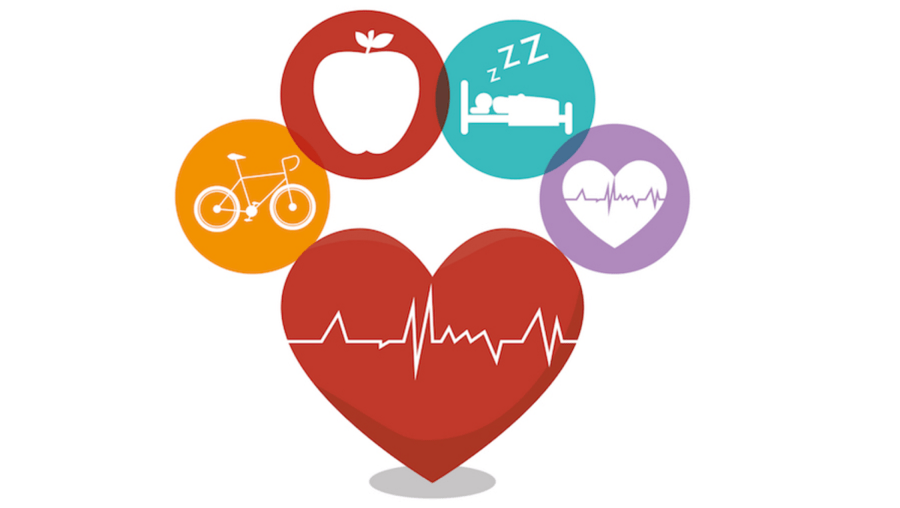
Regular physical activity is not just about fitness; it’s fundamental to overall health as we age. Gentle exercises like walking, swimming, or yoga improve cardiovascular health, maintain muscle strength and bone density, and combat age-related decline. Aim for at least 30 minutes of moderate-intensity exercise most days of the week, tailored to your individual fitness level and any physical limitations.
Nutrition plays a critical role in disease prevention. A balanced diet rich in fruits, vegetables, whole grains, and lean proteins provides the essential nutrients your body needs to function optimally. Limit processed foods, sugary drinks, and excessive saturated fats. Consider consulting a registered dietitian for personalized dietary guidance.
Vaccination remains a cornerstone of disease prevention throughout life, especially for seniors. Ensure you're up-to-date on recommended vaccines, including influenza, pneumonia, and shingles. These vaccines significantly reduce the risk of serious complications from these common illnesses.
Maintaining good hygiene practices is crucial in preventing infections. Frequent handwashing, proper oral hygiene, and regular dental checkups are simple yet powerful steps in protecting your overall health.
Staying hydrated is often overlooked, yet it's vital for overall health. Dehydration can lead to various health issues, particularly in seniors. Aim to drink plenty of water throughout the day, adjusting intake based on activity levels and weather conditions.
Adequate sleep is essential for physical and cognitive restoration. Aim for 7-8 hours of quality sleep each night. Establish a consistent sleep schedule and create a relaxing bedtime routine to promote better sleep quality.
Maintaining a healthy weight reduces the risk of chronic conditions such as heart disease, diabetes, and certain cancers. A combination of balanced nutrition and regular exercise is key to achieving and maintaining a healthy weight.
Cognitive and Emotional Well-being: Nourishing the Mind and Spirit
Cognitive stimulation is just as important as physical activity. Engage your mind through activities like reading, puzzles, learning new skills, or participating in social groups. These activities help maintain cognitive function and reduce the risk of cognitive decline.
Chronic stress can negatively impact both physical and mental health. Practice stress management techniques like meditation, deep breathing exercises, or engaging in enjoyable hobbies to mitigate stress and improve overall well-being.
Social connection is a vital component of overall health. Regular interaction with family, friends, and community groups combats feelings of isolation and loneliness, which are detrimental to both mental and physical health.
Preventative Healthcare: Early Detection and Intervention
Regular health screenings are crucial for early detection of potential health issues. Schedule annual check-ups with your doctor and undergo recommended screenings for conditions like high blood pressure, high cholesterol, and cancer. Early detection significantly improves treatment outcomes.
Protecting your skin from sun damage is vital as skin becomes more vulnerable with age. Use sunscreen with a high SPF, wear protective clothing, and limit sun exposure to reduce the risk of skin cancer and premature aging.
Medication adherence is paramount, particularly for seniors who often manage multiple medications. Take medications as prescribed, and promptly discuss any concerns or side effects with your doctor or pharmacist.
Falls are a significant concern for seniors. Create a safe home environment, use assistive devices as needed, and practice balance exercises to minimize the risk of falls and related injuries.
Conclusion: Embracing a Holistic Approach to Healthy Aging
Disease prevention in seniors requires a holistic approach encompassing physical activity, balanced nutrition, mental stimulation, emotional well-being, and regular preventative healthcare. By incorporating these strategies into your daily life, you can significantly improve your quality of life and reduce the risk of age-related diseases. Remember, proactive steps today contribute to a healthier, happier tomorrow. It’s never too late to prioritize your well-being and embrace a vibrant, fulfilling senior life.
We encourage you to share your experiences and insights on these strategies in the comments below. What practices have you found most effective in maintaining your health and well-being as you age? Let's learn from each other and create a supportive community focused on healthy aging.



No comments yet. Be the first to share your thoughts!