

Cultivating a Positive Mindset: Strategies for Enhanced Well-being
In contemporary society, characterized by its fast-paced and often overwhelming nature, maintaining a positive mindset presents a significant challenge. This article explores the application of psychological principles and techniques to cultivate a healthier mental state, focusing on practical strategies for individual application. Key concepts such as positive psychology, cognitive restructuring, mindfulness, and self-compassion will be examined within the context of real-world applications.
Strategies for Positive Mindset Cultivation
1. Cultivating Gratitude: Beginning the day with a focus on gratitude, as advocated by positive psychology, sets a positive emotional tone. The practice of identifying and appreciating even small aspects of one's life can activate positive affect and reduce stress. This aligns with the broaden-and-build theory, suggesting that positive emotions expand cognitive resources, leading to enhanced problem-solving and resilience. For instance, taking a few minutes each morning to reflect on things one is grateful for, such as good health or supportive relationships, can demonstrably improve overall mood and outlook.
2. Strategic Exposure to Positive Stimuli: Exposure to positive information and social interactions significantly influences emotional states. The concept of social contagion suggests that emotions, including positivity, can spread through social networks. This means actively seeking out uplifting media, books, podcasts, and engaging in interactions with positive individuals can serve as a powerful tool for fostering a positive mindset. The process of carefully selecting one's environment aligns with the principle of stimulus control, where environmental cues are utilized to trigger desired behaviors and emotional responses. For example, subscribing to uplifting podcasts or following accounts promoting positivity on social media can create a supportive informational environment.
3. Mindfulness Practices for Emotional Regulation: Mindfulness, the act of focusing on the present moment without judgment, is a cornerstone of stress reduction and emotional regulation. Techniques like meditation and deep breathing exercises activate the parasympathetic nervous system, reducing the physiological response to stress. Mindfulness meditation, for example, involves focusing on the breath or bodily sensations, allowing individuals to observe their thoughts and emotions without getting carried away by them. Regular mindfulness practice can enhance self-awareness and emotional regulation abilities.
4. Cognitive Restructuring and Positive Self-Talk: Negative self-talk significantly impacts self-esteem and overall well-being. Cognitive restructuring, a therapeutic technique rooted in cognitive behavioral therapy (CBT), involves identifying and challenging negative thought patterns. Replacing these with more balanced and positive affirmations fosters self-compassion and resilience. For example, replacing a self-critical thought like "I'm a failure" with a more compassionate statement like "I'm learning and growing" can significantly alleviate negative self-perception.
5. Challenging Negative Beliefs and Perfectionism: Cognitive distortions, such as catastrophizing or all-or-nothing thinking, often fuel negative beliefs. By consciously identifying and challenging these cognitive distortions, individuals can dismantle self-limiting beliefs and foster a more realistic and positive self-perception. The acceptance and commitment therapy (ACT) model encourages acceptance of negative thoughts and emotions without judgment, fostering psychological flexibility. This allows individuals to focus on their values and goals, rather than being overwhelmed by negative thoughts.
6. Appreciating Small Joys and Celebrating Successes: Focusing on positive experiences and achievements enhances self-efficacy and overall well-being. The practice of savoring positive moments, large or small, strengthens positive emotions and increases overall life satisfaction. Regularly acknowledging and celebrating accomplishments, no matter how minor, bolsters self-esteem and motivates future endeavors. This aligns with the concept of self-reinforcement, where positive self-evaluation and reward systems promote desired behaviors and improve psychological well-being.
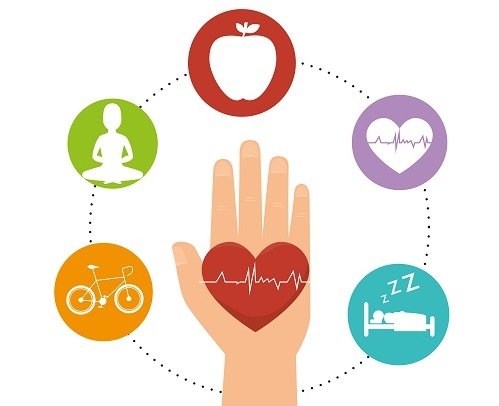
7. The Significance of Social Support and Self-Care: Strong social connections and self-care practices are vital for maintaining a healthy mindset. Social support provides a buffer against stress and enhances resilience. Self-care, encompassing activities that promote physical and mental well-being, is essential for preventing burnout and maintaining emotional balance. This includes prioritizing activities that foster relaxation, reduce stress, and promote overall physical and mental health. Engaging in regular physical activity, maintaining a balanced diet, and ensuring adequate sleep are crucial components of a holistic self-care regimen.
8. Problem-Solving Approach and Proactive Coping: Focusing on solutions rather than dwelling on problems enhances coping mechanisms and fosters a sense of control. Developing problem-solving skills and practicing proactive coping strategies empowers individuals to effectively manage challenges and maintain a positive outlook, even in the face of adversity. This approach aligns with the stress-inoculation model, which involves preparing individuals for stressful situations through cognitive and behavioral strategies.
9. The Power of Self-Reflection and Personal Growth: Regular self-reflection provides valuable insights into one’s thoughts, feelings, and behaviors, facilitating personal growth and improved self-understanding. Journaling, introspection, and seeking feedback from trusted individuals can all contribute to a deeper understanding of oneself and lead to the development of more adaptive coping mechanisms. This aligns with the principles of self-efficacy, where beliefs about one's own capabilities influence behavior and well-being.
10. Harnessing the Restorative Power of Nature: Spending time in nature has a demonstrably positive impact on mental health. Research supports the restorative benefits of natural environments, reducing stress and promoting relaxation. Engaging in activities like hiking, gardening, or simply spending time outdoors can enhance mood and promote a sense of well-being.
11. Practicing Forgiveness and Letting Go: Holding onto grudges and negative emotions is detrimental to mental health. Forgiveness, both of oneself and others, is a crucial aspect of emotional healing and promotes psychological well-being. This allows for the release of negative emotions and the creation of space for positive growth and improved interpersonal relationships.
12. Engaging in Passion-Driven Activities: Participating in activities that elicit joy and passion enhances overall well-being and contributes to a positive mindset. These activities serve as sources of intrinsic motivation and promote a sense of purpose and fulfillment. Engaging in activities that tap into one's interests and strengths can boost self-esteem and improve overall life satisfaction.
Conclusions and Recommendations
Cultivating a positive mindset is a continuous process requiring consistent effort and self-awareness. The strategies outlined above, rooted in established psychological principles, provide a practical framework for promoting mental well-being. By integrating these practices into daily life, individuals can significantly enhance their emotional resilience, cope more effectively with stress, and experience a greater sense of fulfillment. Future research could explore the long-term effects of these strategies on various populations and investigate the efficacy of different combinations of interventions. The application of these strategies can be further enhanced through personalized interventions tailored to individual needs and preferences, taking into account personality traits and cultural contexts. Furthermore, exploring the intersection of technology and positive psychology, such as the use of mindfulness apps, could significantly increase accessibility and enhance the effectiveness of these practices.
Reader Pool: How might the integration of these strategies into organizational settings, such as workplaces or educational institutions, contribute to improved employee/student well-being and productivity?
```


No comments yet. Be the first to share your thoughts!