

Conquering Hypertension: A Multifaceted Approach to Blood Pressure Management
Introduction: Hypertension, or high blood pressure, is a pervasive chronic condition defined by consistently elevated arterial blood pressure. This condition substantially increases the risk of cardiovascular diseases, encompassing coronary artery disease, stroke, and heart failure. Understanding the pathophysiology of hypertension, a complex interplay of genetic predisposition and environmental factors, is paramount for effective management. This article details key strategies rooted in established cardiovascular health and disease management principles, highlighting their practical application. Key concepts include the application of the biopsychosocial model, allostatic load theory, and the principles of self-efficacy in chronic disease management.
1. Pharmacological Interventions and Medication Adherence: Optimal blood pressure control often necessitates pharmacological interventions, including diuretics, ACE inhibitors, angiotensin receptor blockers (ARBs), beta-blockers, and calcium channel blockers. Successful hypertension management hinges on strict adherence to prescribed medication regimens, regular blood pressure monitoring, and prompt reporting of adverse effects to healthcare professionals. This underscores the critical role of patient education and the principles of pharmacotherapy in chronic disease management. Understanding medication adherence through the lens of the Health Belief Model helps tailor interventions to improve patient compliance. For example, understanding perceived susceptibility and benefits can aid in motivational interviewing techniques to improve adherence.
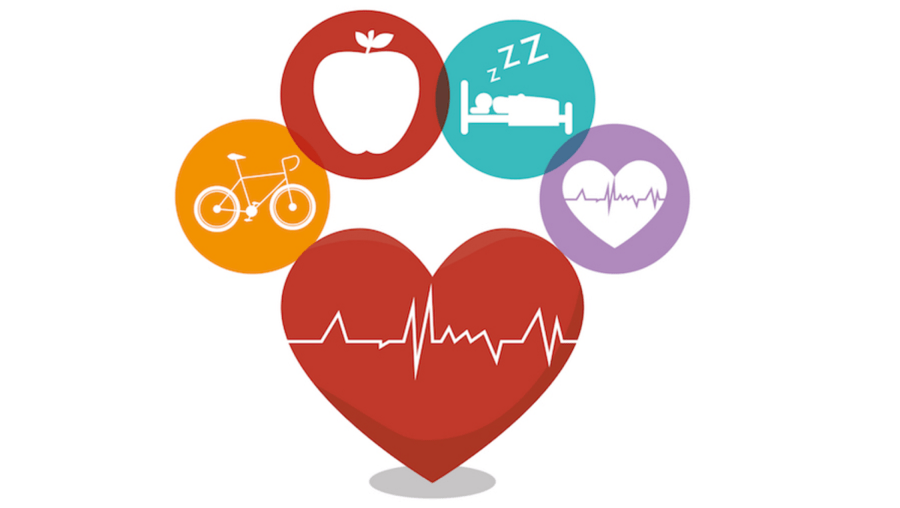
2. Dietary Interventions and the DASH Diet: The Dietary Approaches to Stop Hypertension (DASH) diet is a cornerstone of hypertension management. This evidence-based dietary pattern emphasizes fruits, vegetables, whole grains, and lean proteins while restricting saturated and trans fats, cholesterol, and sodium. Implementing the DASH diet involves mindful food choices, careful label reading, and home-cooked meals to regulate sodium intake. This aligns with nutritional epidemiology principles and the understanding of sodium's influence on fluid balance and blood pressure regulation. The application of the transtheoretical model (stages of change) can help guide patients through dietary modifications, providing tailored support at each stage of their behavior change process.
3. Weight Management and Metabolic Syndrome Interplay: Obesity is a major hypertension risk factor, frequently contributing to metabolic syndrome, characterized by abdominal obesity, hypertension, hyperglycemia, and dyslipidemia. Weight management, integrating dietary adjustments and regular exercise, is vital for blood pressure reduction and mitigating metabolic syndrome risks. This highlights the interconnectedness of metabolic processes and their influence on cardiovascular health. Successful weight management can be conceptualized using the social cognitive theory, emphasizing the reciprocal interaction between personal factors, environmental factors, and behavior.
4. Regular Physical Activity and Exercise Prescription: Regular physical activity is crucial in hypertension management. The American Heart Association recommends at least 150 minutes of moderate-intensity or 75 minutes of vigorous-intensity aerobic activity weekly. This recommendation stems from research demonstrating exercise's beneficial impact on cardiovascular health, improving endothelial function and reducing systemic vascular resistance. Creating personalized exercise plans, considering individual fitness levels, and progressively increasing intensity and duration are vital to avoid injuries. This aligns with the principles of exercise prescription and behavior change strategies like goal setting and self-monitoring.
5. Stress Management Techniques and Psychophysiological Models: Chronic stress significantly contributes to hypertension via sympathetic nervous system activation and the release of stress hormones. Applying stress management techniques, such as mindfulness meditation, yoga, or deep breathing exercises, helps regulate the autonomic nervous system and reduce blood pressure. This approach aligns with psychophysiological models illustrating the mind-body connection and stress's physiological impact. Cognitive Behavioral Therapy (CBT) principles can be effectively integrated to address underlying cognitive distortions and maladaptive coping mechanisms related to stress.
6. Lifestyle Factors and Comprehensive Risk Reduction: Several modifiable lifestyle factors influence hypertension, including excessive alcohol consumption, smoking, and insufficient sleep. Limiting alcohol intake, smoking cessation, and adequate sleep are crucial for lowering blood pressure and enhancing overall cardiovascular health. This holistic approach emphasizes addressing modifiable risk factors and adopting comprehensive health management. The social ecological model provides a framework to understand the interplay of individual, interpersonal, organizational, community, and policy factors influencing these behaviors.
7. Monitoring and Self-Management Empowerment: Regular self-monitoring using home blood pressure monitors is essential for effective hypertension management. This empowers patients to track progress, identify trends, and adjust lifestyles or medications. Consistent monitoring fosters active patient participation in healthcare and improves communication with providers. This aligns with principles of patient-centered care and self-management support. The application of the self-determination theory is crucial here, fostering intrinsic motivation through autonomy, competence, and relatedness in self-management activities.
Conclusions and Recommendations: Effective hypertension management requires a comprehensive approach integrating lifestyle changes, medication adherence (as needed), and consistent monitoring. The impact of this integrated approach is demonstrably a reduction in cardiovascular morbidity and mortality, leading to improved quality of life and increased longevity. Future research should focus on personalized approaches, considering genetic predisposition and individual responses to lifestyle and pharmacological interventions. Strengthening patient education and expanding access to resources, particularly self-monitoring tools and support groups, is paramount for achieving long-term success. A longitudinal study examining the effectiveness of integrating various behavior change theories within a comprehensive hypertension management program would be valuable.
Reader Pool: How can healthcare systems better integrate technology and personalized approaches to overcome barriers to successful long-term blood pressure control in diverse patient populations?




No comments yet. Be the first to share your thoughts!