

Embracing the Ageless Self: A Holistic Approach to Healthy Aging
This article explores the multifaceted process of aging gracefully, integrating perspectives from gerontology, positive psychology, and health psychology to provide a comprehensive framework for navigating this natural life stage. We will define key concepts such as successful aging, well-being, and self-efficacy to illuminate the strategies discussed. Successful aging, as defined by Rowe and Kahn, encompasses the avoidance of disease and disability, the maintenance of high cognitive and physical functional capacity, and active engagement with life. Well-being, incorporating elements of hedonic (pleasure-focused) and eudaimonic (meaning and purpose-focused) well-being, is central to a fulfilling aging experience. Self-efficacy, the belief in one's ability to succeed in specific situations, plays a crucial role in adopting and maintaining healthy behaviors throughout life.
- Cultivating Self-Acceptance and Positive Self-Perception: The foundation of graceful aging rests upon embracing the physical and emotional transformations inherent in the aging process. This involves acknowledging changes—such as wrinkles, gray hair, and reduced energy levels—not as markers of decline but as testaments to a life lived fully. This aligns with the concept of self-compassion, recognizing our shared human experience of aging and treating ourselves with kindness and understanding. This approach mitigates the negative impact of ageism, societal prejudices against older adults, thereby promoting positive self-esteem and mental well-being.
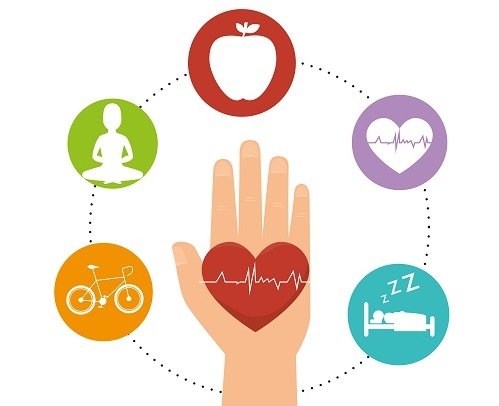
- Prioritizing Physical Health and Well-being: Maintaining physical health is paramount. Regular physical activity, tailored to individual capabilities and preferences, is crucial. This aligns with the principle of exercise prescription; activities should be selected to enhance cardiovascular health, muscular strength and endurance, and flexibility. A balanced diet, rich in fruits, vegetables, and lean proteins, provides essential nutrients for cellular repair and maintenance, aligning with the nutritional guidelines for older adults. Adequate hydration is equally important for overall physiological function.
- Nurturing Mental and Emotional Well-being: Proactive mental and emotional self-care is indispensable for successful aging. Regular engagement in activities that foster relaxation and joy, such as mindfulness practices, reading, or spending time in nature, contributes significantly to stress management and mental health. These activities enhance emotional regulation and resilience, crucial for navigating life's challenges. The Social Cognitive Theory highlights the importance of self-efficacy in initiating and maintaining these self-care practices.
- Maintaining Meaningful Social Connections: Strong social networks are protective factors against loneliness and isolation, which can negatively impact both physical and mental health. Active participation in social activities, maintaining close relationships with family and friends, and engaging in community involvement strengthens social bonds, promoting feelings of belonging and purpose. Social support networks provide emotional buffering against stress and improve coping mechanisms, enhancing overall well-being.
- Cognitive Stimulation and Lifelong Learning: Maintaining cognitive vitality through continuous learning and engagement in mentally stimulating activities is essential for preserving cognitive function and preventing age-related cognitive decline. This aligns with cognitive reserve theory, suggesting that a rich cognitive history helps to buffer against age-related cognitive decline. Activities such as puzzles, reading, learning new skills, or engaging in intellectually stimulating conversations contribute to cognitive health, promoting mental acuity and alertness.
- Optimizing Sleep and Restorative Processes: Sufficient, high-quality sleep is crucial for physical and cognitive restoration. Establishing and maintaining a consistent sleep-wake cycle, creating a conducive sleep environment, and addressing sleep disorders are all important aspects of maintaining optimal sleep hygiene. Adequate sleep supports the body's repair and restorative processes, promoting both physical and mental health.
- Adapting Skincare Practices and Addressing Physical Changes: As skin ages, adapting skincare routines to address these changes is important. Using sun protection, moisturizing regularly, and potentially incorporating anti-aging ingredients can help maintain skin health. A proactive approach to managing physical changes, such as consulting healthcare professionals for appropriate interventions, helps in maximizing functional capacity and quality of life.
- Cultivating Gratitude and Positive Mindset: A positive and grateful outlook can significantly impact overall well-being. Practicing gratitude, focusing on the positive aspects of life, and actively cultivating optimism enhance happiness and resilience. This aligns with the principles of positive psychology, demonstrating that a focus on positive emotions, character strengths, and meaning contributes to a fulfilling life.
- Seeking Professional Support When Needed: When facing challenges related to aging, seeking professional support from therapists, counselors, or support groups can provide valuable guidance, coping strategies, and emotional support. This is particularly important when experiencing significant emotional distress, grief, or difficulties adapting to life changes.
Conclusions and Recommendations
Embracing graceful aging requires a holistic approach encompassing physical, mental, emotional, and social well-being. By integrating the principles outlined above – from proactive health management and social engagement to cultivating a positive mindset and seeking professional support when needed – individuals can navigate the aging process with confidence and vitality. Further research could explore culturally sensitive interventions to address the diverse experiences of aging across different populations. Evaluating the long-term efficacy of integrated interventions that combine physical activity, cognitive stimulation, and social support on various aspects of successful aging would prove valuable. The findings of such research can inform the development of tailored programs promoting healthy aging and enhancing the quality of life for older adults. The applicability of these strategies extends to healthcare professionals, caregivers, and policymakers, empowering them to support individuals in their journey towards successful and fulfilling aging.
Reader Pool: What are your insights on the interplay between individual agency and societal factors in shaping perceptions and experiences of graceful aging?
No comments yet. Be the first to share your thoughts!