

The Synergistic Effects of Recreational Activities on Successful Aging
Successful aging, encompassing physical, cognitive, and emotional well-being, is increasingly recognized as a multifaceted process. This article explores the significant contribution of recreational activities to this process, leveraging established theories and models from gerontology and positive psychology. Key concepts to be discussed include the biopsychosocial model of health, the theory of self-determination, and the concept of active aging. The biopsychosocial model highlights the interconnectedness of biological, psychological, and social factors in health outcomes. Self-determination theory emphasizes the importance of autonomy, competence, and relatedness in fostering well-being, while active aging promotes continued engagement and participation in life's activities despite age-related changes.
1. Physical Health Enhancement and Disease Prevention: Regular engagement in recreational activities significantly contributes to physical fitness. Activities like swimming, walking, and strength training directly improve cardiovascular health, muscular strength, and flexibility. This, in turn, reduces the risk of age-related diseases such as osteoporosis, osteoarthritis, type 2 diabetes, and cardiovascular disease, aligning with the principles of preventative medicine. For instance, a study examining the impact of regular physical activity on bone density in post-menopausal women demonstrated significant improvements in bone mineral density among participants engaging in weight-bearing exercises compared to a control group.
2. Cognitive Function Preservation and Enhancement: Cognitive decline is a common concern in later life. However, research supports the notion that stimulating recreational activities can mitigate this. Engaging in activities requiring strategic thinking, such as chess, puzzles, or learning a new language, helps to maintain and even improve cognitive functions like memory, attention, and executive function. This aligns with the principles of cognitive reserve, suggesting that a rich cognitive history buffers against age-related decline. For example, longitudinal studies have shown a correlation between engaging in intellectually stimulating activities throughout life and a reduced risk of developing dementia.
3. Social Engagement and Reduced Isolation: Social interaction is a crucial component of well-being. Recreational activities offer numerous opportunities for social connection through group activities, clubs, or volunteering. This combats feelings of loneliness and isolation, often prevalent in older adulthood. Social support networks are vital for mental and emotional health, and participating in group activities facilitates the creation and maintenance of these networks. Social isolation has been linked to an increased risk of various health problems, highlighting the importance of fostering social connections in older adults.
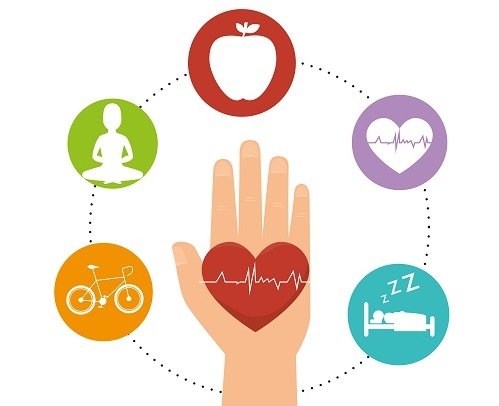
4. Stress Management and Emotional Well-being: Stress reduction is paramount for healthy aging. Mind-body practices like yoga, tai chi, and meditation, often incorporated into recreational activities, have proven stress-reducing effects. These activities promote relaxation and emotional regulation, reducing the negative impact of chronic stress on both physical and mental health. Furthermore, engaging in enjoyable activities allows individuals to express their creativity and develop a sense of accomplishment, thus enhancing their emotional well-being and self-esteem – principles consistent with self-determination theory.
5. Promoting Independence and Functional Capacity: Recreational activities can directly impact an individual’s level of independence. Maintaining physical activity and cognitive stimulation preserves functional abilities and reduces dependence on others. This aligns with the concept of active aging, which emphasizes maximizing one’s participation in life. By improving strength, balance, and coordination, recreational activities contribute to the prevention of falls and maintain daily living skills.
6. Improved Sleep Quality and Enhanced Energy Levels: Regular physical activity, as part of recreational pursuits, has been shown to improve sleep quality and increase energy levels. Physical activity helps to regulate circadian rhythms, leading to better sleep patterns. Improved sleep, in turn, enhances cognitive function, mood, and overall physical health. The boost in energy facilitates participation in other activities, creating a positive feedback loop.
7. Meaning and Purpose in Later Life: Recreational activities contribute significantly to the sense of purpose and meaning that are crucial for subjective well-being in older adulthood. Engaging in hobbies, learning new skills, or volunteering provides a sense of accomplishment and contributes to social identity. This aligns with the concepts of life satisfaction and ego integrity, crucial aspects of successful aging.
Conclusion and Recommendations: This discussion underscores the vital role of recreational activities in promoting successful aging. These activities offer a powerful synergy of physical, cognitive, and social benefits, aligning with established theoretical frameworks. Further research should explore the specific types of recreational activities most beneficial for different subgroups of older adults, considering factors like physical limitations and personal preferences. Public health interventions should promote access to affordable and accessible recreational opportunities for older adults. Furthermore, healthcare professionals should integrate discussions about recreational activities into routine care, emphasizing their role in preventative healthcare and enhanced well-being. The positive impact on individual health, reduced healthcare costs, and enhanced quality of life warrants greater investment in this area. The application of these findings can substantially improve the lives of aging individuals worldwide.
Reader Pool: To what extent do you believe societal structures and environmental factors influence older adults' access to and engagement with recreational activities that promote successful aging?



No comments yet. Be the first to share your thoughts!