

Cultivating Mental Fortitude: A Multifaceted Approach to Resilience and Emotional Strength
In contemporary society's demanding and unpredictable environment, the cultivation of mental resilience and emotional strength is paramount for individual well-being and success. This article explores fifteen key strategies, grounded in established psychological principles and models, to foster these crucial attributes. We will define key terms to ensure clarity. Mental resilience refers to the capacity to recover quickly from difficulties; emotional strength encompasses the ability to manage and regulate emotions effectively. These concepts are interconnected, and their development is a continuous process.
Strategies for Enhanced Psychological Well-being
1. Cultivating Self-Awareness Through Introspection: Regular self-reflection, facilitated through journaling or mindfulness practices, enhances self-awareness. This process, aligned with the principles of self-determination theory, allows for a deeper understanding of one's emotional responses to various stimuli. By understanding the interplay between thoughts, feelings, and behaviors, individuals can make conscious choices to manage emotions effectively, promoting emotional regulation.
2. Harnessing the Power of Optimism: A proactive approach to cultivating optimism, drawing upon the principles of positive psychology, can significantly impact one's ability to cope with adversity. Attributing setbacks to external, temporary, and specific factors, rather than internal, stable, and global ones (as suggested by attribution theory), fosters a more positive outlook and reduces the risk of learned helplessness. This optimistic lens allows individuals to view challenges as opportunities for growth and learning.
3. Leveraging Social Support Networks: The significance of strong social support systems is well-documented in social support theory. A supportive network provides emotional buffer, reduces stress, and offers valuable perspective during challenging times. These relationships provide a sense of belonging and promote feelings of security and self-worth, strengthening resilience.
4. Goal Setting and Achievement: Employing a goal-setting framework, informed by social cognitive theory, involves setting SMART (Specific, Measurable, Achievable, Relevant, Time-bound) goals. Breaking down larger objectives into smaller, manageable tasks promotes a sense of accomplishment and builds confidence. Celebrating incremental progress reinforces positive self-efficacy, boosting motivation and fostering a persistent approach to goal attainment.
5. Embracing a Growth Mindset: Cultivating a growth mindset, as proposed by Carol Dweck, is crucial for resilience. This perspective views challenges as opportunities for learning and development rather than threats to self-worth. This mindset allows for embracing failures as valuable learning experiences, promoting adaptation and flexibility in the face of adversity.
6. Mindfulness and Present Moment Awareness: Mindfulness techniques, such as meditation or deep breathing exercises, enhance present moment awareness. This aligns with mindfulness-based stress reduction (MBSR) principles, reducing stress and improving emotional regulation by promoting a non-judgmental observation of thoughts and feelings. This enhanced awareness allows for a more effective response to challenging situations.
7. Developing Effective Problem-Solving Skills: Strengthening problem-solving abilities involves utilizing a systematic approach, breaking complex issues into smaller, manageable components. This strategy aligns with cognitive behavioral therapy (CBT) principles, fostering a more logical and efficient approach to navigating challenges. This proactive approach reduces feelings of overwhelm and promotes a sense of control.
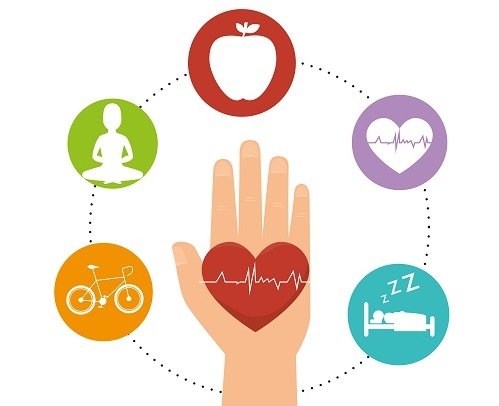
8. Prioritizing Physical Well-being: Maintaining physical health, through regular exercise, balanced nutrition, and sufficient sleep, is fundamental to overall well-being. This holistic approach recognizes the strong mind-body connection. Physical resilience enhances the body's ability to cope with stress and reduces the vulnerability to both physical and mental health challenges.
9. Adapting to Change Through Acceptance: Viewing change as an opportunity for growth and development, rather than a threat, enhances adaptability. This approach reduces resistance to change, fostering openness to new experiences and promoting flexibility in response to unexpected circumstances.
10. Practicing Gratitude: Cultivating gratitude, through regular reflection on positive aspects of life, shifts focus towards the positive. This practice, supported by research in positive psychology, promotes feelings of well-being and enhances resilience during difficult times.
11. Seeking Professional Guidance: When facing significant mental health challenges, seeking professional help is crucial. Mental health professionals offer specialized guidance, support, and evidence-based interventions, tailored to individual needs. This step recognizes the importance of seeking support when necessary.
12. Prioritizing Self-Care: Engaging in self-care activities, such as hobbies, spending time in nature, or creative pursuits, promotes relaxation and stress reduction. These activities replenish resources, reducing burnout and improving overall well-being.
13. Developing Emotional Regulation Skills: Learning to effectively identify, understand, and manage emotions is crucial. This involves acknowledging feelings, finding healthy outlets for expression, and striving for emotional balance. Emotional regulation is a core competency for resilience.
14. Nurturing Supportive Relationships: Investing in healthy relationships provides a sense of belonging and emotional support. Open communication and mutual understanding within these relationships offer crucial buffers during challenging periods.
15. Acknowledging and Celebrating Progress: Recognizing and celebrating achievements, no matter how small, reinforces positive self-perception and motivates continued growth. This positive reinforcement promotes a sense of accomplishment and encourages continued effort in building mental strength.
Conclusions and Recommendations
Building mental resilience and emotional strength is a continuous process that demands dedication and self-awareness. By integrating these fifteen strategies into one's daily routine, individuals can significantly enhance their ability to navigate challenges and thrive amidst adversity. Further research could explore the effectiveness of these strategies across different demographics and in various contexts. A longitudinal study analyzing the long-term impact of these strategies on individuals' well-being would provide valuable insights. Furthermore, investigating the interaction between these strategies and the development of specific coping mechanisms would broaden our understanding of building mental fortitude. The practical application of these strategies is widespread, applicable to individuals across diverse age groups and professional fields. The development of mental resilience and emotional strength is a valuable investment in personal well-being and overall societal progress.
Reader Pool:
What additional strategies, based on your professional experience or understanding of psychological principles, would you suggest for cultivating mental resilience and emotional strength?
```


No comments yet. Be the first to share your thoughts!