

Holistic Arthritis Pain Management: A Biopsychosocial Approach
Arthritis, a chronic inflammatory condition affecting joints, profoundly impacts physical functionality and overall well-being. This article proposes a comprehensive management strategy underpinned by established health behavior models: the Biopsychosocial Model (BPM), emphasizing the intricate interplay of biological, psychological, and social factors in health; the Health Belief Model (HBM), highlighting the influence of perceived susceptibility, severity, benefits, barriers, cues to action, and self-efficacy on health behaviors; and Social Cognitive Theory (SCT), focusing on the dynamic reciprocal interaction between personal factors, environmental factors, and behavior. A key SCT concept, self-efficacy, represents an individual's confidence in their capacity to execute behaviors leading to desired outcomes. These models offer a robust framework for understanding and addressing the multifaceted challenges inherent in arthritis management. The application of these models allows for a tailored and holistic approach, addressing the unique needs of each individual. For example, understanding a patient's perceived barriers to adherence to a treatment plan (HBM) allows clinicians to adjust strategies accordingly, improving compliance and outcomes.
1. Shared Decision-Making and Personalized Medical Management: Optimizing Therapeutic Interventions
Effective arthritis management necessitates a collaborative partnership between patients and healthcare providers. Shared decision-making, a cornerstone of patient-centered care, empowers individuals by actively involving them in developing their treatment plans. This approach directly leverages the HBM's focus on perceived benefits and control, mitigating potential barriers and fostering treatment adherence. The process entails a comprehensive assessment of individual needs, preferences, and goals, leading to the selection of optimal pharmacological and non-pharmacological interventions. Continuous monitoring of disease activity and treatment efficacy is essential for ensuring optimal pain management and preventing disease progression. This personalized approach aligns with the principles of precision medicine, acknowledging the unique biological, psychological, and social factors influencing each patient's experience.
2. Multimodal Pain Management: A Biopsychosocial Strategy
A multimodal strategy, integrating pharmacological and non-pharmacological interventions, is often required for effective pain management. Pharmacological interventions, such as NSAIDs, corticosteroids, or DMARDs, directly address the biological components of arthritis within the BPM framework. Careful consideration of individual patient factors, potential drug interactions, and the overall risk-benefit profile is critical in selecting appropriate pharmacological agents. Non-pharmacological modalities, as detailed below, further enhance pain relief and improve functional capacity, addressing both the psychological and social dimensions of the BPM. The effectiveness of this approach hinges on the interplay of factors and the holistic consideration of the individual.
3. Physical Therapy and Exercise: Enhancing Functional Capacity and Self-Efficacy
Structured physical therapy programs, incorporating principles of progressive overload and exercise specificity, are crucial for improving joint mobility, muscle strength, and overall functional capacity. Low-impact aerobic exercise, strengthening exercises, and range-of-motion activities are paramount. This strategy bolsters self-efficacy (SCT) by demonstrating tangible improvements in physical function, reducing perceived barriers to activity (HBM). The individualized nature of these interventions aligns with the principles of personalized medicine. Regular physical activity also plays a vital role in weight management, lessening stress on weight-bearing joints and potentially slowing disease progression. The impact on self-efficacy is particularly important, as individuals who feel more confident in their ability to manage their condition are more likely to adhere to their treatment plans and maintain a healthy lifestyle.
4. Assistive Devices and Adaptive Strategies: Promoting Independence and Reducing Joint Strain
Utilizing assistive devices (canes, walkers, splints) and adaptive strategies significantly reduces physical strain on affected joints during daily activities, minimizing pain and improving functional independence. This addresses perceived barriers to daily function (HBM) and reinforces self-efficacy (SCT) by empowering individuals to maintain independence and autonomy. Occupational therapists play a crucial role in selecting appropriate assistive devices and adaptive techniques, tailoring interventions to optimize fit and functionality. This collaborative approach highlights the importance of integrating various disciplines in comprehensive arthritis care.
5. Lifestyle Optimization: Nutritional Strategies, Hydration, and Stress Management
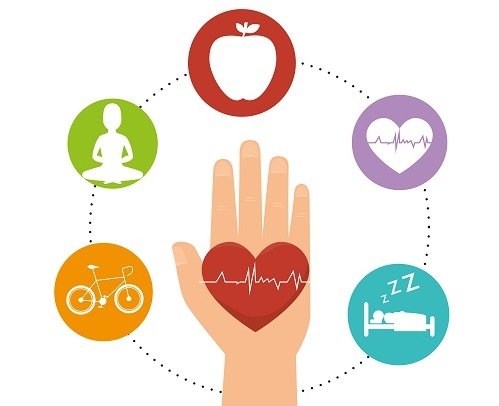
A healthy lifestyle significantly impacts arthritic pain and overall health. A balanced diet rich in anti-inflammatory foods (omega-3 fatty acids, antioxidants, fruits, and vegetables) helps reduce inflammation. Adequate hydration supports joint lubrication. Effective stress management techniques (mindfulness, yoga, meditation) address the psychological dimension of the BPM, mitigating stress's negative influence on inflammation and pain perception. These lifestyle changes contribute to enhanced self-efficacy and improve overall well-being. The impact of these lifestyle changes is not merely physical; they significantly influence the psychological and social aspects of the patient's experience, promoting a sense of control and improving quality of life.
6. Complementary and Integrative Medicine (CIM): Evidence-Based Adjunctive Therapies
While some individuals find relief through CIM approaches (acupuncture, massage therapy), careful consideration is crucial. These therapies should be implemented cautiously, only after consultation with a healthcare provider, and should be evidence-based, ensuring safety and efficacy, especially concerning potential interactions with existing medications. Shared decision-making guides the incorporation of CIM, emphasizing available evidence and patient preferences. The integration of CIM must be carefully evaluated within a rigorous clinical framework to determine its true efficacy and place within holistic treatment strategies.
Conclusion and Recommendations
Effective arthritis management demands a patient-centered, holistic approach that integrates biological, psychological, and social factors, guided by the BPM, HBM, and SCT. Future research should focus on developing individualized interventions based on patient-specific profiles, leveraging technology for remote monitoring and support, and rigorously evaluating the long-term effectiveness and safety of CIM across diverse populations. A multi-faceted strategy emphasizing shared decision-making and promoting self-management will significantly enhance the quality of life for individuals with arthritis. The development of effective and accessible management strategies will ultimately improve patient outcomes and optimize the allocation of healthcare resources. This requires a collaborative effort between researchers, clinicians, and patients to develop and implement personalized, evidence-based approaches.
Reader Pool: Considering the multifaceted nature of arthritis management, how can we further enhance the integration of technology and personalized medicine to optimize patient outcomes and accessibility to care?


No comments yet. Be the first to share your thoughts!