

Maintaining Cardiovascular Health Across the Lifespan: A Comprehensive Approach
Cardiovascular health is paramount to overall well-being, particularly as we age. This article explores a comprehensive strategy for maintaining optimal cardiovascular function throughout life, integrating established medical principles and behavioral recommendations. Key concepts such as homeostasis (the body's ability to maintain internal stability), allostatic load (the cumulative wear and tear on the body from chronic stress), and the biopsychosocial model (which emphasizes the interplay of biological, psychological, and social factors in health) will guide our discussion.
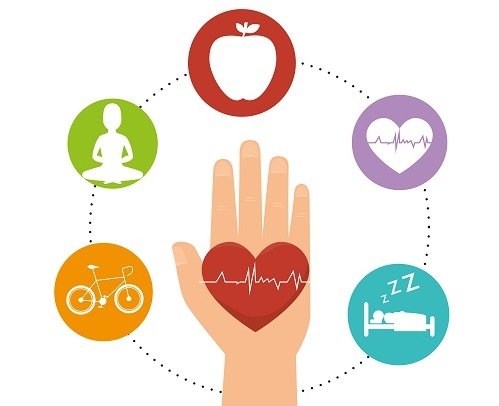
1. Cardiovascular Exercise and Weight Management: Regular physical activity is fundamental to cardiovascular health. The American Heart Association recommends at least 150 minutes of moderate-intensity or 75 minutes of vigorous-intensity aerobic activity per week. This recommendation aligns with the principle of exercise prescription, which tailors physical activity to individual capabilities and goals. Furthermore, maintaining a healthy body weight, as measured by Body Mass Index (BMI), reduces strain on the cardiovascular system. Weight management, achieved through a balanced diet and regular exercise, mitigates the risk of hypertension and dyslipidemia.
2. Dietary Optimization and Nutrient Intake: A balanced diet rich in fruits, vegetables, whole grains, and lean proteins forms the cornerstone of cardiovascular protection. This dietary approach aligns with the principles of nutritional science, emphasizing the consumption of nutrient-dense foods that minimize the risk of atherosclerosis (plaque buildup in arteries). Reducing saturated and trans fats, sodium, and added sugars is crucial to prevent elevated cholesterol and blood pressure.
3. Blood Pressure and Cholesterol Management: Hypertension (high blood pressure) and dyslipidemia (abnormal cholesterol levels) are significant risk factors for cardiovascular disease. Regular monitoring and proactive management, often involving medication and lifestyle modifications, are essential. This aligns with the principles of preventative medicine, focusing on early detection and intervention to reduce long-term health risks. The use of statins and antihypertensive medications exemplify pharmacotherapy in cardiovascular disease management.
4. Smoking Cessation and Alcohol Moderation: Smoking directly damages blood vessels, exacerbating cardiovascular risk. Smoking cessation, aided by nicotine replacement therapy or other interventions, is crucial. Similarly, excessive alcohol consumption increases blood pressure and contributes to weight gain. Moderation, adhering to recommended daily limits, is advisable.
5. Stress Reduction and Emotional Well-being: Chronic stress elevates allostatic load, contributing to cardiovascular dysfunction. Stress management techniques, such as mindfulness meditation, deep breathing exercises, and yoga, are valuable tools. Social support networks play a critical role in mitigating stress and improving mental health, further protecting cardiovascular health.
6. Sleep Hygiene and Circadian Rhythm Regulation: Sufficient sleep (7-8 hours per night) allows the body, including the cardiovascular system, to repair and recover. Regular sleep patterns, aligning with the body's natural circadian rhythm, optimize cardiovascular function.
7. Diabetes Management and Glycemic Control: Diabetes significantly elevates cardiovascular risk. Maintaining optimal blood glucose levels through medication, diet, and exercise is essential. This approach centers on glycemic control, a cornerstone of diabetes management, to protect the cardiovascular system.
8. Hydration and Fluid Balance: Adequate hydration maintains blood volume and optimizes cardiovascular efficiency. Consuming sufficient water throughout the day supports cardiovascular homeostasis.
9. Preventative Healthcare and Regular Check-ups: Regular check-ups with a healthcare provider allow for early detection of cardiovascular disease risk factors and intervention as needed. This emphasizes the importance of preventative healthcare and early disease management.
10. Social Engagement and Community Support: Strong social connections and active engagement in community activities contribute to overall well-being and buffer against the negative impact of stress on cardiovascular health. Social support acts as a protective factor against cardiovascular morbidity.
11. Minimizing Processed Food Consumption: Processed foods are often high in unhealthy fats, sodium, and added sugars, which are detrimental to cardiovascular health. A focus on whole, unprocessed foods is recommended.
12. Lifestyle Modification and Habit Formation: Adopting heart-healthy habits, including limiting caffeine and refined sugar intake and avoiding prolonged periods of sedentary behavior, is key to long-term cardiovascular well-being. This emphasizes the importance of lifestyle medicine and behavioral change.
Conclusions and Recommendations
Maintaining cardiovascular health necessitates a multifaceted approach encompassing lifestyle modifications, proactive health management, and regular medical supervision. The integration of evidence-based strategies, outlined above, significantly reduces the risk of cardiovascular disease and improves overall quality of life. Further research is needed to investigate the long-term effects of integrated lifestyle interventions and the specific efficacy of various stress-reduction techniques on cardiovascular outcomes in diverse populations. The impact of these recommendations extends beyond individual health benefits to reduce the societal burden of cardiovascular disease through decreased healthcare costs and enhanced productivity. The applicability of these strategies transcends age groups and socioeconomic backgrounds, underscoring their universality in promoting cardiovascular wellness.
Reader Pool: What are the most significant barriers to implementing these cardiovascular health recommendations in diverse populations, and how might these barriers be effectively addressed?

No comments yet. Be the first to share your thoughts!