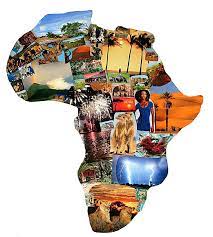
Artistic Renaissance: Modern Interpretations of African Cultural Heritage
Updated at: 2023-08-11 20:34:35 (2 years ago by Melkisedeck Leon Shine)
Artistic Renaissance: Modern Interpretations of African Cultural Heritage ๐จ๐
As Africans, we are blessed with a rich and diverse cultural heritage that spans thousands of years. Our traditions, languages, and customs have shaped who we are as a people, and it is our responsibility to preserve and celebrate this unique heritage. In this article, I will share with you 15 strategies for preserving African culture and heritage, strategies that will not only strengthen our identity but also contribute to the formation of "The United States of Africa" (Muungano wa Mataifa ya Afrika). ๐โค๏ธ
1๏ธโฃ Education is Key: We must start by educating ourselves and our children about our cultural heritage. This can be done through schools, museums, and community programs. Let us embrace the teachings of great African leaders like Kwame Nkrumah, who said, "Seek ye first the cultural kingdom, and all things shall be added unto you."
2๏ธโฃ Celebrate Diversity: Africa is a continent of diverse cultures and traditions. We must celebrate and respect the uniqueness of each African nation, while also recognizing our shared heritage. Unity in diversity is the key to the formation of "The United States of Africa" (Muungano wa Mataifa ya Afrika). ๐๐
3๏ธโฃ Embrace Artistic Renaissance: Art has the power to tell our stories and preserve our cultural heritage. Let us support and promote African artists who are using their talents to showcase our traditions and customs.
4๏ธโฃ Cultural Exchange Programs: By engaging in cultural exchange programs with other African nations, we can learn from each other and strengthen our bonds. Let us build bridges and break down barriers that divide us.
5๏ธโฃ Documenting Oral Traditions: Our oral traditions hold a wealth of knowledge and history. Let us make an effort to document and preserve these stories for future generations. ๐โ๏ธ
6๏ธโฃ Reviving Indigenous Languages: Language is an integral part of our culture. Let us encourage the revival and preservation of indigenous languages, as they are the root of our identity.
7๏ธโฃ Promote Traditional Music and Dance: Music and dance are universal languages that bring people together. Let us promote and preserve traditional African music and dance forms, ensuring that they are passed on to the next generation.
8๏ธโฃ Cultural Festivals and Events: Organizing cultural festivals and events not only allows us to showcase our heritage but also brings communities together. Let us support and participate in these celebrations.
9๏ธโฃ Incorporate Traditional Practices into Modern Life: We can integrate traditional practices into our daily lives by incorporating them into our clothing, food, and rituals. This helps keep our traditions alive and relevant.
๐ Support Local Artisans and Craftsmen: By purchasing locally made crafts and supporting local artisans, we can contribute to the preservation of traditional craftsmanship and skills.
1๏ธโฃ1๏ธโฃ Museums and Cultural Centers: Museums and cultural centers play a vital role in preserving and promoting African culture. Let us visit and support these institutions that work tirelessly to safeguard our heritage.
1๏ธโฃ2๏ธโฃ Intergenerational Dialogue: Engaging in conversations with our elders and learning from their wisdom is crucial for preserving our cultural heritage. Let us bridge the generation gap and pass on our traditions to future generations.
1๏ธโฃ3๏ธโฃ Use Technology to Preserve Heritage: Technology can be a powerful tool for preserving our cultural heritage. Let us leverage digital platforms and social media to document and share our traditions with the world.
1๏ธโฃ4๏ธโฃ Cultural Tourism: By promoting cultural tourism, we can create sustainable economic opportunities for our communities while also preserving our heritage. Let us showcase the beauty of our traditions to the world.
1๏ธโฃ5๏ธโฃ Collaborate with International Organizations: Partnering with international organizations that promote cultural preservation can provide us with valuable resources and support. Let us work together and learn from the experiences of other parts of the world.
In conclusion, preserving our African culture and heritage is not only our responsibility but also our privilege. By embracing these strategies, we can strengthen our identity, promote African unity, and contribute to the formation of "The United States of Africa" (Muungano wa Mataifa ya Afrika). Let us remember the wise words of Nelson Mandela, who said, "If you talk to a man in a language he understands, that goes to his head. If you talk to him in his language, that goes to his heart."
Are you ready to take action and preserve our cultural heritage? Share this article with your friends and family, and let's inspire each other to embrace our African identity. Together, we can make a difference! ๐โค๏ธ #PreserveAfricanHeritage #UnitedAfrica #StrengthInDiversity
Updated at: 2025-05-13 12:32:06 (1 year ago by Melkisedeck Leon Shine)
African cuisine, a vibrant tapestry woven from diverse cultural threads, represents more than mere sustenance; it embodies a rich history, shared values, and deeply rooted traditions. This article explores strategies for preserving this invaluable culinary heritage, drawing upon anthropological and sociological perspectives to understand its significance and proposing actionable steps for its continued flourishing. Key concepts underpinning this analysis include cultural heritage (the shared legacy of knowledge, practices, and values transmitted across generations), gastronomic tourism (tourism focused on culinary experiences), and sustainable food systems (food production and consumption models that prioritize environmental and social responsibility).
1. Documentation and Revival of Traditional Recipes: Ethnographic research methodologies, including oral histories and archival research of historical cookbooks, are crucial for recovering and documenting recipes that risk being lost to time. This process engages with the concept of cultural memory, emphasizing the importance of preserving knowledge passed down through generations. The systematic documentation of these recipes, including ingredients, preparation methods, and associated cultural contexts, ensures their transmission to future generations. This can be achieved through digital platforms, community cookbooks, and collaborative projects.
2. Sustainable Sourcing and Local Food Systems: Supporting local farmers and producers fosters economic empowerment within communities while simultaneously safeguarding traditional agricultural practices. This aligns with the principles of sustainable food systems, promoting biodiversity, reducing environmental impact, and ensuring food security. By prioritizing locally sourced ingredients, we maintain the unique flavors and qualities integral to the authenticity of African cuisine.
3. The Role of Education and Skill Transfer: Formal and informal educational initiatives, such as culinary arts programs and community workshops, play a vital role in transmitting culinary knowledge and skills. This aligns with social learning theory, highlighting the importance of mentorship and hands-on training in preserving cultural practices. By empowering younger generations with culinary skills and fostering a deeper appreciation for their heritage, we secure the longevity of African cuisine.
4. Strategic Promotion and Cultural Exchange: Gastronomic tourism offers a powerful platform to showcase the diversity of African cuisine to a global audience. This approach utilizes principles of marketing and branding to highlight the unique aspects of African culinary traditions. Furthermore, fostering cultural exchanges between different regions of Africa facilitates the sharing of recipes, techniques, and culinary knowledge, fostering a sense of unity and shared heritage.
5. Leveraging Technology for Preservation and Dissemination: Digital platforms, including websites, social media channels, and online archives, provide modern tools for disseminating culinary knowledge and connecting culinary communities. This strategy utilizes the principles of digital humanities, applying technology to preserve and share cultural heritage. Online platforms allow for the creation of a vast repository of recipes, cooking techniques, and cultural stories, ensuring accessibility for a global audience.
6. Celebrating and Empowering African Culinary Professionals: Highlighting the achievements of African chefs and culinary entrepreneurs promotes their visibility and encourages others to pursue careers within the field. This strategic approach utilizes social capital theory, acknowledging the importance of social networks and mentorship in supporting success. By elevating the profile of African culinary professionals, we not only showcase their talents but also inspire the next generation of culinary innovators.
7. Advocacy for Policy and Institutional Support: Advocacy for policies that support sustainable food systems, protect traditional farming practices, and promote cultural heritage is crucial. This is in line with policy analysis, understanding how governmental and institutional frameworks impact cultural preservation efforts. By advocating for greater recognition of African cuisine on a national and international level, we create a more supportive environment for the preservation of its culinary heritage.
8. Preserving Indigenous Food Knowledge: Indigenous communities hold a wealth of knowledge about local ingredients, traditional cooking methods, and sustainable practices. By actively involving these communities in preservation efforts, we ensure the continued relevance and authenticity of their culinary traditions. This approach aligns with participatory research methodologies, placing emphasis on community involvement and empowerment.
Conclusions and Recommendations: Preserving African culinary heritage requires a multi-pronged approach that blends traditional methods with contemporary technologies and strategic collaborations. Systematic documentation, community engagement, education, and strategic marketing are critical elements for safeguarding this valuable asset. Future research should focus on the economic impact of culinary tourism, the effectiveness of different educational strategies, and the development of sustainable supply chains that support both local producers and global consumers. These combined actions not only safeguard African culinary heritage for future generations but also contribute to economic development, cultural pride, and the strengthening of community bonds.
Reader Pool: Considering the multifaceted nature of preserving culinary heritage, what strategies do you believe are most effective in fostering collaboration between local communities, national governments, and global organizations?
Updated at: 2025-05-14 11:29:15 (1 year ago by Melkisedeck Leon Shine)
African dance transcends mere physical movement; it serves as a potent symbol of a rich and multifaceted cultural legacy. For generations, it has functioned as a vital mechanism for preserving and celebrating African identity, intricately weaving together historical narratives, storytelling traditions, and communal bonds. The imperative to safeguard and promote this invaluable heritage is paramount, ensuring future generations can fully appreciate its profound aesthetic and socio-cultural significance. This necessitates a holistic and multi-pronged approach, incorporating the following strategic initiatives:
1. Revitalizing Traditional Dance Forms through Active Participation: The continued practice and performance of traditional African dances are crucial for their survival. Examples such as the rhythmic elegance of Les Ballets Africains in Guinea or the dynamic energy of Gumboot dance in South Africa illustrate how these art forms embody historical narratives, serve as powerful symbols of unity, and represent cultural pride. This active engagement ensures the longevity and authenticity of these invaluable traditions.
2. Ethnographic Documentation of Oral Histories: Generations of knowledge and wisdom have been transmitted through oral traditions, including the rich symbolic meanings embedded within specific dance forms. Systematic documentation of these oral historiesโ encompassing the narratives behind the movements, the accompanying rituals, and their socio-cultural contextsโis vital to prevent the erosion of this intangible heritage. This process requires close collaboration with community elders and knowledge keepers to capture their unique perspectives and insights, ensuring accuracy and cultural sensitivity.
3. Establishing Cultural Preservation Hubs: The creation of dedicated spacesโmuseums, cultural centers, and digital archivesโfacilitates the exhibition, celebration, and accessibility of African dance heritage. These hubs serve as platforms for performances, workshops, educational programs, and exhibitions, fostering active community engagement and intergenerational dialogue. This approach aligns with the principles of cultural resource management and community-based conservation.
4. Facilitating Cross-Cultural Exchange Programs: Engaging in cultural exchange programs with other African nations and international partners fosters a deeper understanding and appreciation of African dance. Collaborations with international artists and organizations promote mutual learning, strengthen intercultural bonds, and enrich the global artistic landscape. Such initiatives leverage the power of cultural diplomacy to promote intercultural understanding and respect.
5. Integrating Dance into Formal Education: The integration of African dance into school curricula cultivates a strong connection to cultural heritage from an early age. This fosters cultural pride, strengthens identity formation, and empowers future generations to become active custodians of their cultural legacy. This approach aligns with constructivist learning theories, emphasizing experiential learning and cultural relevance.
6. Bridging Generational Gaps through Knowledge Transfer: Creating opportunities for intergenerational dialogue ensures the transmission of traditional knowledge and practices. Facilitating interaction between elders and youth fosters mutual learning, ensures the continued evolution of traditions while preserving their core values, and strengthens community cohesion. This approach utilizes the principles of participatory action research, empowering local communities in the preservation of their cultural heritage.
7. Providing Sustainable Support for Traditional Dance Companies: Sustained support for traditional dance companies is crucial for the preservation of heritage. This includes financial support, audience engagement, and promoting their work through various media channels. This helps ensure their financial stability and continued contribution to cultural preservation. This approach applies principles of organizational sustainability and cultural entrepreneurship.
8. Preserving the Art of Traditional Costumes: Traditional costumes are integral to the aesthetic and symbolic aspects of African dance. Their preservation and maintenance, including documentation of their craftsmanship and symbolic significance, is crucial for safeguarding a vital element of cultural identity. This aligns with the principles of material culture preservation and heritage management.
9. Active Participation in and Promotion of African Festivals: African festivals offer vibrant platforms for showcasing dance and cultural traditions on a national and international stage. Participating in and promoting these festivals enhances visibility and promotes intercultural dialogue. This strategic approach leverages existing cultural events for heritage preservation and promotion.
10. Leveraging Technology for Enhanced Accessibility: Utilizing digital platforms โ creating online archives, sharing videos, and publishing articles โ expands the reach and accessibility of African dance globally, enabling a broader audience to engage with and appreciate its beauty and significance. This strategy leverages the power of digital technologies to achieve wider dissemination and engagement with African cultural heritage.
11. Strategic Partnerships with Governmental and Institutional Actors: Collaboration with government institutions, ministries of culture and tourism, and educational bodies secures essential support for cultural preservation initiatives, ensuring the long-term sustainability of cultural programs. This strategy emphasizes the importance of policy and institutional support for cultural heritage management.
12. Harnessing Cultural Diplomacy for Global Outreach: International performances and collaborations enhance the global visibility of African dance, promoting African unity and fostering mutual understanding and appreciation between nations. This leverages cultural diplomacy as a tool for promoting intercultural understanding and cooperation.
13. Promoting Cultural Tourism for Sustainable Development: Promoting cultural tourism centered around African dance provides economic benefits to local communities while showcasing the vibrancy of African traditions. This approach combines heritage preservation with sustainable economic development.
14. Collaboration with Pan-African Organizations for Collective Action: Working with Pan-African organizations fosters continental-level advocacy for cultural heritage preservation, amplifying the impact of African nations' collective efforts. This strategy highlights the significance of regional and continental cooperation for heritage protection.
15. Empowering Local Communities for Authentic Preservation: Empowering local communities with resources and support fosters grassroots initiatives, ensuring traditions are preserved authentically, reflecting the unique character of each region. This approach emphasizes community ownership and participation in heritage preservation.
Conclusions and Recommendations: Preserving African dance heritage is not merely a responsibility; it is a vital act of cultural stewardship. The aforementioned strategies, encompassing the celebration of traditional dance forms, the meticulous documentation of oral histories, and the fostering of vibrant community engagement, are critical for ensuring the flourishing of African cultural heritage in the future. The successful implementation of these initiatives necessitates strong inter-sectoral collaboration, adequate funding, and sustained political will. Future research should focus on developing effective monitoring and evaluation frameworks for these initiatives, investigating the impact of digital technologies on cultural preservation efforts, and exploring innovative methods for engaging younger generations with African dance heritage. The long-term impact of this multifaceted approach will be the preservation of a dynamic and vibrant cultural legacy for future generations, fostering cultural pride, identity, and intercultural understanding on a global scale. Further research could investigate the economic impact of cultural tourism centered on African dance and the effectiveness of various community-based participatory approaches to heritage preservation. A comparative study examining successful cultural preservation programs in different African contexts could also provide valuable insights.
Reader Pool: Considering the multifaceted challenges and opportunities outlined in this article, what innovative strategies do you believe are most crucial for ensuring the long-term sustainability of African dance heritage preservation initiatives?
Updated at: 2025-07-08 11:45:56 (11 months ago by Melkisedeck Leon Shine)
Africa's vibrant cultural heritage, encompassing millennia of traditions, languages, artistic expressions, and societal practices, constitutes a fundamental element of its collective identity. This invaluable legacy, however, faces significant challenges in a rapidly globalizing world. The preservation of this intangible cultural heritage requires a proactive and multi-faceted approach, with artists playing a pivotal role. This article proposes a framework grounded in collaborative strategies, leveraging various theoretical models and practical applications to ensure the enduring legacy of African cultural traditions for future generations. Key concepts include the UNESCO's definition of intangible cultural heritage, encompassing oral traditions, performing arts, social practices, rituals, festive events, knowledge and practices concerning nature and the universe, and traditional craftsmanship. Furthermore, the concept of cultural capital, as defined by Pierre Bourdieu, will be applied to analyze the socio-economic dimensions of cultural preservation, and the diffusion of innovations theory will guide the discussion on the dissemination of preservation strategies.
Fifteen strategic initiatives are proposed to effectively address this challenge, structured to facilitate a logical and comprehensive approach:
Documentation and Archiving of Intangible Heritage: Employing ethnographic methodologies, including participant observation and semi-structured interviews, to meticulously document traditional ceremonies, rituals, and artistic practices. This creates a robust archive, safeguarding cultural practices for future research and understanding. This approach aligns with the principles of ethnomusicology and archival science, ensuring the preservation of cultural knowledge in a systematic manner.
Economic Empowerment through Cultural Production: Implementing targeted economic development programs that support local artisans and craftspeople, fostering sustainable livelihoods through the creation and sale of traditional art, crafts, and textiles. This strategy directly addresses the socio-economic dimensions of cultural preservation, aligning with the concept of cultural capital. By increasing the economic value of cultural products, we incentivize their continued production and transmission.
Establishing Community-Based Cultural Centers: Creating physical and virtual spacesโcultural centers and digital platformsโthat serve as hubs for knowledge exchange, collaboration, and artistic creation. These spaces facilitate the application of community-based participatory approaches, enabling direct community involvement in the preservation of their own cultural heritage. These platforms also leverage the diffusion of innovations theory, disseminating information and best practices widely.
Revitalizing Oral Traditions through Intergenerational Dialogue: Facilitating workshops and mentoring programs that connect older generations with youth, ensuring the transmission of oral histories, traditional narratives, and ancestral knowledge. This approach aligns with the principles of knowledge transmission and social learning, recognizing the importance of direct, interpersonal learning in preserving intangible cultural heritage.
Promoting Interdisciplinary Collaboration: Encouraging collaborative projects that integrate various artistic disciplines โ music, visual arts, performing arts, literature โ to create new, contemporary expressions that honor and celebrate traditional forms. This approach fosters creative innovation while reinforcing the value of cultural heritage.
Leveraging Digital Technologies for Dissemination and Access: Utilizing digital technologiesโincluding high-resolution photography, videography, and virtual realityโto create accessible digital archives and online exhibitions. This expands the reach and visibility of African cultural heritage globally. Digital platforms also facilitate participatory engagement, enabling global audiences to connect with and appreciate African culture.
Integrating Cultural Heritage into Educational Curricula: Advocating for the inclusion of comprehensive African cultural studies into formal and informal educational settings. This ensures that future generations are not only aware of their heritage but also actively engaged in its preservation and celebration.
Language Revitalization Programs: Supporting initiatives aimed at documenting and preserving endangered African languages through language nests, digital language learning platforms, and community-based language programs. This addresses the crucial link between language and cultural identity.
Cultural Festivals and Public Performances: Organizing and supporting large-scale cultural festivals and public performances to showcase the diversity of African artistic expression. This facilitates cultural exchange, generates awareness, and promotes tourism.
Policy Advocacy and Legal Frameworks: Actively promoting policies and legislation that support the protection and promotion of intangible cultural heritage, drawing on successful international models and best practices. This is a crucial step in securing long-term governmental support for preservation efforts.
Global Cultural Exchange Programs: Creating opportunities for exchange programs, residencies, and collaborative projects between African artists and international counterparts to foster mutual understanding and appreciation. This fosters innovation and strengthens global partnerships for cultural preservation.
Community-Based Participatory Research: Adopting a participatory research approach, ensuring that local communities are actively involved in every stage of the cultural preservation process. This approach respects community ownership and prioritizes indigenous knowledge. This approach ensures authenticity and relevance.
Capacity Building and Training Programs: Developing training programs for artists, cultural managers, and community members on cultural preservation techniques, digital archiving, and sustainable tourism development. This builds local capacity for long-term cultural preservation efforts.
Strategic Partnerships and Collaboration: Building strategic partnerships between governmental agencies, NGOs, private sector organizations, and international institutions to pool resources and expertise for more effective preservation initiatives. Collaborative strategies are crucial for maximizing impact.
Sustainable Tourism Development: Developing sustainable tourism models that prioritize the preservation of cultural heritage and generate economic benefits for local communities. This ensures long-term financial support for preservation efforts.
Conclusions and Recommendations: The preservation of Africa's rich cultural heritage is not merely a matter of historical preservation; it is crucial for national identity, cultural resilience, and sustainable development. The proposed collaborative framework, informed by relevant theoretical models and grounded in practical applications, provides a robust pathway toward effective cultural safeguarding. Future research should focus on evaluating the impact of these strategies, particularly on community empowerment and economic development. Furthermore, comparative studies examining successful cultural preservation initiatives in other regions can provide valuable insights for adapting and refining these strategies to the unique context of specific African communities. The successful implementation of these recommendations requires strong political will, sustained investment, and collaborative efforts between governments, artists, communities, and international organizations. The long-term impact will be a strengthened cultural identity, enhanced economic opportunities, and the flourishing of African artistic expression for generations to come.
Reader Pool: What are your perspectives on the most effective strategies for ensuring the long-term sustainability of community-based cultural preservation initiatives in Africa?
Updated at: 2025-07-12 10:29:10 (11 months ago by Melkisedeck Leon Shine)
Africa's architectural heritage, a diverse collection ranging from ancient monuments to traditional dwellings, constitutes a significant cultural and historical legacy. This built environment, however, faces substantial threats from rapid urbanization, socio-economic pressures, environmental degradation, and the inherent challenges of aging. A resilient preservation strategy demands a comprehensive, multi-pronged approach rooted in established conservation principles and contemporary best practices. This necessitates the integration of key concepts: adaptive reuse, which involves repurposing historic structures for contemporary functions, thereby ensuring their continued relevance and economic viability; stakeholder engagement, fostering collaborative partnerships among communities, governments, non-profit organizations, and the private sector to ensure inclusive decision-making and shared responsibility; and cultural resource management, a holistic approach to identifying, protecting, and sustainably managing cultural assets, ensuring their long-term preservation and contribution to society. The strategic framework presented here offers a comprehensive approach to safeguarding this invaluable legacy, drawing upon relevant theories and models from heritage studies, urban planning, sustainable development, and economics.
1. Comprehensive Documentation and Digital Archiving: Establishing a Foundational Record
Prior to any conservation or restoration efforts, detailed documentation is essential. This involves conducting comprehensive photographic surveys, creating precise architectural drawings, and developing accurate 3D models using advanced technologies such as LiDAR (Light Detection and Ranging) and photogrammetry. These digital records, meticulously managed according to archival science principles, information governance frameworks, and incorporating metadata standards, serve as the foundation for informed decision-making throughout the preservation process. This approach aligns with the systematic assessment and planning methodologies advocated by organizations such as the International Council on Monuments and Sites (ICOMOS) and supports the development of a Heritage Information Modeling (HIM) system, analogous to Building Information Modeling (BIM), tailored for heritage assets. The application of Geographic Information Systems (GIS) further enhances the spatial analysis and management of heritage sites.
2. Establishing a Robust Legal and Regulatory Framework: Ensuring Protection and Compliance
A well-defined legal framework is crucial for effective heritage preservation. This includes enacting and rigorously enforcing legislation that protects against unauthorized alterations and demolition, clearly defining property rights, and establishing effective dispute resolution mechanisms. Integrating heritage preservation into national planning policies and urban development frameworks, aligned with international conventions such as the UNESCO World Heritage Convention and principles of legal positivism, ensures long-term protection. Harmonizing legal principles of property rights, land use regulations, and heritage protection laws is essential to facilitate compliance and sustainable preservation. Furthermore, the establishment of heritage zones with specific development controls can effectively protect historical areas from inappropriate development. This framework should also incorporate mechanisms for environmental impact assessments to mitigate potential negative impacts of development projects on heritage sites.
3. Evidence-Based Conservation and Restoration: Applying Scientific Rigor to Heritage Care
Conservation and restoration efforts must adhere to strict ethical guidelines and best practices, prioritizing minimal intervention and the reversibility of any actions undertaken. This necessitates a skilled workforce proficient in both traditional building techniques and modern conservation methods. Scientific analysis, including material analysis and structural assessments, should guide material selection and restoration procedures. These practices must be culturally sensitive and scientifically informed, aligning with sustainable heritage management principles. Developing a conservation charter specifically tailored to the diverse contexts of Africa is crucial. This charter should outline ethical principles, conservation methodologies, and standards for documentation and intervention, promoting a consistent and professional approach to heritage conservation across the continent. This approach incorporates the principles of preventive conservation, minimizing future deterioration through proactive maintenance and environmental control.
4. Integrating Heritage Preservation into Development Planning: Mainstreaming Heritage into National Priorities
Heritage preservation must be seamlessly integrated into national development plans and sustainable development goals, ensuring it is not treated as an isolated concern but rather a core component of broader national priorities. This requires embedding heritage preservation goals into national policies and planning processes, reflecting principles of integrated development planning and incorporating heritage impact assessments into project appraisals. This integration can be achieved through the development of national heritage strategies, which outline the importance of heritage preservation for economic development, social cohesion, and environmental sustainability. By mainstreaming heritage into development planning, it can be viewed as an asset rather than a constraint, contributing to sustainable and inclusive growth.
5. Capacity Building and Training: Investing in Human Capital for Sustainable Preservation
Investing in comprehensive training programs for architects, conservators, artisans, and community members is crucial for long-term sustainability. Specialized curricula, tailored to African contexts, should integrate traditional knowledge with modern conservation techniques while emphasizing ethical preservation practices. This approach incorporates principles of human capital development and effective skills transfer, ensuring a qualified workforce capable of safeguarding heritage assets. The establishment of regional training centers and partnerships with international institutions can further enhance capacity building efforts. These programs should also focus on developing entrepreneurship skills, enabling individuals to create sustainable livelihoods through heritage-related activities, such as heritage tourism and crafts production.
6. Public Awareness and Educational Initiatives: Fostering Appreciation and Responsibility
Targeted public awareness campaigns designed to reach diverse audiences (schools, community groups, and the wider public) are essential for cultivating appreciation and a sense of responsibility toward heritage preservation. These initiatives, leveraging public relations, social media, and targeted educational programs, build support for conservation efforts and promote responsible citizenship. This mirrors the principles of public education and community engagement strategies for driving behavioral change. Educational programs can incorporate interactive workshops, site visits, and storytelling to engage the public and foster a deeper understanding of the value of heritage. Utilizing digital platforms and social media can effectively reach younger generations, promoting heritage awareness and participation in preservation efforts.
7. Public-Private Partnerships and Sustainable Funding: Mobilizing Resources for Long-Term Conservation
Sustainable funding mechanisms are crucial for long-term success. Public-private partnerships (PPPs) can effectively leverage resources and expertise from both sectors, creating innovative funding models while ensuring transparency and accountability. This collaborative approach utilizes principles of collaborative governance and stakeholder engagement in resource mobilization. These partnerships can include a range of arrangements, such as concession agreements, joint ventures, and philanthropic donations. Establishing heritage endowments and trust funds can provide a stable source of funding for conservation projects. Furthermore, exploring innovative financing mechanisms, such as cultural bonds and crowdfunding, can attract new sources of investment in heritage preservation.
8. Promoting Pan-African Collaboration and Knowledge Sharing: Strengthening Regional Cooperation
Strengthening collaboration among African nations is vital for a shared understanding of challenges and effective solutions. This necessitates knowledge and resource exchange through conferences, workshops, and collaborative research, fostering regional best practices and collaborative conservation efforts. This builds upon the principles of South-South cooperation and knowledge exchange. The establishment of regional networks of heritage professionals can facilitate the sharing of expertise and resources. Collaborative research projects can address common challenges, such as the impact of climate change on heritage sites. Promoting cultural exchange programs and joint conservation initiatives can foster a sense of shared identity and promote regional cooperation in heritage preservation.
9. Leveraging Technology for Preservation and Dissemination: Enhancing Access and Engagement
Digital technologies (3D modeling, GIS mapping, virtual tours, augmented reality) play a pivotal role in documentation, monitoring, and creating immersive educational experiences. These technologies enhance access to heritage assets and assist in conservation planning, aligning with best practices of digital heritage management and digital archiving. The development of virtual museums and online platforms can provide wider access to heritage resources, particularly for remote communities and international audiences. Utilizing remote sensing technologies, such as satellite imagery and drone surveys, can facilitate the monitoring of heritage sites and detect potential threats. The application of artificial intelligence and machine learning can enhance the analysis of heritage data and support decision-making in conservation planning.
10. Strategic Adaptive Reuse and Sustainable Tourism: Balancing Preservation and Economic Viability
The adaptive reuse of historical buildings for contemporary purposes (museums, community centers, eco-lodges) ensures their continued relevance and economic viability. This strategy, based on sustainable development principles, prioritizes minimal intervention while upholding historical integrity. Responsible tourism strategies, adhering to UNWTO guidelines, mitigate negative impacts while providing economic incentives for preservation and job creation. Adaptive reuse projects should be carefully planned to ensure the preservation of significant historical features and the integration of modern amenities. Sustainable tourism initiatives should focus on promoting cultural heritage tourism, which respects local traditions and supports community development. Implementing carrying capacity assessments and visitor management plans can minimize the negative impacts of tourism on heritage sites.
11. Community Participation and Empowerment: Engaging Local Stakeholders in Preservation
Local communities are vital stakeholders. Their traditional knowledge, custodianship, and sense of ownership are essential for long-term preservation success. A participatory approach, drawing on principles of community-based natural resource management and social impact assessment, ensures projects are aligned with local values and are sustainable. Empowerment programs, leveraging concepts from community development and participatory action research, foster responsibility and pride. Community participation can involve a range of activities, such as participatory planning workshops, community-based monitoring, and the development of community-led tourism initiatives. Providing training and employment opportunities for local communities in heritage-related activities can empower them to become active participants in preservation efforts.
12. Fostering Regional and International Collaboration: Building a Global Network for Heritage Protection
Collaboration with organizations like UNESCO and ICOMOS facilitates knowledge exchange, best practice sharing, and resource mobilization. This network supports capacity building, secures funding, and promotes cross-border initiatives, strengthening the global network of heritage professionals. This is underpinned by the principles of international cooperation and knowledge sharing. Participating in international heritage programs, such as the World Heritage Convention, can provide access to technical assistance and funding opportunities. Establishing partnerships with international universities and research institutions can facilitate knowledge exchange and collaborative research. Promoting the adoption of international standards and guidelines for heritage conservation can ensure a consistent and professional approach to heritage protection across the continent.
13. Youth Engagement and Intergenerational Knowledge Transfer: Securing the Future of Heritage
Engaging youth in heritage preservation fosters intergenerational knowledge transfer, ensuring the continuity of traditional skills and promoting a sense of ownership among future generations. Educational programs, apprenticeships, and volunteer opportunities leverage concepts from youth development and participatory learning. Youth engagement can involve a range of activities, such as heritage camps, youth forums, and the development of youth-led heritage projects. Providing opportunities for youth to learn traditional crafts and conservation techniques can ensure the transmission of valuable skills and knowledge. Utilizing digital platforms and social media can effectively engage youth and promote their participation in heritage preservation efforts.
Safeguarding Africa's architectural heritage is not merely about preserving old buildings; it is about preserving cultural identity, fostering social cohesion, stimulating economic growth, and promoting sustainable community development. A holistic strategy, encompassing comprehensive documentation, ethical conservation practices, meaningful community engagement, and robust strategic partnerships, is essential. Success hinges on strong political will, substantial and sustained investment, and unwavering commitment from all stakeholders. Implementing a robust impact assessment framework, incorporating both quantitative and qualitative data, is crucial to evaluate the efficacy of implemented strategies and inform future interventions. Future research should prioritize several key areas. Firstly, there is a need to develop culturally sensitive and financially sustainable adaptive reuse models, tailored to the specific contexts of African heritage sites. Secondly, exploring innovative technologies for conservation, such as advanced materials and remote sensing techniques, is crucial for enhancing preservation efforts. Thirdly, strengthening regional networks for knowledge exchange and capacity building will facilitate the sharing of best practices and expertise. These efforts should also explore the applicability of circular economy principles to heritage conservation, promoting the reuse of materials and minimizing waste. Furthermore, research should investigate the potential of heritage sites as catalysts for sustainable tourism and local economic development. The positive impacts of effectively preserving Africa's architectural heritage extend far beyond mere physical preservation; they enrich cultural landscapes, bolster economies, foster thriving communities, and contribute to a stronger sense of identity and pride. Finally, future research should consider applying systems thinking to understand the complex interplay of factors influencing the preservation of architectural heritage in Africa, enabling a more holistic and integrated approach to conservation.
Reader Pool: Given the interconnectedness of cultural heritage, economic development, and social equity, what innovative financing mechanisms and policy interventions can be implemented to ensure the equitable distribution of benefits derived from Africa's architectural heritage, while simultaneously promoting its long-term preservation and sustainable management in a rapidly changing global context?
Updated at: 2025-08-23 10:07:43 (10 months ago by Melkisedeck Leon Shine)
```htmlAfrica, endowed with a profound and diverse cultural heritage cultivated over millennia, stands as a testament to the resilience and wisdom of its ancestors. This heritage, encompassing a rich tapestry of traditions, languages, and customs, necessitates diligent preservation and protection for posterity. This article delves into strategies for preserving African culture and heritage, emphasizing the integration of invaluable indigenous knowledge passed down through generations, and adapting modern techniques in the area like in Navigating Learning Differences: A Parent's Guide to Advocacy and Resources so every child and new generations are aware of it.
Indigenous knowledge, a cornerstone for understanding and preserving cultural heritage, embodies the wisdom, traditions, and practices that have sustained communities for centuries. This knowledge is integral to the sustainable management of natural resources and the preservation of biodiversity. Integrating indigenous ecological knowledge (IEK) into conservation efforts is paramount, ensuring the longevity of cultural heritage. For instance, traditional farming methods that promote soil fertility and water conservation can be applied to modern agricultural practices, ensuring sustainable food production while preserving the environment. This aligns with the principles of ecological modernization, which advocates for integrating environmental considerations into economic development.
Oral histories serve as a vital repository of cultural knowledge, passed down through generations. Documenting these narratives is crucial for safeguarding cultural heritage and disseminating it globally. Employing ethnographic research methods, such as in-depth interviews and participatory observation, can facilitate the recording of stories from elders and the preservation of ancient languages. This approach aligns with the principles of cultural relativism, recognizing the inherent value and uniqueness of each culture. Furthermore, digital archiving and storytelling platforms can be utilized to create accessible and engaging content, ensuring that these stories resonate with future generations. Furthermore you can also check Active Listening: Build Stronger Relationships Through Empathy and Emotional Well-being
Sacred sites and natural reserves across Africa hold profound cultural and spiritual significance, serving as tangible links to ancestral heritage and ecological balance. Protecting these areas necessitates a holistic approach, integrating traditional conservation practices with modern environmental management techniques. Collaborative governance models, involving local communities, government agencies, and conservation organizations, can ensure the effective management and preservation of these sites. Furthermore, sustainable tourism initiatives can generate revenue for conservation efforts while promoting cultural awareness and appreciation. This approach resonates with the concept of environmental stewardship, emphasizing the responsibility of humans to protect and care for the natural environment.
Traditional crafts and art forms are integral to cultural identity, reflecting the unique skills and creativity of African artisans. Supporting local artisans and craftsmen is essential for preserving these invaluable skills and promoting economic empowerment. Implementing fair trade practices, providing access to markets, and facilitating skills development programs can ensure the sustainability of traditional crafts. Moreover, promoting cultural tourism and showcasing authentic African art can generate revenue for local economies while preserving cultural heritage. This aligns with the principles of sustainable livelihoods, which emphasize the importance of creating economic opportunities that are environmentally and socially sustainable. Consider the impact in the area of Africa detailed in this post about Africa's Resources: A Path to Shared Prosperity
Integrating cultural education into school curricula is vital for instilling a sense of pride, identity, and cultural awareness among children. This involves incorporating the history, traditions, languages, and art forms of diverse cultures into the educational system. Implementing culturally responsive teaching methods, which recognize and value the cultural backgrounds of students, can enhance learning outcomes and promote inclusivity. Furthermore, promoting interdisciplinary approaches that connect cultural education with other subjects, such as history, geography, and social studies, can provide a more holistic understanding of cultural heritage. This aligns with the principles of transformative education, which aims to empower learners to become critical thinkers, problem-solvers, and agents of change.
Open and meaningful conversations between generations are essential for the transmission of cultural knowledge and the preservation of cultural heritage. Creating platforms for elders to share their wisdom and experiences with youth can bridge the gap between generations and foster mutual understanding. Implementing mentorship programs, oral history projects, and cultural exchange initiatives can facilitate intergenerational dialogue. Furthermore, promoting the use of technology to connect generations, such as through online forums and social media platforms, can enhance communication and collaboration. This approach aligns with the concept of social capital, which emphasizes the importance of strong social networks and relationships for individual and community well-being. Also, consider the ideas brought about in this article about Restorative Relationships: Practices for Healing Conflicts and Building Stronger Bonds
Cultural festivals and events serve as vibrant showcases of traditions and customs, providing opportunities for communities to come together and celebrate their cultural identity. Supporting these celebrations is crucial for keeping cultural heritage alive and thriving. Promoting cultural tourism, providing financial support, and ensuring the safety and security of participants can enhance the success of cultural festivals and events. Furthermore, leveraging technology to promote these events, such as through online marketing and social media campaigns, can attract a wider audience and generate greater awareness. This approach aligns with the principles of cultural tourism, which emphasizes the importance of promoting sustainable tourism practices that respect and preserve cultural heritage.
Collaboration with international organizations, such as UNESCO and the African Union, can provide valuable support and resources for cultural preservation efforts. These organizations offer technical expertise, financial assistance, and access to a global network of knowledge and best practices. Engaging in joint projects, sharing information, and participating in international forums can enhance the effectiveness of cultural preservation initiatives. Furthermore, advocating for policies and regulations that protect cultural heritage at the international level can ensure its long-term sustainability. This approach aligns with the principles of global governance, which emphasizes the importance of international cooperation and collaboration to address global challenges.
Examining successful examples of indigenous knowledge and cultural heritage preservation from around the world can provide valuable insights and inspiration. For instance, the Maori people in New Zealand have implemented effective strategies to protect their language and traditions, while indigenous communities in Latin America have successfully managed their natural resources using traditional ecological knowledge. Adapting these examples to the unique African context requires careful consideration of cultural differences and local conditions. Conducting comparative studies, engaging in knowledge exchange programs, and fostering partnerships with successful communities can facilitate the transfer of best practices and enhance the effectiveness of cultural preservation efforts.
The preservation of African culture and heritage is not merely a matter of safeguarding the past but a vital investment in the future. By integrating indigenous knowledge, fostering intergenerational dialogue, and collaborating with international organizations, Africa can ensure that its rich cultural heritage continues to thrive and inspire generations to come.
In conclusion, the preservation of African culture and heritage is paramount for the continent's sustainable development and identity. The integration of indigenous knowledge, combined with modern strategies, offers a holistic approach to protecting traditions, sacred sites, and artistic expressions. Recommendations include increased investment in cultural education, support for local artisans, and the establishment of collaborative frameworks involving communities, governments, and international bodies. The impact of these efforts extends beyond cultural preservation, fostering social cohesion, economic empowerment, and environmental stewardship. Applicability of these strategies is evident in various contexts, from rural villages to urban centers, requiring tailored approaches that respect local nuances. Further research should focus on documenting the effectiveness of different preservation methods, exploring innovative uses of technology, and assessing the long-term socio-economic impacts of cultural heritage initiatives.
In what ways can technology be leveraged to further enhance the preservation and promotion of indigenous knowledge within African communities, ensuring both accessibility and cultural sensitivity?
```
Updated at: 2025-05-20 16:58:36 (1 year ago by Melkisedeck Leon Shine)
```htmlAfrican cultural heritage, encompassing traditions, languages, art, and history, constitutes a fundamental aspect of collective identity. Preserving this legacy necessitates a comprehensive and multifaceted strategy, a sacred duty demanding proactive engagement. This article explores key approaches to safeguard and celebrate the diverse cultural landscapes of Africa, employing relevant theories and models to inform practical applications.
1. Investing in Education for Cultural Transmission: Education plays a pivotal role in ensuring the continuity of African culture. Applying the principles of cultural transmission theory, the integration of African history, languages, and traditions into formal and informal curricula fosters cultural pride and belonging in young people. This proactive approach ensures that future generations are equipped to carry forward the cultural torch. Case studies of successful cultural education programs in various African nations could illuminate best practices.
2. Leveraging Technology for Heritage Preservation and Accessibility: Digital technologies offer unparalleled opportunities for heritage preservation and dissemination. Applying principles of digital humanities, the digitization of artifacts, the creation of virtual museum experiences, and the development of online platforms expand accessibility and reach wider audiences, ensuring the legacy endures. This approach utilizes the affordances of technology to overcome geographical limitations and broaden engagement with African cultural heritage, thereby countering the threat of cultural loss. For example, 3D modeling of historical sites or endangered artistic practices can ensure preservation and access even in the face of physical decay or inaccessibility.
3. Promoting Cultural Tourism for Economic Empowerment and Heritage Awareness: Cultural tourism, drawing on the principles of community-based tourism, offers a potent tool for heritage preservation and community economic development. By showcasing African cultural sites, traditions, and practices to visitors, this approach raises awareness, generates economic opportunities for local communities (demonstrating the application of sustainable development goals), and fosters cross-cultural understanding. Careful planning and management, however, are essential to ensure tourism benefits local communities and doesnโt negatively impact the environment or cultural integrity of the sites.
4. Building Community-Based Cultural Hubs for Intergenerational Knowledge Transfer: Establishing community-based cultural centers, echoing principles of community development, serves as a cornerstone of cultural preservation. These hubs facilitate intergenerational knowledge transfer by hosting workshops, exhibitions, and performances, providing a platform for cultural practitioners to share their expertise and engage younger generations. This approach directly addresses the challenge of knowledge loss by creating spaces for active participation and learning. The success of such initiatives depends on community ownership and active participation.
5. Documenting and Archiving Oral Traditions: Oral history forms the bedrock of numerous African cultures. Applying ethnographic methods, systematic documentation through interviews with elders coupled with the creation of accessible digital archives ensures the preservation of these vital narratives. This approach directly counters the risk of cultural amnesia by preserving invaluable cultural knowledge. Careful attention must be paid to ethical considerations, including informed consent and the respectful representation of oral histories.
6. Strengthening Pan-African Collaboration and Institutional Support: Pan-African organizations, applying principles of international cooperation, play a pivotal role in promoting unity and preserving cultural heritage. Active engagement with and support for institutions like the African Union and the African Cultural Renaissance Foundation amplifies collaborative efforts and fosters a shared vision for cultural preservation. Collaboration across national borders is essential in addressing the transnational nature of heritage preservation challenges.
7. Preserving Indigenous Languages through Revitalization Programs: Language revitalization programs, informed by linguistic theory and sociolinguistics, are crucial to maintaining cultural heritage. Active preservation and promotion of indigenous African languages are vital, preventing language loss and sustaining cultural identity. Examples of successful language revitalization programs across the continent can serve as models for future initiatives.
8. Protecting Sacred Sites and Cultural Landscapes through Conservation and Management: Sacred sites and cultural landscapes hold profound cultural and spiritual significance. Their protection from degradation requires collaborative efforts involving local communities, governments, and international organizations, drawing on principles of environmental conservation and sustainable development. This requires a multi-stakeholder approach prioritizing the needs and rights of the communities who hold these sites sacred. This requires integrating traditional knowledge with modern conservation techniques.
9. Promoting and Supporting Traditional Arts and Crafts for Economic Sustainability: Supporting local artisans and promoting traditional crafts through fair trade practices and market access initiatives empowers communities economically while preserving cultural practices. This approach leverages the economic value of cultural heritage to support its preservation and the livelihoods of those who create and maintain it. Examples such as the Maasai Women's Cooperative in Kenya showcase the economic benefits of this model.
10. Fostering Cultural Exchange and Dialogue for Mutual Understanding and Respect: Cross-cultural exchange, based on principles of intercultural communication, enriches understanding and fosters mutual respect. Facilitating such interactions strengthens cultural identities through shared learning and appreciation, enhancing cultural sensitivity and global citizenship. This promotes dialogue and understanding, helping to counter prejudice and misconceptions.
11. Supporting Traditional Music and Dance for Artistic Expression and Continuity: Music and dance are integral aspects of African cultural expression. Supporting local musicians and dancers through initiatives like music schools and dance academies ensures the perpetuation of these art forms. This fosters the creative talent necessary to keep artistic traditions alive.
Conclusions and Recommendations: The preservation of African cultural heritage demands a unified, holistic approach. Collaborative efforts, emphasizing community participation, technological innovation, and sustainable development, are crucial for success. Future research should focus on evaluating the effectiveness of various preservation strategies and adapting them to the specific contexts of different communities. This includes examining the long-term economic and social impact of cultural tourism and developing innovative strategies for digital archiving and access. Furthermore, a continuous dialogue among stakeholders โ including governments, local communities, international organizations, and the African diaspora โ is vital to ensuring the long-term sustainability of heritage preservation efforts. This collaborative approach will ensure the vibrancy of African culture for generations to come.
Reader Pool: Considering the multifaceted challenges and opportunities presented in this article, what innovative strategies do you believe hold the greatest promise for effectively safeguarding African cultural heritage in the face of globalization and technological advancements?
Updated at: 2025-02-20 04:51:00 (1 year ago by Melkisedeck Leon Shine)
Africa boasts a rich and diverse tapestry of cultures, spanning millennia. Our traditions, values, and histories form the very foundation of our continent's identity. However, in a rapidly evolving world, the active preservation and celebration of this heritage is paramount. Poetry emerges as a powerful instrument in this vital endeavor, a vibrant tool for safeguarding our cultural legacy for generations to come.
Poetry has always held a central position in African societies. From the age-old oral traditions of griots to the contemporary written works of modern poets, the potent force of words has consistently played a crucial role in preserving our cultural identity. The following points illuminate the multifaceted contributions of poetry to this preservation:
1. Transmission of Traditions and Values: Poetry encapsulates the essence of our traditions, beliefs, and values, ensuring their transmission to future generations, safeguarding them from the erosive effects of time.
2. A Platform for Self-Expression: It provides a powerful platform for self-expression, enabling individuals to share their unique perspectives and lived experiences, enriching the collective narrative of African identity.
3. Bridging Past and Present: Poetry acts as a bridge connecting the past and the present, reminding us of our roots, the struggles faced by our ancestors, and the enduring strength of our cultural heritage.
4. Celebrating Cultural Diversity: Through poetry, we can explore the remarkable diversity of cultures across the African continent, fostering deeper understanding and appreciation for the unique tapestry of our shared heritage.
5. Fostering Dialogue and Understanding: Poetry stimulates dialogue and discussion, creating spaces for meaningful conversations about our shared past, present, and future, strengthening community bonds and fostering unity.
6. Reclaiming Our Narrative: Poetry serves as a crucial tool for reclaiming our narrative, allowing us to tell our own stories, challenge harmful stereotypes, and present a powerful counter-narrative to inaccurate or biased representations.
7. Inspiring Social and Political Change: The power of poetry can inspire social and political change, reminding us of our collective strength and the potential for positive transformation within our communities and across the continent.
8. Amplifying Marginalized Voices: Poetry provides a crucial platform for marginalized voices, amplifying the stories and experiences of those often unheard, ensuring their inclusion within the broader African narrative.
9. Cultivating Pride and Identity: Poetry fosters a profound sense of pride and identity, reminding us of the beauty, resilience, and strength inherent in our rich cultural heritage.
10. Encouraging Creativity and Innovation: Poetry encourages creativity and innovation, pushing the boundaries of traditional forms and styles, ensuring the continued evolution and dynamism of African artistic expression.
11. Promoting Literacy and Critical Thinking: By engaging with poetry, we promote literacy and cultivate a love for literature, encouraging critical thinking and intellectual growth within African communities.
12. Fostering Pan-African Unity: Through poetry, we can connect with our fellow Africans from diverse nations, recognizing our shared history, aspirations, and the potential for a unified and prosperous continent.
13. Healing and Reconciliation: Poetry can serve as a powerful tool for healing and reconciliation, allowing us to address past traumas, foster forgiveness, and envision a brighter future.
14. Global Communication of Heritage: Poetry transcends geographical and linguistic borders, enabling us to communicate our unique cultural heritage to a global audience, fostering understanding and appreciation across cultures.
15. Inspiring a United Africa: Ultimately, poetry possesses the potential to inspire us to work towards the realization of a united and prosperous Africa, where our cultural diversity is celebrated, and our collective strength is harnessed for the betterment of all.
Let us, as Africans, embrace the transformative power of poetry. Let us actively participate in preserving our cultural heritage and fostering unity across our continent. Let us develop and utilize the strategies outlined above, and inspire others to do the same. Together, we can ensure that the vibrancy and richness of African culture continue to flourish for generations to come.
We invite you to share your favorite African poems and poets in the comments below. Let us celebrate and preserve our shared cultural heritage together.
Updated at: 2025-02-20 11:16:10 (1 year ago by Melkisedeck Leon Shine)
Africa's diverse tapestry of cultures boasts a millennia-spanning legacy, deeply rooted in unique traditions, languages, and customs. Central to this heritage is the profound relationship between African communities and medicinal plants โ a connection intrinsically linked to healing practices and cultural identity. Preserving this knowledge is not merely a cultural imperative; it's vital for a healthier, more vibrant future.
Protecting this ancestral wisdom is paramount to maintaining our cultural identity and connection to the land. Actively preserving traditional knowledge empowers future generations to appreciate nature's healing power, fostering deeper environmental respect. This requires a multifaceted approach encompassing education, economic development, and continent-wide collaboration.
The vision of a unified Africa, a "Muungano wa Mataifa ya Afrika," provides a powerful platform for knowledge exchange and preservation. Collaborative initiatives can create accessible resources, sharing best practices and preventing the loss of invaluable knowledge. This collaborative effort necessitates a focus on education, equipping young Africans to become stewards of their heritage.
Education is fundamental to cultural preservation. Integrating knowledge of medicinal plants into curricula instills appreciation for this vital heritage aspect. This educational focus must be supported by economic liberalization, fostering growth and investment in research, development, and sustainable harvesting. Such stability facilitates robust healthcare systems integrating traditional and modern medicine.
African nations' unity is indispensable for preserving our shared heritage. Strong collaboration allows resource pooling, expertise sharing, and the creation of comprehensive databases documenting traditional uses, preparation methods, and scientific validation of each plant. This collaborative spirit embodies Nelson Mandela's words: "The greatness of a nation can be judged by how it treats its weakest members." Ensuring equitable knowledge access, regardless of social status, is crucial for preservation.
Learning from global examples offers valuable insights. China and India have successfully integrated traditional medicine into their healthcare systems, demonstrating significant economic and societal benefits. China's investment in Traditional Chinese Medicine hospitals and research centers not only preserves its heritage but also fuels medical tourism, boosting its economy. Botswana's proactive approach to protecting endangered medicinal plants through legislation provides a model for sustainable practices.
Egypt's ancient healing traditions exemplify the enduring value of medicinal plants. Its integration of these practices into the national healthcare system reflects a commitment to holistic care, respecting both modern and traditional approaches. Africa can learn from these models, creating innovative strategies drawing upon its unique biodiversity and cultural contexts.
A comprehensive database documenting African medicinal plants, their traditional uses, preparation methods, and scientific validation is a crucial research and preservation tool. Establishing botanical gardens and medicinal plant sanctuaries across the continent would serve as living museums, safeguarding endangered species and showcasing the continent's rich biodiversity. Fostering partnerships between traditional healers and modern healthcare professionals can create a more holistic approach to healthcare, bridging the gap between traditional and Western medicine.
Youth engagement is essential. Workshops, cultural festivals, and educational initiatives celebrating the healing power of medicinal plants can inspire future generations to actively preserve this vital heritage aspect. This collective effort requires sustained commitment and collaboration; it's a shared responsibility. By embracing our shared African identity and working together, we can ensure this invaluable knowledge continues to flourish for generations to come.
Preserving African cultural heritage, particularly the traditional use of medicinal plants, is a shared responsibility demanding collective effort. By embracing the outlined strategies, we can ensure not only the survival but the continued flourishing of this rich legacy. Let us unite in preserving our traditions, strengthening our unity, and building a future where African cultural heritage is celebrated and cherished across the continent.
Join the movement to preserve African culture and heritage. Share this article and let's work together to build a brighter future for Africa.
Updated at: 2025-05-24 11:04:17 (1 year ago by Melkisedeck Leon Shine)
African culinary traditions represent a dynamic and multifaceted cultural heritage, embodying centuries of ingenuity, adaptation, and social exchange. These culinary practices are not simply methods of sustenance; they are integral components of cultural identity, transmitting knowledge, values, and historical narratives across generations. Their preservation is therefore critical, necessitating a strategic and multifaceted approach grounded in established preservation models and frameworks. This article outlines key strategies for the long-term safeguarding of this invaluable aspect of African heritage, focusing on a framework encompassing education, documentation, revitalization, collaboration, and engagement.
1. Documentation and Knowledge Transfer: Ethnographic Methods and Archival Practices. A foundational step involves systematic documentation of traditional culinary practices, employing ethnographic methods to capture the nuanced cultural knowledge embedded within recipes and techniques. This encompasses both textual documentationโ compiling recipes, historical accounts, and associated narrativesโand visual documentationโpreserving images, videos, and audio recordings of culinary processes. This process should actively involve community elders and family members as primary knowledge holders, utilizing participatory action research methods to ensure authenticity and cultural sensitivity. The creation of digital archives and accessible databases ensures broad dissemination and long-term preservation of this information. Applying the principles of cultural resource management, these digital repositories become essential tools for researchers, educators, and future generations.
2. Revitalizing Culinary Traditions: Sustainable Food Systems and Culinary Tourism. Many traditional ingredients and techniques have declined in usage due to globalization and modernization. A crucial element of preservation involves a strategic revitalization process. This requires focusing on the development of sustainable food systems, supporting local producers of indigenous ingredients, and fostering their reintegration into contemporary culinary practices. This approach necessitates an understanding of food systems ecology and supply chain management to ensure the long-term viability of traditional food production. Furthermore, the concept of culinary tourism can be leveraged to promote cultural exchange, generate economic opportunities for local communities, and create a wider market for traditional dishes. This strategic application of tourism principles enhances both cultural preservation and socio-economic development.
3. Empowering Youth Engagement: Educational Initiatives and Community-Based Programs. The long-term success of heritage preservation hinges on the active engagement of younger generations. Implementing educational programs within schools and communities that integrate culinary heritage studies into curriculum is essential. This can take the form of hands-on cooking workshops, apprenticeships with master chefs, and mentorship programs that connect young people with older generations. Applying the principles of transformative learning, these initiatives empower youth to become active custodians of their culinary heritage. Participation in cultural festivals and competitions also provides a valuable platform for showcasing culinary skills and fostering pride in traditional foodways.
4. Fostering Collaboration and Networks: Cross-Cultural Exchange and Institutional Partnerships. Effective preservation requires a collaborative and networked approach. This includes fostering collaborations between African nations to facilitate the exchange of knowledge, recipes, and ingredients. Institutional partnershipsโwith universities, research centers, museums, and NGOsโare vital in providing resources, expertise, and support for preservation efforts. Applying the principles of collaborative network theory, these partnerships enable the sharing of best practices, resource mobilization, and capacity building. Establishing a robust network enhances the overall effectiveness and sustainability of preservation initiatives.
5. Promoting Cultural Awareness: Public Engagement Strategies and Policy Advocacy. Raising public awareness about the importance of culinary heritage is crucial. This can be achieved through various public engagement strategies, including social media campaigns, documentaries, cookbooks, and public lectures. Furthermore, advocating for policy changes that support the preservation of traditional food systems, protect intellectual property rights related to culinary traditions, and promote culinary heritage tourism is essential. Applying communication and advocacy strategies will elevate public understanding of the significance of culinary heritage and incentivize its protection.
Conclusions and Recommendations: The preservation of African culinary heritage demands a holistic and multifaceted approach that integrates ethnographic documentation, sustainable food systems development, youth engagement programs, collaborative networks, and targeted public awareness initiatives. Success hinges on a strategic application of various theoretical models and practical frameworks drawn from fields like anthropology, sustainable development, cultural resource management, and tourism. Further research is recommended to explore the impact of globalization on traditional foodways, to develop culturally appropriate strategies for digital archiving, and to investigate the economic benefits of culinary tourism. The long-term goal is to foster a dynamic system that ensures the sustainability of traditional food systems while simultaneously empowering local communities and promoting cultural pride. This collaborative effort will secure the enduring legacy of African culinary traditions for future generations.
Reader Pool: Considering the multifaceted nature of cultural preservation outlined in this article, what additional strategies or approaches could be implemented to more effectively safeguard African culinary heritage in the face of ongoing globalization and social change?