Building a Self-Reliant Africa: Empowering Today's Youth for Tomorrow's Success
Updated at: 2025-02-24 17:34:08 (1 year ago by Melkisedeck Leon Shine)
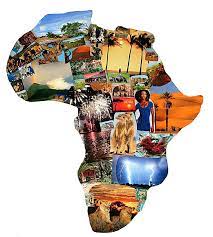
```htmlAfrica, a continent of immense potential, boasts vibrant cultures, rich resources, and an indomitable spirit. To fully realize this potential, we must prioritize empowering our youth, fostering a generation defined by self-reliance and sustainable progress. This journey requires collective action and a shared vision for a thriving Africa.
Investing in Quality Education: The Foundation of Progress
Education forms the bedrock of individual and societal advancement. Providing access to quality educationβfrom primary school to higher learningβis paramount. Equipping our youth with essential knowledge and skills empowers them to navigate the complexities of a globalized world and contribute meaningfully to their communities. This investment isn't merely about individual success; it's about building a nation capable of solving its own challenges and driving innovation. A well-educated populace is a self-reliant populace.
Cultivating Entrepreneurship and Innovation: Unleashing African Ingenuity
Africa is a continent of resourceful problem-solvers. Fostering an entrepreneurial ecosystem that nurtures innovation and creativity is crucial. This requires supportive policies, access to funding, and mentorship programs that empower young entrepreneurs to transform ideas into viable businesses. By encouraging risk-taking and celebrating success, we can unlock the immense potential of African ingenuity and drive economic growth from within.
Sustainable Resource Management: Building a Green and Prosperous Future
Africa's natural resources are its invaluable assets. Responsible and sustainable management of these resources is not merely an environmental imperative; it's an economic necessity. Investing in renewable energy sources, sustainable agricultural practices, and responsible resource extraction will ensure long-term economic stability and environmental protection. A future built on sustainable practices is a self-reliant future.
Unity and Collaboration: Harnessing the Power of Collective Action
Africa's diversity is its strength. Building a self-reliant generation necessitates fostering a sense of unity and collaboration across borders and communities. By working together, sharing knowledge and resources, and celebrating our shared heritage, we can overcome challenges and achieve greater progress. A united Africa is a powerful Africa.
Global Engagement: Learning and Growing Together
While celebrating our unique African identity, we must also actively engage with the global community. Learning from best practices worldwide, adapting successful strategies, and sharing our own experiences will accelerate our progress. A global perspective enhances our ability to address challenges and build a more sustainable and self-reliant future.
A Call to Action: Shaping Africa's Future
The time for transformative change is now. Let us collectively empower Africa's youth, equipping them with the tools and opportunities needed to become the self-reliant leaders of tomorrow. By prioritizing education, fostering entrepreneurship, managing resources sustainably, cultivating unity, and engaging globally, we can build a continent that thrives on its own strength and independence. Join us in this endeavor; let's build a brighter future for generations to come.
Share this vision, ignite the spark of empowerment, and let's work together to build a self-reliant and prosperous Africa. Together, we can make a difference.
```
Updated at: 2023-08-06 16:21:59 (3 years ago by Melkisedeck Leon Shine)
π Promoting Intrapreneurship: Nurturing Innovation Within Organizations π
Greetings, my fellow Africans! Today, I want to talk to you about a topic that is close to my heart and one that I believe holds the key to building independent and self-reliance within our beautiful continent. It is time for us to embrace intrapreneurship and unleash the power of innovation within our organizations. πͺπΎ
1οΈβ£ What is intrapreneurship, you might ask? Well, it refers to the practice of fostering an entrepreneurial mindset within established organizations, allowing employees to think and act like entrepreneurs. It encourages them to take risks, think creatively, and develop new ideas that can drive growth and success. π‘
2οΈβ£ Why is intrapreneurship important for Africa? It is because we have an abundance of talent, creativity, and untapped potential within our communities. By promoting intrapreneurship, we can harness this potential and create a culture of innovation that will pave the way for a brighter future for Africa. π
3οΈβ£ So, how can we foster intrapreneurship within our organizations? Here are some strategies that can help:
Encourage a culture of trust and collaboration: Create an environment where employees feel safe to share their ideas and collaborate with each other. Embrace diversity and encourage different perspectives, as this will fuel innovation. π€
Provide resources and support: Invest in training programs and provide the necessary tools for employees to develop their entrepreneurial skills. Offer mentorship programs and create opportunities for networking and learning from successful entrepreneurs. π
Reward and recognize innovation: Celebrate and acknowledge the efforts of employees who bring new ideas and initiatives to the table. This will not only motivate them but also inspire others to follow suit. π
4οΈβ£ Let us take inspiration from other parts of the world, where intrapreneurship has transformed organizations and societies. Companies like Google, Apple, and Amazon have thrived by fostering a culture of innovation, and we can do the same. π
5οΈβ£ As Nelson Mandela once said, "It always seems impossible until it's done." Let us remember the resilience and determination of our African leaders who fought for independence and unity. They had a vision, and they made it a reality. πͺπΎ
6οΈβ£ Imagine if we, as Africans, unite and work together towards a common goal of building independent and self-reliance within our communities. We have the power to create a brighter future for our children and generations to come. π
7οΈβ£ I urge you, my fellow Africans, to develop a strong intention to promote African unity and embrace intrapreneurship within our organizations. Let us be the change we want to see in Africa. Together, we can achieve greatness. π
β¨ So, my question to you is: are you ready to be an intrapreneur? Are you ready to ignite the spark of innovation within your organization? Share this article with your friends and colleagues and let's start a movement towards building independent and self-reliance of the Africa community. Together, we can make a difference. ππΎπͺπΎ
π #PromotingIntrapreneurship #BuildingAfricaIndependence #TogetherWeCan #AfricanUnity
Updated at: 2025-07-10 10:03:12 (1 year ago by Melkisedeck Leon Shine)
Africa's economic trajectory necessitates a nuanced understanding of the interplay between resource utilization and environmental stewardship. This necessitates a paradigm shift towards sustainable development, defined as fulfilling present needs without jeopardizing future generations' ability to meet their own. This article presents a strategic framework, grounded in ecological economics and sustainable resource management principles, to guide African leaders in this complex endeavor. Key concepts explored include the Environmental Kuznets Curve (EKC), illustrating the hypothesized inverted U-shaped relationship between economic growth and environmental degradation; ecosystem carrying capacity, representing the maximum population size an environment can sustainably support; and stakeholder engagement, crucial for achieving collaborative and equitable outcomes. These concepts will be applied throughout the framework to provide practical guidance.
1. Strengthening Environmental Governance and Regulation: Effective environmental governance necessitates transparent, accountable, and participatory institutions. Robust regulatory frameworks, enforced rigorously, are crucial for deterring environmental degradation and promoting responsible behavior. This aligns with the principles of institutional economics, recognizing the role of institutions in shaping environmental outcomes. Implementing comprehensive environmental impact assessments (EIAs) for all development projects ensures that environmental considerations are integrated into decision-making processes. The application of regulatory frameworks such as the Polluter Pays Principle ensures that those responsible for environmental damage bear the costs of remediation and prevention, incentivizing sustainable practices. Furthermore, the adoption of command-and-control regulations, complemented by market-based instruments like carbon taxes and emissions trading schemes, can provide a multifaceted approach to environmental protection.
2. Implementing Sustainable Development Goals (SDGs): The SDGs offer a holistic framework for integrating economic, social, and environmental dimensions into development planning. SDGs 7 (Affordable and Clean Energy), 6 (Clean Water and Sanitation), 13 (Climate Action), and 15 (Life on Land) are particularly relevant for balancing conservation and development in Africa. Applying the SDGs necessitates prioritizing projects demonstrably contributing to multiple goals, maximizing synergies and minimizing trade-offs. For instance, investing in renewable energy (SDG 7) concurrently reduces greenhouse gas emissions (SDG 13), promotes energy access (SDG 7), and stimulates job creation (SDG 8), aligning with the concept of sustainable development as a holistic and integrated approach.
3. Sustainable Resource Extraction and Value Addition: While mining contributes to economic growth, it often entails detrimental environmental and social consequences. The precautionary principle necessitates stringent environmental regulations, robust corporate social responsibility (CSR) standards, and prioritized local community engagement. Locally adding value to extracted resources through processing and manufacturing creates more jobs, generates higher revenues, and reduces reliance on exporting raw materials. This leverages the theory of comparative advantage, maximizing economic benefits while minimizing environmental damage. The implementation of circular economy principles, minimizing waste and maximizing resource utilization, further enhances sustainability and efficiency.
4. Transition to Renewable Energy: Fossil fuel dependence poses significant environmental risks and exacerbates climate change. Transitioning to renewable energy sources (solar, wind, hydro, geothermal) is crucial. This involves strategic investments in renewable energy infrastructure, technological innovation, and capacity building. Adopting a circular economy model enhances efficiency and minimizes waste, aligning with industrial ecology principles. This transition is critical for mitigating climate change and achieving energy security, in line with principles of sustainable energy development.
5. Strategic Partnerships and Knowledge Sharing: Addressing complex challenges requires collaboration. Partnerships between governments, international organizations, the private sector, and local communities foster knowledge sharing, resource mobilization, and innovative solutions. This collaborative approach aligns with social network theory, leveraging diverse actors' strengths for collective impact. South-South cooperation, building on shared experiences, is particularly effective. This collaborative model, drawing on the strengths of various stakeholders, aims for synergistic outcomes through knowledge sharing and resource mobilization.
6. Human Capital Development and Capacity Building: Investing in education and skills development empowers communities to participate actively in sustainable resource management and access economic opportunities. This fosters ownership and stewardship, strengthening social capital. Curriculum integration of environmental sustainability and resource management aligns with transformative learning principles. A skilled and educated populace acts as a catalyst for sustainable development, equipped to understand and address related challenges.
7. Establishing and Managing Protected Areas: Protected areas are crucial for biodiversity conservation and ecosystem services. Effective management requires scientific knowledge, community participation, and robust governance structures. Eco-tourism can generate revenue while supporting conservation, aligning with sustainable tourism principles. Careful planning and zoning are essential to avoid conflicts between conservation and development priorities. This involves balancing ecological integrity with the economic benefits derived from carefully managed tourism initiatives.
8. Promoting Sustainable Tourism: Tourism can drive economic growth if managed sustainably, minimizing environmental impacts, respecting local cultures, and ensuring equitable benefit distribution. Ecotourism, emphasizing responsible travel and environmental consciousness, balances economic benefits with environmental protection. The integration of community-based tourism initiatives can also empower local communities and contribute to equitable distribution of tourism-related benefits.
9. Integrating Traditional Ecological Knowledge (TEK): Indigenous and local communities possess valuable TEK about sustainable resource management. Integrating TEK with modern scientific approaches enhances conservation and development initiatives. This participatory approach acknowledges local knowledge and leverages existing expertise. This participatory approach recognizes that traditional knowledge can provide valuable insights into sustainable resource management practices.
10. Investing in Green Infrastructure: Green infrastructure (urban green spaces, renewable energy systems, efficient transportation networks) enhances environmental quality and creates economic opportunities. This aligns with sustainable urban planning principles and builds resilient communities. This approach aims for the creation of environmentally friendly urban environments and infrastructure, positively impacting quality of life and economic opportunities.
11. Fostering Entrepreneurship and Innovation in Green Sectors: Supporting green sector entrepreneurs (renewable energy, eco-tourism, sustainable agriculture) promotes economic diversification and job creation, fostering innovation and aligning with sustainable entrepreneurship principles. This aims to stimulate economic growth while promoting environmental sustainability through innovation and entrepreneurship.
12. Leveraging Technology and Innovation for Sustainable Resource Management: Technological advancements (precision agriculture, remote sensing for deforestation monitoring, improved water management technologies) offer innovative solutions. Investing in research and development is crucial for effective adaptation and adoption. This involves harnessing technological advancements to enhance the efficiency and sustainability of resource management practices.
13. Promoting Environmental Education and Awareness: Raising public awareness and environmental literacy fosters a culture of sustainability. Environmental themes should be integrated into curricula at all educational levels. This contributes to building a citizenry equipped to understand and actively participate in achieving environmental sustainability.
14. Ensuring Equitable Benefit Sharing: Resource management and development benefits should be equitably shared among stakeholders (local communities, government, private sector). Fair and transparent benefit-sharing mechanisms build social cohesion and promote sustainable development. Equitable distribution of benefits ensures that the advantages of sustainable development are shared fairly amongst all stakeholders involved.
15. Monitoring and Evaluation: Robust monitoring and evaluation systems track progress, identify challenges, and allow for strategy adaptation. Data-driven decision-making ensures that interventions are effective and contribute to long-term sustainability goals. This continuous monitoring and evaluation process ensures that sustainable development initiatives are adaptable and effective in achieving their long-term objectives.
Balancing conservation and development in Africa requires a holistic approach integrating economic, social, and environmental factors. This framework, grounded in sustainable development principles, provides a strategic roadmap. Successful implementation necessitates strong political will, collaborative partnerships, and a commitment to equitable benefit sharing. Further research should evaluate specific interventions' effectiveness, adapt strategies to regional contexts, and develop innovative financing mechanisms for sustainable development. Long-term impacts will include improved environmental quality, enhanced economic opportunities, and increased social equity, contributing to a more prosperous and resilient Africa. A crucial aspect for future research involves the detailed cost-benefit analysis of different sustainable development strategies, incorporating both economic and environmental factors to determine the most efficient allocation of resources.
Reader Pool: Considering the complexities of balancing economic growth with environmental sustainability in the African context, what innovative policy mechanisms could most effectively incentivize private sector investment in green technologies and sustainable practices?
Updated at: 2025-03-02 18:22:39 (1 year ago by Melkisedeck Leon Shine)
```htmlAfrica's vast coastline and abundant marine resources present a significant opportunity for economic growth and food security. However, the sustainable management of these resources is crucial for the long-term well-being of coastal communities and the continent as a whole. This article explores the vital role of sustainable fisheries in achieving ocean independence and empowering African communities.
Fisheries are far more than just a source of protein; they are the lifeblood of countless African communities. They provide livelihoods for millions, generating income, employment, and food security across diverse coastal regions. The economic contribution of fisheries extends beyond direct employment, encompassing related industries such as processing, transportation, and trade. Protecting and responsibly managing these resources is not merely an environmental imperative but an economic necessity, ensuring the continued prosperity of present and future generations.
The challenge of sustainable fisheries management necessitates a unified approach. Collaboration across nations, communities, and stakeholders is essential to developing and implementing effective strategies. By embracing shared goals and harnessing the collective strength of African nations, we can overcome the obstacles to sustainable fishing practices and ensure equitable access to marine resources. This collective effort requires open dialogue, knowledge sharing, and a commitment to transparency in resource management.
Achieving true ocean independence requires a multi-pronged approach focusing on strengthening local communities, investing in research and technology, promoting responsible fishing practices, and establishing robust governance structures.
Sustainable fisheries management begins with empowering local fishing communities. This involves providing access to resources, training programs focused on sustainable fishing techniques, and the development of appropriate infrastructure. By actively involving these communities in decision-making processes and ensuring their access to markets and financial resources, we can foster a sense of ownership and responsibility, leading to more effective conservation efforts.
Scientific research and technological advancements play a critical role in understanding and managing marine ecosystems. Investing in research on fish stocks, oceanographic conditions, and the impact of climate change is crucial for developing informed management strategies. Furthermore, adopting innovative technologies, such as improved fishing gear, monitoring systems, and data analytics, can enhance efficiency and promote responsible fishing practices.
The adoption of sustainable fishing practices is paramount. This includes implementing and enforcing measures such as selective fishing gear, catch limits, size restrictions, and closed seasons to protect vulnerable species and ensure the long-term health of fish stocks. Education and awareness campaigns aimed at fishermen and consumers alike can foster a culture of responsible fishing, promoting a better understanding of the environmental and economic benefits of sustainable practices.
Effective governance and legislation are cornerstones of sustainable fisheries management. This requires establishing clear legal frameworks, enforcing regulations, and promoting transparency and accountability in resource allocation. By working collaboratively with regional and international organizations, African nations can strengthen their legal frameworks and ensure compliance with international standards, safeguarding their marine resources for future generations.
Africa can learn valuable lessons from countries with established and successful sustainable fisheries management programs. By studying the strategies employed in nations like Norway and Iceland, which have built thriving and sustainable fishing industries, African nations can adapt successful approaches to their unique contexts, avoiding past mistakes and charting a course towards prosperity.
"As Africans, we have the power to shape our own destiny. Let us use that power to build a sustainable future for our fisheries and our people." - Nelson Mandela
"Africa's strength lies in its unity. Together, we can overcome any challenge and create a prosperous future for our communities." - Kwame Nkrumah
The sustainable management of African fisheries is not merely a goal; it is a necessity. By embracing a unified approach, investing in local communities, promoting responsible practices, and strengthening governance structures, Africa can unlock the immense potential of its marine resources, fostering ocean independence and ensuring the prosperity of generations to come. Let us work together to create a future where sustainable fisheries empower African communities and contribute to a thriving continent.
Updated at: 2025-03-02 11:25:40 (1 year ago by Melkisedeck Leon Shine)
Africa's economic trajectory is inextricably linked to the robust protection and enforcement of intellectual property rights (IPR). A thriving IPR ecosystem is not merely a legal imperative; it's the bedrock of innovation, economic growth, and sustainable development across the continent. This article explores multifaceted strategies to empower African nations, fostering self-reliance and positioning Africa as a global leader in intellectual property.
The journey towards a robust IPR system necessitates a holistic approach, encompassing education reform, legislative modernization, institutional strengthening, public awareness campaigns, strategic partnerships, and technological integration. Each element plays a crucial role in building a supportive environment where creativity flourishes and innovation thrives. This collaborative effort will unlock Africa's immense potential, fostering a future characterized by economic prosperity and self-sufficiency.
A skilled and educated populace is the cornerstone of a thriving innovation ecosystem. Investment in quality education, particularly in Science, Technology, Engineering, and Mathematics (STEM) fields, is paramount. This commitment extends beyond basic literacy; it necessitates cultivating a culture of creativity, critical thinking, and problem-solving from a young age. Governments must prioritize comprehensive educational reforms that equip citizens with the skills needed to navigate the complexities of a knowledge-based economy. This approach empowers individuals to become active contributors to Africa's intellectual capital, driving innovation and economic advancement.
Effective legal frameworks are critical for protecting IPR and attracting foreign investment. Comprehensive legislative reforms, aligned with international best practices yet tailored to the continent's unique context, are crucial. These reforms must encompass robust copyright, trademark, and patent laws that incentivize creativity and innovation. A predictable and transparent legal environment reassures investors, stimulates economic growth, and fosters sustainable development, ensuring creators reap the rewards of their ingenuity. This creates a virtuous cycle of innovation, economic expansion, and improved livelihoods.
Efficient and accessible Intellectual Property Offices (IPOs) serve as vital support systems for creators and innovators. These offices must provide streamlined registration processes, readily available guidance, and comprehensive resources. Investing in the capacity building of IPOs across Africa is non-negotiable. This includes providing modern infrastructure, advanced technological capabilities, and comprehensive training programs for staff. Such improvements ensure creators can easily protect their intellectual creations, fostering a culture of innovation and encouraging the commercialization of new ideas.
Widespread public awareness campaigns are essential to fostering a culture that values and respects IPR. These campaigns must leverage diverse media platforms β from traditional media to social media and community outreach programs β to educate the public on the importance of intellectual property protection. By highlighting the economic benefits of respecting IPR and the negative consequences of infringement, these initiatives can shift societal attitudes, promoting a culture that rewards innovation and creativity.
Strengthening Africa's IPR ecosystem requires a collaborative approach. Intra-African cooperation, involving the sharing of best practices, resources, and experiences, is crucial. Moreover, forging strategic partnerships with international organizations, governments, and institutions provides access to vital technical assistance, capacity-building programs, and funding opportunities. This collaborative approach leverages collective expertise and resources, accelerating the development of a vibrant IPR environment and promoting sustainable growth across the continent.
In the digital age, leveraging technology is paramount for efficient IPR management. Developing user-friendly digital platforms for registration, monitoring, and enforcement improves accessibility and efficiency. This technological advancement allows Africa to adapt to the evolving landscape of intellectual property and compete effectively in the global digital economy. Simultaneously, investing in cybersecurity and promoting digital literacy is essential to mitigate risks and maximize the benefits of technological advancements.
Strategic engagement with the international community through robust partnerships is essential for securing technical assistance, capacity-building, and funding. Collaboration with international organizations, governments, and institutions provides access to invaluable expertise and resources, amplifying efforts to strengthen Africa's IPR ecosystem. These collaborations must prioritize knowledge-sharing and capacity-building initiatives to ensure long-term sustainability and self-reliance.
By prioritizing education, modernizing legislation, empowering IPOs, raising public awareness, fostering collaborations, embracing technology, and building international partnerships, Africa can cultivate a supportive environment for intellectual property. This comprehensive, multifaceted approach will pave the way for a self-reliant, innovative, and prosperous Africa that commands respect on the global stage. The future of Africa hinges on its ability to protect and effectively leverage its intellectual capital. Let us work together to build a legacy of innovation and economic prosperity for generations to come.
Join the movement to strengthen African intellectual property rights. Share this article and let's collectively build a brighter future for Africa.
Updated at: 2025-02-26 15:15:52 (1 year ago by Melkisedeck Leon Shine)
```htmlThe vibrant tapestry of African culture is richly woven with artistic expression. To ensure the continent's continued flourishing, we must actively cultivate independent artistic voices among its youth. This isn't merely about fostering creativity; it's about empowering a generation to shape their narratives, build self-reliance, and contribute meaningfully to society. This article explores strategies for nurturing this vital independence and fostering a thriving artistic landscape across Africa.
The Significance of Independent Expression: Independent artistic expression is paramount to youth empowerment. It allows young artists to explore their unique perspectives, channeling their emotions and experiences into creative outlets. This process fosters self-discovery, builds confidence, and provides a powerful means of self-expression. By encouraging individuality, we nurture a generation capable of innovative thinking and critical engagement with the world around them. This resonates deeply with the spirit of Nelson Mandela's belief in the unifying power of art and culture β a sentiment that remains profoundly relevant today.
Cultivating Independent Artistic Voices: To effectively empower young African artists, we need a multi-pronged approach. This requires providing access to resources, mentorship, and supportive environments. This includes:
African Unity Through Artistic Collaboration: Independent expression is not about isolation; rather, it's about celebrating the diversity of African cultures and fostering collaboration across borders. By embracing our shared heritage and unique perspectives, we can create a vibrant and unified artistic community. This collaborative spirit will enrich the continent's artistic landscape and strengthen cultural bonds.
Global Inspiration and Lessons Learned: While focusing on empowering African youth, we can also draw inspiration from successful global initiatives. For instance, movements like the Harlem Renaissance demonstrate the transformative power of artistic expression in the face of adversity. Studying such movements provides valuable insights into building sustainable artistic communities and overcoming challenges.
Building Self-Reliance and Sustainable Careers: Empowerment extends beyond artistic skill development; it includes fostering self-reliance and entrepreneurial skills. Access to funding opportunities, business training, and marketing support equips young artists to build sustainable careers and thrive independently. This ensures their artistic pursuits are not just passionate endeavors but also viable career paths.
The power of art to transform lives and societies is undeniable. By investing in the artistic potential of African youth, we are investing in the continent's future. Let us work together to create an environment where young artists can flourish, express themselves freely, and contribute to a more vibrant and equitable Africa.
Join the Conversation: How can we further support the independent artistic expression of African youth? Share your ideas and insights in the comments below. Letβs collectively build a future where art empowers and unites us all.
```
Updated at: 2025-02-28 12:33:24 (1 year ago by Melkisedeck Leon Shine)
Africa, a continent rich in diverse cultures and abundant natural resources, possesses immense untapped potential for significant growth. Realizing this potential necessitates a strategic and concerted investment in research and development (R&D). This isn't simply an economic imperative; it's the cornerstone of building a self-reliant Africa, capable of independently addressing its unique challenges and making substantial contributions to the global community.
This vision hinges on prioritizing education, science, and technology. Nurturing a new generation of African innovators β equipped with the skills and knowledge to develop indigenous solutions β is paramount. This requires a substantial and sustained commitment to fortifying educational institutions across the continent, ensuring equitable access to quality education for all, irrespective of background or location. We must transcend theoretical learning and cultivate a culture of practical application, problem-solving, and innovative thinking. This includes fostering STEM education from a young age, inspiring a new generation of scientists, engineers, and technologists.
The transformative power of strategic R&D investment is evident in the success stories of nations like South Korea and China. These countries have demonstrated how targeted R&D can propel economic growth and improve the overall well-being of their citizens. Africa possesses comparable inherent capabilities. By learning from successful models and adapting strategies to its unique context, it can replicate and even exceed these achievements. This requires a comprehensive understanding of the African context, tailoring R&D initiatives to address specific regional needs and challenges.
Investing in R&D transcends economic growth; it's about tackling critical societal issues. Key areas of focus should include healthcare, agriculture, and renewable energy. Envision an Africa where preventable diseases are eradicated through advancements in medical research, where optimized agricultural practices ensure food security for all, and where clean and sustainable energy sources power homes and industries. This isn't a utopian dream; it's a realistic goal achievable through robust and focused R&D investment. Specific initiatives could include targeted funding for research into endemic diseases, development of drought-resistant crops, and the advancement of solar and other renewable energy technologies.
This vision aligns with the legacy of pan-African leaders like Kwame Nkrumah, who championed self-reliance and forward-thinking progress. His emphasis on self-determination remains profoundly relevant. Africa's future isn't determined by external forces but by its own capabilities and choices. Investing in R&D is a decisive step towards charting its independent course and building a future defined by its own strengths and innovation.
Collaboration and unity among African nations are crucial. Sharing knowledge, resources, and best practices is essential for overcoming common challenges and accelerating progress. A collaborative approach leverages the diverse strengths of individual nations, creating a more resilient and powerful collective. This collaborative spirit extends globally; fostering partnerships with international research institutions and organizations can unlock significant benefits for both Africa and the wider world. This international collaboration could take the form of joint research projects, technology transfer agreements, and the exchange of scientific expertise.
The responsibility for driving this transformation rests with every African. Each individual has a vital role to play: advocating for increased R&D funding, supporting local innovation initiatives, and raising awareness about the importance of this investment. This isn't just a call to action; it's a call to collective participation, a shared effort towards a brighter future. This includes engaging the private sector, encouraging entrepreneurship, and creating an environment conducive to innovation and technology transfer.
Let us harness the power of communication and collaboration to amplify this message. Share this vision, engage in constructive discussions, and inspire others to join this movement. By working together, we can unlock Africa's full potential, creating a continent that is not only self-reliant and prosperous but also a significant global contributor to progress and innovation. The future of Africa is in our hands; let us shape it through a bold and unwavering commitment to research and development. This requires a long-term vision, sustained investment, and a commitment to building the necessary infrastructure and institutions to support R&D growth.
The time for decisive action is now. Let us embrace the transformative power of R&D to build an independent, self-reliant, and prosperous Africa β a continent ready to assume its rightful place on the world stage as a leader in innovation and progress. This requires not only investment in R&D itself, but also in the human capital necessary to drive innovation, including training and development programs for scientists, engineers, and entrepreneurs.
Updated at: 2023-08-06 16:22:05 (3 years ago by Melkisedeck Leon Shine)
π Promoting Gender Equality: Unlocking Africa's Full Potential π
Africa, the vibrant continent brimming with diversity, has an immense wealth of untapped potential. To truly unlock this potential and pave the way for a brighter future, it is crucial that we prioritize and promote gender equality. By empowering women and girls, we can build a more prosperous and self-reliant Africa. π
1οΈβ£ Did you know that gender inequality hinders economic growth? It stifles innovation, limits opportunities, and undermines progress. By ensuring that all members of society, regardless of their gender, have equal access to education, healthcare, and economic opportunities, we can create a more inclusive and prosperous Africa. πͺ
2οΈβ£ Let us take inspiration from the remarkable leaders who have paved the way for gender equality in our history. As the great Nelson Mandela once said, "Freedom cannot be achieved unless women have been emancipated from all forms of oppression." We must strive to embody this spirit of liberation and work towards a society where women are empowered to thrive. π
3οΈβ£ To build a truly independent and self-reliant Africa, we must break free from the chains of gender stereotypes. It is time to challenge the notion that certain roles and responsibilities are exclusively for men or women. Let's celebrate diversity and promote equal opportunities across all sectors, from business and politics to science and technology. π
4οΈβ£ Education is the key to unlocking our full potential. By investing in quality education for girls and ensuring that they have access to the same opportunities as boys, we are equipping them with the tools they need to become leaders and change-makers. Let's encourage our daughters to dream big and provide them with the support they need to turn their dreams into reality. π
5οΈβ£ When we promote gender equality, we are not just empowering women; we are empowering entire communities. Studies have shown that when women have equal access to resources and decision-making power, they invest more in their families, leading to improved health, education, and overall well-being. Together, we can build stronger families, stronger communities, and a stronger Africa. π
6οΈβ£ It is essential to learn from the experiences of other parts of the world that have made significant strides in promoting gender equality. Let's draw inspiration from countries that have implemented policies and initiatives to address gender gaps in pay, representation, and opportunities. By adapting and adopting successful strategies, we can accelerate progress and create lasting change. π‘
7οΈβ£ As Africans, we must unite in our quest for gender equality. Together, we can break down barriers, challenge societal norms, and create an Africa where everyone has equal opportunities to thrive. Let's collaborate, support one another, and celebrate the achievements of our fellow African women. Together, we are unstoppable! πβ€οΈ
8οΈβ£ Are you ready to make a difference? Start by examining your own beliefs and behaviors. Are there any ways in which you contribute to gender inequality, consciously or unconsciously? Reflect on your actions and commit to making positive changes in your daily life. Together, our collective efforts will create a ripple effect that transforms our communities. π«
9οΈβ£ Share this article with your friends, family, and colleagues. Engage in meaningful discussions and encourage them to join the movement for gender equality. Together, we can spread awareness, inspire change, and create a brighter future for Africa. π
π Let us leave no one behind. As we strive for gender equality, let's ensure that our efforts are inclusive of all members of society, regardless of their background, ethnicity, or ability. By embracing diversity and fostering inclusivity, we can build a stronger, more united Africa. π€
Remember, the journey towards gender equality is not a sprint; it is a marathon. Let us stay committed, persevere through challenges, and never lose sight of our goal. Together, we can unlock Africa's full potential and create a brighter future for generations to come. πͺπ
What are some strategies you believe would be effective in promoting gender equality in our communities? How can we create more inclusive opportunities for women in the workforce? Share your thoughts and join the conversation! π£οΈπ¬
π Together, let's build an independent and self-reliant Africa! π
Updated at: 2025-05-21 13:33:53 (1 year ago by Melkisedeck Leon Shine)
```htmlThis article examines the critical role of social entrepreneurship in fostering sustainable and independent communities across Africa. We will define key concepts and explore strategic approaches to cultivate this transformative force, leveraging established theoretical frameworks to analyze its impact and potential. Social entrepreneurship, in this context, refers to the pursuit of entrepreneurial ventures that prioritize both profit generation and positive social impact, aiming to address pressing societal challenges within a specific community. Sustainability, central to our discussion, implies the long-term viability and resilience of these ventures, encompassing economic, environmental, and social dimensions. We will draw upon relevant theories such as the Resource-Based View (RBV) which highlights the importance of unique resources and capabilities in achieving competitive advantage, and Stakeholder Theory, emphasizing the interconnectedness of businesses and their diverse stakeholders. We will analyze these concepts through the lens of real-world examples and case studies from across the African continent.
Building Sustainable Business Models: A Resource-Based View Perspective: The foundation of independent and thriving communities lies in the creation of sustainable businesses. Applying the Resource-Based View (RBV), we recognize that successful social enterprises leverage unique capabilities and resources, such as local knowledge, cultural understanding, and strong community ties, to gain a competitive advantage. These resources, when strategically deployed, generate sustainable revenue streams and address specific local needs. This is not merely profit-driven; it entails creating opportunities, enhancing employment, and empowering individuals. The success depends on aligning business models with the community's long-term needs and the broader sustainable development goals.
Strategic Collaboration and Network Effects: African social entrepreneurs are not isolated actors; they operate within a complex ecosystem. Collaboration, guided by principles of network theory, amplifies individual impact. Shared resources, knowledge exchange, and mentorship programs create powerful synergies, fostering a thriving entrepreneurial environment. This collaborative approach mitigates individual risks, accelerates learning, and facilitates access to broader markets and resources. Establishing robust networks, through initiatives like networking events and collaborative platforms, is crucial for maximizing collective impact.
Adaptive Innovation and Contextualized Solutions: While global best practices offer valuable insights, successful social entrepreneurship requires adaptation to local contexts. This necessitates a thorough understanding of the unique challenges and opportunities within specific communities. Adapting successful models from other regions requires careful analysis and modifications to ensure cultural relevance and sustainability. This approach, rooted in grounded theory, emphasizes the importance of empirical data and local perspectives in shaping effective interventions. It also embraces the concept of "glocalization," balancing global best practices with local adaptation.
Resilience and Adaptive Capacity: The entrepreneurial journey is inherently challenging. Resilience, a crucial factor for success, involves the ability to adapt and overcome obstacles. This resonates with the concept of dynamic capabilities β the firm's ability to sense, seize, and reconfigure resources to maintain a competitive advantage in a constantly evolving environment. Obstacles should be viewed as opportunities for learning and growth, fostering adaptability and innovation. Mentorship and support systems are essential in building resilience.
Ethical Conduct and Stakeholder Engagement: Ethical practices build trust and attract long-term support. Operating with integrity and transparency is crucial for establishing positive relationships with various stakeholders β from customers and employees to investors and community members. Applying Stakeholder Theory, we understand the importance of balancing the interests of all stakeholders to build sustainable partnerships and foster community trust. This approach builds long-term value and ensures sustainable business practices.
Continuous Improvement and Capacity Building: Continuous learning and development are vital for navigating the dynamic entrepreneurial landscape. Investments in training programs, workshops, and access to information technology are essential to enhance skills and knowledge. This emphasizes the importance of human capital development and lifelong learning for both individual entrepreneurs and the broader community. This fosters innovation and enhances the long-term competitiveness and sustainability of social ventures.
Leveraging Partnerships for Amplified Impact: Strategic alliances with NGOs, government agencies, and other social enterprises amplify impact and accelerate progress toward sustainable development goals. By leveraging diverse capabilities and resources, collaborative partnerships increase efficiency and effectiveness. This collaborative strategy draws upon principles of institutional theory, recognizing that effective partnerships require alignment of goals and values among collaborating organizations.
Promoting Self-Reliance and Economic Independence: A core goal is fostering self-reliance and reducing dependence on external aid. This involves developing locally-driven solutions to address local challenges, strengthening local economies and empowering communities. This reflects a shift from dependency towards self-sufficiency and sustainable development, aligning with the broader principles of economic empowerment and community development.
Integrating Cultural Heritage and Indigenous Knowledge: Africaβs rich cultural heritage offers unique opportunities for innovation and entrepreneurship. Integrating traditional practices and knowledge into business models not only honors heritage but also adds a distinctive value proposition. This reflects an approach that acknowledges the importance of cultural capital and its potential to drive sustainable economic development.
Conclusions and Recommendations: Social entrepreneurship holds immense potential for driving sustainable development across Africa. By fostering a supportive ecosystem that promotes collaboration, innovation, resilience, and ethical practices, we can unlock the transformative power of these ventures. Further research is needed to fully understand the contextual factors that influence the success of social enterprises and to develop tailored support mechanisms. Future studies should focus on comparative analyses of successful models, exploring the role of policy interventions and the impact of technology on scaling up social entrepreneurship initiatives. The creation of national and regional support structures that facilitate access to finance, training, and networking opportunities is crucial for creating a thriving ecosystem. The long-term success of African social entrepreneurs hinges on a multi-faceted approach that addresses both the economic and social dimensions of sustainability.
Reader Pool: What are the most significant barriers to scaling up social entrepreneurship initiatives in the African context, and what strategies can be employed to overcome them?
```
Updated at: 2023-08-06 16:50:52 (3 years ago by Melkisedeck Leon Shine)
Strategies for Reducing External Debt: Achieving Financial Independence π
Africa, a continent rich in resources and vibrant cultures, has long been striving for financial independence. As Africans, it is essential for us to come together and develop strategies that will enable us to build a prosperous and self-reliant Africa. In this article, I will share with you some powerful strategies that can help us reduce external debt and achieve financial independence. Let's work together towards a brighter future for our beloved continent! πͺπ
1οΈβ£ Adopting prudent fiscal policies: It is crucial for African nations to maintain fiscal discipline and implement sound economic policies. By carefully managing our resources and ensuring transparency in financial governance, we can build a strong foundation for economic growth and reduce our reliance on external debt. Let us remember the wise words of Kwame Nkrumah, the first President of Ghana: "We face neither East nor West: we face forward." π
2οΈβ£ Promoting domestic resource mobilization: Africa is blessed with abundant natural resources, and it is high time we leverage these assets to generate income and reduce our external debt burden. By investing in industries such as agriculture, mining, and manufacturing, we can create jobs, increase revenue, and strengthen our economies. As Nelson Mandela once said, "It always seems impossible until it's done." Let's harness our potential and build a self-reliant Africa! π±πΌ
3οΈβ£ Encouraging regional integration: African unity is a key ingredient in achieving financial independence. By promoting regional trade agreements and cooperation, we can unlock the immense potential of our collective market. A united Africa with a common purpose will be better positioned to negotiate favorable terms with external partners and reduce our reliance on foreign aid and loans. Let us remember the words of Julius Nyerere, the founding father of Tanzania: "Unity must be the rock on which we build our future." π€π
4οΈβ£ Prioritizing education and innovation: Investing in education and fostering a culture of innovation are pivotal for African countries to break free from the chains of external debt. By empowering our youth with knowledge and skills, we can drive technological advancements, create sustainable businesses, and attract foreign direct investment. Remember the words of Thomas Sankara, the former President of Burkina Faso: "He who feeds you, controls you." Let us strive for knowledge and independence! ππ‘
5οΈβ£ Diversifying the economy: Overreliance on a single sector can leave a country vulnerable to economic shocks and increase our external debt burden. It is vital for us to diversify our economies and explore new sectors such as tourism, renewable energy, and technology. By embracing innovation and creativity, we can create resilient economies that are less dependent on external aid and loans. Let us take inspiration from Wangari Maathai, the Kenyan environmental activist: "You cannot protect the environment unless you empower people." ππ±
Now, my fellow Africans, it is time for us to take action. Let us come together and implement these strategies to reduce our external debt and achieve financial independence. Remember, we hold the power to shape our own destiny. Together, we can build a prosperous and self-reliant Africa. ππͺ
What steps are you willing to take to contribute to the financial independence of our beloved continent? Share your thoughts and let's inspire each other to create a better future for Africa! ππ
Remember to share this article with your friends and family. Together, we can spread the message of financial independence and inspire others to join us on this journey towards a brighter Africa! πβ¨