The Miraculous Stories of Marian Apparitions
Updated at: 2023-08-05 13:19:55 (2 years ago by Melkisedeck Leon Shine)
The Miraculous Stories of Marian Apparitions: A Divine Connection ๐
The Virgin Mary, revered as the Mother of God, has been a figure of immense importance and devotion in the Christian faith. ๐
Throughout history, numerous accounts of Marian apparitions have captivated the hearts and souls of believers, serving as a testament to the miraculous presence of the Blessed Mother. ๐น
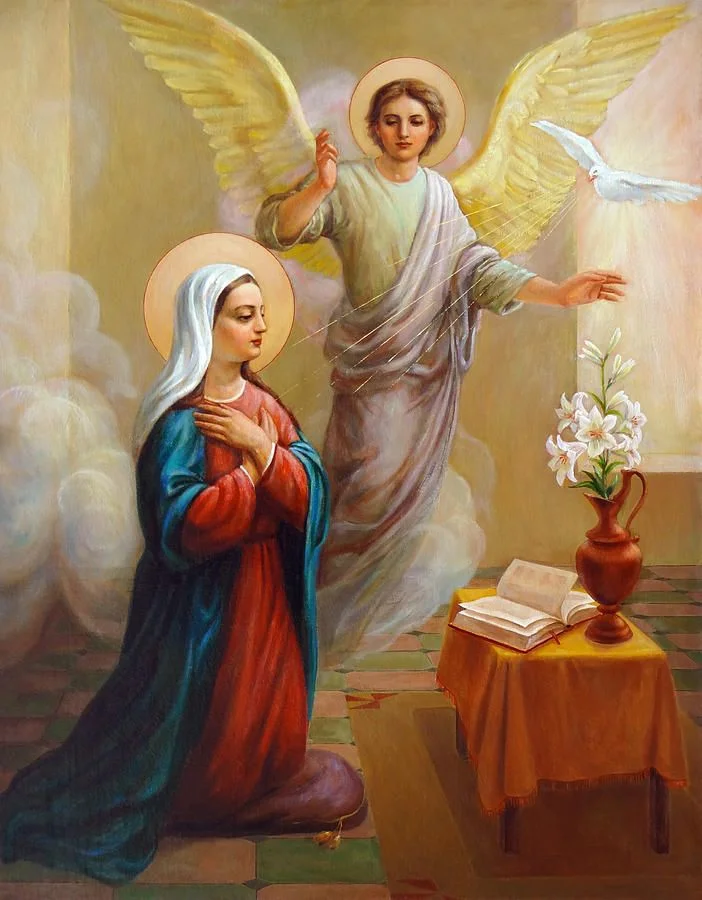
One notable example of a Marian apparition can be found in the biblical story of the Annunciation, where the angel Gabriel appeared to Mary and proclaimed that she would conceive and give birth to Jesus. This divine encounter showcases the special relationship Mary had with God. ๐๏ธ
In Luke 1:28, the angel Gabriel greets Mary with the words, "Hail, full of grace, the Lord is with you." This Scripture passage highlights Mary's unique role as the chosen vessel for the Incarnation. ๐
The Catechism of the Catholic Church teaches that Mary's perpetual virginity is a sign of her total dedication to God and her complete submission to His will. This profound commitment sets her apart as a shining example of faith and purity. ๐น
Over the centuries, Marian apparitions have occurred in various parts of the world, spreading messages of love, peace, and hope. One such instance took place in 1531 in Mexico, when the Virgin Mary appeared to a humble Indigenous man named Juan Diego. She left an image of herself imprinted on his cloak, which is now known as Our Lady of Guadalupe. ๐ฒ๐ฝ
The story of Our Lady of Guadalupe is a powerful reminder of the maternal love and intercession of the Blessed Mother. Her message of unity and compassion continues to touch the hearts of millions around the globe. ๐
Another notable Marian apparition occurred in 1858 in Lourdes, France. The Virgin Mary appeared to a young girl named Bernadette Soubirous and instructed her to dig a spring, which subsequently became known for its miraculous healing properties. This site has since become a place of pilgrimage for believers seeking spiritual and physical renewal. ๐ง
The messages conveyed during Marian apparitions often emphasize the importance of prayer, repentance, and conversion. These celestial encounters serve as a call to deepen our relationship with God and to live our lives in accordance with His teachings. ๐
The devotion to the Blessed Mother is deeply ingrained in Catholic spirituality. Saints such as Saint Louis de Montfort and Saint Maximilian Kolbe have written extensively about the significance of Marian devotion, encouraging believers to entrust themselves entirely to Mary's maternal care. ๐น
The Catechism of the Catholic Church states, "Mary's role in the Church is inseparable from her union with Christ and flows directly from it" (CCC 964). This teaching affirms the unique role Mary plays as the Queen of Heaven and a powerful intercessor on behalf of humanity. ๐
The stories of Marian apparitions remind us of the profound love that Mary, as the Mother of God, has for each one of us. Just as she cared for Jesus during His earthly life, she continues to watch over and guide us with her motherly tenderness. ๐
One of the most important aspects of the Marian apparitions is the reminder of the power of prayer. Mary often urges us to pray the rosary, a powerful spiritual weapon that brings us closer to God and helps us meditate on the life of Jesus. ๐ฟ
The apparitions of the Blessed Mother serve as a beacon of hope in a world often overshadowed by darkness and uncertainty. Through her loving presence, Mary reminds us that we are not alone and that she is always ready to intercede for us before the throne of God. ๐น
What are your thoughts on the miraculous stories of Marian apparitions? Do you believe in the power of Mary's intercession and her role in guiding and protecting us? Share your opinion and experiences below! ๐๐
Updated at: 2023-08-05 13:19:25 (2 years ago by Melkisedeck Leon Shine)
Mary's Fiat: A Model of Surrender and Obedience
๐ Introduction ๐ In the story of Christianity, the Blessed Virgin Mary holds a special place as the Mother of God. Her unwavering faith, surrender, and obedience have made her a model for all believers to follow. Mary's "fiat," or her "yes" to God's plan, demonstrates the utmost trust in the divine will. Let us explore the beauty of Mary's surrender and obedience, and how we can apply these virtues in our own lives.
1๏ธโฃ A Humble Heart ๐ Mary's fiat was rooted in her deep humility. Despite being chosen to be the Mother of God, she never sought recognition or power. Instead, she embraced her role with grace and humility, recognizing that she was simply an instrument in God's divine plan. Her humility serves as a reminder to us all to be humble in our own lives and to trust in God's plan for us.
2๏ธโฃ Surrendering to God's Will ๐ Mary's fiat exemplifies her complete surrender to God's will. When the angel Gabriel appeared to her, announcing that she would bear a child, Mary's response was, "Behold, I am the handmaid of the Lord; let it be to me according to your word" (Luke 1:38). This profound act of surrender teaches us the importance of aligning our will with God's and trusting in His plan, even when it may be difficult or unknown to us.
3๏ธโฃ Obedience in Action ๐ Mary's obedience to God's will was unwavering. She willingly accepted the challenges and uncertainties that lay ahead, knowing that God was guiding her every step of the way. Her obedience allowed her to fulfill her role as the Mother of God and participate in the salvation of humanity. Just as Mary embraced obedience, we too are called to faithfully follow God's commandments and live in accordance with His teachings.
4๏ธโฃ Biblical Examples โ๏ธ Throughout the Bible, we can find numerous examples of Mary's surrender and obedience. One such example can be seen at the Wedding at Cana (John 2:1-11). When the wine ran out, Mary turned to Jesus and said, "They have no wine." Even though Jesus initially responded, "Woman, what does this have to do with me?" Mary remained steadfast in her faith and obedience, telling the servants, "Do whatever he tells you." By trusting in Jesus and following His instructions, Mary played a pivotal role in the first public miracle performed by Jesus.
5๏ธโฃ The Catechism's Wisdom ๐ The Catechism of the Catholic Church beautifully articulates Mary's fiat and its significance: "By her complete adherence to the Father's will, to his Son's redemptive work, and to every prompting of the Holy Spirit, the Virgin Mary is the Church's model of faith and charity" (CCC 967). Mary's surrender and obedience serve as an inspiration for all believers, reminding us to align our lives with God's will and to trust in His guidance.
6๏ธโฃ Saints and Mary's Fiat ๐ผ Throughout the history of the Catholic Church, many saints have looked to Mary as a model of surrender and obedience. Saint Therese of Lisieux, for example, had a deep devotion to the Blessed Virgin Mary and often prayed to her for guidance in her own spiritual journey. Saint Maximilian Kolbe also found inspiration in Mary's fiat, choosing to surrender his life in the place of a fellow prisoner in Auschwitz. These saints and many others have recognized the powerful example set by Mary and sought to emulate her virtues in their own lives.
7๏ธโฃ Finding Strength in Surrender ๐ช Surrendering to God's will does not mean giving up or losing control. On the contrary, it is an act of trust and a recognition that God's plan is far greater than our own. When we surrender to God, we find strength in knowing that He is in control and that He will guide us through any challenges we may face.
8๏ธโฃ Embracing Obedience as Love โค๏ธ Obedience is often seen as a restrictive concept, limiting our freedom and desires. However, Mary's obedience shows us that true obedience is an act of love. By following God's commandments and living according to His teachings, we show our love and gratitude for all that He has done for us. Obedience is not a burden, but rather a path to true freedom and fulfillment in our lives.
9๏ธโฃ Mary, Our Loving Mother ๐ฉโ๐งโ๐ฆ As Catholics, we have a special devotion to the Blessed Virgin Mary. She is not only the Mother of God but also our loving mother who intercedes for us and guides us along our spiritual journey. Just as a loving mother looks after her children, Mary watches over us and offers us her support and prayers. We can turn to her in times of need, seeking her intercession and following her example of surrender and obedience.
๐ค Conclusion ๐ค Mary's fiat serves as a model of surrender and obedience for all believers. Her humility, surrender, and obedience are virtues that we can strive to emulate in our own lives. By trusting in God's plan, aligning our will with His, and obediently following His commandments, we can grow in faith and deepen our relationship with Him. Let us reflect on Mary's example and ask ourselves, are we willing to say "yes" to God's will in our own lives? ๐
What are your thoughts on Mary's surrender and obedience? How can you apply these virtues in your own life? Share your reflections and experiences below.
Updated at: 2023-08-05 13:19:35 (2 years ago by Melkisedeck Leon Shine)
Devotion to Our Lady of Guadalupe: Patroness of the Americas ๐น
๐ฟ As a devoted Christian Roman Catholic, it brings me great joy to express my deep love and reverence for the Blessed Virgin Mary, particularly in her title as Our Lady of Guadalupe, the Patroness of the Americas. This devotion holds a special place in the hearts of millions, not only in Mexico but also across the entire continent. Let us explore the reasons why this devotion is so cherished and why we should turn to Our Lady of Guadalupe in times of need and thanksgiving.
A Miraculous Appearance ๐ The devotion to Our Lady of Guadalupe originates from the miraculous apparition of the Blessed Virgin Mary to Saint Juan Diego in 1531. She appeared to him on Tepeyac Hill near Mexico City, leaving an imprint of her image on his cloak, known as a tilma. This image has since been preserved and is venerated in the Basilica of Our Lady of Guadalupe.
Mother of All Peoples ๐ฉโ๐งโ๐ฆ Our Lady of Guadalupe is often referred to as the Mother of All Peoples, symbolizing her universal motherhood. Just as a loving mother cares for and protects her children, Mary intercedes for all people, regardless of their nationality or race. She epitomizes the unity and love that should be shared among all nations in the Americas and beyond.
A Sign of Hope ๐๏ธ Mary's apparition to Saint Juan Diego brought hope to a people in need. The native Aztec people were undergoing a period of great suffering and spiritual darkness. However, through her presence and message, Mary offered them comfort, healing, and a renewed sense of faith. This serves as a reminder that no matter how challenging our own circumstances may be, Our Lady of Guadalupe is there to guide and console us.
A Symbol of Conversion ๐ฟ The apparition of Our Lady of Guadalupe led to the conversion of millions of indigenous people to Christianity. This event was a powerful demonstration of Mary's intercession and her ability to bring people closer to her Son, Jesus Christ. Through her gentle and loving presence, she showed the Aztec people, and all of us, the path to salvation and eternal life.
A Message of Love โค๏ธ Mary's message to Saint Juan Diego was one of love and compassion. She said, "Am I not here, I who am your Mother? Are you not under my shadow and protection?" These words remind us that Mary is always present, ready to offer her love and protection to those who turn to her. She is truly our Mother, guiding us and caring for us along our spiritual journey.
Embracing Cultural Identity ๐บ The devotion to Our Lady of Guadalupe beautifully combines the Catholic faith with the rich indigenous culture of Mexico. The image of Our Lady of Guadalupe on the tilma incorporates elements that were meaningful to the Aztec people. This integration of cultures is a testament to the Church's approach to embracing and respecting different traditions and fostering unity among diverse communities.
The Woman Clothed in the Sun โ๏ธ In the Book of Revelation, Chapter 12, there is a vision of a woman clothed with the sun, with the moon under her feet and a crown of twelve stars on her head. Many Catholics believe that this woman represents Mary, who appeared as Our Lady of Guadalupe, fulfilling this biblical prophecy. It further emphasizes the significance of this devotion and Mary's role as a powerful intercessor.
A Call to Holiness ๐ Our devotion to Our Lady of Guadalupe is not just about venerating an image or seeking favors. It is an invitation to imitate Mary's virtues and strive for holiness in our own lives. Mary's humility, obedience, and unwavering faith serve as a model for all Christians, reminding us of the importance of living out our faith daily.
Protection in Times of Trial โ๏ธ Throughout history, Our Lady of Guadalupe has been seen as a source of protection and refuge in times of great distress. Just as she offered solace to the Aztec people, she continues to offer comfort to her children today. By turning to her in prayer, we can find strength and peace in the midst of our own trials and tribulations.
A Pilgrimage Destination โ๏ธ The Basilica of Our Lady of Guadalupe in Mexico City is one of the most visited Catholic pilgrimage sites in the world. Millions of people from all corners of the globe make the journey to honor Our Lady of Guadalupe and offer their prayers and petitions. This pilgrimage is not only a physical journey; it is also a spiritual one, allowing believers to deepen their relationship with Mary and seek her intercession.
Patroness of the Americas ๐ Our Lady of Guadalupe holds a special place in the hearts of all those who reside in the Americas. As the Patroness of the Americas, she watches over and intercedes for the entire continent, encompassing North, Central, and South America. This title reminds us of Mary's universal motherhood, her love for all people, and her desire to bring us closer to her Son.
A Call to Unity ๐ค In a world often plagued by division and discord, the devotion to Our Lady of Guadalupe serves as a reminder of the importance of unity and peace. Mary's message of love and her desire to bring all people together should inspire us to work towards reconciliation and harmony in our relationships, communities, and nations.
Pope John Paul II's Devotion ๐ Pope John Paul II had a deep devotion to Our Lady of Guadalupe, considering her as the "Star of the New Evangelization." During his papacy, he visited the Basilica of Our Lady of Guadalupe multiple times and even declared Saint Juan Diego a saint in 2002. His example encourages us to embrace this devotion and seek the intercession of Our Lady of Guadalupe in our own lives.
A Pilgrimage of the Heart ๐ While not everyone may have the opportunity to physically visit the Basilica of Our Lady of Guadalupe, we can embark on a pilgrimage of the heart by deepening our devotion to Mary. Praying the Rosary, attending Mass, and consecrating ourselves to her are all ways in which we can express our love and seek the intercession of Our Lady of Guadalupe.
Your Thoughts? ๐ญ What are your thoughts on the devotion to Our Lady of Guadalupe? Have you experienced her intercession in your own life? Share your thoughts and experiences below. May we all turn to Our Lady of Guadalupe with love and trust, knowing that she is always there to guide and protect us on our journey of faith. ๐น๐
Updated at: 2023-08-05 13:19:37 (2 years ago by Melkisedeck Leon Shine)
๐ Mary's Role in the Life of Jesus and the Church ๐
Mary, the blessed Virgin Mother, holds a unique and significant role in the life of Jesus and the Church. She was chosen by God to be the vessel through which His Son would enter the world, and her obedience and faithfulness continue to inspire believers today.
As a devout Christian Catholic, I am deeply grateful for the example set by Mary. Her unwavering love and devotion to God's will are truly commendable. ๐
One of the most important aspects of Mary's role is her divine motherhood. She gave birth to Jesus, the Son of God, without losing her virginity. This miraculous event is a testament to her purity and sanctity. ๐น
The Bible clearly attests to Mary's unique role as the Mother of Jesus. In the Gospel of Luke, the angel Gabriel declares, "Hail, full of grace, the Lord is with you" (Luke 1:28). This angelic salutation acknowledges Mary's special favor with God.
Furthermore, Mary's humility is evident when she responds to the angel by saying, "Behold, I am the handmaid of the Lord; let it be to me according to your word" (Luke 1:38). Her willingness to submit to God's plan is an inspiration for all believers. โจ
Mary's role as the Mother of Jesus extends beyond His birth. She was present with Him throughout His life, from His infancy to His crucifixion. Mary's love and support were unwavering, even in the face of immense suffering. ๐
At the wedding in Cana, Mary intercedes on behalf of the wedding party when they run out of wine. Her simple yet powerful words to the servants, "Do whatever He tells you" (John 2:5), demonstrate her unwavering faith in her Son's divine power. ๐ท
The Catholic Church recognizes Mary as the New Eve, who cooperated fully with God's plan of salvation. Just as Eve's disobedience brought sin into the world, Mary's obedience through her "fiat" brought the Savior into the world (CCC 494).
Mary's role in the Church extends to her intercession for the faithful. Catholics believe that Mary, being in heaven, can pray for us and bring our needs before her Son. She is a loving mother, always ready to intercede on behalf of her children. ๐
St. Louis de Montfort, a revered Catholic saint, beautifully captures Mary's role in the spiritual life when he says, "Our entire perfection consists in being conformed, united, and consecrated to Jesus Christ" through Mary (True Devotion to Mary).
The Catechism of the Catholic Church affirms Mary's intercessory role, stating that "her maternal intercession is shown in the Church" (CCC 969). This reminds us that Mary's love and concern extend beyond her earthly life and into the life of the Church.
In the Gospel of John, as Jesus hangs on the cross, He entrusts Mary to the care of the beloved disciple, saying, "Behold, your mother!" (John 19:27). This moment highlights Mary's role as the spiritual mother of all believers, including each one of us. ๐
Mary's life and example of faithfulness challenge us to live a life of surrender to God's will. Her "yes" to God's plan serves as a reminder for us to trust in His providence and embrace His calling in our own lives. ๐บ
Catholics honor Mary with devotion, recognizing her unique and indispensable role in salvation history. By honoring Mary, we honor Jesus, who chose her to be His mother, and we recognize the significance of her intercession in our spiritual journey. ๐
What are your thoughts on Mary's role in the life of Jesus and the Church? How has her example influenced your own faith journey? Share your insights and experiences below! ๐
Updated at: 2023-08-05 13:20:12 (2 years ago by Melkisedeck Leon Shine)
The Significance of the Miraculous Medal
๐ The Miraculous Medal holds a significant place in the hearts of many devout Catholics around the world. This small medal, also known as the Medal of the Immaculate Conception, is believed to possess miraculous powers and is associated with numerous miracles and graces. Let's explore the significance of this beautiful medal and its connection to the Virgin Mary, the Mother of God.
1๏ธโฃ The Miraculous Medal was designed by the French nun, Saint Catherine Labourรฉ, who reportedly received a vision of the Blessed Virgin Mary in 1830. In the vision, Mary instructed Catherine to create a medal with specific imagery and promised that those who wore it with faith would receive great graces.
2๏ธโฃ The front of the Miraculous Medal depicts the image of the Blessed Virgin Mary standing on a globe, with rays of light streaming from her hands. This image symbolizes her role as the Mother of God and the universal reach of her intercession.
3๏ธโฃ Surrounding the image of Mary are the words, "O Mary, conceived without sin, pray for us who have recourse to thee." This phrase reflects the Catholic belief in the Immaculate Conception of Mary, which states that she was preserved from all stain of original sin from the moment of her conception.
4๏ธโฃ On the reverse side of the Miraculous Medal, there are twelve stars representing the twelve apostles and a large "M" intertwined with a cross. This "M" symbolizes Mary's role as the Mediatrix of all graces, and the cross represents the redeeming sacrifice of Jesus Christ.
5๏ธโฃ The Miraculous Medal is often worn around the neck or attached to rosaries, bracelets, and other religious items. Many Catholics believe that wearing the medal keeps them close to the Blessed Virgin Mary and invites her intercession in their lives.
6๏ธโฃ Countless miracles and conversions have been attributed to the intercession of the Miraculous Medal. Devotees often share stories of physical healings, emotional healings, and spiritual transformations that they believe were a result of wearing the medal and praying to Mary.
7๏ธโฃ The Catechism of the Catholic Church teaches that Mary's role as the Mother of God is of utmost significance. Through her "yes" to God's plan, she cooperated in our redemption and continues to intercede for us in heaven.
8๏ธโฃ In John 19:26-27, Jesus entrusted Mary to the care of the Apostle John, symbolizing her universal motherhood and maternal role in the lives of all believers. This is why Catholics turn to Mary and seek her intercession with confidence.
9๏ธโฃ The Miraculous Medal serves as a tangible reminder of Mary's love and care for humanity. It is a physical symbol of her powerful intercession and a source of comfort and hope for many Catholics.
๐ Saint Maximilian Kolbe, a Polish Franciscan friar, was a strong advocate of the Miraculous Medal. He believed in its power to bring about conversions and sought to spread devotion to the medal throughout the world.
1๏ธโฃ1๏ธโฃ The Catholic Church has officially recognized the Miraculous Medal and encourages the faithful to wear it as a sign of their devotion to Mary and their trust in her intercession.
1๏ธโฃ2๏ธโฃ In the words of Saint Pope John Paul II, "The sign of the Miraculous Medal is a tangible testimony of the protection of the Mother of God and the communion of saints."
1๏ธโฃ3๏ธโฃ The Miraculous Medal is not an object of worship but a sacramental, a visible sign that helps to dispose us to receive grace from God. It is a means through which we can deepen our relationship with Mary and draw closer to her Son, Jesus Christ.
1๏ธโฃ4๏ธโฃ Mary, as our spiritual mother, invites us to approach her with childlike trust and to place all our needs and intentions in her loving hands. The Miraculous Medal serves as a reminder of this invitation and an assurance of her maternal care.
1๏ธโฃ5๏ธโฃ In conclusion, the Miraculous Medal holds great significance in the lives of many Catholics worldwide. Through its powerful imagery and connection to the Virgin Mary, it serves as a reminder of God's love and the intercessory role of Mary in our lives. Whether worn around the neck or included in prayers, the Miraculous Medal is a cherished symbol of faith, hope, and the maternal love of our Blessed Mother. Do you wear a Miraculous Medal? What role does it play in your spiritual life?
Updated at: 2025-06-21 14:42:26 (9 months ago by Melkisedeck Leon Shine)
Article Title: Mary: A Marian Christological Framework for Navigating Life's Adversities
Introduction: This article explores the multifaceted role of Mary, the Mother of Jesus, within Roman Catholic theology, examining her significance as a source of guidance and support in confronting life's challenges. Key concepts, such as Marian Christology, intercessory prayer, and the application of spiritual models like the Rosary, will be analyzed within the context of lived experience and theological frameworks. We will explore how Maryโs life and example, as understood through various theological doctrines and devotional practices, offer a path to spiritual resilience and growth.
Mary's Role within Marian Christology: Central to Roman Catholic understanding is the unique position of Mary as the Theotokos (God-bearer), the Mother of God. This christological foundation underpins her role as a model of faith and obedience. Mary's unwavering acceptance of God's will, as exemplified by her "fiat" ("let it be") at the Annunciation (Luke 1:38), serves as a paradigm of surrender and trust. This resonates with the theological concept of *kenosis*โthe self-emptying of Christโreflecting a mirroring of humility and devotion in Mary's life. Her virtues, often highlighted in Marian devotions, represent ideals of faith, hope, and charity, offering a practical model for Christian living. This model functions as a blueprint for cultivating spiritual virtues and confronting personal challenges within a faith-based framework.
The Efficacy of Marian Intercession: The Catholic Church teaches that Mary, as the Mother of God, occupies a unique position of privilege before God. This doctrine supports the concept of intercessory prayer to Mary, based on the understanding that she continues to advocate for humanity before her Son. This practice aligns with sociological theories of social support networks, where the perceived presence of a powerful advocate provides comfort and hope during times of hardship. The belief in Mary's intercession provides a form of emotional and spiritual sustenance, enabling individuals to navigate adversity with increased resilience. The wedding at Cana (John 2:1-11) serves as a pivotal example illustrating Mary's intercessory power and her concern for humanity's needs. Her intercession functions as a spiritual lifeline, facilitating communication with God through prayer and devotion. This aligns with psychological theories of attachment, where secure attachment figures provide support and encouragement.
The Rosary: A Structured Approach to Spiritual Growth: The Rosary, a traditional Catholic devotion, provides a structured framework for meditating on the life of Christ through the lens of Maryโs experiences. This structured prayer involves contemplative reflection on specific events (mysteries) in the lives of Jesus and Mary. This application of mindful prayer can be analyzed through cognitive behavioral therapy (CBT) principles, where focused contemplation allows individuals to regulate emotions and confront negative thought patterns. The repetitive nature of the prayers enhances meditative focus, enabling spiritual growth and fostering a deeper connection with God through Mary's intercession. The act of repeating prayers fosters mindfulness and tranquility, allowing for greater emotional self-regulation, a critical element in navigating challenges effectively.
Marian Apparitions and their Psychological and Sociological Impact: Throughout history, reported Marian apparitions have profoundly influenced individuals and communities. These apparitions, such as those at Lourdes and Fatima, often carry messages of hope, repentance, and faith. The sociological impact of these events is significant; they unite communities, promote prayer, and inspire acts of charity. From a psychological perspective, belief in these apparitions offers a sense of hope and divine guidance for those encountering adversity. The sense of community and shared spiritual experiences fosters a sense of belonging and support, aligning with social identity theory in reducing feelings of isolation and vulnerability.
Mary's Magnificat: A Testament to Faith and Humility: Mary's Magnificat (Luke 1:46-55) is a powerful hymn of praise that highlights themes of faith, humility, and God's justice. Its contemplative recitation allows for deeper introspection and a re-centering of one's perspective on adversity. The Magnificat's message can be viewed through a lens of positive psychology, reminding individuals of the potential for positive growth and transformation, even amid hardship. By embracing the themes of humility, gratitude, and faith, individuals can foster inner strength and resilience, which are essential in navigating lifeโs complexities. This reinforces the concept of meaning-making and positive coping strategies which are vital for psychological well-being.
Doctrinal Foundations: The Immaculate Conception and the Assumption: Two significant Marian dogmasโthe Immaculate Conception and the Assumptionโdeepen our understanding of Mary's role within salvation history. The Immaculate Conception asserts Mary's freedom from original sin, highlighting her unique role as Godโs chosen vessel. The Assumption emphasizes the bodily and spiritual glorification of Mary, foreshadowing the hope of resurrection for all believers. These doctrines provide a theological framework for contemplating spiritual ideals of holiness and transcendence. These provide powerful symbolic reminders of spiritual aspirations and the ultimate triumph of good over evil, offering hope and strength to individuals facing challenges.
Mary as Spiritual Mother: The concept of Mary as spiritual mother builds upon her role as the Mother of God, extending her maternal care to all believers. This resonates with the notion of spiritual mentoring and guidance, and offers a model for supportive relationships within the Christian community. The analogy of a maternal figure provides comfort and security, offering a sense of belonging and emotional securityโimportant elements in navigating difficult periods. This spiritual mothering extends emotional sustenance and guidance to individuals, bolstering their ability to persevere through difficulties. This aligns with attachment theory, indicating a supportive environment promotes healthier coping mechanisms.
Conclusion and Recommendations: Mary, as understood within the framework of Marian Christology, provides a rich source of inspiration and guidance for navigating life's challenges. Her life serves as a testament to faith, hope, and unwavering devotion to God's will. The practices of intercessory prayer, the Rosary, and contemplative reflection on Marian themes offer practical pathways to spiritual growth and resilience. Further research could explore the comparative effectiveness of these spiritual practices as coping mechanisms during times of hardship, comparing them to established secular therapeutic interventions. Examining the cultural and societal influences on Marian devotion across various contexts would also provide valuable insights. The integration of spiritual and psychological approaches to well-being holds considerable promise for supporting individuals experiencing adversity. This study encourages the application of Maryโs example as a practical model of virtue and spiritual resilience, providing comfort, hope, and strength for navigating lifeโs inherent complexities.
Reader Pool: How might integrating theological concepts like Marian Christology and intercessory prayer with established psychological and sociological frameworks provide more holistic support for individuals facing personal crises?
Updated at: 2025-06-05 15:40:42 (9 months ago by Melkisedeck Leon Shine)
Mary, Mother of Vocations: Intercession for Religious and Priests
Introduction: The Intercessory Role of Mary in Vocational Discernment
This discourse examines the pivotal role of the Blessed Virgin Mary as a powerful intercessor for those discerning religious vocations and the priesthood, within the framework of Catholic theology. We will explore her unique position as the Theotokos (Mother of God), analyzing scriptural examples and theological principles to understand the efficacy of her intercession. Key concepts explored include the Marian doctrine, the concept of intercession within the Catholic faith, and the application of Marian devotion in the process of vocational discernment. The study will also illustrate the practical application of Marian devotion through various spiritual practices, such as the Rosary and consecration to Mary.
Mary's Unique Theological Position and Scriptural Example
The Catholic Church's doctrine of Mary as the Theotokos, established at the Council of Ephesus in 431 AD, signifies her unique relationship with God. This title, meaning "God-bearer," underscores her pivotal role in salvation history. Mary's Fiat ("Let it be") in the Annunciation (Luke 1:38) exemplifies her complete obedience to God's will, serving as a paradigm of faith and surrender for those considering consecrated life. This unwavering commitment showcases the profound trust in divine providence that is essential for a successful vocation. This theological foundation establishes Mary's capacity to intercede effectively for those seeking God's guidance in their lives.
Mary as Mother of Vocations: A Theological and Pastoral Perspective
The title "Mother of Vocations" reflects Mary's maternal role in nurturing and supporting the spiritual growth of those called to religious life and the priesthood. This concept aligns with the maternal imagery prevalent throughout Scripture and tradition, emphasizing Mary's protective and guiding presence throughout the journey of vocational discernment and beyond. Applying this concept pastorally, it signifies that those seeking guidance can turn to Mary for support, guidance and strength. The challenges inherent in consecrated life are understood by Mary, not only as a mother, but also as one who experienced profound personal sacrifice and spiritual commitment. Her own experience forms the basis for her empathetic and powerful intercession for those on similar paths.
The Efficacy of Marian Intercession and the Role of Prayer
The Catechism of the Catholic Church affirms the power of Mary's intercession (CCC 969). Her unique relationship with God, as Mother of the Son, affords her a unique position to bring our petitions before Him. This intercession is not a magical formula, but rather, a reflection of the communal nature of prayer within the Body of Christ. It underscores the importance of community support and the power of collective prayer in navigating the complexities of vocational discernment. Furthermore, the efficacy of Mary's intercession operates within God's will, reinforcing the importance of aligning one's personal desires with God's plan for their lives. This model of prayer, relying on the intercession of Mary, illustrates a communal, supportive, and divinely-guided approach to seeking clarity.
Spiritual Practices and Marian Devotion in Vocational Discernment
The Rosary, a traditional form of Marian devotion, provides a structured framework for prayerful reflection on the mysteries of Christ's life and Mary's role within them. This practice allows for a deeper contemplation of God's plan for one's life, facilitating discernment by fostering a closer relationship with both Christ and Mary. Consecration to Mary, as practiced by saints such as Louis de Montfort and Maximilian Kolbe, represents a complete surrender of one's life to God's will, mediated through the loving intercession of Mary. This profound act of entrustment provides a framework for aligning personal desires with God's plan, making it an efficacious tool for those struggling with vocational ambiguity.
Mary's Intercession and the Support of Priests and Religious
Mary's maternal love and protective intercession extend to those already serving the Church. Priests and religious can find strength and encouragement in seeking her guidance in the midst of challenges inherent in their vocations. Seeking Mary's intercession becomes a spiritual act that allows priests and religious to experience renewed spiritual vitality, fostering perseverance in their commitment to God's service. This aspect of the study highlights the ongoing, sustained support that Mary offers to those who have already committed themselves to religious life, ensuring that the initial commitment is strengthened and sustained. This perspective helps to combat feelings of isolation or discouragement often experienced within religious communities.
The Importance of Praying for Vocations: A Communal Responsibility
The Church's vitality hinges on a constant flow of new vocations. Through prayer, we actively participate in God's call, recognizing that vocations are a gift from God to the Church. This underscores the communal aspect of prayer; we support the growth of the Church not simply through individual actions but also through collective intercession for those considering a vocation. The act of praying for vocations is thus an active participation in the spiritual and pastoral life of the Church, recognizing the interconnectedness of individual faithfulness and communal wellbeing.
Conclusion and Recommendations: Furthering Marian Devotion and Vocational Discernment
This exploration of Mary's role as Mother of Vocations reveals a powerful theological and pastoral reality: Mary's intercession offers invaluable support and guidance in the process of vocational discernment. The efficacy of her intercession is not merely a matter of belief, but is firmly grounded in Catholic doctrine and tradition. Recommendations include encouraging increased Marian devotion, particularly the Rosary and consecration to Mary, as integral aspects of vocational discernment. Furthermore, emphasis should be placed on communal prayer for vocations, highlighting the interconnectedness of individual spiritual journeys and the overall health of the Church. Further research could focus on the qualitative impact of Marian devotion on individuals navigating vocational uncertainty, and the effectiveness of various Marian practices in fostering spiritual maturity and growth.
Reader Pool: How might a deeper understanding of Marian theology and its practical application enhance the process of vocational discernment and support for those in religious life?
Updated at: 2023-08-05 13:20:28 (2 years ago by Melkisedeck Leon Shine)
๐นMary's Intercession: Strengthening Our Prayer Life๐น
Introduction: In the realm of Catholic spirituality, the intercession of the Virgin Mary holds a special place. As believers, we acknowledge her unique role as the Mother of God, the one chosen by God to give birth to our Savior, Jesus Christ. ๐ Throughout history, countless individuals have experienced the power of Mary's intercession in their prayer lives. Let us explore how turning to her can strengthen and deepen our own connection with God. ๐
Mary as the Mother of God: Mary's intercession is rooted in her special relationship with Jesus. She was not only Jesus' earthly mother but also the Mother of God. In Luke 1:43, Elizabeth proclaims, "And why has this happened to me, that the mother of my Lord comes to me?" This title highlights Mary's unique position as the chosen vessel of God's incarnation.
A Model of Faith: Mary's unwavering faith is an inspiration to all believers. Her "yes" to God's plan, as seen in Luke 1:38, reveals her complete trust and obedience. When we turn to Mary in prayer, we can seek her guidance in deepening our own faith and surrendering to God's will.
The Wedding at Cana: One powerful example of Mary's intercession can be found in the wedding at Cana (John 2:1-11). When the wine ran out, Mary approached Jesus and asked for His help. Through her intercession, Jesus performed His first public miracle, turning water into wine. This shows us that Mary's intercession can bring about miraculous interventions in our lives.
The Rosary: The Holy Rosary is a powerful prayer devoted to Mary. By praying the Rosary, we meditate on the life of Jesus through the eyes of His mother. In this way, Mary helps us to deepen our understanding of Christ's teachings and His saving grace. The Catechism of the Catholic Church teaches that "the Rosary is a contemplative prayer" (CCC 2708) and encourages Catholics to embrace its spiritual benefits.
Protection and Guidance: Just as a mother protects and guides her children, Mary intercedes for us in times of need. The saints have attested to her powerful intercession throughout the centuries. Saint Padre Pio once said, "When you have recourse to the intercession of the Blessed Virgin, you are praying with a Mother's heart." Trusting in Mary's intercession can bring us comfort and assurance, knowing that we are under her loving care.
Praying the Hail Mary: The Hail Mary is a prayer that many Catholics recite to seek Mary's intercession. It begins with the words of the angel Gabriel and continues with Elizabeth's greeting. By praying this prayer, we unite ourselves with the words spoken to Mary, inviting her to intercede on our behalf.
The Assumption of Mary: The Assumption of Mary, celebrated on August 15th, affirms the belief that Mary was taken body and soul into heaven. This glorious event reveals her unique role in salvation history and her continued presence among the faithful. When we ask for Mary's intercession, we can trust that she is in heaven, advocating for us before the throne of God.
The Magnificat: Mary's prayer of praise, known as the Magnificat, can inspire our own prayer life. In Luke 1:46-55, Mary magnifies the Lord for the great things He has done. By contemplating her words, we can learn to exalt God in our own prayers and acknowledge His goodness and mercy.
The Saints and Mary: Throughout history, numerous saints have had a deep devotion to Mary and experienced her powerful intercession. Saint Louis de Montfort, known for his teachings on Marian consecration, said, "When the Holy Spirit finds Mary in a soul, He hastens there and enters fully into it." The saints understood that turning to Mary deepens our connection with the Holy Spirit and strengthens our prayer life.
The Mercy of Mary: Mary's intercession is a sign of God's infinite mercy. Just as Jesus entrusted His beloved disciple John to Mary's care, He entrusts us to her maternal love. As Pope Francis once said, "Mary opens the door of mercy to us and shows us the way to reach the Heart of her Son." When we approach Mary with humility and trust, she leads us closer to Jesus and His boundless mercy.
Conclusion: In the Catholic faith, Mary's intercession plays a vital role in strengthening our prayer life. As the Mother of God and our spiritual mother, she beckons us to turn to her in times of joy, sorrow, and need. Throughout the Bible and the teachings of the Church, we find ample evidence of her powerful intercession. By inviting Mary into our prayer life, we can experience a deeper connection with God and a strengthening of our faith. So, dear reader, what are your thoughts on seeking Mary's intercession? How has her intercession impacted your prayer life?
Updated at: 2025-06-19 15:28:11 (9 months ago by Melkisedeck Leon Shine)
This article investigates the reported miraculous occurrences associated with Marian shrines, examining the interwoven sociological and theological frameworks that underpin their significance. We will define key concepts to establish a robust analytical foundation. A miracle, in this context, is defined as an event exceeding the capabilities of natural laws, attributed to divine intervention. A Marian shrine is a consecrated site linked to apparitions or significant events involving the Virgin Mary. Intercession refers to Mary's mediating role between humanity and God, as understood within Catholic theology. The analysis will draw upon established sociological theories, such as Durkheim's concept of collective effervescence, to understand the shared religious experience at these locations, alongside psychological perspectives on faith healing and placebo effects. Further, theological interpretations of Marian apparitions and their position within Catholic doctrine will be explored. The framework for this investigation employs a mixed-methods approach, integrating quantitative data analysis with qualitative research methodologies to provide a comprehensive analysis of the multifaceted nature of reported events and experiences.
Marian shrines function as significant centers of Catholic faith, attracting millions of pilgrims annually. Their enduring appeal can be illuminated through Durkheim's theory of collective effervescence, which posits that shared religious experiences generate heightened emotional and social energy. The collective belief in Mary's intercession and the possibility of miracles cultivates a powerful sense of community and shared purpose among pilgrims. This shared experience reinforces individual faith and creates a potent emotional context conducive to reported miraculous healings and spiritual transformations. Empirical evidence, such as numerous testimonials of healing and spiritual renewal, supports this interpretation. Furthermore, the well-documented psychological phenomenon of placebo effects plays a role in perceived healings; the fervent expectation of healing, fueled by faith, can trigger the body's inherent restorative mechanisms. This interaction between belief, expectation, and physiological responses aligns with the biopsychosocial model of health, which acknowledges the integrated influence of biological, psychological, and social factors on health outcomes. The concept of social contagion, where emotions and behaviors spread rapidly among individuals in close proximity, further strengthens the impact of collective belief in these settings.
Several prominent Marian shrines exemplify the interplay between faith, collective belief, and reported miracles. Our Lady of Guadalupe in Mexico City, with its iconic image deeply embedded in national identity, serves as a powerful symbol of faith, attracting immense pilgrimage. The reported healing properties of the water at Lourdes, France, exemplify the intersection of faith, expectation, and potential psychosomatic effects. The apparition at Fatima, Portugal, and its widely reported "Miracle of the Sun," represent a potent example of a mass witnessed event shaping faith and belief systems. Similar collective experiences are reported in Medjugorje, Bosnia and Herzegovina, known for its ongoing apparitions, and Knock, Ireland, where a silent apparition offered comfort and solace. These case studies demonstrate the varied expressions of faith and the diverse contexts in which reported miracles occur, highlighting the need for comparative analyses to understand the specific social, cultural, and historical factors influencing these phenomena.
The recitation of the rosary, a central devotional practice at many Marian shrines, holds considerable significance. This repetitive prayer fosters a meditative state, potentially contributing to spiritual experiences and feelings of peace and tranquility. The Rosary of the Seven Sorrows allows for contemplation of Mary's suffering, enabling individuals to connect their own struggles with hers and find solace in her resilience. The intensity of prayer and devotion at these sites is perceived as enhancing the likelihood of divine intervention, leading to reported miracles of healing and religious conversion. From a psychological perspective, these rituals can be seen as contributing to a sense of control and agency, which can be particularly helpful for individuals facing uncertainty or hardship.
Reported miracles at Marian shrines frequently involve physical healing alongside emotional and spiritual transformations. The theological concept of Mary's intercession positions her as a powerful advocate mediating between humanity and God. This belief profoundly influences experiences at these shrines, offering hope for healing and restoration to those suffering emotionally, physically, or spiritually. Reported conversions further highlight the transformative potential of faith and the central role of Mary's intercession in these spiritual journeys. From a psychological standpoint, the sense of connection with a higher power, facilitated by the belief in intercession, can offer comfort, meaning, and purpose, contributing to improved mental and emotional well-being. This integration of theological and psychological perspectives provides a more complete understanding of the multifaceted nature of the reported healings and transformations.
The pilgrimage itself constitutes a profound spiritual undertaking. The journey to a Marian shrine provides a period of introspection, prayer, and respite from daily stressors. This focused devotion contributes to spiritual growth, strengthens one's relationship with God, and reinforces faith. Social interactions with fellow pilgrims further enhance the transformative impact of pilgrimage. The experience can be analyzed through the lens of symbolic interactionism, which emphasizes the meaning-making processes within social interactions. The shared experiences and symbols associated with the pilgrimage create a powerful sense of collective identity and shared purpose, contributing to individual and collective transformation. This transformative potential is consistent with theories of rites of passage, where significant life transitions are marked by ritual and social participation, resulting in personal growth and integration into the community.
The reported miracles at Marian shrines reflect a complex interaction between faith, collective belief, psychological processes, and theological interpretations. Although scientific explanations may account for some reported healings, the enduring significance of these sites lies in their capacity to foster strong communities, shared experiences, and profound spiritual transformations. Future research should incorporate more robust methodologies, employing mixed-methods approaches, combining quantitative data on reported healings with in-depth qualitative studies of pilgrims' subjective experiences. This will allow for a more nuanced and comprehensive understanding of the multidimensional aspects of this phenomenon. Furthermore, research should explore the cultural and socio-economic factors impacting the popularity and perceived efficacy of Marian shrines in diverse contexts. A longitudinal study, tracking the experiences of pilgrims over time, could illuminate the long-term effects of these visits on faith, well-being, and social connections. This enhanced research design should also consider comparative analysis of different Marian shrines, identifying factors that contribute to variations in reported experiences and outcomes.
The findings suggest that the importance of Marian shrines extends beyond the literal interpretation of miracles. The social and spiritual benefitsโincluding strengthened faith, community building, and emotional healingโunderscore their substantial role in religious practice. These findings highlight the need for continued theological reflection on Mary's role within the Catholic Church, and for further psychological and sociological research into faith-based healing and community formation. A focus on the social network analysis of pilgrims could reveal the social capital generated through these shared experiences and the potential for long-term positive effects on social cohesion and support networks.
Reader Pool: Considering the complex interplay of faith, psychology, and sociology within the context of Marian shrines, what novel research methodologies could be employed to more effectively measure the impact of these sites on individuals' spiritual and psychosocial well-being?
Updated at: 2025-06-23 17:07:57 (8 months ago by Melkisedeck Leon Shine)
```htmlThis article explores the Miraculous Medal, a prominent sacramental in Roman Catholicism, examining its origins, symbolism, and theological implications within the framework of Marian devotion. Key concepts such as sacramental theology, Marian apparitions, and the role of intercession in Catholic belief will be defined and applied to understand the medal's significance. The article will also analyze historical accounts and theological perspectives to assess the claims surrounding its purported miraculous effects.
The Miraculous Medal's origins are rooted in a reported Marian apparition to Saint Catherine Labourรฉ, a Daughter of Charity, in 1830. This apparition, understood within the framework of private revelation, is a key element in understanding the medal's significance. The event, interpreted through the lens of mystical experience, led to the creation of the medal based on Mary's instructions. The medal's design itself is rich in symbolism. The depiction of Mary, Immaculate Conception, is central. The surrounding inscription, "O Mary, conceived without sin, pray for us who have recourse to thee," directly invokes her role as intercessor. This aligns with the Catholic understanding of Mary's role as the "Mother of God" and her unique position within the plan of salvation, as articulated in the Catechism of the Catholic Church (CCC). The application of this symbolism follows the tradition of religious iconography, employing visual cues to convey complex theological ideas. The design of the medal, according to the reported visionary experience, adheres to the principles of symbolic communication, translating divine messages into a tangible artifact.
The theological significance of the Miraculous Medal rests primarily on the concept of Marian intercession. This principle, deeply rooted in Catholic tradition, posits that Mary, as the Mother of God, can intercede on behalf of humanity before her Son, Jesus Christ. This intercession is not understood as a bypassing of Christ's mediatorship but rather as a cooperative act, enhancing the efficacy of prayer. The Gospel narrative, specifically the Wedding at Cana (John 2:1-11), is often cited as an example of Mary's effective intercession. The reported miracles associated with the medal are interpreted through this theological lens: the healings, conversions, and spiritual protections are attributed to God's grace, accessed through Mary's intercession. Applying the theological concept of sacramental efficacy, the medal serves as a tangible symbol of this intercession, fostering faith and devotion. This operates under the principle of sacramental theology, suggesting the outward sign (the medal) is linked to inward grace (God's action through Mary's intercession).
Numerous accounts of miraculous events attributed to the Miraculous Medal exist. These narratives, though often anecdotal, serve to illustrate the faith and devotion surrounding the sacramental. The conversion of Alphonse Ratisbonne, a prominent example, demonstrates the potential impact of faith and the power of personal encounters, often pivotal moments within narratives of religious conversion. While these accounts lack rigorous scientific evidence, they hold significant value in understanding the cultural and spiritual impact of the medal. Analysis of these narratives through the sociological lens of religious experience offers insights into the lived faith and the role of symbols in shaping religious identity. Furthermore, the historical analysis of testimonies should consider potential biases, including confirmation bias, and use methodologies such as content analysis to identify patterns and common themes. Historical scrutiny of these reports is essential to provide a balanced perspective on the claims.
The Second Vatican Council's teachings on Mary further illuminate the Miraculous Medal's theological context. The Council emphasized Mary's role in the salvation history, highlighting her "fiat" (consent) at the Annunciation and her participation in Christ's redemptive work. The medal, therefore, represents not just a personal devotion but also a participation in the broader theological narrative of salvation. The use of the medal acts as a form of Marian piety, aligning with contemporary Catholic teaching on the importance of honoring Mary while maintaining the central role of Christ. Applying the liturgical and devotional concepts within the Catholic faith enhances the understanding of the practices related to the use and reverence of the Miraculous Medal.
The Miraculous Medal, deeply embedded within Roman Catholic tradition and Marian devotion, holds significant theological and cultural importance. While scientifically verifiable evidence for miraculous claims is lacking, the medal's impact lies in its role as a symbol of faith, devotion, and the power of intercession. Further research could apply qualitative research methods, such as in-depth interviews with individuals who have experienced significant events related to the medal, to better understand its role in their faith journeys. This deeper analysis could contribute to a richer understanding of the lived religious experience and its connection to material objects of faith. Quantitative studies could also be conducted to explore correlations between medal usage and reported instances of positive change in the lives of believers. This multifaceted approach is necessary for a more comprehensive analysis that accounts for both the subjective and objective aspects of this complex phenomenon. Additionally, the implications of the medal's continued use and its cultural significance within diverse Catholic communities around the world merit further investigation.
Reader Pool: Considering the theological interpretations presented, and acknowledging the lack of empirical evidence for miraculous claims, how would you assess the ongoing significance and relevance of the Miraculous Medal within contemporary Catholic practice?
```