The Magnificat: Mary's Song of Praise and Gratitude
Updated at: 2023-08-05 13:19:41 (3 years ago by Melkisedeck Leon Shine)
π The Magnificat: Mary's Song of Praise and Gratitude ππΉ
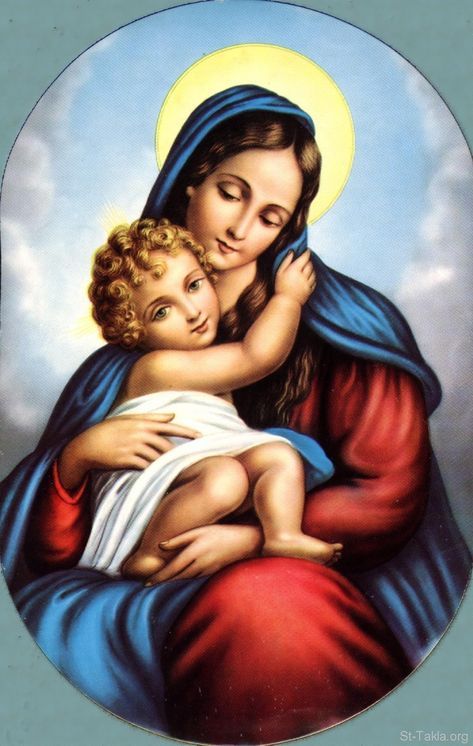
The Magnificat is a beautiful and powerful hymn of praise and gratitude that was sung by the Virgin Mary, the Mother of God, after she received the news that she would conceive Jesus through the Holy Spirit.
In this song, Mary expresses her humble and joyful heart, praising the greatness of God and His mercy towards her. It is a testament to her deep faith and devotion to God.
Mary begins the Magnificat by proclaiming, "My soul magnifies the Lord, and my spirit rejoices in God my Savior" (Luke 1:46-47). These words show her complete trust and surrender to God's plan for her life.
Throughout the song, Mary reflects on the greatness of God's deeds and His mercy towards those who fear Him. She acknowledges that God has chosen her, a lowly and humble servant, to bear the Son of God.
The Magnificat is not only a song of praise but also a prophetic declaration. Mary declares that God has shown His strength by scattering the proud, bringing down the powerful, and lifting up the lowly (Luke 1:51-52).
Mary's song echoes the words of the prophets in the Old Testament, who spoke of God's justice and mercy. She embodies the hope of the Jewish people, who longed for the coming of the Messiah.
The Magnificat is a prayer that reminds us of God's faithfulness and His preferential love for the poor and marginalized. It challenges us to reflect on how we can imitate Mary's humility and generosity in our own lives.
Throughout the centuries, the Magnificat has been a source of inspiration for believers around the world. It has inspired countless hymns, prayers, and works of art that celebrate Mary's role as the Mother of God.
In the Catholic Church, the Magnificat is recited daily during the Evening Prayer of the Liturgy of the Hours. This practice allows us to unite our voices with Mary's in proclaiming God's greatness and praising Him for His blessings.
The Catechism of the Catholic Church teaches us that Mary's Magnificat is a model prayer, inviting us to join in her hymn of thanksgiving and praise (CCC 2619). It encourages us to express our gratitude to God for His goodness and to seek His will in our lives.
Saints throughout history have also recognized the significance of the Magnificat. St. Augustine, for example, described Mary's song as a "fitting response to the divine blessings bestowed upon her" (Sermon 225).
The Magnificat reminds us of Mary's unique role as the Mother of God. As Catholics, we believe that Mary remained a virgin before, during, and after the birth of Jesus. This belief is based on the biblical evidence and the teachings of the Church.
In the Gospel of Matthew, it is stated that Joseph "knew her not until she had borne a son" (Matthew 1:25). This implies that Mary remained a virgin even after giving birth to Jesus.
The early Church Fathers also affirmed Mary's perpetual virginity. St. Jerome, one of the great biblical scholars of the Church, wrote, "The ever-virgin Mary conceived the Son of God in her womb, brought Him forth, and after His birth preserved her virginity intact" (Against Helvidius).
The Magnificat invites us to reflect on Mary's extraordinary faith and her willingness to say "yes" to God's plan, despite the challenges and uncertainties she faced. It encourages us to entrust our lives to God and to praise Him for His goodness and mercy.
In conclusion, the Magnificat is a profound expression of Mary's love for God and her gratitude for His blessings. It is a song that continues to inspire and guide us in our spiritual journey. Have you ever meditated on the Magnificat? What does it mean to you? Share your thoughts and let us know your favorite verse from this beautiful song of praise! πΉπβ¨
Updated at: 2023-08-05 13:20:13 (3 years ago by Melkisedeck Leon Shine)
The Assumed Role of Mary in the Early Church
π Introduction π
In the early years of the Church, the role of Mary, the Mother of God, was not only highly regarded but also widely celebrated. As a devout Christian Roman Catholic, it brings me great joy to delve into the intriguing topic of Mary's assumed role during this significant period. Let us explore the fascinating aspects surrounding the beloved Mother of Jesus and her influence on the early Church.
1οΈβ£ Mary, the Ever-Virgin πΉ
From a Christian perspective, it is crucial to acknowledge that the doctrine of Mary's perpetual virginity is deeply rooted in the early Church. It is believed that Mary remained a virgin before, during, and after the birth of Jesus Christ. This belief is based on biblical evidence, such as the Gospel of Matthew 1:25, which states, "But he did not consummate their marriage until she gave birth to a son. And he gave him the name Jesus."
2οΈβ£ Mary, Mother of God π
One of the most significant roles Mary assumed in the early Church was that of the "Theotokos," meaning "Mother of God." This title emphasizes the belief that Mary gave birth to Jesus, who is both fully human and fully divine. This concept is supported by the Gospel of Luke 1:43, where Elizabeth proclaims, "But why am I so favored, that the mother of my Lord should come to me?"
3οΈβ£ Mary, the New Eve π
In addition to being the Mother of God, Mary is often referred to as the New Eve in early Christian theology. Just as Eve played a critical role in the fall of humanity, Mary, through her obedience and humility, played an instrumental part in the redemption of mankind. This parallel is beautifully depicted in the Catechism of the Catholic Church (494), which states, "She is 'the new Eve,' the true mother of all the living."
4οΈβ£ Mary, the Ark of the New Covenant βͺ
Another fascinating aspect of Mary's assumed role in the early Church is her association with the Ark of the Covenant. In the Old Testament, the Ark contained the tablets of the Ten Commandments, symbolizing God's presence among His people. Similarly, Mary, as the bearer of Jesus, came to be seen as the new Ark, carrying within her womb the Word of God made flesh. This connection is beautifully illustrated in the book of Revelation 11:19, where John sees "the ark of his covenant" in the heavenly sanctuary.
5οΈβ£ Mary, the Intercessor π
Mary's intercessory role in the early Church cannot be overlooked. As a loving mother, she is believed to intercede on behalf of all believers, presenting their prayers to her Son, Jesus Christ. This belief is supported by the Gospel of John 2:3-5, where Mary intercedes at the Wedding at Cana, saying, "They have no more wine." This act of intercession led to Jesus' first miracle, highlighting her powerful role.
6οΈβ£ Mary, a Model of Faith and Humility πΊ
Mary's exemplary faith and humility have served as a model for Christians throughout history. Her "yes" to God's plan of salvation, as seen in Luke 1:38, where she says, "I am the Lord's servant. May your word to me be fulfilled," teaches us the importance of surrendering to God's will with trust and obedience. Her unwavering faith encourages us to emulate her virtues in our own lives.
7οΈβ£ Mary, the Queen of Heaven π
The early Church also recognized Mary as the Queen of Heaven, acknowledging her exalted position as the Mother of God. This title finds its roots in the book of Revelation 12:1, where John sees "a woman clothed with the sun, with the moon under her feet, and a crown of twelve stars on her head." This depiction symbolizes Mary's role as the queenly mother of the Church.
8οΈβ£ Mary, A Relationship with the Saints π
Mary's close relationship with the saints in the early Church is a testament to her esteemed role. Just as we can turn to our friends and family for intercessory prayers, we can also seek the intercession of Mary and the saints, who stand before the throne of God. This understanding is beautifully expressed in the Catechism of the Catholic Church (2683), which states, "Because of their communion with the saints, the Church is inseparably linked to the heavenly liturgy."
9οΈβ£ Mary, An Inspiration to Artists π¨
Throughout the history of art, Mary has been a beloved subject of countless masterpieces. Painters, sculptors, and musicians have drawn inspiration from her beauty, grace, and purity. These artistic representations have not only captured Mary's physical appearance but also aimed to convey her spiritual significance to the early Church as the Mother of God.
π Mary, A Source of Hope and Comfort π
Mary's assumed role in the early Church also included being a source of hope and comfort for believers. Just as a mother consoles her children, Mary offers solace to those who approach her with their sorrows and joys. Her compassionate nature is reflected in her appearance to St. Juan Diego in Guadalupe, Mexico, where she shared a message of love and healing to bring peace to a troubled world.
π€ Opinion π€
As we reflect on the assumed role of Mary in the early Church, it is evident that her influence was profound and multifaceted. From her perpetual virginity to her intercessory role and her embodiment of faith and humility, Mary is a cherished figure in Christian Roman Catholic spirituality. Through her example, she continues to inspire countless believers to deepen their relationship with Jesus and strive for holiness.
What are your thoughts on Mary's assumed role in the early Church? How has her devotion impacted your spiritual journey? Let us celebrate the blessedness of the Mother of God and honor her role in our faith. πΉπβ¨
Updated at: 2023-08-05 13:19:14 (3 years ago by Melkisedeck Leon Shine)
The Intercession of the Blessed Virgin Mary π
The role of the Blessed Virgin Mary in the Catholic faith is one that holds great importance and reverence. As the Mother of God, she is seen as a powerful intercessor for all believers. πΉ
The concept of intercession refers to the act of someone praying on behalf of others. In the case of the Blessed Virgin Mary, her intercession is believed to be particularly potent due to her special relationship with Jesus. π
Throughout the Bible, we see instances of individuals seeking the intercession of Mary. One notable example is the Wedding at Cana, where Mary, noticing that the wine had run out, intercedes with Jesus on behalf of the wedding couple. Jesus, in turn, listens to his mother's request and performs his first miracle, turning water into wine. π·
This event serves as a powerful testimony to the intercessory power of the Blessed Virgin Mary. Her love and concern for others, combined with her close relationship with Jesus, allow her to bring our prayers and petitions directly to her Son. β¨
The Catechism of the Catholic Church states, "By asking Mary to pray for us, we acknowledge ourselves to be poor sinners and we address ourselves to the 'Mother of Mercy,' the All-Holy One." Mary's intercession is seen as a way to seek God's mercy and guidance in our lives. π
Catholic Saints have also written extensively about the intercession of the Blessed Virgin Mary. St. Louis de Montfort, for example, wrote in his famous book "True Devotion to Mary" about the power of Marian intercession and how it can lead us closer to Jesus. π
The rosary, a popular Catholic devotional prayer, is another way in which believers seek the intercession of Mary. By praying the Hail Mary and meditating on the mysteries of the life of Christ, Catholics believe they can draw closer to God through the intercession of the Blessed Virgin Mary. πΏ
One of the most remarkable aspects of Mary's intercession is that it extends to all aspects of our lives. Whether we are seeking guidance, healing, or simply comfort, Mary is always ready to intercede on our behalf. Her love for us as her children knows no bounds. β€οΈ
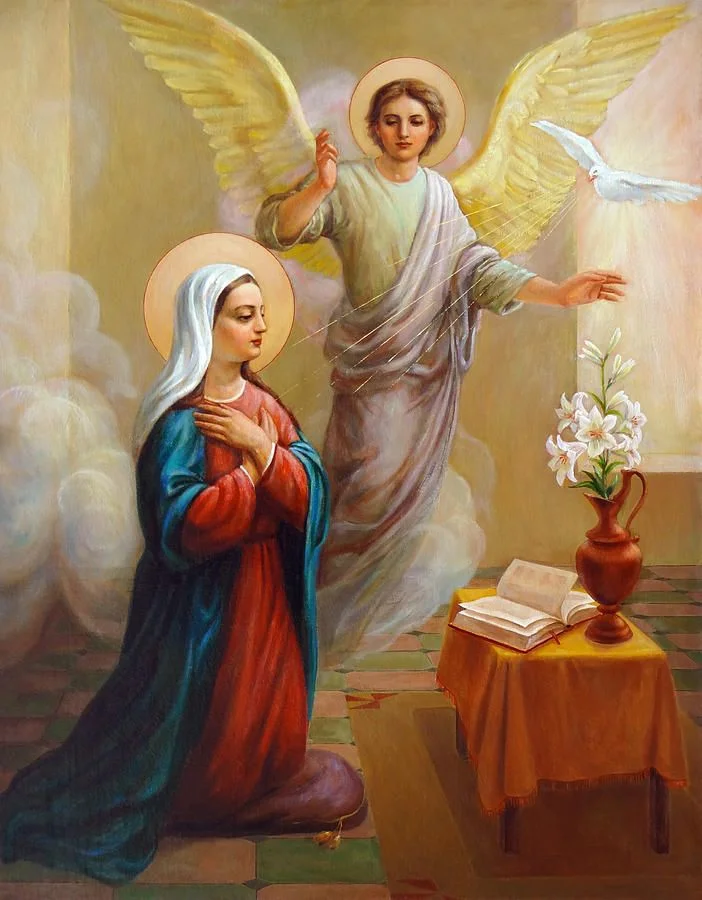
The Gospel of Luke provides further evidence of Mary's intercessory role. When the Angel Gabriel visited Mary to tell her she would bear the Son of God, he greeted her, saying, "Hail, full of grace, the Lord is with you" (Luke 1:28). This greeting acknowledges Mary's unique position as the one chosen by God to be the Mother of Jesus. π
The Catholic Church teaches that Mary's intercession is not a substitute for our direct relationship with God, but rather a way to enhance and deepen our connection to Him. It is through Mary that we can better understand and appreciate the love and mercy of our Heavenly Father. π
Another biblical example of Mary's intercession can be found at the foot of the Cross. While Jesus was dying, he entrusted his mother to the care of the Apostle John, saying, "Woman, behold, your son!" and to John, "Behold, your mother!" (John 19:26-27). In this moment, Jesus established Mary's role as the Mother of all believers, symbolizing her intercessory role in the life of the Church. π
Mary's intercession is not limited to her time on Earth but continues even in Heaven. The book of Revelation describes a vision of Mary appearing as the "woman clothed with the sun" who gives birth to a male child (Revelation 12:1-6). This image represents Mary's ongoing intercession for the Church and all believers. π
The Catholic Church teaches that Mary's intercession is so powerful that she can bring about miracles and healings. Countless testimonies and stories from believers all over the world attest to the miraculous intercession of the Blessed Virgin Mary in times of need. π
As Catholics, we are encouraged to turn to Mary in all aspects of our lives. Whether we are seeking guidance in our relationships, careers, or spiritual journeys, Mary is always there to intercede for us. Her love and compassion are boundless, and she desires nothing more than to lead us closer to her Son. πΉ
In conclusion, the intercession of the Blessed Virgin Mary is a beautiful aspect of the Catholic faith. Through her prayers and love, she brings us closer to Jesus and helps us experience His mercy and grace in our lives. May we always turn to Mary as our loving mother and seek her intercession in all our needs. π
What are your thoughts on the intercession of the Blessed Virgin Mary? Do you have any personal experiences or testimonies of her intercession in your life?
Updated at: 2023-08-05 13:20:08 (3 years ago by Melkisedeck Leon Shine)
Mary, Our Refuge in Times of Turmoil π
Mary, the beloved Mother of God, holds a special place in the hearts of Christians around the world. π She is not only a symbol of purity and grace but also a source of comfort and refuge in times of turmoil. πΉ
Just as a loving mother provides solace and protection for her child, Mary offers us a safe haven amidst the storms of life. π Her tender intercession can bring us peace and strength, helping us navigate through the challenging times we may face. πΊ
Throughout the Bible, we can find numerous examples of Mary's role as a refuge. In the Gospel of Luke, when the angel Gabriel appeared to her, she embraced her calling with unwavering faith, becoming the vessel through which God brought salvation to the world. πΏ
As a young girl, Mary must have faced immense uncertainty and fear when she was chosen to bear the Son of God. However, she trusted in God's plan and declared, "Behold, I am the handmaid of the Lord; let it be to me according to your word" (Luke 1:38). Her surrender to God's will teaches us the importance of trusting in His guidance even in the midst of turmoil. π
In the Gospel of John, we witness Mary's unwavering presence at the foot of the cross, where Jesus was crucified. Despite her own heartache, she stood as a beacon of strength and devotion, offering solace to her Son in His final moments. This exemplifies Mary's role as a refuge in times of deep sorrow and pain. πΉ
The Catechism of the Catholic Church beautifully describes Mary's role in our lives, stating, "By her complete adherence to the Father's will, to his Son's redemptive work, and to every prompting of the Holy Spirit, the Virgin Mary is the Church's model of faith and charity" (CCC, 967). Her unwavering faith serves as an inspiration for us to seek refuge in her loving embrace. πΊ
Saints throughout history have also recognized Mary's role as our refuge. Saint Bernard of Clairvaux once said, "In danger, in distress, in uncertainty, think of Mary, call upon Mary. She never leaves your lips; she never departs from your heart" π. This powerful statement reminds us of the constant presence of Mary in our lives, ready to offer us comfort and support.
Just as a loving mother guides her child through life's hardships, Mary guides us towards her Son, Jesus Christ. She intercedes for us before the throne of God, pleading for His mercy and protection. π
In the Gospel of John, Jesus, even in the midst of His suffering, ensures that Mary is cared for, saying to the disciple John, "Behold, your mother" (John 19:27). This moment emphasizes the profound importance of Mary as our spiritual mother and refuge. πΉ
The rosary, a beloved prayer in the Catholic tradition, allows us to seek solace and refuge in Mary's loving presence. As we meditate on the mysteries of Christ's life, we are reminded of Mary's unwavering faith and her ability to provide us with peace in times of turmoil. πΊ
The Virgin Mary, as Mother of God, remains a constant source of inspiration and refuge for Christians. She exemplifies the qualities of love, compassion, and faith that we strive to emulate in our own lives. π
Let us remember the words of Saint Maximilian Kolbe, who said, "Never be afraid of loving the Blessed Virgin too much. You can never love her more than Jesus did." π Our love and devotion to Mary can never overshadow our love for Jesus but rather deepens our relationship with Him. πΉ
In times of turmoil, turn to Mary with a humble and open heart. Seek her intercession and find peace in the shelter of her loving embrace. πΊ
Reflect on the words of Psalm 46:1, "God is our refuge and strength, a very present help in trouble." Mary, as a faithful disciple of God, leads us to this refuge and strengthens our faith in times of need. π
What are your thoughts and experiences with Mary as a refuge in times of turmoil? How has her presence in your life brought you comfort and strength? Share your thoughts below. ππΉπΊπ
Updated at: 2025-06-05 11:02:40 (1 year ago by Melkisedeck Leon Shine)
```htmlThis article explores the profound spiritual significance of consecration to the Immaculate Heart of Mary within the Catholic faith. We will analyze this devotion through the lens of theological principles, examining its impact on personal spirituality and its role in fostering a deeper relationship with God. Key concepts such as Marian devotion, sacramental theology, and the concept of divine grace will be central to this discussion.
Marian Devotion and the Immaculate Heart: Marian devotion, the veneration of Mary, mother of Jesus, is a cornerstone of Catholic tradition. The Immaculate Heart, symbolizing Mary's purity and unwavering love for God and humanity, is a potent focal point for this devotion. This devotion is not mere sentimentality; it's rooted in the belief that Mary's life and intercession provide a powerful pathway to divine grace and spiritual growth. This is supported by the theological understanding of the communion of saints, where the faithful believe in the interconnectedness of all believers, both living and deceased, in a shared spiritual journey.
Spiritual Transformation through Consecration: The act of consecrating oneself to the Immaculate Heart of Mary is an act of complete surrender and entrustment. This aligns with the theological principle of kenosis β the self-emptying of one's will to embrace God's will. This process fosters a strengthened relationship with Mary, seen as a spiritual mother, offering comfort, guidance, and protection (similar to the concept of maternal care in attachment theory). The psychological implications include increased feelings of security and empowerment.
Aligning with Divine Will: Mary's unwavering obedience to God's plan, as exemplified in the Magnificat (Luke 1:46-55), serves as a model for consecration. By consecrating oneself, one actively submits to God's plan, allowing for a deeper understanding of one's vocation and purpose. This surrender mirrors the theological concept of divine providence, recognizing God's active and guiding presence in human life.
Mary's Intercessory Role: The belief in Mary's intercession is central to Catholic theology. Her unique relationship with Christ grants her a powerful ability to bring prayers and petitions before God. Consecration enhances this intercession, strengthening the spiritual link between the individual and the divine. This echoes the concept of mediatorship, where Mary acts as a bridge between humanity and God.
Receiving Abundant Grace: Consecration opens the individual to the flow of grace, a free and undeserved gift from God. This grace strengthens faith, fosters virtue, and empowers spiritual growth. The sacramental nature of the consecration act underscores this belief in the tangible presence of grace.
Cultivating Devotion and Love: Consecration cultivates profound love and devotion to Mary. This deepening relationship facilitates spiritual growth by fostering empathy, compassion, and a heightened awareness of God's love. This mirrors the concept of spiritual maturity, characterized by a strong, loving bond with the divine.
Becoming an Instrument of God's Mission: Through consecration, individuals become active participants in Mary's mission, working to bring others closer to God. This reflects the call to discipleship and the importance of bearing witness to one's faith.
Scriptural Basis and Theological Support: The scriptural account of Mary's "Fiat" ("Let it be," Luke 1:38) lays the foundation for her role in salvation history. This is further supported by the Catechism of the Catholic Churchβs affirmation of the importance of Marian devotion, emphasizing her role as the "Mother of God".
Historical Examples and Miraculous Accounts: The lives of saints, such as Maximilian Kolbe, and accounts of miraculous events associated with Marian apparitions, like those at Fatima and Lourdes, highlight the powerful impact of devotion to the Immaculate Heart. These events can be seen through the lens of faith healing and the power of religious experience to transform lives.
Experiencing Shared Joy and Sorrow: Consecration involves sharing in both the joys and sorrows of Mary's life, particularly her suffering at the foot of the cross. This identification with Maryβs experiences facilitates spiritual growth through empathy and self-sacrifice.
Personal Transformation and Holiness: Through consecration, individuals strive to emulate Maryβs virtues: humility, purity, and obedience. This imitation cultivates spiritual transformation and promotes a life of greater holiness, reflecting a theological emphasis on sanctification.
Consecration to the Immaculate Heart of Mary is a profoundly transformative spiritual practice deeply rooted in Catholic theology and tradition. Through an analysis incorporating theological concepts like kenosis, divine grace, mediatorship, and the communion of saints, we have shown its power to strengthen faith, foster spiritual growth, and deepen the relationship with God. Further research could explore the psychological and emotional impacts of consecration using quantitative methodologies, such as surveys and questionnaires, to measure changes in participantsβ levels of faith, hope, and well-being. This would allow for a more comprehensive understanding of the holistic effects of this devotion, bridging the gap between spiritual and psychological realms. The applicability of this devotion is broad, reaching individuals seeking spiritual enrichment and a deeper connection with their faith.
Reader Pool: Considering the multifaceted nature of faith and spirituality, how might the integration of psychological research enhance our understanding and appreciation of the transformative power of consecration to the Immaculate Heart of Mary?
```
Updated at: 2025-06-23 08:34:23 (1 year ago by Melkisedeck Leon Shine)
Mary's Sorrows: A Framework for Understanding and Coping with Grief
Introduction: Defining Grief and the Significance of Marian Piety
Grief, a complex emotional and psychological response to loss, is a universal human experience. While the specifics vary based on individual circumstances and cultural context, the core elements β sadness, anger, guilt, and yearning β remain consistent. Attachment theory illuminates the profound impact of loss on our relational bonds, highlighting the enduring connection we maintain even after death. Furthermore, coping with grief involves navigating various stages, a process often modeled by KΓΌbler-Ross's five stages of grief (denial, anger, bargaining, depression, acceptance), although it's important to remember that this is not a linear or universally applicable model. Within the Catholic faith, the Virgin Mary's life, marked by profound sorrow, offers a powerful framework for understanding and coping with grief. This exploration will delve into the Seven Sorrows of Mary, analyzing their theological significance and their practical application in providing solace and guidance during personal times of bereavement.
The Seven Sorrows of Mary: Theological and Psychological Dimensions
The Catholic tradition venerates the Seven Sorrows of Mary, each representing a significant moment of suffering in her life. These sorrows are not merely historical events; they offer profound theological insights into the nature of suffering, faith, and redemption. Analyzing them through the lens of vicarious trauma, we recognize that Maryβs experience of witnessing and enduring intense emotional pain offers a powerful empathy-building experience for those grappling with their own loss. The seven sorrows, explored below, provide a systematic pathway for understanding the multifaceted nature of grief and for finding meaning amidst personal suffering. The sequential nature of these sorrows facilitates a chronological understanding of the grief process, emphasizing the intertwining of pain and hope, despair and faith.
1. The Prophecy of Simeon: Anticipating Loss and Finding Faith in Uncertainty
Simeon's prophecy, foretelling a sword piercing Mary's soul, prefigures the immense suffering to come. This introduces the concept of anticipatory grief, the emotional distress experienced in anticipation of an impending loss. Through Mary's unwavering faith despite this foreboding, we learn the importance of maintaining hope and spiritual strength even in the face of foreseen adversity. This resonates with resilience theory, which posits that individuals can find strength and coping mechanisms to navigate challenging situations. Maryβs acceptance of Simeon's prophecy models proactive grief management, allowing for emotional preparation for future pain.
2. The Flight into Egypt: Navigating Trauma and Finding Security in Divine Providence
The flight into Egypt highlights the impact of trauma and the importance of seeking refuge and safety. This episode exemplifies the effects of displacement and the disruption of security. However, Mary's reliance on God's providence demonstrates the power of faith in overcoming adversity. This aligns with the concepts of post-traumatic growth, where individuals find strength and positive transformation after experiencing significant trauma, and the protective effects of secure attachment, demonstrating that even in the most challenging situations, faith and trust in God's plan can foster a sense of security and hope.
3. The Loss of the Child Jesus in the Temple: Confronting Separation Anxiety and Trusting God's Guidance
Maryβs anguish at losing Jesus in the Temple illustrates the intense emotional experience of separation anxiety and the overwhelming fear associated with potential loss. This emphasizes the importance of accepting vulnerability and trusting in divine providence. This resonates with the concepts of the stages of grief where the intensity of feelings can cause intense worry and fear. The eventual reunion demonstrates the importance of trust and faith, illustrating that even in moments of despair, divine guidance can lead to reconciliation and renewed hope.
4. Mary's Encounter with Jesus on the Way to Calvary: Experiencing Empathetic Sorrow and the Power of Shared Suffering
Witnessing Jesus' suffering on the road to Calvary represents an experience of empathetic sorrow and profound emotional pain. This sorrow exemplifies vicarious traumatization, where witnessing the trauma of another person deeply affects the observer. However, Mary's presence alongside Jesus underscores the power of shared suffering and the strength found in mutual support during moments of extreme hardship. This demonstrates that shared experiences can foster resilience and strengthen interpersonal bonds.
5. The Crucifixion: Confronting the Ultimate Loss and Finding Meaning in Sacrifice
The crucifixion represents the ultimate loss and the profound grief associated with witnessing the death of a loved one. This experience demonstrates the capacity for human resilience in the face of immeasurable pain. Through Mary's unwavering faith and acceptance, we see the process of finding meaning in sacrifice. This aligns with the concept of meaning-making, whereby individuals find ways to reconcile with and interpret traumatic events to foster growth and healing.
6. The Deposition from the Cross: Processing Loss and Embracing the Act of Tenderness
The deposition from the cross emphasizes the visceral nature of grief and the importance of acknowledging the physicality of loss. Mary's act of holding Jesus' lifeless body underscores the need for physical and emotional release. This allows for the cathartic expression of grief and the acceptance of the reality of death. This resonates with therapeutic approaches that emphasize the importance of rituals and physical actions in the grieving process.
7. The Burial of Jesus: Accepting the Finality of Death and Embracing Hope for Resurrection
The burial of Jesus represents the final stage of acceptance and the transition from grief to hope. Mary's faith in the resurrection demonstrates the spiritual resilience that allows individuals to move forward and find peace despite the loss. This connects with the concept of spiritual resilience, which highlights the role of spiritual beliefs and practices in fostering hope and coping with adversity. The burial marks the end of one chapter and the anticipation of a new beginning, fostering hope for the future.
Finding Solace and Strength Through Mary's Example
Mary's journey of sorrow offers a profound model for navigating grief. Her unwavering faith, resilience, and compassionate empathy provide comfort and guidance to those experiencing loss. By exploring her sorrows, we gain valuable insights into the multifaceted nature of grief and discover strategies for finding meaning, hope, and strength during challenging times. Her example emphasizes the importance of faith, community support, and acceptance in fostering healing and personal growth.
Conclusion: Recommendations and Future Research
Maryβs example provides a powerful lens for understanding and navigating grief within a spiritual framework. Further research could explore the effectiveness of incorporating Marian devotion into grief counseling, analyzing its impact on emotional well-being and spiritual resilience among bereaved individuals. The study could utilize qualitative methods, such as interviews and thematic analysis, to capture the lived experiences of individuals who find solace in Mary's example. This research could contribute to the development of culturally sensitive and spiritually informed grief support interventions, particularly within Catholic communities. The findings could inform pastoral care practices and provide valuable insights into the intersection of faith, spirituality, and psychological well-being in the grieving process.
Reader Pool: How might a deeper understanding of Mary's sorrows, framed within established psychological and theological frameworks, enhance our approaches to grief counseling and pastoral care?
Updated at: 2023-08-05 13:19:31 (3 years ago by Melkisedeck Leon Shine)
The Blessed Virgin Mary: A Channel of God's Grace
"Hail Mary, full of grace, the Lord is with thee!" These words, spoken by the angel Gabriel, forever changed the course of human history. π
The Virgin Mary, the mother of Jesus, holds a special place in the hearts of Catholics around the world. She is seen as a channel of God's grace, a vessel through which His love and blessings flow. πΉ
In the Bible, we see numerous examples of Mary's role as a channel of God's grace. From the moment of the Annunciation, when she humbly accepted God's plan for her life, to the wedding at Cana, where she interceded on behalf of the newlyweds, Mary's presence was a source of blessing. π
One of the most profound biblical examples of Mary's role as a channel of God's grace can be found in the Magnificat, her beautiful prayer of praise and thanksgiving. In Luke 1:46-55, Mary proclaims, "My soul magnifies the Lord, and my spirit rejoices in God my Savior." This prayer reminds us that Mary's faith and trust in God allowed her to be open to His grace and love. π
The Catechism of the Catholic Church teaches us that Mary is "the Mother of God" and "the model of the Church's faith." She is not only the physical mother of Jesus, but also the spiritual mother of all believers. Through her maternal intercession, she brings us closer to her son and helps us grow in holiness. πΊ
Throughout history, countless saints and theologians have recognized the important role of Mary in our spiritual journey. St. Louis de Montfort, for example, wrote extensively about Mary's role as a channel of God's grace in his book "True Devotion to Mary." He encourages us to entrust ourselves to Mary's care, knowing that she will lead us closer to Jesus. β€οΈ
The devotion to the Blessed Virgin Mary is deeply rooted in the Catholic tradition. From the earliest centuries, Christians have looked to Mary as a source of comfort, guidance, and intercession. Her gentle presence and unwavering faith are a shining example for all believers. βͺ
Mary's unique role as the Mother of God sets her apart from any other human being. She was chosen by God to be the vessel through which His Son would enter the world, bringing salvation to all. As Catholics, we deeply honor and love Mary, recognizing her as a powerful advocate and intercessor before God. π
In the words of St. Bernard of Clairvaux, a great medieval saint, "Of Mary there is never enough." This simple yet profound statement reminds us that Mary's love and grace are limitless. No matter how much we turn to her, she always has more to give. π·
The Rosary, a beloved Catholic prayer, is a beautiful way to honor and seek the intercession of the Blessed Virgin Mary. Through meditating on the mysteries of Christ's life, death, and resurrection, we unite ourselves with Mary and open our hearts to God's grace. πΏ
The Catholic Church teaches that Mary's role as a channel of God's grace is not limited to the past. She continues to intercede for us and bring us closer to her Son in the present. Just as she stood at the foot of the cross, offering her love and support to Jesus, she stands with us in our joys and sorrows today. πΉ
As Christians, we are called to imitate Mary's faith, humility, and love for God. Just as she said "yes" to God's plan for her life, we too must surrender ourselves to His will and trust in His providence. Mary shows us that through our openness to God's grace, miracles can happen. π
The devotion to Mary is not meant to detract from our worship of God, but rather to enhance it. She leads us closer to her Son, pointing us always towards Jesus. In the words of Pope Francis, "The Church is like Mary, her mother and model: a Church that is a mother, that has children, that has a mother's heart." π
In conclusion, the Blessed Virgin Mary is indeed a channel of God's grace. Her complete trust in God, her unwavering faith, and her motherly love make her a powerful intercessor on our behalf. Let us turn to her with confidence, knowing that she will guide us closer to her Son and shower us with God's abundant grace. π
What are your thoughts on the Blessed Virgin Mary as a channel of God's grace? How has her presence influenced your spiritual journey? Share your reflections and experiences in the comments below. π
Updated at: 2023-08-05 13:20:31 (3 years ago by Melkisedeck Leon Shine)
Title: Mary, Our Lady of Czestochowa: Protector of Nations
Introduction: π Welcome, dear readers, to this enlightening discussion on the blessed Virgin Mary, Our Lady of Czestochowa. πΉ As devout Christians and Roman Catholics, we hold a deep reverence for Mary, the Mother of God, who has been venerated throughout history as a protector of nations. π Let us delve into the rich spiritual significance and the extraordinary symbolism associated with this beloved icon, and discover the profound role Mary plays in our lives and the world.
The Icon of Our Lady of Czestochowa: ποΈ The icon of Our Lady of Czestochowa holds a special place in the hearts of millions around the world. It depicts Mary holding the child Jesus and is believed to have been painted by St. Luke himself. Its miraculous preservation, despite numerous attempts to destroy it, is a testament to the divine protection and intercession of Mary.
The Black Madonna: πΉ Our Lady of Czestochowa is often referred to as the Black Madonna due to the darkened complexion of the icon. This unique feature is believed to be a result of the painting's exposure to soot over the centuries and is seen as a symbol of Mary's compassion for all races and ethnicities.
Protector of Nations: βοΈ Throughout history, many nations and people have turned to Our Lady of Czestochowa in times of crisis and conflict. Her intercession is believed to have brought about miraculous victories, protection, and peace. From the Battle of Jasna Gora in 1655 to the struggles of the Polish people against oppression, Mary's presence is seen as a guiding light in the darkest of times.
Biblical Examples of Mary's Intercession: π The Bible itself gives us glimpses of Mary's powerful intercessory role. At the wedding feast in Cana, Mary approached Jesus, informing him that the wine had run out. In response to her request, Jesus performed his first public miracle, turning water into wine (John 2:1-11). This miracle demonstrates Mary's intercession on behalf of the couple and showcases her compassionate nature.
The Role of Mary as the Mother of God: π As Roman Catholics, we firmly believe that Mary, as the Mother of God, holds a unique and exalted position in salvation history. She cooperated fully and willingly with God's plan, giving birth to Jesus Christ, the Son of God. Mary's perpetual virginity, as affirmed by the Catechism of the Catholic Church (CCC 499-501), symbolizes her complete dedication to God's will and her role as the spiritual mother of all believers.
Mary's Fiat: β¨ One of the most beautiful examples of Mary's faith and trust in God can be found in her response to the angel Gabriel's announcement of her impending motherhood. In Luke 1:38, Mary humbly declares, "Behold, I am the handmaid of the Lord; let it be done to me according to your word." Her unconditional "yes" to God's plan serves as an inspiration to all, reminding us of the importance of surrendering our lives to His divine will.
Mary's Immaculate Conception: πΊ Another crucial aspect of Mary's role as Our Lady of Czestochowa is her Immaculate Conception. As Roman Catholics, we believe that Mary was conceived without original sin, a privilege granted to her by God's grace. This purity and holiness make her an ideal vessel for God's divine plan, highlighting her unique ability to intercede for us before the throne of God.
The Rosary and Mary's Intercession: πΏ The Holy Rosary holds a special place in the devotion to Our Lady of Czestochowa. Through the joyful, luminous, sorrowful, and glorious mysteries, we meditate on the life of Jesus while seeking Mary's intercession. Pope Saint John Paul II, a devout follower of Our Lady of Czestochowa, emphasized the power of the Rosary in his encyclical, Rosarium Virginis Mariae.
Catholic Saints and Devotion to Mary: πΌ Many revered Catholic saints, including St. Maximilian Kolbe, St. Louis de Montfort, and St. John Damascene, have written extensively about Mary's role as a protector of nations and her powerful intercession. Their teachings and personal experiences further reinforce the significance of Our Lady of Czestochowa in our spiritual lives.
Mary's Universal Motherhood: π Our Lady of Czestochowa embraces all nations, races, and cultures as a loving mother. She reminds us of our shared humanity and calls us to embrace one another in love and unity. Just as Jesus entrusted his beloved disciple to Mary's care on the cross (John 19:26-27), she watches over all of us as her children.
Conclusion: π Our Lady of Czestochowa, the protector of nations, offers us solace, hope, and strength in our journey of faith. Let us draw inspiration from her unwavering trust in God's plan, her compassion for all peoples, and her powerful intercession. May Mary's presence in our lives guide us towards a deeper relationship with her Son, Jesus Christ, and may her love and protection bring peace to our troubled world. What are your thoughts on the profound role of Our Lady of Czestochowa? How has she touched your life or your nation?