Mary's Maternal Care for All God's Children
Updated at: 2023-08-05 13:19:58 (2 years ago by Melkisedeck Leon Shine)
Mary's Maternal Care for All God's Children ๐
Mary, the revered Mother of God, holds a special place in the hearts of Christians around the world. ๐
As a devout Catholic, I've always been inspired by Mary's maternal care for all of God's children. ๐น
It is important to understand that according to the Christian perspective, Mary was a perpetual virgin, meaning she did not have any other children except Jesus. This belief is rooted in biblical evidence and the teachings of the Catholic Church. ๐
In the Gospel of Luke, when the angel Gabriel appeared to Mary to announce that she would conceive and give birth to Jesus, Mary herself questioned how this would happen since she had no relations with a man. The angel reassured her, stating, "The Holy Spirit will come upon you, and the power of the Most High will overshadow you" (Luke 1:35). This reaffirms the Catholic belief that Mary remained a virgin even after giving birth to Jesus. ๐
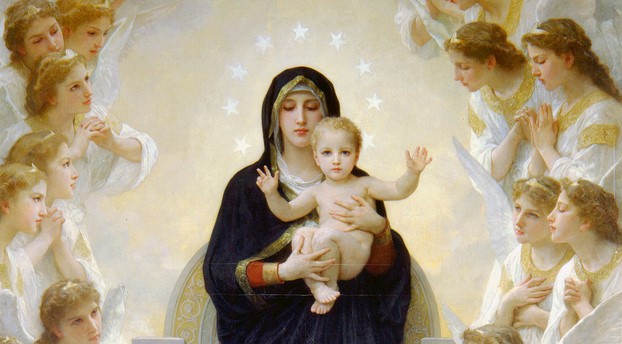
Mary's maternal care extends not only to Jesus but to all of God's children. Just as she nurtured and protected Jesus, she continues to intercede for us and offer her motherly love and care. ๐บ
In the Gospel of John, we witness Mary's concern for others when she accompanies Jesus to the wedding at Cana. When the wine runs out, she turns to Jesus and says, "They have no wine." Despite Jesus initially responding, "Woman, what does this have to do with me?" Mary's faith and trust in her son lead her to tell the servants, "Do whatever he tells you" (John 2:3-5). This demonstrates her unwavering love and concern for those in need. ๐ง
According to the Catholic Catechism, Mary's maternal role is not limited to her earthly life but continues in heaven. She is described as the "Mother of the Church" and the "Mother of all the living." This highlights her role as our spiritual mother, who intercedes for us and helps us grow in our relationship with God. ๐
Throughout history, numerous saints and spiritual leaders have looked to Mary as a source of inspiration and guidance. St. Louis de Montfort, a French priest, wrote extensively about Mary's role in our spiritual lives. He said, "Mary is the safest, easiest, shortest, and most perfect way of approaching Jesus." ๐น
Mary's maternal care can be seen in various Marian apparitions, where she has appeared to individuals, offering them comfort, guidance, and messages of hope. Examples include Our Lady of Lourdes, Our Lady of Guadalupe, and Our Lady of Fatima. These apparitions serve as a reminder of Mary's love and concern for all of humanity. ๐
Mary's maternal care is not limited to Catholics alone. Christians from various denominations also hold her in high esteem, acknowledging her unique role as the Mother of God. ๐
The Catholic Church teaches that Mary is our advocate and mediator before God. Just as a child may turn to their mother for support and help, we can turn to Mary with our prayers and seek her intercession. Her love and care for us are boundless. ๐
In the Book of Revelation, Mary is depicted as the "woman clothed with the sun," representing her role as the Queen of Heaven. This image signifies her exalted position in the heavenly realm as she reigns alongside her divine Son. โจ
It is important to emphasize that Mary's intercession does not replace our direct relationship with Jesus. Instead, she leads us closer to Him, guiding us in our spiritual journey. As the Catechism of the Catholic Church states, "Mary's role in the Church is inseparable from her union with Christ and flows directly from it" (CCC 964). ๐น
Mary's maternal care is a gift to all of God's children. Just as a loving mother cares for and protects her children, Mary does the same for us. We can turn to her with confidence and trust, knowing that she will intercede for us before her Son, Jesus. ๐
In conclusion, Mary's maternal care for all of God's children is a beautiful aspect of our faith. Her love, compassion, and intercession are truly remarkable. As a Christian Catholic, I encourage you to embrace Mary as your spiritual mother and seek her guidance and protection. How do you personally relate to Mary's maternal care? Share your thoughts and opinions below! ๐
Updated at: 2023-08-05 13:19:17 (2 years ago by Melkisedeck Leon Shine)
Experiencing Mary's Motherly Love and Care โค๏ธ๐
As a devoted Christian and a Roman Catholic, I have always felt a deep connection with the Virgin Mary, the Mother of God. Her unwavering love and care for humanity is truly inspiring, and experiencing her motherly presence in my life has brought me immense comfort and joy. Today, I would like to share with you 15 points that highlight the beautiful experiences I have had with Mary, and how she has impacted my spiritual journey. Let's embark on this uplifting journey together!
1๏ธโฃ Mary's Intercession: One of the most amazing aspects of Mary's love is her intercession on our behalf. Just as she interceded at the wedding in Cana (John 2:1-11), she intercedes for us to her Son, Jesus. Through her prayers, she has the power to obtain numerous graces for us from God.
2๏ธโฃ Protection and Guidance: Mary is like a loving mother who protects and guides her children. Just as she guided the shepherds to find the baby Jesus (Luke 2:15-20), she guides us on our spiritual journey, leading us closer to her Son.
3๏ธโฃ Maternal Comfort: Mary's love brings great comfort in times of sorrow and distress. Like a caring mother, she consoles us and offers solace, just as she did at the foot of the cross (John 19:25-27).
4๏ธโฃ Hail Mary: The Hail Mary is a powerful prayer that enables us to connect with Mary on a personal level. By reciting this prayer, we acknowledge her as our mother and ask for her intercession.
5๏ธโฃ Holy Rosary: The Holy Rosary is a beautiful devotion that allows us to meditate on the life of Jesus through the eyes of Mary. By praying the Rosary, we invite Mary into our lives and experience her motherly presence.
6๏ธโฃ The Assumption: The Assumption of Mary into heaven is a testament to her special role as the Mother of God. Her assumption gives us hope and reassurance that she is with us always, guiding and loving us.
7๏ธโฃ Apparitions: Throughout history, Mary has appeared to various individuals, offering messages of love, hope, and conversion. These apparitions serve as a reminder of her constant presence and care for humanity.
8๏ธโฃ Miracles and Healings: Many miraculous healings and interventions have been attributed to Mary's intercession. These extraordinary events remind us of her powerful love and her ability to bring about divine interventions in our lives.
9๏ธโฃ Mary as the New Eve: Just as Eve played an integral role in the fall of humanity, Mary, as the New Eve, played a pivotal role in our redemption through her Fiat (Luke 1:38). Her obedience and love for God make her an exemplary figure of faith.
๐ Devotion to Mary: Devotion to Mary is a key aspect of Roman Catholic spirituality. Through practices such as consecration to Mary and attending Marian pilgrimages, we deepen our relationship with her and experience her motherly love more profoundly.
1๏ธโฃ1๏ธโฃ Divine Motherhood: Mary's title as the Mother of God highlights her unique and exalted role in salvation history. This divine motherhood gives us a glimpse into the depths of her love and care for each one of us.
1๏ธโฃ2๏ธโฃ The Catechism of the Catholic Church: The Catechism beautifully describes Mary's role as the mother of believers and her constant intercession for us. It teaches us to turn to her in times of need and to seek her guidance on our spiritual journey.
1๏ธโฃ3๏ธโฃ The Saints' Devotion: Many Catholic saints, such as St. Louis de Montfort and St. Maximilian Kolbe, had a deep devotion to Mary and experienced her motherly love firsthand. Their writings and testimonies inspire us to deepen our own devotion to her.
1๏ธโฃ4๏ธโฃ The Rosary as a Weapon: The Rosary is often referred to as a spiritual weapon, capable of bringing about tremendous graces and spiritual victories in our lives. Through the Rosary, we invoke Mary's intercession and experience her motherly love and protection.
1๏ธโฃ5๏ธโฃ Personal Testimonies: Countless individuals have shared powerful testimonies of experiencing Mary's love and care in their lives. These personal stories serve as a testament to her maternal presence and the transformative power of her love.
In conclusion, experiencing Mary's motherly love and care has been a profound blessing in my life. Through her intercession, guidance, and comfort, she has deepened my faith and brought me closer to her Son, Jesus. I encourage you to open your heart to Mary's love and to seek her intercession in your own spiritual journey. Have you had any personal encounters with Mary's motherly love? How has she impacted your life? I would love to hear your thoughts and experiences. ๐น๐
Updated at: 2023-08-05 13:20:00 (2 years ago by Melkisedeck Leon Shine)
The Power of Consecrating Our Lives to Mary
๐ Introduction: The Virgin Mary holds a special place in the heart of every Christian Catholic. She is the Mother of God, chosen by God Himself to give birth to our Savior, Jesus Christ. Consecrating our lives to Mary means dedicating ourselves entirely to her, seeking her intercession and guidance in our daily struggles and triumphs.
๐ The Example of the Saints: Throughout history, numerous Catholic saints have consecrated their lives to Mary. They recognized her as a powerful intercessor and relied on her maternal love. Saint Louis de Montfort, for example, spoke of total consecration to Mary as a way to become a "slave of love" to Jesus through her. By imitating the saints, we can learn the transformative power of consecrating our lives to Mary.
๐ Our Spiritual Mother: Consecrating our lives to Mary means acknowledging her as our spiritual mother. Just as Jesus entrusted His beloved disciple John to Mary at the foot of the cross (John 19:26-27), we too can entrust ourselves to her loving care. The Catechism of the Catholic Church teaches that Mary's motherhood extends to all disciples of her Son, making her a universal spiritual mother to all believers (CCC 963).
๐น Mary as Our Intercessor: Mary's role as our heavenly advocate is a powerful reason to consecrate our lives to her. In the wedding at Cana, she interceded on behalf of the newlyweds when they ran out of wine (John 2:1-11). Just as she brought their need to Jesus, she brings our petitions to Him as well. By consecrating ourselves to Mary, we open ourselves to her powerful intercession in our lives.
๐ Biblical Examples: The Bible gives us various examples of individuals consecrating their lives to God through Mary's intercession. In Luke 1:38, Mary responds to the angel Gabriel's message by saying, "Behold, I am the handmaid of the Lord; let it be done to me according to your word." Her complete surrender to God's will serves as an inspiration for us to consecrate our lives to her, allowing her to guide us closer to Jesus.
๐ The Rosary: Consecrating our lives to Mary often involves a deep devotion to the Rosary. This powerful prayer allows us to meditate on the significant moments of Jesus' life as seen through Mary's eyes. Through the Rosary, we can unite ourselves with Mary's heart, drawing closer to Jesus and experiencing His love and mercy in a profound way.
๐ The Graces of Consecration: When we consecrate our lives to Mary, we open ourselves to a multitude of graces. Saint Maximilian Kolbe, a Franciscan friar and martyr, believed that by entrusting ourselves to Mary, we become instruments in her hands to bring about the conversion and sanctification of souls. Mary desires to lead us to her Son and shower us with His grace.
๐ The Influence of Mary: Consecrating our lives to Mary allows her to have a profound impact on our spiritual journey. Saint Teresa of Calcutta, also known as Mother Teresa, once said, "If you ever feel distressed during your day, call upon our Lady, just say this simple prayer: 'Mary, Mother of Jesus, please be a mother to me now.'" By inviting Mary into our lives, we allow her to guide us through both the joys and challenges we face.
๐ Mary's Assumption: The dogma of the Assumption of Mary teaches us that she was taken body and soul into heaven at the end of her earthly life. As Catholics, we believe that Mary's Assumption shows us the destiny that awaits all those who faithfully follow Christ. By consecrating our lives to Mary, we align ourselves with her example and hope for the ultimate union with God in heaven.
๐ The Joy of Consecration: Consecrating our lives to Mary brings immense joy and peace. Saint John Paul II once said, "Do not be afraid of loving Mary too much. You can never love her more than Jesus did." When we consecrate our lives to Mary, we experience the love of a mother who points us towards her Son, leading us to a deeper relationship with Him.
๐น Through Mary to Jesus: Consecrating our lives to Mary does not mean worshiping her, as some misunderstand. Rather, it is an acknowledgment of her unique role in salvation history and a way to draw closer to Jesus. Just as Mary pointed others to Jesus during His earthly life, she continues to do so today. By consecrating ourselves to her, we allow her to guide us to an intimate relationship with her Son.
๐ Mary's Fiat: Mary's "yes" to God's plan is a profound example of trust and surrender. By consecrating our lives to Mary, we follow in her footsteps and imitate her complete submission to God's will. Like Mary, we can say "yes" to God's plan for our lives, trusting that He will guide us and fulfill His promises.
๐ Consecration Prayer: One of the most popular prayers for consecrating our lives to Mary is the "Act of Consecration to Mary" composed by Saint Louis de Montfort. This beautiful prayer acknowledges Mary as our Queen and asks for her guidance and protection. By praying this prayer daily, we deepen our consecration and open ourselves to Mary's loving care.
๐ Life Transformed: Consecrating our lives to Mary is a transformative journey. Just as Mary's life was completely changed when she received the message of the angel Gabriel, our lives too can be transformed by her intercession and guidance. By consecrating ourselves to her, we invite her into every aspect of our lives, allowing her to mold us into the image of her Son.
๐ Conclusion: The power of consecrating our lives to Mary is immeasurable. She is our advocate, our guide, and our loving mother. By entrusting ourselves to her, we experience a deep and intimate union with Jesus. As we reflect on the examples of the saints, the teachings of the Church, and the words of Scripture, let us consider consecrating our lives to Mary and invite her to journey with us towards holiness. What are your thoughts on consecrating our lives to Mary? How has she impacted your spiritual journey?
Updated at: 2025-06-05 10:20:04 (8 months ago by Melkisedeck Leon Shine)
This essay explores the theological concept of Mary's divine motherhood, a central tenet of Catholic faith. We will analyze its scriptural basis, its implications for ecclesiology (the study of the Church), and its ongoing relevance for contemporary spiritual life. Key concepts include the Immaculate Conception (Mary's conception without original sin), Theotokos (God-bearer, a title for Mary), and Mariology (the study of Mary's role in salvation history).
1. Scriptural Foundation and the Annunciation: The Gospel accounts of the Annunciation (Luke 1:26-38) and the Nativity (Luke 2:1-7) provide the scriptural foundation for understanding Mary's role. Luke's narrative emphasizes Gabriel's announcement to Mary of her divinely ordained motherhood. Applying the theological principle of divine election, we see Mary chosen, not because of any inherent merit, but purely through God's grace. This election is a pivotal moment in salvation history, prefiguring the Incarnation itself. The angelโs words establish Mary's unique status: "You will conceive and give birth to a son, and you are to call him Jesus. He will be great and will be called the Son of the Most High." This declaration directly establishes the core of the Marian dogma.
2. Mary as Theotokos and the Council of Ephesus: The title Theotokos ("God-bearer"), affirmed at the Council of Ephesus (431 AD), solidifies the understanding of Mary's role in the Incarnation. This council definitively established the orthodox Christological position, affirming the full divinity and humanity of Jesus Christ. Mary's role as Theotokos is not merely metaphorical; it signifies her active participation in the divine plan of salvation. This concept is rooted in the hypostatic union, the theological principle that the divine and human natures are united in the single person of Christ. Mary's motherhood, therefore, is not just a human event; itโs intrinsically connected to the central mystery of the Christian faith.
3. Marian Intercession and the Cana Wedding: The event at the wedding feast at Cana (John 2:1-11) exemplifies Mary's intercessory role. Her instruction to the servants, "Do whatever he tells you," demonstrates her unwavering trust in Jesus' authority and her concern for others' needs. This showcases the model of Marian intercessionโnot a bypassing of Christ's mediation but a collaboration within the salvific economy. This aligns with the concept of mediatrix, often associated with Mary, understanding it not as a rival to Christ's unique mediation, but as a participant in the same economy of salvation.
4. Mary's Perpetual Virginity: The belief in Mary's perpetual virginity, while not explicitly detailed in scripture, is a deeply held belief within Catholic tradition. The Gospel of Matthew (Matthew 1:25) indicates that Joseph did not consummate the marriage until after the birth of Jesus. This, combined with theological interpretations, reinforces the doctrine of perpetual virginity, viewing it as a symbol of Mary's complete consecration to God and her unique role in salvation history. This perspective is understood within the framework of theological anthropology, emphasizing the unique and sacred character of Mary's person.
5. Mary's Role in Ecclesiology: The Second Vatican Council's Lumen Gentium significantly addressed Mary's role in the Church. Mary is presented as a model of faith and obedience, a spiritual mother to the Church, and an intercessor. Her role, however, is always understood in its essential relationship with Christ. Mary's motherhood is seen as an instrument within Godโs plan of salvation, not as an independent or competing force. This highlights the importance of maintaining the correct balance between Christocentrism and the veneration of Mary.
6. Mary as a Model for Christian Life: Mary's life, characterized by faith, obedience, and humility, serves as an example for all Christians. Her unwavering trust in God's plan, even in the face of significant challenges, presents a powerful example of faithful discipleship. This embodies the theological concept of Imitatio Christi (the imitation of Christ), showing that Maryโs life provides a path towards a deeper relationship with Christ.
7. Contemporary Relevance and Ongoing Devotion: Devotion to Mary continues to be a significant aspect of Catholic life. The belief in her maternal care and intercession provides comfort and hope for many. However, this devotion must always remain rooted in Christocentric theology. The importance of fostering correct Marian piety, avoiding any potential imbalances, is central to ensuring the faithful maintain a proper understanding of Maryโs role in the divine economy.
Conclusions and Recommendations: The Marian dogma, rooted in scripture and solidified by theological reflection, presents a complex and multifaceted understanding of Mary's role in salvation history. Her divine motherhood is intrinsically linked to the Incarnation and Christ's redemptive work. A proper understanding of this dogma requires a deep appreciation for its scriptural basis, its articulation within the councils of the Church, and its ongoing relevance for Christian life. Further research could explore the diverse theological perspectives on Marian doctrines, analyzing their historical development and their contemporary implications for ecumenical dialogue. Moreover, exploring the cultural and sociological aspects of Marian devotion across different regions and communities could provide a more comprehensive understanding of the richness and complexities of this tradition. The emphasis should always remain on the Christocentric nature of faith, with Marian devotion understood as a path that leads to a deeper relationship with Jesus Christ. Maintaining this focus will help to prevent any potential misinterpretations or imbalances within the theological framework.
Reader Pool: How might a more nuanced understanding of the Marian dogma contribute to a more fruitful interfaith dialogue, particularly in addressing potential theological differences?
Updated at: 2023-08-05 13:19:15 (2 years ago by Melkisedeck Leon Shine)
Mary: Our Advocate and Protector
๐น๐ The role of Mary in the Catholic faith is one that holds great significance and importance. As the Mother of God, she is not only a revered figure but also an advocate and protector for all believers. Let us delve into the reasons why Mary is such a beloved and cherished figure in our spiritual journey.
1๏ธโฃ Mary's unique role as the Mother of God sets her apart from any other woman in history. As stated in Luke 1:43, Elizabeth proclaims, "And why has this happened to me, that the mother of my Lord comes to me?" Mary is not just the mother of Jesus, but the mother of our Lord and Savior.
2๏ธโฃ Throughout the Bible, we see Mary's unwavering faith and obedience to God's will. When the angel Gabriel appeared to her and announced that she would conceive and bear a son, she humbly accepted, saying, "Behold, I am the handmaid of the Lord; let it be to me according to your word" (Luke 1:38). Mary's submission to God's plan serves as an example for us to trust in His divine guidance.
3๏ธโฃ Mary's intercession on behalf of humanity is a testament to her role as our advocate. Just as she interceded at the wedding at Cana, saying to Jesus, "They have no wine" (John 2:3), she continues to intercede for us in heaven, presenting our needs to her Son.
4๏ธโฃ The Catechism of the Catholic Church reveals Mary's intercessory role, stating that "The Virgin Mary is the Church's model of faith and charity." Her prayers are not only heard by God but are also powerful in obtaining graces for us.
5๏ธโฃ One of the most well-known prayers in Catholicism, the Hail Mary, exemplifies our devotion to Mary. In this prayer, we honor her as the "Mother of God" and ask for her intercession, saying, "Pray for us sinners, now and at the hour of our death."
6๏ธโฃ The saints of the Catholic Church also recognized the importance of Mary in our spiritual journey. St. Louis de Montfort wrote, "Mary is the safest, easiest, shortest and most perfect way of approaching Jesus." By seeking her guidance and protection, we draw closer to Christ.
7๏ธโฃ Mary's role as our protector is evident in her title as the "Queen of Heaven." Just as a queen protects and cares for her subjects, Mary watches over us, ensuring our spiritual well-being.
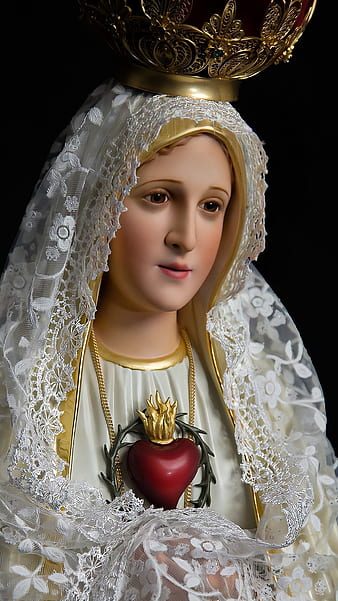
8๏ธโฃ The devotion to the Immaculate Heart of Mary reminds us of her deep love for humanity. In this devotion, we offer our prayers and acts of reparation to console her heart, wounded by the sins of humanity.
9๏ธโฃ The significance of Mary's perpetual virginity is often misunderstood. The Catholic Church teaches that Mary remained a virgin before, during, and after the birth of Jesus. This emphasizes her complete dedication to God and her unique role as the Mother of God.
๐ The love and respect for Mary extend beyond the Catholic Church. In the Orthodox tradition, Mary is venerated as the Theotokos, meaning "God-bearer." This title emphasizes her role in giving birth to Jesus, who is fully God and fully human.
1๏ธโฃ1๏ธโฃ Mary's role as our advocate does not diminish the importance of Jesus as our sole mediator. Rather, Mary leads us to Jesus and helps us deepen our relationship with Him. As St. Maximilian Kolbe once said, "Never be afraid of loving the Blessed Virgin Mary too much. You can never love her more than Jesus did."
1๏ธโฃ2๏ธโฃ The devotion to Mary is not an obstacle but a means to grow closer to Christ. By seeking her guidance and protection, we acknowledge our need for the intercession of the saints and the communion of saints.
1๏ธโฃ3๏ธโฃ Through Mary's immaculate heart, we are reminded of the purity and holiness that we should strive for in our own lives. Her example challenges us to embrace virtue and reject sin.
1๏ธโฃ4๏ธโฃ The Visitation, when Mary visited her cousin Elizabeth, is a beautiful example of Mary's role as our advocate. As Elizabeth exclaimed, "Blessed are you among women, and blessed is the fruit of your womb!" (Luke 1:42), we too are blessed by Mary's intercession.
1๏ธโฃ5๏ธโฃ In conclusion, Mary holds a special place in our faith as our advocate and protector. Her unwavering faith, obedience to God's will, and intercessory role make her a beloved figure in our spiritual journey. Embracing her as our mother and seeking her guidance leads us closer to Jesus and deepens our relationship with Him.
What are your thoughts on Mary's role as our advocate and protector? How has her intercession impacted your spiritual life?
Updated at: 2025-06-27 10:09:23 (7 months ago by Melkisedeck Leon Shine)
Mary as the New Eve: Restoring Humanity's Relationship with God
Introduction: A Theological Exploration of Marian Theology
This essay explores the pivotal role of Mary, the mother of Jesus, within Catholic theology, specifically examining her significance as the "New Eve." This concept rests on the juxtaposition of Eve's actions in the Garden of Eden, leading to humanity's estrangement from God, and Mary's actions, which facilitate humanity's reconciliation with the divine. Key concepts central to this analysis include the Immaculate Conception, Mary's fiat, and her role as intercessor, all viewed through the lens of theological anthropology and soteriology (the study of salvation). We will analyze these through the application of relevant theological principles and models, demonstrating their practical impact on the believer's spiritual journey.
The Immaculate Conception: A Foundation of Purity
The doctrine of the Immaculate Conception posits that Mary was conceived without original sin. This unique state of grace, absent in all other humans except Jesus, is crucial. It establishes Mary as a fitting vessel for the Incarnation โ the embodiment of God in human form. This concept aligns with the theological principle of prevenient grace, suggesting a divine preparation paving the way for Christ's arrival. The Immaculate Conception, therefore, isn't merely a historical event but a theological necessity, highlighting God's proactive role in initiating humanity's redemption.
Mary's Fiat: Obedience as the Counterpoint to Disobedience
Mary's "fiat" โ "Let it be to me according to your word" (Luke 1:38) โ stands in stark contrast to Eve's disobedience. This act of complete surrender to God's will, exemplified in her acceptance of the Annunciation, represents a pivotal moment in salvation history. This can be analyzed through the lens of virtue ethics, emphasizing the significance of obedience as a cardinal virtue, crucial for the success of God's plan. Mary's obedience reverses the course of human history, initiating a new covenant based on faith and love, rather than on rebellion and self-will.
The Annunciation and the Incarnation: Reversal of the Fall
The Annunciation, the moment Gabriel announces Mary's role in bearing the Son of God, is presented theologically as a direct counterpoint to the Fall in the Garden of Eden. While Eve's disobedience brought sin and death, Mary's obedience initiates the triumph over sin and death through the Incarnation. This signifies a powerful reversal of the narrative of humanity's relationship with God, from separation to reconciliation. This parallels the concept of "kenosis," the self-emptying of God in becoming human, mirroring Maryโs self-giving in her fiat.
Mary as Intercessor: Advocate for Humanity
Throughout scripture and tradition, Mary is depicted as an intercessor, advocating for humanity before God. Her role at the wedding at Cana (John 2:1-11), where she prompts Jesus' first miracle, illustrates her compassionate concern for humanityโs needs. This resonates with the concept of mediatorship within Christian theology, where Mary acts as a bridge, facilitating communication and petitioning for grace and mercy on behalf of humanity. This mediating role is not meant to replace Christ's role as sole mediator, but it complements and amplifies His saving work.
Mary as Mother of the Church: Spiritual Motherhood
Jesus' entrusting of Mary to John, and by extension to the whole of humanity ("Woman, behold your son" John 19:26-27), establishes Mary as the spiritual Mother of the Church. This concept of spiritual motherhood reflects Maryโs role as nurturing and guiding the faithful on their journey toward God. This spiritual maternity is not a biological one but a spiritual bond, emphasizing her continuous guidance, protection, and intercession for believers in their spiritual lives.
Marian Titles: Reflecting Diverse Aspects of Her Role
Various titles attributed to Mary, such as "Queen of Heaven and Earth," "Blessed Virgin Mary," and others, each highlight a different facet of her role within the theological framework of the Catholic Church. These titles reveal a layered understanding of Maryโs significance, expressing her unique relationship with God and her crucial role in the redemptive work of Christ. They serve as theological affirmations reflecting the richness and depth of Marian devotion across centuries and theological traditions.
Mary's Assumption: A Glimpse of Eternal Life
The dogma of the Assumption, stating that Mary was taken body and soul into Heaven, signifies the ultimate reward for her faith and obedience. It stands as a powerful symbol of the hope of eternal life for all believers and exemplifies the triumph of grace over death, further demonstrating that the promise of salvation is ultimately victorious.
Devotions such as the Rosary: A Path to Spiritual Growth
Devotions like the Rosary, which involve meditating on the mysteries of Christ's life through the lens of Mary's experience, provide structured opportunities for spiritual growth and prayer. This highlights the importance of contemplative practices in nurturing the relationship between God and humanity, and underscores Mary's role as a model of faith and contemplation.
The Catechism and Sainthood: Affirmations of Theological Understanding
Both the Catechism of the Catholic Church and the testimonies of numerous saints reaffirm the significance of Mary's role in salvation history. These provide consistent theological articulation and personal witness, solidifying the doctrinal position within the larger context of Catholic belief and practice.
Conclusion and Recommendations: Implications and Future Research
Mary's role as the New Eve provides a powerful theological framework for understanding humanity's restoration with God. Her example of complete obedience, coupled with her compassionate intercession, offers a model of faith and devotion for believers today. Further research could explore the comparative analysis of Mary's role across different Christian denominations and traditions, offering a broader interfaith perspective on her significance. Additionally, investigating the impact of Marian devotion on various aspects of Christian life, such as social justice and ethical decision-making, would prove insightful. Finally, examining the psychological and spiritual benefits of Marian devotion and prayer on personal well-being could open new avenues of interdisciplinary research.
Reader Pool: What are the potential limitations or challenges in applying the โNew Eveโ paradigm to contemporary understandings of gender and equality within theological discussions?
Updated at: 2025-06-23 17:12:27 (7 months ago by Melkisedeck Leon Shine)
```htmlThis article examines the purported miracles associated with Marian shrines, exploring the interwoven sociological and theological frameworks that contribute to their enduring significance. We will define key concepts to establish a robust analytical foundation. A miracle, within this context, is defined as an extraordinary event attributed to divine intervention, defying established natural laws. A Marian shrine designates a sacred site associated with apparitions or significant events related to the Virgin Mary. Intercession refers to Mary's mediating role between humanity and God within Catholic theology. This analysis will draw upon relevant sociological theories, such as Durkheim's concept of collective effervescence, to understand the shared experience of faith at these sites, and psychological perspectives on the placebo effect and faith healing. Further, we will explore theological interpretations of Marian apparitions and their place within Catholic doctrine, employing a multi-disciplinary approach to comprehensively analyze this complex phenomenon.
Marian shrines serve as potent centers of Catholic faith, attracting millions of pilgrims annually. Their persistent appeal can be effectively analyzed through Durkheim's theory of collective effervescence, which posits that shared religious experiences generate heightened emotional and social energy. The collective belief in Mary's intercession and the possibility of miracles fosters a powerful sense of community and shared purpose amongst pilgrims. This shared experience reinforces individual faith, creating a context conducive to reported miraculous healings and spiritual transformations. Empirical evidence, including numerous testimonials of healing and spiritual renewal at these shrines, supports this sociological interpretation. Furthermore, the well-documented psychological phenomenon of the placebo effect plays a significant role in perceived healings; the profound faith and expectation of healing can stimulate the body's inherent restorative mechanisms. This interaction between faith, social context, and physiological response demonstrates the complexity of understanding reported miracles.
Catholic doctrine provides a framework for understanding Marian apparitions and their purported miraculous effects. The belief in Mary's intercession is central to Catholic theology, positioning her as a powerful advocate mediating between humanity and God. This theological framework influences the experiences at Marian shrines, offering hope for healing and restoration to those suffering physically, emotionally, or spiritually. Reported conversions at these sites underscore the transformative power of faith, emphasizing Mary's pivotal role in individuals' spiritual journeys. The interpretation of Marian apparitions varies, with some emphasizing their literal truth and others focusing on their symbolic and spiritual significance. This theological diversity underscores the complexity of interpreting purported miracles within a religious framework.
Several prominent Marian shrines illustrate these dynamics. Our Lady of Guadalupe in Mexico City, with its iconic image deeply embedded in Mexican national identity, attracts immense pilgrimage, highlighting the intersection of religious faith and cultural identity. Lourdes, France, with its reported miraculous healing waters, exemplifies the intertwining of faith, expectation, and potential psychosomatic effects, drawing millions seeking physical cures. Fatima, Portugal, with its reported "Miracle of the Sun," exemplifies the impact of mass witnessed events on faith and belief systems. Similar collective experiences are reported at Medjugorje, Bosnia and Herzegovina, with its ongoing apparitions, and Knock, Ireland, where the silent apparition offered comfort and solace. These diverse case studies reveal the transcultural appeal and multifaceted nature of Marian shrines.
The recitation of the rosary, a cornerstone devotional practice at numerous Marian shrines, holds profound significance. This repetitive prayer fosters a meditative state, potentially contributing to spiritual experiences and feelings of peace and comfort. Furthermore, the Rosary of the Seven Sorrows allows individuals to connect their own struggles to Mary's suffering, finding solace in her strength. The fervent prayer and devotion at these sites are often considered to strengthen the potential for divine intervention, leading to reported miracles of healing and conversion. These ritualistic practices contribute to the overall spiritual atmosphere and social cohesion within the shrine community.
The act of pilgrimage itself represents a significant spiritual journey. The travel to a Marian shrine provides a period for introspection, prayer, and respite from daily life's stressors. This period of focused devotion can foster profound spiritual growth, deepening an individual's relationship with God and strengthening faith. The social interaction among fellow pilgrims further enhances the transformative impact of pilgrimage. This transformative power is not solely limited to religious experience, but also encompasses social and psychological benefits, such as enhanced social bonding and increased self-reflection.
The purported miracles associated with Marian shrines represent a complex interplay of faith, collective belief, psychological mechanisms, and theological interpretations. While scientific inquiry can provide explanations for some reported healings, the enduring power of these sites stems from their capacity to foster strong communities, shared experiences, and profound spiritual transformations. Future research employing mixed-methods approachesโcombining quantitative analysis of reported healings with qualitative studies exploring pilgrims' subjective experiencesโcould offer a more comprehensive understanding of these multifaceted phenomena. Further investigation should also explore the cultural and socio-economic contexts that shape the popularity and perceived efficacy of Marian shrines in diverse settings.
This analysis indicates that the significance of Marian shrines extends beyond the literal interpretation of miracles. The spiritual and social benefitsโstrengthened faith, community bonding, and emotional healingโhighlight their critical role in religious practice. These findings underscore the importance of continued theological reflection on Mary's role within the Church and ongoing interdisciplinary study of faith-based healing and community building. A broader perspective integrating theological, sociological, and psychological lenses is crucial for a complete understanding.
Reader Pool: Considering the intricate interplay of faith, psychology, and sociology within the context of Marian shrines, how might future research better integrate these disciplines to provide a more holistic understanding of the reported phenomena and their impact on individuals and communities?
```
Updated at: 2023-08-05 13:19:54 (2 years ago by Melkisedeck Leon Shine)
Mary's Role as the New Eve: Restoring Humanity's Relationship with God ๐น
Introduction: As a devout Catholic, I find great joy in exploring the profound role that Mary, the Mother of God, plays in restoring humanity's relationship with God. Just as Eve played a significant role in the fall of mankind, Mary, as the New Eve, brings hope, redemption, and restoration through her obedience to God's will.
The Immaculate Conception โจ: One of the most significant aspects of Mary's role is her Immaculate Conception. Unlike any other human being, Mary was preserved from the stain of original sin from the moment of her conception in her mother's womb. This purity allowed her to become the vessel through which God would enter our world.
Mary's Fiat ๐: In the Gospel of Luke, Mary's response to the angel Gabriel's message is a testament to her faith and obedience. She said, "Behold, I am the handmaid of the Lord; let it be to me according to your word" (Luke 1:38). Mary's fiat, her complete surrender to God's will, allows the divine plan of salvation to unfold.
The Annunciation โจ: At the moment of the Annunciation, when the angel Gabriel appeared to Mary, she was asked to become the mother of the Son of God. This event parallels the fall of Adam and Eve in the Garden of Eden. While Eve succumbed to temptation and disobeyed God, Mary's obedience brought forth the Savior of the world, Jesus Christ.
Mary, the New Ark of the Covenant ๐: In the Old Testament, the Ark of the Covenant was a sacred vessel that held the presence of God among His people. Likewise, Mary becomes the New Ark of the Covenant, carrying within her the Word made flesh. Just as the Ark was revered and honored, we, too, honor Mary as the Mother of God and venerate her as the channel of God's grace.
The Visitation ๐ท: During Mary's visitation to her cousin Elizabeth, the unborn John the Baptist leaped in Elizabeth's womb. This encounter highlights Mary's role as the bearer of grace and the sanctifier of souls. Elizabeth exclaimed, "Blessed are you among women, and blessed is the fruit of your womb!" (Luke 1:42).
Mary, the Intercessor ๐: Throughout the centuries, countless saints and theologians have recognized Mary's powerful intercession. Just as she interceded at the wedding feast of Cana, where Jesus performed His first miracle, Mary continues to intercede for us before her Son. She is a loving mother who desires to bring our needs before God's throne of grace.
Mary, Our Mother โค๏ธ: Jesus, while dying on the cross, entrusted Mary to the disciple whom He loved, saying, "Behold, your mother" (John 19:27). By this act, Jesus gave Mary to all humanity as our heavenly mother. Just as any loving mother cares for her children, Mary cares for us and guides us on our spiritual journey towards God.
Mary, the Queen of Heaven and Earth ๐: The Catholic Church recognizes Mary's exalted role as the Queen of Heaven and Earth. This title emphasizes her close union with Jesus and her role in the eternal kingdom. Just as a queen exercises influence and authority, Mary's intercession and maternal care extend to all corners of the world.
The Assumption into Heaven ๐: According to Catholic belief, Mary was assumed body and soul into Heaven at the end of her earthly life. This dogma emphasizes her unique role in our salvation and reminds us of the rewards that await us in eternity. Mary's assumption inspires us to strive for holiness and to hope for eternal life with God.
The Rosary ๐ฟ: The Rosary is a powerful devotion in the Catholic Church that leads us closer to God through the intercession of Mary. By meditating on the mysteries of the life of Christ, we unite ourselves with Mary's contemplation of her Son. The Rosary strengthens our relationship with God and deepens our understanding of Mary's role as our spiritual mother.
The Catechism of the Catholic Church ๐: The Catechism affirms Mary's unique role in salvation history. It states, "Mary, the all-holy ever-virgin Mother of God, is the masterwork of the mission of the Son and the Spirit in the fullness of time" (CCC 721). This proclamation highlights Mary's intimate involvement in God's plan for humanity's redemption.
Saints' Testimonies ๐: Throughout history, numerous saints have expressed their devotion to Mary, recognizing her pivotal role in our spiritual journey. Saint Louis de Montfort once said, "The more we honor the Blessed Virgin Mary, the more we honor Jesus Christ, because we honor Mary only that we may the more perfectly honor Jesus." Saints like Saint Maximilian Kolbe and Saint Therese of Lisieux also had immense love for Mary.
Our Personal Connection ๐: Mary's role as the New Eve is not merely a historical or theological concept; it has a profound impact on our lives today. She offers us her motherly love, guidance, and intercession in all aspects of our lives. By embracing Mary as our spiritual mother, we open ourselves to a deeper relationship with God and a restored union with Him.
In Conclusion: Reflecting on Mary's role as the New Eve is an invitation to dive into the depths of our faith. She restores our relationship with God, drawing us closer to His love and mercy. Let us embrace Mary as our beloved mother, seeking her intercession and guidance on our journey towards eternal life. What are your thoughts on Mary's role as the New Eve? How has she impacted your spiritual life?
Updated at: 2023-08-05 13:20:19 (2 years ago by Melkisedeck Leon Shine)
Mary's Assumed Role as Queen of All Creation
๐ Introduction ๐
In the world of Christianity, there is arguably no figure more revered and beloved than the Virgin Mary, the Mother of God. Her importance and significance within the Roman Catholic faith cannot be overstated. While many Christians recognize her as the mother of Jesus Christ, there is a belief among Catholics that she holds a special place as the Queen of All Creation. Let us delve deeper into this fascinating aspect of Mary's role and explore the reasons behind this belief.
1๏ธโฃ Mary, the Mother of God ๐
The Catholic Church strongly believes that Mary is the Mother of God, as the Bible clearly states in Luke 1:43, "And why has this happened to me, that the mother of my Lord comes to me?" The term "Mother of God" emphasizes the divine nature of Jesus, and by extension, Mary's unique role in salvation history.
2๏ธโฃ Mary's Perpetual Virginity ๐น
Contrary to popular belief, the Catholic Church teaches that Mary remained a virgin throughout her life, even after the birth of Jesus. This is supported by biblical passages such as Matthew 1:25, which states, "But he had no marital relations with her until she had borne a son; and he named him Jesus." This perpetual virginity highlights Mary's purity and her exceptional status as the chosen vessel through which God entered the world.
3๏ธโฃ Mary, the New Eve ๐
The Catholic Church draws a parallel between Mary and Eve, the first woman mentioned in the Bible. While Eve's disobedience brought sin and death into the world, Mary's obedience and submission to God's will brought forth salvation through Jesus Christ. As Saint Irenaeus beautifully described it, "the knot of Eve's disobedience was untied by the obedience of Mary." This further emphasizes the role of Mary as a pivotal figure in God's plan for humanity.
4๏ธโฃ The Assumption of Mary ๐บ
One of the key beliefs within Catholicism is the Assumption of Mary. This doctrine asserts that at the end of her earthly life, Mary was taken body and soul into heaven. This belief is not explicitly mentioned in the Bible but is rooted in the early Christian tradition. Pope Pius XII declared this dogma in 1950, stating, "The Immaculate Mother of God, the ever-virgin Mary, having completed the course of her earthly life, was assumed body and soul into heavenly glory." This assumption further solidifies Mary's unique role in salvation history and her queenship over all creation.
5๏ธโฃ Mary, Queen of Heaven and Earth ๐
The Catholic Church believes that Mary's assumption into heaven elevated her to the position of Queen of Heaven and Earth. Just as the queens of old were given a special place of honor and authority, Mary is seen as the Queen who intercedes for humanity before her Son, Jesus. This belief is beautifully expressed in the words of Saint Bernard of Clairvaux, "Mary has merited to be the Queen of all things, because she consented to be the Mother of the Creator."
6๏ธโฃ The Queenship of Mary in the Catechism ๐
The Catechism of the Catholic Church, in paragraph 966, states, "Finally, the Immaculate Virgin, preserved free from all stain of original sin, when the course of her earthly life was finished, was taken up body and soul into heavenly glory, and exalted by the Lord as Queen over all things." This clearly affirms the belief in Mary's queenship and her exalted role in the spiritual realm.
7๏ธโฃ Devotion to Mary among the Saints ๐
Countless Catholic saints have expressed their deep devotion and veneration for Mary, acknowledging her as the Queen of All Creation. Saint Louis de Montfort, known for his profound Marian devotion, once said, "Devotion to our Lady is necessary for salvation, and that (devotion) is an infallible mark of eternal predestination." This demonstrates the strong spiritual connection and love that many saints have had for Mary throughout history.
8๏ธโฃ Mary, Our Spiritual Mother ๐
Just as Mary is the mother of Jesus, Catholics believe that she is also our spiritual mother. In John 19:26-27, Jesus tells the beloved disciple, "Woman, behold, your son!" and to the disciple, "Behold, your mother!" By giving Mary to the disciple, Jesus symbolically gave her to all of us, entrusting her with our spiritual well-being. This deepens our connection to Mary and solidifies her role as the Queen of All Creation.
9๏ธโฃ The Intercessory Power of Mary ๐
Catholics believe that Mary, as the Queen of All Creation, has a special intercessory role. Just as a queen intercedes on behalf of her people, Mary intercedes for us before her Son, Jesus. This belief is rooted in the Wedding at Cana, where Mary, recognizing the needs of the people, asked Jesus to perform his first miracle. This powerful intercession continues to this day, as we turn to Mary in times of need, confident that she will bring our petitions before her Son.
๐ค Opinion ๐ค
As we reflect on Mary's assumed role as Queen of All Creation, it is essential to approach this belief with an open heart and a willingness to deepen our understanding of our Catholic faith. Do you find comfort and inspiration in Mary's exalted position? How does it strengthen your connection to God? Share your thoughts and opinions.
Updated at: 2025-06-21 00:57:29 (7 months ago by Melkisedeck Leon Shine)
```htmlIntroduction: This article explores the theological concept of Mary's mediation within Catholic Christianity. We will define key terms and examine its significance using theological principles, historical examples, and Marian doctrines. The core concept of mediation, in this context, refers to Mary's role as an intercessor, facilitating a closer relationship between humanity and God. We will analyze this through various lenses, including theological anthropology, Christology, and Mariology.
1. Mary's Unique Ontological Status and Christological Relationship: The foundation of Marian mediation rests on Mary's unique relationship with Jesus Christ, affirmed as the Mother of God (Theotokos). This title, central to Christology, emphasizes her intimate connection to the divine Son. This maternal bond forms the basis for her intercession, allowing her to act as a compassionate advocate, channeling prayers and petitions towards Jesus. This resonates with the sociological concept of social capital, where strong social ties can facilitate access to resources and opportunities. Mary's divinely-ordained relationship with Jesus provides her with unique spiritual capital, enabling her to effectively intercede on our behalf.
2. Mary as an Exemplar of Humility and Obedience: Mary's unwavering humility, exemplified in her "Fiat" ("Let it be done unto me according to thy word," Luke 1:38), serves as a model for Christian discipleship. Her complete surrender to God's will demonstrates the virtue of obedience and trust, essential for accessing divine grace. This aligns with the theological virtue of humility, seen as a prerequisite for receiving God's grace. From a psychological perspective, this humility can be understood as a foundation for self-transcendence, allowing individuals to move beyond self-centeredness and open themselves to divine influence.
3. The Wedding at Cana: A Paradigm of Marian Intercession: The miracle at Cana (John 2:1-11) serves as a powerful illustration of Mary's mediating role. By bringing the needs of others before Jesus, she prompted his first public miracle, transforming water into wine. This event demonstrates not only her ability to intercede but also her sensitivity to human needs and her confidence in Jesus' power. The event can be analyzed through the lens of symbolic action theory, where her actions convey a deeper theological message about the relationship between God, Mary, and humanity.
4. The Rosary: A Liturgical Expression of Marian Devotion: The Rosary, a widely practiced Catholic devotion, serves as a powerful expression of Marian mediation. Through the repetition of prayers, meditational reflections, and contemplation of Christ's life, the Rosary encourages a closer relationship with Mary, facilitated by her intercession. This act of devotion can be seen as a form of spiritual practice, utilizing repetitive prayer to cultivate a deeper connection with both Mary and God. The repetitive nature engages meditative states, potentially reducing stress and fostering a sense of peace.
5. Mary as the "New Ark of the Covenant": A Theological Metaphor: The comparison of Mary to the Ark of the Covenant (CCC 967) is a powerful theological metaphor. Just as the Ark housed God's presence in the Old Testament, Mary is seen as containing and conveying Christ's presence in the New Testament. This metaphor emphasizes her role as a conduit of divine grace. This can be understood through the lens of typology, where the Old Testament foreshadows and anticipates the events and figures of the New Testament. The Ark acts as a type or prefiguration of Mary.
6. Historical Evidence of Marian Devotion and Intercession: The testimonies of numerous saints, like St. Maximilian Kolbe, demonstrate the widespread historical belief in Mary's powerful intercession. Their devotion and trust in her mediating role highlight the enduring significance of Marian devotion within Catholic spirituality. This historical evidence supports the claim that Marian mediation plays a crucial role in the lives of many Catholic believers. The phenomenon can also be studied through social history, exploring the cultural and religious factors that contribute to such widespread belief.
7. Marian Apparitions: Manifestations of Divine Grace: Approved Marian apparitions, such as Lourdes and Fatima, contribute to the belief in Mary's ongoing mediation. These apparitions, where Mary appears and communicates messages of faith and hope, underscore her continued role in guiding humanity toward God. While apparitions remain a matter of faith and require theological analysis, they highlight the enduring relevance of Marian devotion. The study of these apparitions can involve anthropological and sociological research examining the impact on believer's faith and practice.
8. The Assumption: Mary's Glorification and Continued Intercession: The dogma of the Assumption, affirming Mary's bodily and soul ascension into heaven, highlights her exalted status and her continued ability to intercede from her heavenly position. This event emphasizes the theological reality of Mary's ultimate triumph over death and her perpetual closeness to God. The dogma's implications for her role as mediatrix can be understood through the framework of eschatology, focusing on the end times and the ultimate destiny of humanity.
9. Mary's Role in the Mystical Body of Christ: A Spiritual Motherhood: Mary's role as "Mother of the Church" (CCC 968) places her at the heart of the Mystical Body of Christ. As our spiritual Mother, she guides us, intercedes for us, and leads us to her Son. This perspective integrates Mary into the Church's ecclesiology, emphasizing her integral relationship with the body of Christ. The mystical body concept provides a framework for understanding Mary's role in spiritual community.
10. The Efficacy of Mary's Intercession: A Theological Perspective: Mary's intercession derives its efficacy not from her own power but from her intimate union with God. Her prayers, driven by her faith and love, are potent because they are aligned with the divine will. This aligns with the theological understanding of prayer as a communion with God, facilitated by Mary's close relationship with the divine. Understanding the efficacy requires engaging with the theological concept of divine grace and its operation within the human world.
Conclusion and Recommendations: This examination of Mary's mediation reveals a rich theological tapestry woven from Christology, Mariology, and spiritual practice. Mary's role is not to replace Christ as our sole mediator but to act as a powerful intercessor, facilitating a deeper relationship with God. Further research should investigate the psychological and sociological effects of Marian devotion, comparing experiences across different cultural contexts. The findings could inform pastoral care and enhance our understanding of the impact of religious belief on individuals and communities. This study highlights the enduring relevance of Marian devotion and the significance of her intercession in enriching the spiritual lives of believers.
Reader Pool: What are the potential limitations and challenges in studying Mary's mediation empirically, and how can these be addressed to ensure a nuanced and fair representation of diverse theological perspectives?
```