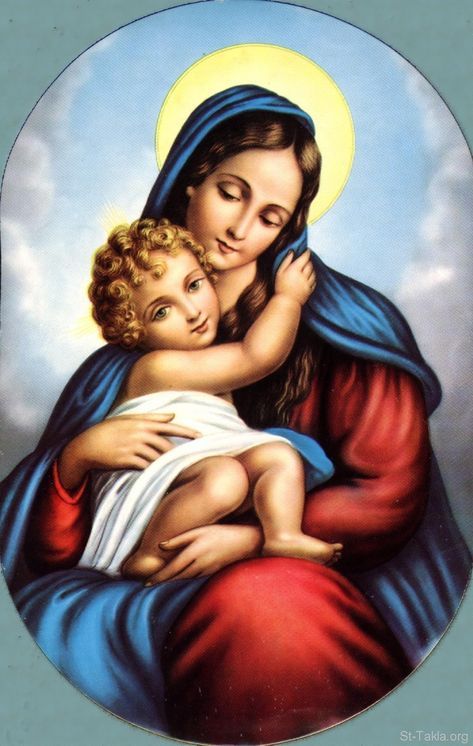
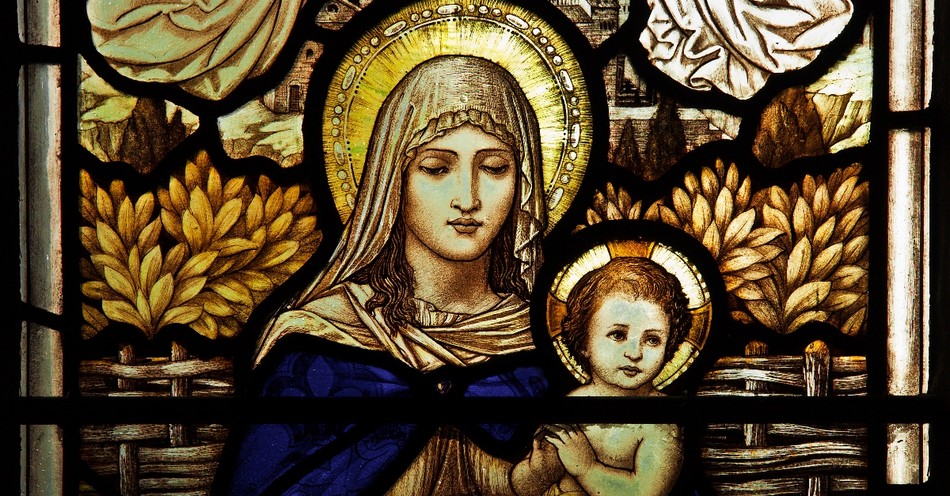
The Blessed Virgin Mary: A Channel of God's Grace
Updated at: 2023-08-05 13:19:31 (3 years ago by Melkisedeck Leon Shine)
The Blessed Virgin Mary: A Channel of God's Grace
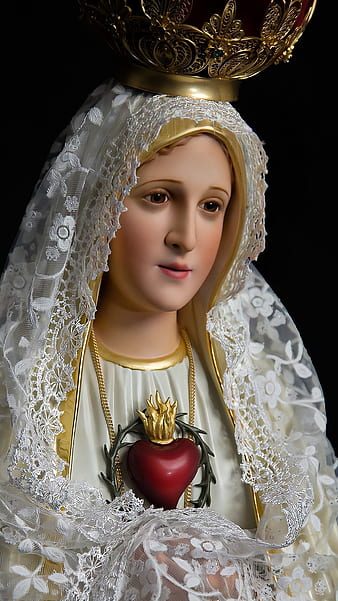
"Hail Mary, full of grace, the Lord is with thee!" These words, spoken by the angel Gabriel, forever changed the course of human history. π
The Virgin Mary, the mother of Jesus, holds a special place in the hearts of Catholics around the world. She is seen as a channel of God's grace, a vessel through which His love and blessings flow. πΉ
In the Bible, we see numerous examples of Mary's role as a channel of God's grace. From the moment of the Annunciation, when she humbly accepted God's plan for her life, to the wedding at Cana, where she interceded on behalf of the newlyweds, Mary's presence was a source of blessing. π
One of the most profound biblical examples of Mary's role as a channel of God's grace can be found in the Magnificat, her beautiful prayer of praise and thanksgiving. In Luke 1:46-55, Mary proclaims, "My soul magnifies the Lord, and my spirit rejoices in God my Savior." This prayer reminds us that Mary's faith and trust in God allowed her to be open to His grace and love. π
The Catechism of the Catholic Church teaches us that Mary is "the Mother of God" and "the model of the Church's faith." She is not only the physical mother of Jesus, but also the spiritual mother of all believers. Through her maternal intercession, she brings us closer to her son and helps us grow in holiness. πΊ
Throughout history, countless saints and theologians have recognized the important role of Mary in our spiritual journey. St. Louis de Montfort, for example, wrote extensively about Mary's role as a channel of God's grace in his book "True Devotion to Mary." He encourages us to entrust ourselves to Mary's care, knowing that she will lead us closer to Jesus. β€οΈ
The devotion to the Blessed Virgin Mary is deeply rooted in the Catholic tradition. From the earliest centuries, Christians have looked to Mary as a source of comfort, guidance, and intercession. Her gentle presence and unwavering faith are a shining example for all believers. βͺ
Mary's unique role as the Mother of God sets her apart from any other human being. She was chosen by God to be the vessel through which His Son would enter the world, bringing salvation to all. As Catholics, we deeply honor and love Mary, recognizing her as a powerful advocate and intercessor before God. π
In the words of St. Bernard of Clairvaux, a great medieval saint, "Of Mary there is never enough." This simple yet profound statement reminds us that Mary's love and grace are limitless. No matter how much we turn to her, she always has more to give. π·
The Rosary, a beloved Catholic prayer, is a beautiful way to honor and seek the intercession of the Blessed Virgin Mary. Through meditating on the mysteries of Christ's life, death, and resurrection, we unite ourselves with Mary and open our hearts to God's grace. πΏ
The Catholic Church teaches that Mary's role as a channel of God's grace is not limited to the past. She continues to intercede for us and bring us closer to her Son in the present. Just as she stood at the foot of the cross, offering her love and support to Jesus, she stands with us in our joys and sorrows today. πΉ
As Christians, we are called to imitate Mary's faith, humility, and love for God. Just as she said "yes" to God's plan for her life, we too must surrender ourselves to His will and trust in His providence. Mary shows us that through our openness to God's grace, miracles can happen. π
The devotion to Mary is not meant to detract from our worship of God, but rather to enhance it. She leads us closer to her Son, pointing us always towards Jesus. In the words of Pope Francis, "The Church is like Mary, her mother and model: a Church that is a mother, that has children, that has a mother's heart." π
In conclusion, the Blessed Virgin Mary is indeed a channel of God's grace. Her complete trust in God, her unwavering faith, and her motherly love make her a powerful intercessor on our behalf. Let us turn to her with confidence, knowing that she will guide us closer to her Son and shower us with God's abundant grace. π
What are your thoughts on the Blessed Virgin Mary as a channel of God's grace? How has her presence influenced your spiritual journey? Share your reflections and experiences in the comments below. π
Updated at: 2025-06-05 10:37:00 (1 year ago by Melkisedeck Leon Shine)
```htmlIntroduction: Defining Key Concepts
This discourse examines the profound impact of pilgrimage to Marian shrines within the context of Catholic faith. We will define key concepts: Marian shrines, consecrated sites dedicated to the Blessed Virgin Mary; pilgrimage, a journey undertaken for spiritual growth and devotion; and intercession, the act of pleading on behalf of another. We will analyze the theological underpinnings of Marian devotion, the sociological aspects of pilgrimage, and the reported transformative experiences of pilgrims, drawing on relevant theological principles, sociological models, and case studies. The concept of liminality, the transitional state between one's everyday life and a sacred space, will be a key lens through which to analyze the pilgrimage experience.
Theological Foundation of Marian Devotion
The Catholic Church's veneration of Mary rests upon the biblical narrative, particularly the Annunciation (Luke 1:28) and her role in the life, death, and resurrection of Jesus Christ. Maryβs unique position as the Mother of God (Theotokos) is central to Catholic theology. The doctrine of the Immaculate Conception and the Assumption further emphasize her holiness and privileged position within the divine plan of salvation. Her role as intercessor, stemming from her intimate relationship with God and her compassion for humanity, forms the basis for many Marian devotions and pilgrimages.
The Socio-Psychological Dimensions of Pilgrimage
The act of pilgrimage itself can be analyzed through the lens of symbolic interactionism, a sociological perspective that emphasizes the construction of meaning through social interaction. Pilgrimage represents a powerful symbolic act, whereby individuals actively participate in constructing their spiritual identity and strengthening their relationship with the divine. Furthermore, pilgrimage provides a sense of community, fostering social bonds amongst fellow pilgrims. Victor Turner's concept of liminality provides a framework for understanding the transformative nature of the pilgrimage experience. The journey itself, the time spent at the shrine, and the return to daily life all constitute phases of liminality, allowing for a period of reflection, spiritual renewal, and a potential shift in perspective.
Marian Shrines as Sites of Grace and Healing
Numerous Marian shrines, such as Lourdes, Fatima, and Guadalupe, serve as focal points for pilgrimage. Each shrine holds unique historical significance and attracts pilgrims seeking spiritual healing, both physical and emotional. The reported miracles and healings associated with these sites are interpreted within the framework of divine grace and Mary's intercessory power. While scientifically verifiable evidence may be lacking, the subjective experiences of pilgrims and the social impact of these events contribute to the sustained significance of these sites. The experience of these shrines can be studied using phenomenological approaches which prioritize subjective lived experiences.
Lourdes, Fatima, and Guadalupe: Case Studies in Marian Piety
Lourdes, known for its miraculous healings, embodies the hope and faith associated with Marian intercession. The apparitions to Bernadette Soubirous continue to inspire pilgrims. Fatimaβs emphasis on prayer, penance, and conversion highlights the transformative potential of religious experiences. Finally, Our Lady of Guadalupe, a powerful symbol of faith in the Americas, emphasizes Mary's role as a unifying figure across cultures and communities. These case studies showcase the diverse ways in which Mary's presence is experienced and interpreted across geographical and cultural contexts.
The Pilgrimβs Journey: A Process of Spiritual Transformation
Pilgrimage transcends mere physical travel; it is a spiritual odyssey. Through acts of devotion such as prayer, the rosary, and reflection, pilgrims engage in a process of self-discovery and spiritual growth. The physical journey mirrors the spiritual journey, signifying a transition from a state of secular existence to a heightened state of spiritual awareness. This process aligns with theories of transformative learning, where individuals undergo significant shifts in their understanding of themselves and their relationship with the world.
Conclusion and Recommendations
This exploration reveals the multifaceted nature of Marian pilgrimage. Theological foundations, socio-psychological factors, and case studies from prominent Marian shrines demonstrate the enduring power of this spiritual practice. Further research could investigate the long-term impact of pilgrimage on participants' spiritual lives, applying quantitative methods to analyze changes in faith, practice, and well-being. Cross-cultural comparative studies could also enrich our understanding of the diverse expressions of Marian devotion and their socio-cultural contexts. These insights will aid in comprehending and respecting individual spiritual experiences within a broader theological and sociological framework, potentially improving pastoral care for individuals embarking on this spiritual journey. The findings may inform the design of spiritual programs and interventions that harness the transformative power of faith and pilgrimage for individual growth and community building.
Reader Pool:
Considering the theological and sociological perspectives presented, how might the concept of Marian pilgrimage be recontextualized within a contemporary, increasingly secular society?
```
Updated at: 2025-06-05 12:22:06 (1 year ago by Melkisedeck Leon Shine)
```htmlIntroduction: Defining Key Concepts
Within the theological landscape of Christianity, the Virgin Mary occupies a pivotal position as the Theotokos (Mother of God). Her unwavering faith, demonstrated through her "fiat" (her "yes" to God's plan), serves as a profound example of surrender and obedience. This exploration delves into the theological implications of Mary's actions, examining them through the lens of key concepts: kenosis (self-emptying), theosis (deification), and the principle of divine initiative. We will analyze how these concepts illuminate Mary's example and their application in contemporary Christian life. We will further investigate the implications of Marian devotion within the context of ecclesiology (the study of the Church).
1. Humility as Foundational Virtue: A Kenotic Act
Mary's "fiat" is inextricably linked to her profound humility. This humility, a characteristic often highlighted in theological discourse, represents a kenotic act. By embracing her role without seeking personal aggrandizement, Mary exemplifies the self-emptying described in Philippians 2:7. This self-emptying allows for the fullness of Godβs grace to operate within her, preparing the way for the incarnation. This parallels the concept of kenosis, a critical element in Christology (the study of Christ). Applying this to contemporary life requires recognizing our limitations and surrendering to God's plan, even when it contradicts our personal desires.
2. Total Surrender to the Divine Will: Embracing the Divine Initiative
Mary's response to the angel Gabriel, "Behold, I am the handmaid of the Lord; let it be to me according to your word" (Luke 1:38), epitomizes complete surrender. This act of faith highlights the principle of divine initiativeβGodβs active involvement in human history and individual lives. By accepting Godβs plan, Mary models a posture of receptivity to the divine will, acknowledging Godβs sovereignty and active participation in her life. This directly contrasts with an anthropocentric worldview (human-centered). In practical terms, this means actively seeking God's guidance through prayer and discernment, trusting that His plan, even amidst uncertainty, is ultimately for our good.
3. Obedience as a Manifestation of Faith: Theosis Through Obedience
Mary's unwavering obedience reflects a deep faith that transcends human understanding. Her obedience, which manifested in the challenges of bearing the Christ child and nurturing him, is not merely passive compliance, but active participation in Godβs redemptive plan. This active obedience contributes to the process of theosis β the process of becoming more like God β as she actively participates in the divine plan, mirroring Christ's own obedient submission to the Fatherβs will. In contemporary life, this calls us to active obedience, not simply following rules, but aligning our lives with Christβs teachings and seeking to embody His love and compassion in our daily actions.
4. Marian Piety and Scriptural Exegesis: Case Study: The Wedding at Cana
The Wedding at Cana (John 2:1-11) provides a compelling example of Mary's continued faith and obedience. Her intercession illustrates her role as intercessor and her profound understanding of her Son's ministry. This episode underscores the importance of prayerful intercession and trusting in God's ability to work miracles, even in seemingly mundane circumstances. This narrative illustrates the active role of faith and prayer in transforming life circumstances. Understanding this from an exegetical perspective reinforces the concept of prayer and intercession in actively engaging with Godβs will.
5. Ecclesiological Implications: Mary as Model for the Church
The Catechism of the Catholic Church accurately reflects Mary's role as the model of faith and charity for the Church (CCC 967). Her "fiat" demonstrates a total commitment to Godβs will, embodying the Churchβs mission to proclaim the Gospel. Mary, therefore, serves as a foundational figure in ecclesiology, representing the Church's ideal posture of obedience, faith, and service to God and humanity. This model is applicable to modern Christians and their communities, challenging them to emulate Maryβs dedication to Godβs plan within the context of a global Church.
6. Marian Devotion and the Lives of the Saints: A Historical Perspective
Numerous saints throughout history have emulated Mary's virtues of surrender and obedience. Saints like Therese of Lisieux and Maximilian Kolbe demonstrate the enduring influence of Mary's example on Christian spirituality. Their lives provide practical examples of how Mary's "fiat" can inspire personal holiness and sacrificial service to others. Analyzing the lives of these saints provides valuable insights into the practical application of Marian spirituality and its impact on shaping the lives of believers.
7. Strength in Surrender: Paradox of Control and Trust
Surrender to God's will is not an abdication of responsibility but rather a profound act of trust in His providential care. It involves relinquishing control of outcomes while actively participating in God's plan. This paradox highlights the importance of embracing uncertainty, trusting that God works within and through our circumstances, ultimately guiding us towards His purposes. This understanding combats the contemporary obsession with control, encouraging faith and trust in the face of uncertainty.
8. Obedience as an Act of Love: Reframing Obedience
Obedience, often perceived negatively, reveals itself as an act of love when viewed within the context of Mary's example. Her obedience stems from a deep love for God and a desire to fulfill His will. Therefore, obedience becomes a pathway to freedom and fulfillment, liberating us from the constraints of self-will and directing us toward a life of purpose and meaning. This re-evaluation of obedience counters a potentially legalistic perspective and emphasizes obedience as a loving response to Godβs invitation.
9. Mary as Intercessor and Loving Mother: The Role of Intercession
The Catholic tradition venerates Mary not only as the Mother of God, but also as our loving mother who intercedes for us. Her intercession underscores the importance of seeking Godβs help through prayer and reflecting Maryβs maternal care and protective love for her children. This reinforces the importance of community and spiritual support, demonstrating that our faith journey is not a solitary endeavor.
Conclusion and Recommendations
Mary's "fiat" offers a potent model of faith, humility, and obedience for contemporary Christians. Her example challenges us to embrace kenosis, surrender to divine initiative, and seek theosis through active obedience to God's will. Further research should explore the intersection of Marian devotion and contemporary social justice issues, examining how Mary's example can inspire social action and compassionate service. The implications of Mary's example extend beyond personal spirituality, informing ecclesiology, Christology, and ethical decision-making. The practical application of these principles demands a continuous reflection on our own lives and a commitment to aligning our actions with the divine plan. The transformative power of surrender and obedience, as demonstrated by Mary, remains relevant and essential for navigating the complexities of the modern world.
Reader Pool:
Considering the multifaceted nature of Mary's "fiat" and its implications for contemporary Christian life, how can we effectively communicate its significance and relevance to a diverse audience in the 21st century?
```
Updated at: 2025-06-20 23:53:04 (1 year ago by Melkisedeck Leon Shine)
```htmlIntroduction: This discourse examines the pivotal role of Mary, the Mother of God, within the framework of Christian theology, specifically her function as the "New Eve" in restoring humanity's fractured relationship with the divine. Key concepts such as the Immaculate Conception, the doctrine of original sin, and the concept of theosis (deification) will be explored to illuminate Mary's significance. We will analyze her actions and titles as presented in scripture and tradition, illustrating their theological implications and practical application for the believer.
The Immaculate Conception and Original Sin: The doctrine of the Immaculate Conception posits that Mary was conceived without original sin, a state unique among humanity. This theological construct, rooted in the belief in the inherent corruption of human nature since the Fall, highlights Mary's exceptional purity and suitability as the Theotokos (God-bearer). Original sin, as described by Augustine, is a state of spiritual corruption inherited from Adam and Eve, separating humanity from God. Mary's exemption from this condition renders her the ideal vessel for the incarnation of God's Son. This concept can be understood through the lens of Augustinian theology, emphasizing the radical nature of divine grace in overcoming humanityβs inherent weakness.
Mary's Fiat: Obedience and the Incarnation: Mary's response to the angel Gabriel's annunciation β "Let it be to me according to your word" (Luke 1:38) β is pivotal. Her "fiat," or complete surrender to God's will, represents the antithesis of Eve's disobedience in the Garden of Eden. This act of radical obedience is not merely passive compliance; it represents an active participation in God's redemptive plan, making her instrumental in the Incarnation. This act directly counters the disobedience of Eve, initiating the reversal of the Fallβs effects according to a soteriological perspective.
The Annunciation and the Reversal of the Fall: The Annunciation, mirroring the fall in the Garden of Eden, reveals a profound reversal. Where Eve's disobedience brought about sin and death, Mary's obedience ushered in salvation through the birth of Jesus Christ. This event can be analyzed using the Christological framework, emphasizing Jesusβ role as the βnew Adam,β undoing the consequences of Adamβs actions. The juxtaposition of these two events underscores the transformative power of divine grace and the central role Mary played in the restoration of humanity.
Mary as the New Ark of the Covenant: In the Old Testament, the Ark of the Covenant symbolized God's presence among His people. Mary, as the Theotokos, becomes the "New Ark," carrying within her the incarnate Word of God. This metaphorical comparison emphasizes the sacredness and importance of Mary's role in mediating God's presence in the world. This parallels the Ark's importance in Old Testament narratives, highlighting the continuity of God's relationship with humanity through the covenants.
The Visitation: The Spreading of Grace: The Visitation narrative, where Mary visits her cousin Elizabeth, showcases Mary as a bearer of grace and sanctification. Elizabeth's recognition of Mary's blessedness signifies the transformative impact of Mary's obedience and the subsequent incarnation. This event highlights Maryβs role not just as the vessel for Christ but also as a conduit of divine grace to others, impacting those around her.
Mary's Intercession: Advocacy and Mediation: Mary's intercession, exemplified by her actions at the wedding at Cana, demonstrates her role as advocate and mediator before God. The belief in her ongoing intercession, rooted in her maternal relationship with Jesus, affirms her continued presence and influence in the lives of believers. This aspect of Maryβs role draws on the concept of intercession found throughout scripture and tradition, emphasizing the communal nature of prayer and the supportive role of the saints.
Mary as Our Mother: Spiritual Maternity and Guidance: Jesus entrusting Mary to John at the crucifixion (John 19:27) establishes Mary as the spiritual mother of humanity. This title underscores her continuous care, guidance, and protection of all believers. The concept of spiritual maternity offers solace and a profound sense of belonging within the faith community, providing a framework for understanding Maryβs ongoing role in the spiritual lives of individuals.
Mary, Queen of Heaven and Earth: Exalted Role and Reign: The title "Queen of Heaven and Earth" acknowledges Mary's exalted position and influence in the divine realm. This title reflects her unique relationship with Jesus and her participation in the eternal kingdom. It signifies Maryβs ultimate triumph over sin and death, and her role as intercessor in the Heavenly realm.
The Assumption: Bodily Glory and Hope for the Faithful: The dogma of the Assumption β Mary's bodily assumption into heaven β underscores her unique place in salvation history and offers hope of bodily resurrection for believers. This belief inspires a life oriented towards holiness and emphasizes the ultimate victory over death and decay, offering comfort and hope of future reunion with God.
Devotions to Mary: Rosary and Marian Piety: Devotional practices, such as the Rosary, strengthen the relationship between the believer and Mary, enhancing communion with God. The Rosary's structure allows for contemplative prayer focusing on pivotal events in Christ's life, reinforcing the bonds between Mary, Christ, and the faithful. These practices draw on established methods of spiritual formation and contemplation, supporting a deeper relationship with the divine.
The Catechism and Sainthood: Testimony and Tradition: The Catechism of the Catholic Church and the testimony of countless saints confirm Maryβs significance in salvation history, emphasizing the consistency of her role within Catholic teaching and practice. These attestations provide a rich tapestry of theological reflections and lived experiences, deepening the understanding of Maryβs role and impact on Christian belief.
Conclusion and Recommendations: Mary's role as the New Eve is not simply a historical narrative; it offers a powerful spiritual framework for understanding God's grace and humanityβs redemption. Her obedience, purity, and unwavering faith present a model for Christian living, while her intercession offers comfort and support to believers. Further research could explore the comparative analysis of Maryβs role across different Christian denominations, examining the variations in interpretations and impact on community practices. Additionally, comparative studies of Marian devotion in different cultural contexts could yield rich insights into the adaptability and enduring relevance of Mary's role across various societies and times. The implications for contemporary spirituality are significant, offering a path toward a deeper relationship with God through Maryβs example and intercession.
Reader Pool: Considering Mary's multifaceted roles within Christian theology, how might a reassessment of her symbolic significance contribute to a more nuanced understanding of the broader narrative of salvation?
```
Updated at: 2023-08-05 13:19:54 (3 years ago by Melkisedeck Leon Shine)
π Mary's Guidance in Finding God's Will for Our Lives π
In the realm of spirituality, seeking guidance and understanding God's will for our lives is a natural and important quest. As Christians, we turn to the Virgin Mary, the Mother of God, for her divine intercession and guidance in our journey. Let us explore how Mary can enlighten and lead us to discover God's purpose for our lives.
1οΈβ£ Mary, the chosen vessel of God's grace, received a unique calling to be the Mother of Jesus, our Savior. Her life serves as a beautiful example of obedience and trust in God's plan.
2οΈβ£ Biblical examples, such as the Annunciation, reveal Mary's unwavering faith and willingness to surrender to God's will. When the angel Gabriel visited her and announced that she would conceive Jesus through the Holy Spirit, she humbly responded, "Behold, I am the handmaid of the Lord; let it be to me according to your word" (Luke 1:38).
3οΈβ£ Mary's guidance is also found in the Catechism of the Catholic Church, which states, "Mary's prayer is revealed to us at the dawning of the fullness of time" (CCC 2617). Her prayers and intercession can help us discern God's will and align ourselves with His divine plan.
4οΈβ£ Just as Mary journeyed to Bethlehem to give birth to Jesus, she accompanies us on our own journey of faith. She understands our struggles, fears, and joys, and her loving guidance can lead us closer to God.
5οΈβ£ One of the most powerful ways to seek Mary's guidance is through the Rosary. This beautiful prayer allows us to meditate on the mysteries of Christ's life while seeking Mary's intercession. As we contemplate the mysteries, we can ask for her guidance in discerning God's will for our lives.
6οΈβ£ The Rosary offers us a direct connection to Mary's heart, enabling us to share our deepest desires, questions, and concerns with her. Through this prayer, we can entrust our lives to her loving care and seek her guidance in finding God's will.
7οΈβ£ The saints of the Catholic Church also recognized Mary's role in guiding them to discover God's will. Saint Teresa of Avila, a Doctor of the Church, famously said, "To other Saints, Our Lord seems to have given power to help us in some special necessityβbut to this Saint, I know by experience, He has given the power to help us in all."
8οΈβ£ The example of Mary's guidance can be seen in the Wedding at Cana, where she interceded on behalf of the couple who ran out of wine. She turned to Jesus and said, "They have no wine" (John 2:3). Her words prompted Jesus to perform His first miracle, demonstrating her intercession and influence in finding solutions to our needs.
9οΈβ£ The Catholic Church teaches that Mary, as the "Mother of the Church," continues to guide and intercede for all believers. The Second Vatican Council declared, "The Mother of Jesus in the glory which she possesses in body and soul in heaven is the image and beginning of the Church as it is to be perfected in the world to come" (Lumen Gentium 68).
π Mary's guidance is not limited to specific situations, but encompasses every aspect of our lives. Whether it be discerning our vocation, making important decisions, or seeking peace and comfort, Mary is there to lead us towards God's will.
1οΈβ£1οΈβ£ As we open our hearts to Mary's guidance, it is essential to remember that she always leads us to Jesus. Just as she instructed the servants at the Wedding at Cana to "Do whatever He tells you" (John 2:5), she encourages us to trust in Jesus and follow His teachings.
1οΈβ£2οΈβ£ The bond between Mary and her Son is inseparable, and by seeking her guidance, we are ultimately seeking a deeper connection with Jesus. She desires to bring us closer to Him and to help us discover our true purpose in life.
1οΈβ£3οΈβ£ Through prayer, we can invite Mary into our lives and ask for her guidance in finding God's will. As we develop a personal relationship with her, we can experience the joy and peace that come from aligning our lives with God's plan.
1οΈβ£4οΈβ£ The path to discovering God's will may not always be clear or easy, but with Mary's guidance, we can navigate through the uncertainties and challenges. Her steadfast love and intercession provide us with the strength and courage to seek and embrace God's plan for our lives.
1οΈβ£5οΈβ£ In conclusion, the Virgin Mary, Mother of God, offers us indispensable guidance in finding God's will for our lives. Through her example of faith, her intercession, and her presence in our lives, she helps us align ourselves with God's divine purpose. Let us humbly and wholeheartedly turn to Mary, seeking her guidance and entrusting our lives to her care. How have you experienced Mary's guidance in your own life? What are your thoughts on her role in helping us discover God's will?
Updated at: 2025-06-19 15:28:54 (1 year ago by Melkisedeck Leon Shine)
Mary as the New Eve: Restoring Humanity's Relationship with God
Introduction: This essay examines the pivotal role of Mary, the Mother of God, in Catholic theology, specifically her function as the "New Eve" in restoring humanity's fractured relationship with the divine. Key concepts, including the theological framework of the "New Eve" paradigm, the doctrine of the Immaculate Conception, and the Marian dogmas, will be explored. We will analyze how these concepts interact within a broader understanding of salvation history, applying relevant theological models and principles to illustrate their practical significance in the lives of believers. The essay will consider Mary's role not merely as a historical figure but as a living presence in the spiritual journey of humanity. This analysis employs a hermeneutical approach, examining scriptural accounts, liturgical practices, and theological traditions to unveil the multifaceted nature of Mary's significance.
The Immaculate Conception and Original Sin: The doctrine of the Immaculate Conception posits that Mary was conceived without original sin. This theological concept, distinct from the conception of Jesus, is crucial. It establishes Mary as a uniquely pure vessel, untouched by the inherited human condition of sin that separated humanity from God. This purity, understood within the framework of Augustinian theology on original sin, enabled her to become the Theotokos, the God-bearer. Applying this concept, we see Mary not merely as free from sin, but as representing a counterpoint to Eve's disobedience, highlighting the possibility of perfect obedience to God's will.
Mary's Fiat: A Paradigm of Obedience: Mary's "fiat," her affirmative response to the angel Gabriel's announcement (Luke 1:38), stands in stark contrast to Eve's disobedience in the Garden of Eden. This act of complete surrender to God's plan, interpreted through the lens of covenantal theology, is considered a pivotal moment in salvation history. Her willing acceptance embodies perfect obedience, directly addressing the consequences of Adam and Eve's transgression. This perfect obedience becomes a model for believers, demonstrating how complete trust and submission to divine will can counteract the effects of human disobedience.
The Annunciation: A Counterpoint to the Fall: The Annunciation, the event where the angel Gabriel announces Mary's role in the Incarnation, can be understood as a parallel, yet contrasting event to the Fall in Genesis. While Eve's disobedience resulted in humanity's separation from God, Mary's obedience initiated the process of reconciliation. This narrative reversal, analyzed using a typological approach, showcases Mary's role as the "New Eve," reversing the consequences of the original sin and restoring the broken covenant between God and humanity.
Mary as the New Ark of the Covenant: Similar to the Ark of the Covenant in the Old Testament, which housed God's presence amongst his people, Mary carries within her the Word made flesh, Jesus Christ. This allegorical interpretation highlights Mary's unique role as the vessel of God's grace. She becomes the sacred repository of divine presence, reflecting the concept of the divine immanenceβGod's presence within the worldβand serves as a focal point for divine grace flowing into humanity.
The Visitation and the Spreading of Grace: The Visitation, Mary's visit to Elizabeth, exemplifies Mary's role as the bearer of grace and sanctifier of souls. Elizabeth's recognition of Mary's blessedness (Luke 1:42) underscores the transformative power of Mary's acceptance of God's will. This event can be interpreted through the lens of the sacramental theology, suggesting Mary as a conduit of divine grace, anticipating the sacramental life of the Church.
Mary's Intercession and Maternal Care: Mary's intercession, her advocacy on behalf of humanity before her Son, reflects her maternal love and concern. The Wedding at Cana (John 2:1-11) serves as a prime example of this intercession, where Mary's request leads to Jesus's first miracle. This concept aligns with the theological understanding of Mary's role as mediator, not in the sense of replacing Christ's unique mediatorship, but in a secondary sense of interceding for humanity, acting as a powerful advocate before God.
Mary as Mother of the Church and Humanity: Jesus' entrusting of Mary to John at the crucifixion (John 19:27) establishes her as the Mother of the Church and, symbolically, the mother of all believers. This maternal role extends beyond mere biological relationship, encapsulating spiritual guidance, protection, and intercessory power. This can be viewed through a relational theology perspective, highlighting the profound connection between Mary, Jesus, and humanity.
Mary, Queen of Heaven and Earth: Her Exalted Role: The title "Queen of Heaven and Earth" signifies Mary's exalted position within the theological framework of the Catholic Church, reflecting her union with Christ and participation in his divine reign. This title, analyzed from a christological perspective, highlights Mary's integral role within God's plan of salvation. It emphasizes her ongoing authority and influence in the spiritual realm.
The Assumption and the Promise of Eternal Life: The dogma of the Assumption celebrates Mary's bodily assumption into Heaven, a testament to her unique relationship with God. This event signifies the hope of resurrection and eternal life for believers, providing a powerful example of the ultimate reward promised to those who follow Christ. The Assumption, understood in eschatological terms, offers a powerful vision of the future, a hope that transcends earthly limitations.
The Rosary and Marian Devotion: The Rosary, a form of Marian devotion, facilitates a deeper connection with God through Mary's intercession. The meditative practice engages the believer in the mysteries of Christ's life, fostering a deeper understanding of Mary's role and strengthening the relationship with both Mary and God. This devotional practice, analyzed through the lens of spiritual formation, underscores the transformative potential of Marian devotion in nurturing one's faith.
The Catechism of the Catholic Church: Authoritative Affirmation: The Catechism of the Catholic Church explicitly affirms Mary's unique and central role in salvation history. Its teaching establishes a doctrinal foundation for the understanding of her significance within the context of the larger narrative of salvation. The Catechism serves as a touchstone for Catholic theology concerning Mary's position and emphasizes the importance of its consistent teaching.
Saints' Testimonies: A Chorus of Witness: The consistent testimony of numerous saints throughout history regarding Mary's role reinforces the theological understanding of her importance. Their expressions of devotion corroborate the deep-seated beliefs of the Church, demonstrating the enduring influence of Mary's example on the lives of believers. These testimonies highlight the lived experience of faith as evidence for the theological claims.
Personal Connection and Contemporary Significance: Mary's role is not confined to historical events; her maternal love, guidance, and intercession remain profoundly relevant to contemporary believers. By embracing Mary's example, individuals can foster a deeper relationship with God, accessing divine grace and guidance in their lives. The practicality of this theological framework lies in its offer of solace, hope, and spiritual support, providing a tangible application in the daily lives of believers.
Conclusions and Recommendations: This essay demonstrates that Mary's role as the "New Eve" is a central tenet of Catholic theology, offering a powerful narrative of redemption and reconciliation. Her obedience, purity, and intercession provide a compelling example for believers. Understanding Mary's role necessitates a careful examination of scripture, theological tradition, and lived experience. Further research should investigate the cross-cultural expressions of Marian devotion and their implications for ecumenical dialogue. The enduring significance of Maryβs role calls for continued reflection on her multifaceted dimensions, emphasizing her ongoing relevance in the spiritual lives of individuals and the Church.
Reader Pool: What are the potential implications of reinterpreting Mary's role within contemporary interfaith dialogue, considering her diverse portrayals in different religious traditions?
Updated at: 2025-06-21 12:34:18 (1 year ago by Melkisedeck Leon Shine)
Introduction
The Virgin Mary occupies a position of profound reverence within Roman Catholicism. This article undertakes a systematic theological analysis of Mary's elevated status, specifically focusing on the multifaceted concept of her queenship. We will explore its scriptural foundations, its doctrinal evolution, and its significant implications for Catholic spirituality and practice. Central to this examination are key Marian doctrines β the Immaculate Conception, Perpetual Virginity, and the Assumption β alongside core tenets of Christology (the study of Jesus Christ) and the vital role of intercessory prayer within the Catholic faith. Our analysis will leverage established theological frameworks and contextualize these concepts within the historical development of Catholic doctrine and the rich tapestry of Marian piety.
1. Theotokos: Mary's Role in the Incarnation
The Council of Ephesus (431 CE) bestowed upon Mary the title "Theotokos," signifying "God-bearer." This christological affirmation is paramount to understanding Mary's unique place within the divine economy of salvation. The designation explicitly acknowledges the divinity of Jesus Christ, thereby establishing Mary as the mother of the incarnate Son of God. This conciliar decision exemplifies the crucial process of applying conciliar pronouncements to refine and solidify theological comprehension, showcasing the dynamic interaction between scriptural exegesis and rational theological discourse within the Church. This highlights the ecclesiological principle of developing doctrine through reasoned dialogue and reflection on sacred scripture and tradition.
2. Perpetual Virginity: Purity and the Vessel of Grace
The doctrine of Mary's perpetual virginity, while not explicitly detailed in every biblical passage, constitutes a deeply entrenched belief within the Catholic tradition. This belief underscores her purity and holiness, presenting her as the uniquely chosen vessel through which God entered the world. This exemplifies the application of tradition and theological hermeneutics (interpretation) to expand upon scriptural narratives. The Church's understanding of Marian theology has evolved over centuries, demonstrating a dynamic interplay between scriptural interpretation and theological reflection, particularly regarding the interpretation and application of Matthew 1:25.
3. Mary as the New Eve: A Typological Reversal
The comparison between Mary and Eve offers a compelling theological framework for comprehending Maryβs significance. While Eve's disobedience initiated humanity's fall from grace, Mary's obedience, expressed in her "fiat" ("Let it be") at the Annunciation, is viewed as reversing this trajectory, ushering in salvation through her Son. This interpretation employs typology, a hermeneutical approach that identifies parallels between Old Testament figures and events and their New Testament counterparts. This typological lens emphasizes the redemptive work of Jesus Christ, with Mary playing a crucial mediatory role in God's plan of salvation.
4. The Assumption: Bodily Glorification and the Apex of Queenship
Pope Pius XII proclaimed the dogma of the Assumption in 1950, asserting Mary's bodily ascension into heaven. Rooted in early Christian tradition and harmonizing with the belief in Christ's resurrection, this doctrine elevates Mary to a position of unparalleled glory and prefigures the ultimate destiny of all believers. This exemplifies how theological reflection, informed by tradition and scripture, leads to the development of new doctrines that further articulate and clarify the Church's understanding of faith. The papal declaration showcases the application of papal authority in defining and clarifying theological concepts, thereby ensuring doctrinal consistency across the Church.
5. Queenship: Intercession and Divine Mediation
The title "Queen of Heaven and Earth" reflects Mary's exalted position and her role as intercessor for humanity. This builds upon the understanding of Maryβs integral part in the economy of salvation. The concept of a queen interceding for her people draws parallels with earthly monarchies, offering a relatable analogy for Mary's advocacy before her Son. This analogy, while providing a tangible framework, does not diminish the transcendent nature of Mary's queenship, illustrating a creative theological approach to communicating complex theological truths. This concept also touches on the theological principle of analogy, using familiar concepts to understand the divine.
6. Marian Piety and the Saints: A Legacy of Faith
The profound devotion to Mary expressed by countless saints throughout Church history underscores the transformative impact of her role on the spiritual lives of believers. These expressions of piety offer tangible examples of the belief's influence on personal faith, providing invaluable insights into the lived experience of Marian devotion. The examination of the writings and actions of the saints provides a significant sociological and anthropological perspective for understanding the development and impact of Marian theology within the context of religious practice. This approach uses historical data to shed light on a theological concept.
7. Spiritual Motherhood: A Bond of Spiritual Kinship
Jesus' entrustment of Mary to John at the crucifixion ("Woman, behold your son!... Behold your mother!") suggests a spiritual motherhood extending to all believers. This maternal role fosters a profound spiritual connection between believers and Mary. This application of biblical interpretation and theological reflection establishes the concept of spiritual motherhood within the Catholic faith, further enriching the understanding of Maryβs role in the life of the believer. This uses the biblical narrative to construct a theological understanding.
8. Intercessory Power: Cana and Beyond
The miracle at Cana, where Mary intercedes with Jesus, exemplifies her intercessory role. Her actions serve as a model for the faithful, highlighting the power of prayer and the importance of seeking Mary's intercession. This application of a scriptural event demonstrates the value of using biblical narratives and imagery to illustrate and emphasize theological concepts, connecting abstract theological ideas to concrete, relatable examples. This showcases the importance of practical application of theological concepts.
Conclusion and Recommendations
The Catholic belief in Mary's elevated role is deeply rooted in scripture, tradition, and reasoned theological reflection. This analysis has demonstrated how various theological concepts and hermeneutical methods illuminate her position as Queen of All Creation. Future research could profitably explore the diverse manifestations of Marian devotion across various cultural contexts, analyzing how the concept of Mary's queenship has been interpreted and adapted in different parts of the world. A comparative theological study examining variations in Marian theology across different Christian denominations could provide further insight into the distinctive perspectives on Maryβs role within the Catholic tradition. A significant area for further investigation is the intercessory role of Mary, analyzing its perceived efficacy, its psychological impact, and its broader theological implications within the framework of prayer and faith. In approaching these topics, theological accuracy must be balanced with pastoral sensitivity and cultural nuance.
Reader Pool:
How might a comprehensive understanding of the theological constructs surrounding Mary's role as Queen of Heaven and Earth contribute to a more nuanced and enriching experience of Catholic faith and practice in the 21st century?
Updated at: 2023-08-05 13:20:22 (3 years ago by Melkisedeck Leon Shine)
Mary, Our Mediatrix with Christ: A Source of Grace β¨π
Introduction: Welcome, dear readers, to this uplifting exploration of the role of Mary, Our Mediatrix with Christ. As Christians, we hold Mary, the Mother of God, in the highest regard. Her unique and cherished position in our faith is a source of immense grace and blessings. Let us delve into the depths of this beautiful relationship between Mary and Christ, discovering the spiritual treasures it holds. πΉποΈ
Mary, the Mother of God: In Luke 1:43, Elizabeth refers to Mary as "the mother of my Lord." This Biblical affirmation reinforces the understanding that Mary gave birth to Jesus, the Son of God, and no other children. It is through her divine motherhood that she becomes a powerful intercessor for us with her Son. ππ
The Role of a Mediatrix: According to the Catechism of the Catholic Church (CCC 970), "Mary's function as mother of men in no way obscures or diminishes this unique mediation of Christ but rather shows its power." Mary, as our Mediatrix, is not a rival to Christ but rather a means through which His grace flows abundantly into our lives. ππ«
Examples from the Bible: Throughout the Scriptures, we find numerous instances where Mary's intercession brings forth blessings. At the wedding feast of Cana (John 2:1-12), she intercedes for the couple, prompting Jesus to perform His first public miracle. This shows us that Mary's intercession has the power to influence Christ's actions on our behalf. π·π
The Rosary and Mary's Mediation: The Rosary, a cherished Catholic devotion, highlights Mary's role as our Mediatrix. As we recite the Hail Mary, we ask for her intercession, seeking her powerful aid in bringing our intentions before her Son. Through the Rosary, we deepen our relationship with Mary and open ourselves to the abundant graces she brings. πΏπΉ
The Saints' Testimony: Many saints throughout history have fervently embraced Mary's role as our Mediatrix. St. Louis de Montfort, known for his profound devotion to Mary, wrote, "It was through the Blessed Virgin Mary that Jesus came into the world, and it is also through her that he must reign in the world." The saints' witness reinforces the importance of this special relationship. πβοΈ
Christian Perspective: As Roman Catholics, we honor Mary, Our Mediatrix, in line with our Christian perspective. By acknowledging her intercessory role, we recognize the fullness of God's plan for our salvation. Mary's cooperation with God's will exemplifies the perfect model of faith and trust. She leads us closer to Christ, guiding us on our spiritual journey. ππ₯
The Assumption of Mary: The Assumption of Mary, another essential Catholic belief, confirms her unique position as the Mother of God. In this dogma, we affirm that Mary was taken up, body and soul, into heavenly glory at the end of her earthly life. This extraordinary event is a testament to her special relationship with Christ, granting her unparalleled access to His graces. ππ
Our Loving Mother: Through her maternal love, Mary cares for us as her children. Just as Jesus entrusted John to her care at the foot of the cross (John 19:27), she embraces each one of us with tenderness and compassion. Mary desires to draw us closer to Christ, guiding us towards His mercy and love. ππΉ
The Church's Teachings: The Catholic Church, through its teachings, consistently upholds the role of Mary as our Mediatrix. In the words of Pope St. John Paul II, "Mary is present in the Church as the Mother of Christ, and at the same time as that mother whom Christ, in the mystery of the Redemption, gave to humanity." The Church encourages us to seek her intercession. πβͺ
The Power of the Hail Mary: Each time we pray the Hail Mary, we invoke Mary's intercession and open ourselves to the abundant graces she brings. This powerful prayer encapsulates the mystery of Mary's role as our Mediatrix, and it is a beautiful way to express our love and trust in her. πΉπ«
Our Personal Relationship: As we grow in our devotion to Mary, Our Mediatrix, we develop an intimate and personal relationship with her. She understands our struggles, joys, and deepest desires. Just as a loving mother listens to her children's needs, Mary listens to our prayers and intercedes for us before her Son. πΊπ
Mary's Fiat: The words of Mary's fiat, her "yes" to God's plan (Luke 1:38), echo through the ages. Her profound surrender and willingness to be God's vessel of grace for humanity inspire us to embrace our own calling with humility and trust. Mary's example teaches us how to live in complete surrender to God's will. πβ¨
The Ultimate Goal: Ultimately, our devotion to Mary, Our Mediatrix, should lead us to a deeper union with Christ. She constantly points us towards Him, desiring that we encounter His love and mercy. Mary's role as our Mediatrix draws us closer to the heart of Jesus, where we find true peace, joy, and salvation. πΊποΈ
Conclusion and Your Opinion: Dear friends, we have journeyed together in understanding and appreciating Mary, Our Mediatrix with Christ. As Christians, let us embrace her role in our spiritual lives, seeking her intercession and grace. Now, we would love to hear your opinion. How has Mary, Our Mediatrix, influenced your spiritual journey? Share your thoughts and experiences in the comments below. May the grace of Mary, Our Mediatrix, be with you always. ππβ¨
Updated at: 2025-06-21 14:37:27 (1 year ago by Melkisedeck Leon Shine)
This essay explores the pivotal role of the Virgin Mary, or Theotokos ("God-bearer"), within the overarching framework of Christian soteriologyβthe study of salvation. We will analyze key events in her life, employing theological concepts and principles to illuminate her significance in the divine plan of redemption. Key terms such as Immaculate Conception (the belief that Mary was conceived without original sin), perpetual virginity, and soteriology itself will be defined and applied within this context. This analysis will further examine her role as intercessor and its implications for faith and practice.
The Annunciation (Luke 1:26-38), the pivotal moment when the Archangel Gabriel announces Mary's conception of Jesus through the Holy Spirit, marks the initiation of the soteriological process. This event, understood within the framework of divine election, highlights God's sovereign choice and Mary's willing obedience. This act of divine agency initiates the Incarnation, the central tenet of Christian theology, where the divine nature of God takes on human form in the person of Jesus Christ. This event directly underscores the importance of Maryβs role in Godβs plan, as the conduit for the very incarnation of God in human form, the very foundation of salvation.
The doctrine of the Immaculate Conception (CCC 491-492) asserts that Mary was conceived without original sin. This belief, though distinct from the Incarnation, is seen as essential to her suitability as the Mother of God. It posits that Mary, free from the inherent human corruption of sin, could serve as the appropriate vessel for the divine seed. This preparedness highlights a preordained role within a larger divine plan of salvation, showing the meticulous process of salvation itself.
The title "Theotokos," signifying "God-bearer," underscores Mary's unique status. By giving birth to Jesus, the divine Son, Mary becomes intimately involved in the redemptive process. This doesn't diminish Christ's divinity but rather highlights Mary's indispensable role in the Incarnation. Furthermore, her role can be understood through the lens of mediation, as she facilitated the divine-human encounter, bridging the gap between God and humanity.
The doctrine of Mary's perpetual virginity (CCC 499) emphasizes her complete dedication to God. This belief, while debated throughout history, is viewed by many as symbolic of her unwavering devotion and her total surrender to God's will. It underscores the purity and holiness attributed to her, reflecting a total consecration to divine purpose within the framework of salvation.
Events such as the Visitation (Luke 1:39-45), the Magnificat (Luke 1:46-55), the Nativity (Luke 2:1-20), the Presentation in the Temple (Luke 2:22-35), the Flight into Egypt (Matthew 2:13-15), the Finding in the Temple (Luke 2:41-52), and the Wedding at Cana (John 2:1-12) showcase Mary's unwavering faith, humility, and obedience to God's will. These acts, viewed through a soteriological lens, highlight not just a passive role but an active participation in the unfolding plan of salvation. Her intercession at Cana demonstrates her role as a powerful advocate for humanity.
Mary's presence at the foot of the cross (John 19:25-27) demonstrates her profound empathy and unwavering love, showcasing her steadfast faith even in the face of immense suffering. The entrustment of Mary to John, viewed through the lens of covenant theology, establishes a new familial bond encompassing all believers, symbolically representing the new covenant established through Christ's sacrifice. This highlights her compassion and her willingness to share in the suffering of Christ and thus the suffering of humanity.
The Assumption (CCC 966), the belief in Mary's bodily ascension into heaven, and her Coronation as Queen of Heaven and Earth (CCC 966) are eschatological events. These beliefs highlight the ultimate triumph of good over evil and signify the future hope and glory awaiting believers. These events serve as a promise and symbol of the ultimate fulfillment of Godβs plan for those who have faith.
The Rosary, a devotional practice centered on Mary, serves as a powerful means of contemplation and prayer, helping to focus on Christ's life and Mary's role within it. This underscores the practical application of Marian devotion, demonstrating how theological concepts translate into spiritual practice and community engagement.
Conclusions and Recommendations
In conclusion, analyzing Mary's role through a rigorous theological lens reveals her indispensable contribution to the soteriological narrative. Her unwavering faith, obedience, and humility serve as exemplary models for believers. Further research could explore the diverse perspectives on Marian doctrines across different Christian denominations, analyzing the theological and cultural factors shaping these interpretations. Understanding the historical and theological context surrounding Marian doctrines is crucial for fostering interfaith dialogue and promoting a deeper understanding of Christian theology. The impact of properly understanding Mary's role in salvation includes increased faith in God's plan, a deeper appreciation for the role of women in religious faith, and a richer devotional life for those who follow this tradition. The applicability of this analysis extends beyond academic circles, impacting liturgical practices, devotional life, and theological education.
Reader Pool: What are your thoughts on the efficacy of utilizing various theological models and frameworks in interpreting the role of Mary within the broader context of Christian soteriology, and how might such interpretations influence contemporary Christian faith and practice?
Updated at: 2023-08-05 13:20:14 (3 years ago by Melkisedeck Leon Shine)
πΉ Mary's Patronage of the Dying and Souls in Purgatory πΉ
Mary, the Mother of God, holds a special place in the hearts of Catholics worldwide. She is not only the mother of Jesus but also a powerful intercessor and patroness for various aspects of our lives. One of the areas where her patronage is particularly important is in the care and support of the dying and the souls in purgatory.
The Catholic Church teaches that Mary, as the mother of Jesus, has a unique and special role in the spiritual journey of every believer. Just as she stood by her son on the cross, she continues to accompany us in our moments of suffering and pain. Her maternal love and intercession are a source of comfort and hope for those who are nearing the end of their earthly lives.
π Mary's patronage of the dying is beautifully depicted in the story of the crucifixion. As Jesus hung on the cross, he entrusted his beloved disciple John to the care of his mother, saying, "Woman, behold your son." In that moment, Mary became not only the mother of Jesus but also the spiritual mother of all humanity. This act symbolizes her ongoing role in our lives, especially during our final moments on earth.
The Catechism of the Catholic Church reminds us of the significance of Mary's companionship during the time of death: "Mary's role in the Church is inseparable from her union with Christ and flows directly from it." She is there to console and guide us as we prepare to meet the Lord. Her loving presence brings solace and peace to those who are about to pass from this life to the next.
In addition to her patronage of the dying, Mary also intercedes for the souls in purgatory. Purgatory is a temporary state of purification for those who have died in a state of grace but still need to be cleansed of their sins before entering into the fullness of heaven. Mary's intercession is a powerful aid in helping these souls complete their journey of purification.
π―οΈ The devotion to Mary, particularly through prayers such as the Rosary and the Memorare, is a way for Catholics to seek her intercession for the souls in purgatory. Just as a loving mother cares for her children, Mary's love extends beyond this life and into the next. She desires to help these souls reach their heavenly home, and her intercession is a source of great comfort and hope.
The early Christian writer St. Gregory the Great once said, "The holy souls in purgatory have a special bond with the Blessed Virgin. She can obtain their release from purgatory through her intercession." This statement reflects the belief that Mary's intercession has the power to alleviate the sufferings of the souls in purgatory and speed up their journey to eternal union with God.
π One biblical example of Mary's concern for souls in purgatory can be found in the book of Maccabees. After a battle, Judas Maccabeus found that some of his soldiers had died while wearing amulets containing pagan symbols. Recognizing that this action was a form of idolatry, he collected money to send to Jerusalem for a sin offering to be made on their behalf. This act of intercession for the dead demonstrates the importance of praying for the souls in purgatory, and we can be certain that Mary, whose love surpasses all understanding, intercedes for them as well.
The Catechism of the Catholic Church states, "All who die in God's grace and friendship, but still imperfectly purified, are indeed assured of their eternal salvation; but after death, they undergo purification, so as to achieve the holiness necessary to enter the joy of heaven." Mary's patronage and intercession play a vital role in this purification process, offering comfort and assistance to those who are in need.
π When we turn to Mary as the patroness of the dying and souls in purgatory, we recognize her unique relationship to Jesus as his mother and our spiritual mother. Just as a loving mother watches over her children, Mary watches over us in our time of need. She intercedes for us and brings our prayers before the throne of God, guiding us through the challenges of life and ultimately leading us to eternal glory.
π As Catholics, we are encouraged to develop a personal relationship with Mary and seek her intercession in all aspects of our lives. When it comes to the care of the dying and the souls in purgatory, we can trust in her maternal love and powerful intercession. Mary desires to bring comfort and peace to those who are suffering and to assist the souls in purgatory in their journey towards heaven.
Mary's patronage of the dying and souls in purgatory reminds us of the importance of prayer, especially for those who are nearing the end of their earthly journey. Through our prayers and intercession, we can join Mary in offering comfort, hope, and support to those on the threshold of eternity.
πΉ Let us remember the words of Jesus on the cross, when he entrusted us to the care of his mother. Just as she stood by him in his suffering, she stands by us in our moments of pain and loss. Mary's patronage of the dying and souls in purgatory is a testament to her unwavering love for all humanity.
π May we turn to Mary, the Mother of God, in times of need, especially when facing the reality of death and the purification of the souls in purgatory. Her intercession is a source of great comfort and strength, leading us ever closer to the loving embrace of our Heavenly Father.
What are your thoughts on Mary's patronage of the dying and souls in purgatory? Do you have any personal experiences or favorite prayers to share? Let us continue to seek Mary's intercession and honor her as our mother and advocate in heaven. ππΉ